
The real local play isn’t a tabacchi counter trick. It’s resident passes, youth reductions, and timing that quietly chop Rome museum costs to near-free levels while you grab your metro tickets next door.
You hear it from a friend of a friend: locals pop into a tobacco shop, buy museum tickets for half price, and skip the tourist line. It sounds very Roman. It is also mostly myth.
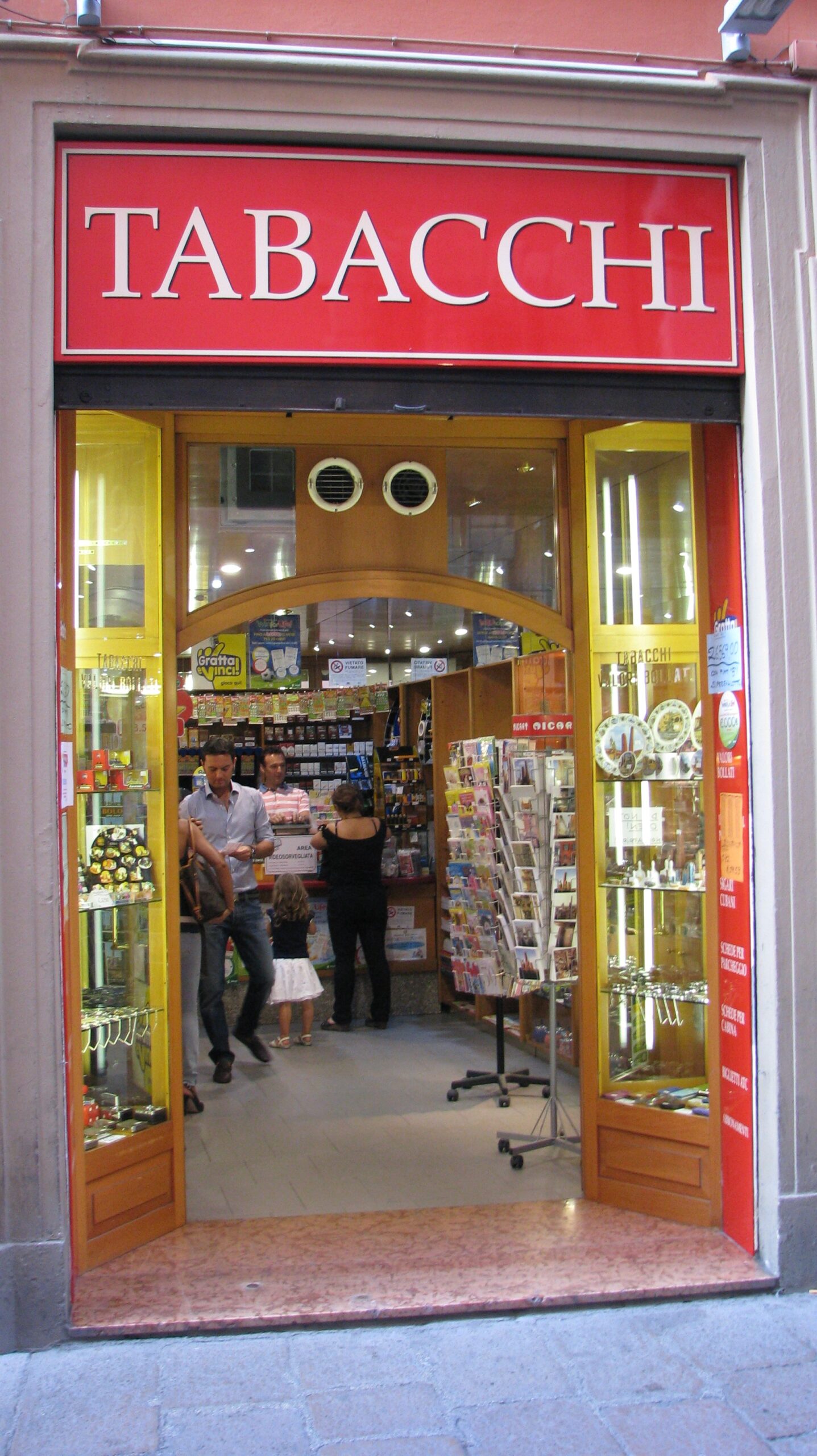
Tabacchi are brilliant for everyday life. You can buy bus and metro tickets, top up services, pay some bills, grab stamps, even pick up event vouchers sold through national networks. What you will not reliably find is a magic half-price museum ticket behind the cigarette counter.
Locals cut costs a different way, with tools that are either public policy or city programs. The big one in Rome is a tiny plastic card that turns the city’s civic museums into your personal free library for a year. Youth reductions on state sites do the rest. If you time it right, you can still walk in for free on set Sundays. Put those together and the savings look like a rumor, even though they are written into the rules.
Below is the clean map of what actually works, why the “tobacco shop ticket” story keeps spreading, and exactly how to pay local prices without getting burned.
Want More Deep Dives into Everyday European Culture?
– Why Europeans Walk Everywhere (And Americans Should Too)
– How Europeans Actually Afford Living in Cities Without Six-Figure Salaries
– 9 ‘Luxury’ Items in America That Europeans Consider Basic Necessities
How The Math Can Actually Work
Start with the most Roman move of all: a resident pass.
The MIC Card. If you live or study in Rome’s metropolitan area, the MIC card costs €5 and unlocks 12 months of free entry to the Musei in Comune network, plus reduced pricing for select exhibitions that have separate tickets. It is sold by the city’s museum system and culture offices, not by random corner shops. The math is absurdly good: visit twice and you are ahead. Visit all year and you feel like a local with keys. As of September 2025 the price is still €5, and you can buy it online, in the app, at city museums, or at Tourist Infopoints.
National reductions. Many state-run museums and archaeological sites apply youth reductions by law. EU and often non-EU visitors under certain age thresholds get reduced or symbolic prices; adults see standard tariffs that are still published on official pages. On top of that, Italy’s ongoing “Domenica al Museo” tradition brings free entry on the first Sunday of the month at state museums that opt in. Rome’s tourism office still publishes the free-Sunday guidance and lists participating venues.
Transport vs tickets. Why the tabacchi confusion. Because tabacchi absolutely do sell Rome transit tickets and a lot of other everyday vouchers. You will buy your BIT or daily pass there, then walk to a museum and pay or scan your MIC card at the door. The transport ticket part is true. The half-price museum ticket at the tobacco counter part is not how the city system is set up.
Put those together and the “half price at a tabacchi” headline becomes what it really is: full-price transport at a tabacchi, museum savings from official programs.
Where It Fits The Budget Right Now
Here is how an ordinary year in Rome can look when you use the tools locals actually use.
Civic museums on repeat. With MIC, the Capitoline Museums, Ara Pacis (permanent collection), Museo di Roma, Centrale Montemartini, and more come down to €0 at the turnstile all year. Temporary exhibitions hosted in those spaces often show a reduced rate to MIC holders when ticketed separately. You go when you feel like it, without treating culture like a splurge.
State icons on smart days. For places run by the Ministry of Culture, watch first Sundays for free entry and seasonal initiatives that bundle sports or events with museum access. Rome ran a Six Nations rugby weekend this year where match tickets unlocked free entry to 25 museums. Those pop-ups come and go, but the pattern is stable: public initiatives make access cheaper in waves.
Youth discounts that add up. If you qualify by age, reduced tariffs across state sites are standard policy, not a trick. Combine one free Sunday with one reduced visit and you have already halved your culture spend without any scavenger hunt for secret sellers.
Transit is separate. Your metro/bus tickets still come from tabacchi, newsstands, or ATAC machines. Keep that habit. It is fast, cheap, and everywhere. Just do not conflate it with museum admissions.
The Practical Playbook
A step-by-step you can follow this afternoon.
1) Decide if you qualify for MIC. You must be resident or domiciled in the Città Metropolitana di Roma, or be a student at a university in the metro area. If yes, MIC is a no-brainer. If you are visiting short-term, skip this and focus on free Sundays and reductions.
2) Buy MIC where it actually exists. Purchase online, in the MIC Card app, at any Musei in Comune ticket office, or at a Tourist Infopoint. Activation is immediate when you buy in person; online purchases generate a digital card you can show on your phone.
3) Map what MIC covers. The card unlocks unlimited entry at the city’s museums and several archaeological and historic sites managed by the city. Exhibitions with separate ticketing usually become reduced with MIC. Check the “included venues” list before you plan a long day.
4) Schedule state museums around free days. Put first Sundays on your calendar for the Colosseum-adjacent network, national galleries, and other state sites that opt in. If crowds aren’t your thing, use the free day for a smaller state venue and visit the big ones at off-peak hours with paid tickets.
5) Buy transport at the tabacchi, not museum tickets. Grab your BIT or Roma 24/48/72H titles at a tobacco shop or machine. This is the part of the rumor that is true and useful.
6) Keep one flexible slot for pop-ups. Cultural promos happen: sports-weekend tie-ins, late openings, or municipal nights with free entry. If you see a city or ministry announcement floating around, it is often real. This year’s rugby-weekend museum access is a prime example.
Pitfalls Most Visitors Miss
Trusting third-party resellers for “local” prices. Rome’s public discounts run through official channels. If a reseller promises half price everywhere with no eligibility, you are probably paying more for less.
Mixing up who runs what. Rome has city museums and state museums. MIC covers the city network. Free Sundays and youth reductions primarily relate to the state network. Know the owner, then pick the right lever.
Assuming tabacchi sell everything. They sell transport and lots of services, and sometimes event tickets through national systems, but not a blanket half-price museum pass. Use them for what they are great at and buy museum entry through the museum’s own channels.
Forgetting eligibility. MIC has residency/student rules. If you are visiting for a week, it is not for you. Aim your savings at free Sundays and reduced youth admissions instead.
Regional And Seasonal Differences You Should Know

August slows the city. Offices and some counters shift hours. Museum calendars keep running, but staffing and lines feel different. Plan early slots and bookables in advance.
Shoulder seasons are kinder. October–November and February–March offer the best mix of lighter crowds and full hours. Pair a first-Sunday free day with a nearby MIC-covered museum and you will feel like the only person who knows the rules.
Pop-up access is real. The city and the culture ministry periodically announce theme days and partner promos. If you are in town during a major event weekend, check for cultural tie-ins.
If You’re Running The Numbers
A quick comparison for two people spending a culture-heavy month in Rome, mixing city and state sites.
Scenario A — Resident or student in Rome (qualifies for MIC)
- Buy 2× MIC: €10 total → unlimited entry to the Musei in Comune for a year
- Add 2 state sites on free Sunday: €0
- Add 2 paid state icons at normal tariff on off-peak days
- Transport: buy BIT or 72-hour passes at tabacchi as needed
Result: the bulk of your museum time costs €0 at the door after a token outlay. You still pay for state icons you want on quiet days and ride the free Sunday for one or two more.
Scenario B — Short-term visitor
- No MIC unless you qualify
- Use first-Sunday free for one or two state venues
- Tilt your schedule toward city museums that already have lower base prices, then pay for one or two must-see state icons
- Transport at tabacchi all month
Result: you land close to “half price” across the month by timing and mix, not by a secret seller.
The headline “Romans buy museum tickets at tobacco shops for half price” survives because you do stand at a tabacchi a lot in Rome, and you do pay less than tourists when you use the city’s own programs. Connect the right dots and you will, too—no whispered counters required.

About the Author: Ruben, co-founder of Gamintraveler.com since 2014, is a seasoned traveler from Spain who has explored over 100 countries since 2009. Known for his extensive travel adventures across South America, Europe, the US, Australia, New Zealand, Asia, and Africa, Ruben combines his passion for adventurous yet sustainable living with his love for cycling, highlighted by his remarkable 5-month bicycle journey from Spain to Norway. He currently resides in Spain, where he continues sharing his travel experiences with his partner, Rachel, and their son, Han.