
You step off a train in Munich, order a Big Mac, and the fries arrive golden but a shade lighter than you remember. The fountain by the counter has no free refill sign. The dessert board looks familiar, but the neon sundae from childhood is missing. Same arches, different rules.
Walk a McDonald’s in the United States, then walk one in Germany, France, or Spain, and you will feel it immediately. The core menu overlaps. The way it is built does not. As of September 2025, Europe runs on a tight rulebook about how food is raised, processed, colored, fried, labeled, and even packaged. The United States gives chains more leeway if they hit safety targets and declare what they use. McDonald’s adapts to both worlds. That is why a product that flies in Phoenix often cannot fly in Paris without a rethink.
This is your plain-English map. What Europe will not allow that the U.S. still uses. How that changes beef, chicken, buns, fries, drinks, desserts, and packaging. Why prices and portions feel different. And a simple traveler’s playbook so you order like a local without a side of disappointment.
Why The Menus Diverge
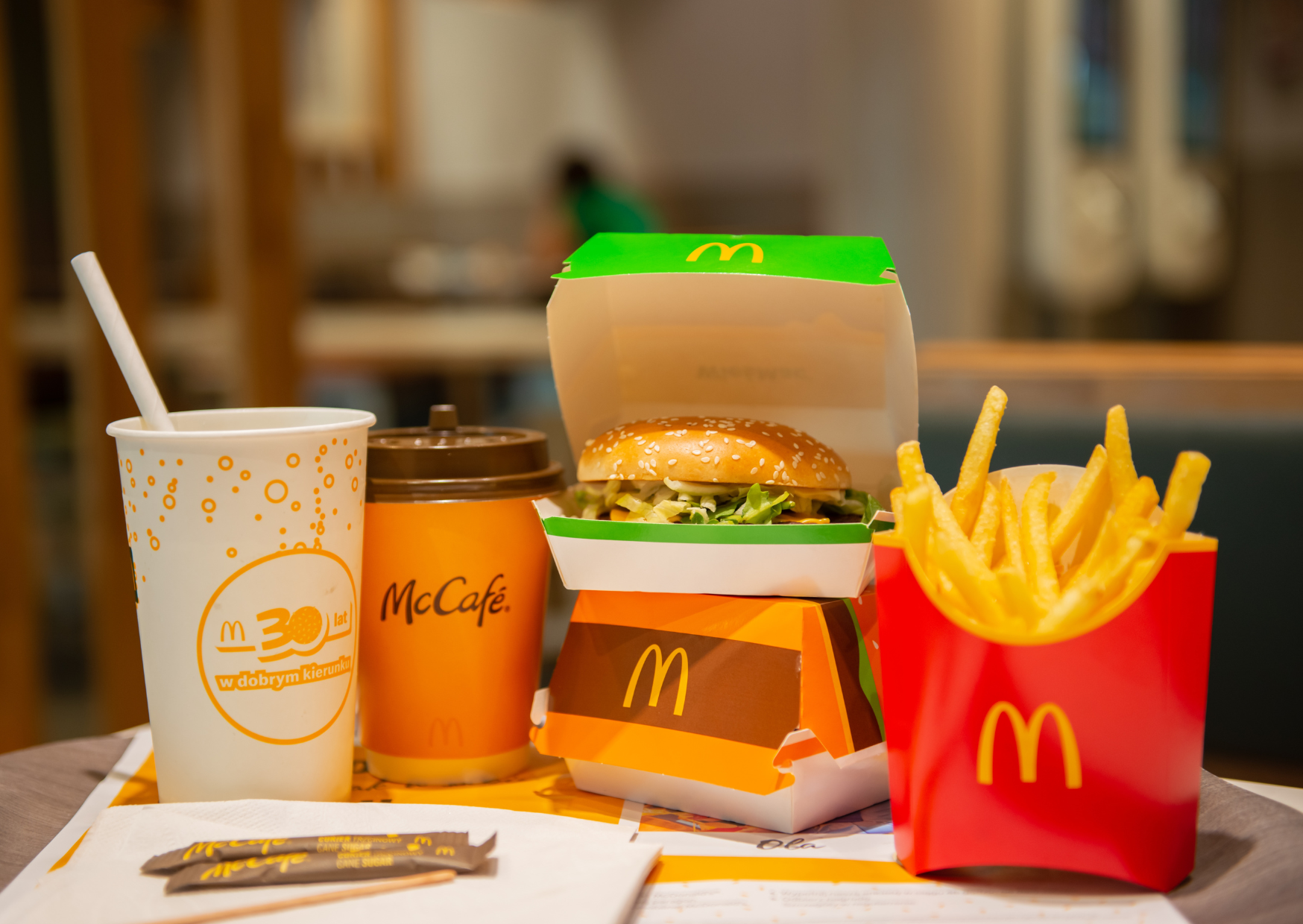
The split is not taste. It is incentives and guardrails.
- Europe builds lists of what is allowed and shuts the door on the rest. If a farm drug, wash step, or colorant is not on the list for food, it stays out of the kitchen.
- The U.S. designs for performance at scale. If an ingredient or process is safe at specified levels and you disclose what matters, it can go in. Brands then self-sort based on customer pressure.
McDonald’s operates inside both systems. So do its suppliers. The brand standardizes what it can, then rewrites what it must. The result is two golden arches with different guts.
The Seven Switches Behind The Counter
You do not need to memorize regulation numbers. Keep these seven levers in mind and most differences make instant sense.
1) The animals and the rinses
Europe blocks hormone-treated beef and chlorine-washed chicken from its market. The U.S. cattle system and poultry system run different playbooks. For McDonald’s, that means European patties and nuggets start with different upstream rules and verified suppliers, while U.S. meat comes through domestic standards that permit those practices. Same burger shape, different supply gates.
2) The whitening that never crosses the Atlantic
Food dyes and whiteners are not created equal. Europe removed titanium dioxide from food entirely. In the U.S., legacy recipes in candies and coatings used it to make whites whiter and colors pop. If a U.S. sundae topping or candy mix-in relied on that pigment, the EU version had to reformulate or vanish. That is why certain high-gloss desserts show up softer in European stores.
3) The bun chemistry
Some American industrial buns historically leaned on potassium bromate or azodicarbonamide to strengthen dough or speed whitening. Europe does not allow those flour treatments. McDonald’s Europe specs unbromated, ADA-free buns and relies on flour quality, time, enzymes, and ascorbic acid to hit uniformity. U.S. suppliers have moved away from those additives in many lines under consumer pressure, but the American code still allows them within limits. In practice, the European bun brief is stricter by default.
4) The fryers and that light-gold color
Europe forces chains to mitigate acrylamide in fried and baked foods. In a fry station, that means potato choice, blanching, soak times, cook temperatures, and even target color are tuned to keep the chemical down. A French or German fry can look and taste a touch different because the kitchen is targeting a lighter end point and specific prep steps. The U.S. has guidance, but Europe turns it into mandatory mitigation.
5) The drink rules that hide in the fountain
Europe taxes sugar in many countries and, in France, bans free soda refills in restaurants. That single sign by the fountain changes behavior, cup sizes, and menu engineering. McDonald’s in Europe designs around taxes, refill bans, and higher per-liter prices. You still get a cold Coke. You simply do not get bottomless Coke with your tray in places like Paris.
6) The sweet stuff inside the cup
The U.S. beverage world uses a lot of high-fructose corn syrup. Europe historically restricted production of similar syrups and still sweetens a large chunk of soft drinks with sugar or lower-fructose glucose-fructose syrups. A European Coke or Fanta often reads cleaner and less sticky to U.S. palates for that reason. The difference is policy and supply, not romance.
7) The wrappers and the dish pit
Packaging is part of the meal now. The U.S. phased out PFAS in major fast-food wrappers via a voluntary program that hit critical mass in 2023. Europe pushes further on reusables and waste. France requires reusable dine-in packaging at chains like McDonald’s, which adds dish rooms, tracking, and a different flow at the counter. In Europe, sustainability rules literally change how a tray looks.
What That Does To Real Menu Items
Translate the seven switches to the tray and you get predictable, practical differences.
Beef patties. European patties come through hormone-free lanes. American patties come through U.S. lanes that permit hormone use in the broader beef sector, even as McDonald’s sets brand standards for suppliers. On the tongue, beef tastes like beef. On the spec sheet, the permit stack is not the same.
Chicken. Europe refuses poultry processed with chlorine or similar pathogen-reduction washes. U.S. plants deploy washes as part of food safety systems. The nugget you bite is familiar, but the approved toolkit behind it differs.
Buns and muffins. The EU dough leans on milling and time, not bromate or ADA. Texture is still soft. The difference is the path to softness. U.S. lines already sell unbleached, unbromated buns to meet retailer and consumer demand, but Europe locks that standard in by law.
Fries. Expect lighter color targets, tighter fryer discipline, and training built around acrylamide mitigation. If you chase extra-brown fries, the European store will not reward you. The station is engineered for lighter gold.
Sundaes and McFlurry mix-ins. The base dairy and chocolate read the same. The whitest whites and brightest brights in toppings are often a notch softer because titanium dioxide is off the table. Many U.S. candies have removed that pigment too, but Europe made it non-negotiable first.
Fountain drinks. In France you pay per cup with no free refill, and in several countries you pay sugar tax by the liter baked into price boards. The practical outcome is smaller average pours and more orders of water or zero-sugar variants.
Trays and bins. Sit down at a McDonald’s in Lyon and your dine-in container may be reusable plastic returned through a station with staff running a mini dish pit. It feels more like a canteen and less like a paper storm. That is not a trend piece. It is French law plus EU packaging pressure.
Why You See Fewer U.S. LTOs In Europe
Limited-time offers are built on speed and supply. The U.S. can launch a neon shake with a custom sprinkle in weeks. Europe has to vet colors, sweeteners, and process steps against allowed lists and, in some markets, ad rules for kid-targeted products. Add sugar taxes and reusable packaging constraints, and the math on a loud seasonal item gets harder. The result is more local LTOs around cheese, truffles, seasonal mushrooms, or regionally loved sauces, and fewer liquid candy events.
The Price And Portion Puzzle
You feel Europe’s rules in your wallet and in your hand.
- Drinks cost more per liter once you layer taxes, no refills, and stricter packaging. That pulls average drink size down and raises water share.
- Fries size feels modest when the cook station is chasing a lighter finish and stores mind salt and timing tightly. You can order more. You rarely see the U.S. super-heap by default.
- Desserts look calmer because the whitening and the brightest synthetics are less available. Real chocolate and fruit do more of the talking.
- Reusables change labor. France’s dish systems add steps. That cost lands somewhere, usually in menu pricing or slower dine-in compared with pure disposables.
Numbers In The Wild
A simple thought experiment explains the tray.
Take a basic meal for one in Paris and one in Phoenix on a weekday lunch: burger, medium fries, medium cola.
- In Paris, the cola is taxed on sugar content and not refillable. The cup is a fixed cost with a fixed pour. The store may tilt you toward zero sugar to hit a better price point and regulatory optics. The fries are cooked to a light-gold target under a mitigation plan. The trayware may be reusable if you dine in. The burger bun is unbromated and ADA-free by rule.
- In Phoenix, the cola is cheaper per ounce and often refillable. The fries follow corporate spec, but there is no national rule that forces mitigation the same way. The bun supply is unbromated in many cases by brand choice, but the law does not force it. The dessert station can spin up brighter specials faster if the topping vendor still runs U.S. pigment rules.
You get a satisfying lunch both ways. The inputs and defaults are simply not the same.
Before You Order Abroad
If you are a U.S. regular walking into a European McDonald’s, a few micro-moves make the experience feel familiar.
- Size up a drink only if you need it. Without refills, the default medium will feel smaller and the price step to large may not deliver the value you expect.
- Add a sauce if you want salt to pop. Lighter fry color and controlled salting can read gentler. A dipping sauce restores the hit without fighting the cook spec.
- Try the local LTO. You traveled. Pick the truffle mayo in Italy, the raclette special in winter France, the McRib season in Germany. They exist because the region leans on culinary swaps more than color-driven gimmicks.
- Expect reusables at dine-in in France. If you are on a tight clock, order to go or be patient with table bussing.
If You’re Running The Numbers
Here is how those switches change chain economics and your receipt.
- Supply gates raise base cost in Europe. Hormone-free beef and non-chlorinated poultry supply chains are narrower. Europe considers the trade-off worth it. The brand engineers meals around predictable availability rather than the absolute cheapest meat.
- Sugar taxes change attach rates. Fewer refills and pricier sugared drinks push more orders toward zero sugar and bottled water. That shifts margin from beverages to bundles and sides.
- Acrylamide rules reduce waste. Tighter color windows and cook times make batches more consistent. You toss fewer fries for being too dark, but you also serve fewer super-brown baskets people romanticize online.
- Packaging mandates move capex to the store. Reusable cups and boxes add inventory, washing, and loss prevention. It is an up-front bite that governments argue is offset by lower waste. McDonald’s in France has already built the loop.
Common Misreads
“Europe thinks U.S. food is unsafe.” What Europe actually says is use different tools. The continent bans certain farm drugs and processing washes outright and prunes the additive list. The U.S. says prove safety at set levels and lets the market pressure brands to do the rest.
“The fries taste different because of the oil.” Sometimes oil differs. More often, it is potato spec and fry color. Lighter targets and tight timers change flavor and crunch slightly because the sugar on the surface does not brown as far.
“Europe is anti-sugar.” No. Europe taxes and labels sugar in ways that nudge behavior. You can still buy a McFlurry. You will not get bottomless soda in France.
“Packaging is just green theater.” France’s shift is law. Stores added dish rooms, RFID tracking in some pilots, and new labor patterns. You can dislike the policy and still acknowledge it changed operations.
What To Watch Next
A few moving parts will keep reshaping the tray.
- Candy supply without titanium dioxide. As more U.S. confectionery drops the pigment, it gets easier for global dessert units to run single recipes. Expect more harmony across markets.
- Packaging pressure spreading. The EU is advancing broader packaging rules. France was the early adopter for reusables, and other countries are testing similar teeth. Chains will build modular dish systems they can roll out market by market.
- Deforestation-free sourcing. Europe’s new import rules on forest-risk commodities will add paperwork and mapping to beef and soy supply chains that underpin global fast food. The timeline has shifted, but the direction is clear.
- Sweetener economics. If sugar prices remain elevated and taxes persist, expect more zero-sugar pushes at the fountain and smaller default pours.
A Decision Script For Travelers
- If you want the most “American” experience in Europe: order the classic burger, regular fries, and a bottled Coke. Expect no refill. Pick a local dessert, not a neon one.
- If you want to taste the local difference: look for the country special, try the smaller drink, and sit in to see the reusable trayware in France.
- If you have a kid who lives on U.S. sprinkles: scan the dessert board for simpler options or pick a McFlurry without candy mix-ins. The flavors will land closer to what you expect.
- If you are ingredient-sensitive: Europe builds you a safer lane by default on the specific hot-button items above. In the U.S., choose the many McDonald’s items already reformulated to mirror those standards.
The headline makes it sound like culture war. It is logistics. Europe and the United States wrote different rules for fast food. McDonald’s followed both. That is why your fries, buns, drinks, and trays do not match, and why they still feel like McDonald’s anyway.

About the Author: Ruben, co-founder of Gamintraveler.com since 2014, is a seasoned traveler from Spain who has explored over 100 countries since 2009. Known for his extensive travel adventures across South America, Europe, the US, Australia, New Zealand, Asia, and Africa, Ruben combines his passion for adventurous yet sustainable living with his love for cycling, highlighted by his remarkable 5-month bicycle journey from Spain to Norway. He currently resides in Spain, where he continues sharing his travel experiences with his partner, Rachel, and their son, Han.