
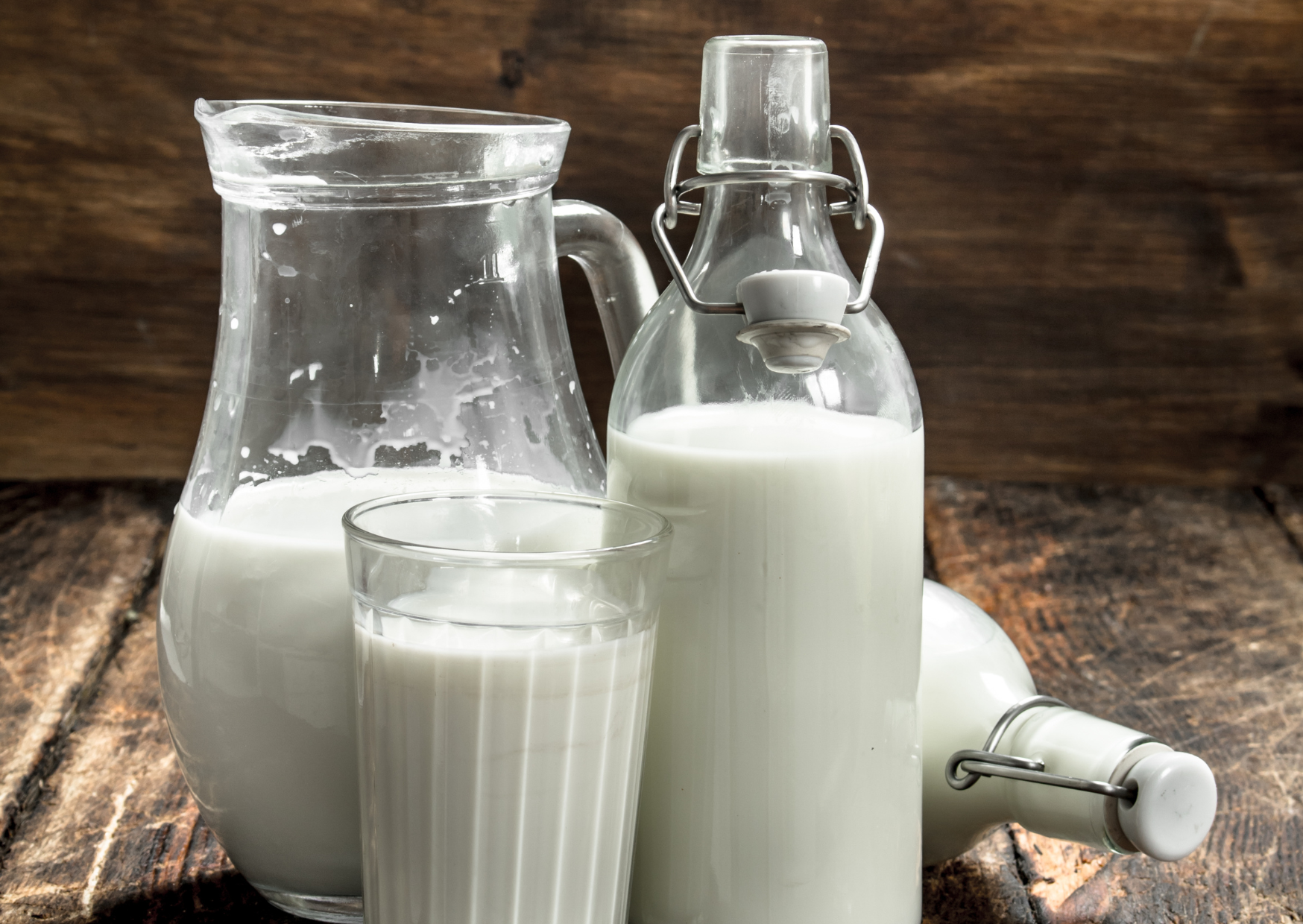
Morning light hits a glass bottle on the counter. Cream settles in a soft line, and the label reads like a recipe you could explain to a child. Across the ocean, the same word, milk, can hide very different steps between cow and cup.
In the United States, two behind-the-scenes tools shaped modern milk: a hormone shot used on cows to push production higher, and a strong oxidiser some processors deploy as an antimicrobial or bleaching aid in parts of the dairy stream. In Europe, the first is outright banned. The second is not authorised as a food additive in milk and triggers enforcement when it turns up in dairy plants. The result is a split that confuses travelers and fuels viral claims: “Americans drink milk Europe says is dangerous.”
Reality is less dramatic and more useful. You do not need fear to shop well. You need to know which practices differ, where they show up on shelves, and the simple ways to buy what you prefer in either market. This guide keeps it practical, with current rules as of September 2025, clear definitions, and a shopper’s playbook at the end.
The Two Flashpoints, Plainly
Europe’s hard red lines are about how milk is made and what touches it on the way to your fridge.
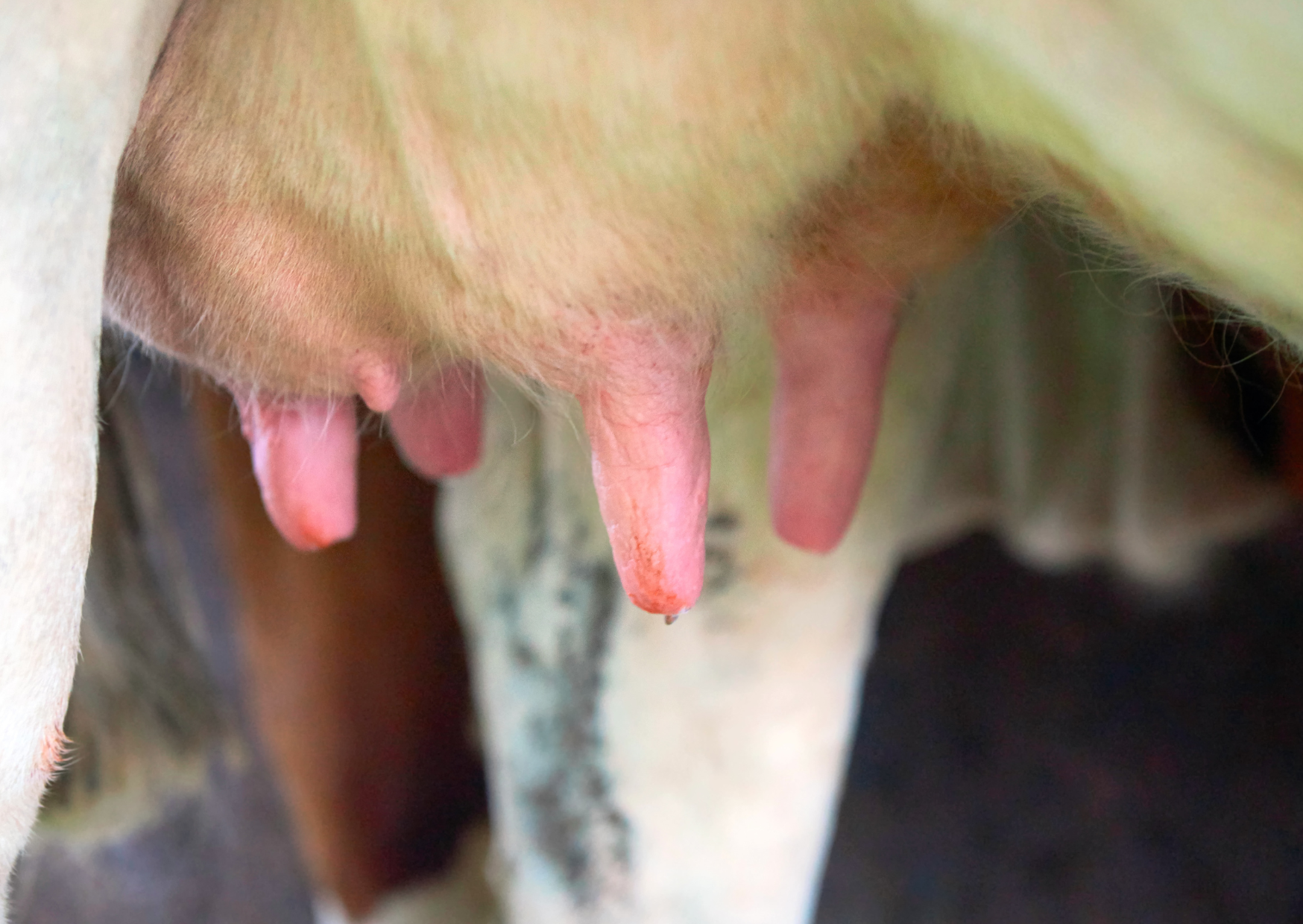
Recombinant bovine somatotropin (rBST or rBGH). This is a synthetic hormone injected into dairy cows to increase milk yield. The U.S. approved it in the 1990s; usage has fallen but it remains legal. The European Union banned placing it on the market and administering it to cows decades ago, citing animal-health and welfare concerns and choosing a precautionary path. For an EU buyer, rBST milk is simply not an option; for a U.S. buyer, it depends on the brand and supply chain. Labeling is voluntary in the U.S., which is why cartons often say “from cows not treated with rBST,” while others say nothing.
Hydrogen peroxide in the dairy stream. In U.S. regulation, hydrogen peroxide appears as a permitted processing aid in specific circumstances, including milk used during cheesemaking and whey processing, with tight maximum levels and a requirement to decompose it (enzymatically) so none remains. The EU, by contrast, does not list hydrogen peroxide as a food additive for dairy and has flagged its unauthorised use when inspectors find it in milk plants. That does not mean every U.S. carton is “peroxide milk.” It does mean U.S. rules make room for peroxide-treated intermediates in ways EU rules do not.
For shoppers, those two differences explain most of the “Europe says dangerous” rhetoric you see online. One is a farm practice. The other is a processing step. Both sit on opposite sides of the Atlantic’s rulebooks.
What “Allowed” Looks Like In Each Place
It helps to zoom out. The systems are built on different default settings.
United States. The playbook prizes throughput, flexibility, and process control. If a substance can be shown safe at specific levels and used with good manufacturing practice, it can be permitted. That is how rBST entered dairy and how hydrogen peroxide ended up on narrowly defined lists for antimicrobial/bleaching roles in certain dairy processes. Even when companies avoid them due to market pressure, the legal lane remains open. Supermarket realities reflect that tension: big brands increasingly advertise “no rBST,” while the law still allows it; some cheese and whey plants use peroxide under rules that call for complete breakdown before the food leaves the vat.
European Union. The frame is authorise first, then use. If an additive or technique is not on the Union list for a specific purpose, there is no back door via “processing aid” semantics. The EU made a political and scientific choice to prohibit rBST outright. On the processing side, authorities do not authorise peroxide as a bleaching or antimicrobial additive for milk, and inspections have flagged its unauthorised presence when detected in dairy processing. The union also leaves raw-milk retail to member states under strict hygiene rules, a reminder that European policy is not anti-milk, it is conservative about certain interventions.
Key contrast: The U.S. leans on limits and decomposition for certain processing chemicals; the EU leans on absence. The U.S. lets markets self-sort rBST; the EU removes the option.
How Those Rules Change What You See On Shelves
All the science aside, you live in front of a dairy case. Here is how the differences show up in daily life.
Labels and claims. In the U.S., cartons that say “from cows not treated with rBST” are speaking to the farm practice. If a carton says nothing, that does not prove rBST was used; it means the producer chose not to claim. In the EU, you will not see rBST claims because no one can use it. Peroxide does not show up as an ingredient on either side, because where it is allowed in the U.S. it must be decomposed, and in the EU it is not authorised as a dairy additive in the first place.
Formats and heat steps. Europe drinks far more UHT (ultra-high-temperature) milk than America. That is a shelf-life and logistics choice, not a hormone or peroxide issue. The U.S. case leans toward HTST pasteurised fresh milk with shorter dates. If you prefer one or the other, both markets offer both, just in different proportions.
Cheese, whey, and powders. The peroxide question really lives here. In the U.S., cheesemaking milk and whey may be exposed to regulated levels of hydrogen peroxide during processing, followed by catalase to break it down. The goal is to reduce microbes or bleach whey for cleaner color in powders or cheeses that would otherwise take on a yellow cast. European plants aim for the same outcomes with different rails: hygiene, filtration, heat, and authorised aids, not peroxide. That policy fork explains why you occasionally see EU alerts when inspectors suspect unauthorised peroxide use in dairy plants.
Price and choice. Because rBST raises yield, U.S. economics historically rewarded its use on larger farms. As consumer pushback grew, many processors created segregated rBST-free pools (often with a small premium). In Europe, the ban falls equally on everyone, so you do not pay extra for “no rBST” milk; the premium cues are organic, grass-fed, A2 casein, or regional marks.
What Most Shoppers Get Wrong
A few common mix-ups make the internet louder than it needs to be.
“Peroxide milk” vs peroxide in a step. In U.S. code, hydrogen peroxide is used at tiny, specified levels in intermediate dairy steps and must be destroyed before the food moves on. That is categorically different from bottled milk containing peroxide. Europe’s stance is simpler: do not use it as a dairy additive. The pushback is about authorisation philosophy, not that Europeans think Americans are pouring oxidiser into cartons.
“Europe thinks pasteurisation is dangerous.” No. Both systems expect pasteurisation for mainstream milk and cream, and both allow raw-milk niches under strict rules. The controversy here is not pasteurisation; it is rBST and peroxide.
“Every U.S. carton has rBST.” Not even close. A large share of U.S. retail milk now comes from herds that do not use rBST, because retailers set that as a house standard or because farmers reject it. The permission still matters, but usage is not universal.
“Peroxide explains American milk flavor.” Flavor differences come from feed, heat treatment, storage, fat standardisation, and time to shelf. The peroxide issue is downstream in cheese and whey, not the main taste lever in jug milk.
The Practical Playbook (Buy What You Want, Anywhere)
Use these rules of thumb and you will never have to argue with a stranger in the dairy aisle again.
If you live in the U.S. and want a European-style standard:
- Look for rBST-free language or buy from retailers that state a house policy. Many supermarket brands and organic labels already align.
- If cheese powders or whey ingredients matter to you, favor brands that specify “no peroxide processing” in their technical or sustainability notes, or buy PDO/PGI imports that are produced under EU rule sets.
- Stick to HTST or vat-pasteurised milk if you prefer the fresh profile common in European city dairies; choose UHT if you want the long shelf life Europeans accept as normal.
If you live in the EU and want American-style choices:
- You already have no rBST by law. For an American-style fresh taste, look for locally pasteurised, non-UHT milk and shorter codes.
- If you buy imported U.S. cheese powders or sports nutrition, understand that U.S. process allowances differ. Many reputable suppliers produce EU-spec lines that skip peroxide to sell into the Union.
Traveling or moving between systems:
- Adopt the local default. In the U.S., “rBST-free” is a brand choice; in the EU, it is a given. In the U.S., peroxide may appear as a step in cheese/whey plants; in the EU, it shouldn’t.
- When in doubt, buy shorter ingredient lines and brands that publish plant-level specs. Large dairies now post process policies plainly.
How We Got Here (And Why It Will Keep Moving)
Policy is not just science; it is values under uncertainty.
Europe chose a narrow lane. After reviewing the evidence and considering animal-health signals, the EU prohibited rBST rather than balancing potential gains against welfare risks. On the processing side, the authorised-list model shuts the door on peroxide as a dairy additive. When inspectors spot it in plants, they raise non-compliance reports. The system defaults to “if we do not need it, do not allow it.”
The United States chose a wider lane. FDA’s stance is that rBST can be used safely under label directions; any downstream consumer concern should be solved in the marketplace, not the Code of Federal Regulations. For peroxide, U.S. rules specify where it may be used, at what trace levels, and with which decomposition steps. The default is “prove safety at a level, then monitor.”
Public pressure reshaped practice. Even without bans, retailers and co-ops pushed rBST out of many U.S. dairy pools because customers asked. On the processing side, brands that export to Europe lean toward peroxide-free dairy specs to avoid trouble in customs and audits. Expect more voluntary harmonisation as global supply chains grow.
Regional And Seasonal Nuance You Should Know
Farm size and co-op rules matter. In the U.S., co-ops and processors decide house policies. Some pay a premium for “no rBST” and enforce audits. Others treat it as farmer’s choice. In the EU, the ban simplifies life: no one is allowed to use it, so co-ops focus on quality, hygiene, and animal care.
Cheese styles pull different levers. Whey-heavy industries (sports powders, processed cheese, some high-yield styles) are where peroxide debates live. Traditional cheeses lean on starter cultures, heat, and time, not bleaching aids.
Heat and distance rearrange the case. Hot summers and long distances favor UHT; dense cities with fast turnover support fresh pasteurised. Taste a few formats before declaring you “don’t like European milk” or “U.S. milk tastes off.” You may be reacting to heat step and shelf age, not policy.
If You’re Running The Numbers
What changes when you choose milk that mirrors EU norms in the U.S., or vice versa.
Price. rBST-free is often the same price in mainstream U.S. chains now, because processors segregated supply and competition equalised premiums. Organic costs more for other reasons. Cheese or powder lines that promise no peroxide do not usually advertise it on the front, but in B2B they can command a small premium.
Shelf life. UHT gives you months; HTST gives you weeks; vat-pasteurised can taste richer but runs shorter. None of that is about rBST or peroxide. It is heat plus handling.
Label literacy. In the U.S., the only reliable cart-side signal about the hormone question is a “no rBST” statement. For peroxide, consumer labels rarely help; look to brand standards on websites or choose EU-made cheese and powders if that’s important to you.
Risk delta. Europe’s decisions reflect a precautionary posture on both animal welfare (rBST) and additive authorisation (peroxide). The U.S. choices reflect level-based safety and process control. As of September 2025, neither system is static. Both keep updating how they talk about personalised pricing, transparency, and additive claims in food retail, and dairy rides along with that trend.
A Simple Decision Script
- Care about matching EU rules in the U.S.? Buy brands that state no rBST, choose short-ingredient cheeses, and prefer suppliers that publish peroxide-free specs for whey.
- Only care about taste and freshness? Choose HTST or vat-pasteurised with the shortest code date, regardless of the continent.
- Buying for kids or immunocompromised people? Choose pasteurised milk as the default in both systems; raw milk remains a niche with real risk, even under strict hygiene rules.
- Cooking and baking? For custards and sauces, UHT behaves differently. For foam and stretch (lattes, mozzarella), the protein profile and freshness matter more than the hormone or peroxide debates.
The signal to keep is simple: know the two flashpoints, then shop your values. You do not have to learn the entire food code to pour a glass that matches your preferences.

About the Author: Ruben, co-founder of Gamintraveler.com since 2014, is a seasoned traveler from Spain who has explored over 100 countries since 2009. Known for his extensive travel adventures across South America, Europe, the US, Australia, New Zealand, Asia, and Africa, Ruben combines his passion for adventurous yet sustainable living with his love for cycling, highlighted by his remarkable 5-month bicycle journey from Spain to Norway. He currently resides in Spain, where he continues sharing his travel experiences with his partner, Rachel, and their son, Han.