
And what it reveals about food philosophy, portion, and a culture that trusts the body more than the label
Walk into any French bakery at 7:30 a.m., and you’ll see a line forming. Not for coffee. Not for green juice. Not for high-protein muffins. But for bread. Plain, floury, fresh bread.
Not gluten-free. Not “keto-friendly.” Not fortified with flax or spirulina. Just long, crusty, white flour baguettes, hot from the oven.
The same type of bread that many American nutritionists warn about. The kind said to spike blood sugar, cause weight gain, and “offer nothing but empty calories.” The type some U.S. diet plans insist you should cut out entirely — especially if you want to be lean, fit, and healthy.
And yet, in France, it’s eaten every single day. By thin people. By old people. By mothers, teenagers, teachers, farmers, politicians. At breakfast, lunch, dinner — and sometimes between.
Here’s why the very bread American nutritionists warn will make you obese is part of the foundation of French daily life — and what it reveals about two cultures with entirely different relationships to food, pleasure, and the human body.
Want More Deep Dives into Everyday European Culture?
– Why Europeans Walk Everywhere (And Americans Should Too)
– How Europeans Actually Afford Living in Cities Without Six-Figure Salaries
– 9 ‘Luxury’ Items in America That Europeans Consider Basic Necessities
1. The French Eat White Bread — Daily and Without Guilt

Let’s be clear: we’re talking about baguette blanche — the classic French white baguette made from wheat flour, yeast, water, and salt. No seeds. No added fiber. No protein boost. No substitutions.
It’s the staple. The norm. The default.
Most French households buy a fresh baguette every day, sometimes more. It’s torn, dipped, sliced, used for sandwiches, or eaten plain. It sits on every table. And when it’s finished? You go buy another.
To an American wellness coach, this sounds dangerous. But in France, it’s just bread — not a moral choice.
2. Portion Size, Not Bread Type, Is What Matters
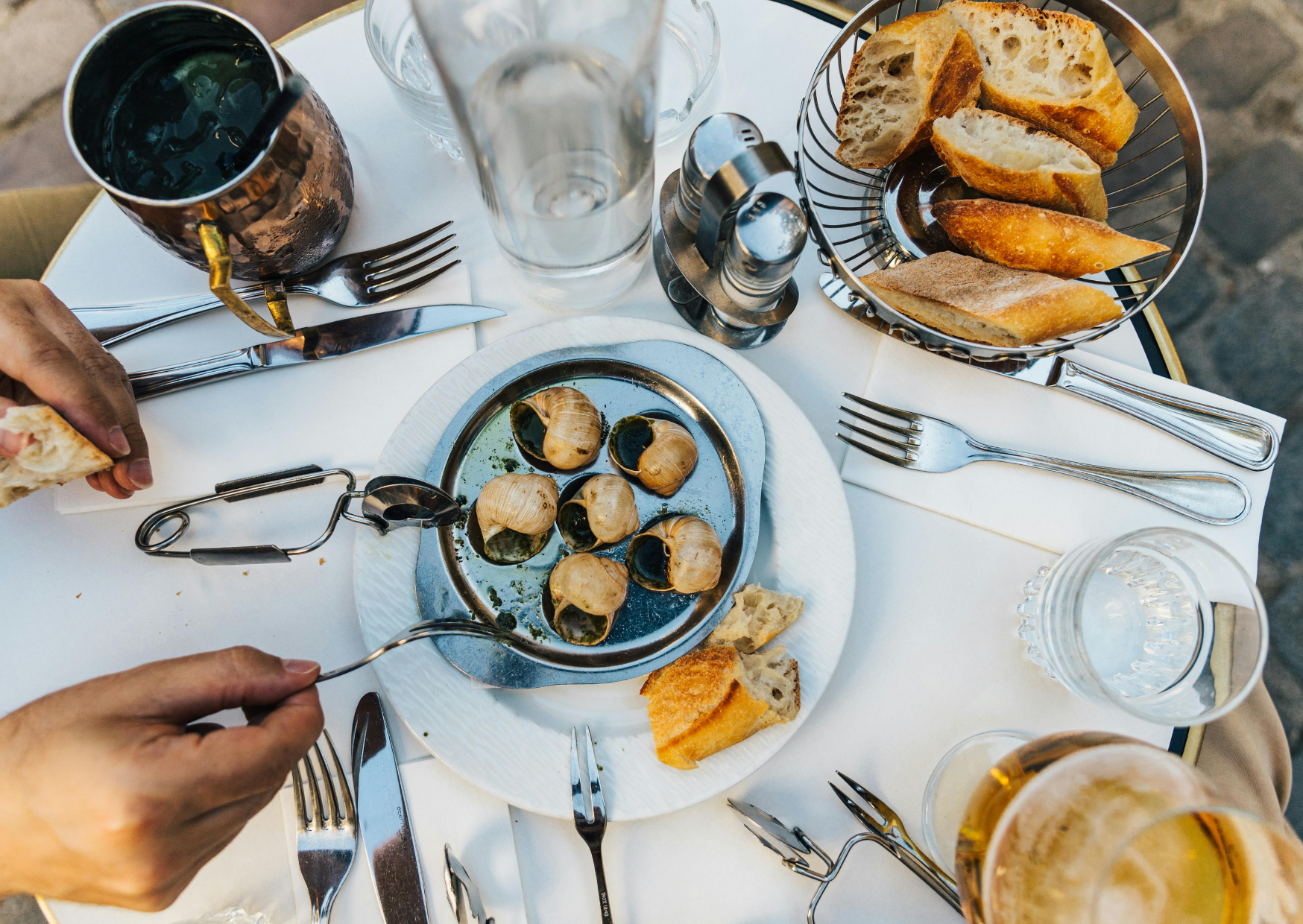
Americans often misunderstand how the French eat bread.
Yes, they eat white bread. But they eat it in small amounts. Half a baguette may last a day. A slice accompanies a meal. A piece is torn and dipped in coffee — not devoured in a heap.
Bread is part of the meal, not the meal.
You won’t find giant bread baskets before dinner. You won’t see people absentmindedly snacking on toast for hours. Bread is treated like wine: consumed intentionally, in balance with everything else.
That difference in rhythm changes everything.
3. The French Walk — And Don’t Fear Hunger
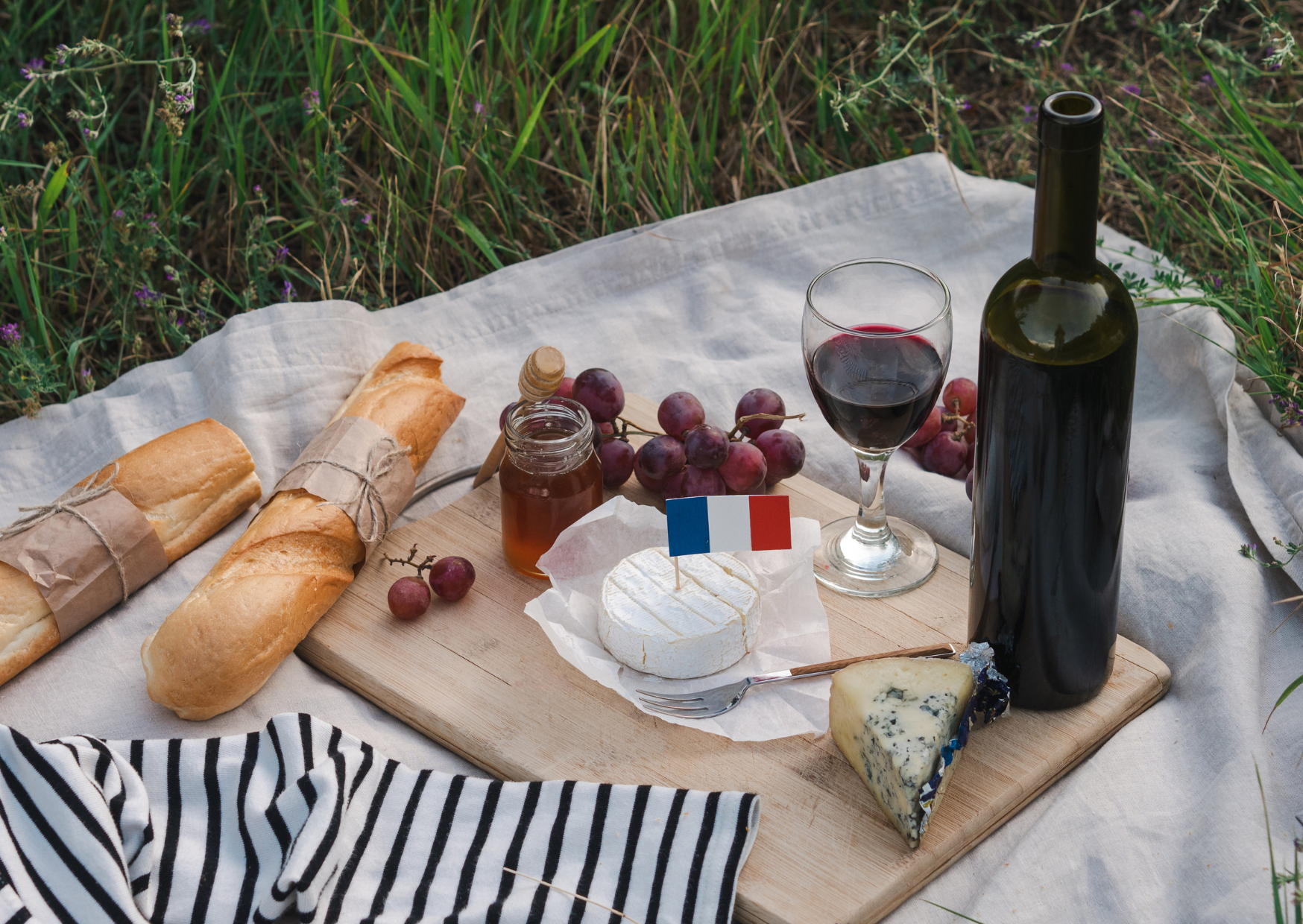
One reason bread isn’t feared in France is that calories aren’t treated as a threat. People walk more. They move constantly. They understand hunger as natural, not a sign of dietary failure.
In the U.S., hunger is often suppressed — with snacks, with caffeine, with fear. Food becomes something to manage and monitor.
In France, hunger is expected. Bread is used to bridge it. It’s functional, not forbidden.
That means no one binges out of deprivation — and no one assigns moral weight to a slice of warm flour.
4. The Ingredients Are Simpler — and Often Better
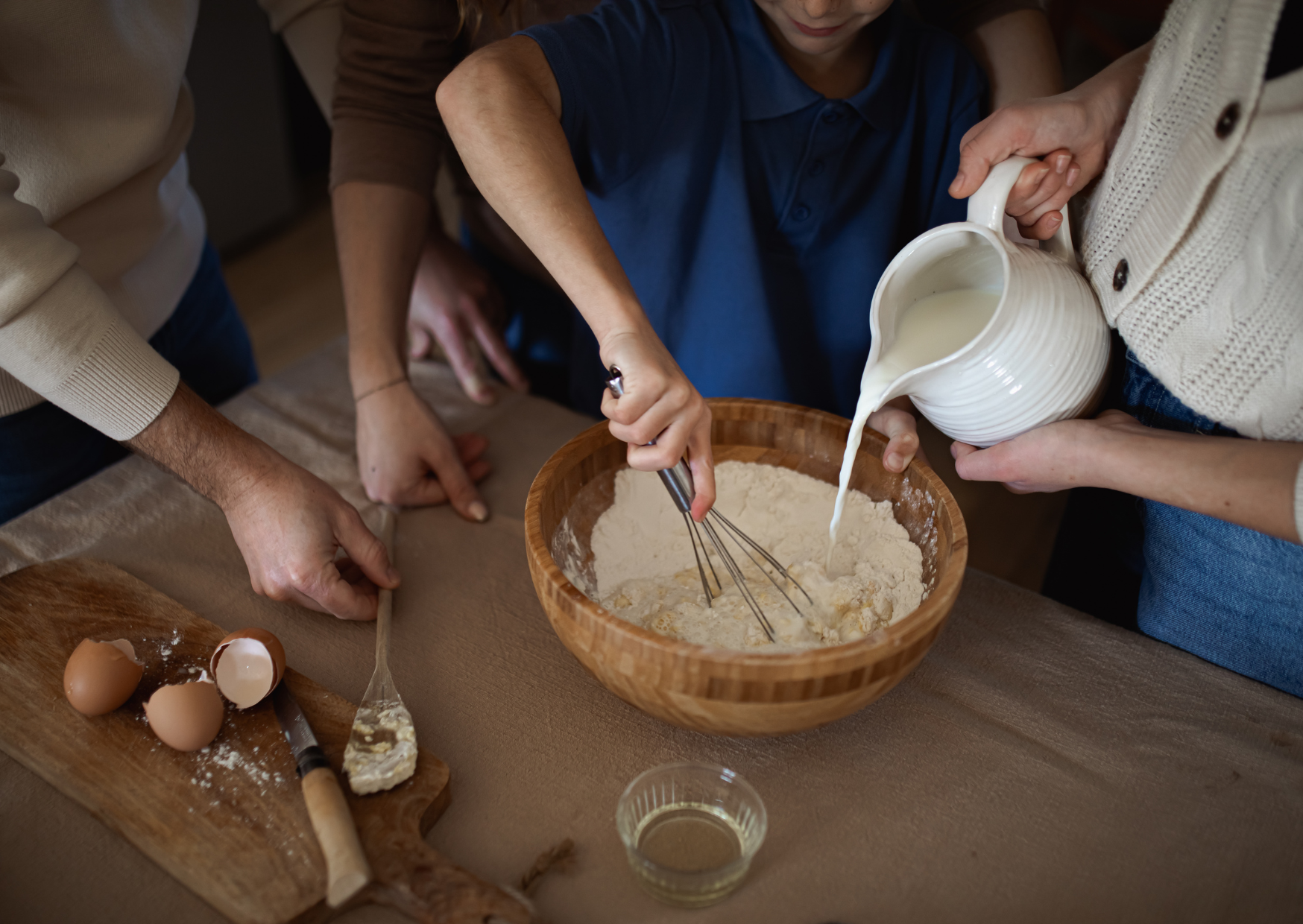
The average French baguette contains four ingredients: flour, water, salt, and yeast. That’s it. No preservatives. No fillers. No oils.
In the U.S., many white breads — especially mass-market ones — are loaded with additives, sugar, and stabilizers to increase shelf life. The nutritional comparison isn’t fair.
French bread goes stale in a day. It’s meant to. That’s why it’s bought daily — and why it tastes like something real, not manufactured.
The result? A better product, used more carefully, with fewer chemical impacts.
5. Bread Is Not Eaten Alone
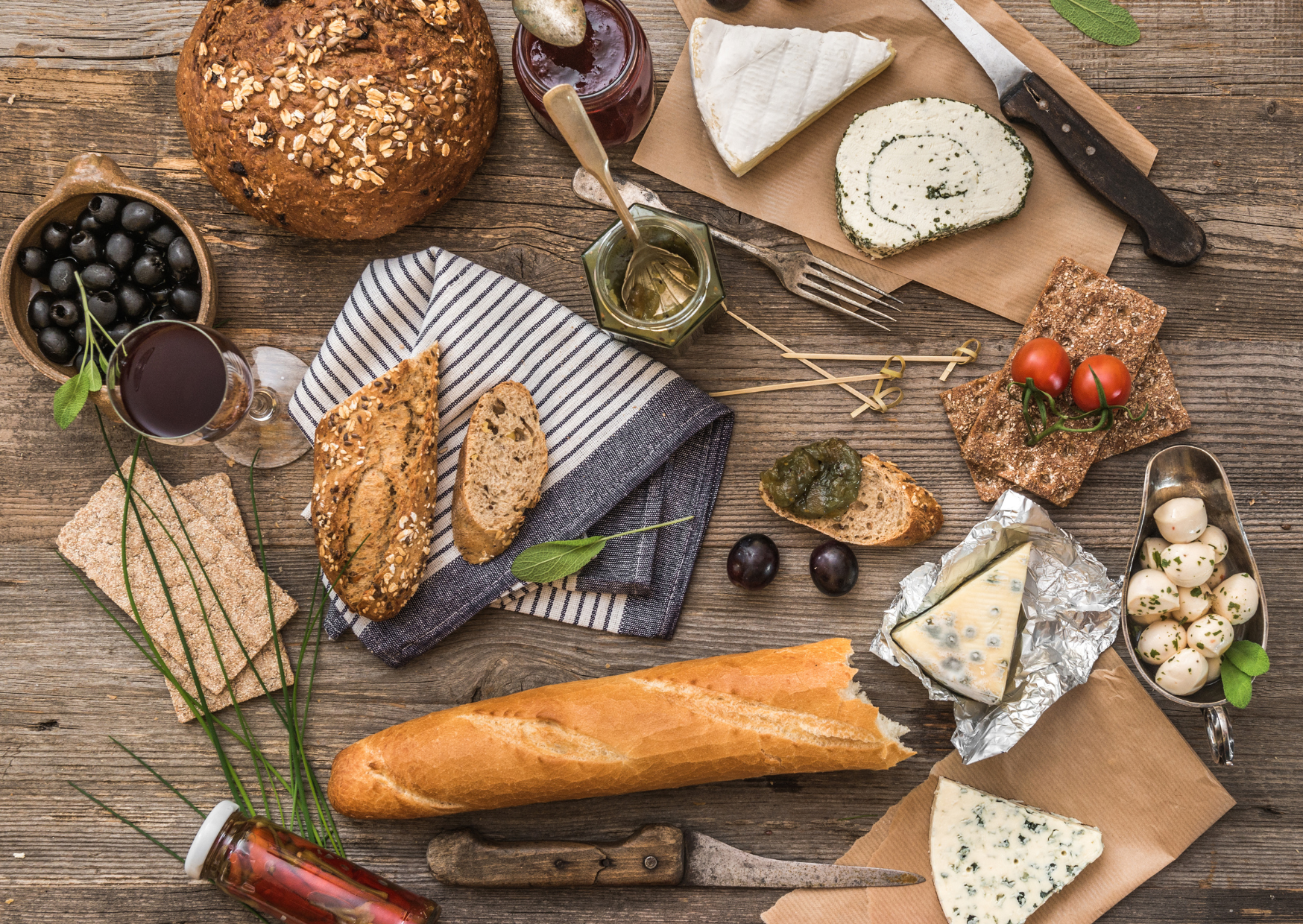
Americans often eat bread in isolation — toast for breakfast, a sandwich for lunch, rolls as a snack.
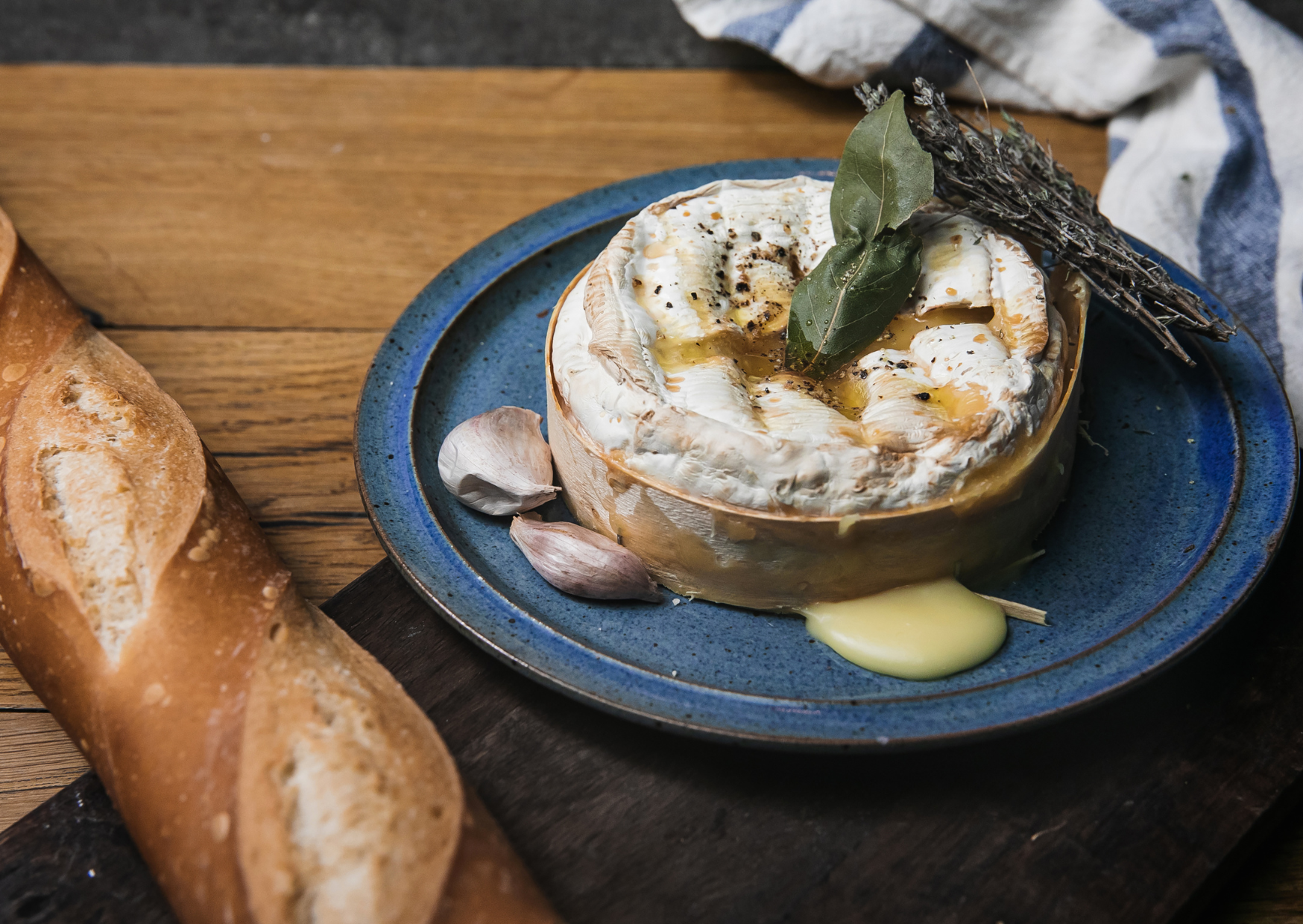
In France, bread is always eaten with something else. Cheese. Soup. Salad. Eggs. A little butter and jam.
It’s never the center. It’s never inhaled. It’s never mindless.
Even a tartine — the classic French breakfast of buttered bread with jam — is consumed slowly, with coffee, at a table.
Bread is a supporting actor — never the entire story.
6. There’s No “Good” vs. “Bad” Carb Mentality
In the U.S., bread is usually classified. Whole grain? Good. White? Bad. Low-carb? Best of all.
This moral language doesn’t exist in France. Bread is not a nutritional battleground.
You won’t hear people say, “I’m being bad — I had a baguette.” You won’t hear guilt. Or cleansing. Or shame.
Food isn’t coded with emotion. It’s eaten. Liked. Respected. And then forgotten until the next meal.
That mental freedom changes the physiological impact, too. Stress around food has real metabolic consequences — and the French avoid it entirely.
7. Children Grow Up Eating Bread — Without Rules

French kids are raised on white bread. No one tells them it’s bad. No one restricts it until they “earn it.” It’s just there — part of lunch, part of snacks, part of home.
Because it’s never forbidden, it’s never obsessively desired.
No one hoards it. No one eats ten slices in secret. No one associates bread with rebellion or comfort eating.
By the time they’re adults, it’s just food. One more tool in a rich, varied, and flavorful diet — not a danger to be feared.
8. Bread Isn’t the Problem — It’s the Context
American nutritionists often isolate foods: this food causes weight gain. This food spikes blood sugar. This food must be limited.
The French don’t isolate. They consider the entire context.
Bread eaten with cheese and salad and followed by a walk? Fine. Bread consumed mindlessly in a car, alongside chips and soda, before a sedentary day? Maybe not.
It’s not the bread. It’s the life around it. And that holistic view creates a relationship with food that is flexible, sustainable, and joyful.
9. The Culture Doesn’t Reward Restriction
In the U.S., self-denial is praised. “No bread for me” earns respect. “I’m doing keto” sparks admiration. The smaller the appetite, the higher the social reward.
In France, pleasure is not a vice. You are not more virtuous for skipping the baguette. You are not more disciplined. You are simply missing something good.
The body is trusted to balance itself. The food is trusted to nourish. And the culture doesn’t reward people for avoiding what they enjoy.
That cultural permission does what rules never can — it builds a natural sense of moderation.
One Loaf, Two Philosophies
To Americans, white bread is dangerous. Empty calories. Fast carbs. A diet-breaker.
To the French, white bread is daily life. A ritual. A flavor. A tool for living well — and without guilt.
In the U.S., bread is dissected. In France, bread is respected.
The difference isn’t just in ingredients. It’s in rhythm. In mindset. In how much of life you expect your food to solve — and how much you’re willing to trust yourself to eat it without fear.
So the next time you see a French woman tear a warm chunk of baguette and eat it slowly, without apology, don’t be confused.
She’s not making a mistake.
She’s just having lunch — the way people have done for centuries, without panic, without rules, and with every intention of enjoying every bite.

About the Author: Ruben, co-founder of Gamintraveler.com since 2014, is a seasoned traveler from Spain who has explored over 100 countries since 2009. Known for his extensive travel adventures across South America, Europe, the US, Australia, New Zealand, Asia, and Africa, Ruben combines his passion for adventurous yet sustainable living with his love for cycling, highlighted by his remarkable 5-month bicycle journey from Spain to Norway. He currently resides in Spain, where he continues sharing his travel experiences with his partner, Rachel, and their son, Han.