
Why This Topic Matters
You’re visiting Spain or Italy, expecting dinner around 6 or 7 PM. Then you realize restaurants don’t even open until 8, and locals might not show up until 9 or 10. Is everyone just night-owls? Or do they run on a different clock? Below are 8 genuine reasons Mediterranean locals push dinner so far into the evening—not just a random habit, but a culturally woven tradition tied to climate, work rhythms, and social customs.
Looking for More Travel & Culture Reads?
– They Don’t Work 24/7: 5 Vacation Customs in Europe That Drive Americans Crazy
– 7 Dress Code Shocks Americans Face in Italy
Quick Easy Tips
Adjust your meal times slowly. If you’re not used to eating late, try shifting dinner by an hour each night until it feels natural.
Snack smart. Locals often enjoy a light afternoon bite, like fruit or coffee, to bridge the gap until dinner.
Go with the flow. When dining out, avoid rushing. Mediterranean meals are meant to be enjoyed leisurely.
One controversy lies in the health debate. Some nutritionists argue that eating late disrupts digestion and sleep, while Mediterranean locals point to long lifespans and low rates of lifestyle diseases as evidence that their rhythm works. It raises the question: is timing more important, or is it what and how you eat that matters?
Another layer of controversy comes from globalization. Younger generations in Spain, Italy, and Greece are increasingly adapting to earlier meals due to modern work schedules and global business norms, sparking tension between tradition and practicality. Critics argue that this shift erodes cultural identity.
Finally, there’s a clash of perceptions. Tourists often see late-night dining as impractical, while locals view early dining as joyless and rushed. What one group considers inefficient, the other considers essential to preserving community and quality of life.
1. The Climate Factor

Why It Delays Dinner
In Mediterranean regions—Spain, southern Italy, Greece, or the South of France—summer heat can be brutal. Historically, people avoided heavy cooking or big meals in the scorching afternoon. The air cools later, so the main meal shifted accordingly.
How It Works
- Late sunsets: By 8–9 PM, it’s finally comfortable to gather for a leisurely meal.
- Afternoon siestas or downtime keep folks from wanting a big dinner earlier—they might snack or rest mid-day.
- This tradition stuck even with modern AC—people still prefer the cooler evening vibes.
Your Takeaway
If you’re from a cooler climate, dinner at 9 PM might sound crazy. But in southern Europe, it’s the sweet spot between scorching midday and restful nights.
2. Long Work-and-Break Cycles
Why It Delays Dinner
In places like Spain or southern Italy, the day might be split: work from morning to early afternoon, then a long lunch or siesta, returning to work in the late afternoon. That pushes the entire schedule forward—no one’s free for dinner until 8 or 9 PM.
How It Works
- Extended midday break: Some shops close from ~2 to 5 PM (especially in smaller towns).
- People resume tasks around 5 PM, finishing 7–8 PM. Hence, dinner can’t start at 6 PM because they’re still at work.
- After-work errands or social coffee can push actual dinner to 9 or 10 PM easily.
Your Takeaway
Yes, you might want that 6 PM meal, but locals are still wrapping up their “second shift” of the day. Go with the flow—plan a small afternoon snack so you’re not starving by 9 PM.
3. Multi-Course Tradition and Family Gatherings

Why It Delays Dinner
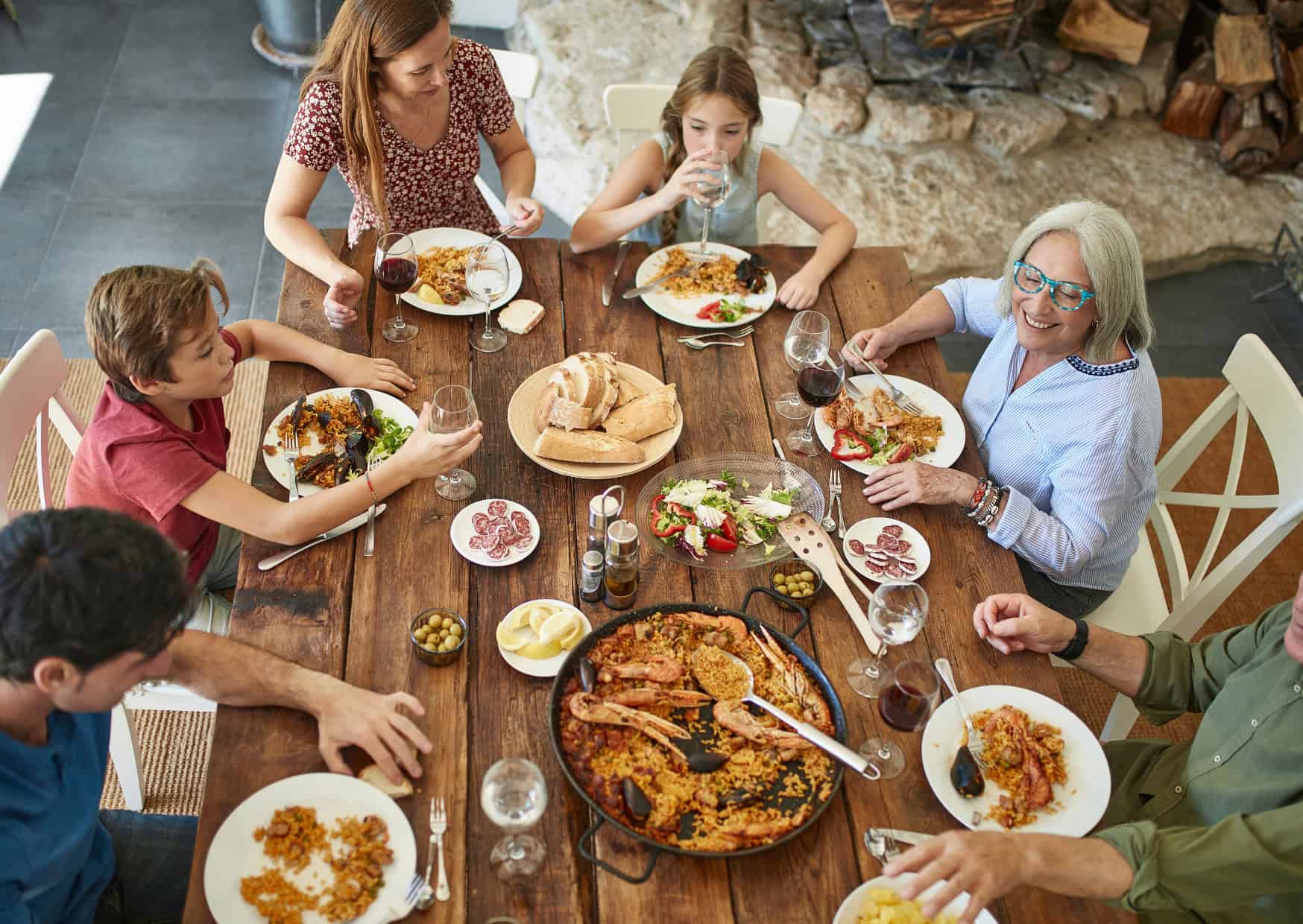
Mediterranean dinners often span multiple courses—antipasti, pasta, main dish, dessert in Italy; tapas evolving into a full meal in Spain; Greek meze, etc. Families gather with relatives or friends, making the meal a long social affair.
How It Works
- People arrive slowly, chat, share starters—no rush to eat quickly.
- Even small towns might see 2–3 hours of dining, with conversation as the main course.
- This tradition keeps dinner as a late, central event—everyone organizes their day so they can linger.
Your Takeaway
If you come from a “fast-eating” culture, be ready for a slow pace. The meal’s about bonding—late hours let families come together once everyone’s home from daily obligations.
4. The Aperitivo or Tapas Culture

Why It Delays Dinner
In Italy, the aperitivo hour hits ~7 PM, featuring light snacks and drinks. In Spain, tapas might be nibbled from 7 to 9 PM, pushing the main dinner later. These pre-dinner rituals fill the early evening slot—no one rushes to a full meal right after.
How It Works
- Italians gather for spritzes, small bites—olives, mini pizzas—at local bars, bridging the gap until dinner at 8–9 PM.
- Spaniards might hop from tapas bar to tapas bar, enjoying small plates. They only settle for the main meal after that.
- Socializing and “light snacking” fill that 6–8 PM window Americans might call dinner time.
Your Takeaway
Yes, you might expect a big dinner at 7 PM, but locals are sipping an aperitivo or nibbling tapas. Join them—it’s a culturally embedded warm-up that redefines what “dinnertime” even means.
5. The Social Priority
Why It Delays Dinner
Mediterranean life values socializing—evenings are for meeting friends, strolling the piazza, or relaxing after the day’s heat. Dinner becomes a highlight, not just fueling but an event bridging social bonds.
How It Works
- People might gather in plazas from 7 PM, chat, watch kids play, or have a drink—no rush to eat.
- The city often bustles at 8 or 9 PM with neighbors greeting each other—communal spirit runs strong.
- Dinner at 10 PM might be normal if you spent 2 hours chatting with neighbors prior.
Your Takeaway
Yes, Americans sometimes see dinner as a functional meal. For Mediterranean locals, it’s part of the day’s prime social time. Late dinners let them gather unhurriedly post-work.
6. Historical Agriculture Patterns
Why It Delays Dinner
Historically, farmers or fishermen might start early but also take a midday break, resuming tasks late into the afternoon. By the time chores ended, 8–9 PM was dinner hour. That schedule transferred from rural times to modern city life.
How It Works
- Even in cities, traditions from agricultural ancestors hold—meal times reflect working with daylight, then resting midday.
- Over generations, families got used to eating late,** passing** it down.
- That’s why it remains consistent, even if people no longer farm—cultural inertia keeps late dinner intact.
Your Takeaway
Yes, modernization changed daily tasks, but mealtime traditions die hard. Realize the time is grounded in historical rhythms—not something they plan to tweak for travelers.
7. Restaurant Hours Cater to Locals, Not Tourists

Why It Delays Dinner
In touristy zones, you might find a 6 PM opening. But in real local neighborhoods, restaurants might not open for dinner until 8. They revolve around local habits—that ensures diners show up in droves, not a ghost hour.
How It Works
- Chefs and staff expect people around 9–10 PM, prepping accordingly.
- If a tourist arrives at 7 PM, they might be told the kitchen isn’t fully ready, or get the sense it’s “empty.”
- Late hours keep the place buzzing from 9–11 or midnight.
Your Takeaway
Yes, Americans might get hungry early. But realize local restaurants serve local schedules first. If you show up too early, you risk an awkward or partial service scenario—embrace the local timeline.
8. Siestas or Riposo Extend Evening Energy

Why It Delays Dinner
In Spain (siesta) or parts of southern Italy (riposo), locals often rest or do low-key tasks in the afternoon. They’re recharged and stay up later, shifting all evening activities, including dinner, to a late slot.
How It Works
- A short rest around 2–4 PM means you’re not ready for bed at 9 PM.
- The entire city’s energy peaks after 8 PM—shops might even reopen, people finalize errands.
- Dinner becomes the final highlight before a late bedtime, still feasible because they napped or relaxed earlier.
Your Takeaway
Yes, Americans might skip midday rest and crash early. Mediterranean folks use that midday downtime to push bedtime past midnight, making a 9–10 PM dinner no big deal.
Conclusion: Lean Into the Late Dining
If you’re an American traveling or moving to Spain, Italy, Greece, or other Mediterranean spots, don’t fight the late dinner routine—embrace it. It’s rooted in climate adaptation, social priorities, historical labor patterns, and a genuine love of unhurried evening gatherings.
That’s why locals see 8 or 9 PM as the sweet spot for the day’s main meal. Next time you hear about dining at 10 PM, remember: for them, it’s not “late”; it’s perfectly normal. Pack a snack for that mid-afternoon slump, enjoy a tapas or aperitivo break if you can, and you’ll flow seamlessly into the vibrant Mediterranean rhythm.
Pro Tip
Try a mini “siesta” or restful break in the afternoon—no need for a full nap, but decompress so you can enjoy that 9 PM dinner without nodding off. Once you adopt their pace, the late-night mealtime might feel not just normal but delightfully communal, linking you to centuries of Mediterranean tradition. Enjoy your late supper—buen provecho, buon appetito, or kali orexi!

About the Author: Ruben, co-founder of Gamintraveler.com since 2014, is a seasoned traveler from Spain who has explored over 100 countries since 2009. Known for his extensive travel adventures across South America, Europe, the US, Australia, New Zealand, Asia, and Africa, Ruben combines his passion for adventurous yet sustainable living with his love for cycling, highlighted by his remarkable 5-month bicycle journey from Spain to Norway. He currently resides in Spain, where he continues sharing his travel experiences with his partner, Rachel, and their son, Han.