
The difference is not bravery or genetics, it is how adults structure taste, safety, and school food from the start, so new flavors feel normal instead of foreign.
You will see a French toddler take a curious bite of a briny oyster at a holiday table, then go back to bread and butter without a scene.
Across the ocean, a preschooler scans the menu for something familiar, usually a nugget, because that is the lane adults built and reinforced.
The gap looks cultural, but it is also logistical. France introduces varied foods early, teaches taste in school, and writes frequency rules that make fish normal and fried items occasional. The United States, for all its strengths, defaults to ultra-processed convenience for children, so repetition narrows the palate.
As of September 2025, French public guidance still warns against raw meat, fish, and shellfish before age 3, cooked seafood is fine with diversification, while many pediatric dietitians advise waiting even longer, often until age 5, for raw shellfish like oysters. The scene you picture is a supervised taste within rules, not a dare.
Want More Deep Dives into Other Cultures?
– 9 Italian Style Rules That Instantly Outshine American Fashion
– Why Europeans Walk Everywhere (And Americans Should Too)
– How Europeans Actually Afford Living in Cities Without Six-Figure Salaries
– 9 ‘Luxury’ Items in America That Europeans Consider Basic Necessities
1) What The Headline Really Means
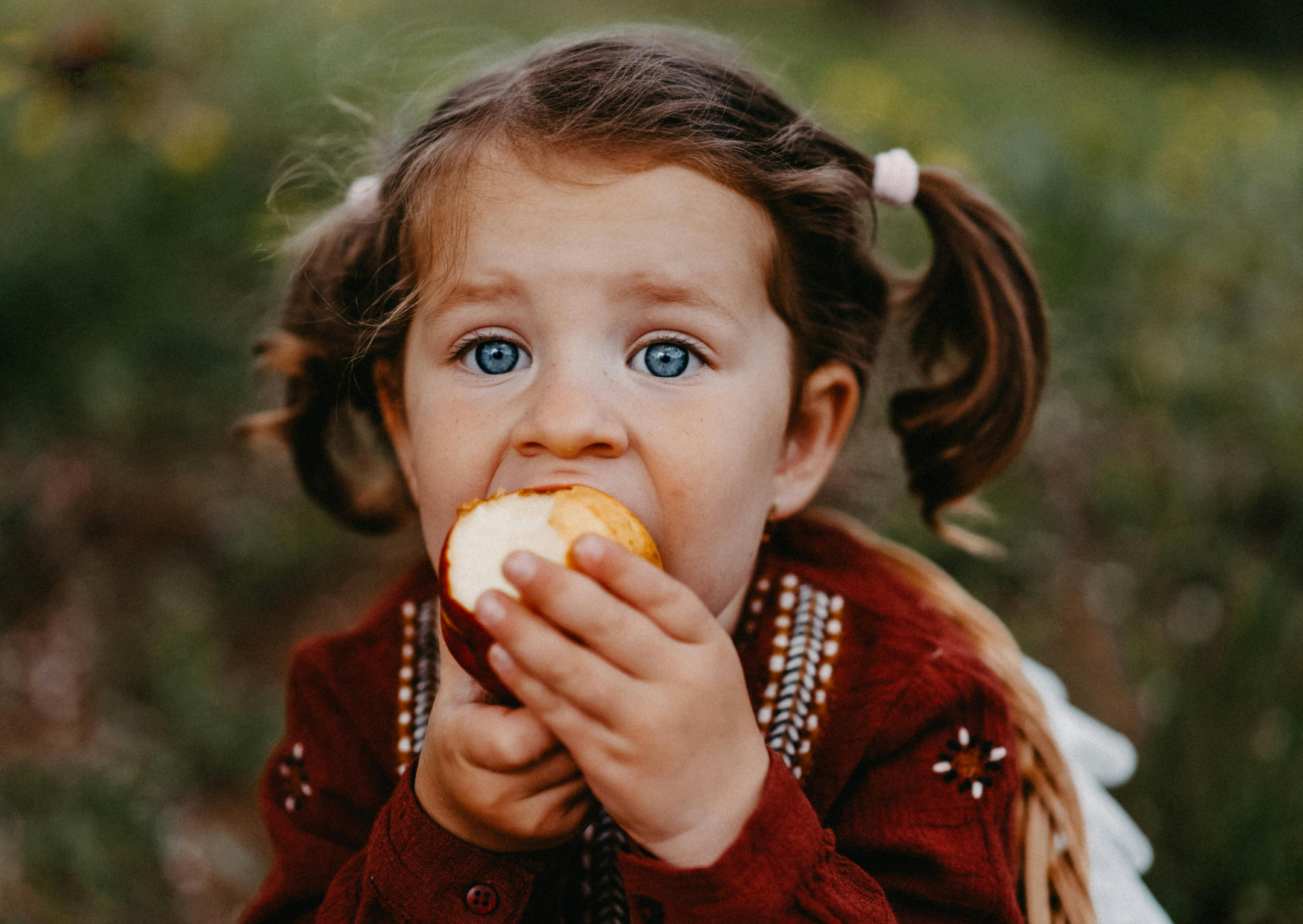
This is not a claim that every French toddler slurps oysters. It means that early exposure to a wide range of flavors is expected, and that seafood, including shellfish, appears in family meals and school menus often enough that it feels ordinary rather than exotic. The oyster taste happens at a table where adults manage safety rules and size, a lick or a small bite, not a dozen on the half shell. French complementary feeding guidance is explicit on timing, no raw meat, fish, or shellfish before age 3, and raw-milk products are deferred even longer. The point is a broad, guided palate, not recklessness.
Why oysters, specifically? Because they sit at the center of France’s holiday food culture. Children grow up seeing them, hearing adults describe them, and, when they are old enough, being offered a tiny, supervised taste. Many pediatric dietitians still advise waiting until around age 5 for raw shellfish as a conservative line, which parents follow at their discretion. The headline sits in that narrow space between culture and caution.
Two truths can live together. France promotes taste education and early variety. France also warns clearly about raw foods for young kids. When outsiders see a three-year-old tasting an oyster, they are watching a long runway of taste training, not a one-off stunt.
2) The Rules French Parents Actually Follow
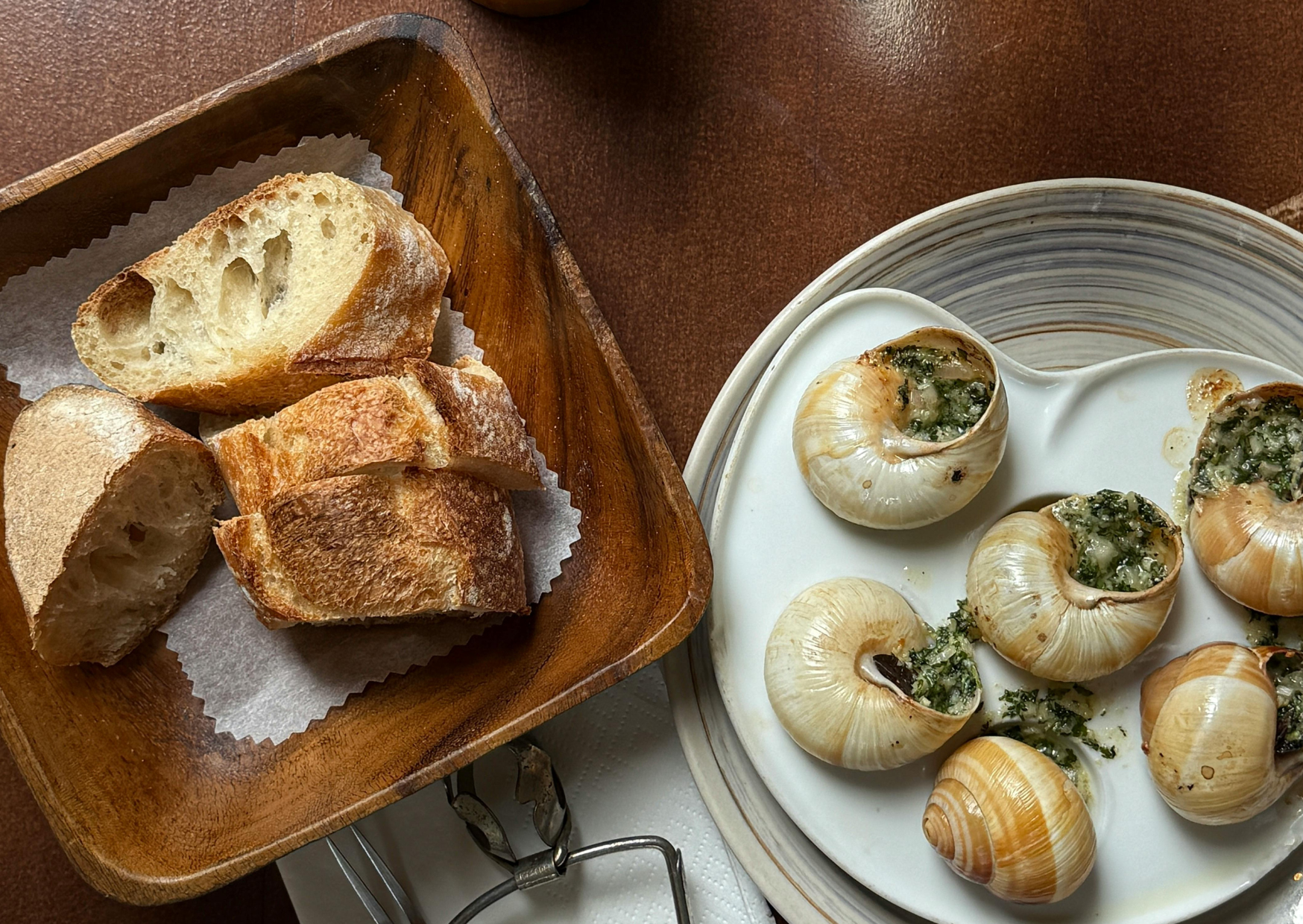
French recommendations on complementary feeding, updated in the last few years, do three things at once. They encourage diversification from the first months of solids, they set bright lines for risky foods, and they nudge families toward the family table so babies learn textures and flavors in context. In plain terms, “taste everything” does not mean “eat anything,” it means safe foods, cooked well, offered in tiny amounts, often.
The same guidance names specific no-go items and ages. As of 2025, Santé publique France tells parents: no raw meat, fish, or shellfish before 3 years, no raw-milk dairy before 5 years, and no honey before 1 year. Cooked fish and shellfish can appear earlier, as part of diversification, in small pieces and appropriate textures. Families who do offer raw items later still need to source and handle them properly.
Texture matters as much as flavor. French surveys like Nutri-Bébé track how babies move from purees to soft pieces, then to regular table textures, which is why a three-year-old in France is often comfortable chewing tender fish or mussels in soup. Variety plus texture progression builds confidence, and confidence lowers resistance when something new appears on the plate.
Finally, the spirit is sensory. Parents and caregivers talk about what food smells and tastes like, salty, sweet, bitter, sour, and umami, and they repeat tiny tastes over days without pressure. That tone, gentle and descriptive, turns seafood into a flavor to learn rather than a test to pass.
3) School Does The Heavy Lifting: Taste Class And Menu Rules
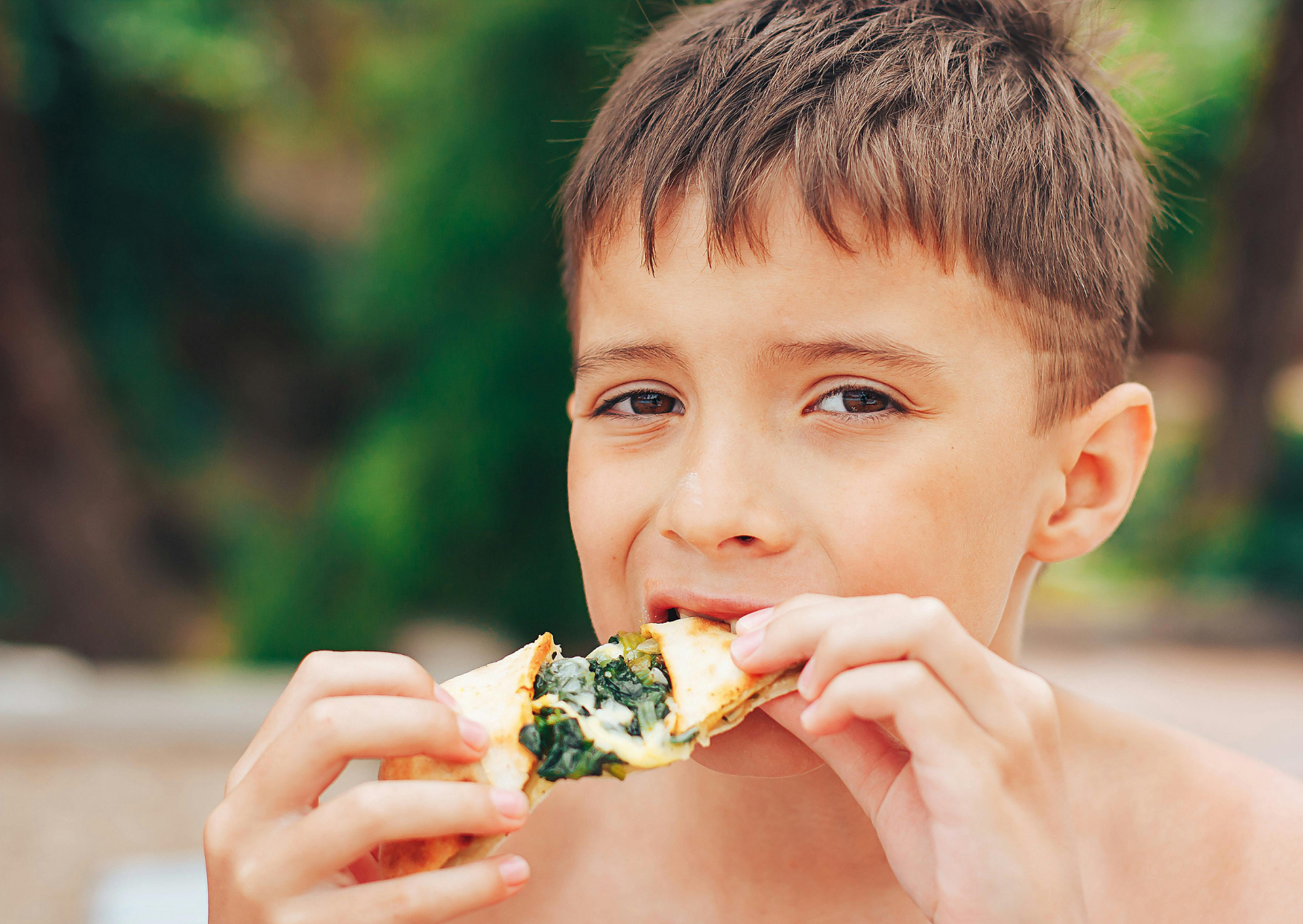
French schools reinforce those habits in two distinct ways. First, there is éducation au goût, taste education, through national events like La Semaine du Goût and classroom “leçons de goût,” where children explore foods with their senses and vocabulary, not just nutrition lectures. This has run for decades, and in 2024 and 2025 the programs continued nationwide with official backing.
Second, there are frequency rules for canteen menus known as GEM-RCN. Instead of micromanaging calories on every tray, France sets minimums and maximums across a rolling 20-meal cycle. Fish or fish-based dishes must appear at least 4 times in 20 meals, while fried or pre-fried items, the category that includes nuggets and similar products, are capped, often 4 times maximum in 20. This is why a French primary student sees fish regularly and sees breaded items only sometimes.
The policy framework is active. In 2024 the agriculture ministry reiterated school meal requirements, from frequency rules to weekly vegetarian options and waste reduction efforts, and the canteen remains a place where children taste new foods with peers. You do not need to believe any single lunch is perfect to see the pattern: repetition builds normal. Seafood moves from holiday dish to weekday option.
Research on French school meals has found that attendance correlates with higher lunchtime frequency of foods like fish and seafood, vegetables, and mixed dishes compared with eating outside school, which lines up with what the rules are designed to do. The canteen is not a restaurant, it is a habit machine, and it puts varied foods in front of kids on purpose.
4) The American Contrast, In One Number And One Habit
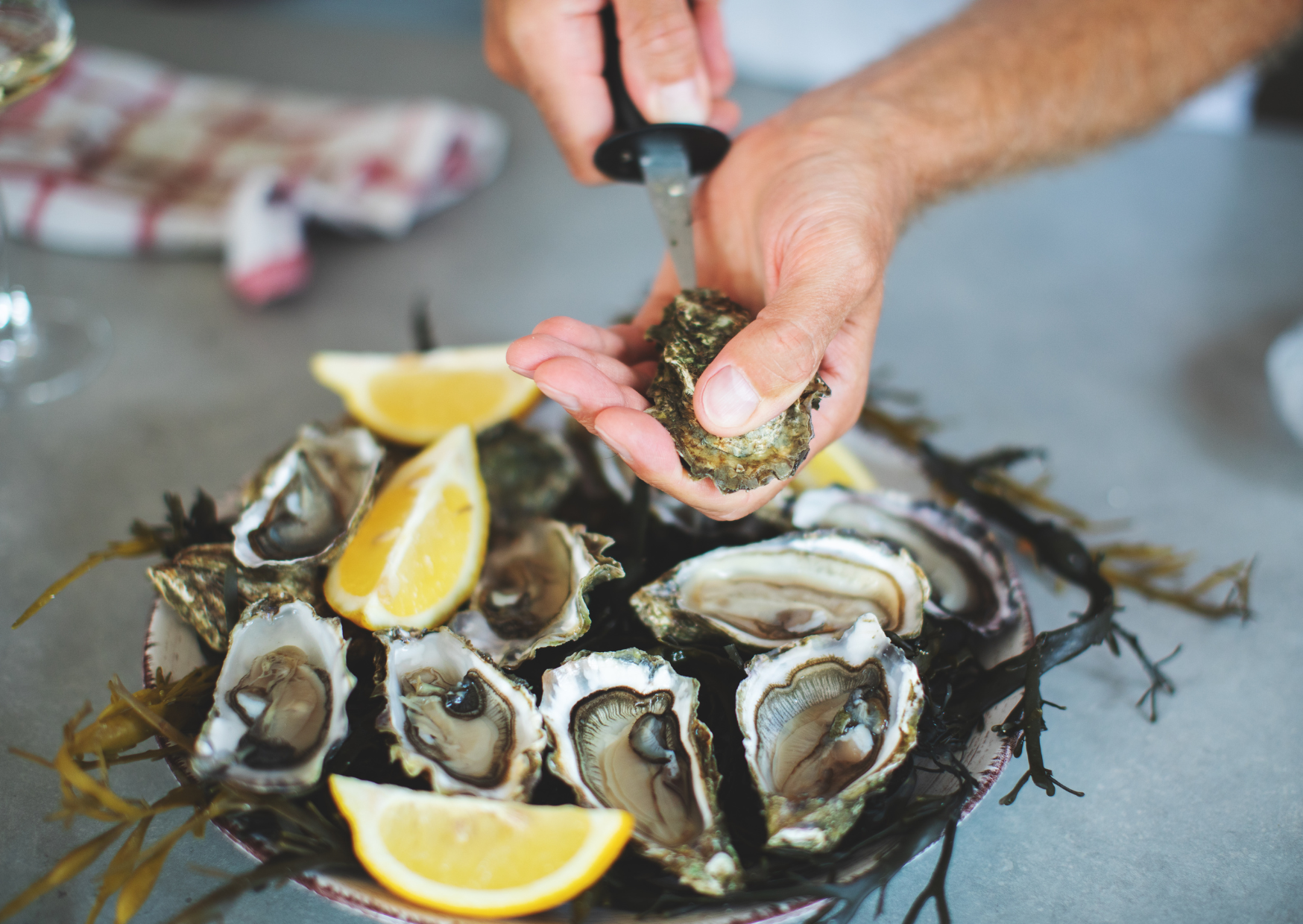
The number is the share of daily calories from ultra-processed foods. According to a CDC analysis of August 2021 through August 2023, U.S. youth averaged 61.9 percent of calories from ultra-processed items, higher than adults. That does not make anyone a bad parent, it describes a food environment where ready-to-eat, breaded, sweetened, and emulsified options dominate convenience and kids’ menus. Predictably, kids learn what they see most.
The habit is the kids’ menu itself. In many American restaurants, children are set on a parallel track of chicken nuggets, fries, and buttered pasta. Even when schools improve standards, the broader culture still rewards monotony. If the easy default at home and outside is nugget-leaning, seafood has to fight uphill for attention. The result is not a taste gap that appears at age three, it is a routine gap that widens every month a child eats the same five comfort foods. (The CDC figure above is the load-bearing fact, the rest is the lived pattern.)
None of this says American families cannot build variety. It says you must push past the defaults on purpose. If the environment offers the same flavors ten times for every new one, it is no surprise that familiarity wins. France flips that ratio by policy and by ritual, and seafood rides that current.
5) A Practical Playbook If You Want The French Result
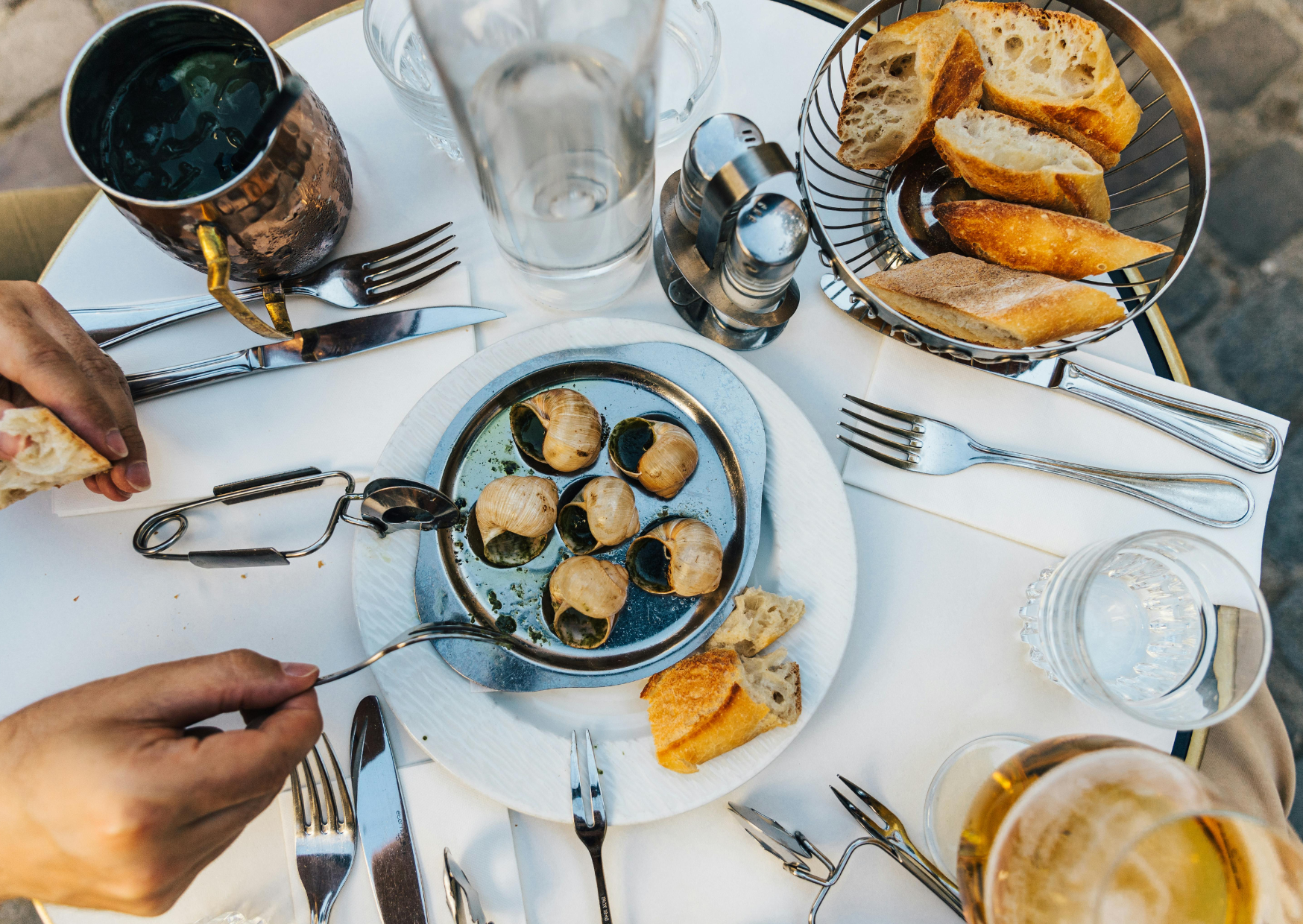
Start with tiny tastes, not big servings. Offer cooked seafood in safe, soft forms that take flavor well, a spoon of salmon mashed into potatoes, a mussel out of its shell in vegetable soup, a bit of white fish flaked into rice, a shrimp finely chopped into tomato sauce. Repeat calmly over several meals, without forcing. This mirrors how French families normalize variety. For raw shellfish like oysters, wait until the age thresholds above, then treat the first try as a ritual taste under adult control.
Move from description, not pressure. Name what the child is sensing, salty and cold, briny and soft, then let them retreat to something familiar on the plate. The brain files the experience without fear. Programs like taste lessons in France are entirely built on this sensory language, because it de-dramatizes new foods. You can recreate the same tone at home.
Use the 20-meal mindset. Plan a month of dinners the way French canteens plan a cycle. Put fish on the calendar at least four times, cap fried, breaded items at four or fewer, and rotate textures. You do not have to cook French food to borrow France’s structure, you only have to let frequency do the work. This is unglamorous and very effective.
Keep portions very small and the sourcing tight. Buy from reliable suppliers, cook seafood through for young children, and serve in sizes that look like tastes, not meals. If a holiday tradition inspires an oyster moment later on, choose a trusted source, keep everything cold, and start with a single supervised nibble. The goal is curiosity without risk.
6) Edge Cases, Safety, And Why Raw Is Different
Raw shellfish carry a norovirus risk and other hazards that hit young kids harder. France knows this well, and winter outbreaks have periodically dented oyster sales. In January 2024, authorities traced a wave of gastroenteritis to norovirus in oysters from Arcachon Bay, and in December 2024 other countries reported illnesses tied to oysters from France. This is why French public guidance draws age lines and why many clinicians counsel patience even beyond age 3. Raw is a choice for healthy older kids and adults who understand the trade-off, not a toddler staple.
As of August 2025, ANSES again reminded the public how norovirus spreads and how to avoid it, a useful read before any holiday shellfish. The advice is consistent with the pediatric message, respect cold chains, wash hands and surfaces, and keep raw foods away from the very young. If you want the benefits of seafood for brain and immune development, choose cooked varieties for small children. U.S. pediatric guidance also supports fish and shellfish 1 to 2 times weekly for kids, with species and portion size adjusted for mercury. Different countries, same safety logic.
Allergen worries fit into the same practical box. Modern guidance favors early, small exposures to potential allergens in cooked form, under supervision, because it may build tolerance. The French documents that underpin today’s advice were built by health agencies for exactly this reason, a balance of benefits and risks. The point is to widen a child’s world safely, not rush headline foods for bragging rights.
Finally, do not let a viral video of a toddler and an oyster override your own context. If your family is new to seafood, begin with mild, cooked fish and shellfish, serve tiny amounts, and keep the ritual light. The French result comes from structure, not bravado.
7) What This Means For You
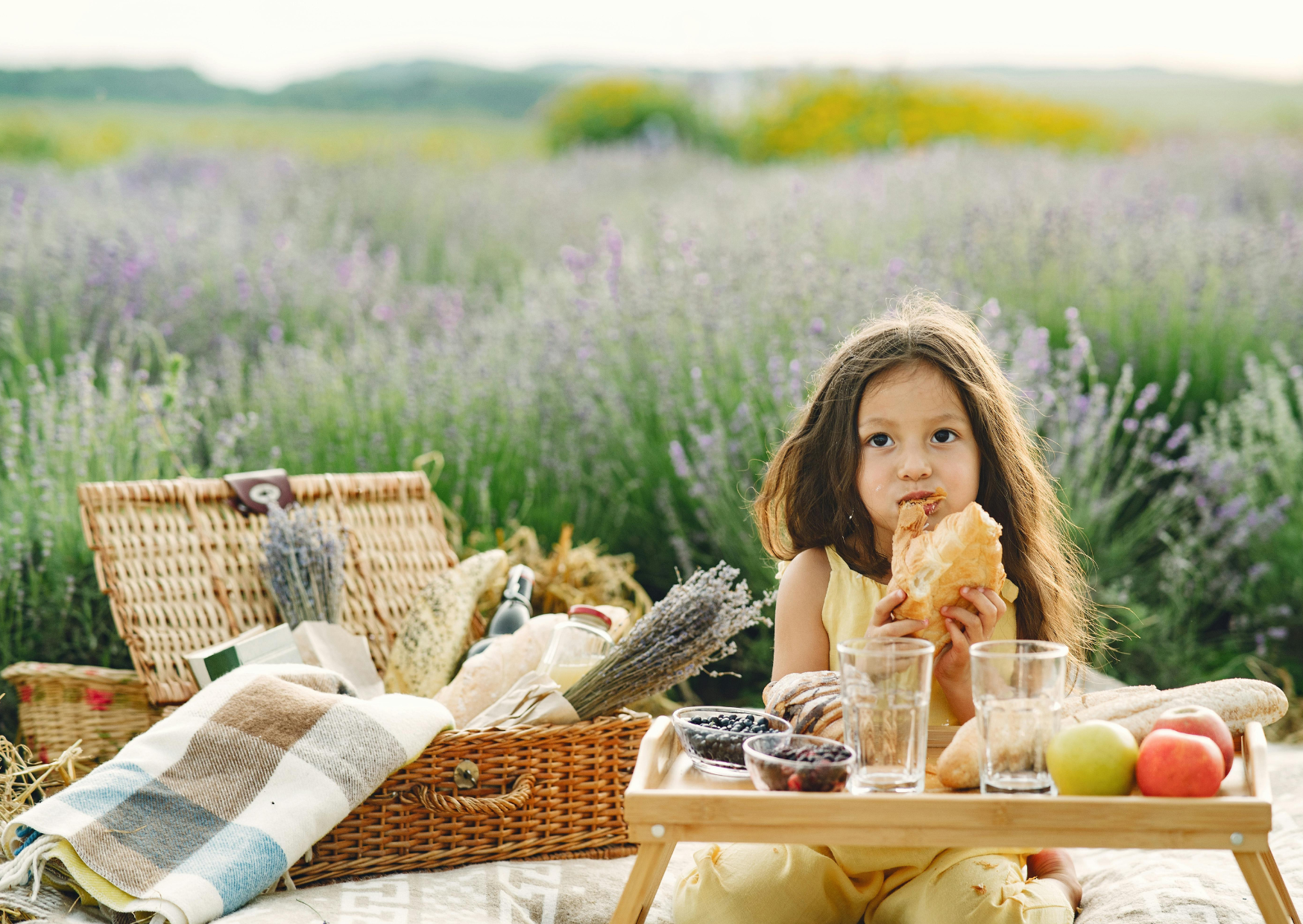
If you want a child who is open to seafood at three, borrow the parts of France that do the real work. Offer frequent, tiny tastes of cooked seafood early. Use sensory words, not pressure. Build a month-long menu that repeats fish and limits fried items. Let school or community programs help if you have them, or build your own simple taste lessons at home.
Remember the lines. As of September 2025, France’s public guidance says no raw meat, fish, or shellfish before age 3, raw-milk dairy waits even longer, and many pediatric dietitians suggest holding raw oysters until about 5. When you do cross that line, keep it festive, small, and safe. The oyster taste is a symbol, not a diet plan.
The nugget is not the villain, the default is. Shift the default, and the child’s palate catches up. The gulf between a raw oyster and a chicken nugget is wide in flavor, and narrower in practice than it looks. Structure the month the way French canteens structure 20 meals, keep the tone curious, and let repetition do the quiet work. That is how a new taste becomes an ordinary taste, and how an American kid stops scanning for the one safe item and starts asking for a bite of what everyone else is having.

About the Author: Ruben, co-founder of Gamintraveler.com since 2014, is a seasoned traveler from Spain who has explored over 100 countries since 2009. Known for his extensive travel adventures across South America, Europe, the US, Australia, New Zealand, Asia, and Africa, Ruben combines his passion for adventurous yet sustainable living with his love for cycling, highlighted by his remarkable 5-month bicycle journey from Spain to Norway. He currently resides in Spain, where he continues sharing his travel experiences with his partner, Rachel, and their son, Han.