
And why the everyday scenes in European cinema aren’t exaggerated — they’re just honest
Sit down and watch a French film. Or an Italian one. Or any quiet Spanish drama that opens not with a car crash but a conversation, a kitchen, a street corner lit by soft morning sun. To many Americans, it doesn’t feel like a movie. It feels like… nothing.
Where’s the plot? Where’s the scandal? Why is this woman staring out a window for four minutes? Why are two people sharing bread and not saying anything?
The answer is simple: it’s not fiction. It’s life.
Because unlike American cinema — built for momentum, conflict, and closure — European films often reflect how people actually live. The awkward silences. The long meals. The messy apartments. The intimacy that unfolds without needing to be explained.
And for American viewers, this kind of realism can feel confusing. Or even boring. But to Europeans, it’s a mirror. These aren’t dramatic flourishes. They’re daily rituals.
Here are nine film habits that Europeans include in their storytelling — and why they reflect reality, not cinematic invention.
Want More Deep Dives into Everyday European Culture?
– Why Europeans Walk Everywhere (And Americans Should Too)
– How Europeans Actually Afford Living in Cities Without Six-Figure Salaries
– 9 ‘Luxury’ Items in America That Europeans Consider Basic Necessities
Quick Easy Tips
Watch European films before traveling. They can prepare you for cultural nuances that might otherwise surprise you.
Be open to different rhythms of life. A two-hour dinner isn’t an indulgence—it’s normal.
Avoid judgment. Instead of labeling habits as “strange,” consider how they enrich the culture.
One controversy stems from how American audiences consume European films. Many assume that elements like casual nudity, extended silences, or minimal dialogue are artistic exaggerations rather than cultural reflections. This misunderstanding creates a disconnect between perception and reality.
Another debate is about stereotypes. Some Europeans argue that films perpetuate clichés, such as portraying all Italians as overly romantic or all French as effortlessly chic. Critics say these portrayals simplify complex cultures, while defenders argue they still capture genuine aspects of daily life.
Finally, there’s tension between global audiences and authenticity. European filmmakers often resist altering their storytelling to cater to American tastes, which sometimes frustrates international viewers. Yet this insistence on cultural truth is precisely what makes European cinema both unique and a more honest glimpse into everyday life.
1. Conversations That Go Nowhere (And Aren’t Supposed To)

In American cinema, dialogue is often directional. Characters talk to:
- Reveal secrets
- Move the plot forward
- Change their fate
In European films, characters often… just talk. Or don’t. They sip coffee. They discuss the weather. They mumble about the neighbor’s cat. And nothing big happens.
That’s not laziness. It’s cultural.
Europeans, particularly in Mediterranean countries, value conversation as a ritual, not a transaction. You don’t talk to get somewhere. You talk to be with someone. To pass time. To feel human.
So when two characters in a French film sit in a café discussing nothing for ten minutes, it’s not bad writing. It’s daily life.
2. Meals That Last Forever (And Aren’t Interrupted by Plot)

Watch an Italian or Spanish film and note how long people spend at the table. Plates are passed. Wine is poured. There’s laughter, arguing, silence, second helpings.
No one grabs a sandwich and storms out.
No one delivers their monologue mid-meal and leaves.
The meal is the scene.
That’s because in real life, meals are sacred in many parts of Europe. Lunch is not something you do while replying to emails. Dinner is not eaten while driving. And eating together is not about food — it’s about rhythm, family, and grounding.
So when European films show people sitting around a table for what feels like an eternity? That’s not indulgence. That’s reportage.
3. Characters Who Don’t Change (And Don’t Want To)

American audiences are trained to expect transformation. The hero becomes stronger. The villain becomes vulnerable. The side character gets a purpose. Everyone ends up somewhere different.
European films are under no such pressure.
A man may wander through Lisbon for two hours and end up exactly where he started. A woman may leave her marriage, move to the countryside, and realize nothing is better.
This isn’t cynicism. It’s honesty.
Because in real life, people don’t always grow. Sometimes they linger. Sometimes they stay stuck. And sometimes they choose comfort over courage — and feel no shame in doing so.
In European cinema, this isn’t failure. It’s a recognizable truth.
4. Sex That’s Not Cinematic (But Deeply Familiar)

There’s a sex scene. The lighting is ordinary. The bedsheets are messy. The participants aren’t airbrushed. There’s no slow zoom, no swelling music, no post-coital one-liner.
And American viewers shift in their seats.
European films are not afraid of showing intimacy — but they don’t glamorize it either. Sex is part of life, not the reward at the end of a romantic arc. And it can be awkward, clumsy, quiet, or even boring.
But that’s what makes it real.
In Spain, France, and Italy, cinema often reflects a culture where the body is not hidden, and intimacy is not dramatized for effect. It’s just what people do — sometimes well, sometimes terribly — but always human.
5. Messy Homes (With No Makeover Ending)

A woman wakes up. Her apartment is cluttered. There’s laundry on the chair. The paint is chipped. The kettle screeches. She puts on a sweater with holes. And nothing about this is presented as a flaw.
In American film, mess is a phase — a prelude to transformation.
In European film, mess is a valid state of being.
This reflects a real-life acceptance: your home doesn’t need to be showroom-ready to be full of life. Comfort isn’t always aesthetic. And not everyone is waiting to be rescued by a renovation.
6. Children Who Act Like Children — Not Performers

In American movies, children are often mini-adults. Wise beyond their years. Witty. Heroic. Endearing in their cleverness.
In European cinema? Kids mumble. They whine. They wander around. They ask weird questions. They aren’t symbols of hope. They’re just kids.
This reflects a cultural difference: many European societies give children space to exist rather than perform. And that realism shows up on screen — through silence, tantrums, giggles, and boredom.
It’s not cute. It’s accurate.
7. People Who Smoke Without Commentary

It’s a detail that often startles American viewers. A character lights a cigarette indoors. Or on the street. Or in the middle of a tense conversation. And no one flinches.
In the U.S., smoking is now framed narratively — as villainous, tragic, or rebellious.
But in European films, especially older ones and even many recent dramas, smoking still reflects real life. It’s not about making a point. It’s about showing what people actually do — in cafés, on balconies, after arguments, or before a first kiss.
It’s not an endorsement. It’s a mirror.
8. Time That Passes Slowly — On Purpose
A woman walks to the bakery.
A man rides a bicycle through an old neighborhood.
An elderly couple sits on a bench, not speaking.
In American film, these scenes are “dead time” — to be edited out.
In European film, they are texture. They reflect how time actually feels.
This isn’t pacing failure. It’s a cultural assertion: that life is often slow. That meaning isn’t always verbal. And that presence is worth portraying, even without plot.
It’s an invitation: to slow down, to observe, to let something land.
9. Endings That Don’t Conclude Anything
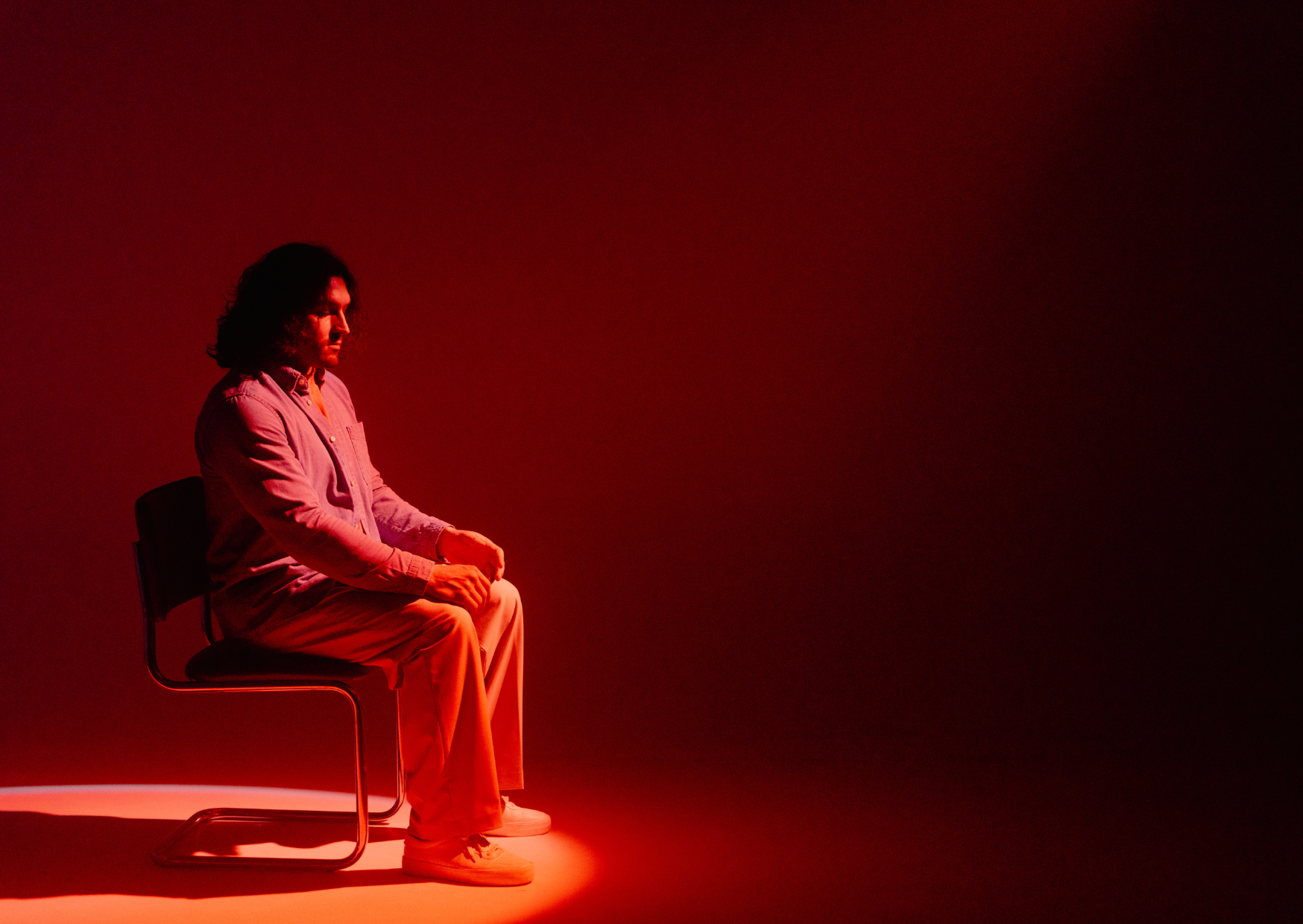
The credits roll. You’re confused. What just happened? Did they end up together? Did the problem get solved? Was this… it?
Yes. That’s the point.
European films often refuse resolution. Because life doesn’t offer it.
A relationship doesn’t need to be defined to be meaningful.
A job doesn’t have to work out for a character to grow.
A story doesn’t have to end with justice to feel complete.
This reflects a cultural comfort with ambiguity — with not knowing. With sitting in the gray space.
One Film Language, Two Different Expectations
To an American viewer, European films often feel unsatisfying.
Not enough action. Not enough change. Not enough polish.
But to a European viewer, American films can feel exhausting.
Too fast. Too neat. Too loud.
This is more than taste. It’s about how people experience life — and what they expect from stories.
European cinema isn’t trying to be minimalist or edgy. It’s trying to be true.
And when you start to notice the everyday details — the kitchen chairs, the unrushed silence, the morning cigarette, the long goodbye at the door — you realize something:
You’re not just watching a story.
You’re watching how people really live.
European films often highlight everyday habits that Americans dismiss as exaggerated or entirely fictional. Whether it’s long family meals, unhurried coffee breaks, or the normalization of nudity on screen, these portrayals are often rooted in daily life. For Europeans, cinema simply mirrors reality, while American audiences may interpret these scenes as artistic license or cultural dramatization.
For travelers, recognizing the truth behind these habits can shift their perspective. Instead of approaching them with skepticism or discomfort, visitors can embrace the slower pace, stronger communal values, or even the less prudish attitudes reflected in both film and reality. By doing so, they not only enjoy cinema differently but also gain deeper appreciation of European life.
Ultimately, these film habits remind us that movies don’t always invent culture—they often reveal it. What may feel cinematic to outsiders is simply everyday life to those who live it. That realization can open doors to more authentic connections abroad.

About the Author: Ruben, co-founder of Gamintraveler.com since 2014, is a seasoned traveler from Spain who has explored over 100 countries since 2009. Known for his extensive travel adventures across South America, Europe, the US, Australia, New Zealand, Asia, and Africa, Ruben combines his passion for adventurous yet sustainable living with his love for cycling, highlighted by his remarkable 5-month bicycle journey from Spain to Norway. He currently resides in Spain, where he continues sharing his travel experiences with his partner, Rachel, and their son, Han.