
Switzerland may be best known for its chocolate and cheese, but its dinner table tells a much richer story. With influences from Germany, France, and Italy, Swiss cuisine blends Alpine heartiness with refined European flavors. From comforting cheese-based dishes to meat-rich meals meant to warm up long winters, Swiss dinners are as much about tradition as they are about taste.
What sets Swiss dinners apart is their balance of simplicity and indulgence. They rely heavily on local ingredients like potatoes, cheese, cured meats, and seasonal vegetables, yet the result is far more sophisticated than rustic farmhouse fare. Meals are designed not only to nourish but also to bring families and communities together.
In this recipe guide, we’ll explore three of the most popular dinners you’ll find in Switzerland—dishes that locals proudly serve and travelers often remember long after leaving. Each recipe captures the essence of Swiss comfort food while being easy enough to recreate at home.
Make sure you get free transportation in Switzerland with the Swiss Travel Pass and Swiss Half Fare Card
Read here the best Switzerland food, drinks in Switzerland, fruits in Switzerland, Swiss breakfast, desserts in Switzerland
BOOK YOUR TRAVEL INSURANCE
Two of our favorite travel insurance: Heymondo Vs Safetwing cheapest travel Insurance. You can get for $135 USD your Heymondo Travel Insurance with Heymondo discount code valid for 90 days. Read our full comparison of Genki vs Safetywing Travel Insurance Review and the comparison Heymondo vs Genki
Tips for Authentic Swiss Cooking
Use high-quality cheeses for fondue and fresh, local ingredients for the best flavors.
For dishes like rösti, patience is key to achieving the perfect crispy texture.
Swiss cuisine often uses simple seasoning to highlight the natural flavors of the ingredients.
How to Eat
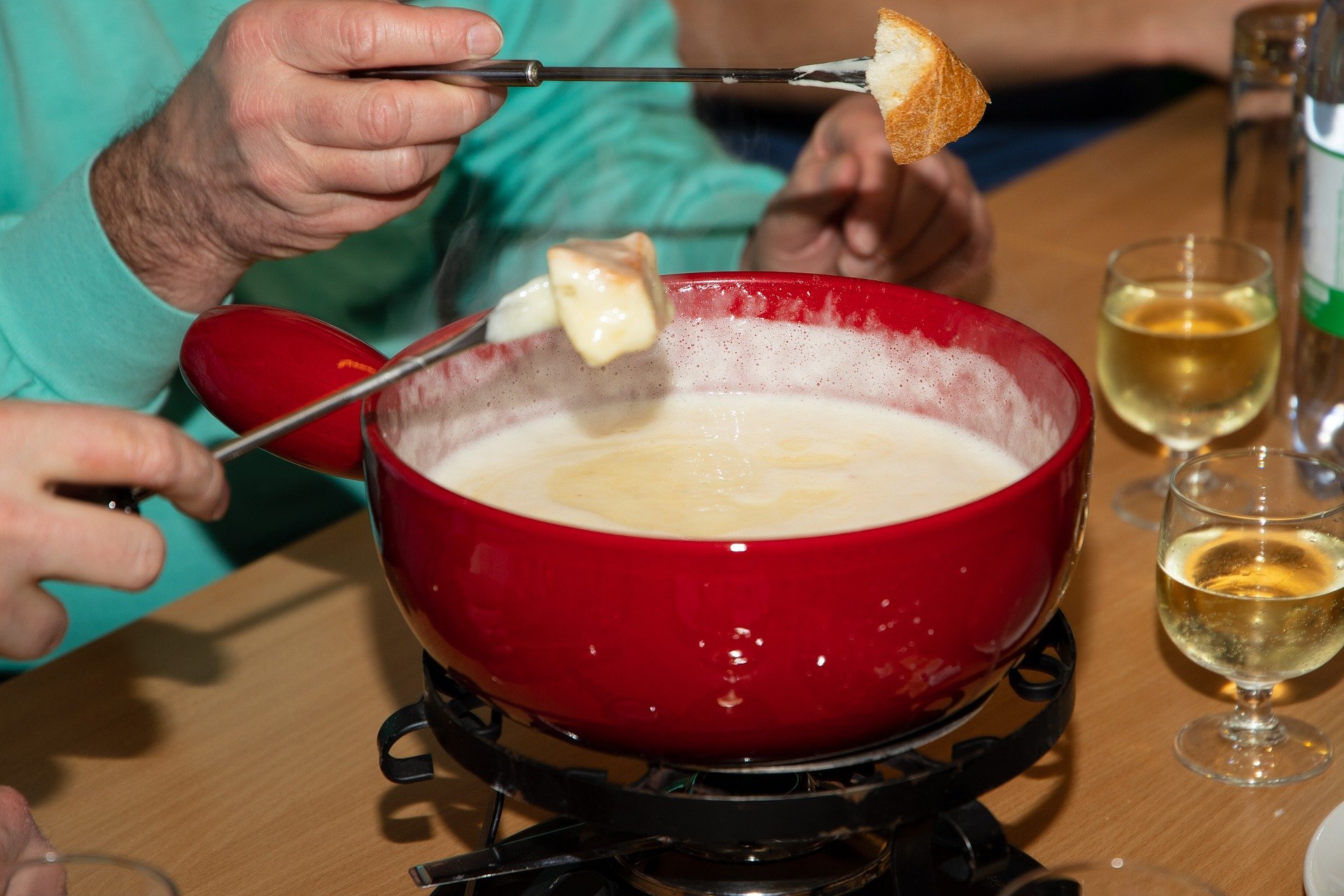
The beauty of Swiss dinners lies in their communal aspect. Take fondue, for example, where everyone gathers around a bubbling pot of melted cheese, dipping bread and vegetables. The act of sharing is as important as the flavors themselves.
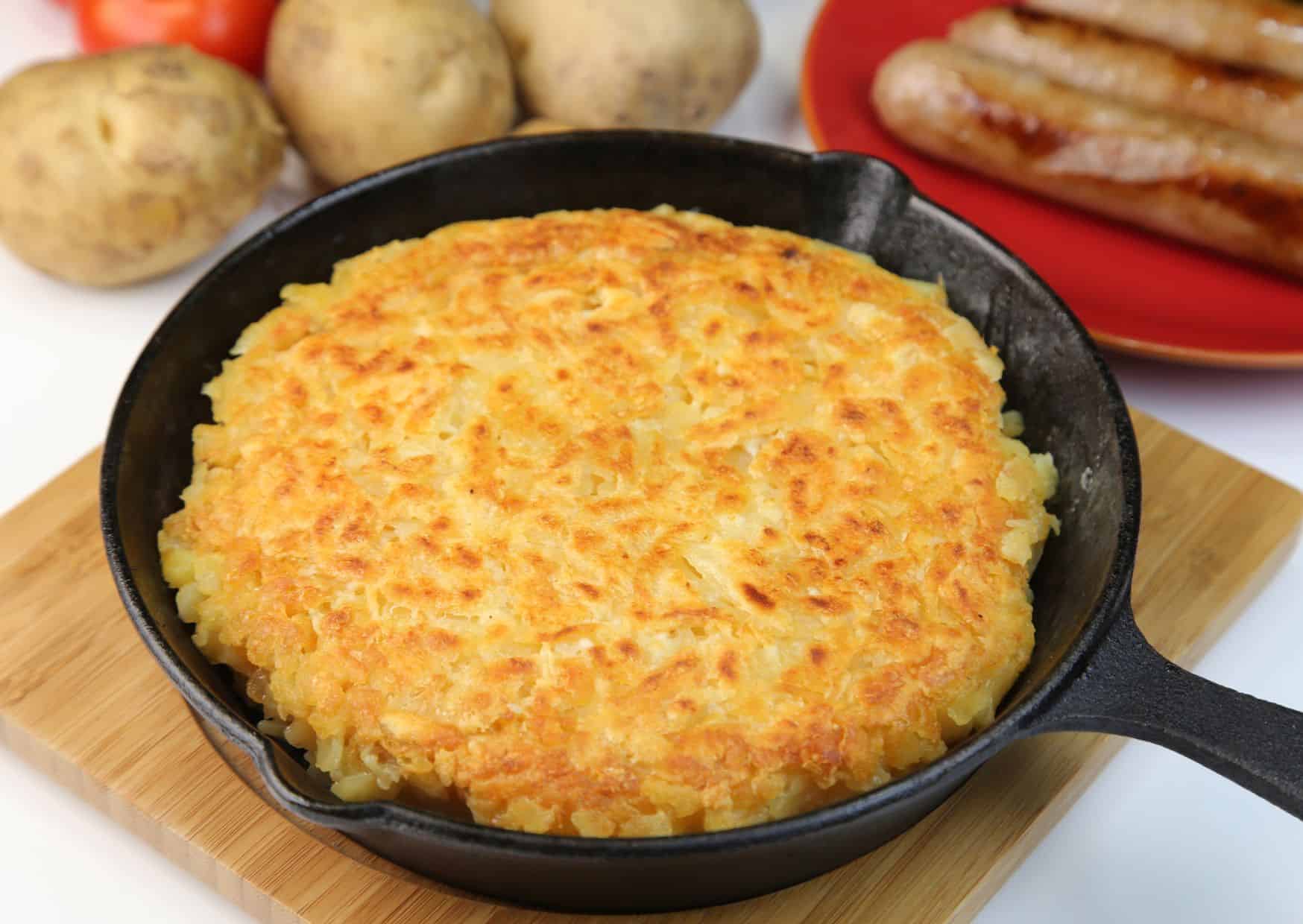
For rosti, Switzerland’s famous crispy potato dish, the approach is a little different. Eaten with a fork, it’s often served alongside meats, eggs, or vegetables. The simplicity of rosti makes it a versatile base that adapts to both casual meals and hearty feasts.
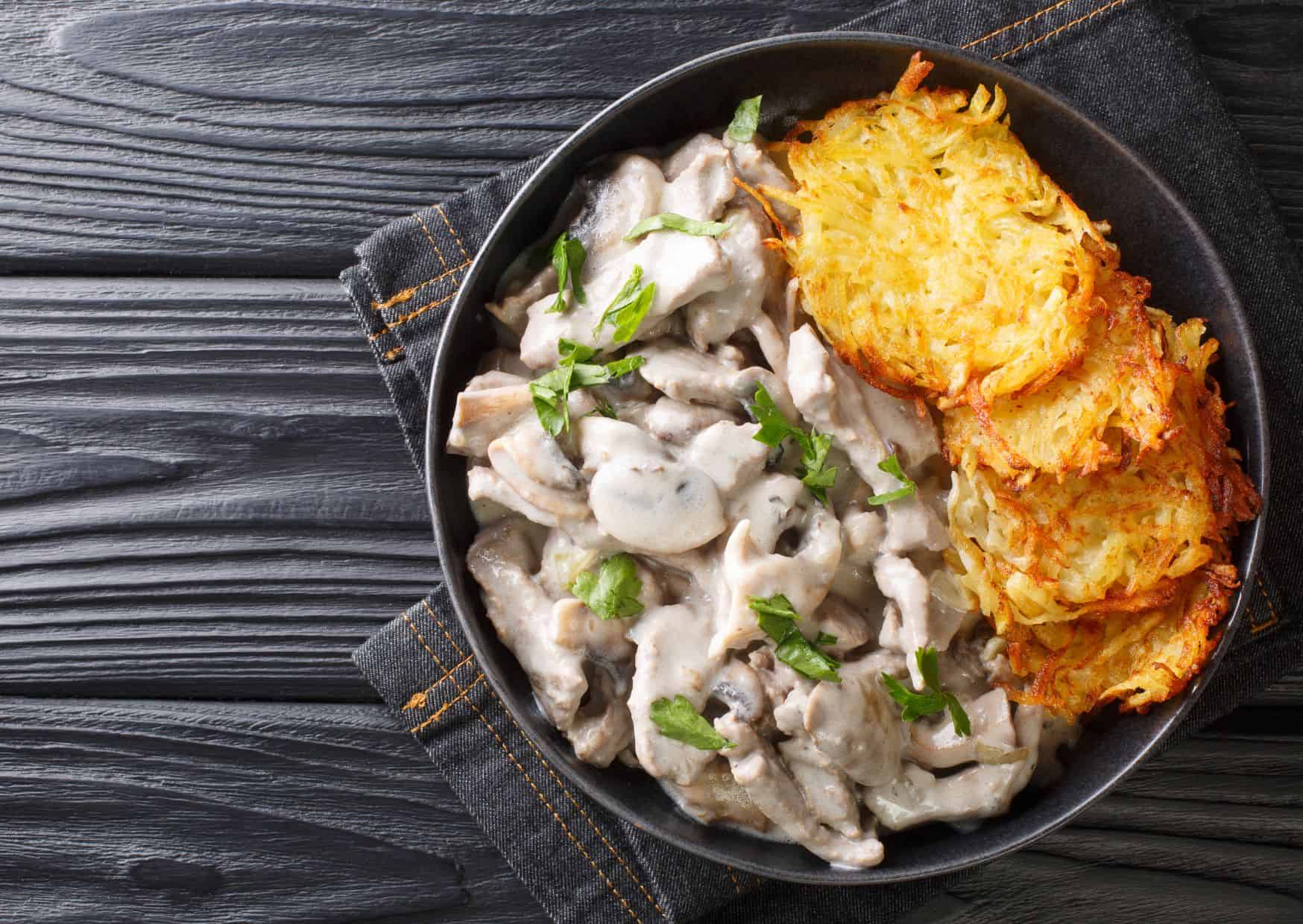
Zürcher Geschnetzeltes, thinly sliced veal in a creamy mushroom sauce, is eaten with precision. Paired with noodles or rosti, each bite combines richness and comfort, showcasing Swiss refinement in home cooking.
How to Partner
Swiss dinners pair naturally with regional wines. A white Fendant from Valais or a crisp Chasselas pairs beautifully with cheese-heavy dishes like fondue or raclette. The acidity cuts through the richness and balances the palate.
For rosti or Zürcher Geschnetzeltes, Swiss beer or even a light red wine like Pinot Noir works wonderfully. These drinks enhance the earthy, hearty flavors without overpowering the meal.
Beyond drinks, side dishes are essential partners. Fresh salads with tangy vinaigrettes, pickled vegetables, or crusty bread all balance the indulgence of Swiss dinners while keeping meals grounded in local traditions.
One controversy around Swiss dinners is their heavy reliance on cheese and meat. While traditionalists celebrate these ingredients as central to national identity, critics argue that such diets are less sustainable and limit options for vegetarians and vegans.
Another debate lies in authenticity. Dishes like fondue and raclette have been adapted and commercialized abroad, often simplified in ways that locals feel miss the point. Purists argue that these versions dilute the cultural significance of the original.
Finally, there’s the issue of accessibility. Many Swiss dinners rely on high-quality local ingredients, which can be expensive or hard to find outside the country. This raises questions about whether these dishes can truly be replicated authentically in home kitchens abroad.
Popular Dinners In Switzerland
1. Fondue
Ingredients:
1 garlic clove, halved
1 cup dry white wine
1 tablespoon lemon juice
1/2 pound Gruyère cheese, grated
1/2 pound Emmental cheese, grated
1 tablespoon cornstarch
2 tablespoons kirsch (cherry brandy) (optional)
Freshly ground black pepper
Freshly grated nutmeg
Cubed bread (for dipping)
Instructions:
Prepare the Pot
Rub the inside of a fondue pot with the cut sides of the garlic clove. Discard the garlic.
Heat the Wine
In the fondue pot, heat the wine and lemon juice over medium heat until hot but not boiling.
Melt the Cheese
Gradually add the grated cheeses, stirring constantly until melted and smooth.
Thicken the Fondue
In a small bowl, mix the cornstarch with the kirsch (or water if not using kirsch) until smooth. Stir this mixture into the cheese fondue. Continue to cook, stirring, until thickened and smooth. Season with black pepper and nutmeg.
Serve
Serve the fondue with cubed bread for dipping. Use fondue forks to dip the bread into the melted cheese.
Calories: Approximately 450-500 calories per serving (assuming 4 servings).
Read here how to make Fondue
2. Rösti
Ingredients:
4 large potatoes, peeled and grated
1 onion, finely chopped (optional)
1/4 cup butter or oil
Salt and pepper to taste
Instructions:
Prepare the Potatoes
After grating the potatoes, place them in a clean kitchen towel and squeeze out as much liquid as possible.
Cook the Potatoes
In a large skillet, heat half of the butter or oil over medium heat. Add the grated potatoes (and onion, if using), pressing them into an even layer.
Form the Rösti
Cook the potatoes without stirring for about 10-15 minutes, or until the bottom is golden brown and crispy. Season with salt and pepper.
Flip the Rösti
Using a plate, flip the rösti and slide it back into the skillet. Add the remaining butter or oil around the edges. Cook for another 10-15 minutes until the other side is golden brown and crispy.
Serve
Slide the rösti onto a cutting board, cut into wedges, and serve hot.
Calories: Approximately 300-350 calories per serving (assuming 4 servings).
Read here how to make Rosti
3. Zürcher Geschnetzeltes (Zurich-Style Sliced Veal)
Ingredients:
1 lb veal (or chicken breast), thinly sliced into strips
1 onion, finely chopped
2 tablespoons butter
1 cup white wine
1 cup heavy cream
1 tablespoon flour
1 tablespoon lemon juice
1/2 cup chicken or veal stock
Salt and pepper to taste
Fresh parsley, chopped (for garnish)
Instructions:
Cook the Meat
In a large skillet, heat the butter over medium-high heat. Add the veal strips and cook until browned. Remove from the skillet and set aside.
Cook the Onions
In the same skillet, add the chopped onion and cook until soft.
Make the Sauce
Sprinkle the flour over the onions and stir to combine. Gradually add the white wine, stirring constantly until the mixture thickens. Add the chicken or veal stock and heavy cream. Bring to a simmer.
Finish the Dish
Return the veal to the skillet. Add the lemon juice, salt, and pepper. Simmer for 5-10 minutes, until the meat is cooked through and the sauce has thickened.
Serve
Garnish with fresh parsley and serve with Rösti or pasta.
Calories: Approximately 500-550 calories per serving (assuming 4 servings).
Read here how to make Zürcher Geschnetzeltes
Serving Suggestions
For fondue, serve with cubes of crusty bread, boiled potatoes, and a platter of fresh vegetables for dipping. Keep the pot warm with a burner to maintain the silky texture of the cheese.
When serving rosti, offer it as a side dish with meats like sausage or veal, or make it the main attraction by topping it with fried eggs and herbs. Its crispy texture makes it a crowd-pleaser at any table.
Zürcher Geschnetzeltes is best presented with ribbon pasta or rosti, accompanied by a light green salad. Garnishing with fresh parsley adds color and freshness to this creamy, comforting dish.
Final Thoughts
Swiss dinners are more than recipes—they’re reflections of the country’s geography, culture, and history. From the communal joy of fondue to the simplicity of rosti, these dishes carry a sense of place that travelers instantly associate with Switzerland.
While they may not always be light meals, their richness reflects the country’s Alpine roots, where hearty food was essential for survival. Today, they serve as reminders of tradition and a way to gather with family and friends.
Ultimately, whether you’re making these dishes in a chalet in the Alps or in your own kitchen abroad, Swiss dinners remind us of the importance of slowing down, savoring flavors, and enjoying the company of others.

About the Author: Ruben, co-founder of Gamintraveler.com since 2014, is a seasoned traveler from Spain who has explored over 100 countries since 2009. Known for his extensive travel adventures across South America, Europe, the US, Australia, New Zealand, Asia, and Africa, Ruben combines his passion for adventurous yet sustainable living with his love for cycling, highlighted by his remarkable 5-month bicycle journey from Spain to Norway. He currently resides in Spain, where he continues sharing his travel experiences with his partner, Rachel, and their son, Han.