
You got the address, mapped the route, and padded the trip for traffic. You ring the bell at 21:00 on the dot for a 21:00 invitation—feeling proud, organized, very adult. The door opens to a host in an apron, hair half-done, a kitchen that smells amazing and looks like a tornado, and a table that…isn’t set. In Spain, that’s not their fault. It’s yours. You arrived “on time.”
Welcome to the soft physics of the Spanish home invitation. Showing up at the precise clock time printed on a message reads less as considerate and more as intrusive—a polite ambush. It steals the host’s final twenty minutes (the sacred, chaotic, indispensable stretch when everything flips from prep to party), and it denies them the culturally expected cushion known—half-jokingly, fully-operationally—as la hora española.
This isn’t about sloppiness; it’s about choreography. Spanish social life runs on a rhythm that preserves warmth, protects the host’s sanity, and keeps conversations blooming past midnight. If you learn the rhythm, your evenings stop feeling like appointments and start feeling like belonging. Here’s the insider guide to why punctuality backfires, what “late” actually means, and how to read the room—from the first WhatsApp to the final sobremesa sigh—so you’re the guest everyone hopes returns.
Want More Deep Dives into Other Cultures?
– 9 Italian Style Rules That Instantly Outshine American Fashion
– Why Europeans Walk Everywhere (And Americans Should Too)
– How Europeans Actually Afford Living in Cities Without Six-Figure Salaries
– 9 ‘Luxury’ Items in America That Europeans Consider Basic Necessities
1) The Clock Is a Suggestion, the Welcome Is the Promise
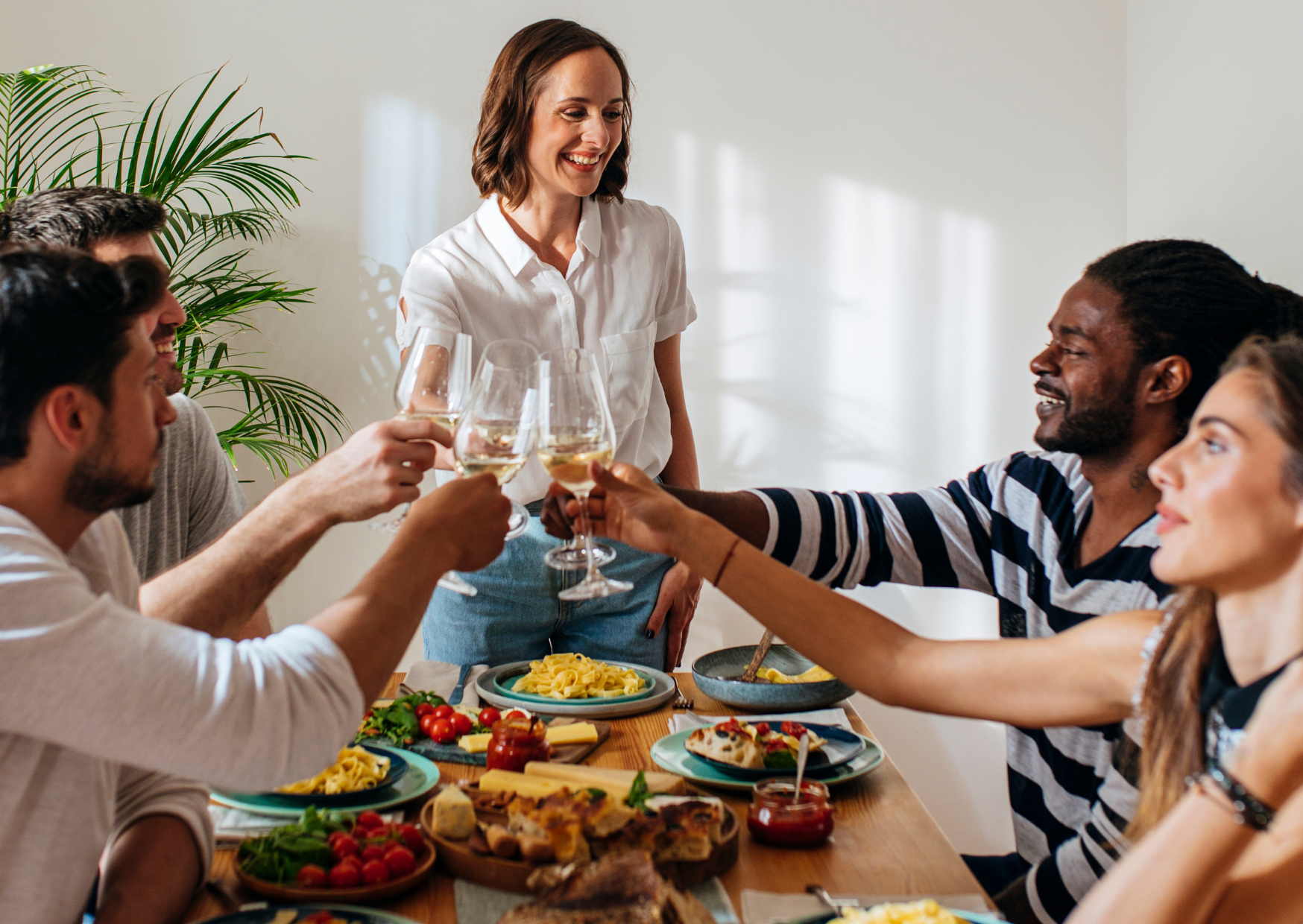
In Spain, the dinner party invitation time is a porous gate, not a hard start. When someone says “venid sobre las nueve” (come around nine) or even “a las nueve,” the shared understanding is window, not dot. Hosts expect an arrival wave—the first guests about 15–20 minutes after the stated time, the full table closer to 40–60 minutes later. That wave lets them:
- Finish plating without a performance audience.
- Shower off the kitchen sweat and switch from cook to host.
- Let the chilled things chill and the hot things breathe.
- Light candles, put phones on silent, and cue a first track.
When you land exactly on the dot—or five minutes early—you pull them out of that crucial bridge. This is why a cheerful, “We’re outside a little early!” by text can provoke quiet panic. It’s not that they don’t want you; it’s that they want you beautifully—and that takes a sliver more time.
Rule of thumb: for a home dinner set at 21:00, aim to ring between 21:15 and 21:35. Earlier only if you were asked to help; later only if you warn them (and even then, 22:00 is fashionably late for a cena, not a second sitting).
2) “La Hora Española” Is a Courtesy Buffer, Not Anarchy
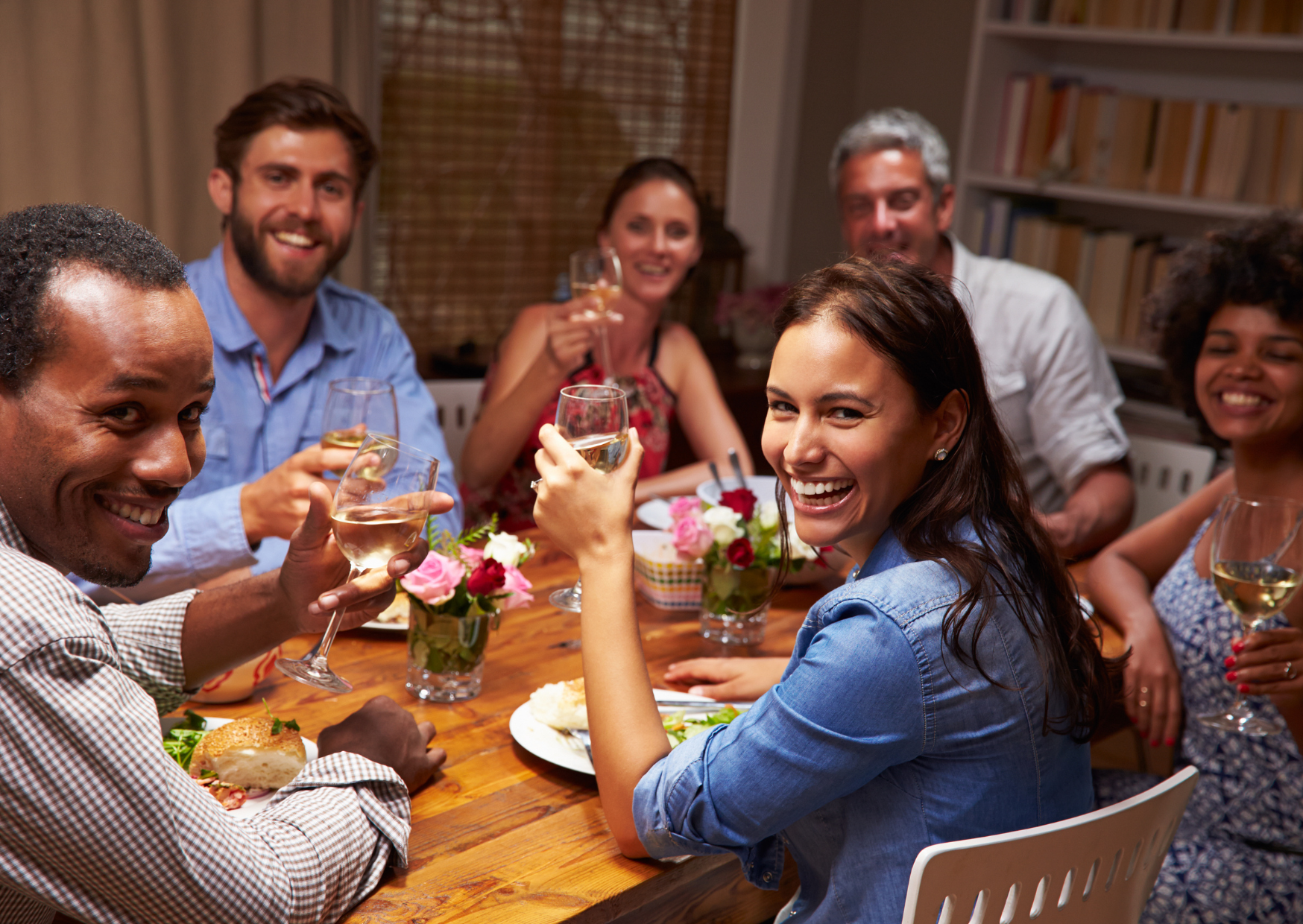
The buffer exists because Spanish evenings are layered. People work later, lunch later, and treat dinner as a social theater, not refueling. Prepping real food for real people takes time; so does the final house reset after kids’ merienda and showers. The host’s last twenty minutes are the difference between we made food and we made a night.
Consider this timeline for a 21:00 dinner:
- 19:45–20:30: main cooking finishes; oven does its last heavy lift.
- 20:30–20:50: shower, change, scent the room, music test.
- 20:50–21:05: set glasses, adjust lighting, plate first bites, exhale.
- 21:15–21:35: guests ring, coats in the hallway, first drinks flow.
- 21:45–22:00: table fills like a blooming flower; food lands when conversation is warm, not fragile.
Punctuality at 21:00 interrupts the exhale. The gracious gesture is to arrive when the house has put its party face on.
3) The WhatsApp Invitation Tells You Everything (If You Listen)
Spanish plans are made on WhatsApp. How a message is written—explicit time, “sobre,” “a partir de” (starting from), winking emojis, a mention of kids, whether they wrote cena (supper) or picoteo (finger food)—all calibrate timing.
- “A las 21:00” (formal) still means arrive 21:15–21:35 unless the host adds puntuales (punctual). That word is rare—and loud. If you see it, be close to on-time.
- “Sobre las 21:00” (“around nine”) means window by definition.
- “A partir de las 21:00” (“from nine onwards”) means door open, no stress—ideal for Saturdays when friends drift in after kids’ bedtime.
- “Quedamos a las 20:00 para un aperitivo y luego cenamos” implies two waves: drinks at 20:15–20:30, sit-down nearer 21:30–22:00.
- “Trae algo para compartir” is code for casual and later; shared dishes stretch easily when the doorbell spreads.
When in doubt, reply: “Perfecto, llegamos sobre las 21:20–21:30, ¿os va bien?” They’ll either bless it or nudge earlier/later.
4) Apartment vs. Casa de Campo: Different Windows
- City apartment (Madrid/Barcelona/Seville): +15 to +35 minutes is the sweet spot. Neighbors, elevators, and street parking add friction; hosts plan for it.
- Casa de campo / chalet (suburbs or countryside): the curve elongates. Guests may drive; arrival can stagger +30 to +60 minutes. No one sweats it; the grill or paella knows how to wait.
- Sunday lunch (comida): earlier anchor; arrive +10 to +20 minutes on a 14:00 invite. Children and grandparents flatten the curve, and daylight keeps things tidier.
- Weeknight tapas-y-vino at home: ultra-casual; arrive +20 to +40 unless they wrote “temprano que mañana madrugamos” (early because early wake-up), in which case aim closer to +10–+15.
5) What To Do If You’re Going To Be Truly Late
Life happens. Trains stall; you misread a bus; the babysitter cancels. Past the +45-minute mark for a dinner, send a voice note (warmer than text) with a quick sorry and ETA:
“¡Perdón, vamos con retraso! Llegamos sobre las diez menos cuarto. ¿Traemos hielo o pan para compensar?”
Offering to bring ice or bread is culturally sharp; both are high-utility, last-minute saves.
6) The “I’m Here Early” Fix: Make Yourself Disappear
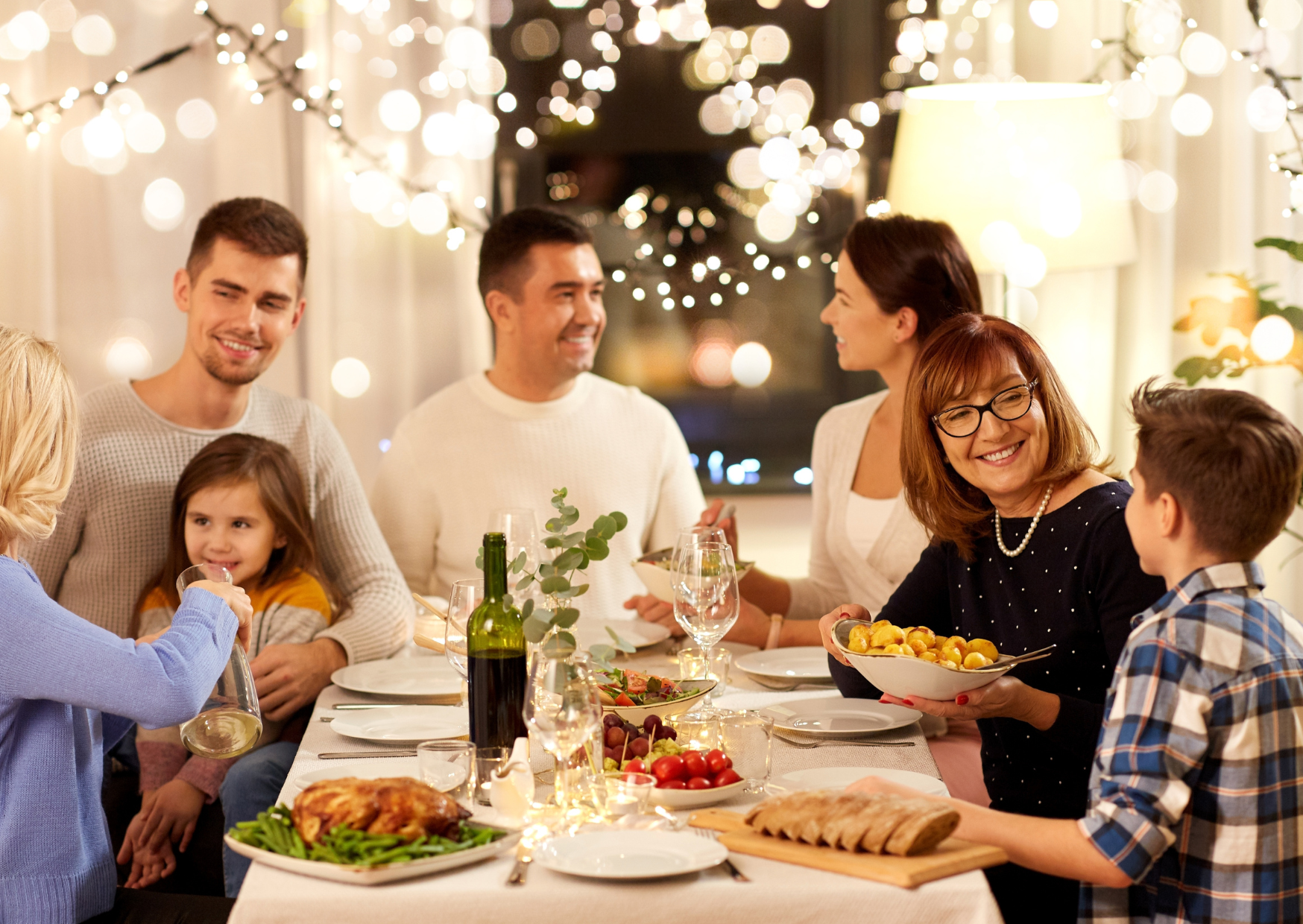
If you’ll land early, don’t ring. This is not passive-aggressive; it’s considerate. Drop a note:
“Estoy por la zona, doy una vuelta y llamo a y veinte.”
Grab a quick caña at the nearest bar. If there is truly nowhere to wait, text, “Llego dos minutos antes; subo cuando me digáis.” Let them choose when to buzz you in. The host’s final 12 minutes are sacred. Protect them and you’re already the best guest.
7) Gifts: What To Bring, What Not To Expect Opened
Bring something unless the host explicitly says no. Good lanes:
- Wine they can keep (don’t expect it opened; hosts already paired the meal).
- A nice beer pack if they love craft beers.
- A small dessert from a local bakery—rosquillas, pastas, tarta de queso—but check for duplicates in group chats to avoid three cheesecakes.
- Flowers are fine, especially if hand them in water or wrapped; avoid giant bouquets that demand immediate surgery.
- Olives, conservas, good bread—tiny luxuries that slot anywhere.
If you’re close friends, offering hielo (ice), pan (bread), or refrescos (mixers) is borderline heroic. Last-minute missions make hosts weep with gratitude.
8) Shoes On/Off? Kisses? Coats? The Doorway Dance
Spanish entry choreography is friendly but streamlined:
- Expect dos besos (two cheek kisses) unless you sense the host is hands-full; then a warm “¡Hola!” and a shoulder squeeze lands fine.
- Shoes are usually on unless the host has white floors, babies crawling, or signals otherwise.
- Coats go where they point—bedroom piles are normal.
- Say a happy “¡Qué buena pinta huele todo!” (it smells amazing!) on entry. Complimenting the aroma is culturally A+; it says you see their work.
9) Aperitivo Isn’t Optional (and It Starts Before the Table)
Almost no one sits the second you arrive. The living room or balcony becomes a bar de casa: olives, chips, almendras fritas, maybe jamón your host slices thin while telling a story. Drinks flow in small doses—vermut, sherry, beer, tinto de verano, sparkling water, or a first wine. This is when the latecomers merge without stress.
If you’re offered to help, do real help: carry plates, slice bread, refill water, watch the pan while the host dashes to fix their hair. If they say “no, no,” stand nearby and be good company. Do not plant at the kitchen island nibbling the garnish—hosts need counter space more than commentary.
10) The Dinner Itself: Late, Layered, and Generous
Spanish home dinners stretch. Courses may be soft-edged: a salad that lingers while a roast rests; a seafood rice that demands silence for two beats; a simple tortilla with tomato bread that steals the show. Bread is a utensil, not an appetizer. Water in a jarra lands with wine. Seconds are offered; take a small one and praise the punto (doneness).
Pace matters more than plating. The point is the table, not the dish count. You’ll eat properly later than you expect and you will not go hungry.
11) Sobremesa: The Social Engine You Came For
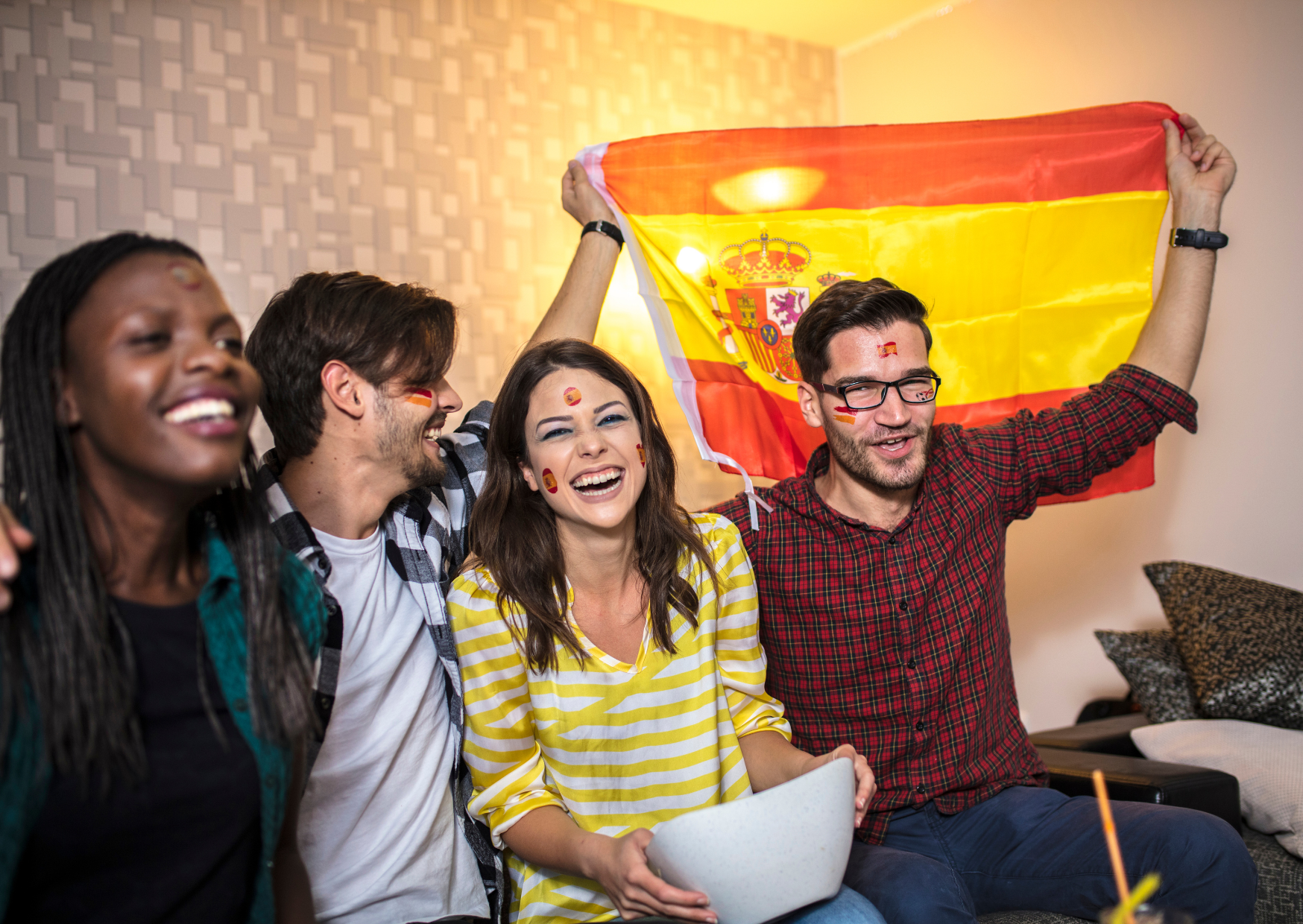
Sobremesa is Spain’s superpower: the unhurried, post-meal stretch where the table becomes a living room without moving. Fruit appears (cherries, melon, figs), then postre if there is one, then coffees (solo, cortado, con hielo in summer), perhaps a chupito (tiny liqueur) or two. Voices drop, stories rise; time loses corners.
Arriving late by “Anglo standards” is how you earn sobremesa energy: everyone’s warmed, the host is out of the weeds, and conversation has oxygen. If you’d forced an on-the-dot start, you’d have eaten earlier—but talked less well. Spain optimizes for the talk.
12) When Should You Leave? Later Than You Think (But Read the Kids)
Nobody will hand you your coat at 23:00. On weekends, 01:00 is ordinary, 02:00 not unusual if the building tolerates it. Weeknights are softer: midnight-ish. Signs it’s time:
- Coffee cups sit empty and no one offers another.
- Music volume slides down; someone gathers glasses.
- The hosts yawn with their eyes, not their mouths.
- Children reappear in pajamas to do a tiny revolution.
Offer quick help—“¿Recogemos un poco?”—and actually do it if they nod. If they demur, respect it; some hosts prefer to clean in peace tomorrow. Do not linger in the doorway for 25 minutes; Spain loves the Irish goodbye inside, but the stairwell goodbye should be short and soft.
13) The Taboo Topics (And the Good Ones)
At Spanish tables, politics can be lively but local; tread gently unless you know people well. Money specifics feel tacky; religion is more personal than public. Safe and fun lanes:
- Food memories, recipes, regional rivalries (friendly) about croquetas, tortillas (con vs. sin cebolla), local wines, where to buy the best tomatoes.
- Travel by train, beaches vs. mountains, deranged landlord stories, tiny hacks for daily life.
- Children’s escapades, football with a smile, neighborhood gossip without malice.
Above all, listen well. Spaniards gift you stories if you give them air.
14) Dietary Notes: Tell Early, Phrase Nicely
If you have restrictions, tell them when you accept: “Soy celíaco,” “No como marisco,” “Vegana, pero como pan y fruta.” Hosts appreciate clarity early; they’ll plan around you cheerfully. On arrival, don’t re-brief unless asked; trust the table. If something is off-limits, take more of what isn’t and keep the tone sunny. Spain admires appetite—of food, company, and life.
15) Kids, Dogs, and the Balcony: Logistics That Decide the Night
- Kids: Spanish children drift in and out; bedtime flexes. If a dinner is adults-only, they’ll say. Otherwise expect toy explosions and a late lullaby.
- Dogs: Common, friendly, trained to orbit the ham. Ask before feeding.
- Balconies/terraces: If anyone smokes, it happens outside; you won’t be marinated indoors. Join for air and stars; it’s where a second, smaller sobremesa blooms.
16) The Dress Code: Polished Casual That Can Survive Heat and Midnight
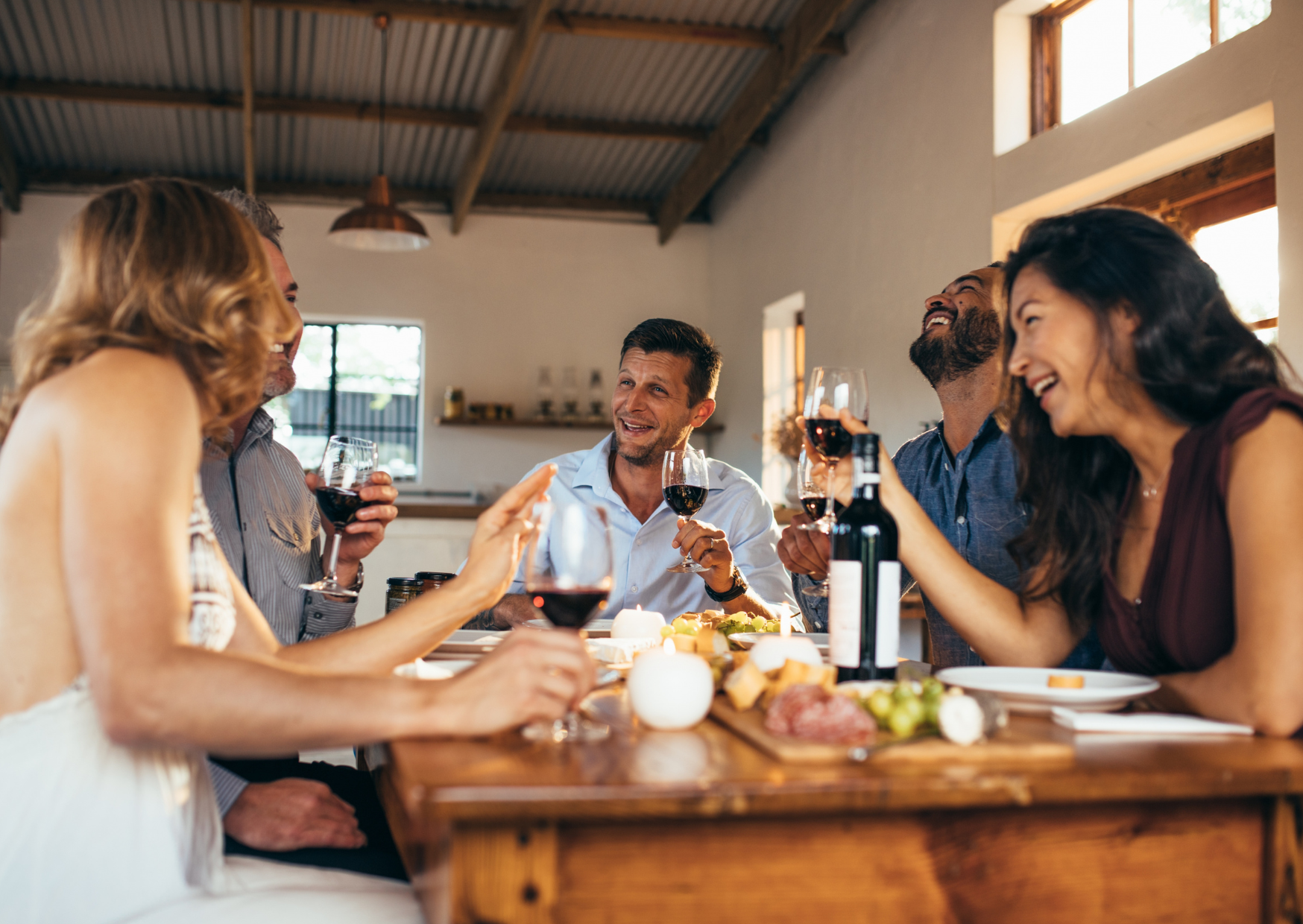
Spain likes effort without stiffness. City dinners: crisp shirt or blouse, clean sneakers or simple shoes, a dress that moves. Bring a light layer; midnight breezes surprise. Heavy perfume in small apartments can overwhelm; go easy. You’ll likely end up helping in the kitchen at some point—dress for flirtation and function.
17) The Early-Guest Disaster: How To Recover If You Already Rang
It happens. You misread the clock and you’re in the elevator at :58. Recovery script at the door:
“Perdón, llegamos puntuales como guiris—¿te alcanzo el hielo/ayudo a poner la mesa?”
Own the faux pas with a smile. Then work: stack plates, pour waters, cut bread, ferry bottles. Turning from problem to solution in 30 seconds rewrites the story. By aperitivo, you’re back to beloved.
18) What Hosts Wish Guests Knew (But Won’t Say)
- If I invited you, I want you relaxed, not parked on the threshold watching me plate.
- Your arrival text that says “sobre y veinte” (around :20) is a hug.
- Don’t push me to open your wine; I already chose pairings. I’ll open it later or keep it for another night (which is the compliment).
- If you break a glass, say “uy,” I’ll say “no pasa nada,” and it will be true.
- If you loved a dish, ask for the recipe; it’s the highest praise.
19) A Mini-Glossary to Sound Native
- Sobre las nueve — around nine (you: arrive +15/+30).
- A partir de las nueve — from nine onward (you: any time +15 to +60).
- Puntuales — punctual (you: on time, truly).
- Picoteo — grazing finger food; likely later arrivals.
- Aperitivo — pre-meal drink/bites; implies staged start.
- Sobremesa — post-meal conversation marathon.
- ¿Llevo algo? — Should I bring anything? (They might say “nada”; bring small anyway.)
- ¿Subo ya o espero? — Should I come up now or wait? (Golden sentence if early.)
20) The Departure Thank-You That Actually Matters
The next morning, send a short note:
“Mil gracias por anoche—todo riquísimo y la compañía mejor. La tortilla, de diez. Cuando queráis en la nuestra.”
If you borrowed a dish or Tupper, return it with something inside (cookies, nuts). Reciprocity in Spain is circular, not ledgered; the thank-you lives as much in hosting them back as in words.
21) The One-Page Playbook (Screenshot This)
- Window, not dot: for 21:00, arrive 21:15–21:35.
- Early? Take a vueltita; text you’ll ring y veinte.
- Gifts: wine (not necessarily opened), dessert, flowers, olives, ice/bread if late.
- Door dance: quick kisses, shoes on unless told, “¡Qué bien huele!”
- Help smartly or hover kindly—never clog the counter.
- Aperitivo first, cena later, sobremesa longest.
- Stay later than you think; leave when coffee fades, tidy briefly if welcomed.
- Thank next day; invite back soon.
22) Why This “Late” Culture Makes Nights Better
Arriving “late” isn’t rudeness; it’s deference to the host’s rhythm. It allows the food to shine, the room to breathe, and the conversation to mature. The gap between stated time and actual arrival isn’t a hole—it’s a ramp. It gives your hosts their final alchemy; it gives you a party that feels made, not managed.
Once you stop wrestling the Spanish clock, you’ll notice something: evenings feel longer, softer, more generous. People aren’t hurrying toward bedtime; they’re falling into each other’s company. Your watch didn’t break—you just stepped into a culture that values together more than on time. And when you ring at :25 instead of :00, you’re not being late. You’re being kind.

About the Author: Ruben, co-founder of Gamintraveler.com since 2014, is a seasoned traveler from Spain who has explored over 100 countries since 2009. Known for his extensive travel adventures across South America, Europe, the US, Australia, New Zealand, Asia, and Africa, Ruben combines his passion for adventurous yet sustainable living with his love for cycling, highlighted by his remarkable 5-month bicycle journey from Spain to Norway. He currently resides in Spain, where he continues sharing his travel experiences with his partner, Rachel, and their son, Han.