
You book a dream Paris dinner, arrive on time, and—boom—the host steers you to a tiny two-top next to the bathroom door, where the latch sighs every 90 seconds and a draft kisses your ankles. Across the room, a couple lounged by the window on a velvety banquette like they owned the building. Did they? Or did the house just decide you were the obvious candidates for the “near-the-loo” seats?
The uncomfortable truth: while no reputable French restaurant has a written policy to sit Americans by the bathroom, there are rhythms and seating logics that make it look and feel like that’s exactly what happened. Some of those logics are architectural (old rooms with odd corners), some are economic (two services, tight rent, assigned sections), some are cultural (how long a table lingers, how loudly guests speak, what they order first), and some are just practical (you arrived as a walk-in at the wrong moment). If you don’t understand the choreography, you end up at the hinge of the door—again.
Here’s your myth-busting, field-tested guide to how French dining rooms are actually seated, why travelers often get the drafty spots, and how to get the seat you want—without turning into the person every host dreads.
Want More Deep Dives into Other Cultures?
– 9 Italian Style Rules That Instantly Outshine American Fashion
– Why Europeans Walk Everywhere (And Americans Should Too)
– How Europeans Actually Afford Living in Cities Without Six-Figure Salaries
– 9 ‘Luxury’ Items in America That Europeans Consider Basic Necessities
1) The Myth vs. the Mechanism
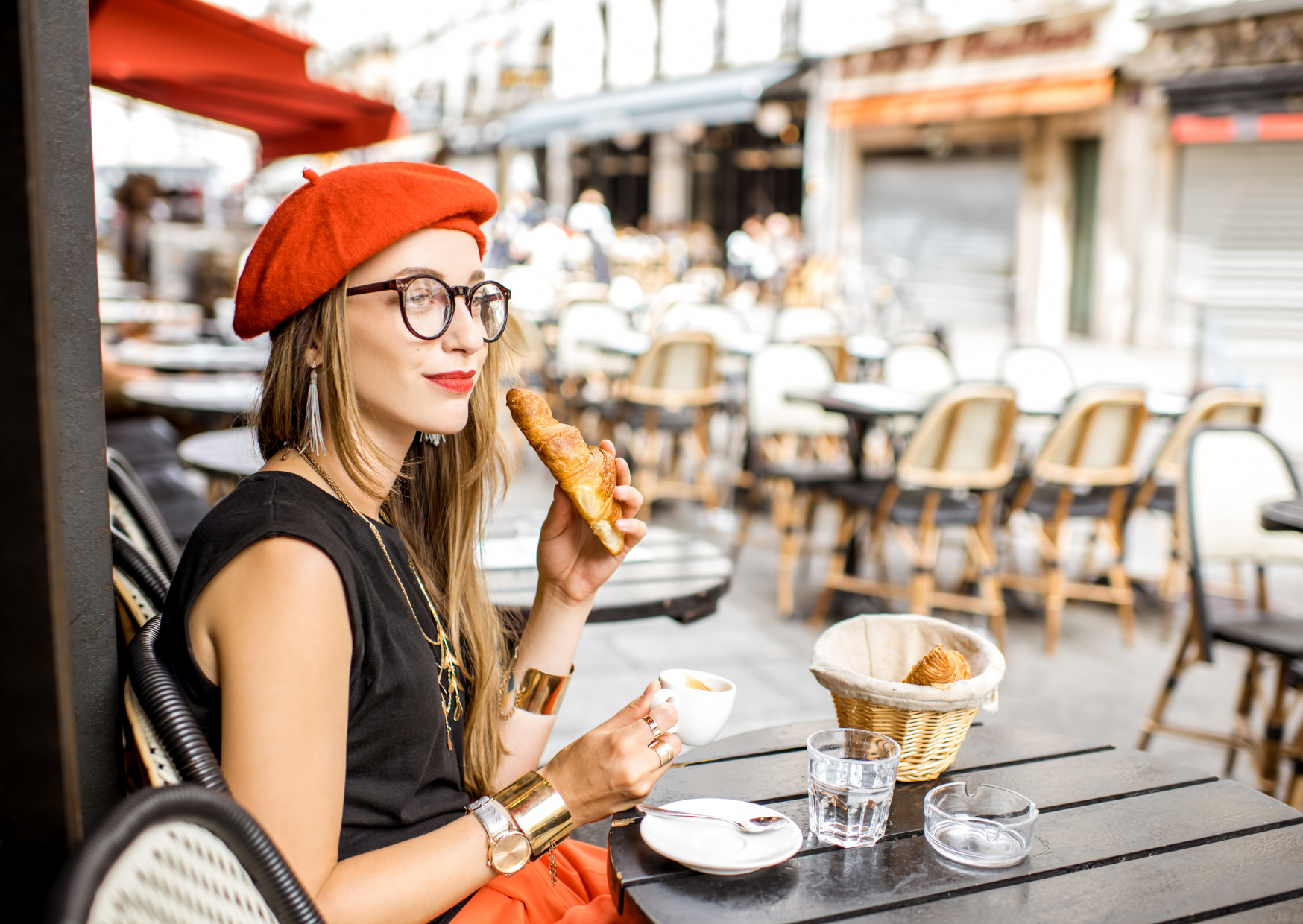
The myth: “French restaurants put tourists—especially Americans—by the bathroom on purpose.”
The mechanism: French rooms are small, layered, and often run with assigned server sections. The host has to keep service balanced, protect reservations timed for premier service (first seating) and deuxième service (second seating), and preserve the room’s cadence—when starters land, when the pass is at peak, when tables flip. The “worst” tables (bathroom door, service station, hallway to the stairs) are buffer seats the house uses to absorb walk-ins, short bookings, or guests who will leave before a specific reservation. Tourists are more likely to trigger those conditions: they arrive without booking, at peak time, ask for a terrace table on a rainy night, or want to be gone by a certain hour. Voilà: the buffer seats get used… by you.
No conspiracy, just a seating algorithm where certain variables (walk-in + peak + two-top + time limit) equal “near a door.”
2) The Architecture Is Working Against You (And Everyone)
French dining rooms live in old buildings with constraints you can smell, hear, and sometimes duck under. Toilets in the basement reached by a narrow staircase. A draft that sneaks in from a 19th-century street door that never seals perfectly. A server station tucked by the bathroom because the pass is three meters the other way. There is often one perfect banquette, two window two-tops with a view, three decent middle tables, and a handful of “we’ll live” options lining the action. Somebody gets them—locals, regulars, or the guests who triggered the buffer logic.
In other words: there are often more non-ideal seats than you think, and good houses use them sparingly to keep the room flowing. If you walk in at 8:30 p.m. asking for “any table,” you volunteered to be the flow patch.
3) Service Flow > Your View (Why the Host’s Map Rules the Night)
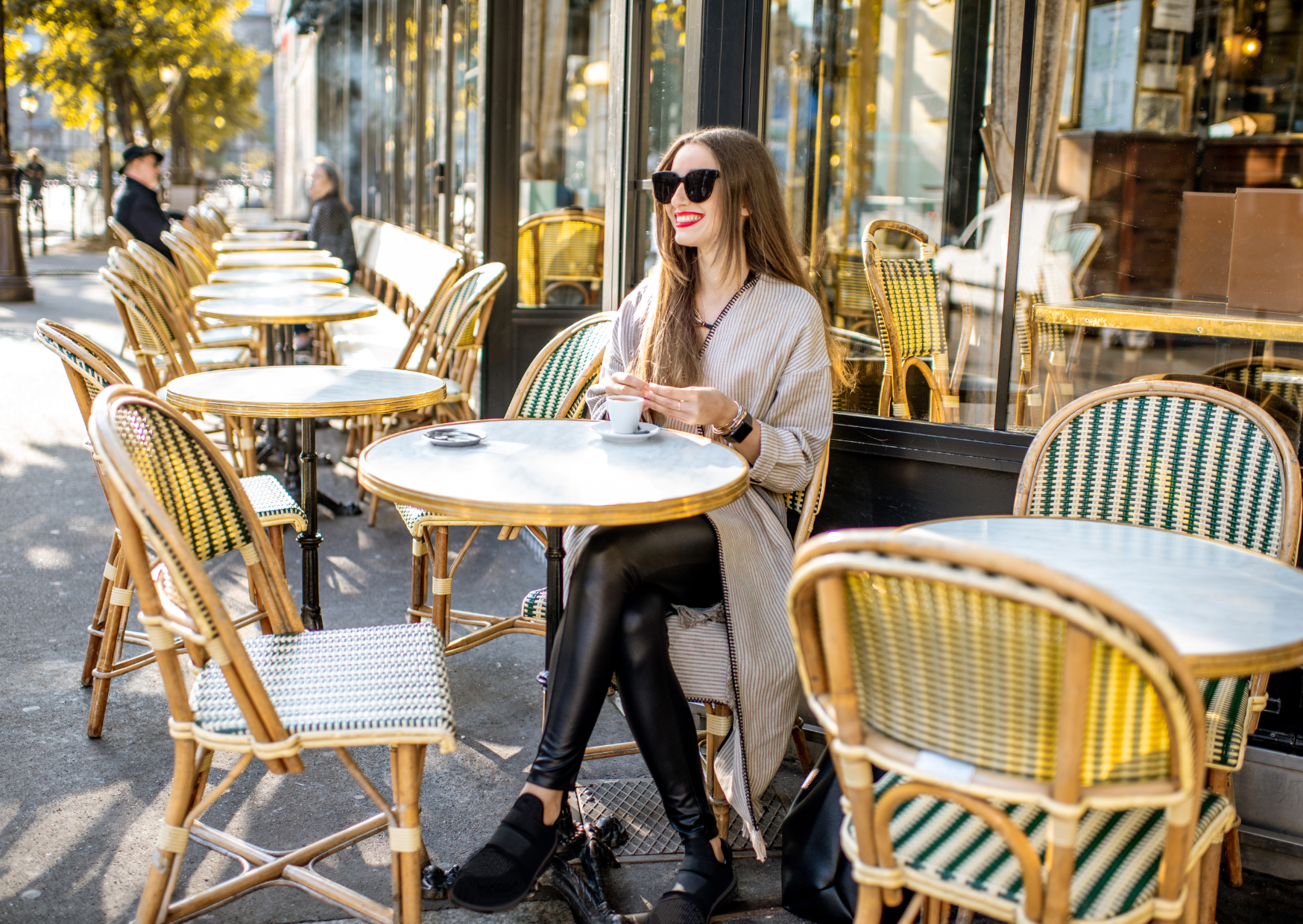
Watch a seasoned maître d’hôtel for five minutes and you’ll understand. They are conducting a service symphony with constraints you don’t see:
- Sections and paths. Servers need clean lanes to the pass. Tables in the lane go to guests who will move at the room’s cadence. The bathroom-adjacent two-top is often the only patch left in a section that won’t wreck the server’s turns.
- Two services to pay the rent. Most Paris rooms run a first wave around 19:30–20:45 and a second at 21:30–22:45+. If you arrive as a walk-in at 20:05 and promise “we’ll be quick,” you’ll likely get a buffer table the host can clear by 21:20 without reneging on a reservation for a window banquette.
- The kitchen’s heartbeat. The pass can only support so many fire times. Bunch your new tables wrong and the line dies. The host may seat you by the bathroom now to keep three four-tops from firing mains at the exact second.
None of this is personal. It’s logistics with butter.
4) Why Americans Seem to Lose the Seating Game (Pattern, Not Plot)
Let’s name the habits that tilt the odds against you:
- Walk-ins at peak time. Anglo dining habits push earlier dinners; travelers often walk in right at 19:30–20:00. In France that’s table-start time, not “arrive and linger.” Prime tables are blocked for reservations or regulars; the buffers remain.
- “We’ll be out by…” American efficiency reads as a time limit. Hosts will use a table that sits near traffic to guarantee they can flip you on schedule.
- Volume cues. A friendly but loud hello can earn you a spot a step away from the quiet core. No malice—just sound management. French rooms carry voices; the bathroom-side is a natural baffle.
- Customization mindset. Opening with substitutions and special requests (outside allergies) can mark you as a potential slow turn. Hosts hedge by using flexible tables.
- Ordering cadence. “We’ll just have wine and bread while we decide” at peak says stall. A buffer seat protects the main lanes.
Recognize yourself? Good; now we can fix it.
5) The Seating Hierarchy You Can’t See (But Should)
Most rooms run a tacit pecking order:
- Regulars/voisins (neighbors) and hôtes fidèles (returning guests) → anchor banquettes, window tables, the chef’s eyeline.
- On-time reservations → the best remaining fits for party size and service wave.
- Walk-ins → convenience plus timing logic: nearest free two-top that won’t jam an incoming reservation.
- Late arrivals → whatever can keep the wave on time, which often means… yes.
Your goal: move up a band—from walk-in randomness to “oh, you’re the 21:30 two-top with preferences noted.”
6) Scripts That Change Your Seat (Without Being That Guest)
French hosts love clear, gentle requests framed as preferences, not demands. Use these verbatim:
- When booking (Resy, site, phone):
“Préférence si possible: une table au calme, loin de la porte et des toilettes.”
(Preference if possible: a quiet table, away from the door and the restrooms.) - At the door if you’re offered a drafty/bathroom spot:
“Serait-il possible d’avoir une table un peu plus au calme ? On est ravis d’attendre au bar.”
(Would it be possible to have a slightly calmer table? We’re happy to wait at the bar.) - If the room is packed and you’re a walk-in:
“On peut revenir à 21h30 si c’est mieux pour vous. On adore votre cuisine et on préfère attendre pour une table au calme.” - If you must accept for timing but want a swap later:
“Si une table se libère près de la fenêtre, on serait ravis de changer—aucune urgence.”
Tone matters. You’re collaborating with the host’s map, not fighting it.
7) How to Book Like a Local (and Win Better Tables)
- Reserve the correct service. If you want a long, slow dinner and the best chance at a pretty table, book 21:00–21:30. Early service turns are shorter and more utilitarian.
- Signal you’re staying. A note like “pas de spectacle après—on a le temps” (no show after, we’re not rushed) tells the host you won’t force a violent flip.
- Name a polite preference. “Banquette si possible / table au calme / loin des toilettes.” Short, specific.
- Confirm once. A same-day “Nous confirmons 21h30” WhatsApp or call shows reliability. Unreliable guests get flexible tables; reliable guests get placed.
8) Seating Economics (Why Some Spots Feel Like Purgatory)
You know those two-tops by the bathroom door and server station? They’re control valves:
- Shorter dwell. The bathroom traffic accelerates natural table turnover. In first service, that can be a feature.
- Server station proximity. Those tables are easy to watch and clear, great for tight flips.
- Noise baffle. They absorb larger groups’ spillover and protect the dining core’s soundscape.
When you understand the valve function, being offered that seat reads as “we can fit you now,” not “we don’t like you.”
9) What Your First Five Sentences Tell the Host
Hosts are professional pattern-readers. Your opening lines shape your fate:
- “We have a reservation for two at 21:30.” Good. You’re in the map.
- “We’re starving and in a rush.” Buffer table.
- “We’re celebrating but happy to wait for a nice spot.” They’ll try.
- “Can we sit outside? No? Inside then… but we might leave by nine.” Utility seat.
- “Any chance of a quiet table? We’ll order now.” Green light to place you deeper.
Aim for confidence + flexibility. It’s paradoxical: the more flexible you are, the more the house will flex for you.
10) How to Read the Door Signs Like a Pro
- Service hours split: If you see 12:00–14:30 and 19:30–22:30, you’re looking at two turns. Prime tables are blocked for each.
- “Complet / complet ce soir” (fully booked): walk-ins get valves or a waitlist.
- “Sans réservation bienvenus au comptoir”: the counter is your friend—better than the bathroom two-top and often the best seat to watch the pass.
- Terrasse pricing: Some spots add a terrace supplement or limited menus outside; interior seating can be both better and calmer.
11) The Cultural Bits That Quietly Improve Your Table
- Volume: Keep voices low at the door. Loud groups get placed where volume harms least.
- Order cadence: Be ready to order within 10 minutes. Long “we’re still deciding” moments during peak push you to splash-zone tables next time.
- Beverage lanes: If you’re offered an apéritif, accept or decline quickly. Nursing one drink for 50 minutes before ordering pushes you into the control-valve economy.
- No edible pre-game: French houses don’t want to drown you in bread before you commit. If you ask for baskets and say “we’ll see on food,” hosts protect core seats.
12) If You Get the Bathroom Table Anyway (And It’s Truly Bad)
It happens. The lock clicks like a metronome, the door breeze chills your ankles, and someone queues two inches from your plate. Here’s a graceful three-step escalation:
- One polite try: “Pardonnez-moi, il y a un courant d’air ici. Si jamais une table se libère plus au calme, on serait très reconnaissants de changer.”
- Offer an out: “On peut attendre au bar / on revient dans 20 minutes si nécessaire.”
- Accept or bow out kindly: If nothing improves and you’re miserable, pay for what you’ve consumed and leave with courtesy: “On préfère revenir un autre soir pour profiter pleinement—merci de votre compréhension.”
Hosts remember gracious exits and will often over-correct in your favor next time.
13) Neighborhood Strategy Beats Tourist Corridors
If you keep landing by the toilets near big sights, change the map:
- Book two streets back from postcard avenues. The rooms are calmer; hosts have more flexibility.
- Aim for chef-driven bistros in residential arrondissements (11th, 10th, 9th, 17th, 20th in Paris; similar logic in Lyon, Bordeaux).
- Lunch beats dinner for pretty tables; late second service beats early for lingering.
The more a room relies on regulars, the more it protects the dining core—and includes you in it when you behave like one.
14) Parties of Two vs. Four (Math You Can’t Beat)
Two-tops are puzzle pieces; fours anchor a section. If a four-top is blocked for 21:30, your two-person walk-in at 20:00 cannot occupy it without blowing the wave. You’ll get a two-top wherever it fits—often the control valve. Book as a foursome (with real humans) and you change your leverage. Don’t fake it; hosts know.
15) Banquettes, Corners, and the “Good Vibes” Seat
Ask French friends and they’ll whisper the same desires: banquette (back support, view of the room), corner (privacy), fenêtre (window). You can signal any of these in a reservation once:
- “Banquette si possible.”
- “Près de la fenêtre si cela n’embête pas le service.”
- “Une table au calme, pas dans le passage.” (Not in the passageway.)
One preference, not three. Greedy notes get ignored; focused ones often get honored.
16) “We Have Kids” and Other Logistics
Families worry about getting exiled to the bathroom zone. Don’t. Do this:
- Book earlier than the second wave (19:30) and write: “Nous avons un enfant, table au calme si possible; on sera efficaces.”
- Bring quiet activities. Noise is the only real sin.
- If a meltdown looms, take a quick stroll; hosts will repay the courtesy with better placement next time.
17) When the Bar Is the Best Seat in the House
In modern bistros and neo-bistros, the counter puts you next to the pass, away from bathroom traffic, with line-of-sight to plating and wine. If the room offers it, choose it. You’ll get better conversation, warmer pacing, and zero door drafts. Say: “Le comptoir nous va très bien—on adore voir la cuisine travailler.”
18) Terrace Truths (And How to Avoid the Wind Tunnel)
Everyone wants the terrasse. In bad weather or on gusty streets, it becomes the draft corridor and bathroom-adjacent’s outdoor cousin. If you insist on outside:
- Ask for a spot behind wind screens; accept blankets (plaids) when offered.
- Know that many terraces run a shorter menu and faster turns; you may feel more rushed.
- If you’re noise-sensitive, pick interior tables; the terrace is a street performance.
19) The “I’m American” Advantage (Use It Wisely)
You carry social capital: warmth, directness, gratitude. Show it in French or easy bilingual sentences:
- On arrival: “Bonsoir ! Nous sommes ravis d’être ici—quelle belle salle.” (We’re thrilled to be here—what a lovely room.)
- On a move: “Merci infiniment—c’est parfait.” (Thank you so much—this is perfect.)
- On departure: “C’était délicieux, merci pour l’accueil. À très bientôt.”
Teams remember kind guests. Kind guests get better seats.
20) A Five-Minute Playbook to Never Sit by the Bathroom Again
- Reserve the second service (21:00–21:30) if you want to linger and land a pretty spot.
- Note one preference: “table au calme, loin des toilettes si possible.”
- Arrive on time, speak softly, decide quickly. Signal you’re in the room’s rhythm.
- Offer flexibility: “On peut attendre pour une belle table / le comptoir nous va très bien.”
- If seated poorly, ask once—gently—and offer to wait.
- Be memorable for the right reasons: warmth, patience, thanks.
- Book neighborhoods over monuments. Regulars’ rooms treat you like a future regular.
- Consider the bar. It’s often the house’s favorite seat—and far from the bathroom.
21) When It Is Personal (Rare, But Real)
Are there rooms that pigeonhole tourists? Sure—on the most touristed blocks in peak months, some houses protect their abonnés (regulars) with better tables. If you sense that vibe, don’t fight: eat, be gracious, and don’t return. Paris, Lyon, Marseille, Bordeaux—each has far more restaurants than you have nights. Vote with your feet, not your blood pressure.
22) The Mindset Shift That Fixes Everything
Stop playing “me vs. the host.” Play “me + the host vs. a tiny, beautiful, complicated room.” When you understand that they’re juggling a dozen invisible constraints—reservations, sections, kitchen fire times, late trains, birthday cakes—you stop taking a bathroom-adjacent two-top as an insult and start seeing it as a trade you can politely renegotiate.
Most nights, that renegotiation is easy: you give the room a little time or flexibility, and the room gives you the banquette or window when it’s fair to do so. And on the nights it can’t—well, you’ve got a backup script, a bar seat, and the knowledge that in France, being a gracious, aligned guest gets remembered.
Next trip, try the experiment: book the second wave, ask simply for une table au calme, arrive soft-voiced and on time, decide quickly, and thank with style. Watch what happens. Odds are you’ll end up exactly where you wanted: not by the bathroom, but in the glow of the room, watching the plates land and the servers glide, wondering how you ever thought the dining room was out to get you.

About the Author: Ruben, co-founder of Gamintraveler.com since 2014, is a seasoned traveler from Spain who has explored over 100 countries since 2009. Known for his extensive travel adventures across South America, Europe, the US, Australia, New Zealand, Asia, and Africa, Ruben combines his passion for adventurous yet sustainable living with his love for cycling, highlighted by his remarkable 5-month bicycle journey from Spain to Norway. He currently resides in Spain, where he continues sharing his travel experiences with his partner, Rachel, and their son, Han.