
You order dinner on a family trip, your teen asks for a sip, the waiter hesitates, and suddenly the table becomes a seminar in European law, culture, and common sense.
If you grew up with a hard line at 21, Europe looks chaotic. You will see teenagers toasting with parents in rural inns, menus that list wine by the glass next to a kids’ set menu, and, two borders later, a stern sign about ID checks and a state store that closes at 3 p.m. It is not chaos. It is a patchwork, and the pattern matters.
Europe does two things at once. It writes rules about purchase and service that vary by country, sometimes by region. It also carries strong habits around family meals, long evenings, and alcohol monopolies that limit access. That mix confuses American parents who expect one number and one rule. The reality is simpler once you break it into law, culture, and logistics.
This guide translates the map, names the laws families actually hit on holiday, explains why a harmless “taste” at the table can be legal on Monday and a problem on Friday, and gives you a calm plan for traveling with teenagers without making enemies of waiters, hotel clerks, or police.
Want More Deep Dives into Other Cultures?
– 9 Italian Style Rules That Instantly Outshine American Fashion
– Why Europeans Walk Everywhere (And Americans Should Too)
– How Europeans Actually Afford Living in Cities Without Six-Figure Salaries
– 9 ‘Luxury’ Items in America That Europeans Consider Basic Necessities
The Rule You Expect Is Not Europe’s Rule
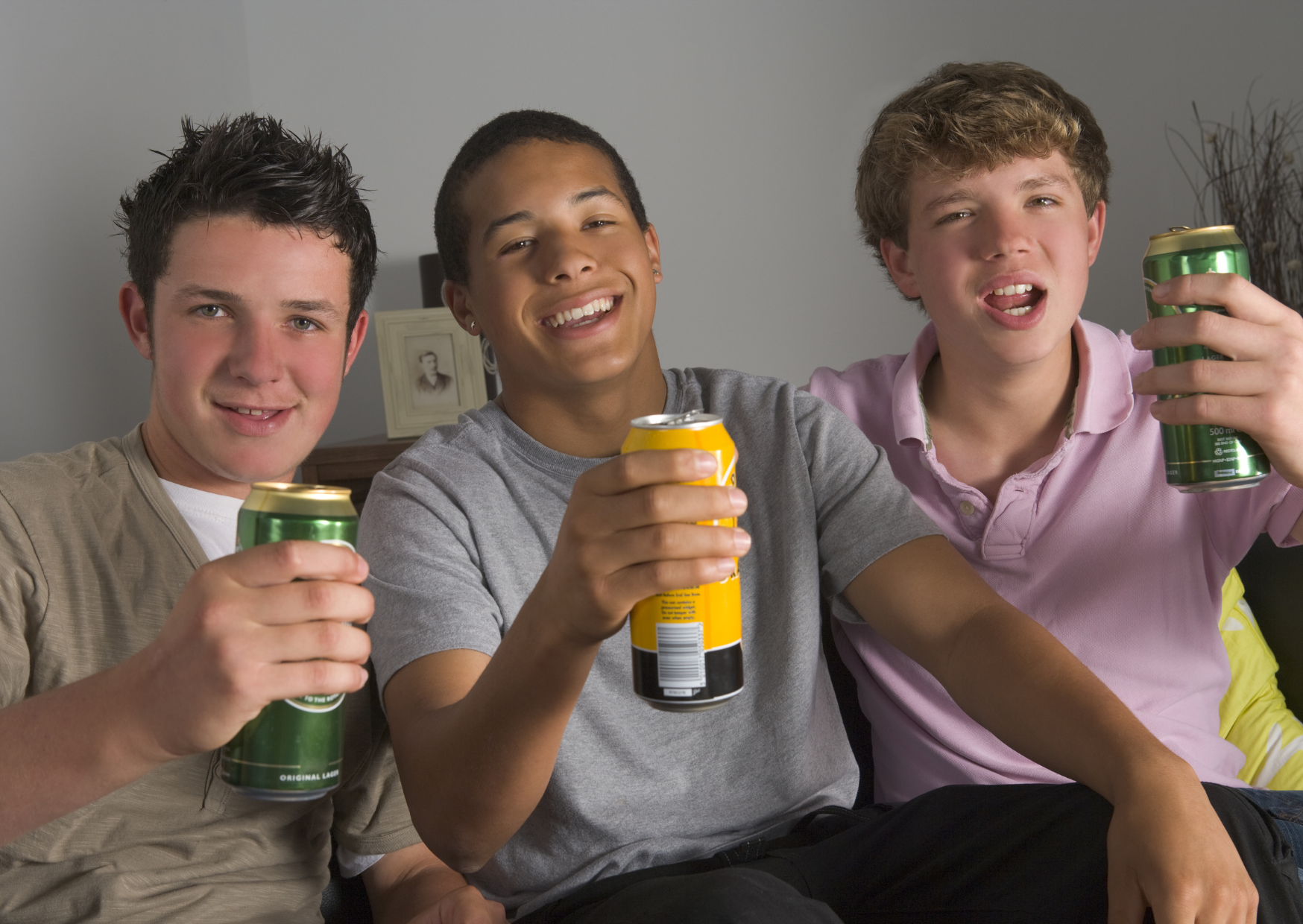
In the United States, the age for purchase is 21 everywhere. The number is familiar and the line is bright. In Europe, the number depends on where you are, whether alcohol is beer or spirits, whether you are buying in a supermarket or being served at a restaurant, and whether an adult is present. One more split matters, the law often distinguishes between buying alcohol and consuming it in private.
That is why a teen can legally have a small beer with a meal in a British pub if an adult orders it, yet the same teen cannot buy the bottle at the shop next door. It is why a German family can let a fifteen year old taste wine at a restaurant with a parent present, while a Spanish bar is obliged to refuse any service of alcohol to anyone under 18. It is also why visiting Norway or Sweden feels stricter than crossing into Spain or Italy, not because people drink less with food in the south, but because the north runs alcohol through state stores with limited hours, tight ID checks, and higher minimums for spirits.
The headline for parents is straightforward. Europe has more than one number. The number is tied to purchase and service, not only to the act of drinking. And staff follow the law they live with, even if your home rule is different.
What The Law Actually Says, Country By Country

A quick tour of the rules most American families meet. The point is not to memorize a chart. The point is to see the logic, the split between beer and spirits in some places, and the difference between buying and being served.
- United Kingdom. You must be 18 to buy alcohol or to drink in licensed premises. There is a narrow mealtime exception. A 16 or 17 year old, accompanied by an adult, may drink beer, wine, or cider with a meal if an adult buys it. Spirits are not covered by this exception. At home or in private, it is legal for children aged 5 to 17 to drink, though health guidance advises against it. Staff can and do refuse if anything looks off.
- Germany. The youth protection law sets three steps. At 14 and 15, a minor may drink beer or wine in public places if a custodial parent is present and agrees. At 16 and 17, they may be served beer or wine without a parent. Spirits and drinks containing spirits are only for adults 18 and up. Many venues also have curfews for unaccompanied minors.
- France. Selling or giving alcohol to anyone under 18 is forbidden in bars, restaurants, and shops. Staff are expected to check ID and refuse service to minors or to anyone obviously intoxicated. This is a purchase and service rule, not a green light for private underage drinking at restaurants.
- Spain. Spain’s regions long enforced the 18 limit. A national law approved by the cabinet in 2025 seeks to make the ban on the sale and consumption of alcohol by minors explicit and uniform, and to tighten advertising around schools. On the ground, servers treat 18 as the line.
- Italy. Restaurants and shops may not sell or serve alcohol to anyone under 18, and they are allowed to demand ID if there is any doubt. The national framework hardened over the past decade. You may still see relaxed attitudes at a family table, but the service rule for businesses is simple, no sale, no service under 18.
- Netherlands. Buying alcohol and possessing it in public are both illegal under 18. Private consumption inside a home is treated differently, but shops and bars will not serve or sell to someone under 18.
- Sweden. You must be 20 to buy alcohol stronger than 3.5 percent ABV from Systembolaget, the state store. Bars and restaurants may serve at 18. The state store closes early and is shut on Sundays and holidays, which catches tourists.
- Norway. You must be 18 to buy beer and wine, and 20 to buy spirits. Stronger alcohol is sold at Vinmonopolet, the state monopoly stores, with limited hours. Customs also enforce the same age thresholds for duty free allowances.
- Denmark. Denmark has tightened youth access. Since April 2025, 16 and 17 year olds can only buy drinks up to 6 percent ABV. Anything stronger and all spirits require 18. Denmark remains culturally easygoing, but retailers face real checks.
- Belgium. Beer and wine are legal to purchase at 16, spirits at 18. Recent policy has narrowed loopholes that let fortified wines slip through at 16. Enforcement varies by venue, but staff are alert to the spirit cut off.
- Austria. The rule is set by states and is broadly aligned. Under 16, no alcohol. At 16 and 17, beer and wine are allowed. Spirits and mixed drinks with spirits are restricted until 18. Vienna follows that model.
These examples cover where most travelers go. Elsewhere in Europe you will find versions of the same choices, either one age for everything, or split ages for beer and wine versus spirits, or a mealtime exception that lets a teen have beer or wine with food if an adult orders.
Culture Versus Law, And Why That Matters At The Table
Law explains what a server must do. Culture explains what a family might do at home, at a village fête, or across a long lunch.
In parts of southern Europe, alcohol is folded into meals. A watered splash of wine at a family table is not unusual. In Britain, there is a specific legal path for a sip with a meal in a pub. In Germany, the supervised drinking provision reflects a belief that parents can model restraint in public. In Scandinavia, the law pushes in the other direction. Sweden and Norway keep retail sales inside state monopolies with higher age thresholds for spirits and reduced hours, which means less casual access and more planning.
Parents often ask if earlier exposure produces more responsibility. The answer is not tidy and it depends on which country you mean. Trend data across Europe show that adolescent drinking has declined since the early 2000s. You can see fewer 15 to 16 year olds reporting current use than a generation ago. Yet specific countries still report high rates of heavy episodic drinking among teens, with Denmark a frequent outlier on the high side. Policy and culture move together, which is why you should treat any national cliché with caution.
The practical takeaway is this. Do not assume that a relaxed family scene means relaxed laws for bars or shops. Do not assume a mealtime exception exists where you are. If you ask a waiter to bend a rule to match your home norms, you are putting that person at risk.
The Mistakes U.S. Families Make On Holiday

You can avoid most trouble by steering clear of three bad assumptions.
Assuming a “taste” is always fine. In France, Spain, Italy, the Netherlands, and many other countries, restaurants and shops may not serve alcohol to anyone under 18. Staff cannot legally “look the other way” because a parent is present. In the U.K., a 16 or 17 year old can have beer, wine, or cider with a meal only if an adult orders it. In Germany, the supervised drinking rule covers beer and wine at 14 and 15, not spirits, and only with a custodial parent.
Treating a shop like your dining table. Purchase law is stricter than family custom. A teen cannot buy wine in a Spanish supermarket or carry it on the street. In the Netherlands, under 18s may not even possess alcohol in public. In Sweden and Norway, the wine you want for dinner may only be sold at the state store, which is shut by late afternoon on Saturdays and closed on Sundays.
Forgetting that driving rules are separate. Drink driving limits across Europe are stricter than many U.S. drivers expect. Some countries set lower limits for novice drivers and commercial drivers, and several in Central and Eastern Europe enforce zero tolerance. It is never wise to push limits, and it is reckless with a hire car and an unfamiliar legal system.
Smaller missteps add friction. Not carrying ID for everyone at the table. Asking a server to commit a minor infraction, then insisting. Letting a teen order a spirit where beer and wine might be permitted. Or expecting a village festival to pour after midnight when the prefect has ordered last call at 11.
A Playbook For Parents Traveling With Teens
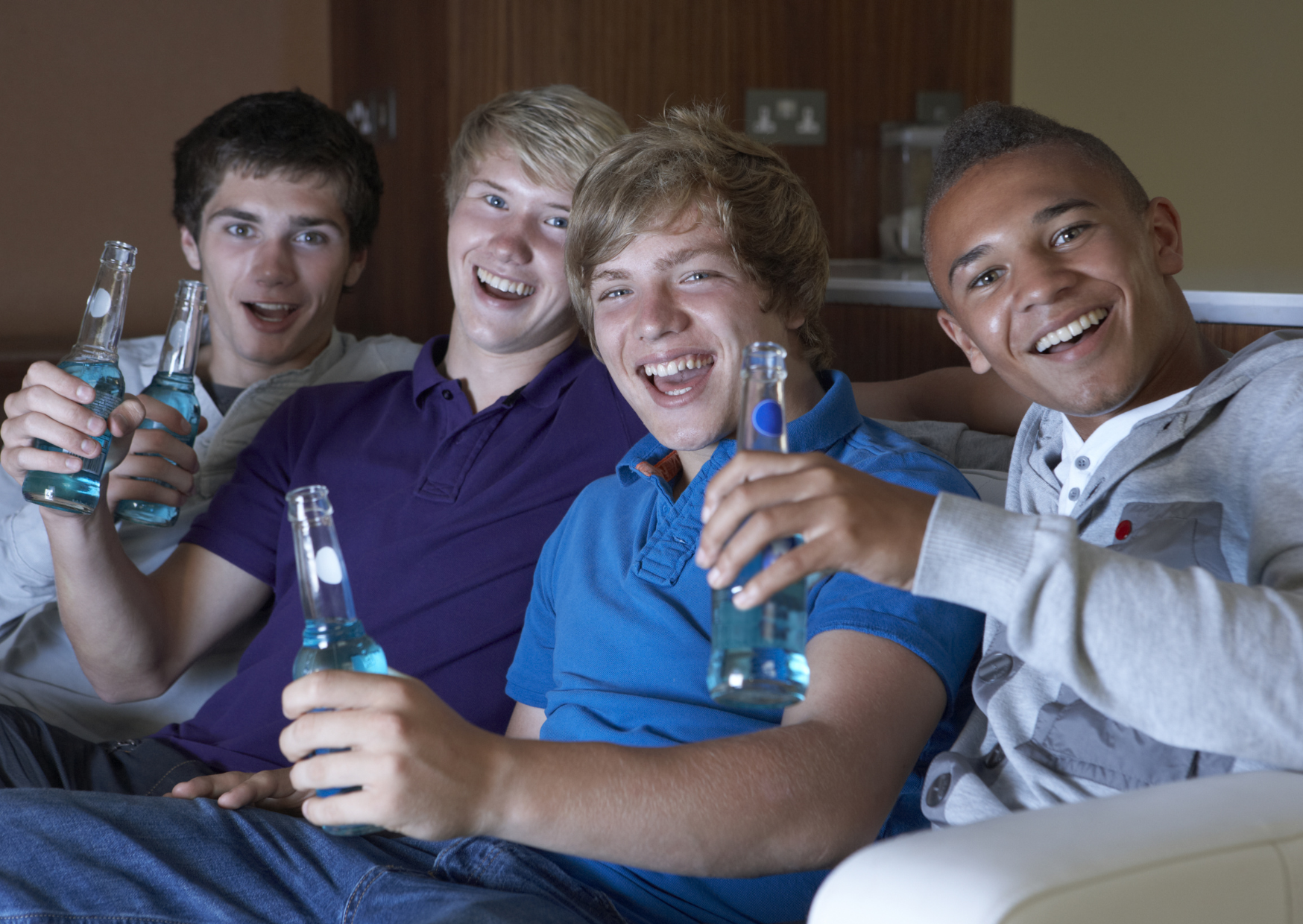
If you want a calm trip and a good dinner, run your holiday with a few simple rules.
Pick one rule that travels with you. Decide at home if your teen will drink at all on the trip. If the answer is yes, define where and how. For many families, that means a glass of beer, wine, or cider with a full meal in a place where such service is legal, and nothing outside that frame. A clear rule is easier to enforce than vibes.
Check the country rule the day you land. Do not rely on what a friend saw last summer. The numbers in Denmark changed in April 2025. Spain is consolidating a national standard that formalizes bans already common across regions. Staff know their rule. Match it.
Use the mealtime path correctly where it exists. In the U.K., a 16 or 17 year old may drink beer, wine, or cider with a meal if an adult orders it. That does not include spirits. It does not cover a round at the bar without food. A waiter can decline and still be right.
Never put staff in a bind. If a server says no, accept the no. In many countries, staff risk fines or license trouble for serving a minor. You are a guest. Keep the relationship friendly.
Make soft pairings part of the meal. Ask for sparkling water by the bottle and pour it like wine. In beer countries, look for 0.0 lagers that are common on tap. In wine countries, spritzers without alcohol exist on menus more often than you think. Order something that looks adult and is not alcoholic.
Plan around state stores. In Sweden and Norway, you buy wine and spirits at Systembolaget or Vinmonopolet. They close early and do not open Sundays. If you want a bottle for the apartment, buy it when you see it. Do not ask a supermarket to break the rule.
Carry ID for everyone. If your seventeen year old looks twenty, that is not a problem. It is a reason to make sure they have identification. Many venues check anyone who could be under 25.
Treat festivals and beach clubs as stricter zones. Summer events draw police attention. Where a prefect has set curfews or alcohol rules, vendors comply. If your teen is near a crowd with police present, treat the environment like a test and keep your rules tight.
Keep transport separate from tasting. If you are driving, designate a non drinking adult. This is common sense anywhere, but limits differ and enforcement is serious.
Use hotel bars and sit down meals. Full service restaurants and hotel lounges are better at applying the law calmly than student bars or clubs. If you want a lawful, low drama mealtime tasting, pick a venue built for that.
Where Europe Is Moving Next
The picture is not static. Several countries have changed the rules or clarified them since last year.
Denmark raised the line for stronger drinks in shops to 18 and limited what 16 and 17 year olds can buy to beverages 6 percent ABV or weaker. The aim is to curb binge drinking among teens while keeping lower alcohol beer available in supermarkets. Spain approved a national bill to standardize a ban on the sale and consumption of alcohol by minors and restrict marketing near schools. It still needs parliamentary approval to become fully binding, yet it reflects a direction most regions already follow. Sweden’s government is working on a limited reform that would allow on site sales at production facilities without scrapping the state store model. In Germany, politicians have debated removing the supervised drinking allowance at 14, with health officials pushing to end it and others defending the status quo as a way to keep first drinks inside family oversight. Belgium has tightened spirit access for 16 and 17 year olds so fortified wines are treated like spirits rather than beer or table wine.
If you travel often, do a quick check before each trip. A small shift can change what a server is allowed to pour, what a supermarket can sell, or when a state shop is open.
What This Means For You
You do not have to adopt Europe’s philosophy. You only have to run your trip with clarity. The workable plan is simple. Know the number where you are. Respect the distinction between buying and being served. Use mealtime exceptions correctly if they exist. Choose soft alternatives that make a teen feel included without bending a rule. Keep driving and drinking in separate boxes. And never ask staff to do something that risks their license so you can keep a promise you made on the plane.
If you do that, dinner stops being a debate and goes back to being dinner. Your teen learns that rules are local, service jobs are real, and adulthood includes reading the room. You get the holiday you wanted, with fewer awkward conversations and no surprise fines. The wine can be very good. The lesson can be, too.

About the Author: Ruben, co-founder of Gamintraveler.com since 2014, is a seasoned traveler from Spain who has explored over 100 countries since 2009. Known for his extensive travel adventures across South America, Europe, the US, Australia, New Zealand, Asia, and Africa, Ruben combines his passion for adventurous yet sustainable living with his love for cycling, highlighted by his remarkable 5-month bicycle journey from Spain to Norway. He currently resides in Spain, where he continues sharing his travel experiences with his partner, Rachel, and their son, Han.