
And what it reveals about presence, proximity, and the cultural limits of personal scent management
Step onto a packed metro car in Madrid on a summer afternoon, or walk into a small village café just after the midday lunch rush, and your nose might catch something many Americans would be horrified to notice — real, human body odor.
Not perfume. Not deodorant. Not the sterile scent of shower gel or laundry detergent.
Just sweat. Skin. And the quiet, unmistakable trace of a body that has lived through a long, warm day.
For Americans raised in a culture of constant scent management — morning showers, aluminum-based antiperspirants, body sprays, daily clothing changes, and fragrance-layered products — the presence of body odor in public feels like a violation of a basic rule.
But in Spain, it’s not treated that way.
Spanish people do bathe. They use deodorant. They care about cleanliness.
But their threshold for body scent is higher — and their willingness to accept it, especially in daily life, is far more relaxed than many American visitors expect.
Here’s why Spanish people tolerate body odor that would send Americans scrambling for air — and what this says about radically different cultural ideas of cleanliness, presence, and what a body is allowed to be in public.
Want More Deep Dives into Everyday European Culture?
– Why Europeans Walk Everywhere (And Americans Should Too)
– How Europeans Actually Afford Living in Cities Without Six-Figure Salaries
– 9 ‘Luxury’ Items in America That Europeans Consider Basic Necessities
Quick Easy Tips
Carry your own products. If you’re sensitive, travel with deodorant or body spray to feel comfortable in new environments.
Adjust expectations. Not every country views hygiene through the same lens as the U.S., so avoid quick judgments.
Focus on the experience. Pay more attention to cultural immersion than minor discomforts that may arise.
The first point of controversy is the heavy use of deodorant and perfumes in the U.S. compared to a more casual approach in Spain. While Americans often treat masking odor as mandatory, Spaniards may see it as unnecessary or even unhealthy to constantly cover the body’s natural scent.
Another controversy stems from climate. In hotter regions of Spain, odors can become more noticeable, yet locals often accept this as part of life. American visitors, by contrast, may interpret it as neglectful, sparking debates about cultural standards versus practicality.
Finally, the tension extends into broader conversations about authenticity. Some Europeans argue that Americans are obsessed with artificial cleanliness, while Americans view relaxed standards as unprofessional or unpleasant. This clash underscores how hygiene is not only about health but also identity and values.
1. Sweat Is Not a Sin — It’s a Sign of Life

In the U.S., sweating is treated almost like failure. People apologize for it. Workplaces are air-conditioned to the point of discomfort. Athleisure brands market sweat-wicking as a social shield. A sweaty person is assumed to be anxious, unfit, or unkempt.
In Spain, sweat is a natural part of the day.
The climate is hot. The cities are walkable. Daily life includes hills, sun, crowded spaces, and unhurried movement. You sweat on the metro. You sweat walking home. You sweat while eating lunch in a plaza.
And if someone smells faintly of sweat? It’s expected, not disgusting.
2. The Cultural Definition of “Clean” Doesn’t Include Total Scent Elimination

American grooming standards often imply that to be clean is to smell like nothing — or better yet, to smell like lavender, citrus, or “ocean breeze.”
In Spain, being clean means you shower regularly, wear fresh clothes, and don’t have overwhelming or unhygienic body scent. But it does not mean you smell like a candle.
People are allowed to have a scent — especially in summer, after work, or on a crowded commute.
You won’t hear people whispering about how someone “needs a shower.”
You’ll hear something more like, “Hace calor, ¿eh?”
It’s hot, isn’t it?
3. Deodorant Use Exists — But It’s Lighter and Less Frequent

In the U.S., many people use strong antiperspirants daily, sometimes multiple times a day. Products with aluminum compounds, extra-dry formulations, and heavy fragrance are the norm.
In Spain, people use deodorant — not antiperspirant — and often lighter products, like crystal sticks, roll-ons, or natural brands.
There’s less pressure to stop sweating entirely. The goal is to smell okay, not sterile.
It’s not uncommon for someone to skip deodorant entirely if they’re staying home, going out briefly, or expecting to shower soon.
No one freaks out. No one assumes it’s offensive.
4. Sharing Space Means Smelling People

In the U.S., personal space includes scent boundaries. If you can smell someone, they’re too close. Or they’ve done something wrong.
In Spain, proximity is different. People sit close. They talk close. They hug and kiss cheeks. Public spaces are dense, especially in cities. You will smell other people — and it’s not considered a problem.
Even pleasant scents — perfume, aftershave, hair products — aren’t used to overwhelm or mask natural body scent. They’re accents, not cover-ups.
The result? People don’t feel violated by another person’s natural odor. They just… accept it.
5. Clothing Is Reworn — Even in Summer
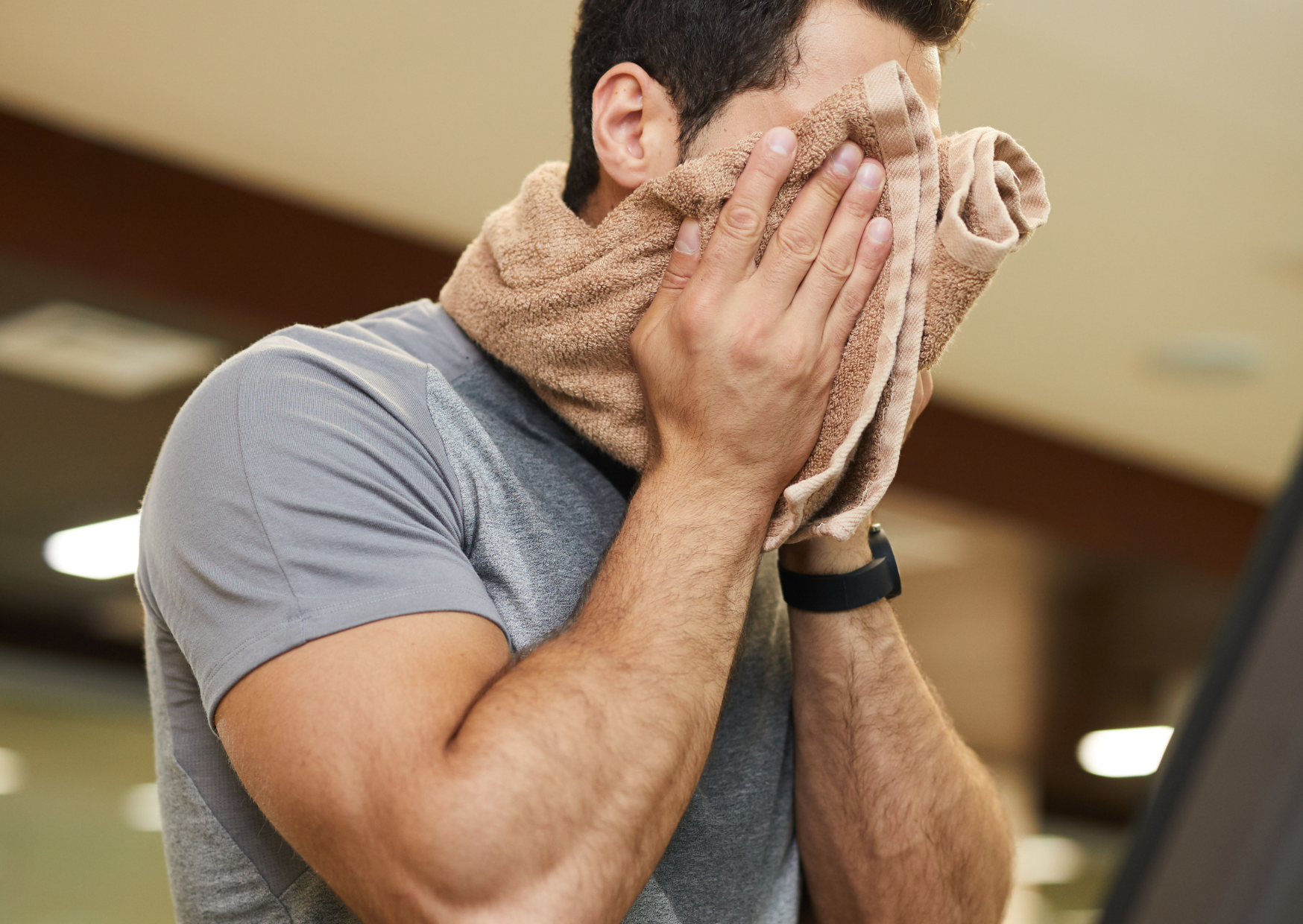
In the U.S., many people change outfits daily — sometimes more than once — especially if they’ve sweated even slightly. Clothing is washed constantly. “Wearing the same shirt two days in a row” can carry social consequences.
In Spain, clothing is reworn. Especially in summer. Especially casual clothes. Especially in non-professional settings.
If a shirt smells fine, you wear it again. If your linen pants are still breezy, you wear them again. Laundry is expensive, dryers are rare, and no one expects your outfit to be freshly laundered every morning.
That means you might carry a little bit of yesterday’s scent — and that’s normal.
6. Public Transport Is Hot, Crowded, and Unapologetic
Spanish metros and buses, especially in older cities like Madrid or Valencia, aren’t always air-conditioned — or if they are, it’s mild.
Rush hour is dense. People are close. The seats are fabric. And yes, everyone is sweating.
There’s no rush to cover it up. No one pulls out fragrance sprays. No one glares.
People ride in silence — fanning themselves with folded newspapers, sighing dramatically, and waiting for the next breeze.
It’s hot. You sweat. You smell like a person. And so does everyone else.
7. There’s No “Shame Shower” After Being Outside

In many American cities, especially those with car-centric culture, people shower after any time spent outdoors — a quick walk, a gym session, even a short commute.
In Spain, people might shower twice a day — but not because of guilt or shame. It’s usually because of heat, dust, or schedule.
More importantly, people don’t treat a bit of body odor as an emergency to be fixed immediately. You run errands sweaty. You eat dinner after a warm walk home. You live in your body without panicking about its scent.
That relaxed attitude reduces anxiety, not hygiene.
8. Children Grow Up Smelling Real People
In American parenting, there’s a tendency to protect children from anything considered “gross.” Parents apologize for their own sweat. They hurry to wash after the gym. They mask scent with products.
In Spain, children grow up smelling normal bodies. Their parents, siblings, classmates, teachers. Scent is just part of being close.
They don’t recoil. They don’t ask “What’s that smell?” as a form of criticism. They’re used to it — and as they grow up, they don’t feel shame when they begin to have their own scent.
That familiarity builds comfort — not fear.
9. The Body Is Not a Project — It’s a Companion
Ultimately, American body culture teaches people that the body must be managed. Controlled. Corrected. Smell is just one more thing to battle.
In Spain, the body is not an enemy. It’s a presence.
It walks, moves, sweats, digests, changes, and yes — smells.
There’s no obsession with being inoffensive. The standard isn’t perfection. It’s livability.
And that makes room for the reality that sometimes, after a long day in a hot city, the person next to you might smell like the life they just lived.
And that’s okay.
One Scent, Two Interpretations
To an American, catching a whiff of sweat in public is a red flag.
To a Spaniard, it’s background noise.
To an American, body odor equals a hygiene problem.
To a Spaniard, it often just means you were out, living your life.
In the U.S., the goal is to smell like nothing.
In Spain, the goal is to smell like someone — respectfully, naturally, and without shame.
So if you find yourself in Spain this summer, crammed into a metro car, or standing behind someone at the supermarket with a faint human scent, don’t recoil.
Take a breath — and realize that what offends you isn’t the odor.
It’s the idea that a body might just be a body, without needing to explain itself.
Cultural norms surrounding hygiene vary greatly across the globe, and what might seem shocking in one country is often considered perfectly natural in another. In Spain, a more relaxed approach to body odor often reflects acceptance of individuality and the natural human condition, while in the United States, deodorant and artificial freshness are non-negotiable.
For American visitors, this can be a jarring adjustment, particularly in crowded cities or hot summer months. Yet, to understand Spanish culture, one must see beyond the scent and recognize the broader context of a society that prioritizes authenticity and human connection over constant presentation.
Ultimately, differences in body odor tolerance illustrate how deeply personal—and cultural—concepts of hygiene can be. What is deemed “revolting” in one country may simply be part of daily life in another, reminding travelers that cultural humility is just as important as curiosity.

About the Author: Ruben, co-founder of Gamintraveler.com since 2014, is a seasoned traveler from Spain who has explored over 100 countries since 2009. Known for his extensive travel adventures across South America, Europe, the US, Australia, New Zealand, Asia, and Africa, Ruben combines his passion for adventurous yet sustainable living with his love for cycling, highlighted by his remarkable 5-month bicycle journey from Spain to Norway. He currently resides in Spain, where he continues sharing his travel experiences with his partner, Rachel, and their son, Han.