
It is not a conspiracy. In a handful of hyper-touristic districts, speaking English often routes you into the most expensive version of the same table: terrace pricing instead of bar pricing, “music” or “service” surcharges, weight-priced seafood, and rebranded “experiences” with higher inclusions. As of September 2025, those switches can push totals 50 to 100 percent higher. Here is where it happens, why, and how to order like a local without changing languages.
You can keep your accent.
What you need to change is the context your accent places you in. In five famous districts, English marks you as a short-stay diner who is likely to accept the default seat outside, the English-language menu, and a gentle yes to “bread for the table,” all of which are legitimate line items when disclosed. The problem is not illegality. It is the way small, legal differences stack: terrace list instead of bar list, per-person cover instead of nothing, service included on top of the food, music supplement, or seafood priced by the 100 grams instead of per dish. Add them together and an English-first interaction turns into a bill that can be twice what a local pays for a similar order under the bar list a few meters away.
Below are the five districts where this happens most reliably, the exact charges to look for, and the one-sentence scripts that reset the context without pretending to be someone you are not.
Want More Deep Dives into Other Cultures?
– 9 Italian Style Rules That Instantly Outshine American Fashion
– Why Europeans Walk Everywhere (And Americans Should Too)
– How Europeans Actually Afford Living in Cities Without Six-Figure Salaries
– 9 ‘Luxury’ Items in America That Europeans Consider Basic Necessities
Venice: Piazza San Marco’s Music, Terrace, And Table Logic
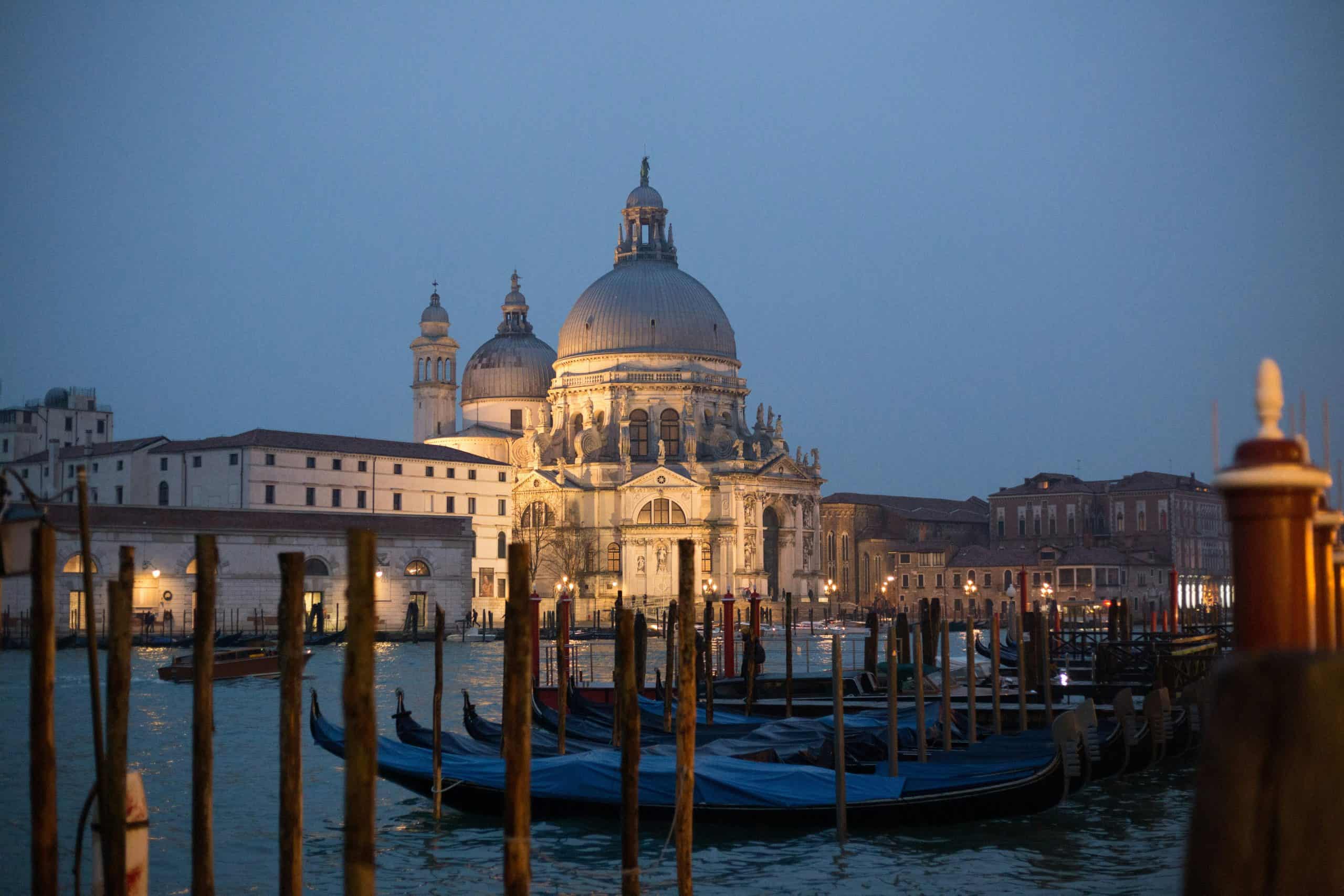
The cafés on and around Piazza San Marco have two realities. At the bar, a coffee is a normal price. At a table on the square, the same coffee rides on a different price list, often with a per-person music supplement in the historic cafés when the band plays. This is how the square has worked for decades. Prices and supplements must be posted and are, but the English default is to sit, accept the view, and accept the music. That flips you to a higher tariff before you order anything. Bar price versus table price, plus music, is where the apparent doubling lives.
How to reset:
“Possiamo consumare al banco.” Then point to the bar. If you want a table, ask first: “La musica è un supplemento per persona. Quanto.” Get the number before you sit. The supplement is legitimate when disclosed, and the café should show it on the posted list.
What to check on the bill:
That the posted table price and any music fee match what appears. If there is a coperto or servizio line, it must also be indicated on the menu. Italian rules require the menu to state any cover or service component when table service is provided.
Why English doubles it:
Servers assume you came for the view and the band, and route you to the experience price, not the bar price. If you want the view, pay it happily. If you do not, drink at the bar, then stroll the square.
Paris: Champs Élysées And Île District Terraces With Legally Higher Tariffs

In Paris, cafés can lawfully charge different prices for the same drink at the bar versus on the terrace, and they must display those prices clearly so you can decide. On the Champs Élysées and around Île de la Cité and Saint-Louis, the terrace premium is steep because the real product is the seat and the spectacle. The French consumer authority makes the display rule explicit: lists must be visible from outside, and the price you pay must match the displayed price, taxes included. That protects you, but only if you look. An English hello on a busy terrace often skips the printed board and lands you on the most expensive line by default. Same café, same drink, two prices, both legal, both must be posted.
How to reset:
“Au comptoir, s’il vous plaît.” Or, if you want the terrace, ask for the carte des boissons and check that the terrasse column exists and is the one you mean to accept. Prices must be TTC, tax included.
What to check on the bill:
No extra “cutlery” or “service” add-on. In France, bread, carafe water, crockery, and cutlery are part of the menu price, not extra line items, and the total must match what was posted.
Why English doubles it:
You skip the step Parisians take automatically, which is to glance at the posted board and decide bar or terrace before sitting. Without that glance, you buy the seat, not the coffee.
Barcelona: La Rambla And Barceloneta’s Terrace Supplements And Tourist Lists

Barcelona is direct about this. A suplemento de terraza is legal when it is clearly disclosed on the menu or posted price list, and many venues on La Rambla and the Barceloneta seafront use it. Consumer groups including OCU have repeated the same rule for years: the terrace surcharge must be announced in advance, spelled out, and appear on the receipt. Prices are otherwise free, but they must be visible and inclusive of VAT. In practice, English at host stand equals “outside with a view,” and the terrace line, plus outdoor taxes on your attention, can make an identical order cost 50 to 100 percent more than the indoor bar.
How to reset:
“Dentro en barra, por favor.” If you want the terrace, ask first: “Hay suplemento de terraza. Cuánto.” The amount must be printed, not just “a supplement.”
What to check on the bill:
That the terrace supplement matches the posted figure, not a percentage invented later, and that any item “según mercado” lists weight or quantity. Spanish consumer guidance is clear: market-price items need the basis stated on the menu.
Why English doubles it:
You get the laminated English menu, the terrace as default, and sometimes a “service” attitude imported from elsewhere. Barcelona’s law allows the surcharge when posted, and many use it.
Prague: Old Town Square’s Add-Ons, Service Lines, And Seat Pricing

Prague’s Old Town Square and the tight ring around it are textbook tourist-pricing zones. The main tricks in 2025 are not illegal when disclosed, but you must notice them: service fees pre-added, per-person bread or couvert, and weight-priced steaks or fish sold per 100 grams. Seasoned locals warn to read the menu lines and the receipt, because small charges add up and a “mandatory service” line requires prior notice on the menu. Recent Prague write-ups and traveler accounts called out a 10 percent service line added as if mandatory, and the city’s consumer rules require prices to be visible and final, taxes included. If you speak English and sit down on the square without reading, you buy the seat, the view, and the service line. Seat price plus service is how totals leap.
How to reset:
“Máte ceník i uvnitř. Prosím bar.” Or keep English and ask, calmly, “Is service included or optional. Is bread included.” If a steak is listed, confirm “per portion or per 100 grams.”
What to check on the bill:
That any service charge was stated on the menu and matches what appears. For weight-priced items, check that the weight and unit price are printed and that VAT is included in the total shown, which Czech law requires in consumer pricing.
Why English doubles it:
You are steered to the square-side table list, not the side-street list, and you might accept a pre-added service line that a local would question if it was not posted.
Mykonos: Platis Gialos’ Per-100g Seafood And “Extras”

On Platis Gialos and nearby beaches in Mykonos, the most publicized restaurant controversies of the last few summers have had nothing to do with language and everything to do with how the price is expressed. Tourists ordered seafood priced per kilogram, accepted “complimentary” items that later appeared on the bill, or agreed to sunbeds with minimums that were not made explicit. English did not cause the price. It enabled the misunderstanding. Speak English at the host stand, accept a menu that shows market price or a price per 100 grams in small print, and order “one fish” without getting a weight committed to paper, and your total can balloon beyond recognition. High-profile bills in 2024 and 2025 kept this in the headlines. Greek outlets and international press reported €1,000 totals for three dishes, and consumer groups reminded diners to insist on a menu with clear pricing and to refuse any charge not disclosed in advance.
How to reset:
“Before we sit, can we see the printed menu with weights and prices.” If a fish is per 100 grams, say, “We will take 600 grams. Please write 600 g at €X/100 g on the order.” For sunbeds, ask, “What is the minimum spend per bed,” and have the number confirmed.
What to check on the bill:
That the weight and unit price match what you agreed to, and that any service or cover line was on the printed menu. If a surprise line appears, point to the menu and calmly ask for removal before paying.
Why English doubles it:
Because without numbers on paper, you are negotiating a luxury beach price in a high-demand micro-market. Language is the marker. The math is the problem. Fix the math.
What “Doubling” Actually Looks Like On Paper
When people say their bill “doubled,” they often mean one of these stacks happened at once:
- Seat choice: terrace list at €9 for a coffee instead of bar list at €3.50.
- Cover or service: €2–€3 per person coperto in Italy or 10 percent service where posted.
- Music: €6 per person music fee at certain Venetian cafés on the square when the band plays.
- Weight pricing: 600 g of fish at €12 per 100 g because the menu read “per 100 g,” not “per portion.”
- Terrace supplement: a clearly posted suplemento de terraza in Barcelona that adds a fixed amount per item or per table.
Put them together and your identical drinks and a simple dish can go from €22 to €48 for two, without any scam. The fix is to choose your seat and your list before you order, and put the weight and any extras on paper.
How To Order Like A Local Without Speaking The Language
You do not need to switch languages. You need four sentences and two habits.
Four sentences
- “Bar or terrace pricing. We prefer bar.”
- “Is there a cover, service, or music fee. How much.”
- “Is the seafood price per portion or per 100 grams. Please write the weight.”
- “Please bring the printed menu in [local language or English]; we will order from that.”
Two habits
- Read the board before you sit. In France, Italy, Spain, and Türkiye, price display rules require a list at the door and often at the table. If the list is missing, that is your cue to choose another place.
- Check the receipt before you pay. If a service line appears that was not on the menu, ask to remove it. Türkiye in 2024 began fining venues for undisclosed service charges and non-displayed tariffs, and similar disclosure rules exist in the EU.
Local Law, In One Paragraph Per Country
Italy. A coperto or a separate servizio line is legal when it is printed on the menu, and table-service venues must give you the price list before you order, with the service component indicated. Bar pricing inside often differs from table pricing outside. Read before you sit.
France. Prices must be posted, readable from outside and at exterior seating, tax included. Bread, carafe water, and cutlery are covered in the meal price. Terrace prices can be higher, but you must see them first.
Spain. A terrace supplement is legal when clearly announced on the menu or signage and reflected on the receipt. Items “according to market” must show weight or quantity on the menu.
Czech Republic. Final consumer prices must be visible and include VAT. If a service fee is charged, it should be communicated in advance. Weight-priced items must indicate the unit price.
Türkiye. Since January 1, 2024, eateries must display price lists prominently at entrances and on tables or ordering points; undisclosed service charges have drawn fines. If the printed tariff is missing, choose a different venue.
The Five-Minute Playbook For Each District

Piazza San Marco, Venice
- Decide bar or table before you sit.
- Ask if there is a music supplement and the coperto/servizio.
- If you want the show, enjoy it. If not, drink inside, then walk.
Champs Élysées or Île de la Cité, Paris
- Locate the posted board. Confirm bar versus terrace prices.
- Order au comptoir if you want normal prices.
- Carafe water is included, not a paid bottle by default.
La Rambla and Barceloneta, Barcelona
- Ask about the suplemento de terraza and check the amount on the menu.
- If a dish is listed “según mercado,” ask for weight or portion before ordering.
- If you want value, step one block off the promenade.
Old Town Square, Prague
- Read the menu stand and look for any service or bread line.
- Confirm whether a service fee is included or optional.
- For steaks or fish, verify per portion versus per 100 g.
Platis Gialos, Mykonos
- Insist on a printed menu with weights and unit prices.
- For sunbeds, ask for the minimum spend per bed before sitting.
- Refuse any item delivered as “free” that appears as a charge later.
When To Walk Away
- If there is no printed menu visible from outside in France or Türkiye. The law says it should be there.
- If a server refuses to quote a weight and unit price for seafood before you order in Greece. Headlines exist for a reason.
- If a service fee appears that was not on the menu and staff will not remove it. In 2024 and 2025, authorities have fined venues for exactly that in Türkiye, and similar transparency standards apply in the EU.
What This Means For You
You do not need to hide your English. You need to pick your list before you pick your seat, put weights and unit prices on paper when seafood is involved, and ask one polite question about service, music, or cover before you order. The districts above monetize the view, the seat, and the spectacle. Locals know which version they are buying. If you follow their choreography, you will too.
Do that and your bill reads like a neighborhood receipt, not a postcard surcharge. Same city, same table, same accent. Just smarter context.

About the Author: Ruben, co-founder of Gamintraveler.com since 2014, is a seasoned traveler from Spain who has explored over 100 countries since 2009. Known for his extensive travel adventures across South America, Europe, the US, Australia, New Zealand, Asia, and Africa, Ruben combines his passion for adventurous yet sustainable living with his love for cycling, highlighted by his remarkable 5-month bicycle journey from Spain to Norway. He currently resides in Spain, where he continues sharing his travel experiences with his partner, Rachel, and their son, Han.