
Last updated on October 5th, 2025 at 12:07 pm
What’s the Big Fuss?
When Americans think of Italian beaches, they picture sun-kissed coastlines at places like Positano, Cinque Terre, or Sardinia, expecting maybe freewheeling crowds similar to Florida or California. Then they show up and see organized rows of umbrellas, midday closures, or the near absence of giant beach coolers.
Below are 9 “Italian beach habits” that often stun American visitors—some comedic, some just deeply cultural. Embrace them and you’ll find Italian seaside life runs on a unique blend of style, tradition, and unspoken courtesy.
Hungry for More Cultural Insights?
– 7 Ways You’re Insulting Europeans Without Even Realizing It
– 9 Euro Customs That Are Total Tourist Traps
Quick Easy Tips
Research local beach etiquette before visiting to avoid unintentional faux pas.
Bring cash, as many Italian beach clubs (stabilimenti) don’t accept cards for rentals.
Book your sunbed and umbrella in advance, especially during peak summer months.
Don’t expect large sandy public beaches; many are private with rental fees and organised sections.
Pack appropriate swimwear, as Italians prefer sleek, fitted styles over loose board shorts.
Embrace the slow beach culture; Italians often arrive mid-morning and stay all day.
Leave your towel at home if visiting a stabilimento, as sunbeds come with clean towels.
Expect topless sunbathing in some areas, which is normal and culturally accepted.
Don’t bring your own drinks or food to private beaches without checking rules, as this is often discouraged.
One controversial aspect is how Italy’s beach culture clashes with American views on public space and freedom. In the U.S., public beaches are generally free to access, while in Italy, most prime beachfront is privately managed, requiring payment for sunbeds and umbrellas. Many Americans see this as classist or exclusionary, while Italians view it as normal – paying for cleanliness, safety, and organised services that keep beaches beautiful and accessible for all income groups via public and private mix.
Another debate arises over body image norms. Italian beaches embrace diverse body confidence, from topless sunbathing to men wearing fitted Speedos without judgement. Americans, conditioned by different modesty standards and body expectations, often feel shocked or uncomfortable seeing this openness. However, Italians find American swimwear styles baggy and impractical, highlighting deep cultural differences in comfort and confidence at the beach.
Finally, the concept of lingering all day at a beach club, ordering espresso at your lounger, and dressing stylishly even for sunbathing feels unnecessary or elitist to some American tourists. Yet for Italians, the beach is an extension of daily social life, not a place for quick dips and sandy snacks. This habit often reveals a broader cultural clash – where Americans prioritise efficiency and independence, Italians cherish leisure, community presence, and unhurried living even by the sea.
1. Perfect Umbrella Rows—No Random Spot Grabbing
Why Americans Are Stunned
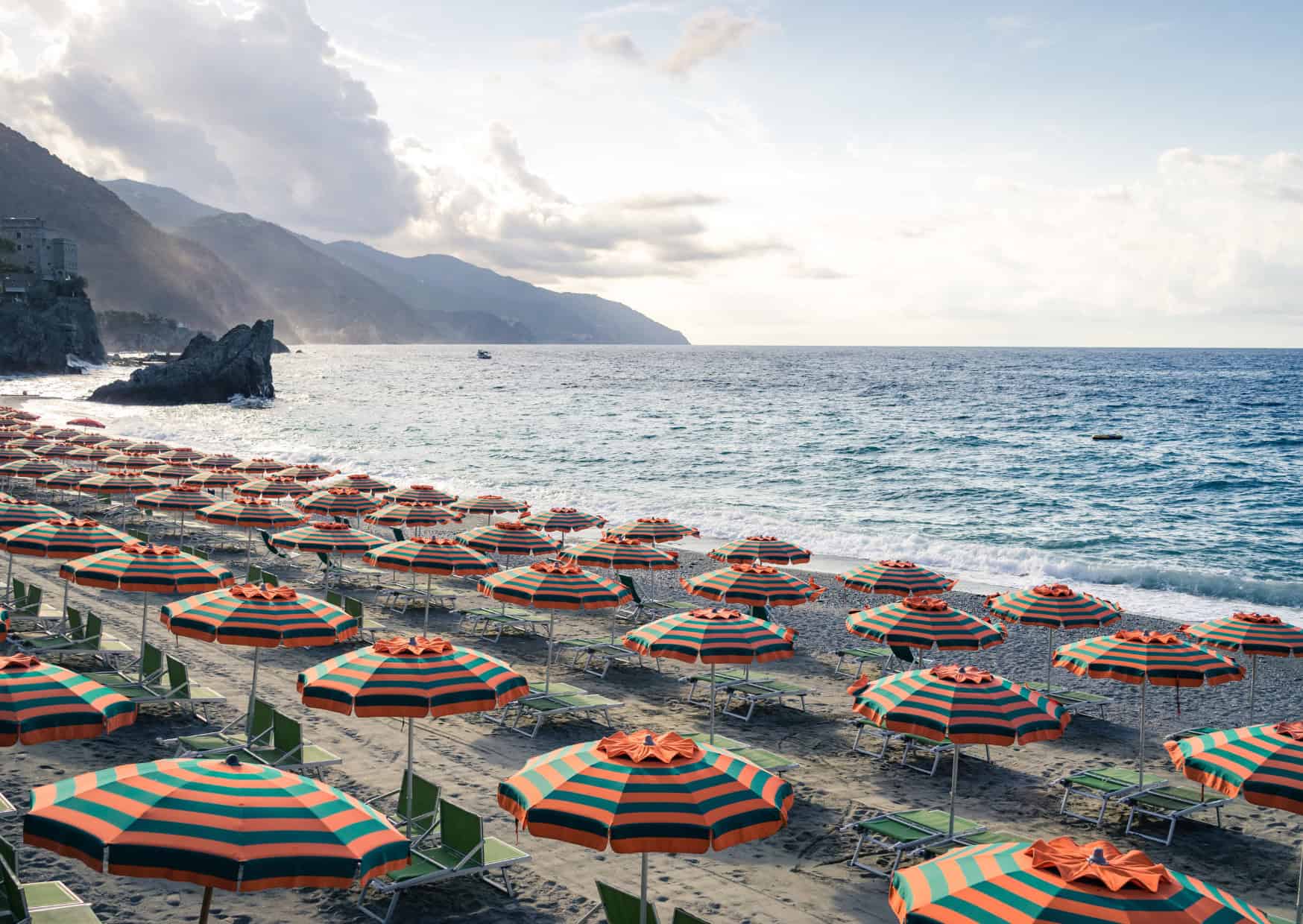
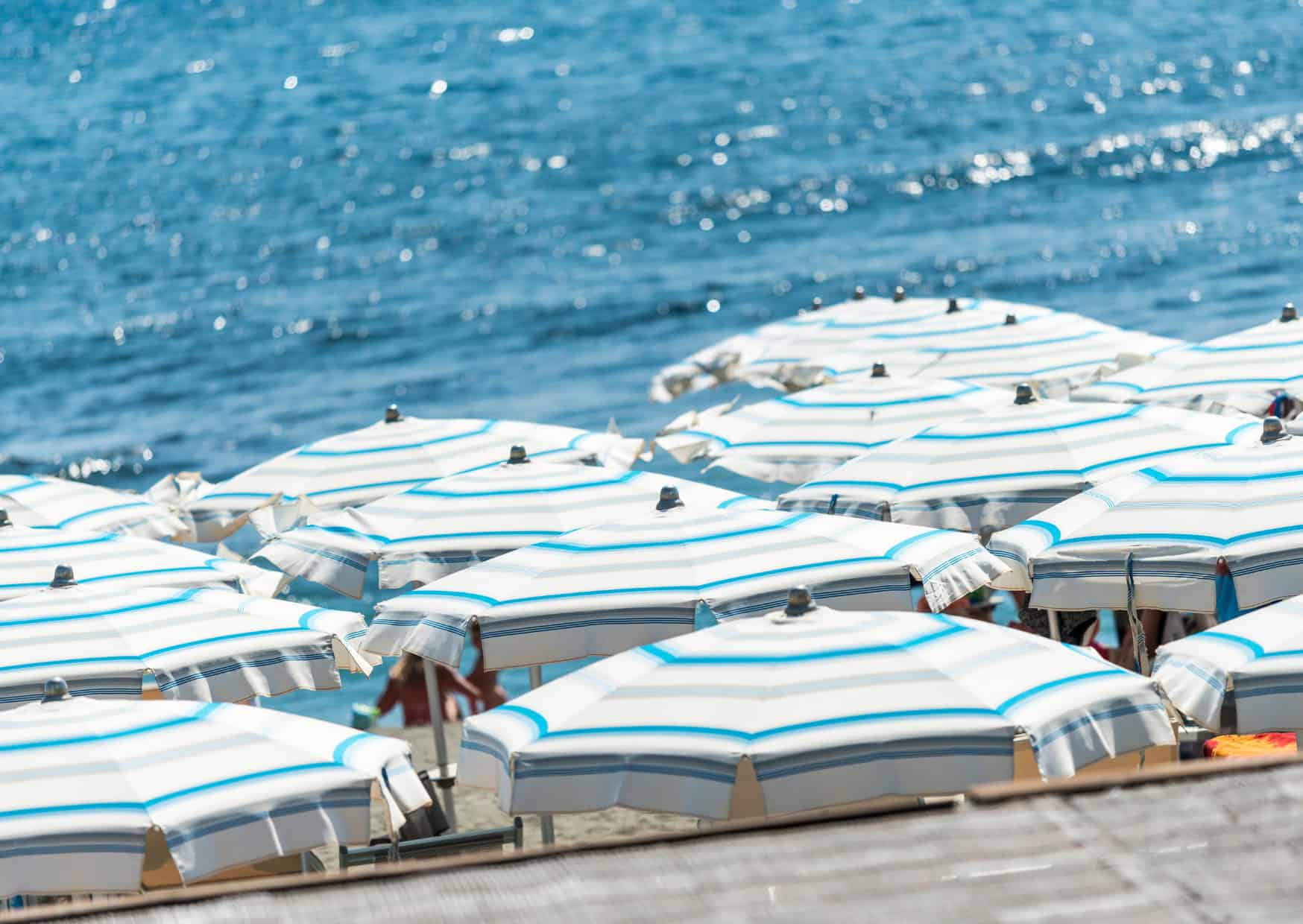
In many U.S. beaches, it’s first-come, first-served: plop your towel anywhere. In Italy, especially popular lidos, you’ll find neat rows of paid umbrellas or lounge chairs (lettini) aligned with near-military precision. Americans expecting a free-for-all might wonder: “Why can’t I just set up my towel where I want?”
Why Locals Love It
- Order & convenience: You pay a fee for an umbrella and lounger, ensuring your space is set. Staff help you, and no one intrudes.
- Revenue & regulation: Towns or private lido operators maintain cleanliness, offer showers, changing cabins, lifeguards. It’s a system that’s worked for decades.
- Social vibe: Umbrella neighbors often become friendly for the day.
How to Fit In
- If you see a stabilimento or lido, inquire about renting a sunbed/umbrella. They might assign you a spot.
- Some beaches do have free zones—spiaggia libera—but they could be smaller or less serviced.
- Accept that “I’ll just bring my own umbrella and plant it anywhere” might be frowned upon in private lido areas.
Bottom Line
Yes, it’s more structured than many American beaches. Once you adapt, you’ll enjoy the guaranteed lounger and orderly vibe, free from random cluster chaos.
2. Limited Snacks—No Giant Coolers or Tailgate Feasts
Why Americans Are Stunned
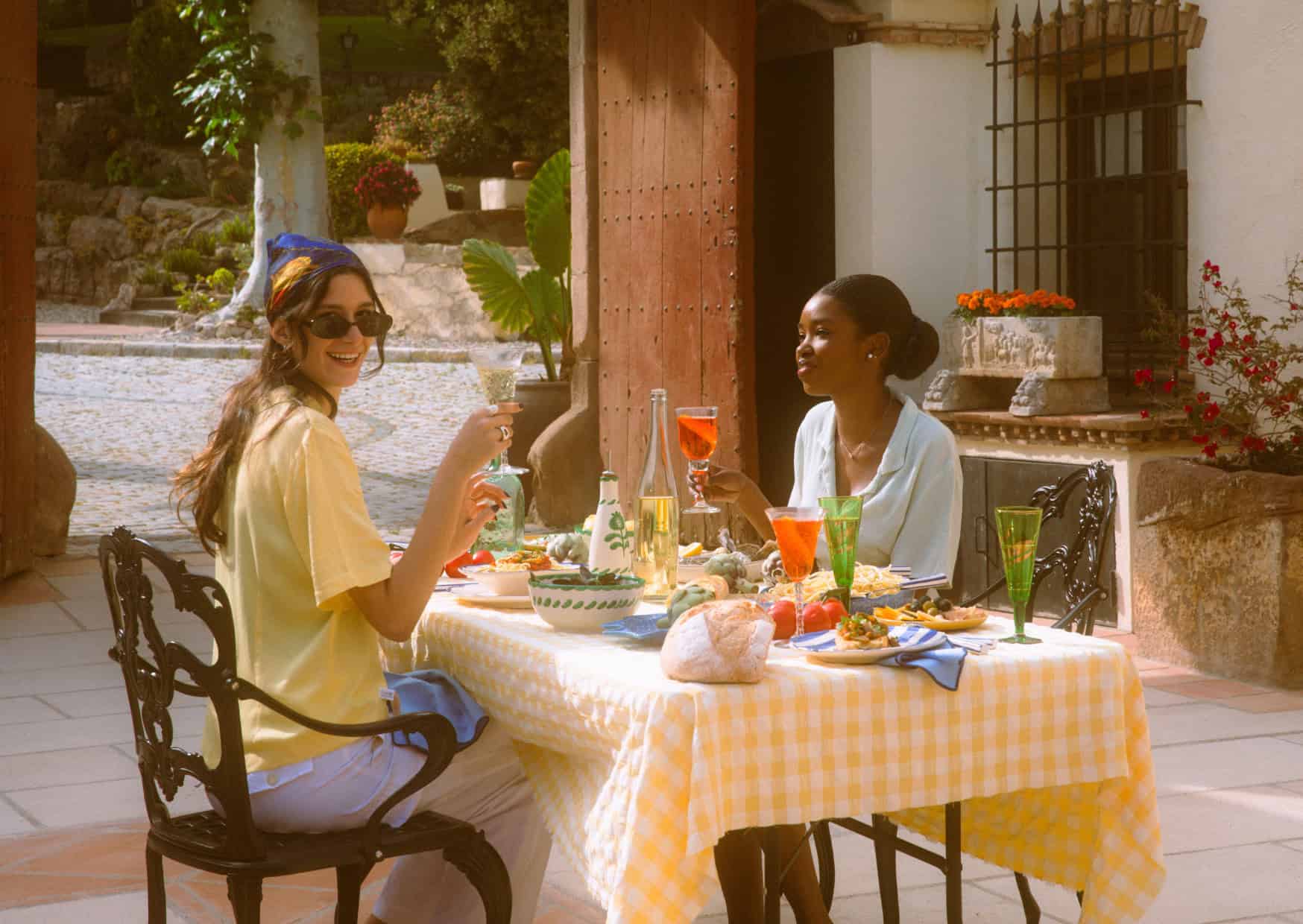
In the U.S., a beach day might include massive coolers stuffed with snacks, soda, beer, or entire barbecue spreads. In Italy, people often bring a small bag with water, fruit, maybe some sandwiches. Others rely on the beach bar (bar sulla spiaggia) for snacks or a light lunch (panini, gelato, coffee).
Why Locals Keep It Light
- Portion control: Italians typically have a bigger midday meal if they’re near a town. For beach snacks, minimal is enough.
- Rely on local bars: Many beaches have a concession stand or café for an espresso or cornetto, so no need for giant personal stockpiles.
- Simplicity: Hauling a massive cooler is more hassle on cobblestones or crowded trains.
How to Fit In
- If you want full American picnic vibes, check if the beach allows large coolers. Some might be okay, but you’ll get stares if it’s huge.
- Try sampling the local beach café for a caprese sandwich or fresh fruit. Embrace short meal breaks, not an all-day feast.
- Keep drinks basic—water, a few sodas—no bottomless cooler loaded with 24 beers, as that can be seen as excessive.
Bottom Line
Yes, it’s not your typical stateside cooler party. The minimal approach encourages you to move around, chat at the bar, or do a leisurely lunch break elsewhere.
3. The Midday Exits—Siesta-Style Break
Why Americans Are Stunned
Come 1 or 2 PM, you might see certain beaches in southern Italy empty out. Families vanish to avoid peak heat or to enjoy pranzo (lunch) at home. Americans used to sunbathing straight through might see it as odd or a missed prime tanning window.
Why Locals Do It
- Heat avoidance: Summer midday can be scorching. They find it healthier to rest or eat in shade, returning after 4 PM.
- Italian lunch tradition: Meals can be a multi-course midday event, so dedicating that time is crucial.
- Pace of life: They want to enjoy family meals vs. quick sandwich on the sand.
How to Fit In
- Plan your day if you want a prime beach spot—morning is tranquil, midday might be half-empty, late afternoon sees a comeback.
- If you can’t handle intense sun, follow locals: do an indoor lunch or quick nap, then return around 5 PM when it’s cooler.
- If you’re fine with midday rays, you get extra space to yourself—but bring strong SPF, as lifeguards might also do shorter shifts.
Bottom Line
Yes, Americans might wonder “why leave the beach at midday?”—but for Italians, avoiding the harsh sun + big lunch at home is a time-honored routine. Join them, or bask solo under strong sun.
4. Covering Up Before Leaving the Sand

Why Americans Are Stunned
In some U.S. beach towns, you see people strolling the boardwalk in swimsuits, or driving home in bikini tops. In Italy, once you leave the actual sandy area, it’s polite to cover up—no wandering into shops or cafés in just a wet swimsuit.
Why Locals Enforce It
- Modesty & courtesy: Italians see going from beach to public streets in only a swimsuit as disrespectful. They prefer minimal foot traffic of half-naked bathers.
- Hygiene: Towel off, slip on a shirt or cover-up—nobody wants beach sand all over store floors or bus seats.
- Cultural norm: “Beach attire for the beach, normal clothes for town.”
How to Fit In
- Carry a light cover-up (like a tunic, summer dress, or T-shirt + shorts). Slip it on when leaving the sand.
- If you need to run into a bar for a quick espresso, do so with at least a shirt or full wrap.
- Don’t treat the entire seaside promenade like a permanent beach zone—some areas are more formal.
Bottom Line
Yes, Americans might think “No big deal,” but in Italy, going everywhere in just a swimsuit is frowned upon. A simple cover-up avoids dirty looks.
5. Elegance Over Casual—Yes, Even at the Beach
Why Americans Are Stunned
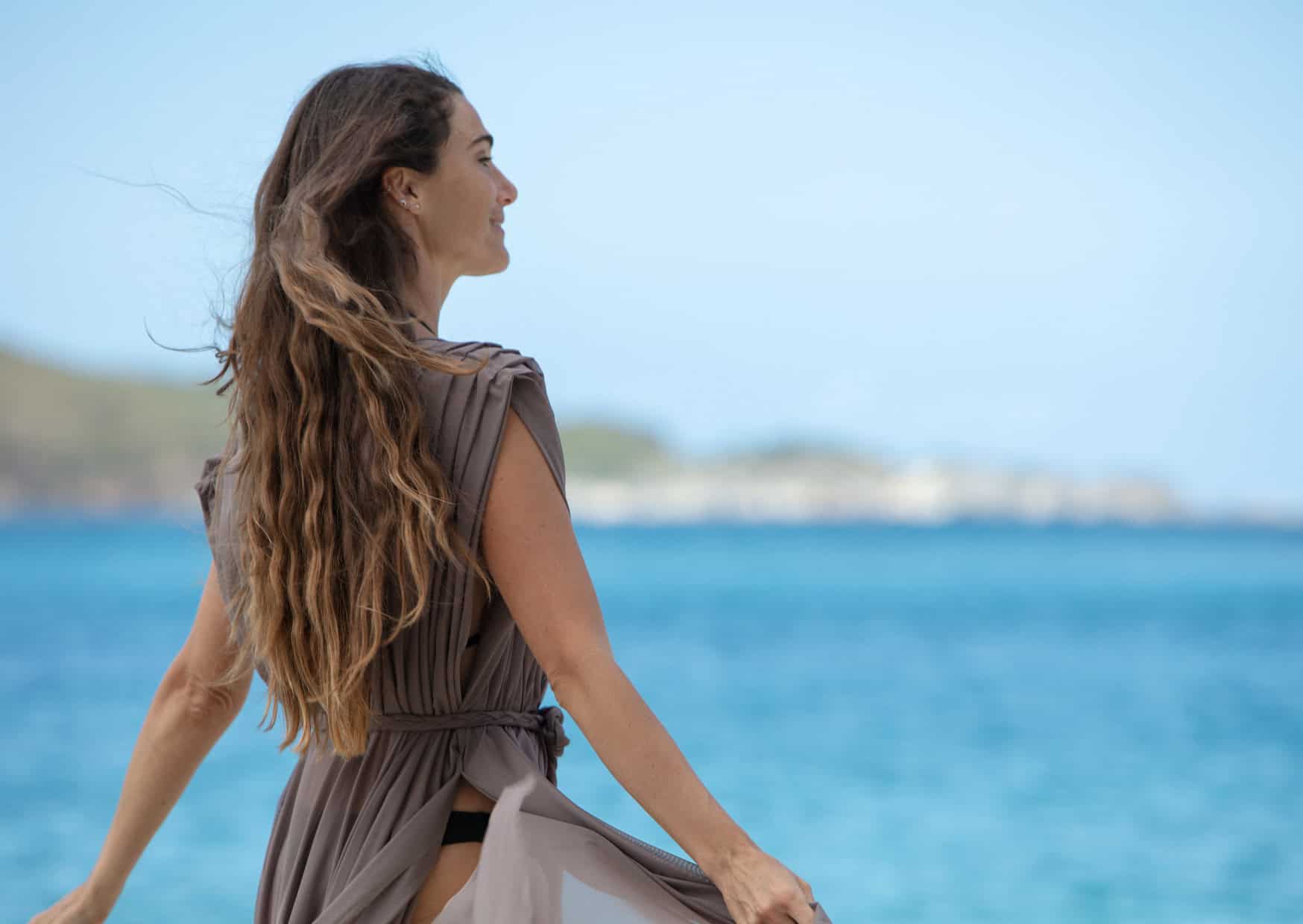
In the U.S., beach attire can be old T-shirts, flip-flops, or mismatched casual bits. Italians, known for “bella figura,” might show up in coordinated swimsuits, stylish sandals, or a breezy linen outfit for the day. Even the older folks might dress with subtle flair.
Why Locals Keep It Stylish
- Cultural aesthetic: Italians value looking good in public, beach included. Even a simple bathing suit can be tasteful, not ratty.
- No “whatever goes”: It doesn’t mean everyone is wearing expensive designer gear—but they do pick neat, well-fitting attire.
- Confidence & tradition: A day at the beach is still a social moment, so no sloppy outfits that might break the bella figura image.
How to Fit In
- Bring a nice-fitting swimsuit, not your threadbare shorts from 5 years ago.
- A light cover-up or linen shirt elevates your look instantly.
- Don’t overdo it—looking comfortable is key, but consider a bit of flair or matching combos.
Bottom Line
Yes, Americans might find it “excessive” to style up for the beach, but to Italians, it’s natural to maintain a sense of fashion even under the sun.
6. Umbrella Reservations in Advance
Why Americans Are Stunned
Imagine calling a beach club days before to reserve an umbrella or sunbed. Americans might just show up at a U.S. beach, claim a spot. In Italy, especially popular spots in August, folks pre-book a front-row umbrella for prime sea views.
Why Locals Do It
- High demand: In peak season, popular lidos fill quickly. Locals who vacation the same weeks want their favorite spot guaranteed.
- System: Some lidos let you pick your umbrella row in advance. You might pay more for the front row near the water.
- Less chaos: Instead of everyone rushing at sunrise, booking ensures a smoother routine.
How to Fit In
- If you’re traveling in peak months, check if your chosen beach has an online booking or phone system.
- Book a day or two in advance if you want a prime location, especially weekends.
- If you skip reservations, you might end up in the back row—still fine, but not the best sea view.
Bottom Line
Yes, the idea of “reserving a beach spot” is foreign to many Americans. Embrace it if you want a hassle-free day. Otherwise, arrive early or find spiaggia libera (free beach) if you prefer a more casual approach.
7. Strict “No Glass on Beach” or “No Smoking” Zones
Why Americans Are Stunned
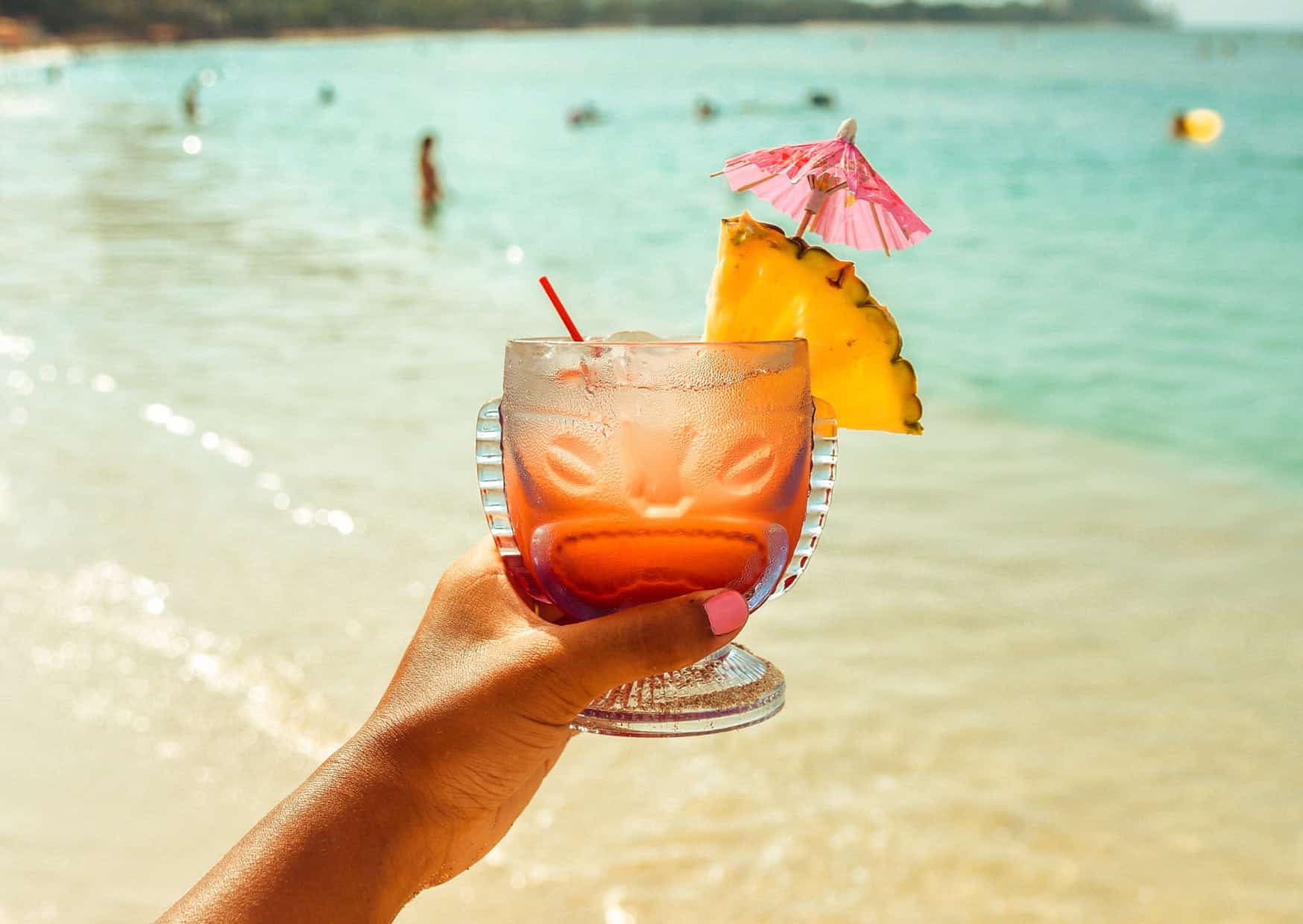
In some U.S. beaches, rules vary: some allow open containers, some ban glass, some don’t. In Italy, you might find specific beaches or lidos strongly enforcing no-glass or no-litter policies, sometimes even banning smoking on the sand. Americans might see it as “uptight” if they wanted a cold beer in a glass bottle.
Why Locals Enforce It
- Cleanliness & safety: Broken glass can harm kids or animals.
- Environmental push: Many coastal regions aim to reduce plastic litter and cigarette butts.
- Health: Certain places limit smoking in public areas, including beaches, for a more family-friendly environment.
How to Fit In
- Check posted signs or ask if you can bring drinks in glass. If not, use cans or plastic cups.
- If it’s a no-smoking stretch, find a designated zone or step away from the sand.
- Dispose of trash responsibly—Italian beaches can be quite strict about leaving no trace.
Bottom Line
Yes, some Americans like beach beers in glass bottles, but local regulations might ban them. Respect the rules to avoid fines or local disapproval—and keep the beach pristine.
Conclusion: Dive Into Italian Beach Culture
From no free chips at the seaside café to carefully reserved umbrellas in neat rows, Italian beach life can stun Americans used to freer-for-all coastal norms. But once you adapt, you’ll realize it fosters:
- Orderly comfort: guaranteed sunbed, minimal seat battles.
- Cultural style: smaller snacks, midday breaks, and a graceful approach to beach attire.
- Cleanliness & courtesy: no random glass bottles or people wandering in just swimsuits through the town.
Pro Tip
Before hitting an Italian coastline, check if the beach is private (lido) or public, confirm if umbrella reservation is possible, and pack a cover-up for any snack runs into town. Embrace the local vibe—the measured pace, stylish attire, and midday breaks might make your beach day more relaxing than ever. Enjoy la dolce vita under the sun—Italian style!

About the Author: Ruben, co-founder of Gamintraveler.com since 2014, is a seasoned traveler from Spain who has explored over 100 countries since 2009. Known for his extensive travel adventures across South America, Europe, the US, Australia, New Zealand, Asia, and Africa, Ruben combines his passion for adventurous yet sustainable living with his love for cycling, highlighted by his remarkable 5-month bicycle journey from Spain to Norway. He currently resides in Spain, where he continues sharing his travel experiences with his partner, Rachel, and their son, Han.