
Last updated on December 17th, 2025 at 01:51 pm
I did not move to Spain. I moved my clock. For two months I copied a modern Spanish day: earlier light, a real lunch, a short early-afternoon nap, and a late but light dinner. My evenings got steadier, my 3 p.m. crash vanished, and my mornings stopped feeling like a rescue mission.
I had the same problem you probably have.
Midafternoon turned into a fog. Coffee helped, then hurt, then stopped helping at all.
So I ran a two month experiment. I kept my job, my city, and my people. I changed when and how I ate, worked, and rested, using a Spanish-style split day as a template. Not the postcard version where the whole country sleeps for two hours, the practical version people actually live: serious lunch, short siesta, late but light evening, consistent daylight.
As of December 2025, the science says a short nap can sharpen alertness, while long or irregular naps can backfire. Spain itself is no longer a nation of daily nappers, but the early-afternoon dip is real, and building around it is smart. I used that as my guardrail. The outcome was not instant magic. It was a daily pattern that stacked small wins until my energy curve evened out.
Below is the exact schedule, what changed by week, the gear that made it easy, what I ate, and when to not do this at all.
Want More Deep Dives into Other Cultures?
– 9 Italian Style Rules That Instantly Outshine American Fashion
– Why Europeans Walk Everywhere (And Americans Should Too)
– How Europeans Actually Afford Living in Cities Without Six-Figure Salaries
– 9 ‘Luxury’ Items in America That Europeans Consider Basic Necessities
Quick and Easy Tips
Start with a 20–30 minute rest window rather than a full nap to avoid grogginess.
Eat your largest meal earlier in the day so digestion doesn’t fight your afternoon rest.
Treat the siesta as quiet time, not scrolling time, to allow your nervous system to reset.
In American culture, the siesta is often dismissed as laziness or inefficiency. This view ignores how deeply fatigue undermines focus, decision-making, and long-term health. Spain’s schedule doesn’t deny work it reorganizes it.
Another misconception is that naps ruin nighttime sleep. What disrupts sleep is irregularity and overstimulation, not short, intentional rest. In siesta cultures, late evenings and midday pauses coexist without chaos.
There’s also resistance tied to control. Many Americans are conditioned to override physical signals in favor of schedules and deadlines. The siesta challenges that by prioritizing biological rhythms over constant output.
What makes this controversial is that it questions hustle culture itself. The Spanish model suggests that energy is not something to extract endlessly, but something to manage. For those taught that rest must be earned, that idea feels radical even threatening.
The Schedule I Copied, And Why It Works

I went with a modern siesta, not a four-hour intermission. The rule was 20 to 25 minutes horizontal after lunch, same time every day, never past 3 p.m. The rest of the day stayed familiar. The shift was timing, portioning, and a buffer before sleep.
My daily template
- 07:15 wake, light breakfast, daylight on the face within 30 minutes
- 09:30 to 13:30 deep work
- 13:30 real lunch, the largest meal of the day
- 14:10 lie down, timer at 23 minutes, eyes closed, phone outside the room
- 14:40 to 15:00 easy re-entry: short walk or cold water on wrists
- 15:00 to 18:30 meetings, errands, creative or collaborative work
- 20:45 to 22:00 light dinner, social time, stroll
- 23:30 lights out
This looks late on a clock if you live north of Madrid, but the biology is on your side. Humans have a predictable post-lunch dip in alertness between roughly 13:00 and 16:00, even if you did not eat lunch. A short nap placed here improves reaction time and mood; push the nap to an hour or more and you raise the odds of sleep inertia and worse night sleep. The method is simple. Short, early, consistent.
Two cultural footnotes help this work. First, Spain’s day front-loads calories at lunch, then keeps dinner light. Second, the old image of shutters closed for hours is rare in big cities. Plenty of Spaniards run a continuous workday now, and the country is even pushing toward a 37.5 hour week ceiling. The siesta I used fits that reality: a micro-break, not a vanishing act.
Why it works
A brief nap reduces homeostatic sleep pressure without dropping into deep sleep, which is why you wake clear. Pair that with natural light early, movement after dinner, and a lighter evening plate, and you stop fighting your body’s curve. Short nap, early daylight, light dinner, walks at dusk. Those four levers carry most of the effect.
Weeks 1–2: Learning To Nap Like A Pilot, Not Like A Weekend
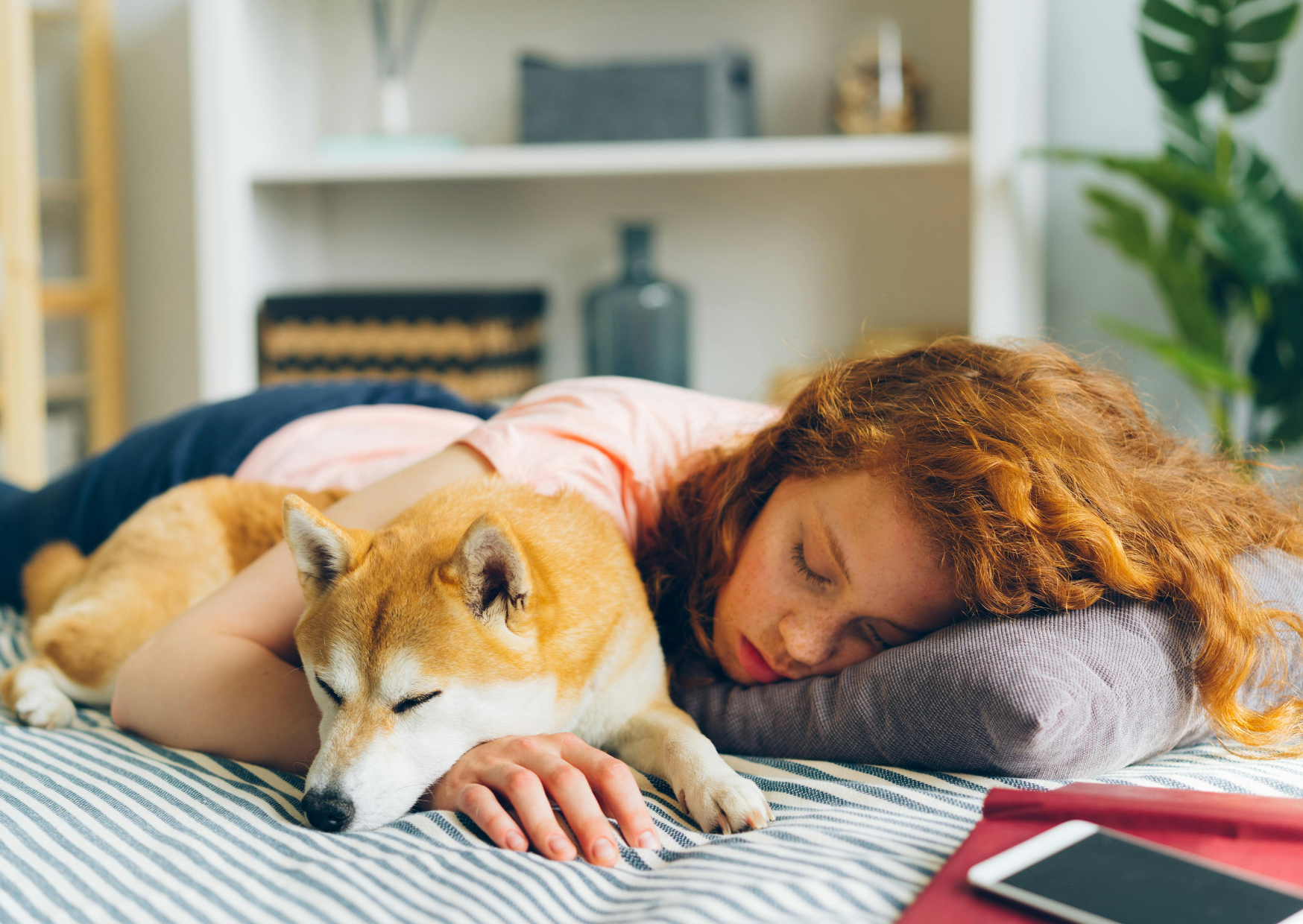
The biggest shock was how hard it is to nap correctly. The brain wants all or nothing. The trick is to aim for 20–30 minutes and to make the nap a ritual, not a treat.
What I changed first
- Dark, cool room with earplugs and a cheap eye mask
- Kitchen timer set to 23 minutes so I never argued with myself
- Cup of coffee right before lying down twice a week, the “nappuccino” that lifts the back half of the afternoon when caffeine alone would crash me later
- Zero scrolling after I stood up; a two minute walk outside to clear cobwebs
On day three I overslept to 50 minutes and woke up with lead legs. That is the lesson the research keeps repeating. Short naps are pro-performance. Long naps skew toward groggy now and worse sleep later, and habitual long napping can track with higher cardiometabolic risk. The discipline is the feature. Set a timer, stop at the bell, never slide past 30.
Energy change by day 10
The 3 p.m. crash flattened. Even on bad nights, I had one more focused block in me. I also noticed fewer late-night snack raids because dinner was light and later, and the short nap killed the midafternoon hunger spike that used to send me to sweets.
Weeks 3–4: Moving Lunch To The Center And Dinner To The Edge

The classic Spanish move is a serious lunch and a light dinner. I shifted calories accordingly. The goal was not fewer calories. It was earlier energy, gentler evenings.
Lunch plate, most days
- A bowl of legumes or whole grains with vegetables
- A portion of fish or eggs or chicken
- Olive oil, lemon, herbs
- Fruit or yogurt
Dinner plate
- Soup, a salad, a single tortilla wedge, or cheese with tomatoes and bread
- Short walk after
My work blocks improved because lunch stopped being a blood sugar wall. The nap took the edge off, I woke up clear, and I could do real work after 15:00 instead of faking it. This is also how much of Spain eats now: later dinner, yes, but smaller, with the main calories earlier. Pair that with a short nap and the day evens out.
A note on reality
Spain in 2025 is not a nation snoozing for hours. Surveys suggest daily siestas are a minority habit, especially in big cities. But the post-lunch dip is universal, and so is the benefit of a short early nap. Do not cosplay a four-hour shutdown. Do the 20 to 30 minute version that fits a modern day.
Weeks 5–6: The Numbers That Moved, The Habits That Stuck

By day 30 I was not “more disciplined.” I was less heroic. The afternoon was a system, not a fight. Two metrics proved it.
1) Afternoon output
I blocked two 90-minute sprints between 15:00 and 18:30. Pre-experiment, I would salvage one. With the nap, I hit both most days. The subjective difference was fewer rewrites at night.
2) Evenings
I stopped chasing sleep with late caffeine and stopped disrupting sleep with heavy dinners. That alone improved the quality of the night. I also added a 10–15 minute walk at dusk. Studies keep finding that a short walk after a meal improves postprandial glucose. The nap made movement likely, the movement made sleep easy. Nap feeds walk, walk feeds sleep, sleep feeds next day.
By the end of week six, the pattern was automatic. The nap took no more mental space than brushing my teeth.
What I Used, Where I Failed, What I Fixed
This is the kit and the script that made the schedule stick. The point is not gear. It is to remove friction so you do not negotiate with yourself at 14:05.
Tools that mattered
- Analog timer on the nightstand. The phone stayed in another room.
- Eye mask and foam earplugs.
- Cheap throw blanket so the body knew “nap time” on contact.
- Blue-light exposure early, no bright screens in the hour before bed.
- Desk light ritual: I turned the bright overhead off and a warm lamp on at 20:30 to cue wind-down.
Where I failed
- Weekend drift. Friday lunches with friends slid into 75 minute naps and Sunday nights went late. Monday felt like molasses. The fix was simple: even on weekends, I set the same 23 minute timer and skipped the nap entirely if I was not sleepy.
- Too-late nap on deadline days. Anything that started after 15:00 bled into the evening. I learned to skip the nap and go for a 10 minute walk instead if I missed the window.
What I fixed
- A nappuccino twice a week, not daily. A small coffee right before lying down, so the caffeine peaks as I wake. It never replaced sleep. It replaced the second coffee I used to drink at 16:00 that ruined bedtime. The change matched how controlled nap studies describe alertness gains without night-sleep penalties when naps are short and early.
The Food That Makes A Siesta Day Work
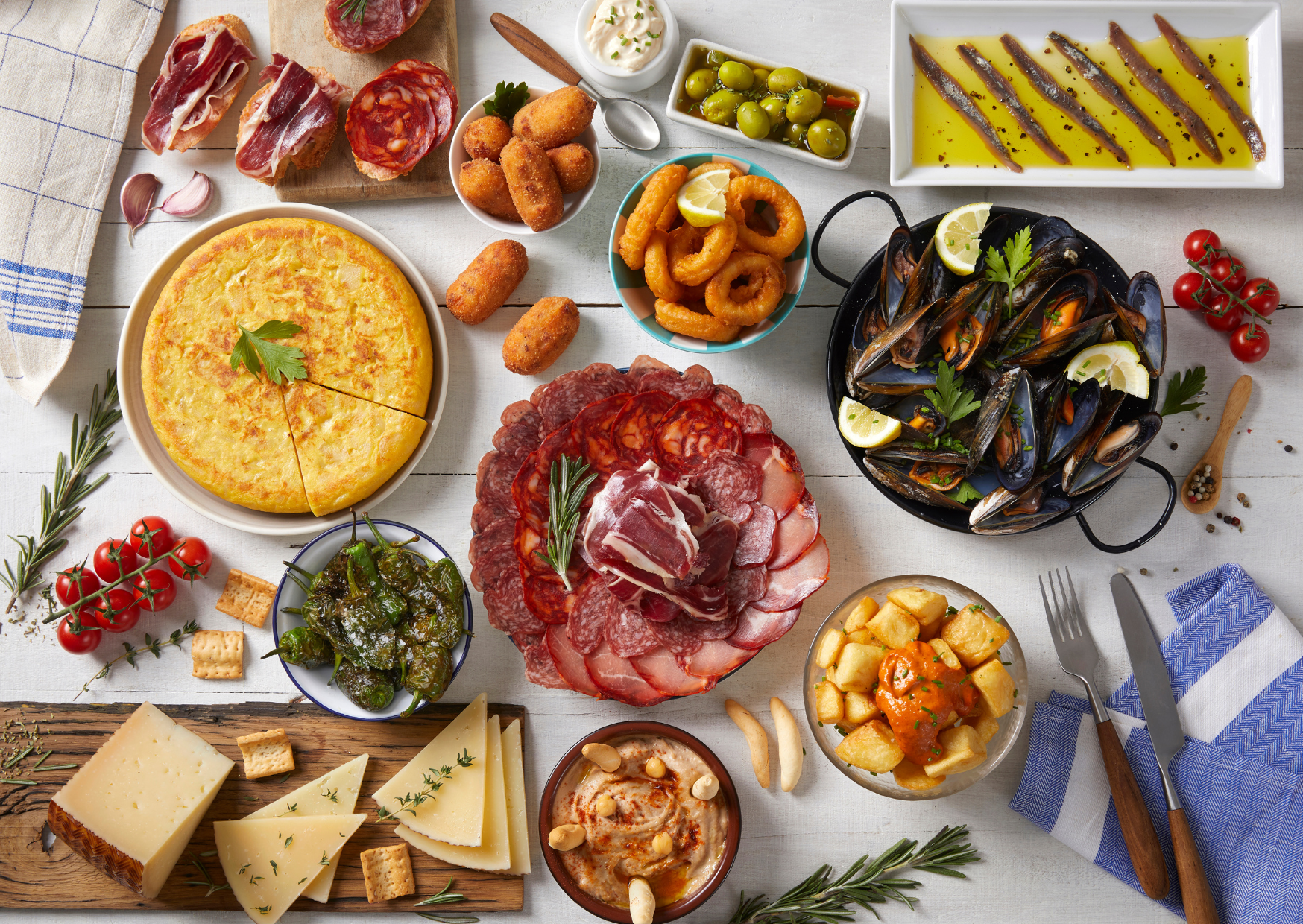
You do not need tapas to do this. You need distribution and density control.
At lunch
- Make it the largest meal, with protein, fiber, and fat so the nap lands on a stable stomach.
- Avoid a sugar bomb. You will wake groggy.
At 14:00
- Skip dessert. Nap first. A fruit or yogurt fits better at 15:00 as a re-entry snack.
At dinner
- Keep it light and later, but leave two hours before lights out. A bowl of vegetable soup or eggs and a salad beat a second heavy plate. Your nap does not give you permission for late heavy meals.
Hydration
- A glass of water before the nap, another after. A dry brain wakes angry.
The Spanish logic is simple: big lunch, short nap, light dinner. The nap does not fix a junky plate. It makes a good plate work harder.
Who Should Not Do This, And When It Backfires
There are clear cases where a siesta schedule is a bad fit or needs doctor guidance.
If you struggle with insomnia
Daytime sleep can cut your sleep drive at night. Many sleep clinicians tell poor sleepers to skip naps entirely. If you try a siesta, keep it short, early, and consistent, and stop if your nights suffer. This is general information, not medical advice.
If you snore heavily or suspect apnea
Do not self-prescribe a nap to paper over untreated sleep apnea. Get screened. Daytime sleepiness can be a symptom, not a scheduling problem.
If you are managing hypertension or high stroke risk
Some large observational studies link frequent or long daytime naps to higher rates of hypertension, stroke, and cardiovascular disease. Those risks trend with nap length and irregularity. Translation: if you do this, keep naps short and regular, and talk to your clinician if you have concerns.
If you push the nap past 3 p.m.
Late naps collide with sleep pressure for the night and can trigger a feedback loop of late dinner, late bedtime, and foggy mornings. If you miss the window, skip it and take a 10 minute walk.
If your job cannot flex
Spain’s long lunch break and split day are not universal anymore, and many companies in Spain now run continuous days. If your workplace cannot flex, you can still close your eyes at your desk for 10 to 15 minutes or move a meeting to protect a five minute head-down interval. Small is better than none.
The Playbook To Try This For 14 Days Without Breaking Your Life
If you want the benefits without the drama, run a two week pilot. Here is a clean way to do it.
Day 0: set the rails
- Pick a single nap time between 13:30 and 14:30.
- Pick a 23 minute timer and stage your nap kit.
- Move 30 percent of dinner to lunch.
- Put a 10 minute walk after dinner in your calendar.
Days 1–4: protect the window
- Nap daily at the same time. Out of office, door closed, eye mask on.
- Keep caffeine before noon, except for one nappuccino day.
- Eat a real lunch. Turn the phone off.
Days 5–7: adjust
- If you wake groggy, your nap is too long or too late. Cut to 18 minutes or move earlier.
- If you cannot nap, lie down and breathe with your eyes closed. You still get a reset.
Days 8–14: test stability
- Reduce coffee after 13:00.
- Keep dinners light.
- If nights drift later, skip the next day’s nap and hold bedtime, then resume the day after.
At the end of two weeks, you will know if the short-siesta day makes your afternoons smoother. It did for me. The result was not a jolt. It was a curve that stopped having cliffs.
What This Means For You
You do not have to live in Spain to use Spanish timing. You can keep your zip code and borrow the logic: the big meal at midday, the short nap in the biological dip, the light evening, the walk at dusk, and a steady bedtime.
If you try this, do it on purpose. Set the timer. Cap the nap at 20 to 30 minutes. Keep the window early. Eat like lunch matters. Let dinner be smaller and late. Take a short walk after. If your nights suffer, stop. If your afternoons smooth out, keep going.
I went in looking for a hack. I came out with a routine. That is the quiet power of a modern siesta. It is not an indulgence. It is a structure that trades one fragile hour for six steady ones.
What surprised me most wasn’t the afternoon rest itself, but how it reshaped the entire day. The siesta forced a slower morning pace, a real midday pause, and a more intentional evening. Energy didn’t spike and crash anymore; it spread out more evenly.
After a few weeks, the constant low-grade fatigue I had accepted as normal simply faded. I wasn’t sleeping more overall, but I was resting better. That distinction turned out to matter far more than total hours.
The siesta also changed my relationship with productivity. Instead of pushing through exhaustion, I learned to stop before burnout set in. Work became sharper, not longer, and recovery felt built into the day rather than postponed to the weekend.
By the end of 60 days, the transformation felt less like a hack and more like a return to something human. The schedule didn’t add energy—it stopped wasting it.

About the Author: Ruben, co-founder of Gamintraveler.com since 2014, is a seasoned traveler from Spain who has explored over 100 countries since 2009. Known for his extensive travel adventures across South America, Europe, the US, Australia, New Zealand, Asia, and Africa, Ruben combines his passion for adventurous yet sustainable living with his love for cycling, highlighted by his remarkable 5-month bicycle journey from Spain to Norway. He currently resides in Spain, where he continues sharing his travel experiences with his partner, Rachel, and their son, Han.