
For many people, the idea of living in a tropical paradise feels like a dream—sunny days year-round, turquoise waters, and palm-fringed beaches just steps away from your front door. But beyond the fantasy lies a growing reality: more and more expats, digital nomads, and retirees are choosing tropical destinations as their permanent or long-term homes.
From Southeast Asia’s vibrant islands to Latin America’s laid-back coastal towns, tropical living offers not only breathtaking scenery but also affordability, community, and a slower pace of life. These destinations can be as diverse as bustling cities with modern conveniences or remote villages where simplicity reigns.
This guide explores nine of the best tropical places to live—destinations that combine natural beauty with livability. If you’ve ever dreamed of swapping snow boots for flip-flops, this list could inspire your next big move.
Read here Best eSim for International Travel and Best Travel Insurance Comparison
BOOK YOUR TRAVEL INSURANCE
Two of our favorite travel insurance: Heymondo Vs Safetwing cheapest travel Insurance. You can get for $135 USD your Heymondo Travel Insurance with Heymondo discount code valid for 90 days. Read our full comparison of Genki vs Safetywing Travel Insurance Review and the comparison Heymondo vs Genki
Tips for Living in Tropical Places
Tropical living sounds like a dream: ocean breezes, laid-back days, and no winter coats in sight. But moving to a warm, humid, palm-fringed paradise is very different from vacationing there. From weather surprises to cost of living to cultural adjustments, there’s more to the lifestyle than meets the Instagram filter.
If you’re considering a long-term stay in a tropical destination—whether it’s Southeast Asia, the Caribbean, Central America, or a Pacific island—here’s what you need to know to make the most of it.
Research visa requirements before considering a move—some countries make long-term residency easier than others.
Test the waters with a short stay first. Spending a few months in a tropical destination helps you see what daily life is truly like beyond the tourist bubble.
Learn at least basic phrases in the local language. It shows respect, helps build connections, and makes integration much smoother.
One controversy around tropical living is the perception of affordability. While many expats see these destinations as cheap havens, locals often feel that foreign residents drive up housing prices and strain resources. What feels inexpensive to outsiders can create inequities for those who live there year-round.
Another debate centers on cultural impact. Some argue that waves of expats bring economic benefits and cultural exchange, while others worry about cultural erosion as communities adjust to foreign expectations. This tension is particularly strong in smaller towns and islands.
Finally, environmental sustainability sparks discussion. Tropical destinations attract large numbers of newcomers, which can strain fragile ecosystems. Critics ask whether promoting tropical living undermines the very beauty people are moving there to enjoy.
1. Get Real About the Climate
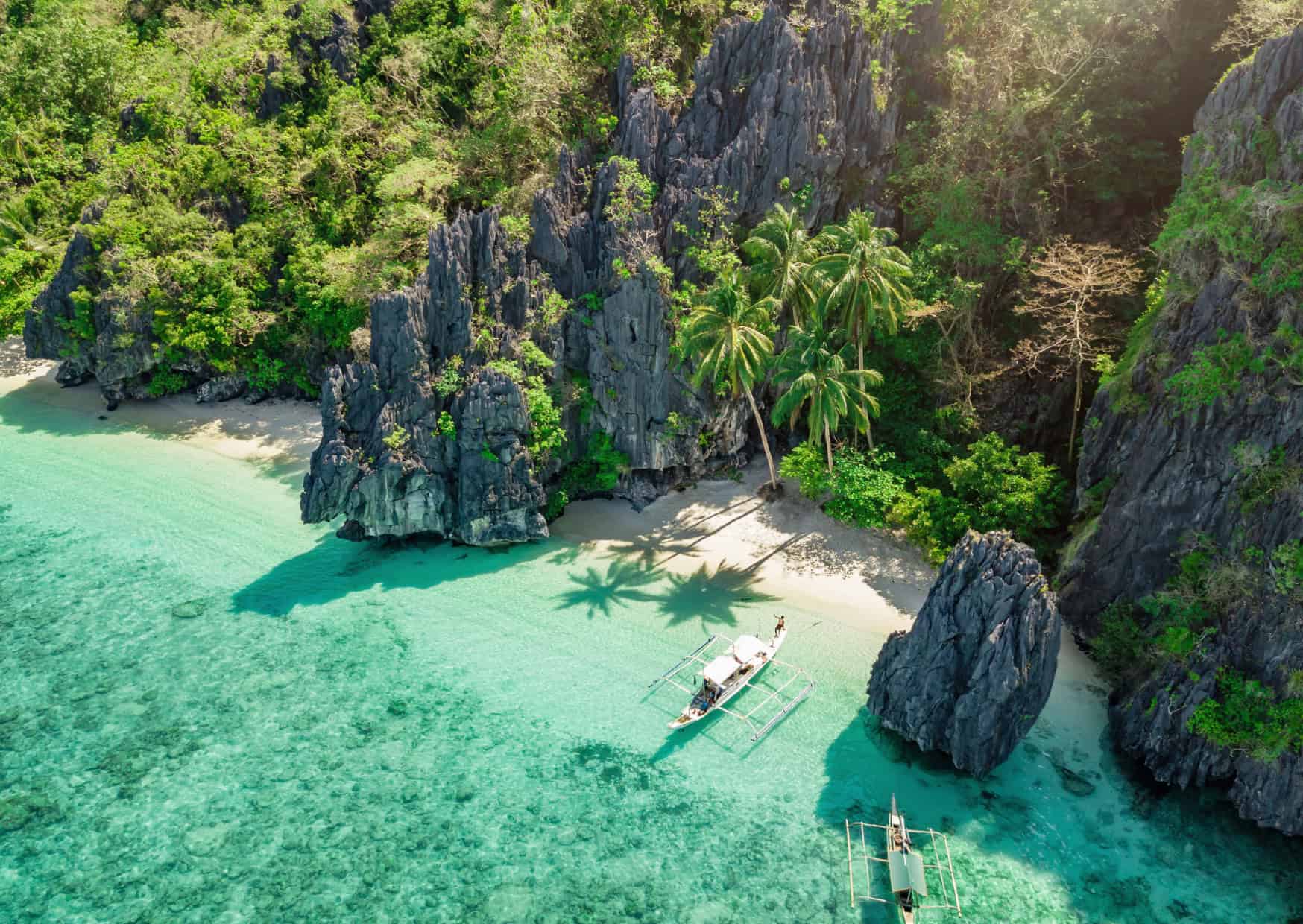
Tropical doesn’t always mean perfect beach weather. Expect:
High humidity most of the year
Wet and dry seasons (some lasting six months)
Mosquitoes, mold, and mildew as part of daily life
Power outages during storms or heavy rains
Tip: Invest in a high-quality fan or air conditioning if your location allows it. Consider moisture-absorbing packs or dehumidifiers for your wardrobe and electronics.
Mistake to avoid: Assuming it’s “always sunny.” Do your research on regional climate patterns and cyclone seasons.
2. Adjust Your Budget Expectations
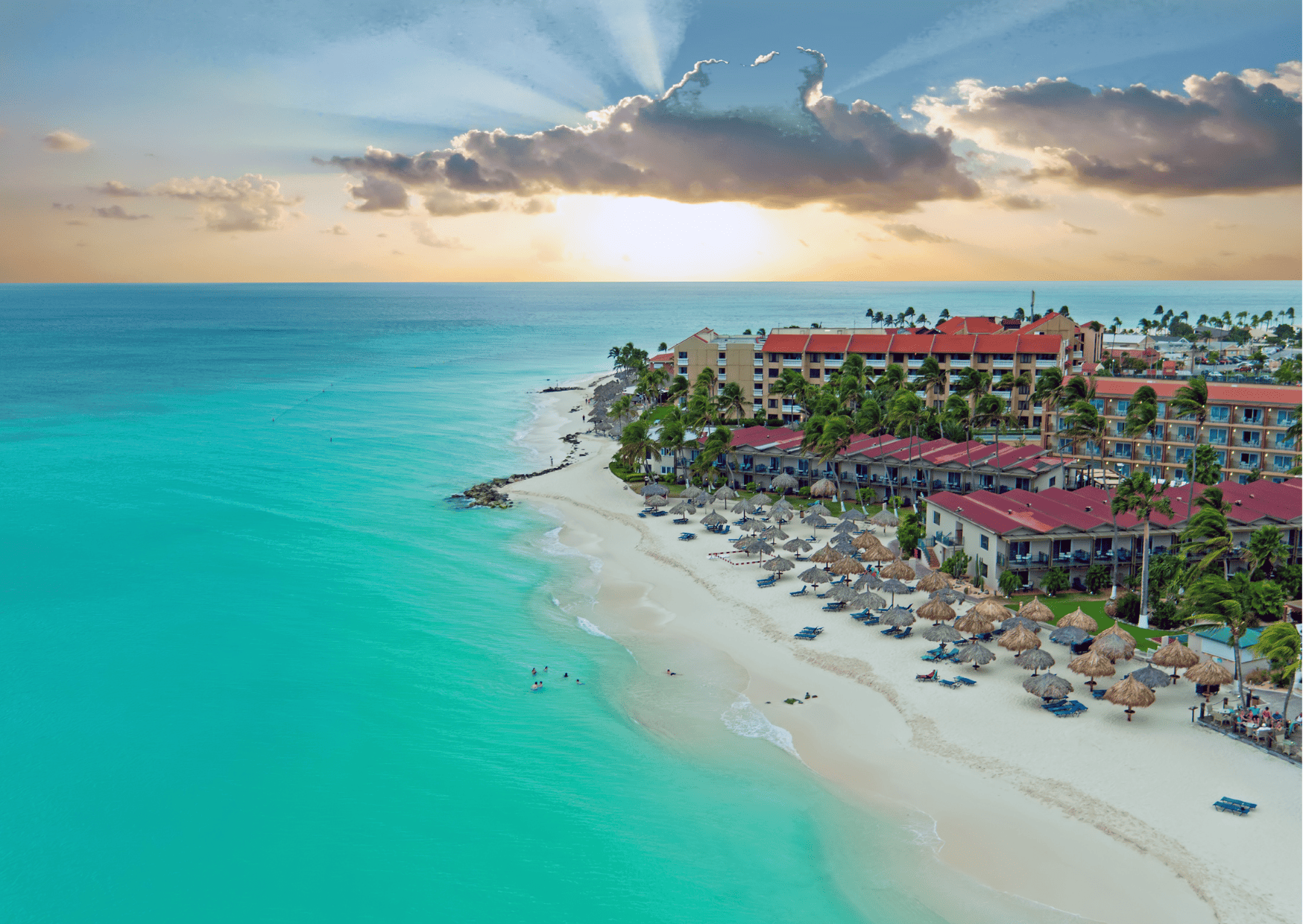
Yes, many tropical countries are more affordable than the U.S., but the myth of living large for $500/month is outdated. In tourist-heavy islands or cities, prices can rival American ones.
Budget snapshot in typical tropical locations (per person/month):
Southeast Asia (e.g., Bali, Thailand): $1,200–$1,800 for a modest but comfortable life
Central America (e.g., Costa Rica, Belize): $1,500–$2,200 depending on region
Caribbean islands: $2,000+ — paradise often comes with a premium
Philippines or Sri Lanka: Can still be done for $1,000–$1,500 with smart choices
Tip: Choose less touristy towns to lower costs significantly without sacrificing quality of life.
Mistake to avoid: Assuming everything is cheap. Imported goods, electricity, and healthcare may cost more than you’re used to.
3. Find the Right Accommodation (and Don’t Rush It)
Long-term housing is a major factor in both comfort and cost. Always rent for 1–2 months short-term before locking in anything long-term.
What to look for:
Ventilation and ceiling fans
Mosquito nets or screens
Reliable internet and power
Shaded outdoor areas
Tip: Platforms like Facebook Marketplace or local expat groups often offer better deals than tourist-facing sites.
Mistake to avoid: Booking a year-long lease sight-unseen. Tropical living means testing how the property holds up to weather and insects.
4. Embrace the Local Pace of Life

Life in the tropics runs on its own clock. Errands take longer, shops may close randomly, and services aren’t always fast.
Tip: Practice patience. Learning to move slower isn’t a burden—it’s part of the charm.
Mistake to avoid: Expecting Western-style efficiency. If you cling to your old pace, you’ll stay frustrated.
5. Protect Your Health
Tropical climates come with their own health considerations:
Sun exposure is intense — daily SPF is non-negotiable
Mosquito-borne diseases (like dengue or chikungunya) are common
Humidity can trigger allergies or respiratory issues
Tip: Get vaccinated before you go and consider private health insurance. Keep a basic pharmacy at home, especially in remote areas.
Mistake to avoid: Assuming local hospitals will match U.S. standards. Research healthcare access before choosing your destination.
6. Plan Your Visa Strategy

Many tropical countries offer tourist visas that last 30–180 days, and some have retirement or digital nomad visas.
Tip: Choose countries with renewable or long-stay visas. Some examples:
Mexico: Up to 180 days on a tourist visa
Thailand: Retirement visa (50+) or digital nomad visa options
Costa Rica: Pensionado or Rentista programs
Indonesia: Limited stay visas or business visas (renewable)
Mistake to avoid: Overstaying your visa. Fines and blacklisting are real consequences.
7. Know the Local Customs and Culture
Living abroad means adjusting to someone else’s rules. Tropical doesn’t mean lawless or casual about everything.
Tip: Learn a few phrases in the local language. Respect community norms — especially regarding noise, dress, and social behavior.
Mistake to avoid: Acting like a permanent tourist. It’s the fastest way to get overcharged or earn local resentment.
8. Have a Plan for Connectivity
Remote work in paradise only works if your connection does. Don’t assume island Wi-Fi is solid.
Tip: Choose destinations with good infrastructure. Cities or popular expat hubs often have fiber optic or 4G coverage.
Backup: Always travel with a local SIM card and portable hotspot.
Mistake to avoid: Not testing internet speeds before signing a long-term lease.
9. Embrace Simplicity
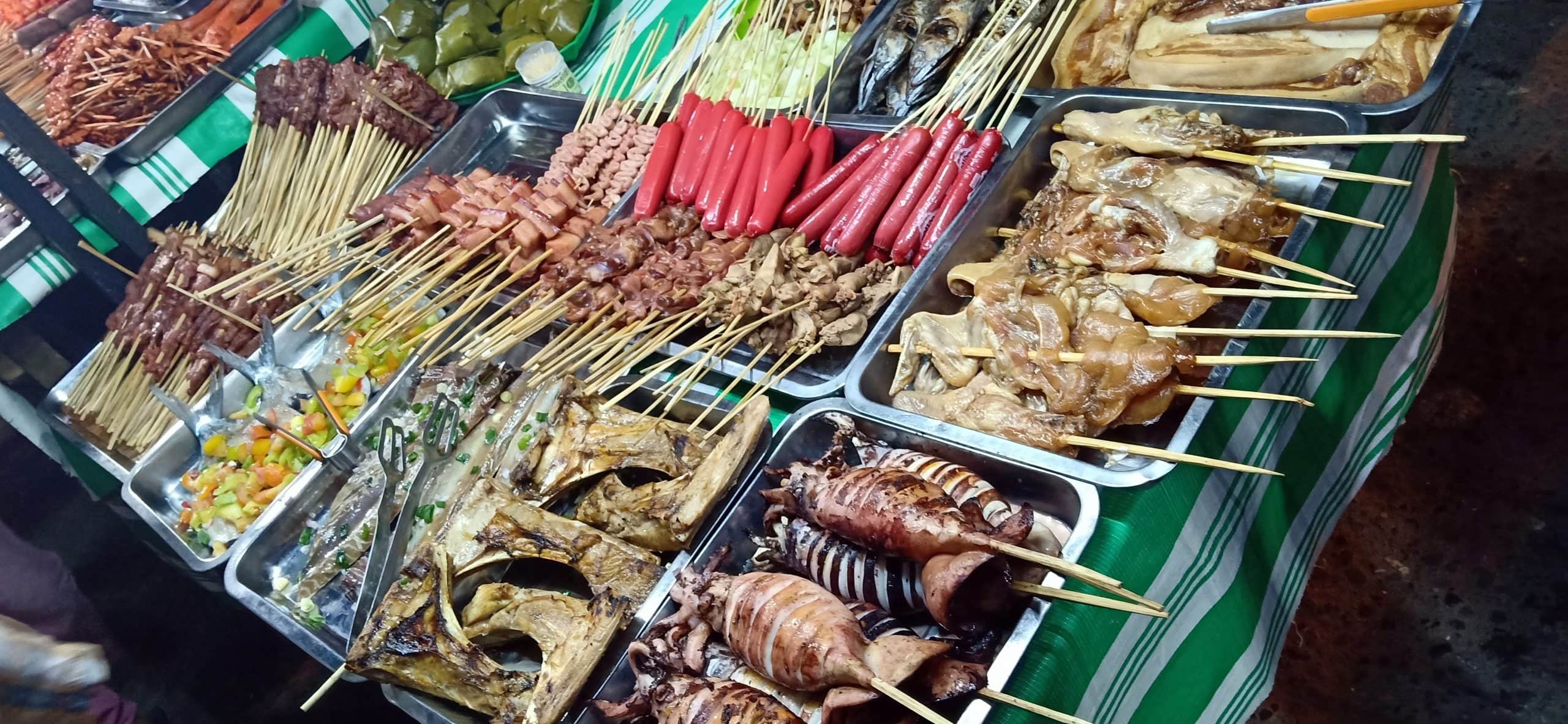
In many tropical places, the lifestyle is naturally minimalist. You won’t find a Target or Amazon delivery, and that’s a good thing.
Tip: Focus on experiences, not stuff. Farmers’ markets, open-air cooking, and small pleasures make for a richer life.
Mistake to avoid: Trying to recreate your U.S. lifestyle. The more you let go, the happier you’ll be.
10. Community Is Everything
Expat burnout is real — especially if you’re isolated. Whether it’s joining yoga classes, language exchanges, or helping at local events, you need a social rhythm.
Tip: Seek both expat and local connections. Each offers different support and insight.
Mistake to avoid: Staying in a foreigner bubble. You’ll miss the best part of living abroad: the culture.
Best Tropical Places for Living
1. Bali, Indonesia
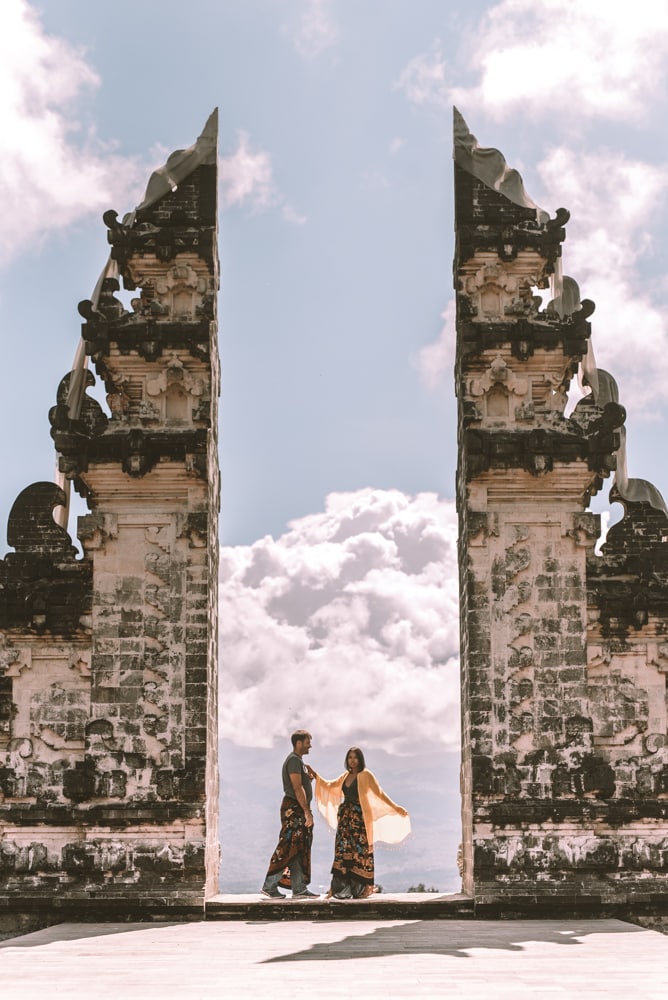
Budget:
Cost of living: $900 to $1,500 per month for a single person.
Rent: Around $300 to $800 for a one-bedroom villa, depending on location.
Dining: Local meals cost $1 to $3, while Western restaurants are around $5 to $10 per meal.
Highlights:
Culture and spiritual life: Bali is known for its vibrant culture, Hindu temples, and yoga retreats, making it a hub for expats and wellness enthusiasts.
Beaches and surfing: Stunning beaches like Kuta, Uluwatu, and Seminyak attract surfers and sun-seekers from around the world.
Low cost of living: Bali offers an affordable lifestyle with excellent local food, affordable housing, and easy access to healthcare.
Digital nomad hub: Canggu and Ubud are popular spots for digital nomads with co-working spaces and expat communities.
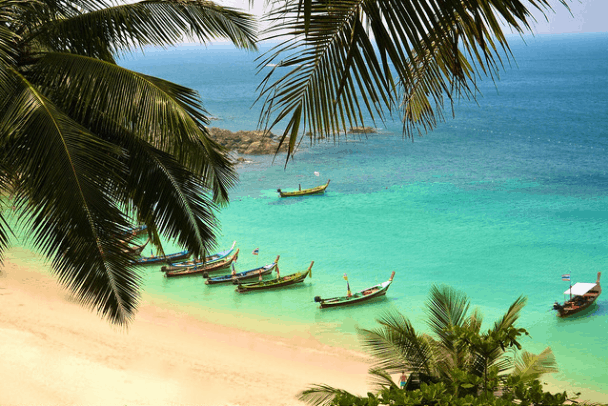
2. Phuket, Thailand
Budget:
Cost of living: $1,000 to $1,800 per month.
Rent: Apartments range from $300 to $1,000 per month, depending on proximity to the beach.
Dining: Street food costs as little as $1 to $3, while restaurant meals are $5 to $12.
Highlights:
Beautiful beaches: Phuket offers stunning beaches like Patong, Kata, and Nai Harn for relaxation and water sports.
Vibrant nightlife: The island has a lively bar and restaurant scene, especially in Patong Beach.
Healthcare: Thailand has excellent, affordable healthcare, with Phuket hosting modern hospitals and clinics catering to expats.
Expat community: Phuket has a large expat population, making it easier to integrate and find support.
3. Penang, Malaysia

Budget:
Cost of living: $800 to $1,500 per month.
Rent: Apartments typically range from $200 to $700 per month.
Dining: Street food is inexpensive, costing $1 to $3, while restaurant meals are around $4 to $8.
Highlights:
Cultural hub: George Town, a UNESCO World Heritage Site, offers a blend of Chinese, Indian, and Malay cultures.
Food paradise: Penang is famous for its street food, with affordable and diverse options such as laksa, char kway teow, and nasi lemak.
Low cost of living: Penang is affordable with high-quality infrastructure, making it a great choice for expats on a budget.
Healthcare: Malaysia is known for its excellent and affordable healthcare system, with Penang hosting several international hospitals.
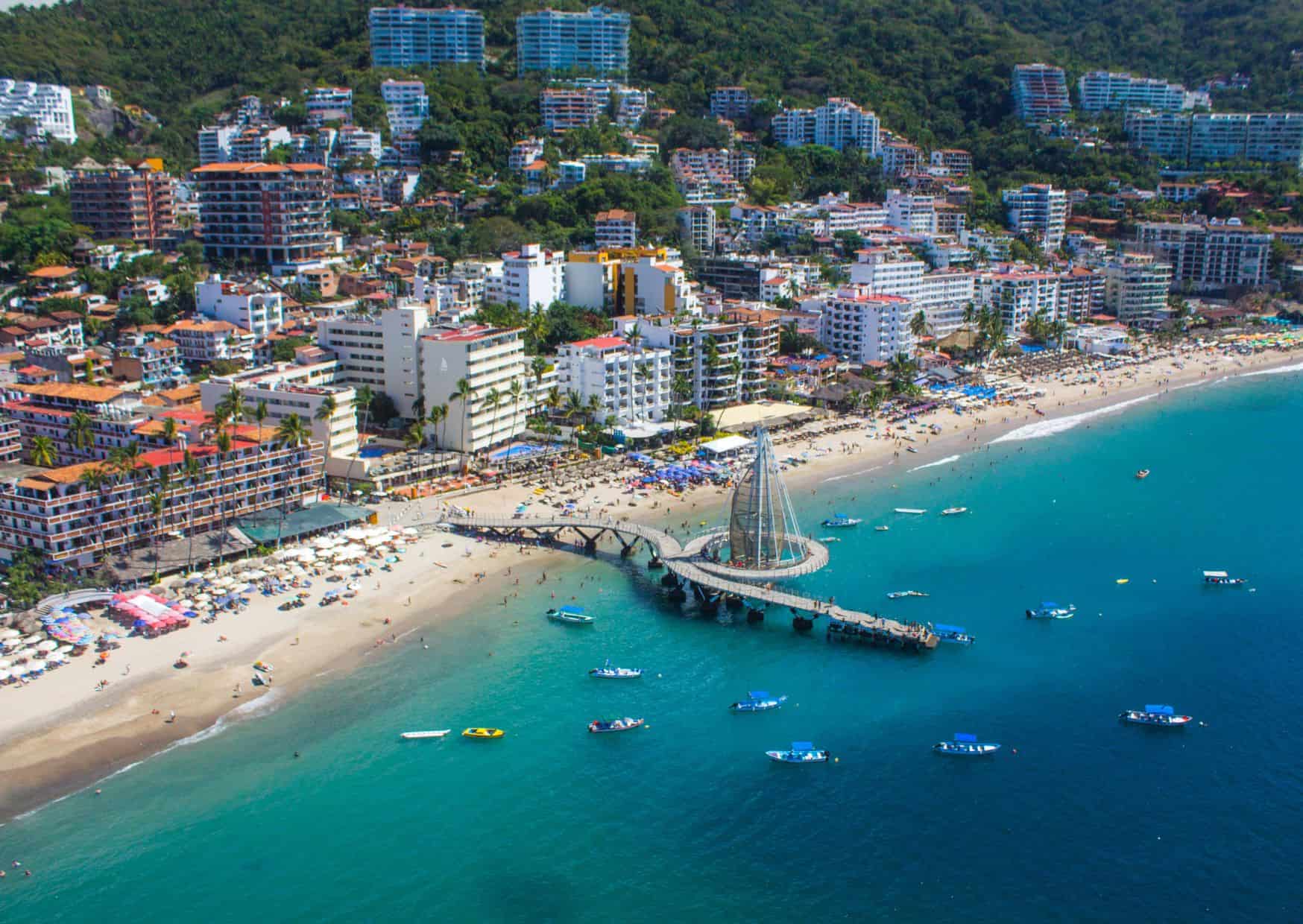
4. Puerto Vallarta, Mexico
Budget:
Cost of living: $1,200 to $2,000 per month.
Rent: Apartments range from $400 to $1,200 per month.
Dining: Local meals cost $5 to $10, with restaurants ranging from $10 to $20 per meal.
Highlights:
Scenic beaches and resorts: Puerto Vallarta offers beautiful beaches like Los Muertos and Mismaloya, along with a charming Old Town area.
Thriving expat community: The city has a well-established expat population, making integration into the local culture easier.
Affordable healthcare: Mexico has quality healthcare at a fraction of the cost compared to the U.S., with several hospitals and clinics in Puerto Vallarta.
Close to the U.S.: Its proximity to the U.S. makes it a convenient destination for North American expats.
5. San Juan del Sur, Nicaragua

Budget:
Cost of living: $800 to $1,500 per month.
Rent: A one-bedroom apartment costs $300 to $800 per month.
Dining: Local meals cost $3 to $7, with restaurants offering meals from $7 to $15.
Highlights:
Surf town vibe: San Juan del Sur is a laid-back beach town known for its excellent surfing and chill expat community.
Affordable cost of living: Nicaragua is one of the most budget-friendly destinations in Central America, with cheap rent, food, and healthcare.
Beautiful beaches: There are stunning, uncrowded beaches in the area, like Playa Maderas and Playa Hermosa.
Emerging expat community: San Juan del Sur has a growing community of expats, making it easy to connect with others.
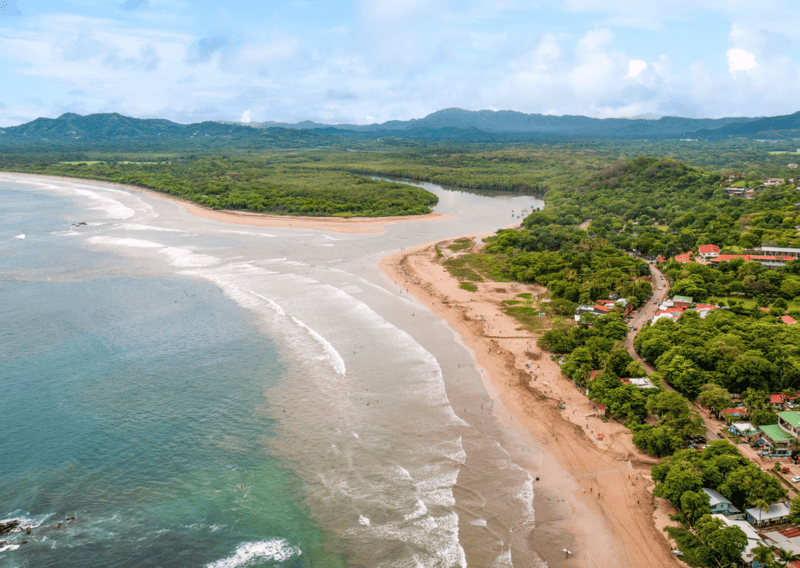
6. Tamarindo, Costa Rica
Budget:
Cost of living: $1,500 to $2,500 per month.
Rent: A one-bedroom apartment ranges from $600 to $1,500 per month.
Dining: Local meals cost $5 to $10, while restaurants offer meals from $10 to $20.
Highlights:
Eco-friendly lifestyle: Costa Rica is known for its commitment to the environment, with an emphasis on sustainability and preserving its natural beauty.
Beaches and surfing: Tamarindo offers world-class surfing and stunning beaches like Playa Langosta.
Active lifestyle: Outdoor activities like hiking, surfing, and wildlife watching are part of everyday life in Tamarindo.
Stable country: Costa Rica is politically stable with a strong focus on eco-tourism and conservation, attracting expats from around the world.
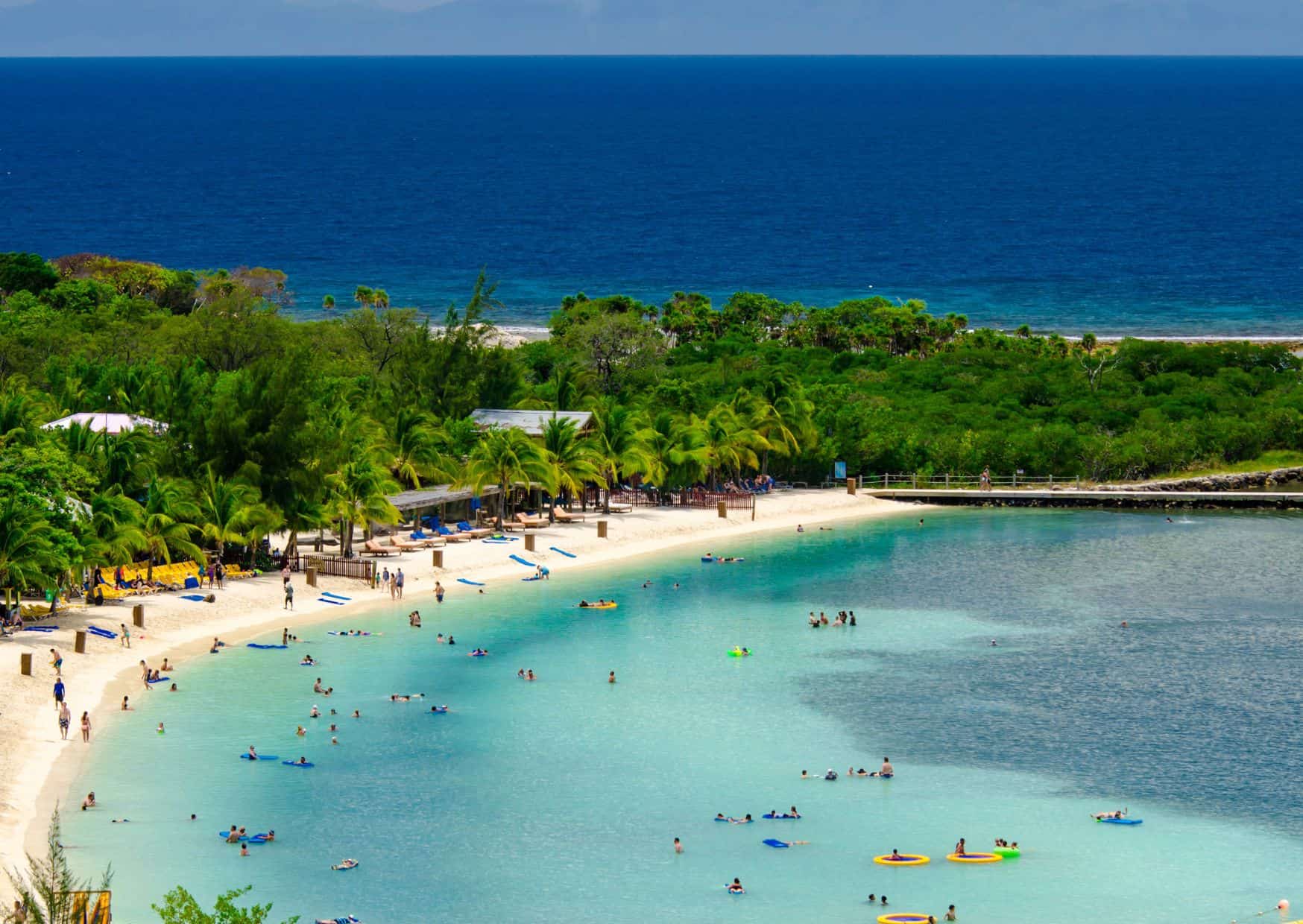
7. Roatán, Honduras
Budget:
Cost of living: $1,200 to $1,800 per month.
Rent: A one-bedroom apartment typically costs $400 to $900 per month.
Dining: Local meals cost around $5 to $10, with restaurants offering meals from $10 to $20.
Highlights:
Diving paradise: Roatán is part of the Mesoamerican Barrier Reef and is famous for its incredible diving and snorkeling opportunities.
Affordable Caribbean living: Roatán offers a Caribbean lifestyle at a fraction of the cost of other Caribbean islands.
Expanding expat community: The island has a growing number of expats, particularly from North America.
Tropical climate: Year-round warm weather and beautiful beaches make it an attractive destination for beach lovers.
8. Koh Samui, Thailand
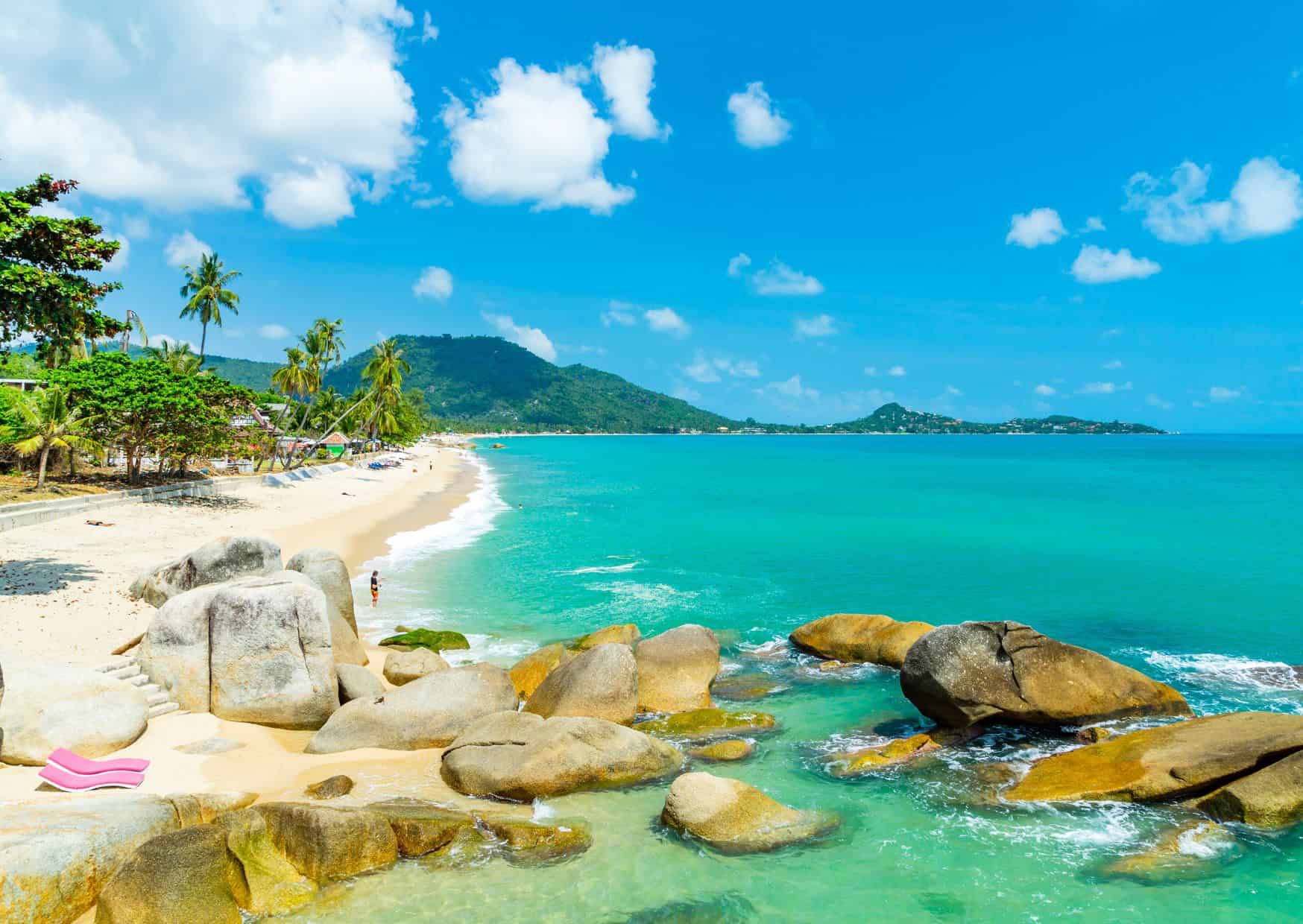
Budget:
Cost of living: $1,200 to $2,000 per month.
Rent: A one-bedroom apartment or villa costs around $300 to $1,200 per month.
Dining: Local street food costs $1 to $3, while restaurant meals range from $5 to $15.
Highlights:
Luxury meets affordability: Koh Samui offers a range of accommodations from budget-friendly beach bungalows to luxury villas.
Tropical beaches: The island is known for its white-sand beaches, crystal-clear waters, and coconut palm forests.
Relaxed pace of life: Koh Samui has a laid-back atmosphere, with a focus on wellness, yoga retreats, and spa culture.
Access to healthcare: Thailand offers excellent healthcare, with several international-standard hospitals on the island.
9. Bocas del Toro, Panama
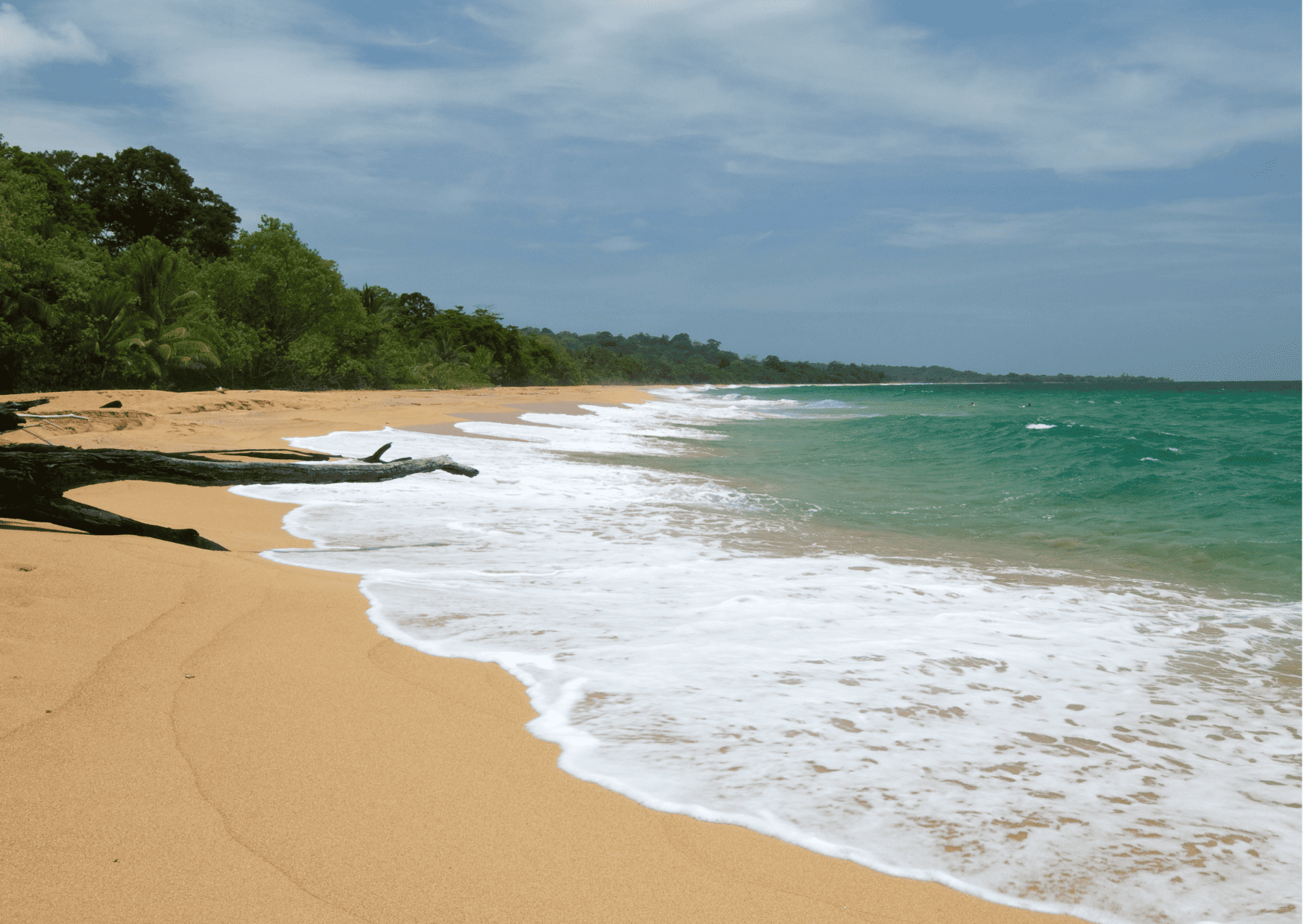
Budget:
Cost of living: $1,000 to $1,800 per month.
Rent: Apartments range from $400 to $1,000 per month.
Dining: Local meals cost $3 to $8, with restaurants offering meals for $10 to $15.
Highlights:
Island lifestyle: Bocas del Toro is an archipelago in the Caribbean with beautiful beaches, a relaxed vibe, and vibrant nightlife.
Diving and water sports: The area is ideal for diving, snorkeling, and water sports, with easy access to coral reefs and marine life.
Expat-friendly: Panama has a large expat community, especially in Bocas del Toro, making it easy to find a social circle.
Final Thoughts: Is Tropical Living Right for You?
Tropical living isn’t all sunsets and coconut water. It requires adjustment, humility, and flexibility. But if you’re open to change and ready for a simpler, slower lifestyle, it can be one of the most rewarding experiences of your life.
You don’t need to move forever. Start with 3–6 months, test the waters, and see how it feels. Just know this: the people who thrive in the tropics aren’t the ones who bring everything from back home — they’re the ones who learn to live with less, smile more, and stop checking the clock.
Visa benefits: Panama offers favorable visa options for retirees and expats, making long-term living easier.
Living in a tropical paradise is more than just endless sunsets and ocean views—it’s about adapting to a lifestyle that values simplicity, connection, and nature. While the dream is enticing, it also comes with challenges like adjusting to new cultures and navigating logistics.
The controversies surrounding affordability, cultural shifts, and environmental sustainability remind us that moving abroad requires thoughtfulness. Living well in paradise means giving back, respecting locals, and making choices that preserve the beauty of the destination.
Ultimately, these nine tropical places showcase that paradise doesn’t have to remain a fantasy. With preparation, respect, and an adventurous spirit, you can build a fulfilling life in some of the most stunning corners of the world.

About the Author: Ruben, co-founder of Gamintraveler.com since 2014, is a seasoned traveler from Spain who has explored over 100 countries since 2009. Known for his extensive travel adventures across South America, Europe, the US, Australia, New Zealand, Asia, and Africa, Ruben combines his passion for adventurous yet sustainable living with his love for cycling, highlighted by his remarkable 5-month bicycle journey from Spain to Norway. He currently resides in Spain, where he continues sharing his travel experiences with his partner, Rachel, and their son, Han.