
What’s the Big Fuss?
In the United States, many people think they know “Mexican cuisine”—heaps of free chips and salsa, big burritos stuffed with cheese, combo plates.
Then they go to Mexico itself and discover a different world: smaller plates, varied regional traditions, and sometimes no free chips and salsa waiting on the table. Below are 7 dining shocks that often confound American visitors in Mexico, plus tips to avoid confusion and truly enjoy the real local flavors.
Looking for More Travel & Culture Reads?
– 7 Ways You’re Insulting Europeans Without Even Realizing It
– They Don’t Work 24/7: 5 Vacation Customs in Europe That Drive Americans Crazy
Quick Easy Tips
Embrace the slower pace of dining—it’s part of the experience, not poor service.
Ask about spice levels before ordering, and don’t be afraid to try authentic heat in moderation.
Learn local tipping customs: 10–15% is typical in most restaurants.
One of the biggest shocks for Americans dining in Mexico is the pace of meals. Dining is seen as a social ritual, not a rushed transaction. Some visitors mistake the slower service as inefficiency, but locals view it as respect for enjoying food and conversation. The controversy lies in whether efficiency or experience should define a “good meal.”
Another cultural clash comes from spice tolerance. Mexican food isn’t uniformly fiery—it’s layered, complex, and balanced. However, when spicy dishes are served, they’re unapologetically bold. Some Americans expect toned-down flavors for tourists, while locals argue authenticity should never be compromised to suit outsiders’ palates.
Finally, tipping can spark debate. In Mexico, tipping is customary but not on the same scale as in the U.S. Some Americans tip excessively, which can unintentionally create inflated expectations, while others under-tip, leading to frustration. The cultural tension lies in finding a respectful middle ground.
1. No Automatic Free Chips & Salsa
Why It’s a Shock
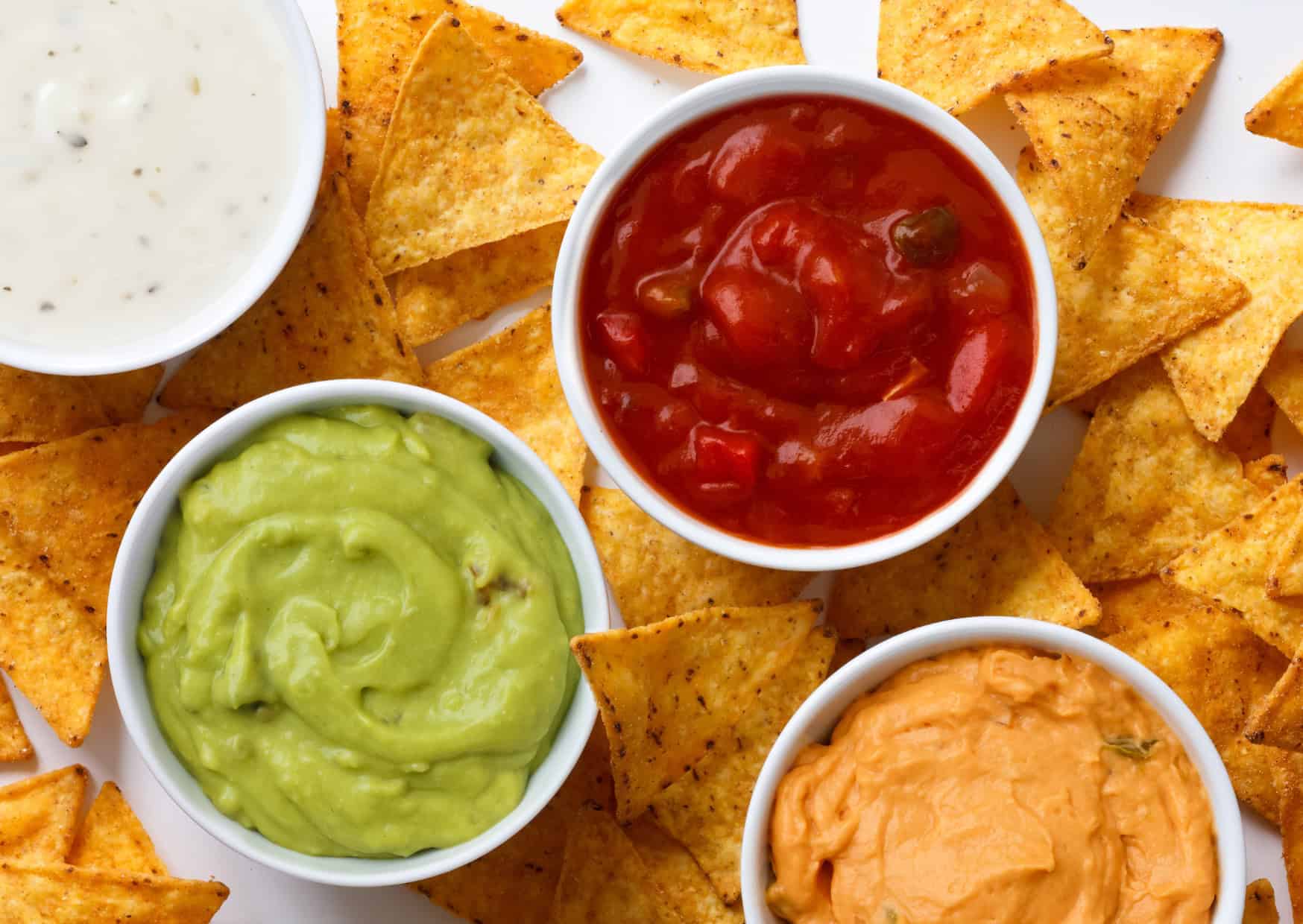
Many U.S. Tex-Mex restaurants start you off with a basket of chips and a bowl of salsa—complimentary, refillable. Americans might assume it’s standard everywhere in Mexico, but they soon find some places charge for chips or don’t offer them at all. Or the salsa is part of your meal, not an endless snack.
Why Locals Don’t Do It
- Regional tradition: In northern Mexico or touristy zones, you might see some free chips, but it’s not universal.
- Cost: Chips and salsa aren’t cheap for restaurants to serve en masse. In many spots, it’s a side dish or appetizer listed on the menu.
- Different eating style: Mexicans often go straight to the main course or might nibble on tortillas, but not necessarily the big basket of chips Americans expect.
How to Adapt
- If you want chips, ask if they’re served complimentary or if there’s a small charge. If it’s a few pesos, you can decide.
- Don’t assume any Tex-Mex illusions—taste the local salsas, but realize they might come with your main dish, not as a freebie.
Bottom Line
Yes, it can feel odd if you’re used to “chips and salsa right away,” but real Mexican cuisine typically focuses on fresh tortillas, not an endless chip supply.
2. Fewer Mega-Sized Portions (and Possibly No Burritos)
Why It’s a Shock
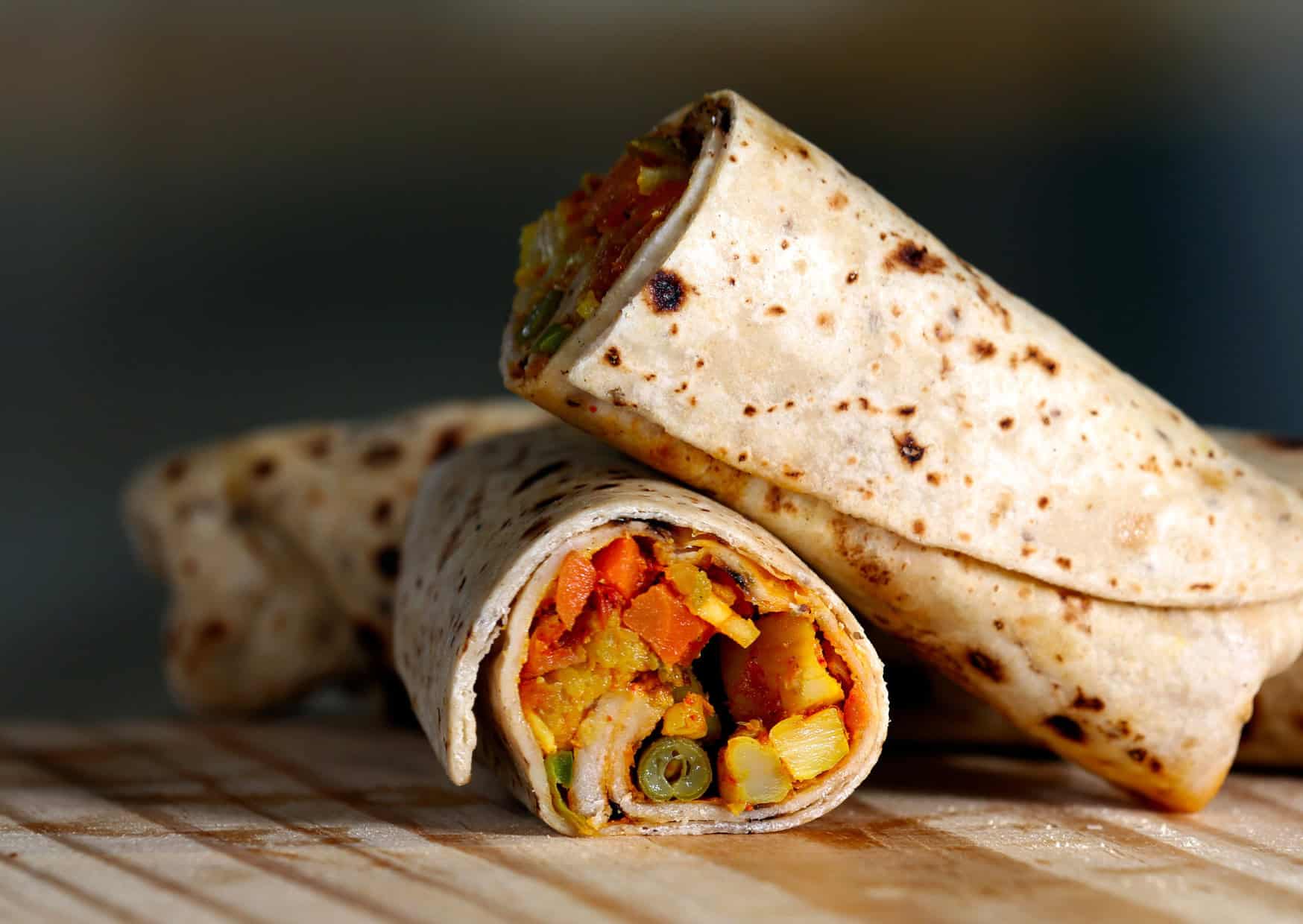
American chain restaurants or Tex-Mex places boast giant burritos, loaded nachos, mountainous fajitas. In Mexico, you might see more modest plates. A typical taco is small with a homemade tortilla—not a massive wrap. Burritos as Americans know them are largely a northern Mexican or Tex-Mex creation, not ubiquitous across the country.
Why Locals Don’t Do It
- Regional specialities vary drastically—cochinita pibil in Yucatán, mole in Oaxaca, pozole in Jalisco. None revolve around a giant burrito.
- Traditional servings let you sample multiple flavors—like a few small tacos, each unique, rather than one big mass.
- Overstuffed portions are seen as an American phenomenon.
How to Adapt
- If you’re craving a burrito, you may find them in border towns or tourist hubs, but not all over. Embrace local dishes—tacos al pastor, tamales, or sopes—smaller but more authentic.
- Order multiple small items if you want variety. A couple of tacos, a side soup, a shared plate—like how locals do it.
Bottom Line
Yes, the “giant burrito the size of your head” is more Tex-Mex than mainstream Mexico. Let portion sizes surprise you—and enjoy the chance to taste multiple dishes.
3. Salsa Heat Varies Hugely—But Not Labelled “Mild/Spicy”
Why It’s a Shock
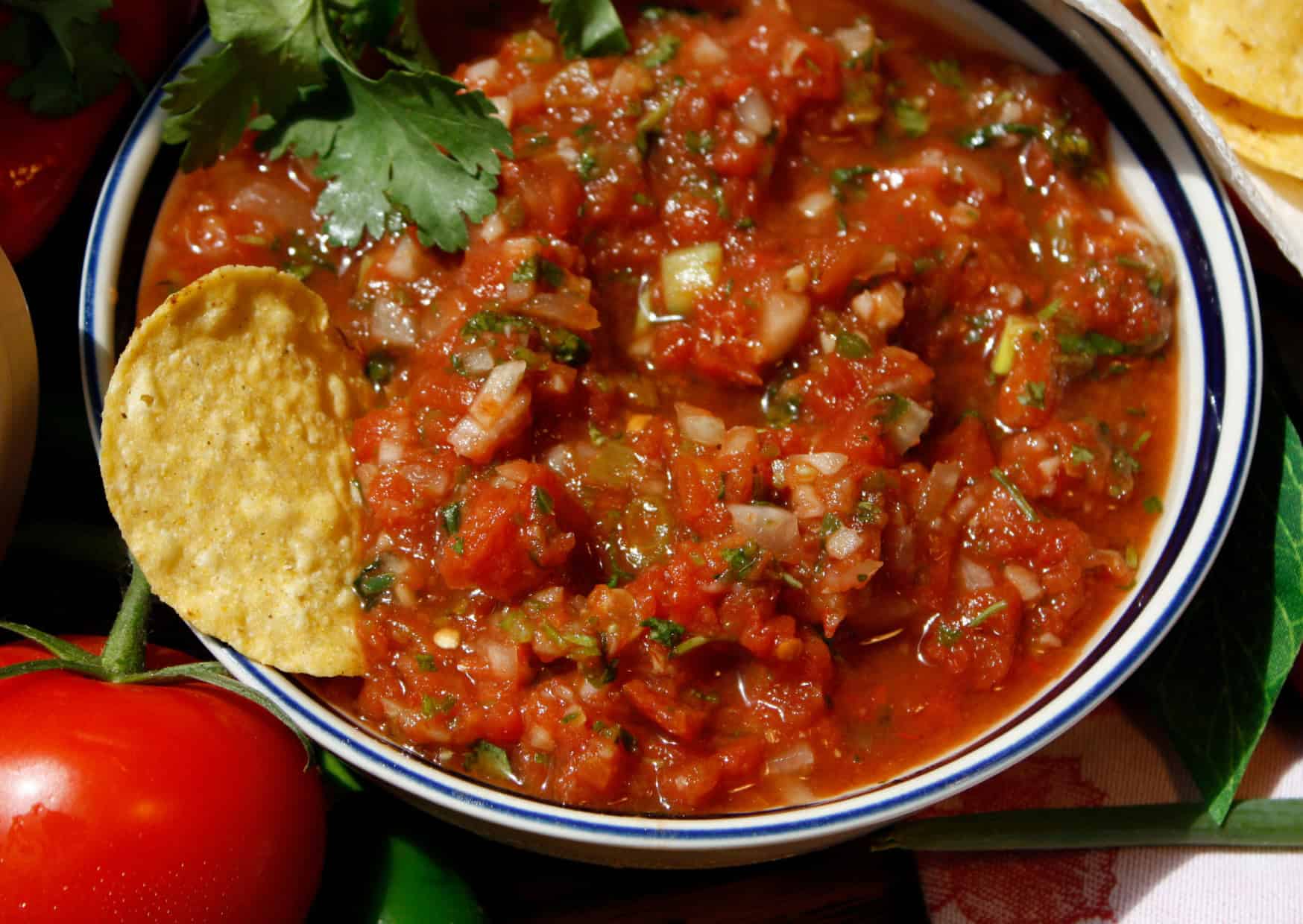
In the U.S., it’s common to see “mild, medium, hot” disclaimers on store-bought salsas or menu items. In Mexico, you might get a side of salsa or sauce, but you’re not told its heat level. One bite could be mild, the next sauce might be a fiery chili bomb.
Why Locals Don’t Label
- Salsas are often homemade daily with local chiles. The heat can fluctuate by batch or region.
- People judge by sight, smell, or a tiny taste first. They know which chiles are in the sauce.
- Listing “spice level” is less standard—taste is part of the adventure.
How to Adapt
- Ask your server if it’s “picoso” (spicy) or “suave” (milder). They’ll guide you.
- Start with a small dab before dunking your entire taco in sauce.
- If it’s too spicy, sip water or something like horchata—milk or milky drinks help more than water alone.
Bottom Line
Yes, you might burn your tongue if you assume a universal “mild salsa.” Approach each sauce with curiosity and caution—it’s half the fun.
4. “Tortillas” and Fresh Salsas Over Hard Shell Tacos
Why It’s a Shock
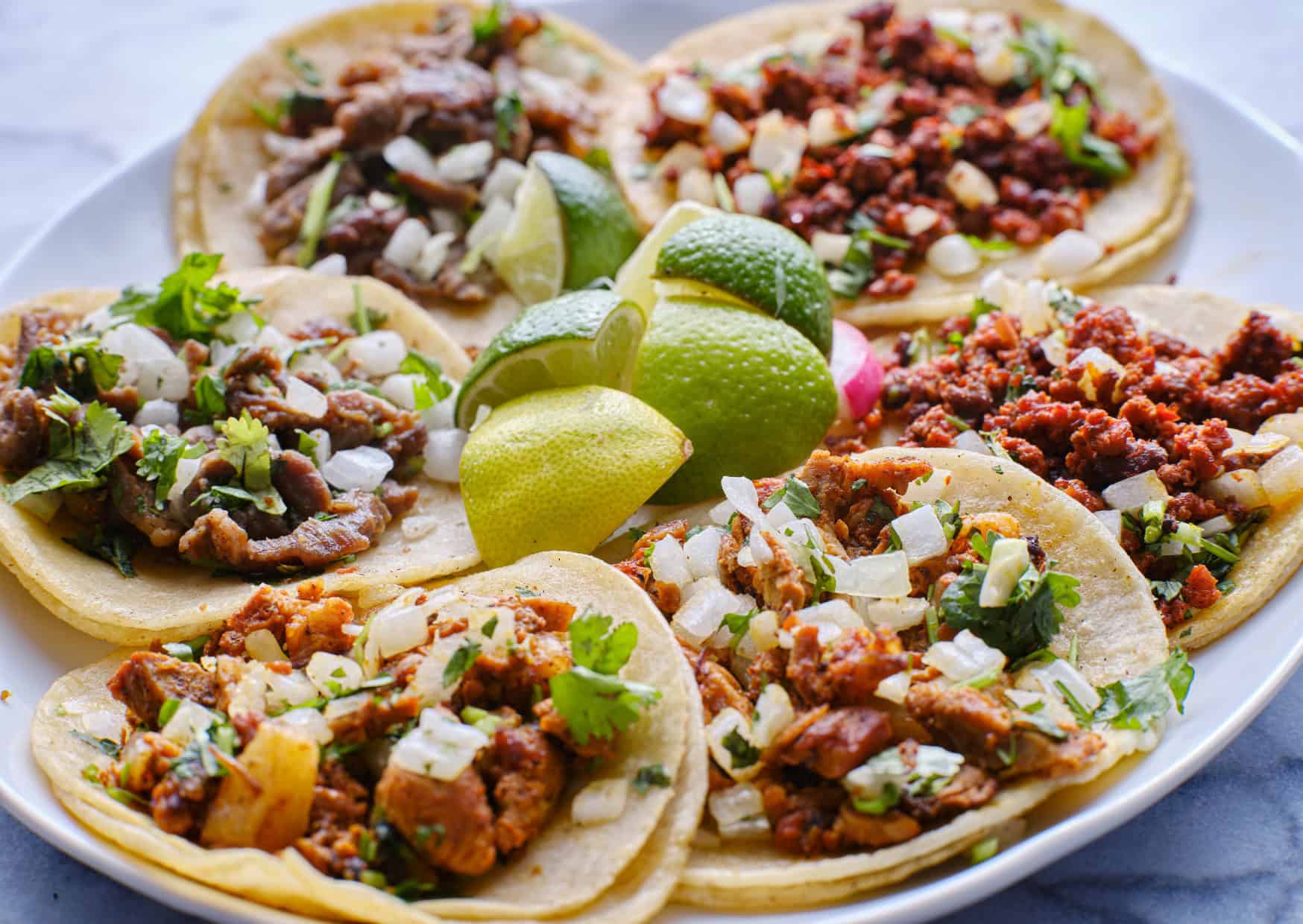
Americans often equate “taco” with hard shells, ground beef, lettuce, cheese, and tomato. In many parts of Mexico, tacos use soft corn tortillas, minimal shredded cheese, and toppings like cilantro, onion, or salsas. Hard shells are more of a Tex-Mex or U.S. grocery invention.
Why Locals Prefer It
- Fresh tortillas highlight corn flavor. Hard shells may be deemed a processed novelty.
- Tacos in Mexico revolve around the filling—carnitas, al pastor, barbacoa—plus a drizzle of sauce, not a mound of cheese and lettuce.
- Crisp tortillas exist in certain dishes (tostadas, flautas) but not the “U-shaped” shell Americans expect.
How to Adapt
- Embrace soft tacos. Don’t expect lettuce or heavy cheese. Let your protein’s flavor shine.
- If you need a crunchy fix, look for local “tostadas” or “flautas” (rolled, fried tortillas).
- Resist asking for a “hard shell.” The restaurant might not even have them.
Bottom Line
Yes, the iconic American “crunchy taco shell” is largely absent in day-to-day Mexican taquerias. Enjoy the succulent fillings in a warm, soft tortilla—that’s the real deal.
5. Late-Night Street Stands Can Be the Best Food
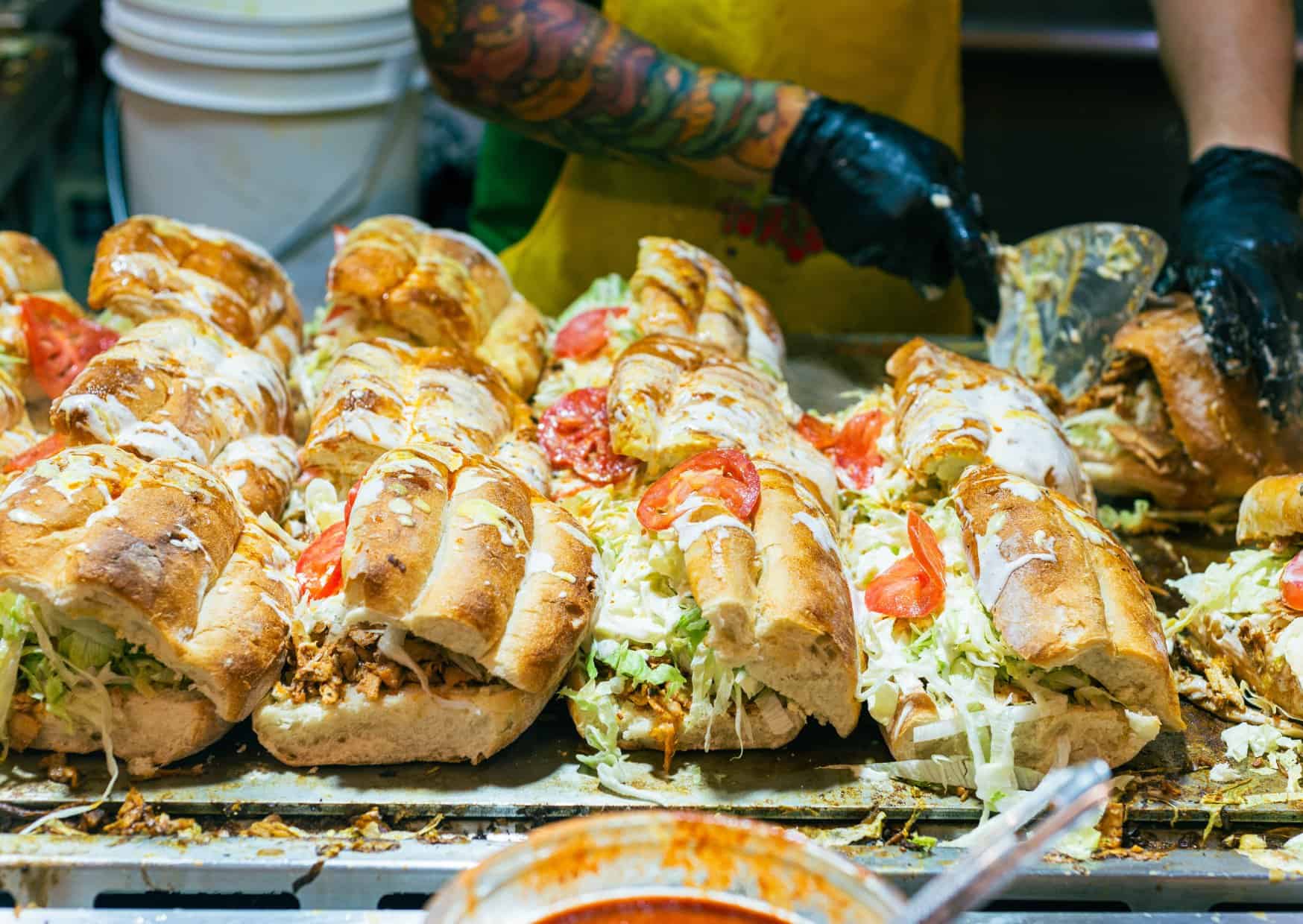
Why It’s a Shock
In the U.S., street food might be seen as secondary or “food trucks” are hip but not always “best quality.” In Mexico, local street stands operating late into the night can dish out some of the most beloved tacos, sopes, or tamales. Americans might question hygiene or assume “cheap means low quality.”
Why Locals Love It
- Street vendors often focus on one specialty, perfected over years—like al pastor tacos or suadero.
- Late-night stands feed local workers, partiers, or families grabbing a quick bite. The constant turnover ensures fresh food.
- They’re deeply embedded in the daily life—some stands have bigger followings than certain restaurants.
How to Adapt
- Look for busy stands with a line. High turnover = fresher ingredients, safer bets.
- If worried about cleanliness, observe how they handle food. If they keep a decent hygiene routine, it’s likely fine.
- Don’t shy away from these stands after midnight if others flock there. They’re often the highlight of local cuisine, not just a fallback.
Bottom Line
Yes, it’s the opposite of typical U.S. “restaurant-only” mentality. But in Mexico, street eats can be top-notch—taste them if you see locals raving or lining up.
6. Traditional Breakfasts Might Skip Eggs or Big Pancakes
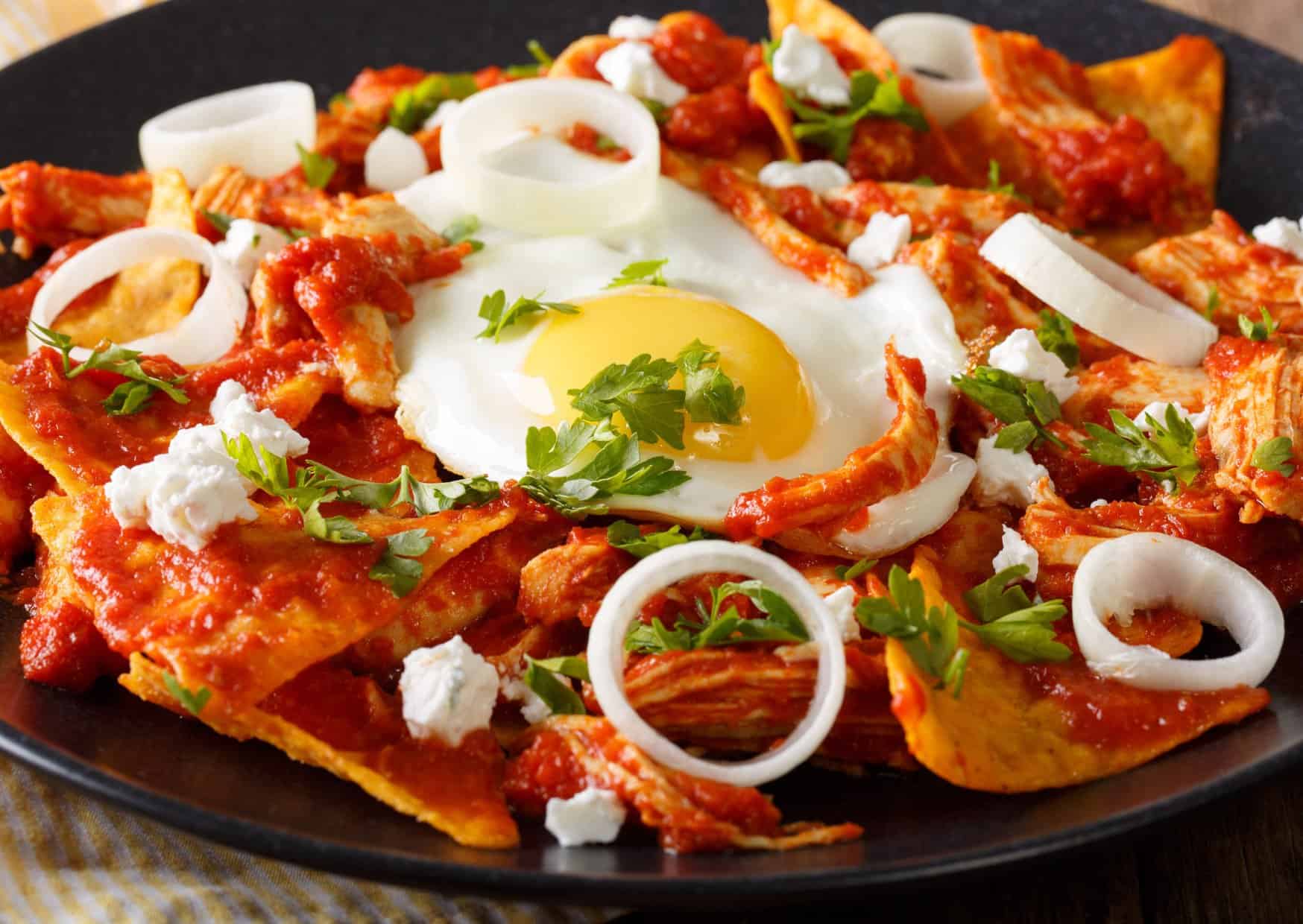
Why It’s a Shock
Americans used to big egg-and-bacon breakfasts or stacks of pancakes might be baffled by a Mexican morning, which can feature chilaquiles, tamales, or pan dulce with coffee. Sometimes eggs show up (like huevos rancheros), but not always in a standard “egg + toast + bacon” format. Also, sweet bread or a small bite might suffice, especially if folks do a bigger lunch.
Why Locals Do It
- Regional variety: Some states favor hearty stews or chilaquiles, others might do a quick pastry and coffee.
- Lunch is the main meal for many families, so breakfast can be lighter or more flexible.
- The concept of a massive American diner breakfast is more “tourist-oriented” than everyday tradition.
How to Adapt
- If your hotel offers a buffet with local items—chilaquiles, refried beans, tortillas—try them.
- Don’t expect a short-stack or bottomless coffee in smaller cafés.
- If you need eggs, larger city brunch spots might cater to that, but it’s not the daily norm.
Bottom Line
Yes, you might crave bacon and big pancakes. But real Mexican breakfast could be a spicy or hearty dish, or just a sweet pastry on the go. Discover something new.
7. Not Everyone Drinks Margaritas or Corona
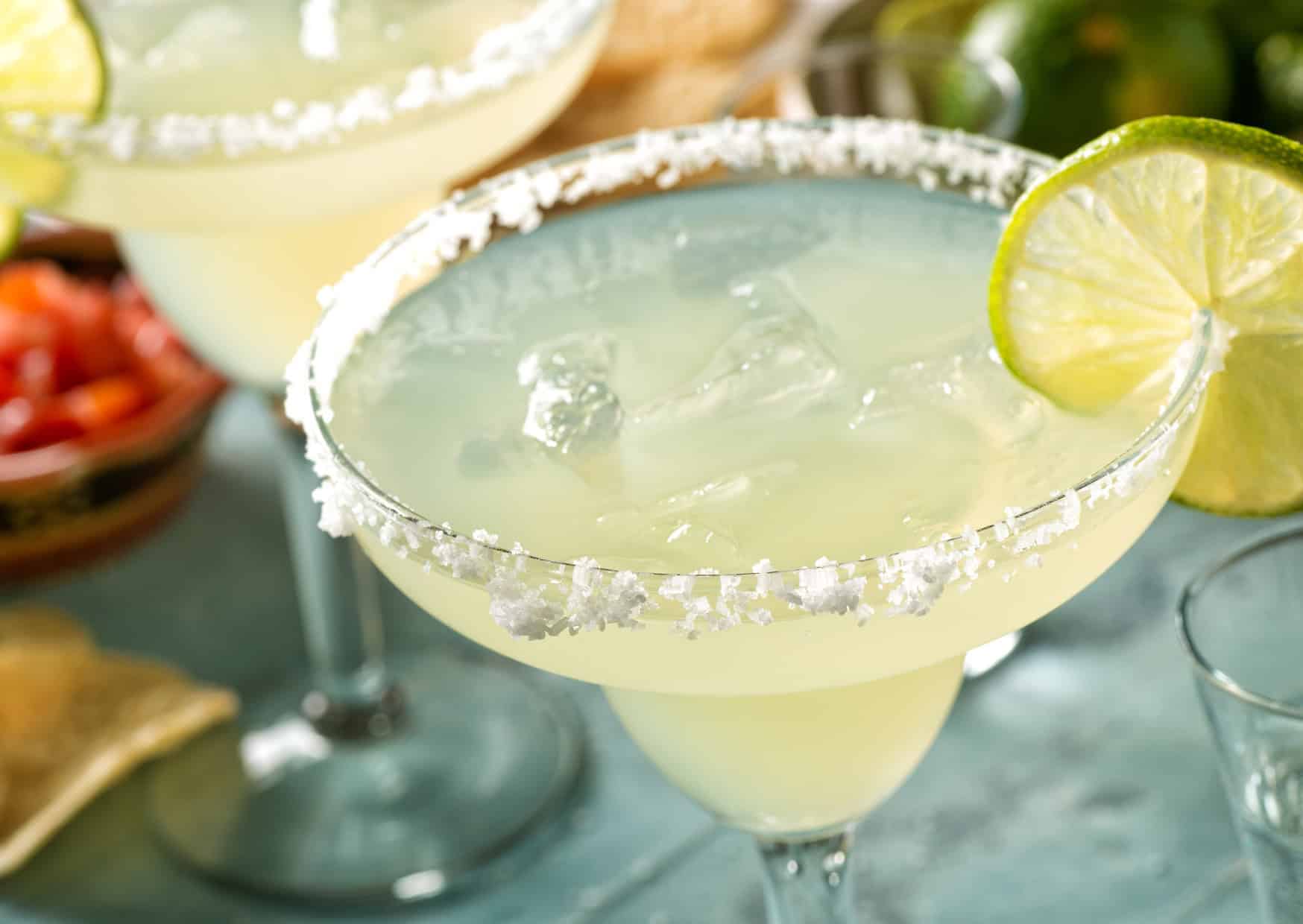
Why Americans Are Surprised
U.S. marketing often portrays tequila shots or giant margaritas as the essence of Mexican drinks. On arrival, Americans might find many locals sipping mezcal, local craft beers, or simply a michelada, or even prefer non-alcoholic drinks like agua fresca. The touristy “frozen margarita” might be an exception, not the rule.
Why Locals Differ
- Margarita mania is more a Tex-Mex export. Real tequila or mezcal consumption can be simpler—small glass for sipping, or in a paloma.
- Mexico’s beer variety extends beyond Corona—Modelo, Pacifico, craft breweries exist.
- People might enjoy a local brandy, or traditional pulque in certain regions. Over-frozen, neon margaritas can seem inauthentic or purely tourist-geared.
How to Adapt
- If you want an authentic taste, try a mezcal or simple tequila with salt and lime, or a well-made paloma (tequila + grapefruit soda).
- Don’t be disappointed if the bar doesn’t have a wide margarita menu. Some do, some don’t.
- Explore local beer offerings—Victoria, Bohemia, Indio—or a modern craft scene in big cities.
Bottom Line
Yes, the “margarita = Mexican standard” assumption might falter. Locals often have broader tastes, sipping mezcals or other drinks. Embrace variety and discover more than just that touristy “fishbowl” margarita.
Conclusion: Embrace Real Mexico, Beyond Tex-Mex Myths
“No Free Chips?” might be the first shock American diners face in Mexico—but it’s just one of 7 bigger differences: from soft tortillas to a wide range of salsas (no “mild or spicy” labels) to top-tier street stands after dark. Next time you’re in Mexico, ditch the giant burrito fantasies and open up to local specialties—regional stews, smaller breakfasts, handcrafted salsas, street tacos, and unique beverages. You’ll find authentic flavors that surpass any Tex-Mex illusions.
Dining in Mexico isn’t just about food—it’s about stepping into a cultural rhythm that values conversation, community, and authenticity. What initially shocks American tourists often becomes the most memorable part of the experience.
Instead of expecting meals to match U.S. norms, embracing the differences can lead to a deeper appreciation for Mexican culture. From lingering over long lunches to savoring real spice, these “shocks” offer lessons in slowing down and opening up.
Ultimately, food is a bridge between cultures. By respecting Mexico’s dining traditions, Americans can transform their meals from moments of confusion into experiences of connection and discovery.
Pro Tip
If you’re uncertain in a restaurant—ask how locals eat a dish. They might top a taco with onion, cilantro, a drizzle of fresh salsa, not a pile of cheese and sour cream. Savor these customs rather than imposing an American lens. After all, traveling is about broadening your palate and letting local tradition shine—buen provecho!

About the Author: Ruben, co-founder of Gamintraveler.com since 2014, is a seasoned traveler from Spain who has explored over 100 countries since 2009. Known for his extensive travel adventures across South America, Europe, the US, Australia, New Zealand, Asia, and Africa, Ruben combines his passion for adventurous yet sustainable living with his love for cycling, highlighted by his remarkable 5-month bicycle journey from Spain to Norway. He currently resides in Spain, where he continues sharing his travel experiences with his partner, Rachel, and their son, Han.