
If you land hungry in Madrid or Seville at 6:45 p.m., stroll into a pretty dining room, and ask for a table, the host may smile and say the kitchen opens at 8:30. You are not being punished. You have walked into a country where the clock is part of the cuisine and the dining room is a stage that only lights up when the day says it’s time.
This is not stubbornness for sport. The Spanish schedule is a machine that keeps prices fair, staff sane, and food cooked at its best. Dinner at seven breaks the machine. Understanding why helps you eat well, avoid hangry mistakes, and even love the rhythm that first confused you. Below is the playbook: what’s actually closed and why, the code words that matter, and exactly how to feed yourself happily at “impossible” hours without falling into tourist traps.
Want More Deep Dives into Other Cultures?
– 9 Italian Style Rules That Instantly Outshine American Fashion
– Why Europeans Walk Everywhere (And Americans Should Too)
– How Europeans Actually Afford Living in Cities Without Six-Figure Salaries
– 9 ‘Luxury’ Items in America That Europeans Consider Basic Necessities
1) Spain’s Day Has More Chapters, And Dinner Is Late On Purpose
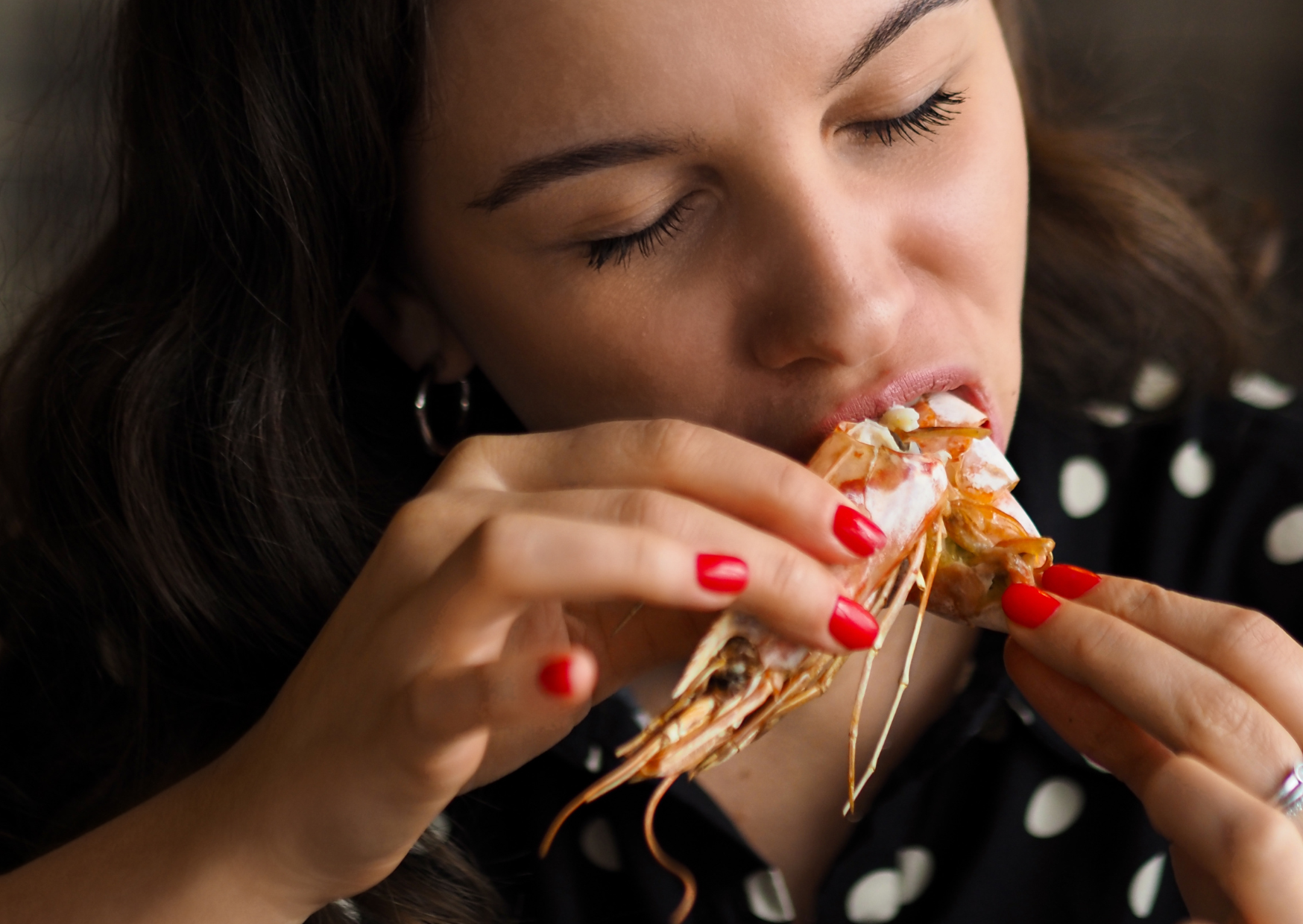
A Spanish day is not a straight 9-to-5 with dinner bolted on at 6:30. It’s a loop: light breakfast, a midmorning bite, long lunch that still anchors the day, a late afternoon merienda for kids and snackers, then cena after the heat and work release their grip. Kitchens align to that loop.
If a dining room tries to do American hours and Spanish quality, it burns cash or staff or both. So most serious restaurants keep the evening kitchen dark until the real flow of guests begins, typically 8:30 to 10:30, peaking around 9:30–10:15. That’s when grills fire, fish is just cut, and the room fills with people who expect a meal to be a whole event, not a refuel.
Key idea: dinner is late not because Spain is lazy, but because lunch is still king and the evening is social. The clock protects that.
2) The Hidden Economics: Staff, Suppliers, And Freshness
Spain’s value-for-money reputation rests on a few quiet principles that early dinners would break.
- Staffing by turns. Many teams work split shifts with a late-afternoon break. Opening a full kitchen at 7 p.m. means paying a third shift or cutting the break, which wrecks margins or morale.
- Fresh fish and market rhythm. Fish arrives with the morning auctions and is portioned for today’s service. Chefs plan yields tightly. Opening early risks waste or drying out mise en place.
- Energy and pace. A half-empty dining room at 7 p.m. and a slammed one at 10 p.m. doubles peak stress. One tight turno keeps quality high and prices sane.
Bottom line: those dreamy €14–€18 menú del día lunches and fairly priced evening menus exist because restaurants run when the math works.
3) “Closed” Doesn’t Mean “Nothing to Eat”
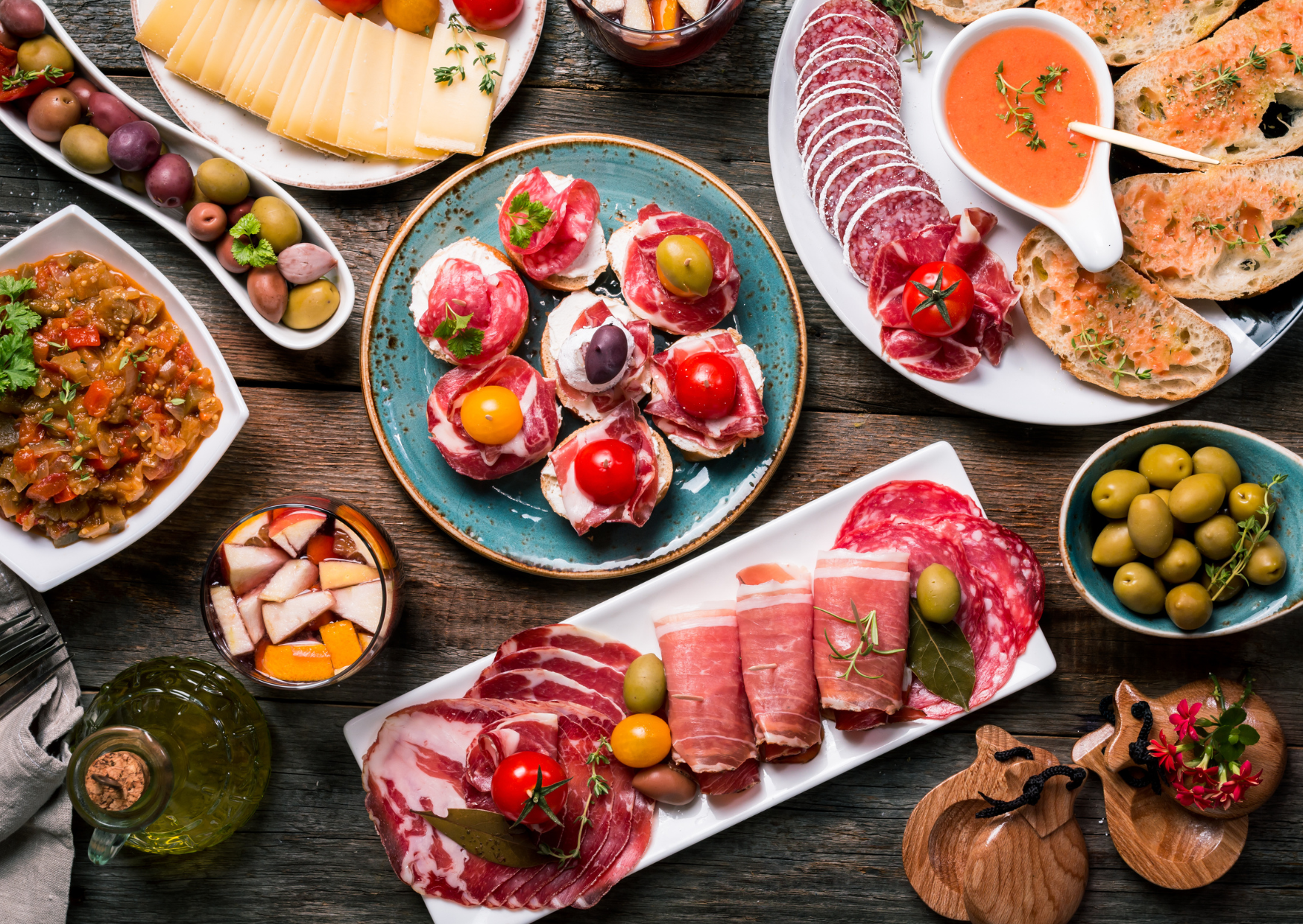
Spain separates restaurants from bars. When you hear “cocina cerrada” in a restaurant at 7 p.m., a bar around the corner may be serving raciones, tostas, ensaladilla, or a tortilla all afternoon. Tapas bars, cafés, and neighborhood spots often run horario continuo with a shorter “non-stop” card.
Look for signs and keywords:
- Cocina abierta / cocina ininterrumpida means some hot food all day.
- Raciones / medias raciones hint at flexible small plates outside peak meal windows.
- Bocadillos / tostas / sándwich mixto are your dependable rescue options.
Pro move: treat 7 p.m. like an aperitivo hour. Have a small cold beer (caña), a vermut, or a sparkling water with a couple of plates, then plan a proper dinner when kitchens open.
4) The Social Code: Meals Are Chapters, Not Pit Stops
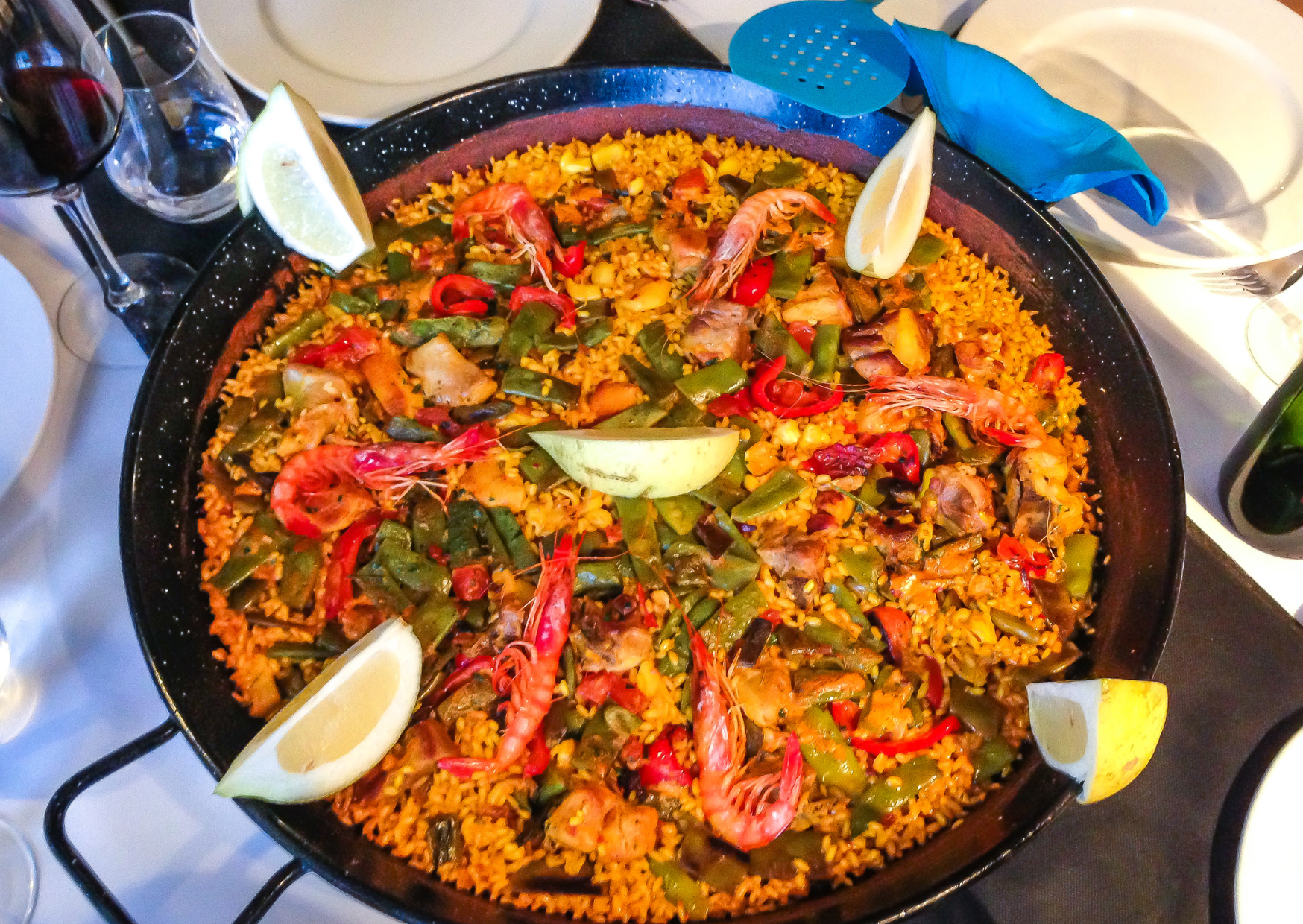
Dinner in Spain is a social appointment, not a solo refuel. The room is built for sobremesa—the after-meal talk that can last a while. For this to work, hosts batch arrivals. If people trickled in from 6:45 to 10:00, you’d get a distracted kitchen and short, cranky service. By opening later, the team synchronizes the dining room.
This is why you’ll sometimes hear, “we can seat you, but the kitchen opens at 8:30.” They aren’t being coy; they’re protecting the cadence that makes service feel calm and generous when the food does start.
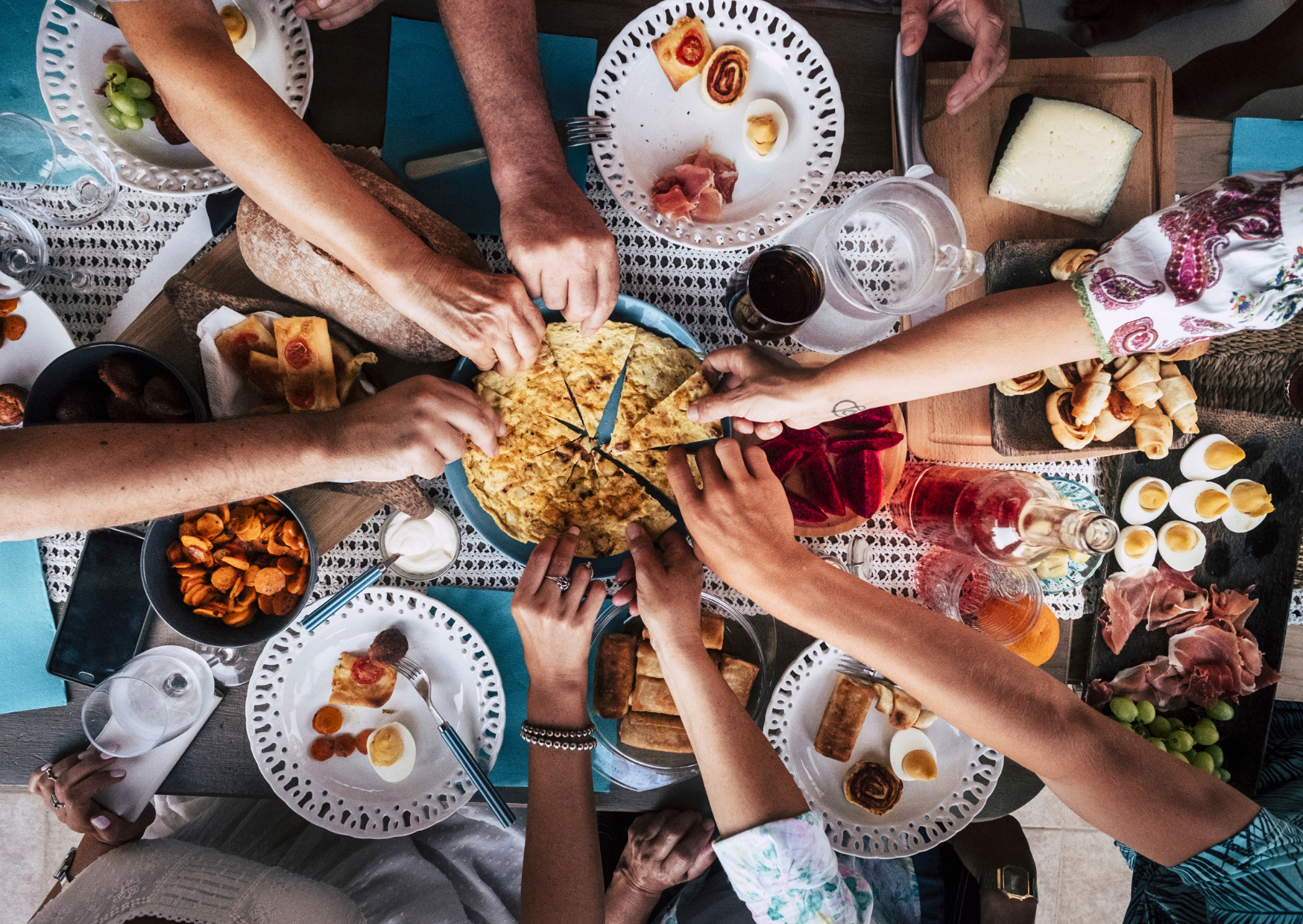
5) Regional Reality Check: It’s Late Almost Everywhere, With Local Quirks
- Madrid and Barcelona: many kitchens open around 8:00–8:30, peak later. Tourist areas will seat earlier, but quality often dips.
- Andalusia: dinner can start even later in warm months. You will always find freidurías and bodegas with all-day bites.
- Basque Country: pintxo bars offer continuous cold and hot options. Formal restaurants still run late dinner turns.
- Valencia and the coast: rice houses are about lunch. At night, seek tapas, seafood bars, and modern bistros after 8:30.
- Smaller towns: many restaurants close one or two nights per week and keep stricter hours. Bars carry you through.
Rule of thumb: the smaller and more traditional the dining room, the more it obeys the classic timetable.
6) You’re Hungry At 7: Do This, Not That
Do this
- Ask, “¿Tenéis cocina continua o algo para picar ahora?” If yes, order two plates and a drink.
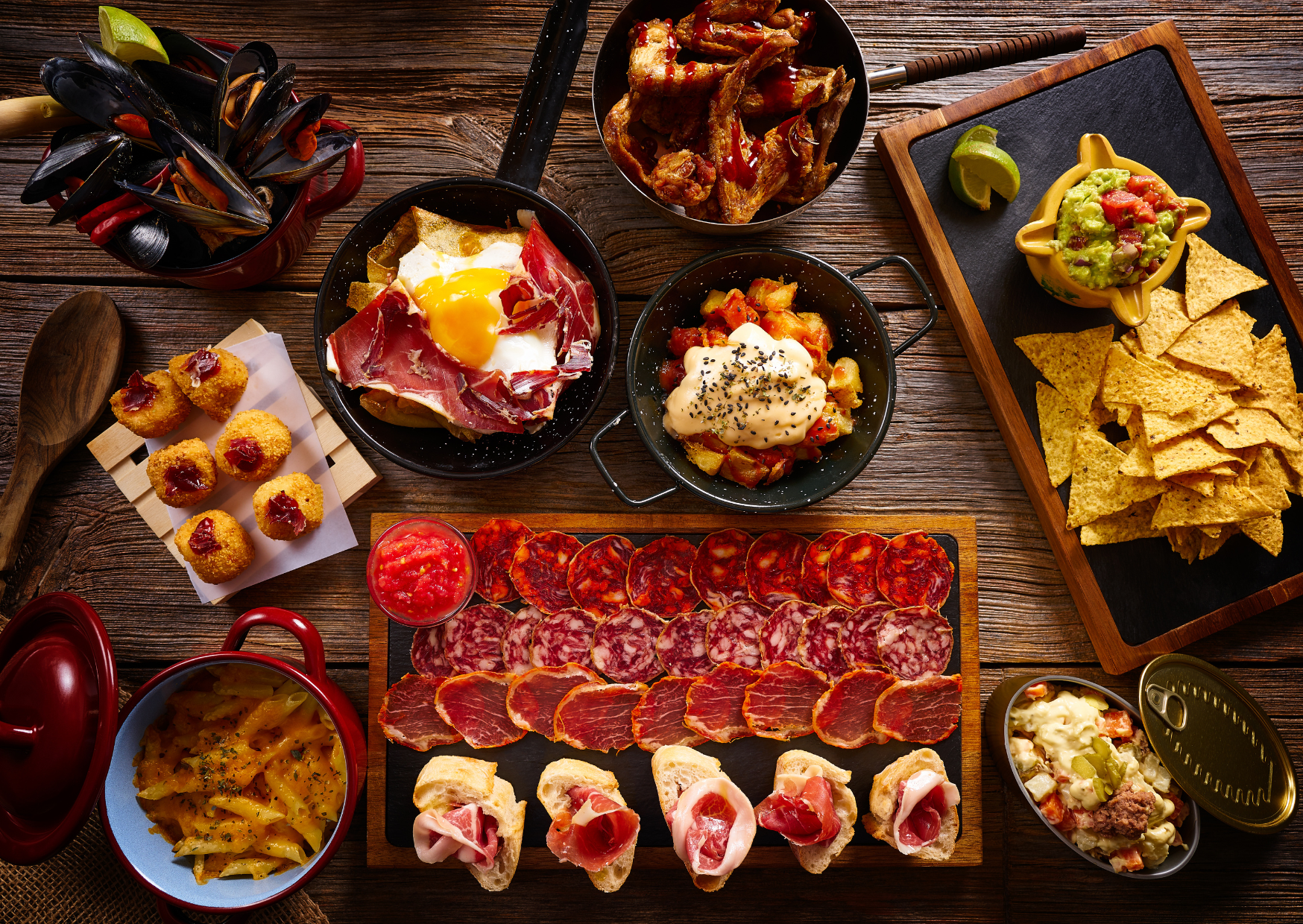
- Aim for a tapería, a bodega, or a cafetería. Order tortilla, ensaladilla rusa, salmorejo/gazpacho, gildas, croquetas, boquerones, jamón, queso, patatas bravas.
- Grab a bocadillo (hot or cold), a tosta with tomato and anchovy, or empanadillas from a bakery that opens late.
Skip this
- Marching into a fine dining room at 7:05 asking for the tasting menu.
- Demanding dinner “because the sign says open” when the bar is open but the kitchen is not.
- Expecting “early bird specials.” Spain doesn’t do that.
Small phrase that saves the night: “¿A qué hora abre la cocina para cenar?” You’ll get an honest answer and can plan a snack-to-dinner glide.
7) Decoding The Signs On The Door
- Horario: look for two blocks, 13:00–16:00 and 20:30–23:30 (approx). Those are the working kitchens.
- Cierra cocina a… tells you last order time. If it says 23:30, last tables might be 22:45–23:00.
- Domingos noche cerrado / Lunes cerrado: common closing times. Don’t plan your only big dinner then.
- Terraza mínima consumición: the terrace may require each guest to order something. Plan accordingly.
Pro move: take a photo of hours when you pass in daylight. You will thank yourself later.
8) The Kid Question: How Do Families Eat So Late?
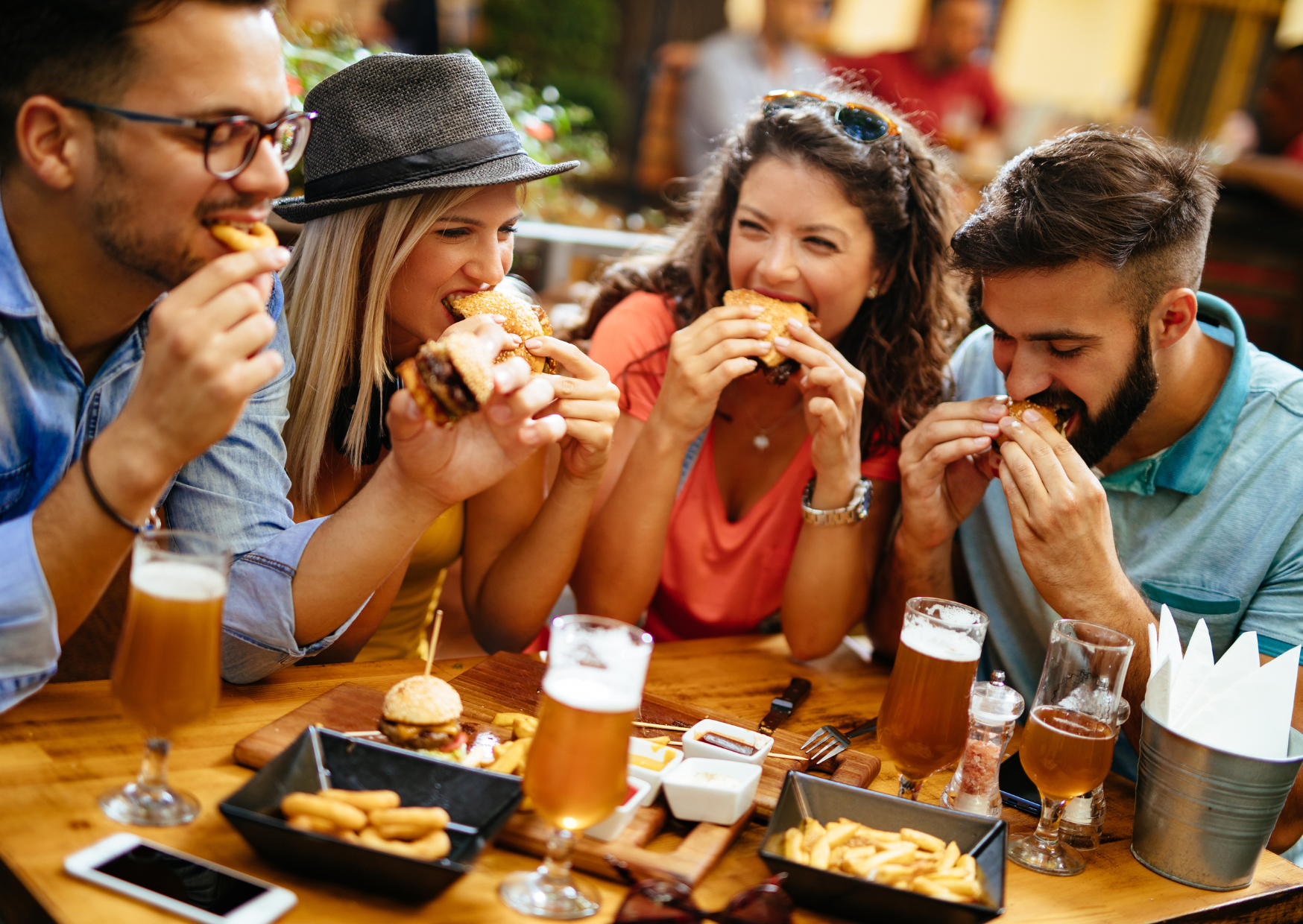
Families stretch the day with merienda around 17:00–18:30: hot chocolate in winter, a small sandwich, fruit, or a pastry. That buys time until a light dinner. Kids in Spain are often out late in summer because heat pushes life later. Restaurants adapt with quick platos combinados, croquettes, simple eggs, or sharing plates.
If you’re traveling with children and need earlier food, lean on continuous-service bars, Italian pizzerias (often more flexible), or hotel restaurants that cater to international hours while you keep one or two proper Spanish dinners later so you experience the real thing.
9) Hotel Restaurants, Food Courts, And Tourist Traps
You can absolutely eat at 7 p.m. inside international hotels and some mall food courts. The trade-off is price or soul. The further you are from the neighborhood bar, the more your dinner will taste like nowhere. If you need an early meal once, do it. If you want Spain, use early hours for aperitivo bites and slide into dinner with the locals.
Good compromise: many modern food halls in big cities run all day with quality vendors. They are not the cheapest option, but you can eat well at 7 p.m. without suffering.
10) Why Your 7 p.m. Reservation Was “Accepted” But Not Really
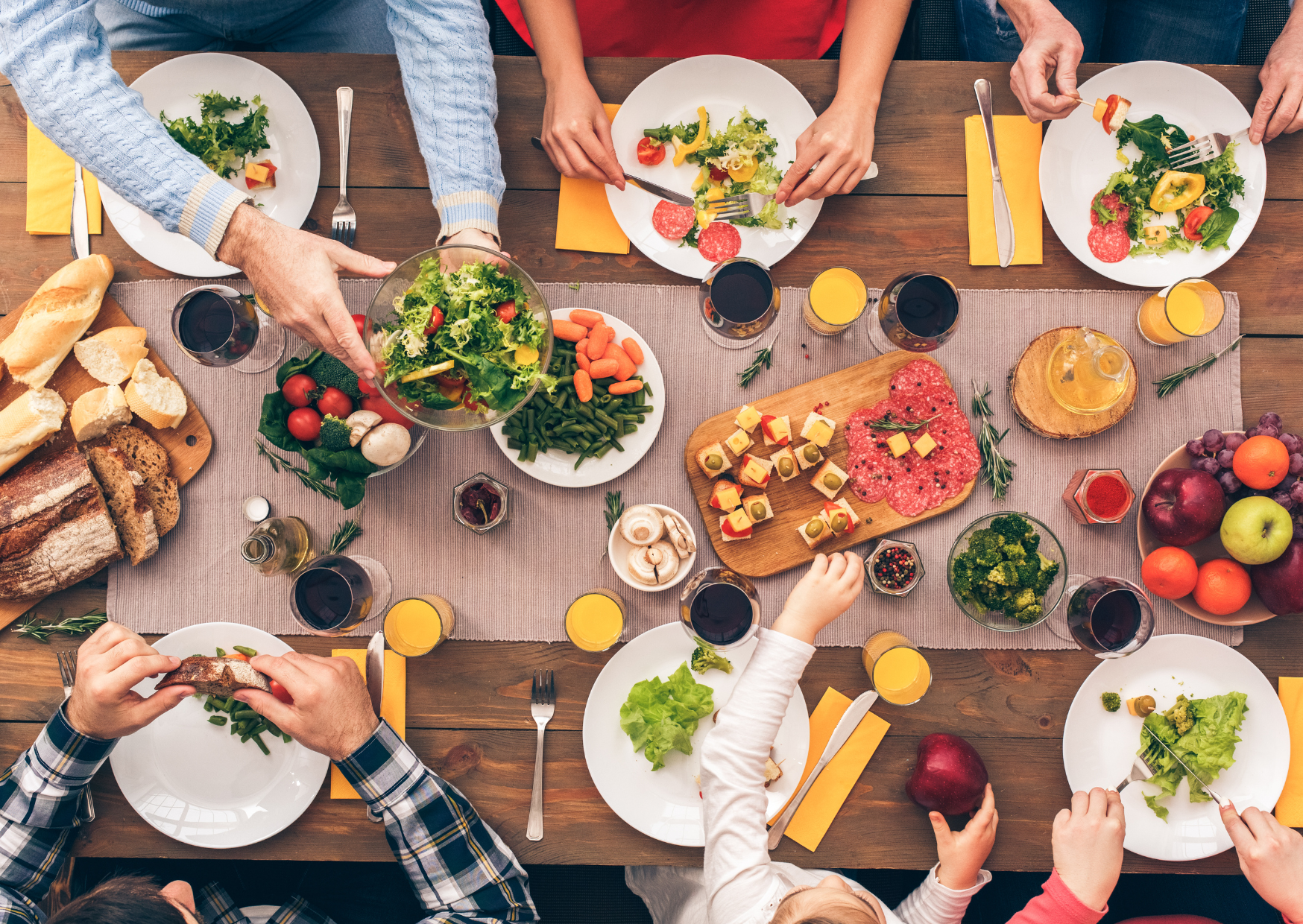
Some online systems list 19:00 slots because the room opens then for drinks. On arrival you’ll be seated, offered water or cocktails, and told the kitchen starts later. This is not a scam. It’s a staging trick to ease the rush at 20:30. If you’re starving, either order a snack from a limited bar card or step out to a bar nearby and return at the real start.
Safer booking window: 20:30–21:30 if you want a full menu and a lively room.
11) Aperitivo Is Your Friend: Learn It, Love It
From roughly 13:00 on weekends and 19:00 nightly, Spaniards prime the evening with a small drink and algo para picar. You can do this anywhere: a vermut de grifo, a caña, a tinto de verano, or sparkling water with olives, chips, or a couple of warm bites. You take the edge off, enjoy the street, and stroll to dinner when the persianas rise and kitchens hum.
Three quick orders that work almost everywhere:
- “Una caña y unas aceitunas, por favor.”
- “Un vermut y una ración de ensaladilla.”
- “Un tinto de verano y una tortilla para compartir.”
Two plates and a drink at 7:15 make 8:45 dinner easy and joyful.
12) The Lunch Anchor Explains Everything
The reason you are still hungry at 7 is often because you ate a tiny lunch at U.S. hours. Do Spain as Spain:
- Menú del día runs about 13:30–16:00: starter, main, bread, and drink for an excellent price.
- A proper lunch fuels you until evening without panic snacking.
- If you must eat work-fast, at least grab a hot plato at a bar at 14:00 and a small merienda later.
Do lunch right and 7 p.m. becomes stroll time, not crisis.
13) Summer And Festivals Push Dinner Even Later
Spain expands in warm months. Sunsets stretch, plazas fill, and kitchens shift later to match heat and habit. In August on the coast, 21:30 is early. During ferias or big matches, plans move around events. If your trip overlaps any festival, assume later dinners and busier bars. Book where you care most, and embrace spontaneity elsewhere.
14) Learn The Phrases That Open Doors
A few lines smooth everything:
- “¿La cocina está abierta ahora?” Is the kitchen actually serving hot food?
- “¿Tenéis algo de carta para picar hasta la cena?” Any small-plate card before dinner?
- “¿A qué hora dais cenas?” When does dinner service really start?
- “¿Podemos reservar para las nueve y media?” Book at 9:30 to hit the sweet spot.
- “¿Una media ración?” Half portion, perfect for a light bridge.
Polite, simple Spanish earns clearer answers and warmer service.
15) Supermarkets, Bakeries, And The 24/7 Mirage
Most supermarkets close between 21:00 and 22:00, earlier on Sundays outside big cities. Convenience shops labeled “chinos” or late-open minimarkets carry basics but not full meals. Bakeries reopen in late afternoon for merienda and close before dinner hours. Plan one home snack in your apartment or room: yogurt, fruit, olives, bread, cured meat, cheese. That tiny buffer turns a late dinner into a pleasure.
16) What Happens If You Do Get A 7 p.m. Dinner
You’ll find it in tourist strips or hotel dining rooms. Plates may be held in warmers longer, fish may be less vibrant, and the room will feel half-asleep. The team will be kind, but you have asked the orchestra to play a matinee when the score is written for evening. If you are tired and need it, no shame. But promise yourself one proper late dinner on a lively terrace. That’s the memory you came for.
17) How To Build A Day That Never Leaves You Hungry
Copy this simple template:
- 08:30–10:00: Coffee and tostada con tomate or pastry.
- 12:30: Fruit or a small bite if you need it.
- 14:00–15:30: Menú del día or a solid hot plate with bread and a glass of water or wine.
- 18:00: Merienda if your lunch was light: yogurt, fruit, a small sandwich, or a sweet.
- 19:30–20:00: Aperitivo with two bites.
- 21:00–22:00: Cena when the kitchen sings.
You will spend less, enjoy more, and feel local by day three.
18) Etiquette That Keeps You In Tune
- Don’t pressure a host to open early. Ask for the bar card or a suggestion nearby.
- Share plates as a bridge. Spain loves to put food in the middle.
- Let the room breathe. If you’re the first seated at 8:20, enjoy the quiet and watch the oleada as locals arrive.
- Tip if you like, but service is included. The best “tip” is patience and please/thank you in Spanish.
Small graces make you feel welcome everywhere.
19) Exceptions That Prove The Rule
- Pintxo routes in San Sebastián and Bilbao serve from the moment doors open, but a formal asador still runs late turns.
- Beach chiringuitos sometimes serve hot food all afternoon and early evening, then pause before night.
- Family-run casas de comidas might close for dinner on weeknights and focus only on lunch.
- Modern bistros in business districts may try earlier weekday dinners, but weekends rebound to classic hours.
When in doubt, call or walk by earlier to verify.
20) The Mindset Shift That Makes Spain Delicious
Stop treating eating as a task on your to-do list. Spain trains you to plan a little, linger a lot, and place meals where they belong in the day. Once you stop fighting the clock, food quality jumps, bills shrink, and the city around you becomes part of the meal: kids on bikes at sunset, neighbors greeting each other, kitchen light spilling onto stone streets.
If you are starving at seven, Spain is not ignoring you. It is inviting you to join the rhythm. Have a small plate, sip something cold, watch the sky change, and walk a block. When the kitchen opens, it will feel like a curtain lifting. Your dinner will taste better because you arrived at the right scene.
One-Page Cheat Sheet
- Dinner service: usually 20:30–23:30. Book 21:00–21:30 for energy.
- Ask for: “¿Cocina continua?” or “¿Algo para picar?” at 7 p.m.
- Order as bridges: tortilla, ensaladilla, croquetas, jamón, tostas, bocadillo.
- Drink lanes: caña, vermut, tinto de verano, agua con gas.
- Lunch right: menú del día 13:30–16:00 sets up the evening.
- Kid strategy: merienda at 17:30, early bite at a bar, proper dinner later once or twice.
- Know closures: Sunday night or Monday often closed, kitchens pause between turnos.
- Mind the words: “carte para picar” means a snack card; “cocina cerrada” means no hot dishes now.
- Enjoy the paseo: a short stroll between snack and dinner keeps you happy and hungry for the main act.
Say yes to the timing and the country will feed you better than any itinerary can. In Spain, the clock is not your enemy. It is the recipe.

About the Author: Ruben, co-founder of Gamintraveler.com since 2014, is a seasoned traveler from Spain who has explored over 100 countries since 2009. Known for his extensive travel adventures across South America, Europe, the US, Australia, New Zealand, Asia, and Africa, Ruben combines his passion for adventurous yet sustainable living with his love for cycling, highlighted by his remarkable 5-month bicycle journey from Spain to Norway. He currently resides in Spain, where he continues sharing his travel experiences with his partner, Rachel, and their son, Han.