
If you want to understand Spain fast, do not start with museum hours or train tickets. Start with the unspoken rules around food and drink. They carry more social voltage than you think, and sometimes more than bare skin on a beach.
I am not telling you that a bartender will gasp if you ask for red wine and Coca-Cola. Plenty of Spaniards have mixed them, especially at student parties or village fiestas. The drink even has a name, kalimotxo in the Basque Country and calimocho elsewhere. What I am telling you is that context is everything in Spain, and this mix telegraphs the wrong message in most adult settings. It violates a set of cultural codes about time, place, and respect for ingredients that run deeper than rules about shirts at the beach.
To a Spanish eye, nudity is not automatically scandalous. Topless sunbathing is common, naturist beaches exist, and bodies are treated as ordinary, not headlines. You can see three generations walking past a nude bather and nobody flinches. Food and drink are different. They live inside traditions that families hold close. They are collective rituals, and if you scramble those rituals in the wrong room, you will get reactions that beach nudity will never earn.
Below is a clear map of why mixing wine with Coca-Cola pushes buttons, when it does not, and what to order instead if you want to blend in without giving up fun. I will also show you how nudity and modesty actually work here so you can feel the contrast and understand what Spain is really strict about.
Want More Deep Dives into Other Cultures?
– 9 Italian Style Rules That Instantly Outshine American Fashion
– Why Europeans Walk Everywhere (And Americans Should Too)
– How Europeans Actually Afford Living in Cities Without Six-Figure Salaries
– 9 ‘Luxury’ Items in America That Europeans Consider Basic Necessities
1) Spain’s Quiet Rule: Bodies Are Ordinary, Food Is Sacred
You can stand on a Mediterranean promenade and watch a grandmother in a swimsuit, a businessman in linen, and a group of teens with towels over shoulders share the same space without drama. Bodies are treated as normal in settings where bodies make sense. The country spends a lot of life outdoors. Sun, sea, and skin are part of the scenery.
Food and drink sit on a different shelf. They belong to place and hour. Coffee has lanes. Vermouth has a window. Wine belongs to meals, not to hydration, and it carries family gravity. It is not simply alcohol, it is agriculture, a landscape poured into a glass. When you pour Coca-Cola into that glass at a restaurant that cares about its wine, you are rejecting the story the place is trying to tell. That reads as disrespect rather than creativity.
The comparison is not between puritanical dress codes and libertine drinking. It is between a nation that relaxed about skin a long time ago and a nation that still guards its culinary rituals like heirlooms. If you want to be graceful, respect the heirloom.
2) The Context Problem: Where Kalimotxo Belongs And Where It Does Not
Kalimotxo has a home. It belongs to botellones in parks, to peñas at village festivals, to student nights, to plastic cups at concerts. It lives in cheap wine and communal laughter. The message there is play, not reverence. It is not about tasting notes, it is about social glue.
Now teleport to a sit-down meal. You have a tablecloth, decent glassware, maybe a chalkboard listing house wines from the region. The menu leans seasonal, the servers know which winery sits 40 minutes away. In that room, wine is part of the conversation with the land. Order a Coke for the table, fine. Order a glass of house red, great. Ask to mix them together and you are telling the room that the house does not know what it is doing with its own products.
Spaniards do not love being told that their traditions need your improvement, especially when the improvement is a global soft drink that erases the local accent. You will not be expelled. You will be judged. The same people who would shrug at a topless sunbather ten meters away will raise an eyebrow at your red-and-black glass.
3) Why This Feels Personal: Wine Is Family, Not Lifestyle
In Spain, food and drink are not hobbies. They are inheritance. The olives in your tapa probably come from a cooperative where three cousins harvest together. The wine by the glass likely has a name your server pronounces because an aunt married into that family. Even in big cities, that chain of meaning survives.
Pouring Coca-Cola into wine is not treated as a chemical sin. It is treated as a signal that you are not listening to the story on the table. People do not get angry because sweetness met tannin. They get prickly because your move said, I refuse the grammar of this meal. Spaniards care about grammar. They care about the sequence of a day. They care about the miniature ceremonies that make a table Spanish. If you blow up the ceremony, it feels ruder than a bare chest on a beach.
4) The Hour Code: Drinks Have Schedules That Matter

Spanish timekeeping is soft and precise at once. Things begin late, yet everything has a lane. These lanes explain why Coca-Cola can sit in a glass at lunch without anyone caring while Coca-Cola in wine will bug people.
- Morning. Coffee with milk, maybe a small pastry or toast with tomato and oil. No alcohol with breakfast. Coke is fine if you want it, though it reads teenage.
- Aperitivo. Late morning weekend or pre-lunch drink. This is vermut hour. You can order beer, vermouth, a white wine, or a tinto de verano. Coca-Cola is a mixer for spirits here or a stand-alone, not a partner for wine.
- Lunch. Wine belongs at the table. So do sparkling waters, maybe a tinto de verano if you want something lighter. Mixing cola with wine on a shaded terrace during lunch with cloth napkins reads discordant.
- Afternoon. Coffee, water, maybe a sweet. Alcohol drops to low volume unless it is weekend social time.
- Evening. Beer, vermouth, wine, sherry, long drinks. You can order a calimocho at a music bar without scandal. Order it at a restaurant with a sommelier and your server will smile through a tiny heartbreak.
The lane logic is not fussy. It is harmonic. Drinks that rhyme with the hour feel right. Drinks that break the rhyme feel like noise.
5) Tinto de Verano vs. Calimocho: Why One Signals Taste And The Other Signals Teen
Visitors often learn sangría, then discover tinto de verano, a lighter mix of red wine with soda water or lemon soda over ice. Tinto de verano is widely accepted at casual bars and terrace lunches. It reads as seasonal and sane. It also lets the wine breathe through a gentle fizz or lemon bite, which Spaniards see as a conversation between equals.
Calimocho is a different message. It reads as party fuel, nostalgia for house parties, village squares, foam coolers, and plastic cups. That nostalgia is not shameful. It just does not travel well into grown-up rooms. If you want a cold red drink at lunch, order tinto de verano. If you want cola and wine, look for a concert, a peña, or a student bar.
6) The Restaurant Lens: What Your Server Hears When You Order
A good server in Spain is a translator between the kitchen and the street. When you ask for calimocho with your lamb chops at a family-run asador, the server hears a few things at once.
- You do not want the flavor path the kitchen planned.
- You do not trust the house red or you want to hide it.
- You do not know the difference between cheap wine and house wine that a restaurant stands behind.
- You want a sweet long drink but chose the most provocative way to get there.
None of these are crimes. Together they add up to low food IQ. The same server would not blink if you asked for a clara (beer with lemon soda) or a vermut with a slice of orange at 1:30, because those are part of the understood vocabulary. Calimocho does not belong to that room’s vocabulary. That is why you feel pushback.
7) Nudity As Non-Issue: How Beaches Teach You Spain’s Real Priorities
Walk a Spanish beach and you will see kids building castles, a grandfather in swim trunks, a woman reading topless, a jogger, and a snack vendor shouting about ice cream. Nobody is performing. Bodies are just bodies. The law and custom separate sexual display from ordinary sunbathing. Towns mark naturist areas. Families avoid what they do not want to see without moral panic.
The non-issue status of nudity in the right place shows you Spain’s mature tolerance. The system trusts people to read the room. That same trust is what you violate when you pour Coke into wine at a restaurant that cares about wine. You have misread the room. The culture forgives exposed skin faster than it forgives careless table behavior, because the table is where manners live.
8) Regional Notes That Complicate The Picture
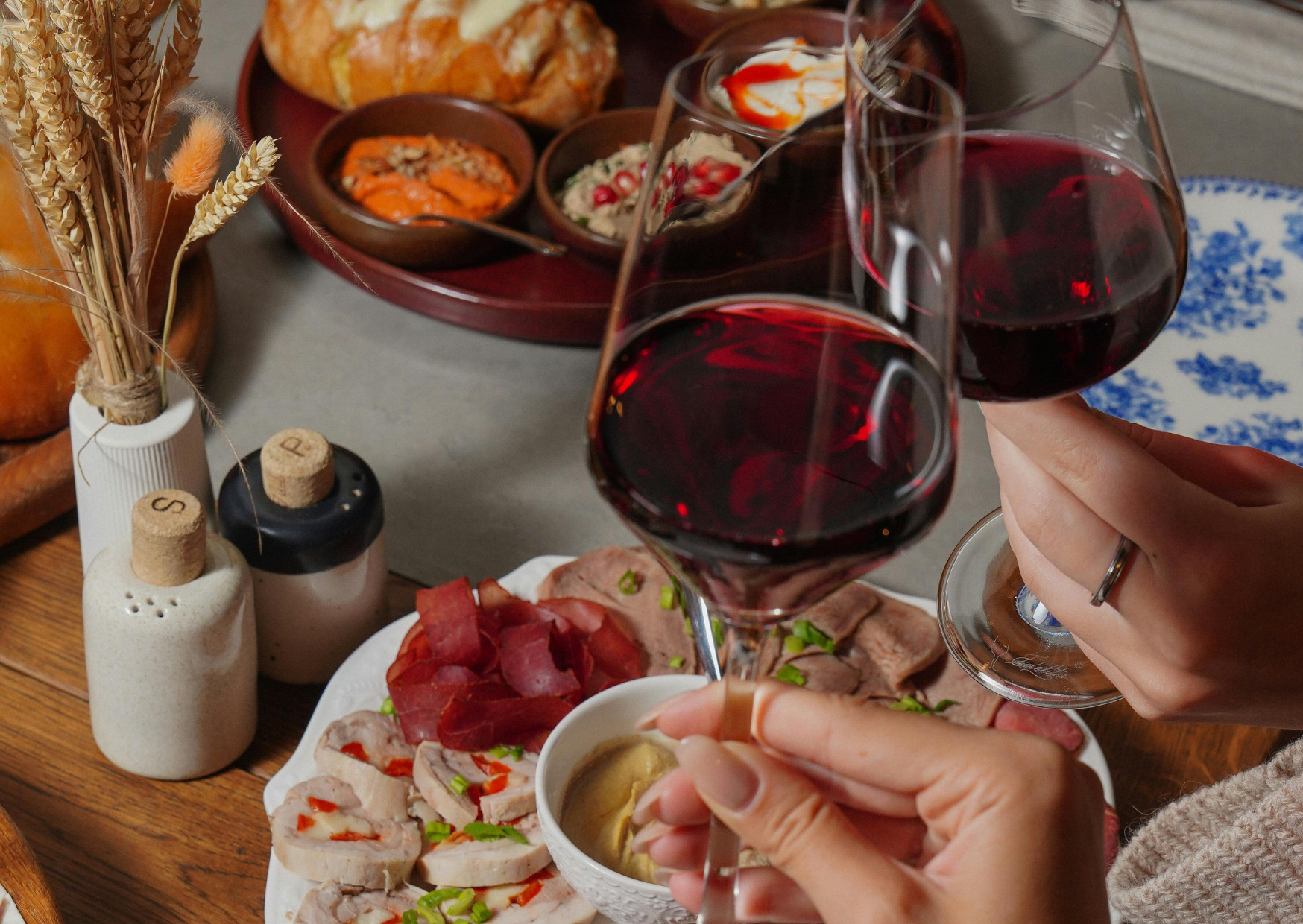
Spain is not a single mood. The Basque Country embraced kalimotxo long ago. Festivals and peñas make it normal in that context. Navarra and parts of Castile will also shrug in party settings. Madrid has bars where nostalgia drinks are part of the fun. Andalusia has its own codes, from rebujito at ferias to cold fino and manzanilla with seafood, and you will look odd if you break those codes at the wrong table.
The rule still holds. Context rules. If you see plastic cups, bands, and paper plates, you are free. If you see glassware that rings like a bell and a chalkboard with vineyard names, you are in church. Do not bring your soda to the altar.
9) What To Order Instead When You Want Something Easy And Cold
Here is your safe menu for almost any hour, built from Spanish habits that make bartenders nod rather than wince. Use it and you will never feel the need to improvise with cola.
- Tinto de verano. Red wine with soda water or lemon soda over ice. Easy, light, daytime friendly.
- Clara. Beer with lemon soda. Absolute classic in hot months.
- Vermut de grifo. Draft vermouth with ice, orange, and an olive. The aperitivo that defines weekends.
- Fino or manzanilla. Bone-dry sherry, cold, perfect with fried fish or olives.
- Caña. Small beer. You can drink more than one without drowning lunch.
- Agua con gas. Sparkling water that says you like your palate alive.
- Blanco joven or rosado. Young white or rosé by the glass where wine is treated with care.
Each of these drinks respects time, temperature, and place. None of them fights the kitchen. You get refreshment without breaking grammar.
10) The Etiquette Cheats That Make You Instantly Less Loud
You do not need to memorize regional laws. A few small habits will keep you elegant anywhere in Spain.
- Read the room. Paper napkins and simple glassware mean relaxed rules. Linen and stemware mean you are on ceremony.
- Ask for the house suggestion. Say, “¿Qué vino ponéis por copas?” You will be offered a wine the house is proud to pour by the glass.
- Keep sweetness in the aperitivo. If you want a sweet long drink, ask for vermouth or a clara at 1:00, not a dessert-coded mix at 2:30.
- Respect the sequence. Drinks help you arrive at the meal. They are not the main event unless you are in a bar whose entire point is drinks.
- Move to the right place for party drinks. If you truly crave calimocho, ask for it at a music bar, a student hangout, or a fiesta where plastic cups tell you you are safe.
These small moves say, I am listening. Spaniards reward listeners.
11) Why Americans Get This Wrong And How To Fix It Fast
Americans often treat menus like personal creative prompts. Hold this, add that, swap this, extra sauce, and while we are at it, reinvent the cocktail. Spain tolerates some edits for allergies and children. It resists performative personalization. The kitchen has a plan, the bar has a plan, and your job is to join the plan.
If you crave novelty, Spain gives it to you through place and season, not through customization. You get a stew that only appears in February, a fried fish that only makes sense in Cádiz, a tomato that only tastes like that in August. That variety scratches the same itch novelty seekers have, without breaking the room’s rules.
Fixing the mistake is simple. For one week, order as written. Ask for the house wine by the glass. Choose tinto de verano instead of thinking of hacks. Watch how the table responds. You will hear contented silence after the first bite, which is the Spanish approval stamp. The food will taste better because you stopped fighting the choreography.
12) The Deeper Lesson: Spain Polices Disrespect, Not Skin

The headline is a tease, but the pattern is true. Spain is relaxed about bodies where bodies belong. Spain is strict about rituals where rituals belong. Pouring Coca-Cola into wine in a restaurant that cares about wine is not offensive because of chemistry. It is offensive because it breaks the shared language of the meal. You told the table you do not believe in what they believe in, and you told it loudly with a global brand that tastes like nowhere and everywhere at once.
Here is the tight summary you can carry in your pocket.
- Nudity is ordinary in ordinary body spaces. Beaches, changing rooms, summer streets with less fabric than you are used to. Nobody cares if you are not making it a show.
- Food and drink are sacred in their own modest way. You can laugh and you can be messy, but you cannot be careless. Do not turn a room’s house wine into an adult soda unless the room is already a party.
- Context wins. The same calimocho that makes sense in a plastic cup at midnight looks childish at 2:30 at a bodega that writes vineyard names on the wall.
- Spain wants you present. Drinks and dishes are ways to be there with others. The ritual belongs to we, not I.
If you want to be loved in Spain, learn three phrases and one drink order. Say por favor before you ask. Say gracias even when the thing is small. Say buen provecho when you pass someone eating. Order a tinto de verano when the sun is high and a vermut when Saturday pretends to be Sunday. When dinner comes, look at your people more than your phone. The room will feel that you get it.
And if the party rolls and someone hands you a plastic cup with red and cola at two in the morning with a song in the air, you can smile, say salud, and take a sip that tastes like Spain’s unruly corner. You are in the right place and the right hour. The same drink that looked offensive at lunch now reads as belonging. That is the whole story. In Spain, time and place are the recipe. Respect them and you can have almost anything. Ignore them and even a simple drink becomes louder than nudity on the shore.

About the Author: Ruben, co-founder of Gamintraveler.com since 2014, is a seasoned traveler from Spain who has explored over 100 countries since 2009. Known for his extensive travel adventures across South America, Europe, the US, Australia, New Zealand, Asia, and Africa, Ruben combines his passion for adventurous yet sustainable living with his love for cycling, highlighted by his remarkable 5-month bicycle journey from Spain to Norway. He currently resides in Spain, where he continues sharing his travel experiences with his partner, Rachel, and their son, Han.