
And what it reveals about body comfort, cultural expectation, and how public exposure is interpreted differently on either side of the Atlantic
Traveling Americans often assume that public pools abroad will look, feel, and function like the ones they grew up with: chlorine, lifeguards, modesty rules, and layers of unspoken behavioral guidelines. But then they go to a pool in Germany. Or Austria. Or Finland. Or even certain family-friendly spa complexes in Spain or France.
And they see it — a man walking from the locker room without a towel. A topless woman sunbathing by the water. Children laughing beside fully naked adults in mixed-gender changing rooms. Entire families stepping into communal showers together without hesitation or shame.
To many Americans, this experience is disorienting. At best, awkward. At worst, traumatizing — especially when nudity appears where modesty was assumed.
But for Europeans, these moments don’t register as shocking at all. They’re part of a long-standing cultural comfort with the human body. Not just in theory — but in practice.
Here’s why the nudity rules at European pools leave American visitors stunned — and what they reveal about two entirely different ideas of the body, public space, and what it means to feel at ease.
Want More Deep Dives into Everyday European Culture?
– Why Europeans Walk Everywhere (And Americans Should Too)
– How Europeans Actually Afford Living in Cities Without Six-Figure Salaries
– 9 ‘Luxury’ Items in America That Europeans Consider Basic Necessities
Quick Easy Tips
Before booking, research the hotel or resort’s poolside and spa policies to know what to expect.
If nudity makes you uncomfortable, choose accommodations or destinations where modesty rules align more closely with your comfort level.
Keep an open mind—understanding cultural differences doesn’t mean you need to adopt them, but respecting them avoids awkward encounters.
One of the most striking cultural divides between Europeans and Americans appears at hotel pools, beaches, and spas. In much of Europe, topless sunbathing or partial nudity is widely accepted, even in family-friendly spaces. For Europeans, this is considered natural and tied to a long tradition of body acceptance. Yet for many American tourists, the sight can feel shocking, even inappropriate, because of stricter cultural norms around modesty.
The controversy deepens when families are involved. European parents often see no issue with children being present around nudity, believing it fosters healthier body image and less shame. Americans, however, tend to view this exposure as problematic, sometimes even equating it to indecency. This clash of perspectives often sparks heated discussions online and in travel forums.
Another layer of debate comes from tourism itself. Some argue that visitors should adapt to local norms and accept nudity as part of European culture. Others believe hotels and resorts catering to international guests should set clearer boundaries to avoid offending those unfamiliar with the practice. The balance between cultural authenticity and global hospitality remains a contentious issue.
1. Communal Changing Rooms Are the Norm — Not the Exception

In much of the U.S., locker rooms are separated by gender and fitted with private stalls. Changing in public, even among the same gender, is often minimized or avoided.
In many European countries, especially Germany, the Netherlands, and Nordic nations, shared changing areas are common — and not always gender-separated.
Families undress together. Children run around half-naked. Adults change clothes openly and efficiently, without commentary or discomfort.
To Americans, this feels overly exposed — even risky. To Europeans, it’s logistically efficient and emotionally neutral.
2. Showering Naked Before Swimming Is Mandatory
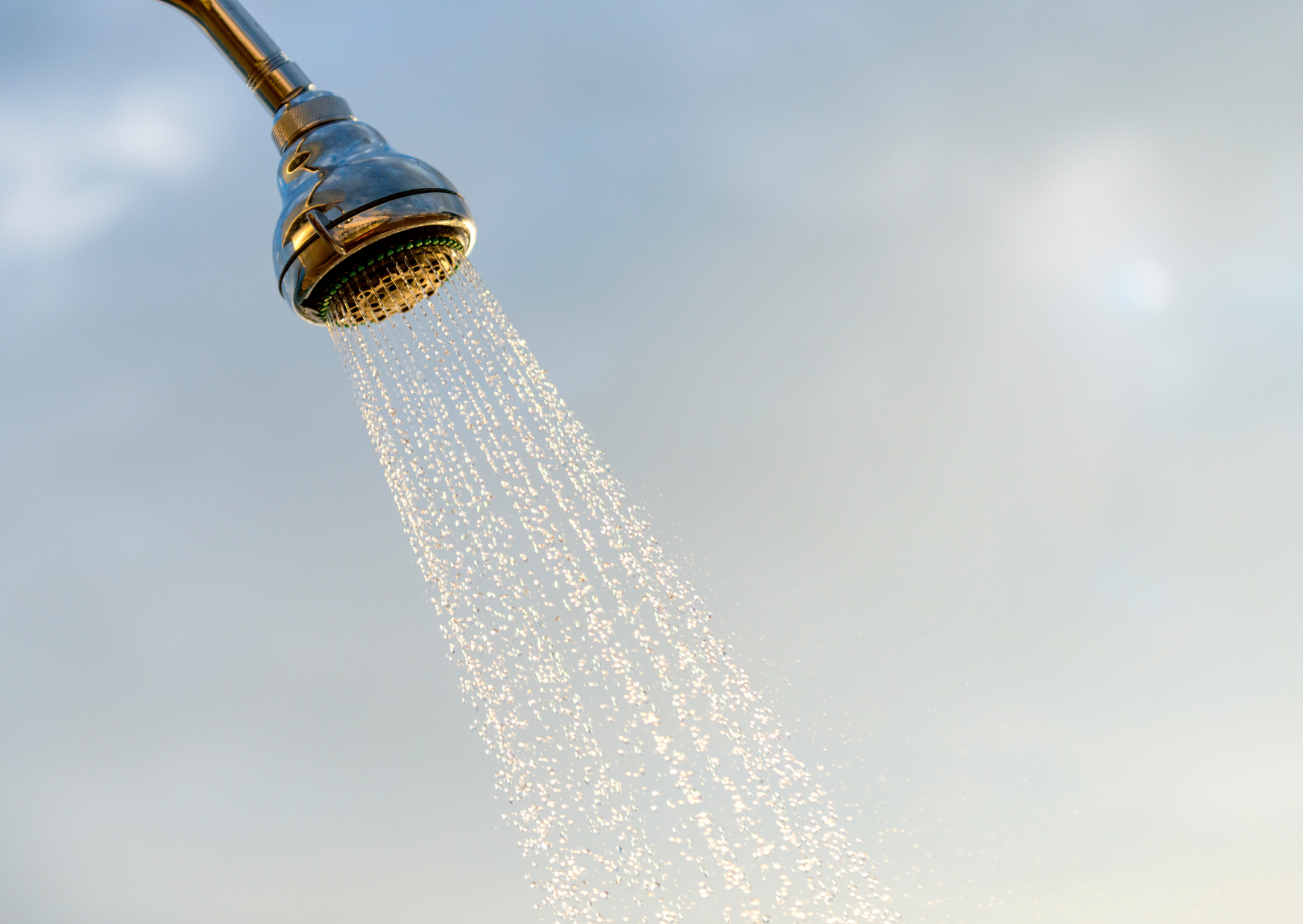
In the U.S., pre-swim showers are suggested — but rarely enforced. People rinse in swimsuits or skip the ritual altogether.
In European pools, showering naked is non-negotiable.
Signs at the entrance explain the requirement. Locals line up for communal shower areas, remove all clothing, and wash thoroughly before entering the pool.
Staff may even monitor compliance — and speak up if someone tries to cheat the process.
This isn’t about exhibitionism. It’s about hygiene. The idea is: Don’t bring your daily bacteria into shared water.
Americans interpret nudity as a spectacle. Europeans see it as functional sanitation.
3. Swimwear Expectations Are Stricter Than They Appear

At first glance, European pools may seem more relaxed. Topless sunbathers. Men in tight swim briefs. Children in nothing at all.
But the rules are often clearer — and stricter — than in the U.S.
Baggy board shorts? Often banned. Swim shirts? Sometimes not allowed. Underwear under swim trunks? Absolutely not.
Why? Because those materials bring more bacteria into the water, dry slowly, and are harder to keep clean.
In other words, Europeans allow more skin, but accept fewer fabric exceptions.
4. Nudity Is Normalized for Children — and Treated as Innocent
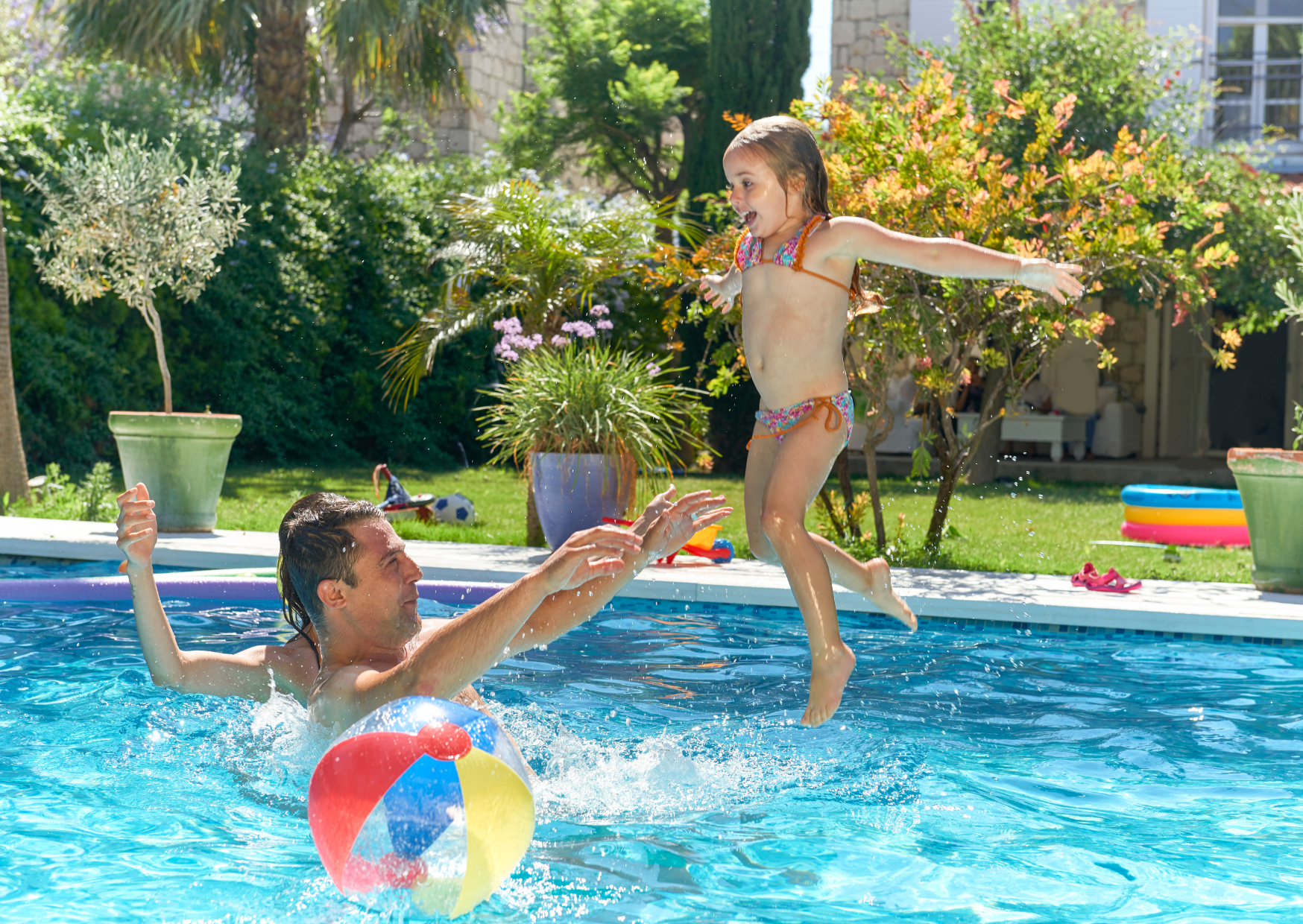
In American parenting culture, modesty is introduced early. Children wear swimsuits at all times, even toddlers. Public changing is avoided. Nudity is associated with vulnerability — or impropriety.
In Europe, especially on the beach or at family-friendly pools, young children are often nude, or wearing just bottoms.
Parents don’t rush to cover them. Strangers don’t react. Lifeguards don’t intervene.
The body, in its early years, is not something to hide — it’s something to live in.
This mindset helps children grow up with less body shame and fewer taboos around normal exposure.
5. Sauna and Spa Areas May Be Completely Nude — Coed or Not
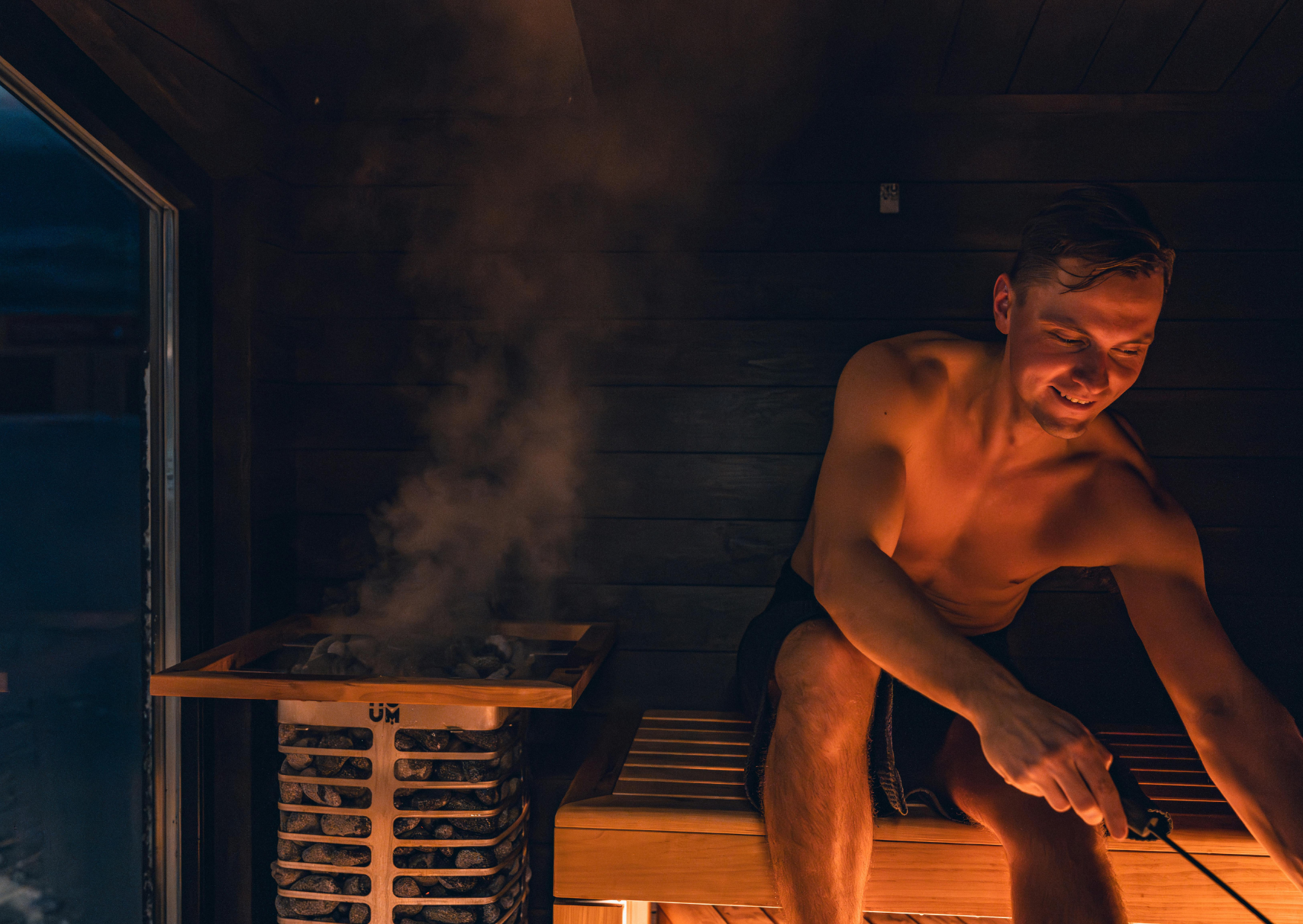
In Germany, Austria, Switzerland, and parts of Scandinavia, many pools are attached to spa complexes where nudity is either optional or required.
This often includes mixed-gender saunas, whirlpools, and rest areas where people are fully nude — sitting on towels, chatting, reading, or resting.
To Americans, this feels like a breach of social norms. Where are the bathing suits? Where are the gender signs?
But for Europeans, the absence of clothing creates equality. You’re not your outfit. You’re just another body, present and unbothered.
6. Modesty Doesn’t Equal Morality
In the U.S., modesty is often tied to respect. Covering up is seen as polite. Nudity, even in functional contexts, can feel like a moral question.
In Europe, modesty is contextual, not moral.
Being naked in a poolside shower is hygienic. Being topless on a beach is comfortable. Changing out of wet trunks in public is practical. None of it implies shame — or pride.
It’s just part of being in a shared space where bodies exist.
7. No One Looks — Because No One’s Shocked

One of the most common American reactions to nudity is to look — or pretend not to look. To process. To compare. To figure out how to respond.
In European pool culture, no one stares. No one is scandalized.
Why? Because they’ve seen it all before.
When you grow up swimming nude as a toddler, changing next to strangers at twelve, and bathing beside opposite-gender peers without incident, nudity loses its shock value.
It becomes background. Not performance.
8. Tourists Often Get It Wrong — and Locals Are Patient
American travelers frequently ignore signage, wear inappropriate swimwear, or panic when asked to shower nude.
Locals rarely react with hostility. There’s an unspoken tolerance for cultural missteps — but also clear expectations.
You may be gently corrected. You may be given a flyer. You may be offered a towel or a suggestion.
What’s not offered? Space to debate the rule.
You’re in a public, shared space — and you’re expected to adapt to it, not the other way around.
9. The Real Comfort Is in What’s Not Sexualized
Ultimately, the biggest cultural difference isn’t about exposure. It’s about interpretation.
Americans often assume nudity must mean sex, shame, or spectacle. Europeans assume nudity means nothing at all — unless context makes it otherwise.
Bodies are just bodies. Poolside nudity is not erotic, not provocative, and not even interesting unless you make it so.
That cultural maturity around the body makes it easier to coexist — without fear, guilt, or overreaction.
One Towel, Two Perspectives
To Americans, European pool nudity feels chaotic. Unsafe. Inappropriate.
To Europeans, American modesty feels excessive. Distrustful. Performative.
In the U.S., the body must be justified to be shown.
In Europe, the body must be justified to be hidden — at least in places where hygiene, health, or comfort make exposure the simpler option.
So if you find yourself standing at the edge of a European shower, towel clutched, unsure whether to follow the norm — pause.
You’re not being asked to expose yourself.
You’re being asked to relax about what bodies are — and are not — in spaces meant to hold them.
Poolside nudity in Europe isn’t about shock value—it’s about cultural attitudes toward the human body. Where Americans may see something scandalous, Europeans see normalcy rooted in a more relaxed relationship with appearance and modesty.
These differences highlight the importance of cultural awareness when traveling. What feels unusual or inappropriate in one country might be considered completely ordinary in another. Travel becomes richer when we approach such moments with curiosity instead of judgment.
Ultimately, the poolside nudity rule serves as a reminder that the world doesn’t share a single definition of decency. For American travelers, learning to navigate these cultural differences with respect—and maybe even humor—turns an uncomfortable surprise into a memorable part of the journey.

About the Author: Ruben, co-founder of Gamintraveler.com since 2014, is a seasoned traveler from Spain who has explored over 100 countries since 2009. Known for his extensive travel adventures across South America, Europe, the US, Australia, New Zealand, Asia, and Africa, Ruben combines his passion for adventurous yet sustainable living with his love for cycling, highlighted by his remarkable 5-month bicycle journey from Spain to Norway. He currently resides in Spain, where he continues sharing his travel experiences with his partner, Rachel, and their son, Han.