
Imagine waking up and knowing the day will open slowly, crest late, and close with neighbors in the street rather than fluorescent light at a big box store. That rhythm, more than any hack, changed the temperature of my mind.
I arrived with a calendar that ran like a treadmill. Early emails, fast coffee, quick lunch at my desk, and a long tail of evening errands that never seemed to end. Madrid did not argue with me, it simply kept different hours. The city opened one eye in the morning, stretched at lunch, and pulsed at night.
At first I called it inefficient because it did not match my habits. Then my body started to notice the absence of hurry in places where I expected hurry, and the presence of energy where I expected collapse. I kept a small notebook and counted the moments when I felt pressure. By the end of the first month, the number had dropped by half.
Three months later, the schedule had retrained me. The cure was not a gadget. It was the clock, the street, and the table. The way people in Spain shape a day leaves less room for low grade panic and more room for attention. Here is what shifted, and how you can borrow it even if you never move.
Want More Deep Dives into Other Cultures?
– 9 Italian Style Rules That Instantly Outshine American Fashion
– Why Europeans Walk Everywhere (And Americans Should Too)
– How Europeans Actually Afford Living in Cities Without Six-Figure Salaries
– 9 ‘Luxury’ Items in America That Europeans Consider Basic Necessities
1) The First Week Shock: Time Moves Sideways, Not Forward
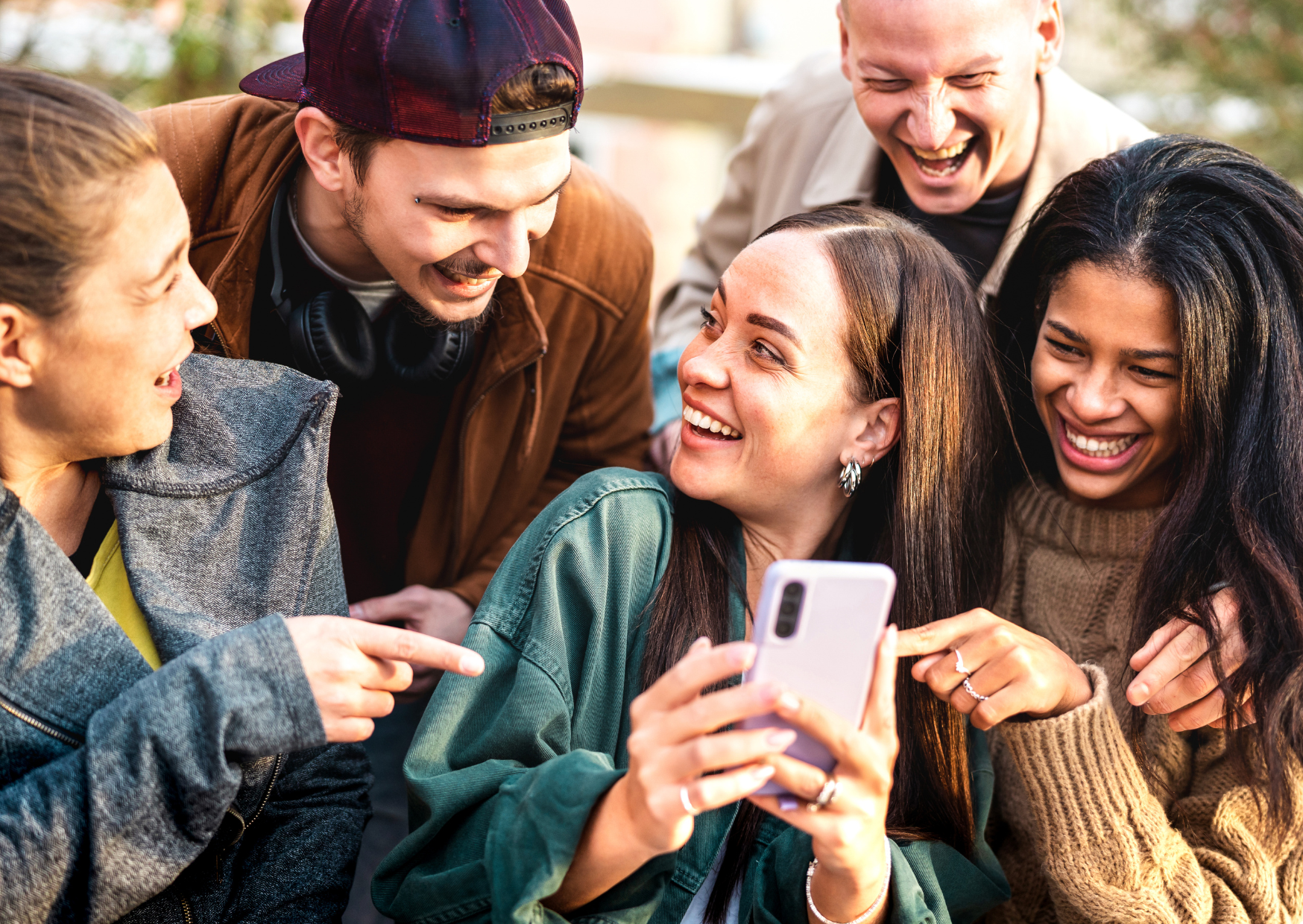
The Spanish day does not march in a straight line, it loops. Morning is gentle, lunch is the hinge, evening is the theater. When you expect a straight climb from nine to five, this sideways motion feels confusing. You learn quickly that shops pause, cafes hum, and bureaucratic windows have their own logic. The first shock is not delay, it is permission to pause, written into the city itself.
My American brain interpreted every pause as lost ground. If a bakery closed mid afternoon, I felt behind. If a pharmacy reopened later, I felt blocked. Then I watched the people who lived here. They did not fight the loop, they rode it. They planned groceries in the morning, meetings near midday, and friends after nine. The loop became a map rather than a problem, and that shift alone lowered my pulse.
Sideways time asks for intention. When the middle of the day is wide, you cannot outrun it with busywork. You either rest, walk, or sit with someone. The choice felt indulgent at first, then it felt normal. Anxiety hates idle time that is accidental, but it relaxes into intentional rest. The schedule turned pauses into appointments with my own mind.
What surprised me most was how quickly my focus sharpened when I accepted the rhythm. A two hour stretch of deep work in the morning with no social media, a long lunch without a screen, and a high energy evening block produced more output than the old twelve hour marathon. The day stopped leaking. The pattern carried me, not the clock app.
2) Lunch At Two, Calm By Four: How A Long Midday Reset Shrinks Stress Hormones

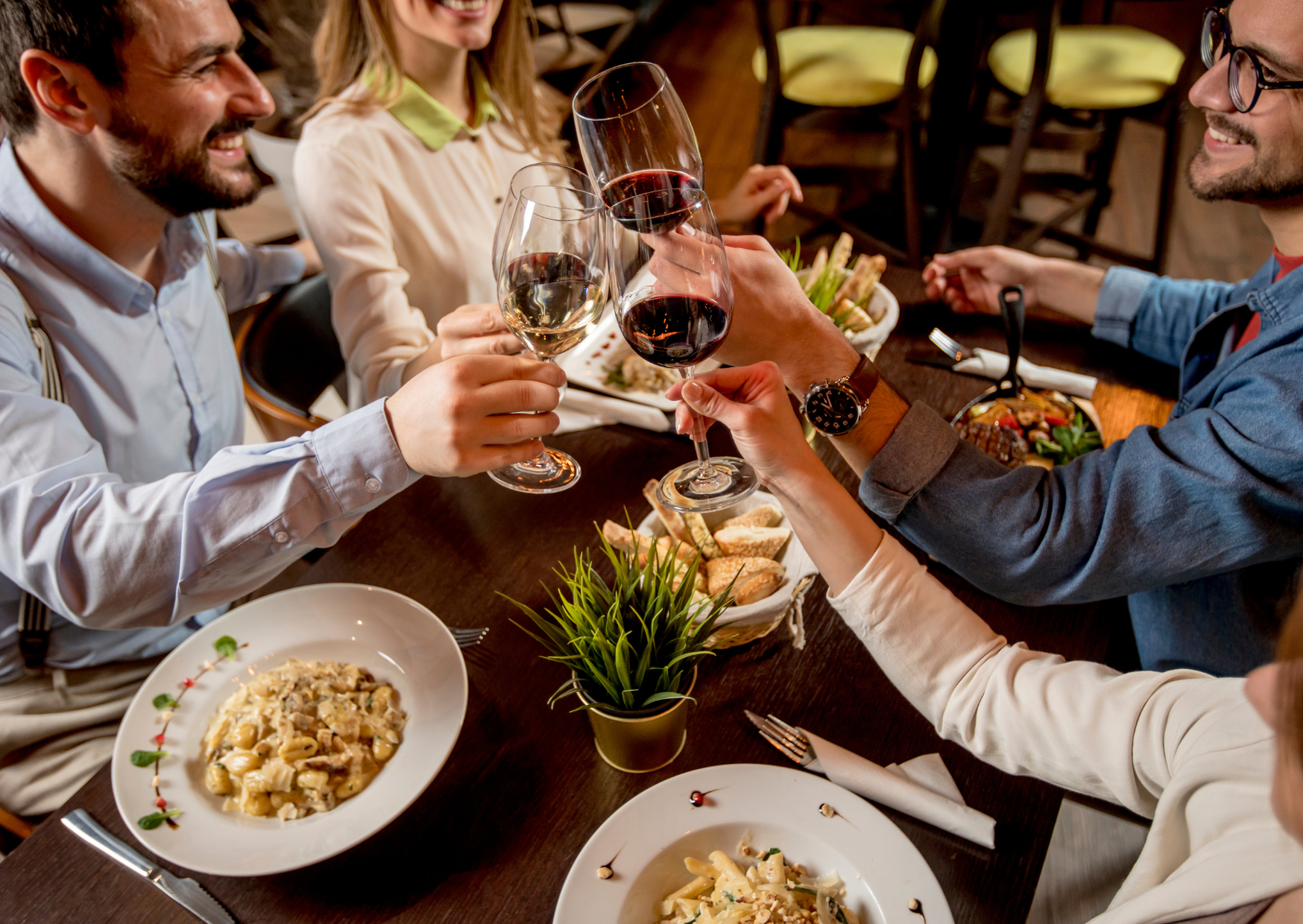
Lunch is not a transaction, it is a reset. At two, the city exhales. The long table, the shared dishes, and the unhurried sobremesa do something that no supplement ever did for my nervous system. Food is warm, conversation is slow, and the body gets the signal that danger has left the room. By four, I felt calmer than I had in years.
The key is the separation. Lunch does not sit next to a laptop, it sits next to people. Phones appear, then vanish. You taste oil and tomato and salt, then you talk about nothing urgent. This is not a vacation habit, it is the weekday habit. When the main meal carries attention, your afternoon stops running on fumes. My caffeine dropped without effort because I no longer needed to stun myself alert.
Physiology followed the ritual. I did not measure cortisol with a lab kit, I measured it with noise in my head. The noise faded on days when I honored the long meal. On days when I tried to crush an American lunch, the noise came back. The lesson was embarrassingly simple. A real meal is medicine when it lands in the middle of the day, and medicine works best when taken on time.
The long lunch creates room for the micro nap or the quiet hour, even if you never close your eyes. I started a habit of opening a book on a bench for twenty minutes before returning to work. That pause felt luxurious and entirely practical. My afternoon meetings were better, my temper was softer, and my evening was still alive. Anxiety, which feeds on continuous motion, lost a feeding ground.
3) Evening Energy, Morning Ease: Rewriting The Daily Peak
In the United States, morning is the hero and evening is a scramble. Here, the peak shifts later. I learned to keep mornings light and consistent, with simple tasks and a short walk. Pressure came off the first hours of the day. Instead of sprinting from bed to inbox, I brewed coffee, opened the window, and let the city wake up with me. The feeling was soft, not sluggish.
Evenings carried the social load. Classes met at seven, friends gathered at nine, dinner finished near eleven. The first week I clung to my old bedtime and felt like an outsider. By week two I realized the later peak made sense. After the long lunch, the body returns to work without bitterness, and after work the streets fill with people who still have energy. The night is not a grind, it is a reward loop.
The later peak changed my self talk. If I had a slow morning, I no longer called the day a loss. If I needed an errand, I could run it after sunset without suspicion. Life was happening when I was available to enjoy it. Anxiety loves early deadlines and silent evenings. It loses power when the neighborhood is humming and you are on a bench watching kids chase a ball.
Importantly, the later peak did not ruin sleep. It improved it. I ate heavier at midday and lighter at night, moved more after sunset, and walked home. Screens felt less urgent because the street offered better light. I fell asleep with a tired body and a quiet mind. The ratio of movement to rumination flipped, and that alone was worth the plane ticket.
4) Weekends Without Errands: The Power Of Closure And The Paseo
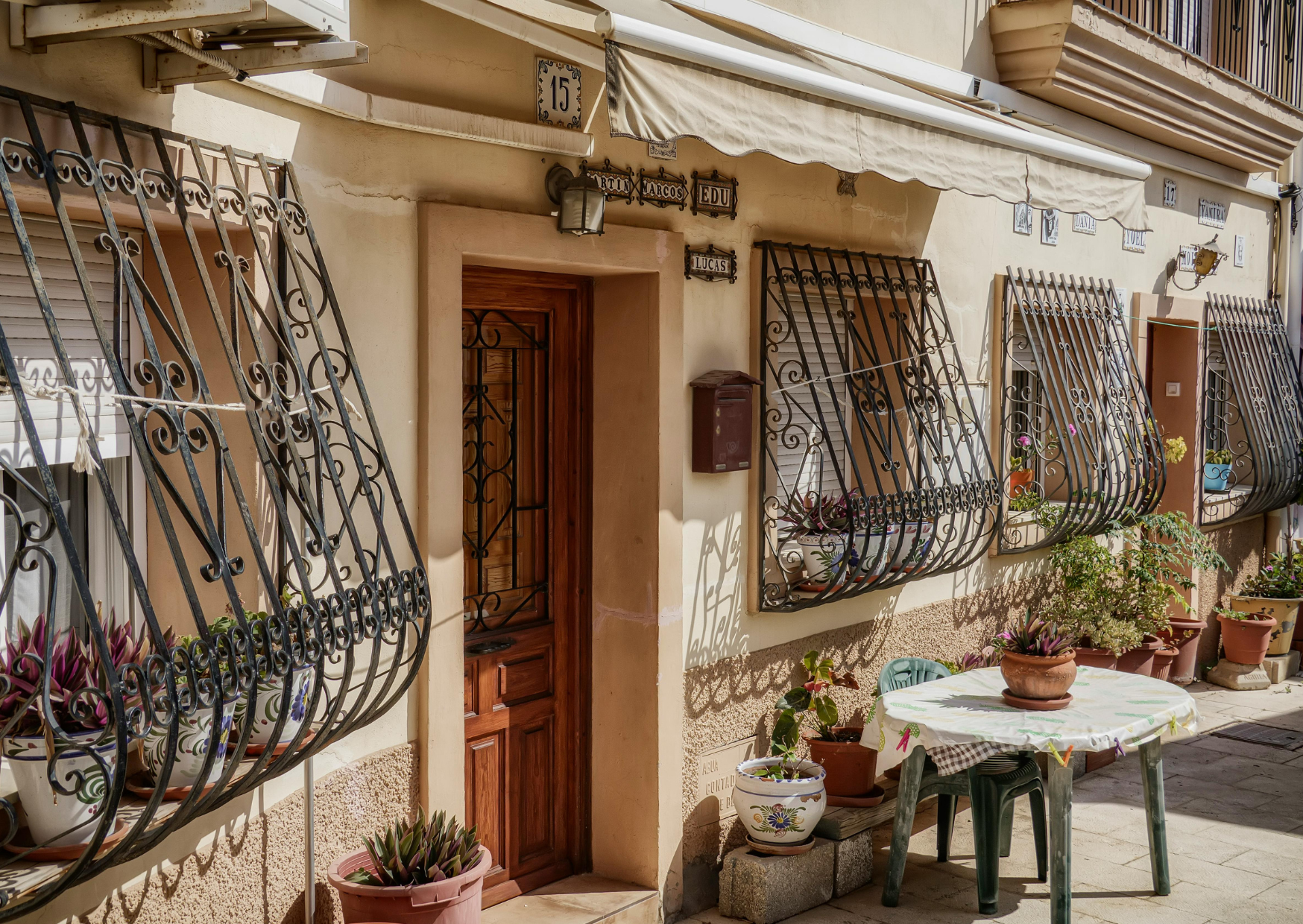
Saturday used to be my catch up day. Laundry, groceries, returns, and a long list of tiny tasks. In Spain, the calendar pushed those into the week. Closure matters here. When doors close, they close, and you learn to respect the finish line. Errands stopped invading the only days that were meant for rest. The absence of retail late hours did not punish me, it protected me.
That protection freed the weekend for the paseo, the evening stroll that is both exercise and social glue. I did not think I needed a walk at eight, then I took one, and now I cannot imagine living without it. Couples, grandparents, toddlers with scooters, everyone out, everyone slow. You burn stress without trying, and you gather small stories that make your week feel human.
Without errands, Saturday mornings became long coffees and books. Without a grocery run at eight on Sunday, I read the paper and cooked something simple. My mind stopped tallying unfinished business because there was less unfinished business. The to do list shrank inside the weekdays where it belonged. Anxiety thrives on open loops. Closure starves it.
The weekend became a rhythm rather than a project, and that rhythm fed back into the week. I looked forward to rest because rest was not another job. When Monday arrived, I had more to give. The city had trained me to put certain tasks back into business hours, and though I complained at first, I am grateful now. Boundaries did not make life smaller, they made it breathable.
5) Boundaries You Can Feel: Work, WhatsApp, And The Social Clock
Spanish social life is abundant, and that abundance is structured. Group chats are lively, dinners are long, and replies are not instant during work hours. The social clock has lanes. Friends text about plans at eleven in the morning, not at six when everyone is with family, unless there is an actual plan that night. Work chats pause during lunch because everyone knows lunch is a real thing.
That structure unknots a specific American anxiety, the fear that you must be ready for everyone all the time. Here, you are ready when the lane opens. You are permitted to be unreachable during the midday reset and permitted to be more available after dusk. I told my clients and students my window, and they accepted it because the window matched the city. Expectations calibrated themselves.
WhatsApp became less of a trap and more of a calendar. I learned to set notices for the late afternoon, write a short answer, and then enjoy the street. The compulsive checking dissolved. When everyone around you honors the same rhythm, you are not the odd one out for stepping away. Anxiety drops when you feel aligned with your environment rather than in constant negotiation with it.
Boundaries also extend to noise. Music spills from bars, kids squeal in plazas, but workspaces expect focus. If a cafe is for laptops, it is understood. If it is for tinto and tapas, it is also understood. People read the room, and the room reads the hour. You do not need a manual because the clock and place pair tells you what to do. That kind of cultural clarity is a tonic for chronic second guessing.
6) Food Timing, Blood Sugar, And The Disappearing Afternoon Crash

Back home, I rode a roller coaster of snacks. Spain flattened the track. With a real breakfast, a real lunch, and a lighter dinner, my blood sugar behaved. The infamous three thirty crash did not arrive because it had been preempted by the two o clock table. There is probably a biochemical paper that could explain it, but my body did not need citations to feel the difference.
The biggest change was the front loading of calories. Instead of chasing energy all afternoon, I built it at midday. Coffee turned into a companion rather than a crutch. I still enjoyed an espresso, I no longer needed three. When the crash vanished, my anxiety lost its favorite costume, that jittery confusion that looks like a problem to solve but is only a hungry brain asking for lunch.
Evening eating patterns mattered too. Small plates with friends, later hours, slower pace, more steps before bed. Digestion felt calmer, sleep began easier, and mornings no longer punished me for a heavy dinner at six. The body likes consistency, and the city provides it. You do not need to force discipline when culture is already doing the quiet work.
This is the lesson I brought home most forcefully. If you cannot transplant the schedule, transplant the meal logic. Make lunch count, hold dinner lighter, and move your feet after you eat. Anxiety is often an unsung body story. Feed the story a better plot, and the ending changes.
7) The Street As Antidote: Noise, People, And The Social Buffer
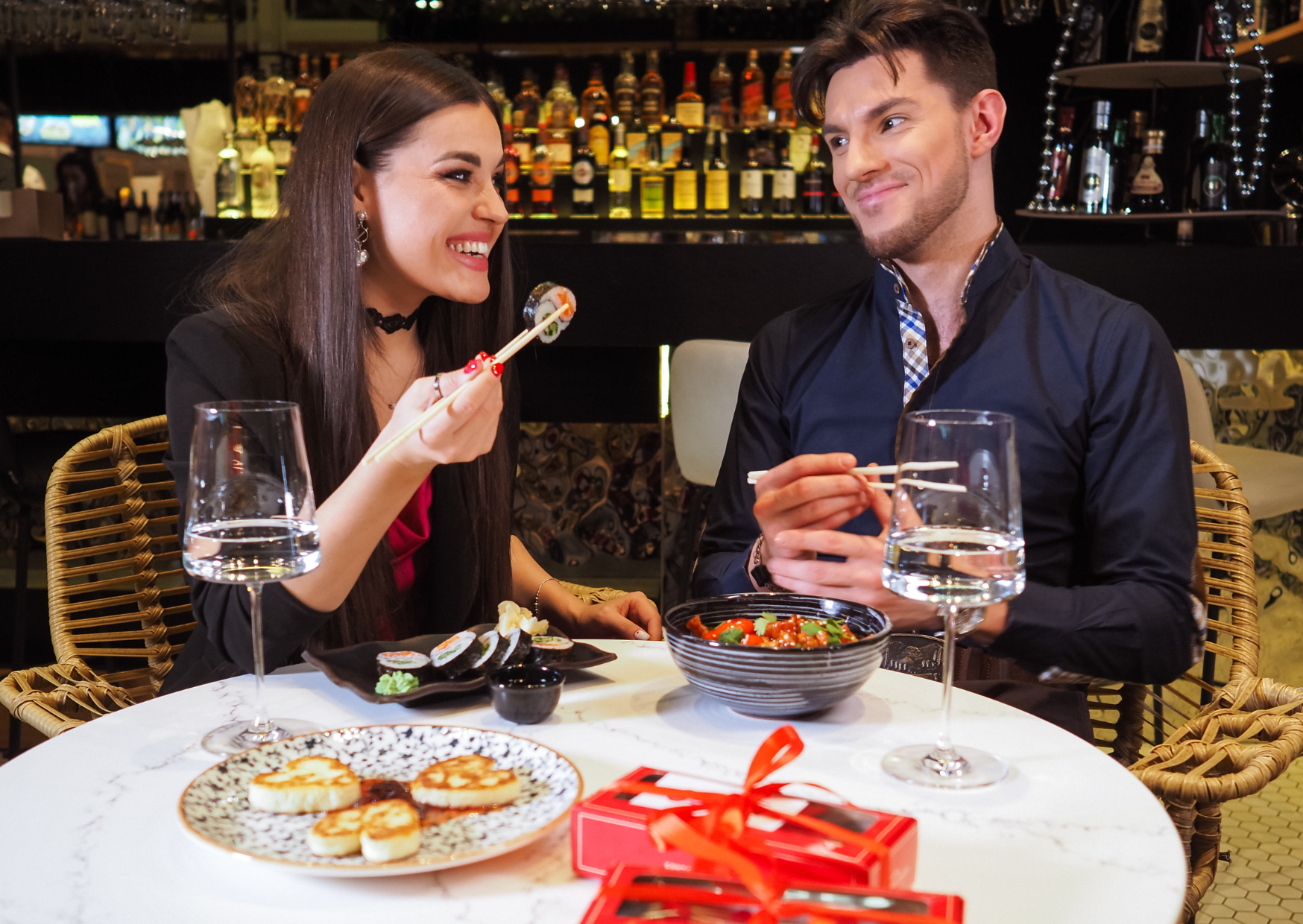
I used to look for quiet to feel calm. Spain taught me that the right kind of noise can be a sedative. Street noise is different from notification noise. It is a human murmur without demands. When you sit on a bench above the Metro and watch people move, your brain receives proof that life is larger than your to do list. The world hums along and you are allowed to be part of it without performing.
The street becomes a buffer between tasks. I started walking to appointments that I would have driven to at home, and the walk changed the meeting before it started. Every small errand included air and light, which meant fewer collisions inside my head. The cumulative effect was a cleaner emotional palate when I arrived at the next thing.
Evenings in particular were medicine. The hour between nine and ten contains a slow parade of ordinary joy. A skateboard clacks, a grandparent laughs at a joke they have heard three times, a barista wipes a counter for the fiftieth time, unbothered. Your nervous system absorbs this as evidence. Bad days happen, but the street keeps showing you normal, and normal is deeply regulating.
I learned to go outside when panic rose. Not to shop, not to post, just to enter the flow and let my breath mirror what I saw. The fix cost nothing and worked better than any feed. The city invited me to be small, and being small is a relief when your mind tries to make every hour a referendum on your productivity.
8) Micro Bureaucracy, Macro Calm: Accepting Friction Where It Belongs
There is friction in Spain, and it lives in paper. Appointments, stamps, numbers, windows, more windows. At first I took each administrative hiccup as proof that the system did not care. Then I noticed that the friction stayed in a narrow channel. Paper made certain tasks slower, but the rest of life ran smoother. My mood improved when I stopped demanding that every process be instant.
Accepting bureaucratic friction taught me to trade speed for predictability. You make an appointment, you bring the documents, you wait, and then the stamp lands. The rest of your day unfolds without surprise charges, without frantic shopping at ten at night, without long weekend errand runs that steal your rest. Friction relocated, anxiety fell.
The calendar helps. When offices post narrow hours, you plan within them. Planning within limits can be stressful in the moment, it removes low grade ambient stress outside the moment. Your brain stops running a background scan for open windows because the windows are clearly defined. Clarity outperforms convenience when your goal is a calmer life.
I learned to bring a book and a pen to any office. I took notes, drafted paragraphs, and watched other people do the same. The shared acceptance of small delays is a social compact. It keeps the bumps in one lane so the rest of the road can stay smooth. That trade, once you see it, is worth making.
9) What Three Months Did To My Brain: A Before And After You Can Measure

I measured anxiety with a crude meter, the number of times I checked my phone for no reason, the number of evenings I ended with a headache, the number of mornings I woke too early. In month one, the phone checks fell by a third. In month two, the headaches dropped. In month three, I slept until my alarm five days out of seven. This was not a placebo. It was a pattern effect.
The after picture included a calmer stomach, fewer clenched shoulders, and more patience with minor delays. My mind stopped narrating worst case scenarios when a message came late. My calendar had more white space because the city had taught me to respect white space. The street filled those spaces with people, and people beat notifications every time.
Relationships benefited. When dinner is late and long, you talk until the thing under the thing comes out. You leave the table with problems smaller than when you arrived, not because you solved them, but because you shared them. Anxiety shrinks when you are not carrying it alone, and Spain makes not carrying it alone the default social setting.
Work improved because I concentrated harder when I worked and let go when I stopped. The absence of half work stole food from the part of my brain that loves to be anxious. I stopped pretending that scrolling is rest. Rest became a walk, a friend, or a bench. Attention returned to the tasks that deserved it and declined to feed the ones that did not.
10) How To Borrow The Rhythm If You Live Elsewhere
You can copy the schedule without moving by changing three anchors. Anchor one is lunch. Put your biggest real meal at midday, sit at a table, and allow fifteen minutes of sobremesa with no screen. Anchor two is evening movement. Walk after dinner, even if it is short, and make one or two weeknights social on purpose. Anchor three is weekend closure. Move errands inside the week, even if that means two small bursts before work.
Add three supporting habits. Keep mornings light for the first hour so your nervous system does not start in a sprint. Use a single group chat for plans and declare your response window so you can stop checking constantly. Embrace one bureaucratic channel that is slower on purpose, pay in person or schedule renewals for a single afternoon, then stop thinking about it between those appointments.
Guard two boundaries. Protect the lunch hour and the first hour after you get home. If a call must happen, schedule it for late afternoon. If a chore must be done, batch it with other chores and do them in one loop. Anxiety hunts in scattered territory. It has trouble feeding when your day has edges.
Finally, put your body in the path of people. Sit on a bench for ten minutes at sunset. Say hello to the neighbor with the dog. Buy a loaf from the same place twice a week and learn the baker’s name. The street is not only a route, it is an antidote. Your mind reads the presence of others as safety, and safety is the solvent that unfurls tight thoughts.
11) What I Brought Back, And What Stayed There
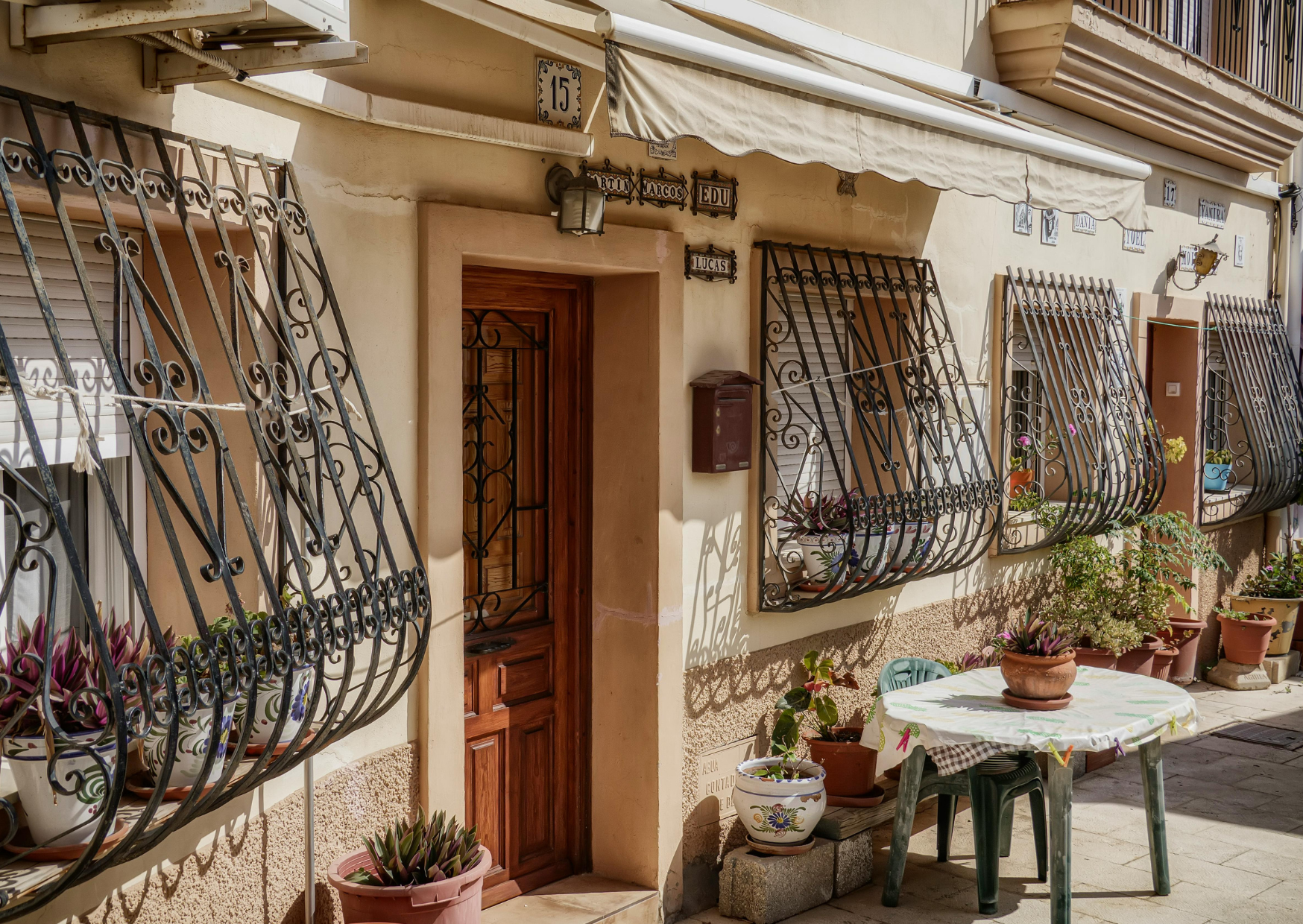
I took three things home in my head. First, the belief that a day can be shaped by culture rather than by my inbox. Second, the confidence to eat when my body wants food, not when a meeting leaves a gap. Third, the commitment to put movement and people inside my evening as if they were appointments, because they are.
I left behind the compulsion to make every store always open. I left behind the idea that good citizenship means instant replies. I left behind the myth that productivity and constant availability are the same thing. They are not. Productivity is a sprint inside a lane. Availability is a fog that never lets you rest.
The Spanish schedule did not cure anxiety like a pill. It cured it like a teacher who rearranges the desks and opens a window. Light enters, air moves, and the class behaves differently, including the loud student inside my head. I still have deadlines. I still have bills. I now have a rhythm that keeps those real pressures from turning into constant pressure.
If you try this for three months, track something you can feel. Count your evening headaches, your empty scroll checks, your mornings where you wake too early. Let the table and the street do their quiet work. The cure is not perfect, it is practical, and that is exactly why it works.

About the Author: Ruben, co-founder of Gamintraveler.com since 2014, is a seasoned traveler from Spain who has explored over 100 countries since 2009. Known for his extensive travel adventures across South America, Europe, the US, Australia, New Zealand, Asia, and Africa, Ruben combines his passion for adventurous yet sustainable living with his love for cycling, highlighted by his remarkable 5-month bicycle journey from Spain to Norway. He currently resides in Spain, where he continues sharing his travel experiences with his partner, Rachel, and their son, Han.