
Perfect feet are not a decoration, they are physics. Give the batter time to settle, the shells time to dry, and the finished cookies time to mature, and the ruffle appears like a law of nature.
You can spot a rushed macaron from across the room.
Flat caps, frilly blowouts, or a smooth, pretty top with no feet at all.
The fix is not a new pan or a magic oven. It is patience, applied three times in small, boring doses that most home bakers skip.
French pros talk about aging in three places: the egg whites before you whip, the piped shells before you bake, and the assembled macarons before you serve. Each pause changes structure, moisture, and pressure. When you stack all three, the feet behave.
Below is the why, the timeline, and a clean recipe that bakes today and eats beautifully two days later.
The Three “Ages” That Create Feet
The first age is egg white aging. A brief rest in the fridge, uncovered or loosely covered, lets water evaporate and proteins relax. Whipped later, the meringue is more stable and less foamy, which makes macaronage predictable.
The second age is the shell rest, the skin you get when piped circles sit until matte and dry to the touch. That thin film holds the cap while steam from below lifts the edge, which forms the ruffled feet.
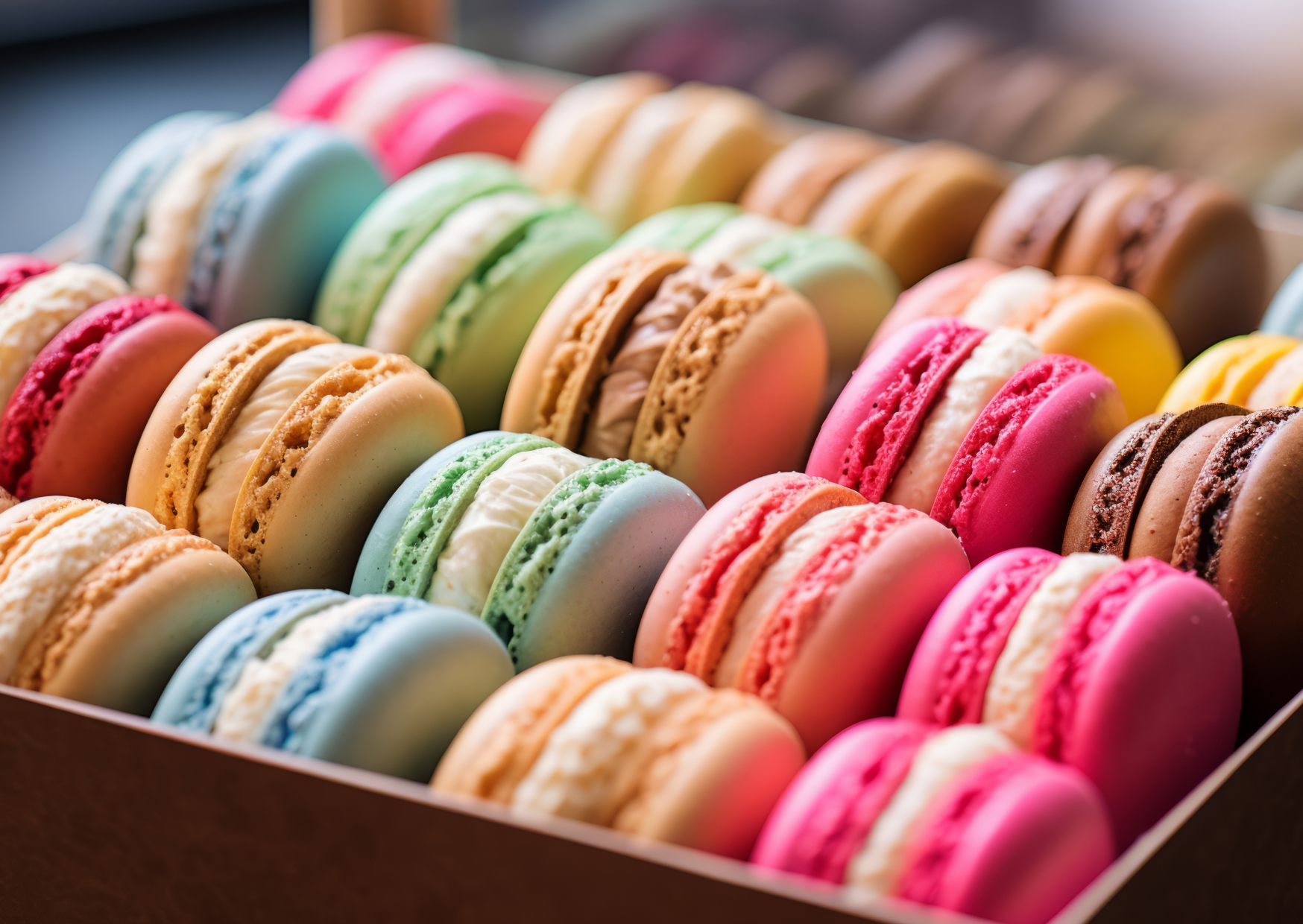
The third age is maturation, the quiet 24 to 48 hours after assembly when the filling shares moisture with the shell. The outside stays delicate, the inside turns chewy, hollows relax, and the feet finish crisp at the base. Rushed macarons taste loud and brittle, matured ones eat like silk.
How It Actually Works In The Oven
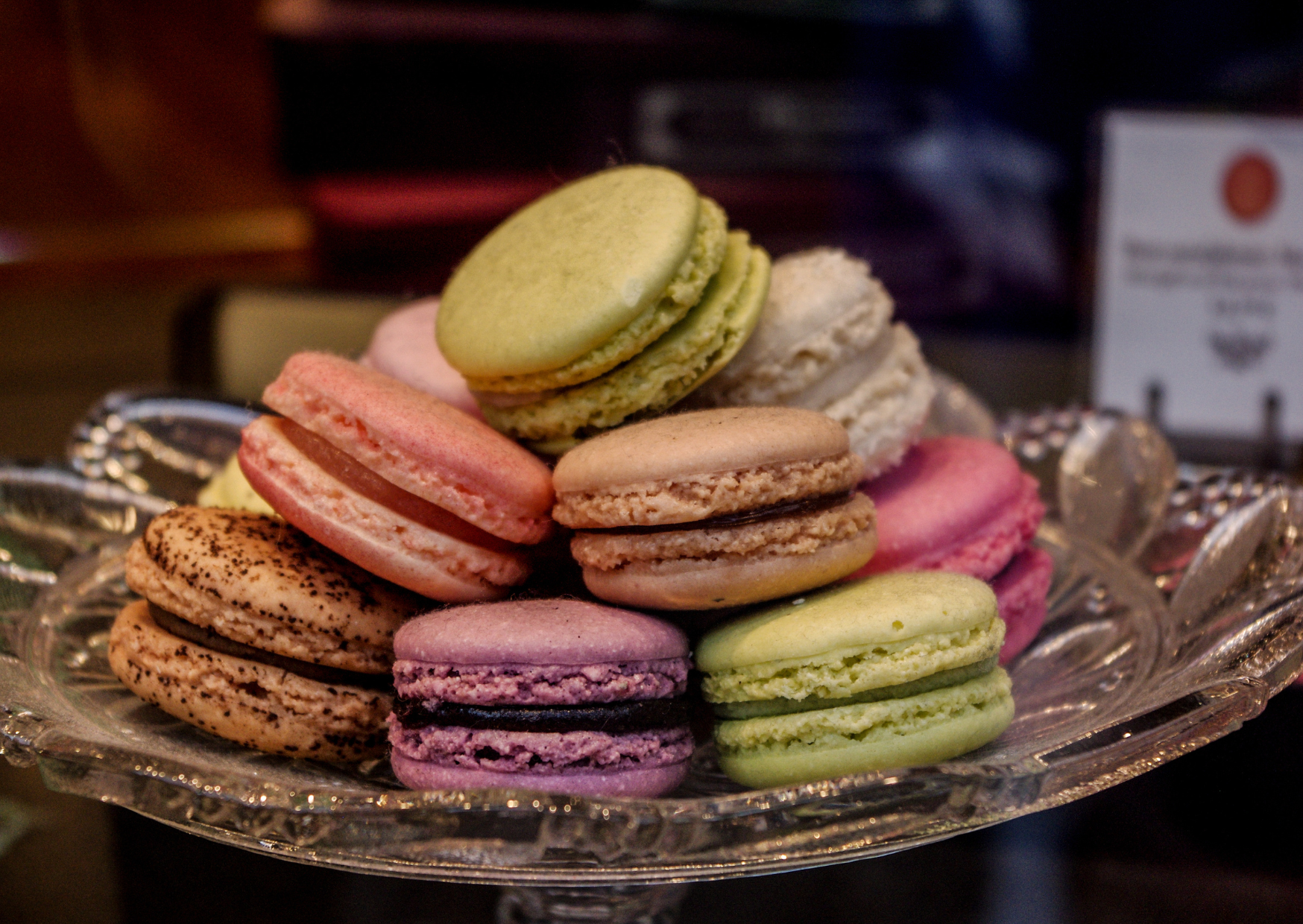
Feet are a pressure story. A dry skin on top plus soft batter underneath equals controlled oven spring.
As heat climbs, water in the batter flashes to vapor. The skin forces expansion to escape at the edge, the path of least resistance, and the base frills into even, vertical feet. If you bake too soon, the cap ruptures and the feet smear. If you dry too long, the top domes hard and the base underbakes.
Two more levers matter. Macaronage must land at the lava stage, ribbons fall off the spatula and disappear into the batter after about ten seconds. Oven heat must be hot enough to lift, cool enough to set without browning. When those align with a proper skin, the feet arrive on schedule.
The Practical Timeline Most Bakers Skip
Think in days, not minutes. Small pauses do the work while you do anything else.
T minus 24 to 48 hours: age egg whites. Separate, weigh, and chill whites in a clean container, lightly vented or loosely covered. This reduces excess water and helps stable peaks. If you cannot age, use room temperature whites and be extra careful not to overwhip.
Baking day, morning: grind and sift. Pulse almond flour with powdered sugar to a fine, even mix, then sift. Removing coarse bits gives smooth tops and even feet.
Afternoon: whip, fold, pipe. Make a tight French meringue, fold to lava, pipe same-size rounds, then tap the tray to release bubbles. Pop visible bubbles with a toothpick.
Rest 20 to 60 minutes: dry the skin. The surface should look matte and not stick to a dry fingertip. Use a small fan if the room is humid, avoid drafts that carry dust. Skin equals lift.
Bake, cool, fill. Pair similar shells, add a restrained layer of filling, then box airtight.
Mature 24 to 36 hours at 4 to 6 C. This is the step that changes texture. The shell hydrates from the filling, feet firm up, hollows calm. Serve at cool room temperature after a 20 minute temper.
Common Mistakes That Kill Feet, With Fixes
Skipping the drying step. If your finger leaves a shine or picks up batter, wait. In humid weather, point a small fan across, not at, the trays, or rest longer. Dry to the touch is non negotiable.
Over or under macaronage. If the batter flows like pancake batter, you went too far, feet will spread. If it holds stiff peaks, it will crack and rise unevenly. Aim for ribbons that disappear in about ten seconds.
Hot spots and dark pans. Direct bottom heat blisters feet. Use light aluminum sheets, line with parchment or a perforated mat, and consider double panning for gentler bottoms.
Silicone that smothers lift. Solid silicone mats trap steam. Perforated mats are better, parchment is forgiving. If you must use silicone, lower the oven slightly and extend the bake so moisture can escape.
Humidity headaches. Rainy days slow drying. Rest longer, run a dehumidifier nearby, or pipe smaller shells. Environment control is allowed, shortcuts are not.
Ingredient Differences You Should Actually Care About
Almond flour grind. Choose blanched, fine almond flour. Almond meal with specks of skin or a coarse grind chews up your smooth tops and feet.
Powdered sugar starch. Icing sugar often includes starch, typically corn or wheat. Both work, but different starches can change drying slightly. If your shells take forever to skin, try a brand switch.
Color and cocoa. Powdered colors are stronger and drier than gels. Cocoa changes moisture and fat, use sparingly. For chocolate shells, adjust powdered sugar down a touch to compensate.
Egg whites. Fresh is fine, aged is steadier. Boxed pasteurized whites can whip differently. If you use them, add a pinch of cream of tartar to help structure and stop overbeating early.
Recipe: Classic French Macarons With 36-Hour Maturation
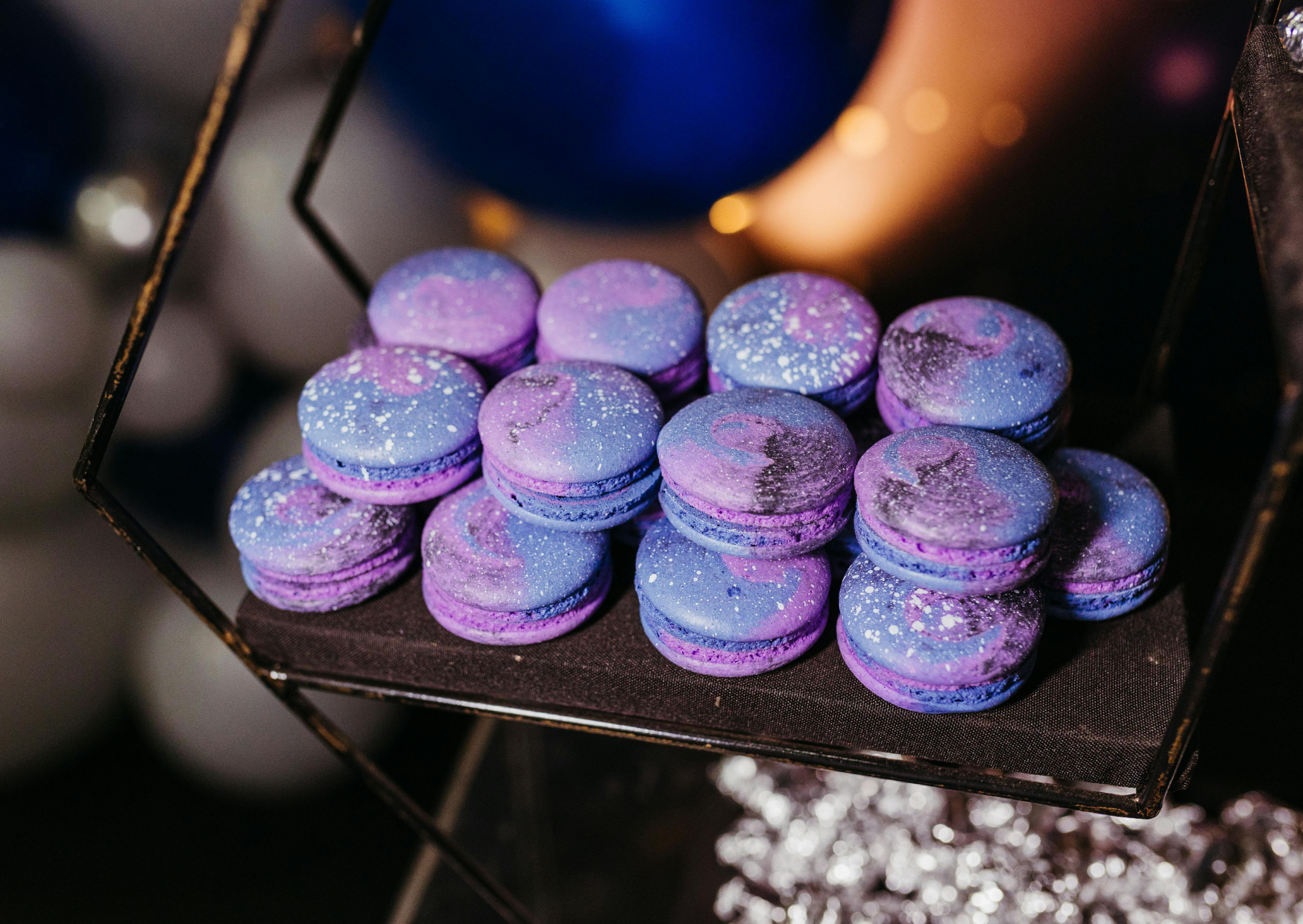
This makes about 30 sandwiched macarons, 3.5 cm shells. Choose one color, keep the batter simple, and let the aging steps work.
Ingredients
Shells
- 100 g aged egg whites, room temperature
- 100 g caster or fine granulated sugar
- 130 g blanched almond flour, very fine
- 130 g powdered sugar
- 1 g fine salt
- Gel or powder color, optional
Simple ganache filling
- 150 g dark chocolate, finely chopped
- 120 g heavy cream
- Pinch of salt
- 10 g unsalted butter, room temperature, optional for shine
Equipment
Large metal bowl, stand mixer or hand mixer, fine sieve, flexible spatula, piping bag with 10 mm round tip, two light aluminum sheet pans, parchment or perforated mats, oven thermometer.
Method
- Age and prep. Up to 48 hours ahead, separate and chill egg whites, loosely covered. On baking day, bring to room temperature. Pulse almond flour and powdered sugar 10 to 15 seconds, then sift together with the salt.
- Whip the meringue. Beat whites on medium until foamy. Rain in the sugar in three additions. Increase to medium high and whip to glossy medium-firm peaks. Peaks should bend softly, not stand like spikes. Add color at the end if using.
- Macaronage. Tip the dry mix onto the meringue. Fold with a spatula, pressing some strokes against the bowl to deflate, then sweeping to combine. Stop when batter flows in thick ribbons and a ribbon disappears into itself in about 10 seconds.
- Pipe. Transfer to a piping bag. Pipe 3.5 cm rounds onto parchment or a perforated mat, holding the tip vertical and lifting straight up. Tap the tray firmly several times. Pop obvious bubbles with a toothpick.
- Dry. Rest 20 to 60 minutes until shells are matte and dry to a light touch. In humidity, use a small fan across the trays. Do not bake tacky shells.
- Bake. Preheat to 150 to 155 C, 300 to 310 F, conventional heat. Stack pans to double pan. Bake one tray at a time for 14 to 17 minutes. Feet should rise by minute 4, tops should not jiggle when touched lightly. If they wobble, give 1 to 2 minutes more.
- Cool and release. Cool completely on the pan. Twist gently or lift the parchment to peel shells away. If stuck, mist a little water under the parchment on the warm pan for 10 seconds, then lift.
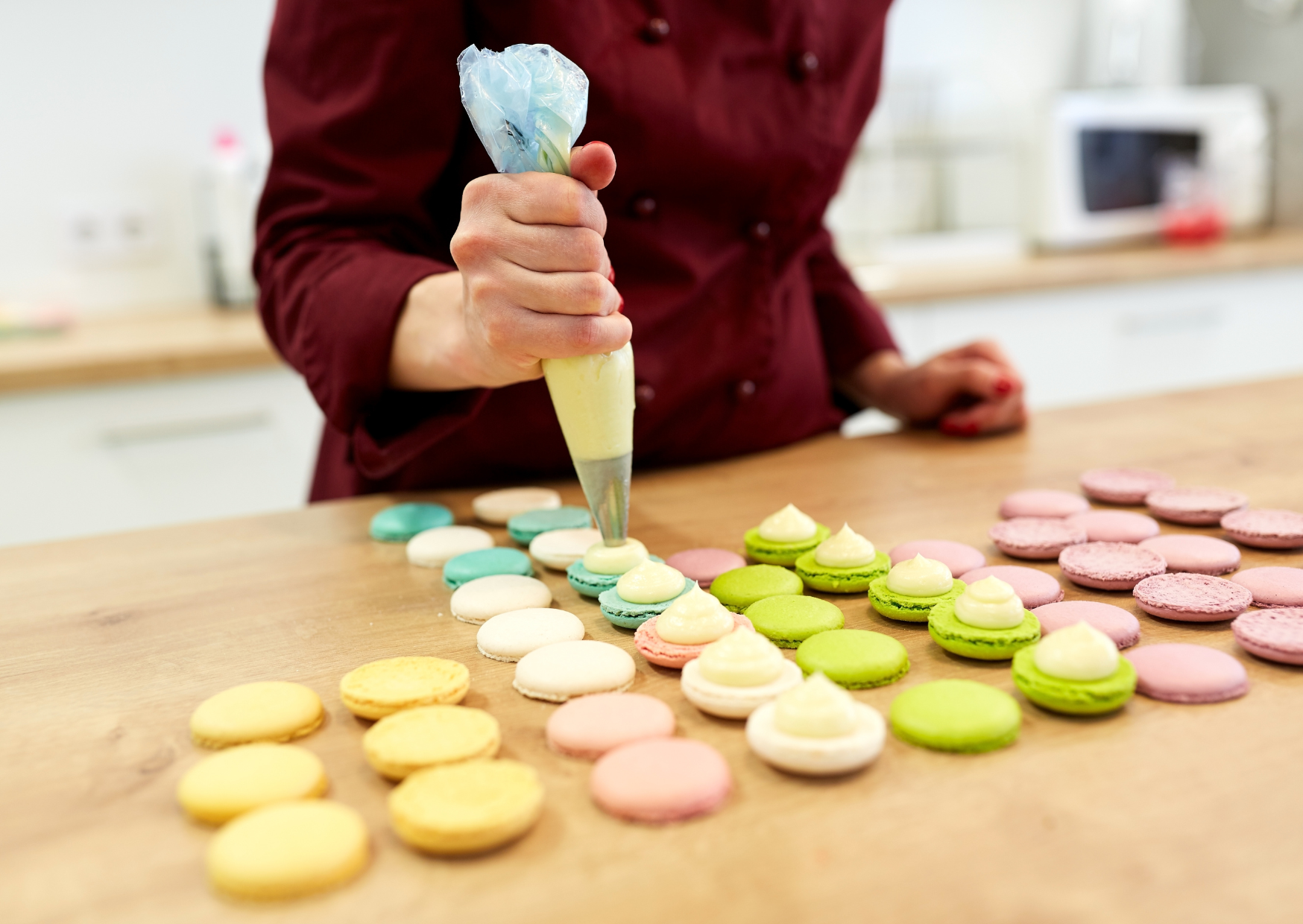
- Fill. For ganache, heat cream to a simmer, pour over chocolate and salt, wait 1 minute, stir from center until glossy. Add butter if using. Cool until pipeable. Pair similar shells, pipe a modest dot, press to the edge.
- Mature. Box airtight and refrigerate 24 to 36 hours. Before serving, temper 20 minutes at room temperature.
Why It Works
- Aged whites and a medium-firm meringue give a stable foam that survives folding.
- Resting creates a dry cap that forces steam to lift at the edge, which builds feet.
- Double panning moderates bottom heat, which keeps feet vertical and unblistered.
- Maturation distributes moisture, giving the chewy center and delicate crust you want.
Substitutions And Fixes
- No almond flour allowed: use 50 percent hazelnut and 50 percent sunflower seed flour, very fine, then test a small batch. Flavor will change, feet still form with careful drying.
- Dairy free filling: swap ganache for a dark chocolate water ganache, chocolate plus hot water, pinch of salt, same method, set slightly firmer before piping.
- U.S. pantry: if your powdered sugar is very starchy, try a brand labeled cane sugar to help drying.
- EU pantry: icing sugar labeled with wheat starch is fine, just dry shells fully before baking.
Situations You Can Solve In One Try
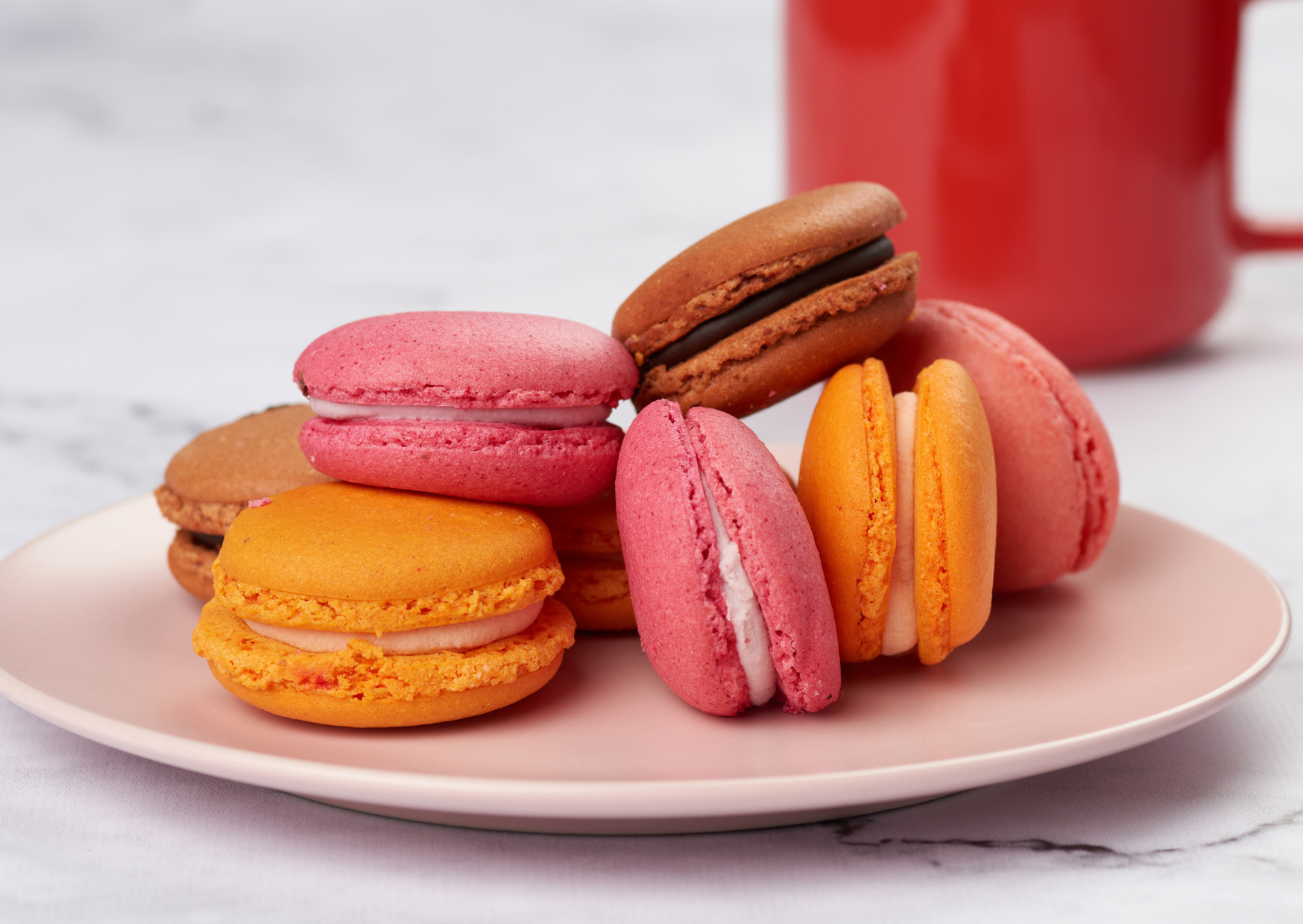
Cracked tops: either the shells were not dry, the oven ran too hot, or air bubbles were trapped. Dry longer, lower 5 C, tap harder.
No feet at all: batter was undermixed, shells overdried until the cap sealed too hard, or the oven was too cool. Fold a few more strokes next time, shorten the rest, raise 5 C.
Lopsided feet: piping angle tilted or fan blew unevenly. Pipe straight down, rotate trays halfway once the feet set if your oven browns on one side.
Hollows: meringue overwhipped or bake too short. Whip to medium-firm peaks, not dry, and give shells another minute or two to set the interior structure.
Final Ideas
The best macarons you will ever make are not the ones you eat the day you bake. They are the ones you age, briefly and deliberately, before and after the oven.
Age the whites if you can, dry the shells until they do not kiss your finger, bake on light pans, then give the finished cookies a night to breathe in the fridge. The feet you wanted were already in the batter, they were just waiting for you to stop rushing. Let the clock do a little quiet work, and your macarons will finally look and eat like the ones in your head.

About the Author: Ruben, co-founder of Gamintraveler.com since 2014, is a seasoned traveler from Spain who has explored over 100 countries since 2009. Known for his extensive travel adventures across South America, Europe, the US, Australia, New Zealand, Asia, and Africa, Ruben combines his passion for adventurous yet sustainable living with his love for cycling, highlighted by his remarkable 5-month bicycle journey from Spain to Norway. He currently resides in Spain, where he continues sharing his travel experiences with his partner, Rachel, and their son, Han.