
Berlin is not cash-only or cashless. It is both, often on the same block, and that mismatch is what trips up visitors. Here is how the system really works now, and how to stop paying for the confusion.
Berlin in 2025 is a payment paradox.
You can tap your card on a bus, then walk ten minutes and find a café with a handwritten “nur bar” sign.
You can breeze through a supermarket with Apple Pay, then stall at a neighborhood kiosk that wants coins or a German debit card you do not own.
If you pack like home is the rule, you get trapped. Set your wallet up for Berlin as it is, not as you wish it were, and your day runs smooth.
As of September 2025, card acceptance is wider than ever in Berlin. Small merchants still choose cash, many set card minimums, and some accept a local debit network but not your Visa or Mastercard. The city’s public transport flipped the opposite way, buses are card only. This mix is the point, and knowing it saves you time, money, and awkward exits.
Want More Deep Dives into Other Cultures?
– 9 Italian Style Rules That Instantly Outshine American Fashion
– Why Europeans Walk Everywhere (And Americans Should Too)
– How Europeans Actually Afford Living in Cities Without Six-Figure Salaries
– 9 ‘Luxury’ Items in America That Europeans Consider Basic Necessities
What “Cash-Only” Actually Means Now
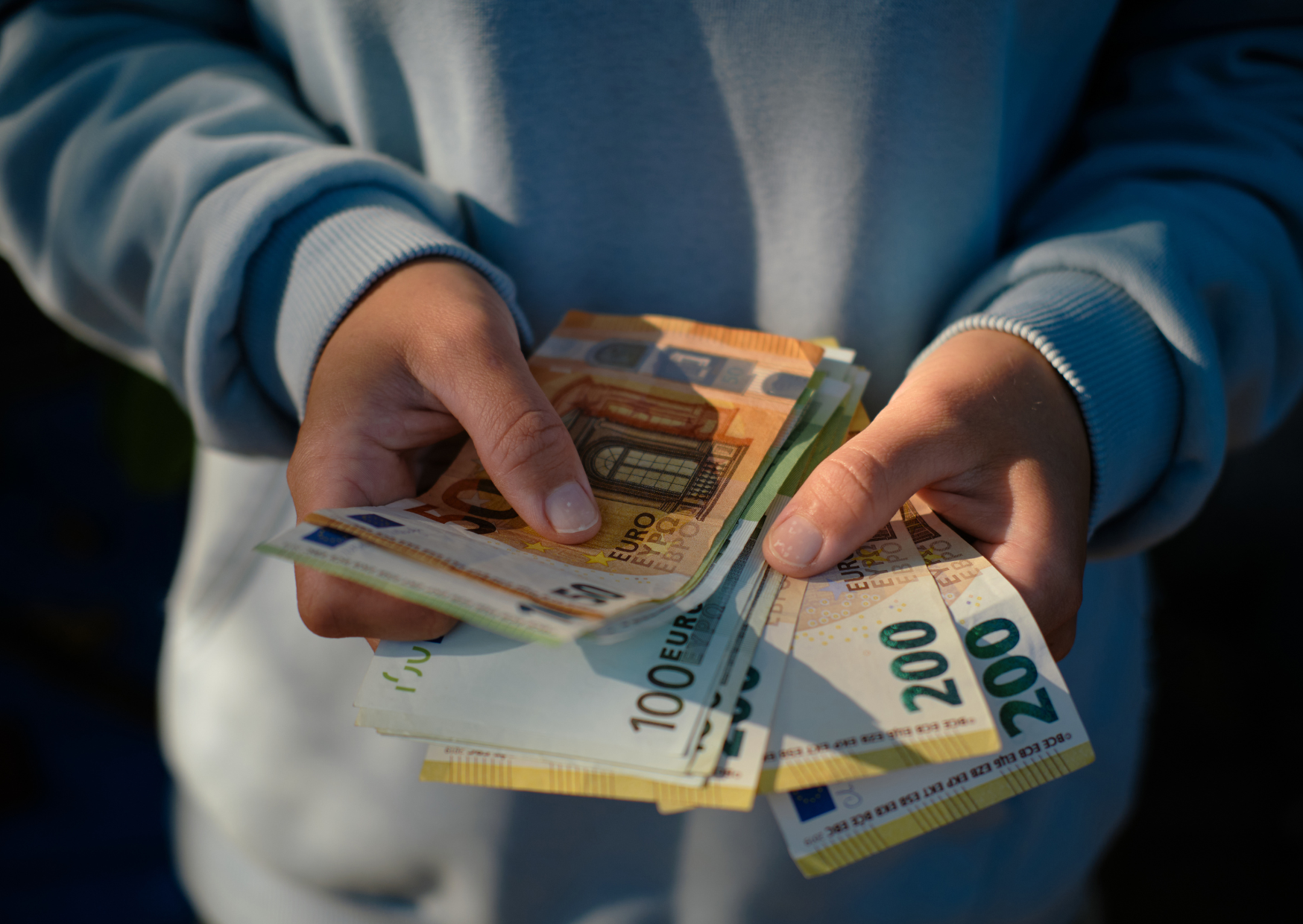
The headline version hides the nuance. In Berlin, cash is still common, cards are growing, and acceptance varies by venue. The national numbers tell you why the culture feels different: in Germany, cash still accounts for about half of everyday transactions, even as card and phone payments rise each year. In other words, many people still expect to pay in coins and notes for small purchases.
City services moved in both directions. Buses went fully cashless in September 2024, tickets on board are by card or phone. Yet at the same time you will still encounter independent cafés, snack stands, flea markets, and corner shops that either prefer cash, set a 5 to 10 euro card minimum, or accept only Germany’s domestic debit system. The rule is there is no single rule, so you plan for both.
For visitors who bring only a credit card and no euros, the mismatch is where the daily traps start.
The Traps Americans Hit Most
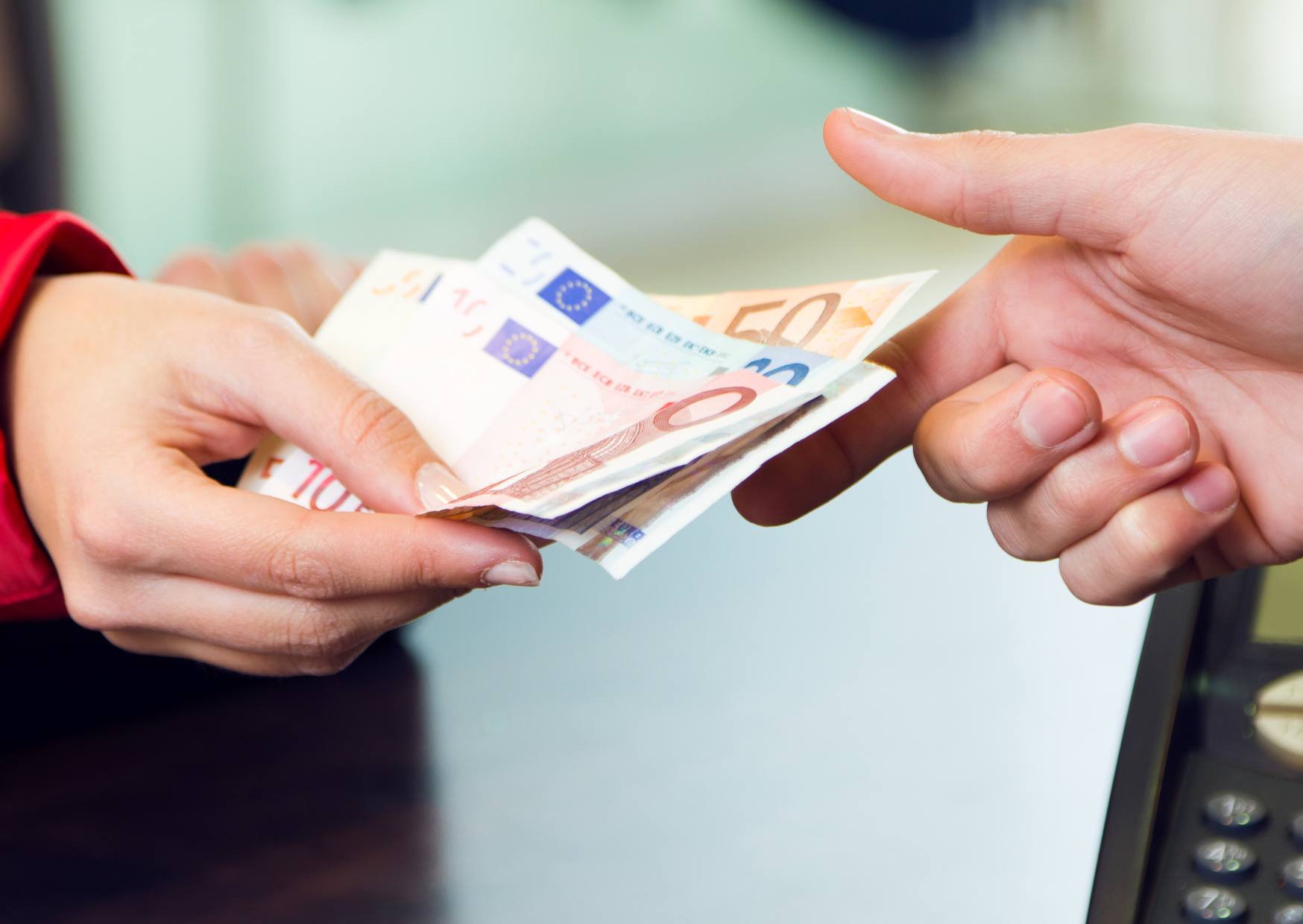
The first trap is assuming “we take cards” means your card. Many small merchants accept Girocard, Germany’s domestic debit system, but not overseas Visa or Mastercard credit. Others refuse American Express entirely. If a place says “Karte,” they might mean Girocard only, so you can still be declined. Ask before you sit, or check the sticker cluster by the door.
The second trap is card minimums. Small shops often set a minimum purchase, commonly 5 to 10 euros, for cards. It is a business choice tied to fees. If all you want is a coffee or a bottle of water, they may point to the ATM. The fix is to carry small notes and a backup plan for snacks, markets, and kiosks.
The third trap is transit expectations. On Berlin buses you cannot pay with cash anymore, period, so coins will not help there. Buy in the app, at station machines, or tap a bank card or phone when buying from the driver. Trams and stations still have machines, and the app is the cleanest way to avoid lines. Do not board planning to hand over coins.
The fourth trap is ATM and conversion gotchas. Independent ATMs and dynamic currency conversion try to bill you in dollars with a “guaranteed” rate. That convenience is costly. Choose to be charged in euros, and decline conversion prompts. Local currency, no conversion, is the safe default.
A final wrinkle is card-reader outages. When a terminal drops, Berliners shrug and pay cash. If you cannot, you leave a table to find an ATM. Carrying a small euro stash keeps a network blip from becoming a walk of shame.
How Berliners Actually Pay, With Numbers
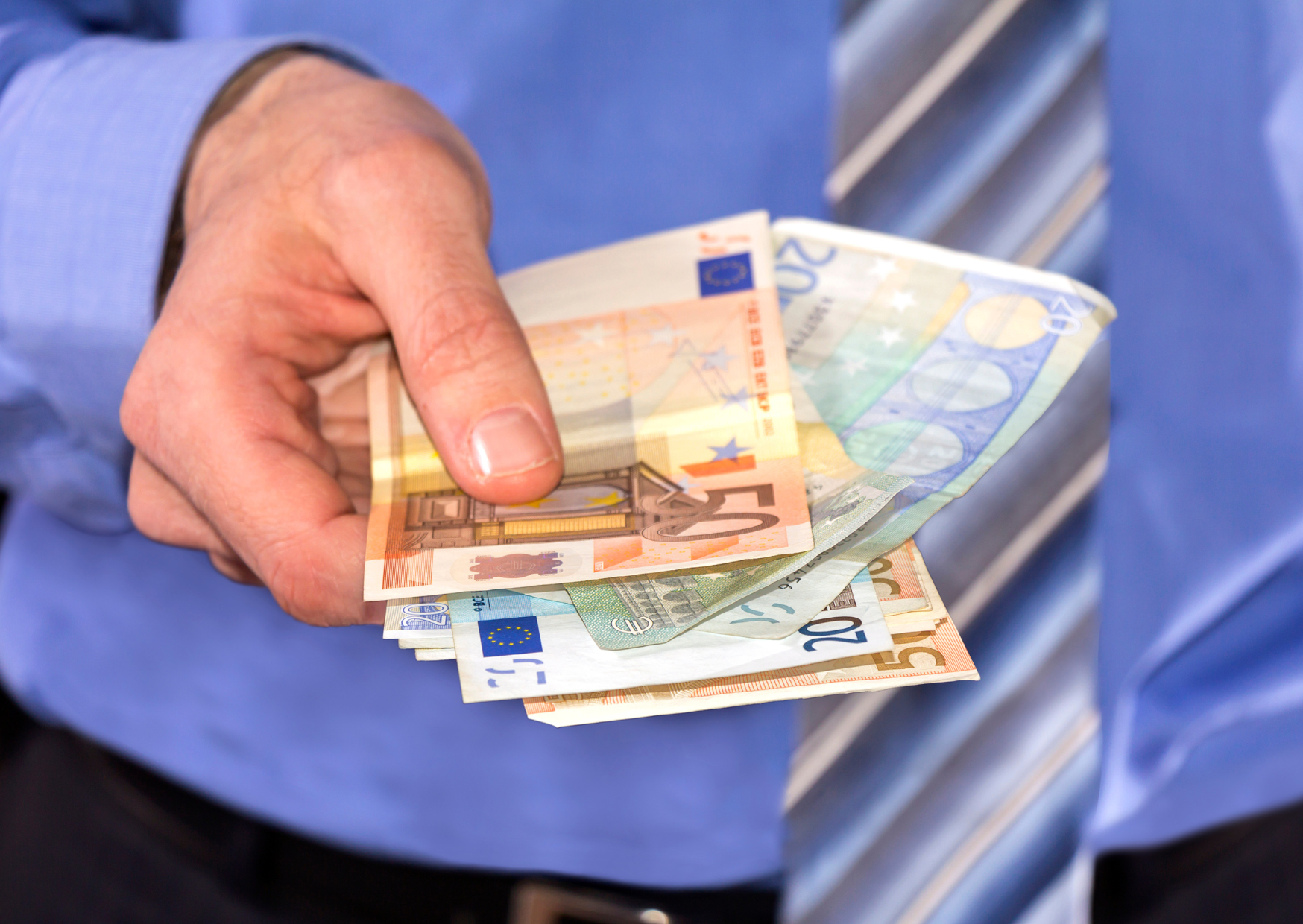
If Berlin feels card friendlier than five years ago and still very cash comfortable, the surveys agree. The Deutsche Bundesbank’s latest study reported that in 2023 51 percent of in-person payments were made in cash, down from 58 percent in 2021. Debit cards, phone wallets, and contactless taps keep rising, but cash remains the single most frequently used method for day-to-day purchases. Across the euro area, the European Central Bank also finds cash still leads in transaction count, even as cards surge. Cash is shrinking, not gone.
Why the Girocard signs everywhere? Germany’s domestic debit scheme dominates in brick-and-mortar retail, especially among smaller merchants, because it is cheap and reliable. Stores that run on Girocard often do not accept foreign credit networks, which is why your American AmEx or even a Visa credit card can fail where a local debit card works. Girocard rules the till, and visitors need a workaround.
The city’s own guidance mirrors this reality. Official tourist pages flag that credit cards are not accepted everywhere, and American Express is often refused. That is not anti-tourist, it is just the local cost structure. Plan accordingly.
How Much Cash To Carry, And When It Matters
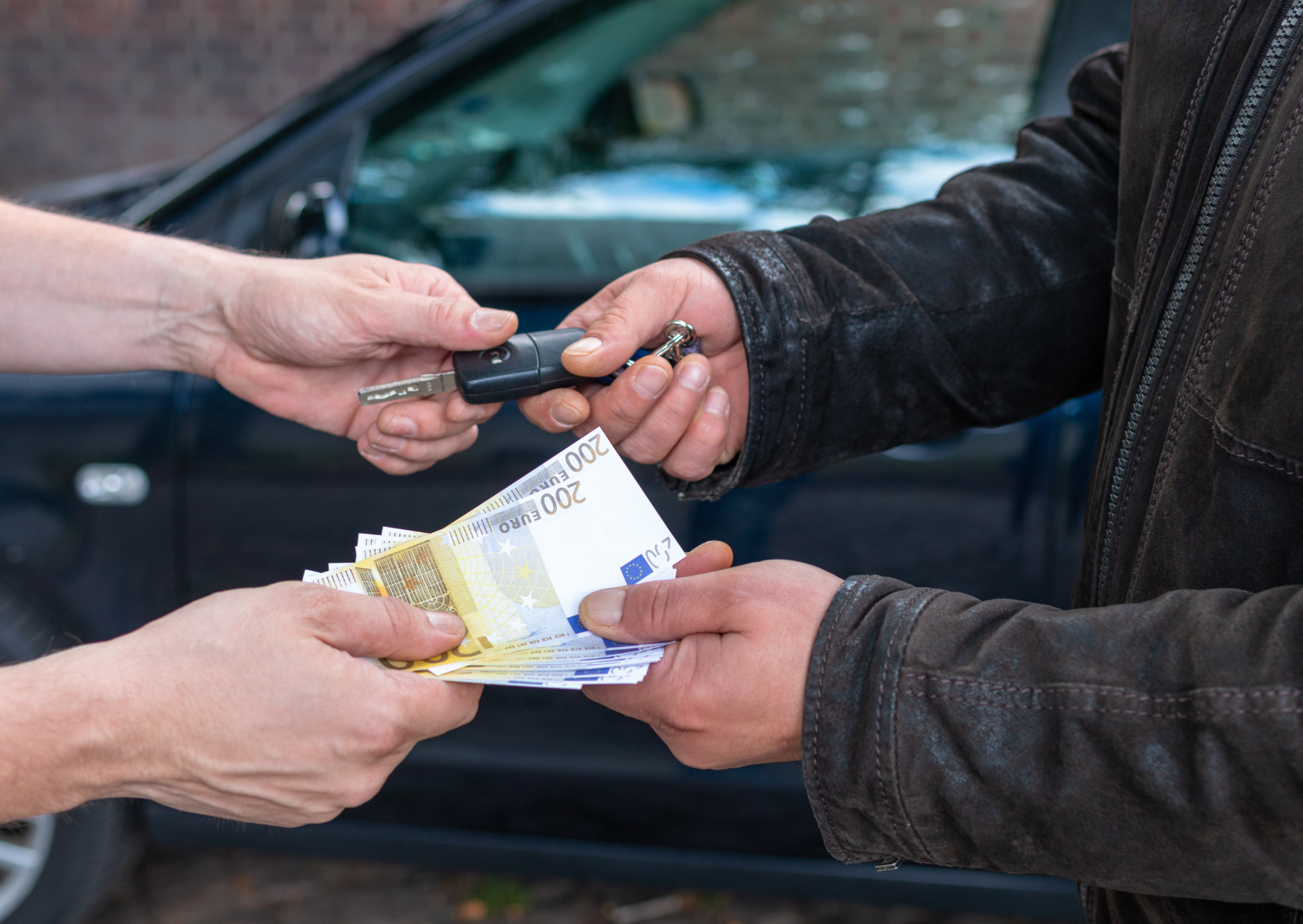
You do not need a thick wad of euros, you need the right small stash. A practical target is 50 to 150 euros for a solo traveler, kept as one 20, a few 10s and 5s, and a handful of coins. Refill from a bank ATM when you dip under 50. This covers:
• Cash-leaning moments: street food, flea markets, some Spätis and kiosks, independent cafés with a card minimum, and small tips when a terminal cannot add one.
• Mixed acceptance: neighborhood restaurants outside the center, small galleries, and older venues that accept Girocard but not foreign credit.
• Edge cases: pay-to-use restrooms outside big stations, though Berlin is expanding free facilities and has been rolling out contactless-only payment at many paid public toilets. Coins help in some places, cards help in others, so you want both.
Two practical moves save hassle. First, break big notes early at a supermarket or train-station kiosk, so you have small change when a sign says “please pay with exact amount.” Second, keep your cash and main card in different pockets. If one is lost, you are not stranded.
The Card Setup That Works In Berlin
Build a two-network wallet. Carry one Visa and one Mastercard, ideally at least one as a debit card with a known PIN. This gives you redundancy when a terminal or acquirer favors one network over the other. If you rely on American Express, treat it as a bonus, not a lifeline.
Enable contactless and wallet pay. Apple Pay and Google Pay work widely in Berlin, and they can succeed when a physical card’s magstripe fallback would fail. Install your bank’s app, enable travel alerts, and test a small tap before you need it for dinner.
Expect to enter a PIN. Contactless usually flows without one for small amounts, but chip-and-PIN is standard for inserted transactions. Make sure you know the PIN for your debit or credit card before you fly. If your issuer uses cash-advance PINs only, get a proper purchase PIN.
For transit, download the BVG app before you need it, or buy from station machines. On buses, remember it is cashless now. If you want one card that does almost everything smoothly, a no-foreign-fee Visa or Mastercard debit or credit paired with your phone wallet is the simplest setup.
ATM And Fee Playbook, So You Keep Your Money
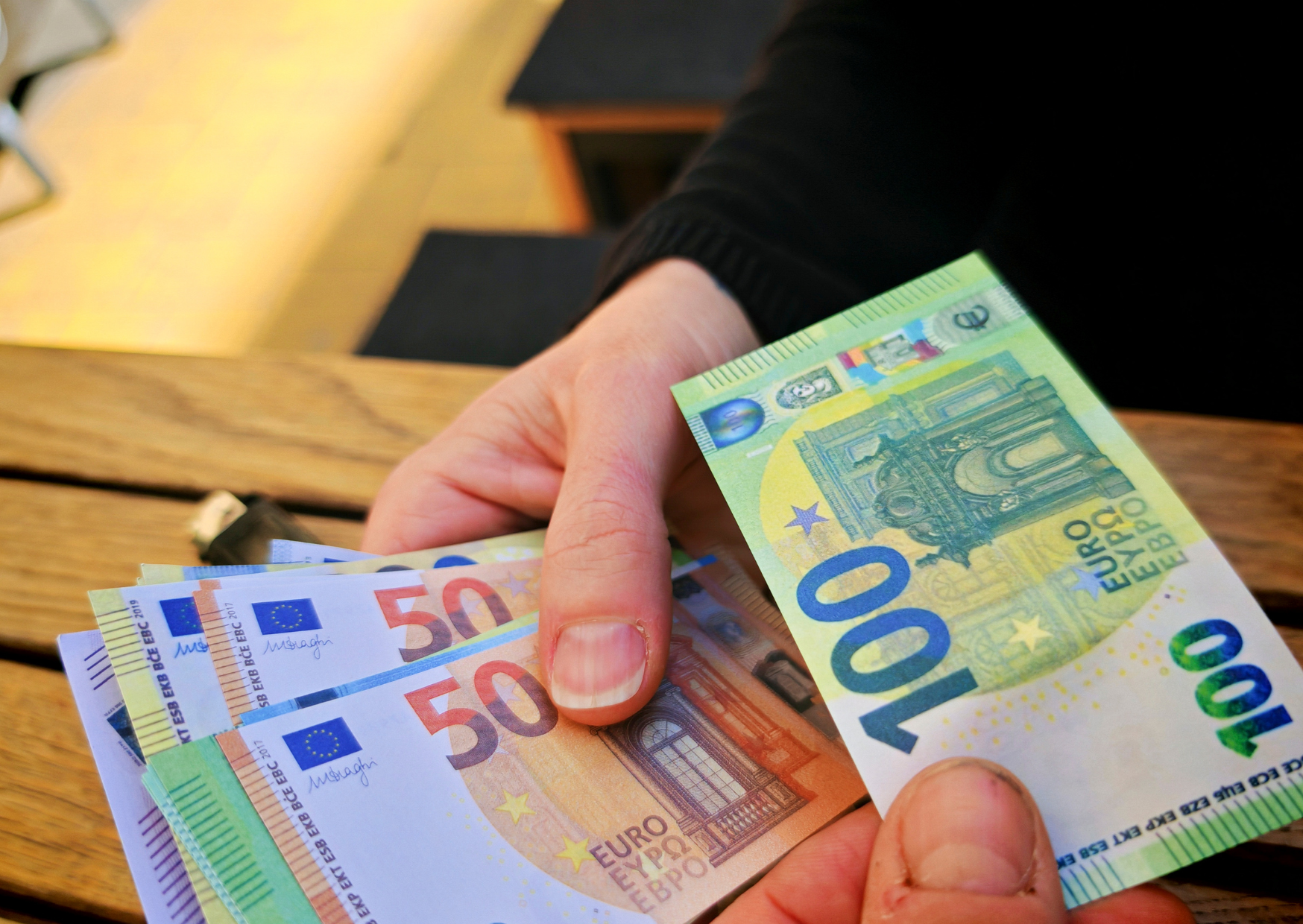
Use bank ATMs inside bank branches or at major stations. Avoid third-party machines that glow at you in tourist corridors. If a screen asks whether you want to be billed in dollars, pick euros and decline conversion. That choice lets your bank set the rate and it is almost always better. If the ATM warns of a local fee, compare another machine before accepting. Local currency, bank machine, no conversion, in that order, is the rule.
Do not exchange cash at airport counters unless you must. Fees are high and rates are weak. With a no-fee card, a single ATM withdrawal after you land is cheaper. If your home bank refunds ATM fees worldwide, use that card for cash and keep your credit card for purchases.
If you prefer not to carry much cash, adopt a little and often rhythm. Withdraw 50 to 100 euros at a time in the city center, not late at night and not at a random machine outside a bar.
How To Read The Street, Neighborhood By Neighborhood
Berlin’s center is card forward, especially supermarkets, chain coffee shops, midrange restaurants, and museum cafés. Markets, kiosks, and small eateries are mixed, cash is common, and card minimums appear without warning. In outer neighborhoods, independent spots lean cash more often, though plenty now accept cards. Watch for “nur Karte” or “nur Bar” signs, and assume nothing until you ask.
Public transport is consistent. Buses are card only, trams and stations have machines, and the app is the easiest purchase. Taxis are mixed by company and car, many take cards, some prefer cash, and a few still run on cash only. Always ask before you ride if you care which you use.
Museums and big attractions will take cards without drama. Small galleries and pop-up spaces sometimes sell by cash or bank transfer. If you plan to buy art or vintage pieces at a market, bring euros. If you plan a long night at bars with cover charges or tips, cash still speeds things up.
What This Means For You
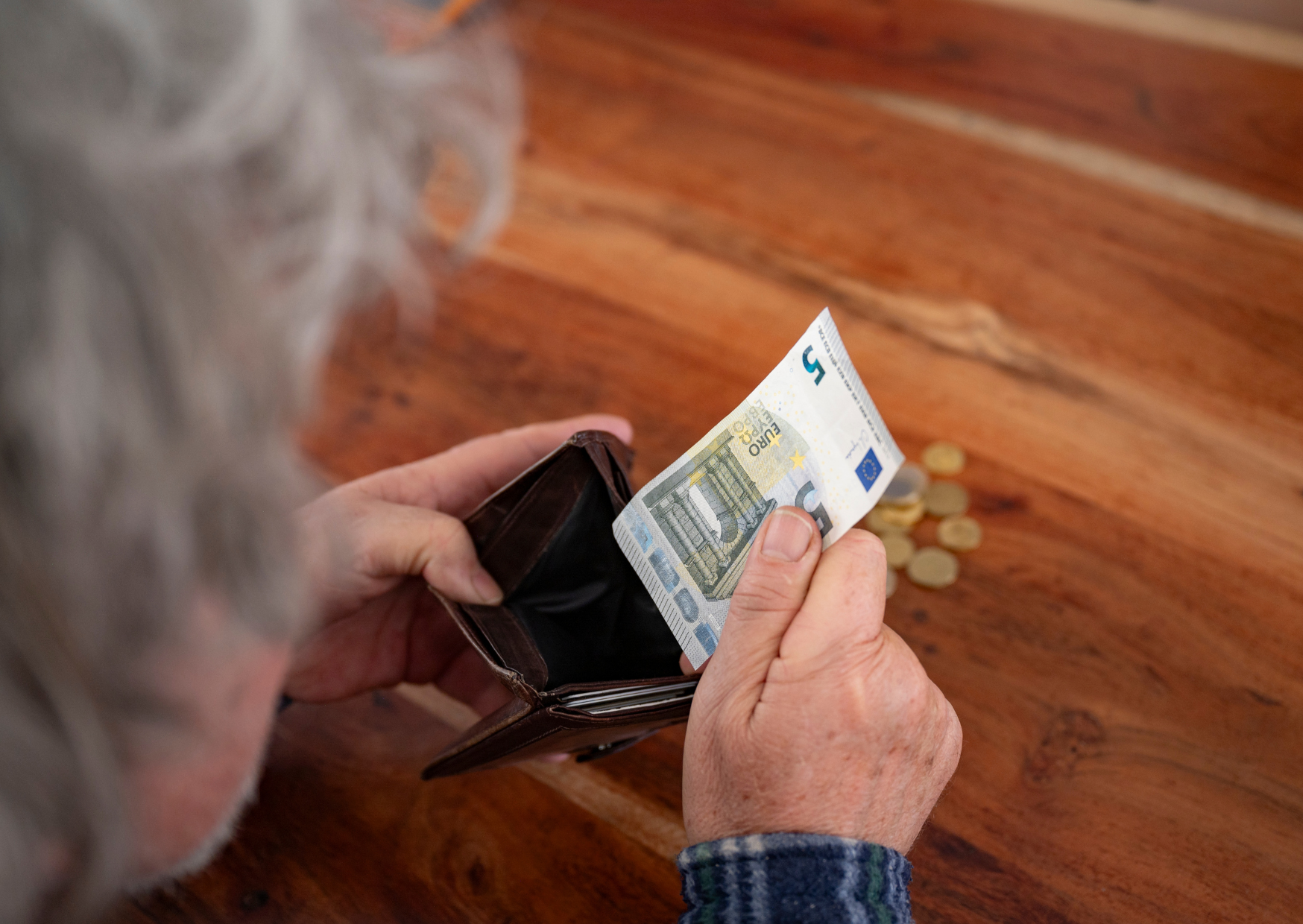
Berlin is not trying to trick you. It is a city where cash culture and card convenience live side by side. That blend creates the daily traps Americans run into, the rejected AmEx, the 10 euro minimum for a coffee and a pastry, the bus you cannot board with coins.
Set up your wallet for Berlin as it is in September 2025, carry a small, replenished stash of euros, use a Visa or Mastercard with a PIN in your phone wallet, and learn the few hard lines, like buses being cashless. If you ask before you sit, watch for the door stickers, and decline conversion at ATMs, the money side of the trip disappears into the background, which is exactly where it belongs.

About the Author: Ruben, co-founder of Gamintraveler.com since 2014, is a seasoned traveler from Spain who has explored over 100 countries since 2009. Known for his extensive travel adventures across South America, Europe, the US, Australia, New Zealand, Asia, and Africa, Ruben combines his passion for adventurous yet sustainable living with his love for cycling, highlighted by his remarkable 5-month bicycle journey from Spain to Norway. He currently resides in Spain, where he continues sharing his travel experiences with his partner, Rachel, and their son, Han.