
Seven precise choices, worn hard and on repeat, that turn a crowded closet into a city ready wardrobe.
You see it on weekday mornings in Milan, speed and ease in motion.
No juggling outfits, no costume changes, just pieces that work with the street, the office, and the weather.
The difference is not money, it is editing. Milanese women buy fewer items, each one selected for movement, maintenance, and repeat wear.
These seven do the heavy lifting. Build around them and the impulse extras fade away. The result is calm, versatile, and ready for a full day on foot.
Want More Deep Dives into Other Cultures?
– 9 Italian Style Rules That Instantly Outshine American Fashion
– Why Europeans Walk Everywhere (And Americans Should Too)
– How Europeans Actually Afford Living in Cities Without Six-Figure Salaries
– 9 ‘Luxury’ Items in America That Europeans Consider Basic Necessities
1) The City Sneaker That Dresses Up
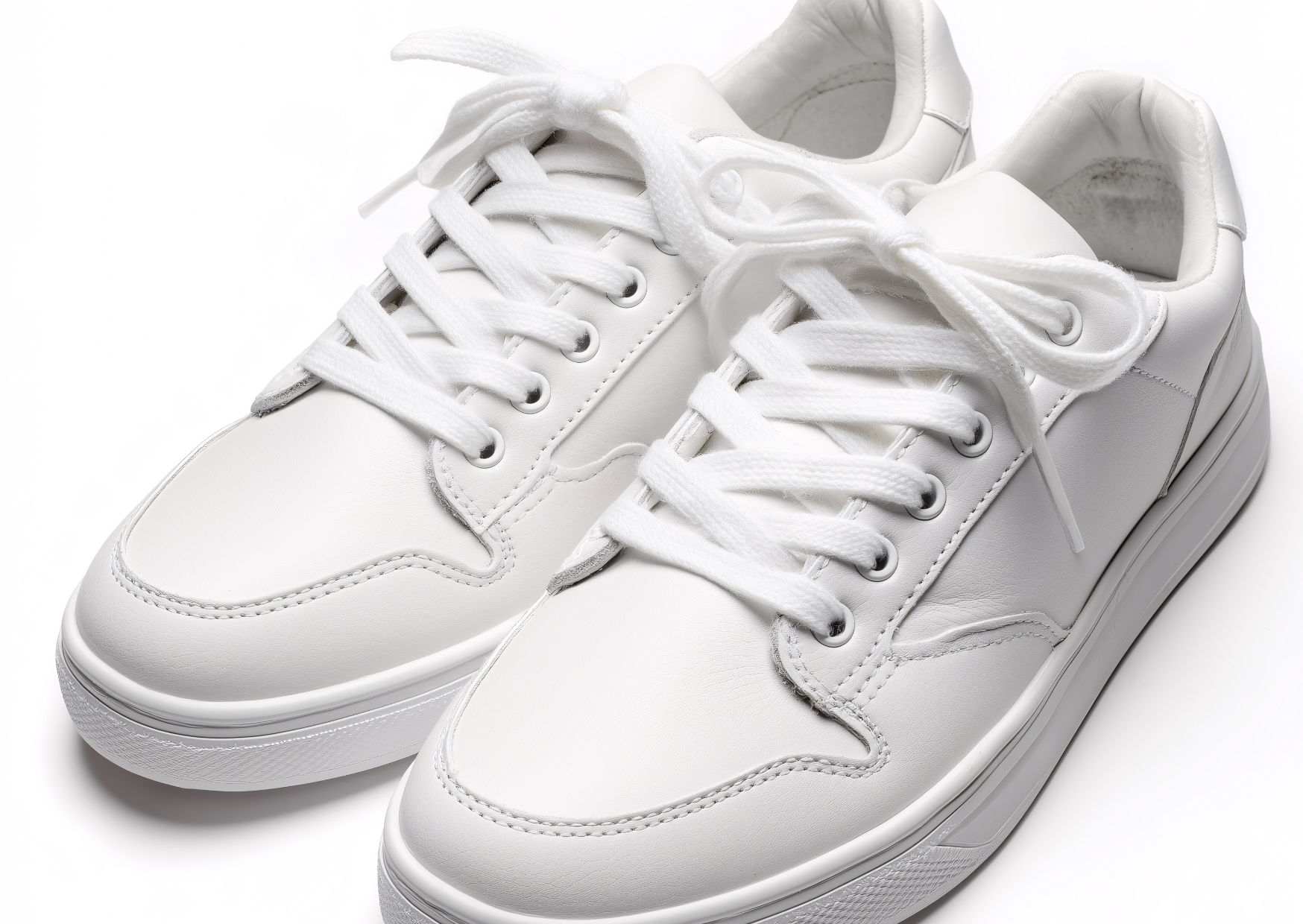
A Milan city sneaker is not gym gear, it is a clean, leather pair that holds shape and looks sharp next to trousers. Think low profile, minimal branding, and a firm counter that keeps the heel secure at city pace. Canvas reads casual and collapses with rain, leather keeps its line and takes polish.
Fit matters more than the logo. The shoe should hug the midfoot without pinch, with a toe box that clears your longest toe so you can walk all day. Try on late in the day and walk fast on hard floors, if it rubs in minute one, it will punish you in hour three. A leather lined interior helps manage heat and odor, leather lined pairs age better.
Color discipline pays off. White, black, or warm ivory link with denim, dark trousers, and day dresses. A slim court silhouette can sit under a cropped trouser without bulking the ankle, and it upgrades a travel outfit instantly. The trick is restraint, let the shape carry the look, not loud contrast.
Care is part of the value. Wipe after rain, insert shoe trees overnight, and rotate. A three minute Sunday clean keeps the pair fresh, and a cobbler can add a thin rubber half sole for grip without ruining the profile. One refined sneaker replaces five trendy pairs that photograph well and fail by lunch.
2) The Tailored Blazer That Fixes Any Outfit

The Milanese blazer is a tool, not a trophy. A structured shoulder and a gently shaped waist give instant authority over denim, dresses, or trousers. Navy is the universal starter, black works at night, camel flatters in daylight. Choose a fabric with body, tropical wool for heat, flannel for cold, hopsack for year round.
Fit is quiet and exact. The shoulder seam should meet the shoulder, the sleeves should graze the wrist bone, and the lapels should lie flat across the chest. Expect to tailor. A centimeter off the waist or sleeve is normal, and that small change turns good into perfect. Plan to hem, nip, and steam, one good blazer is worth ten almost right layers.
Versatility is built in. Over a tee, it sharpens a market run. Over a silk blouse, it handles meetings. Over a black dress, it covers dinner. The point is not to own one for each scenario, it is to own one that adapts across them with small edits in shoes and jewelry.
Maintenance keeps the math honest. Brush with a lint tool, steam instead of dry cleaning whenever possible, and rest it between wears. With care and a seasonal rotation, a blazer will run for years, outlasting a pile of cardigans and jackets that never quite solve an outfit.
3) The Dark Straight Trouser That Anchors Everything
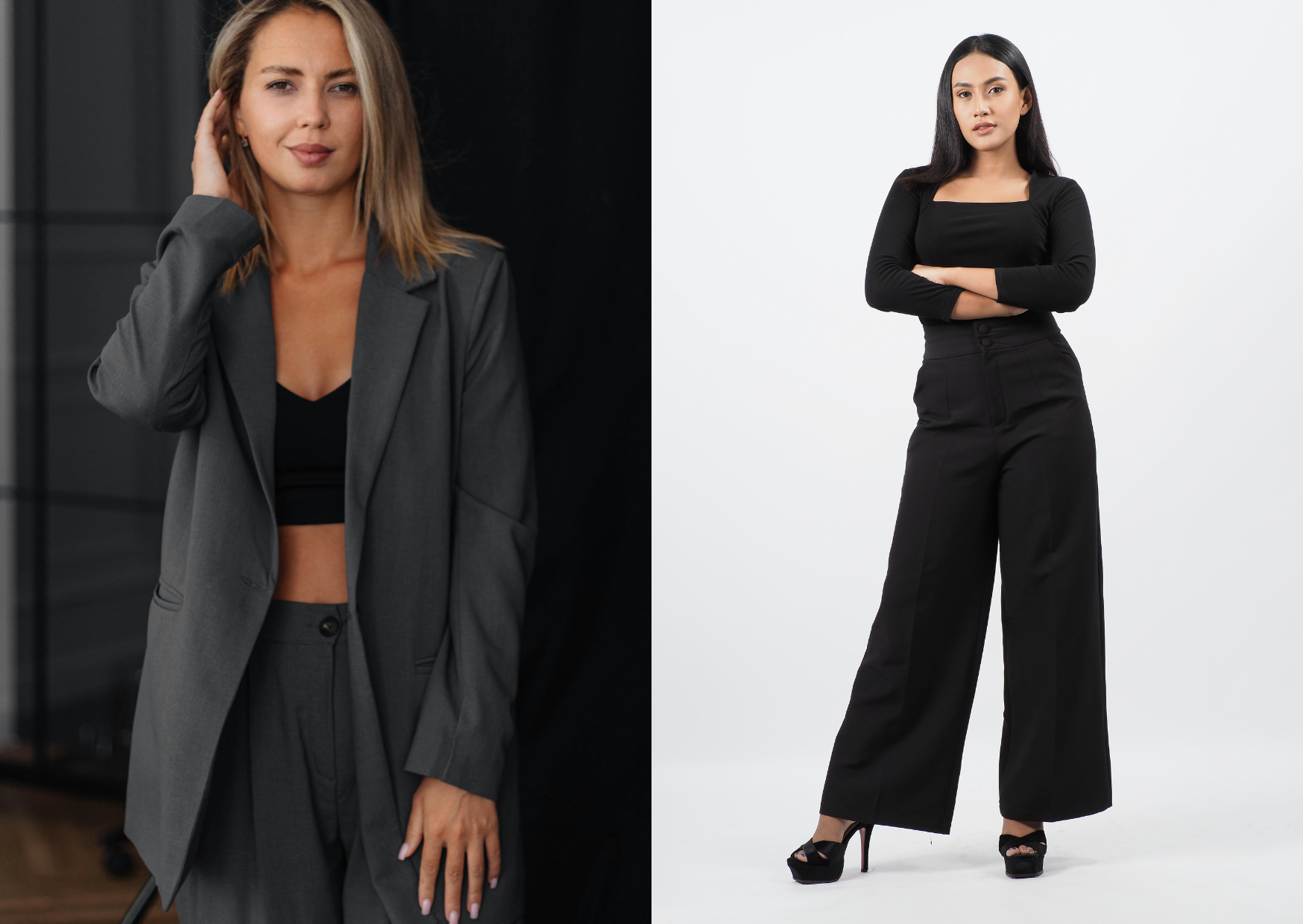
A dark trouser in a straight cut is the Milanese base, it pairs with sneakers or low heels, dresses up or down, and never looks tired. Aim for a mid rise that holds the waist without squeeze, a straight leg that skims, and a hem that kisses the top of your shoe. Black is clean, navy is forgiving, charcoal earns its keep.
Fabric selection does the heavy lifting. Tropical wool breathes in summer yet holds a crease, wool stretch blends move on transit days, winter flannel warms without bulk. Avoid shiny synthetics that catch the light in the wrong way, focus on compact weaves that drape and recover. Repeat wear is the goal, not one perfect photo.
Try on with intention. Sit, stand, and take ten quick strides. Watch the back rise and the pocket line, if they pull, size or cut is off. A tailor can slim the leg or adjust a waistband, but a rise that fights you is not fixable. When the base is right, you stop chasing new trousers every season.
Once you own the anchor pair, the rest of the closet simplifies. Tees, knits, blazers, sneakers, and low heels all snap into place. That single trouser replaces stacks of jeans and dress pants that only work with one specific top or one specific day.
4) The Walkable Low Heel That Works All Week
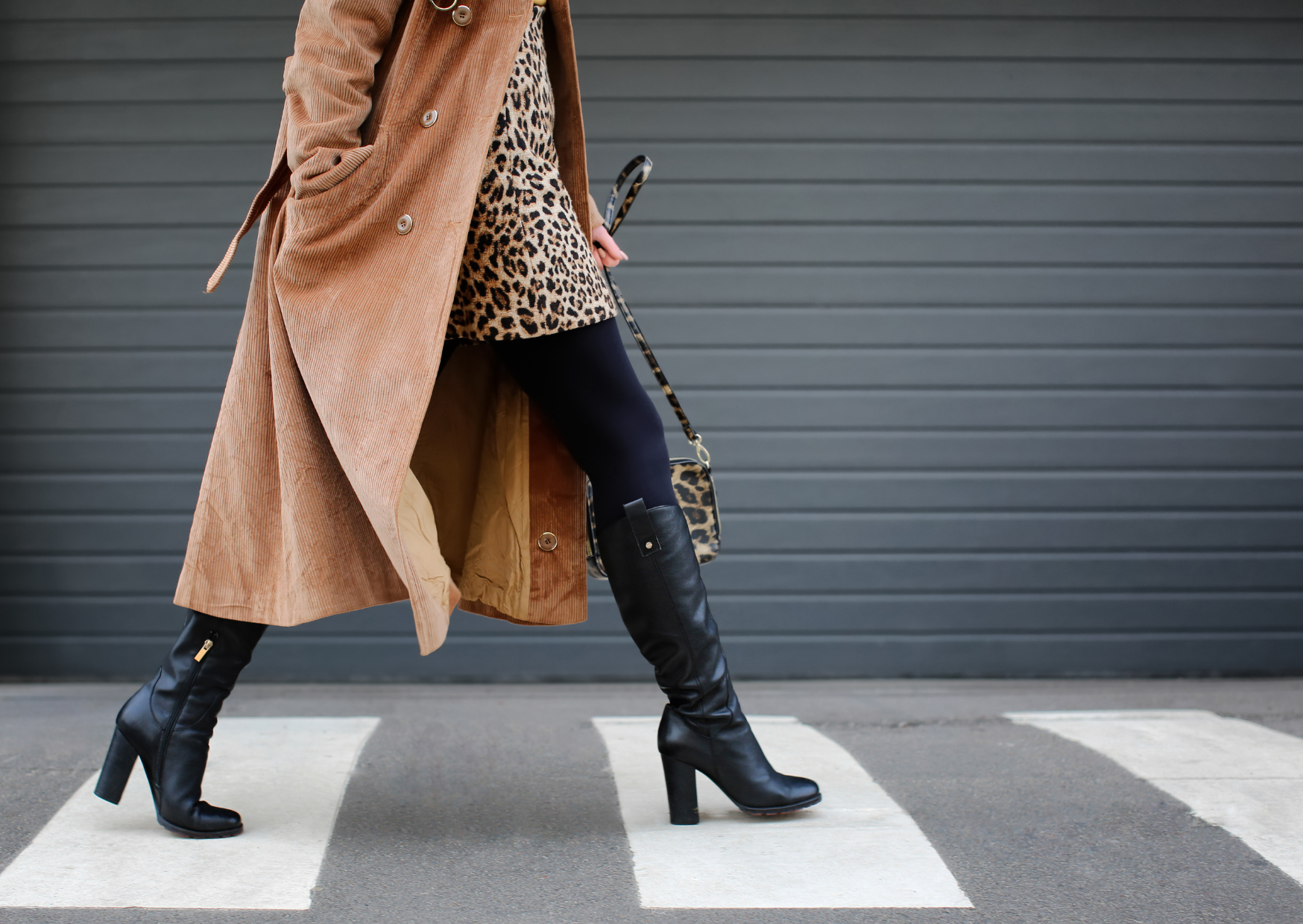
Milan moves on heel height discipline. Two to four centimeters is the sweet spot, enough lift for line, low enough for balance on stone. A block heel or a firm, stacked kitten heel handles gaps in pavers and wet platforms, while a narrow stiletto waits for indoors. Leather lining and a structured heel counter keep the foot centered.
Shape is decisive. A slightly almond toe flatters without squeeze, a slingback with a firm strap stays on at pace, and a loafer with a bevelled heel reads polished with trousers or dresses. If the heel cup slips, it is not your shoe, no matter how beautiful it looks in a mirror.
Buy for the streets you walk. If your commute includes tram steps and slick granite, ask a cobbler to add a thin rubber half sole for grip. If your office floors are polished, choose a leather outsole and add taps early to protect the stack. Small edits turn a pretty heel into a dependable one.
Care compounds value. Replace lifts before they grind unevenly, condition leather quarterly, and store with shoe trees. A single pair of low heels or loafers, tuned to your route, replaces a rotation of fragile pumps and flats that survive one event and retire.
5) The Day-to-Night Dress That Changes With Shoes
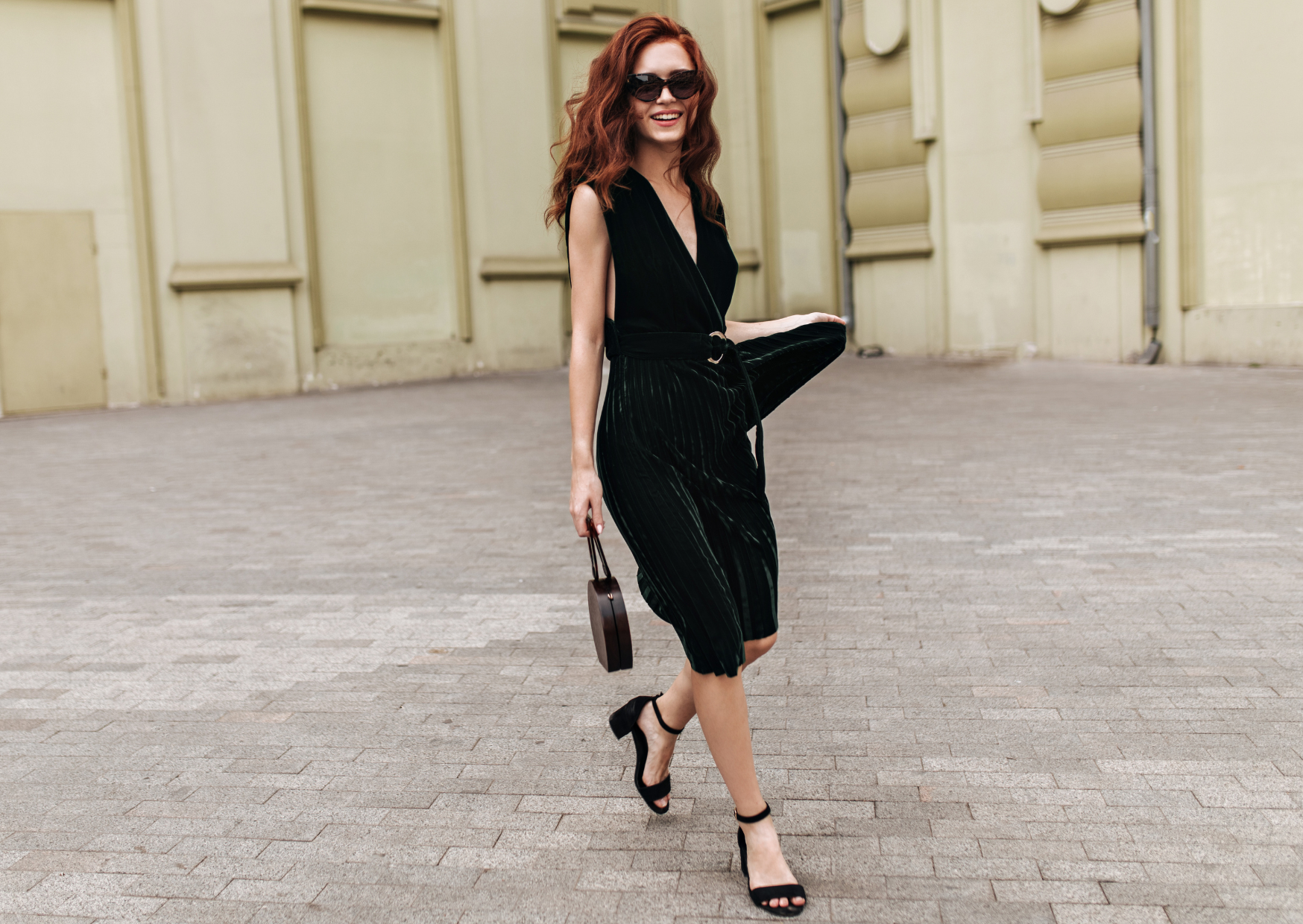
Milanese women love a one-dress solution. The cut is simple, the fabric is steady, the hem is practical. A midi length clears a city step and pairs with sneakers by day, low heels at night. Wrap, slip, and softly tailored sheath styles all work if they skim rather than cling, and if the fabric drapes without shine.
Color and texture do quiet work. Black is the obvious answer, navy is kinder in daylight, deep olive or chocolate feel rich without screaming. Crepe travels well, jersey holds its shape, lightweight wool suiting looks serious when needed. Prints are fine when small and close in tone.
Fit is a craft, not luck. The bust should sit smoothly, the waist should define without cutting, and the shoulder seam should land correctly. Expect one tailor visit, a hem adjustment or a small nip at the waist repays you every time you wear it. A dress you can truly move in becomes a uniform, not a special occasion.
Layering multiplies uses. Under a blazer it is meeting ready, under a trench it is weatherproof, solo with a scarf it handles dinner. That single dress replaces a tangle of event outfits and daytime maybes that never make it out of the house.
6) The Weatherproof Trench Or Wool Coat That Respects Rain
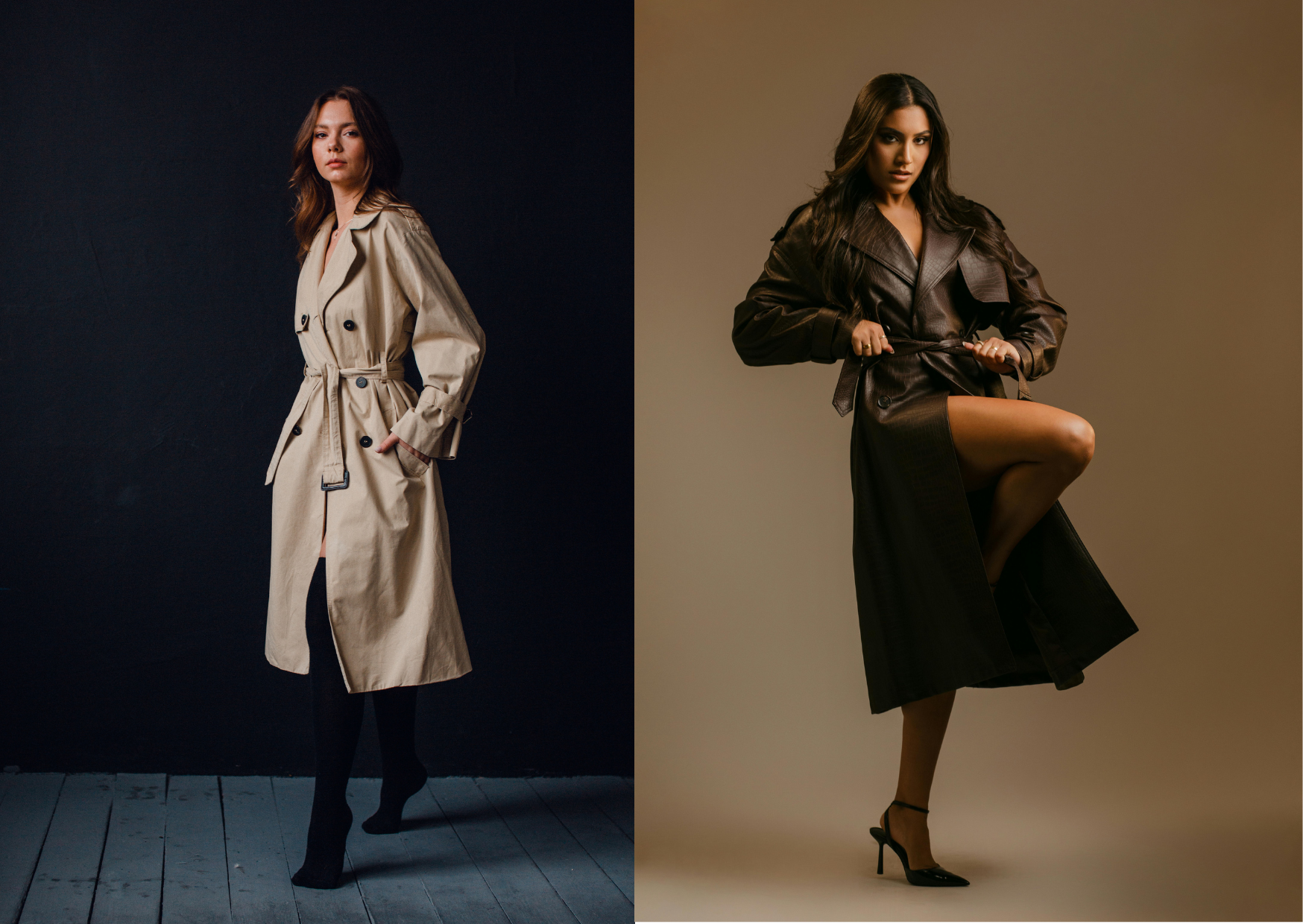
Milan tests outerwear, light rain in the morning, sun at lunch, mist at night. A trench with a proper yoke, tight cotton gabardine, and a removable liner covers shoulder seasons with grace. In winter, a knee length wool coat with structure and clean lines keeps the silhouette sharp while hiding layers.
Function is not negotiable. Look for taped seams on a true rain trench, deep pockets you can actually use, and a back vent that opens when you climb steps. For wool, choose a dense weave that resists pilling and keeps wind out. Neutral tones, camel, navy, charcoal, make everything underneath look intentional.
Fit must allow movement. You should be able to hug yourself in the coat without strain and lift your arms without the whole garment riding up. Sleeve length should meet the wrist bone, hem should balance your height and shoe choice. A belt you can actually tie is worth more than epaulettes you never touch.
Care is simple and regular. Hang on a broad shouldered hanger, steam to refresh, brush wool after wear, sponge the trench after rain. With this one outer layer in rotation, you stop buying a new fashion coat every season and start relying on a single piece that works daily.
7) The Compact Leather Bag That Replaces Five
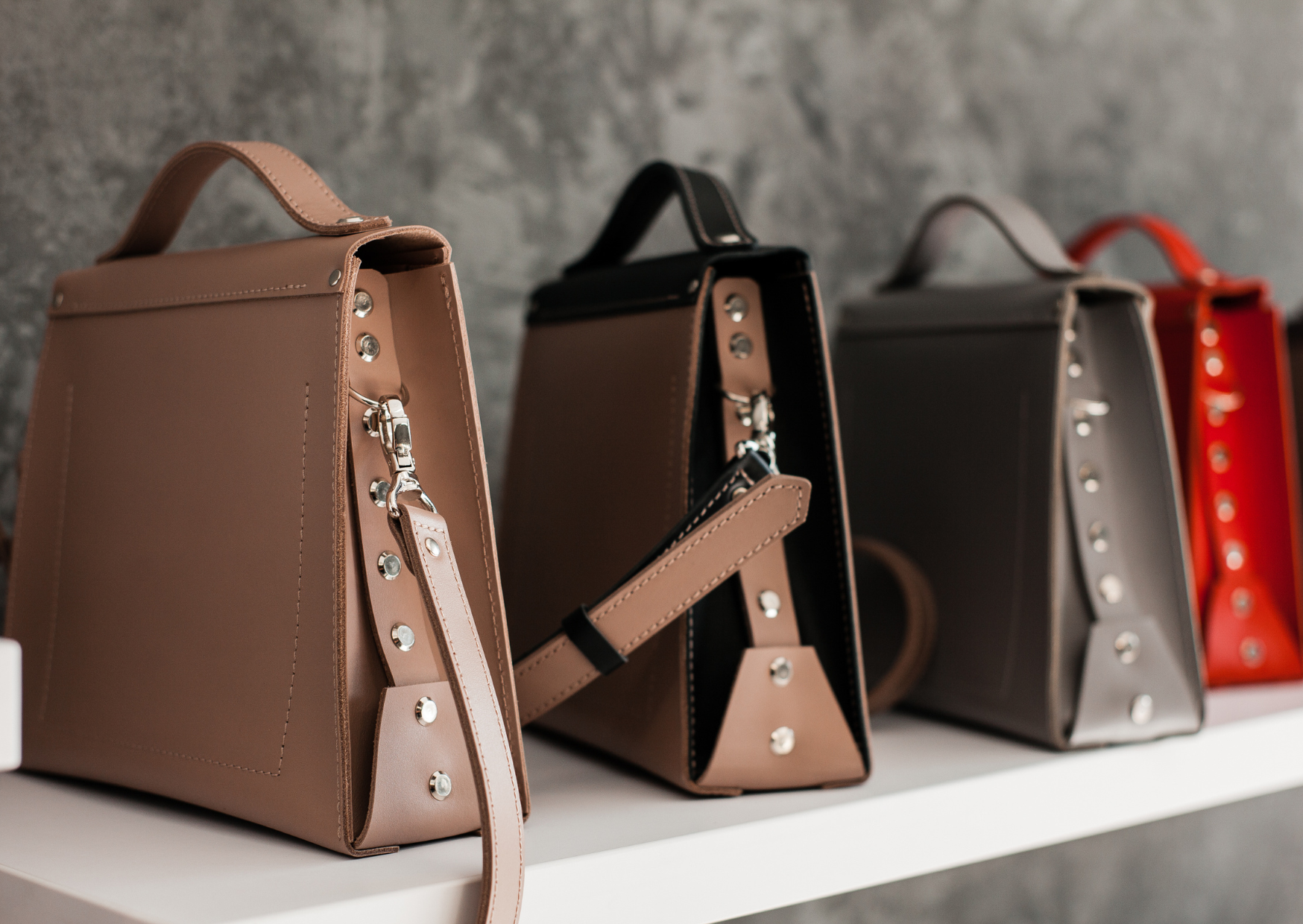
The Milan bag is small, structured, and hands free. A compact crossbody with a firm base and a top flap keeps essentials organized and safe on transit. A short top handle adds polish for meetings or dinner, while the long strap handles markets and stairs. One good bag beats a shelf of oversized totes that collect everything and hide what you need.
Choose leather that will age, not collapse. Smooth calf looks dressy, pebbled hides abrasion, saffiano resists rain, all can be conditioned back to life. Hardware should be minimal and solid, zips smooth, strap anchors reinforced. Interior pockets that fit a phone and a card case are more useful than a dozen micro slots.
Color discipline applies again. Black is the simplest, chocolate and tobacco warm up camel and denim, navy looks expensive without shouting. A single neutral bag will link across sneakers, trousers, dresses, and coats, making outfits look finished without effort.
Treat the bag like a tool. Empty it weekly, wipe the base, and condition seasonally. Use a small organizer insert if you share the bag with a camera or earbuds. Once you rely on a compact, structured crossbody, the impulse to buy another tote for “what if” days fades fast.
You do not need a Milan address to dress like Milan. You need a small, clear list, and the discipline to buy pieces that serve your life on foot. These seven replace the churn, the near duplicates, and the single use items that drain a budget and still leave you asking what to wear.
Start with the pair you will use tomorrow, the sneaker or the trouser. Fix fit, learn basic care, and let each good piece earn its place. As the rotation settles in, you will feel the closet calm down, fewer decisions, better days, and outfits that look right in motion, which is the only test that matters.

About the Author: Ruben, co-founder of Gamintraveler.com since 2014, is a seasoned traveler from Spain who has explored over 100 countries since 2009. Known for his extensive travel adventures across South America, Europe, the US, Australia, New Zealand, Asia, and Africa, Ruben combines his passion for adventurous yet sustainable living with his love for cycling, highlighted by his remarkable 5-month bicycle journey from Spain to Norway. He currently resides in Spain, where he continues sharing his travel experiences with his partner, Rachel, and their son, Han.