
If your shoes cannot carry you through a full city day without pain, they are the wrong shoes, no matter how beautiful they look in a mirror.
You notice it on a Tuesday morning in Milan, school runs, metro steps, wet crosswalks.
The heels are modest, the strides are quick, and nobody is wobbling.
Italian women dress for a life lived on foot, which means they buy for movement first, then style. That single choice saves money, because it avoids the cycle of impulse pairs, returns, and unused shoes that sit in a closet like sculpture.
This is the shoe rule in plain terms, comfort and control at city pace come first, everything else follows.
It sounds simple, yet it quietly changes what you buy, how you shop, and what ends up in your suitcase for Europe.
Want More Deep Dives into Other Cultures?
– 9 Italian Style Rules That Instantly Outshine American Fashion
– Why Europeans Walk Everywhere (And Americans Should Too)
– How Europeans Actually Afford Living in Cities Without Six-Figure Salaries
– 9 ‘Luxury’ Items in America That Europeans Consider Basic Necessities
1) The Rule In One Line
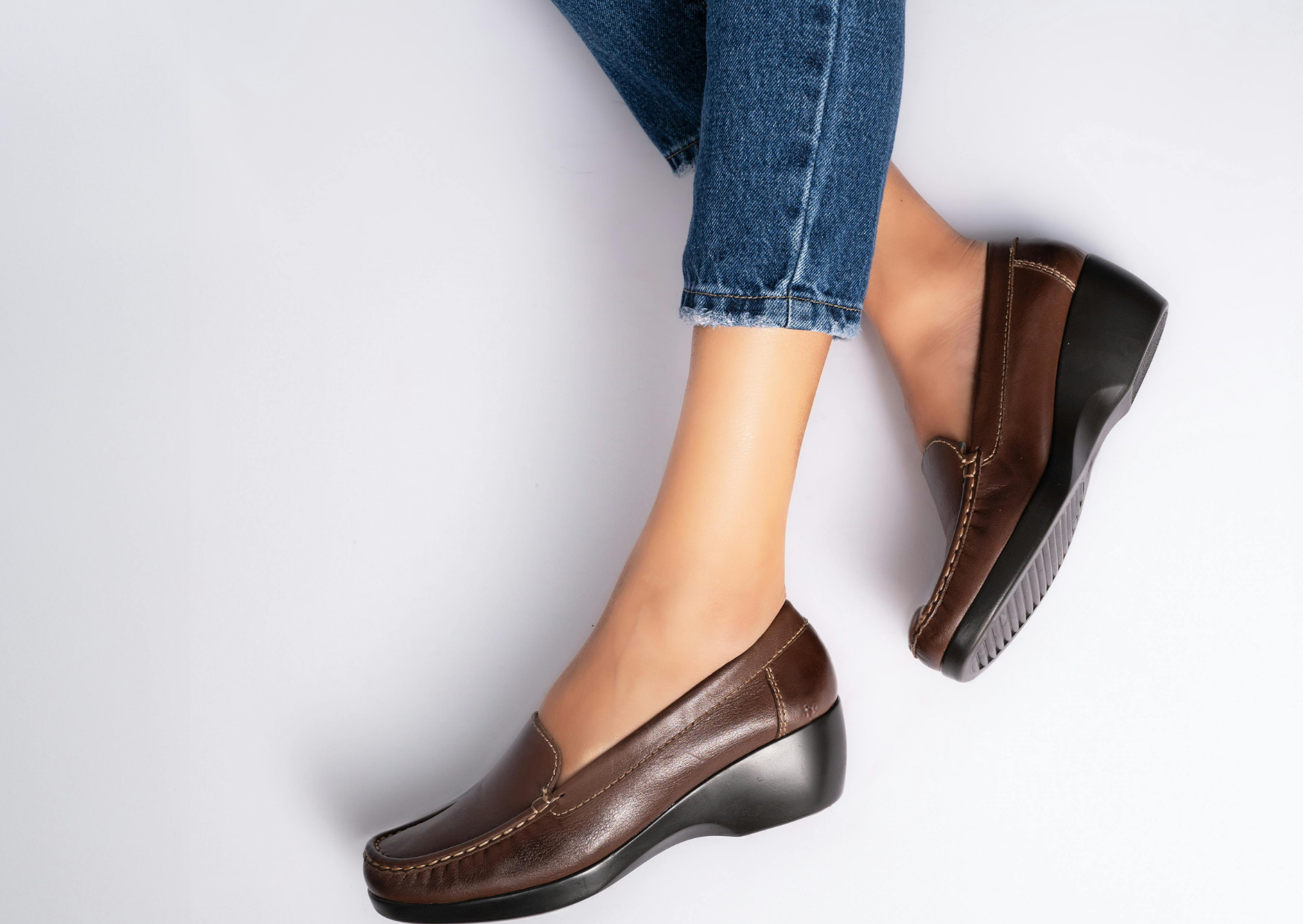
The Italian rule is not a mystery. Fit before fashion, every time. The shoe that fits your foot shape, your stride, and your real day wins, even if the dress on the hanger begs for a higher heel.
That flips the usual order. Instead of styling the outfit and squeezing your feet into whatever completes the look, you start with a pair that can carry you six to ten urban kilometers without hot spots. Then you build the outfit around that base. The result looks better in motion, which is how the world actually sees you.
Two more pieces complete the rule. First, walkability first. Test the shoe at a true city pace, not a slow lap on carpet. Second, quality over trend. A well made pair in a timeless last, leather lined and resole friendly, will outlive three cheap pairs that felt fine for five minutes and failed by lunch.
2) How It Actually Works On Italian Streets
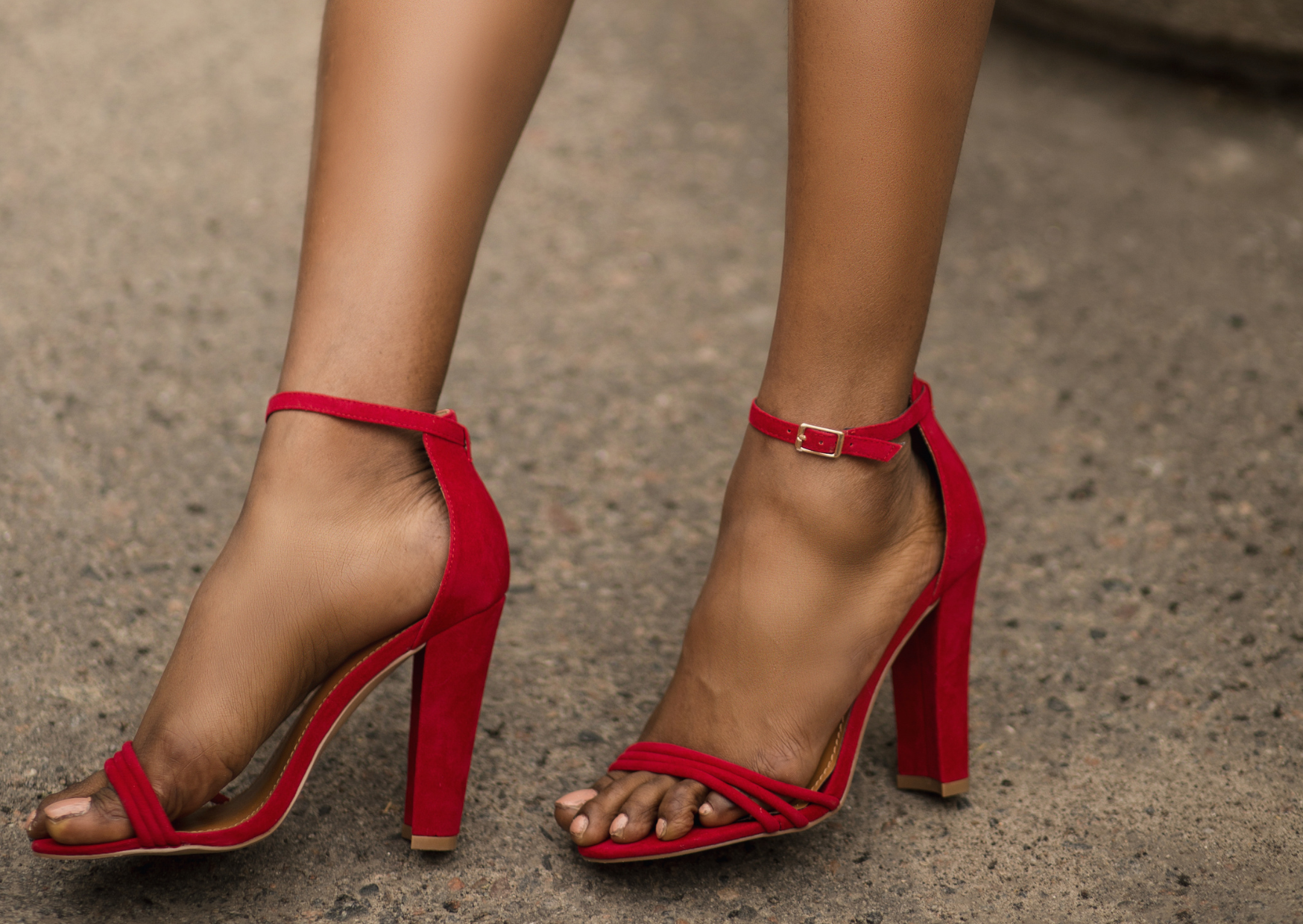
Italian cities force the truth. Sidewalks shift from smooth stone to pavers and back. Trams and scooters share intersections. Errands involve stairs, transit, and standing. If a shoe only survives short, level surfaces, it will not make it here.
That is why you see heel height discipline. Two to six centimeters gives a touch of lift without tipping your balance. Block heels and stacked kitten heels work because they handle unexpected gaps in stone. Spindly stilettos appear at night, inside, on flat ground, not for seven daytime hours.
Materials matter too. Leather uppers mold to the foot with wear, leather linings manage heat, and structured counters hold the heel. Rubber outsoles earn their place where rain and polished stone meet. Italians also understand lasts. A slightly almond toe that clears your longest toe buys comfort you can feel by mid afternoon.
The final ingredient is a culture of edits. Shoes get stretched, taps added, soles swapped to better compounds, and straps punched for a cleaner hold. A humble cobbler visit is normal, not a last resort. The goal is to tune the shoe to your body, then let it earn a long life.
3) The Practical Playbook
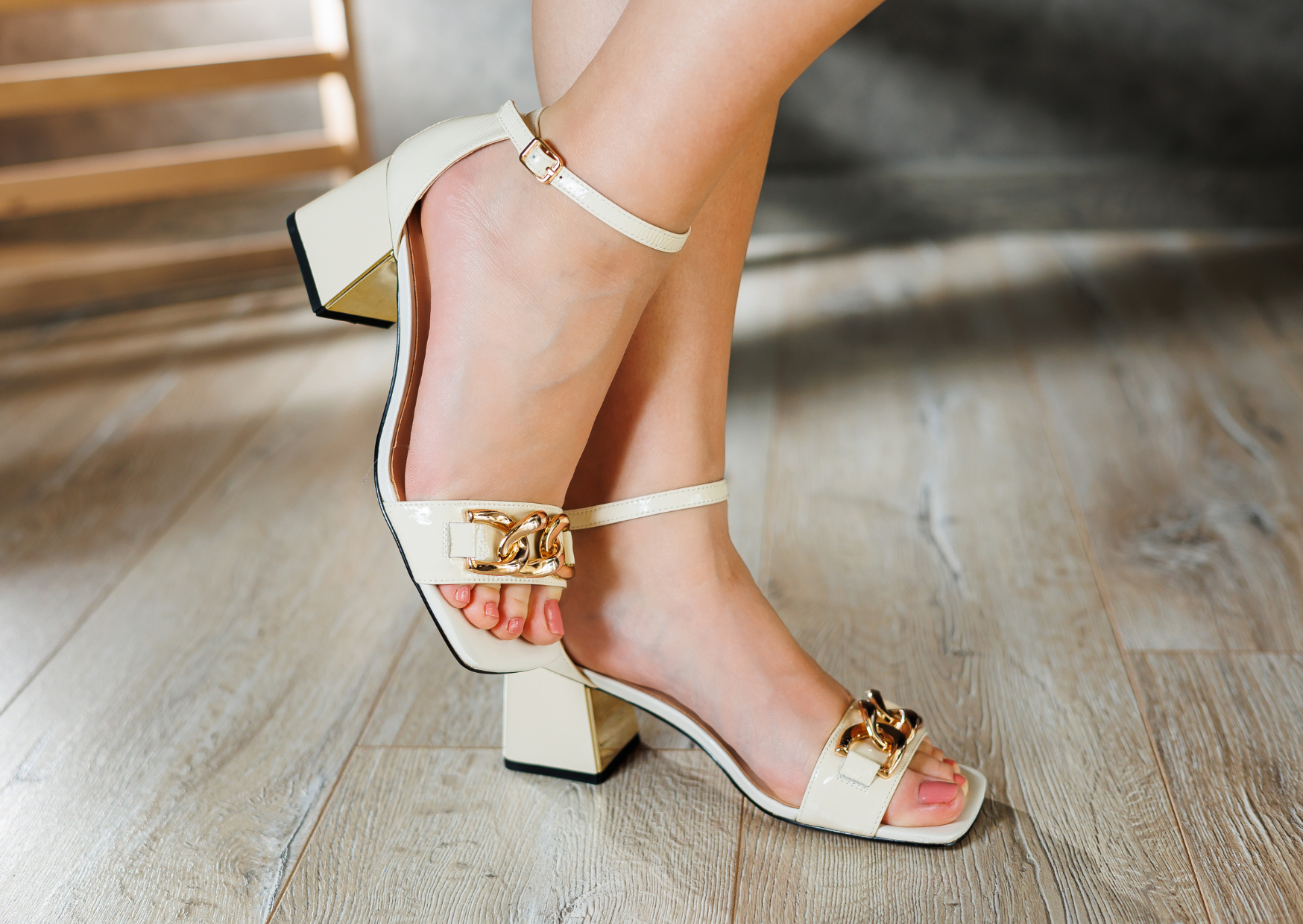
Start with your route, not your wardrobe. If your daily path includes metro stairs, cobbles, and standing, pick a pair that respects that path. Then dress up from there. A sharp skirt or tailored trouser will meet you halfway.
Buy late in the day. Feet swell with life, which is why try on at day’s end is a real rule. Bring the socks or tights you will actually wear, lace and buckle like you mean it, and do fast laps. If the shoe pinches in minute one, it will punish you by minute forty.
Choose materials that learn your foot. Buy leather you can maintain. Full grain uppers, leather lining, a firm heel counter, and a midsole with some give. If you need weather insurance, pick leather with a rubber sole or a rubber half sole added. Fabric flats look cute in photos and wilt by week two.
Meet your cobbler early. Use your cobbler for small adjustments before pain starts. A stretch over the bunion point, a half sole for grip, a new heel lift, a punched hole on a strap, these tweaks cost less than replacing the shoe. Italians treat this like tailoring for feet. You can too.
4) Edge Cases That Empty Wallets
Online only purchases with no reality check are first on the list. Sizing shifts between brands, and lasts shape your toes in different ways. Vanity sizing traps make you feel good in the box and hurt on the street. Order two sizes if you must shop online, test at pace on hard floors, and return the loser same day.
Special event heels are next. You buy a skyscraper pump for a wedding in Umbria, then realize the reception sits on gravel. You spend on gel inserts, taxi hops, and a second pair at the last minute. That is how returns cost real money, not just time. A lower, stable heel with a leather sole layered in rubber serves you from church to dancing.
Weather denial sneaks in. Summer sandals without real straps, winter boots without grip, suede in a rain week, all of these turn into short, frustrating wears. Pack for the forecast you do not want, not just the one you do. A small bottle of protector spray and a folding travel brush earn their keep.
The final edge case is suitcase optimism. You picture a different version of yourself, then pack for her. In Italy you will walk, you will stand in museum lines, you will cross stone. Bring the shoes that fit the life you actually live, not the still photos you hope to post.
5) Regional And Seasonal Differences To Plan For
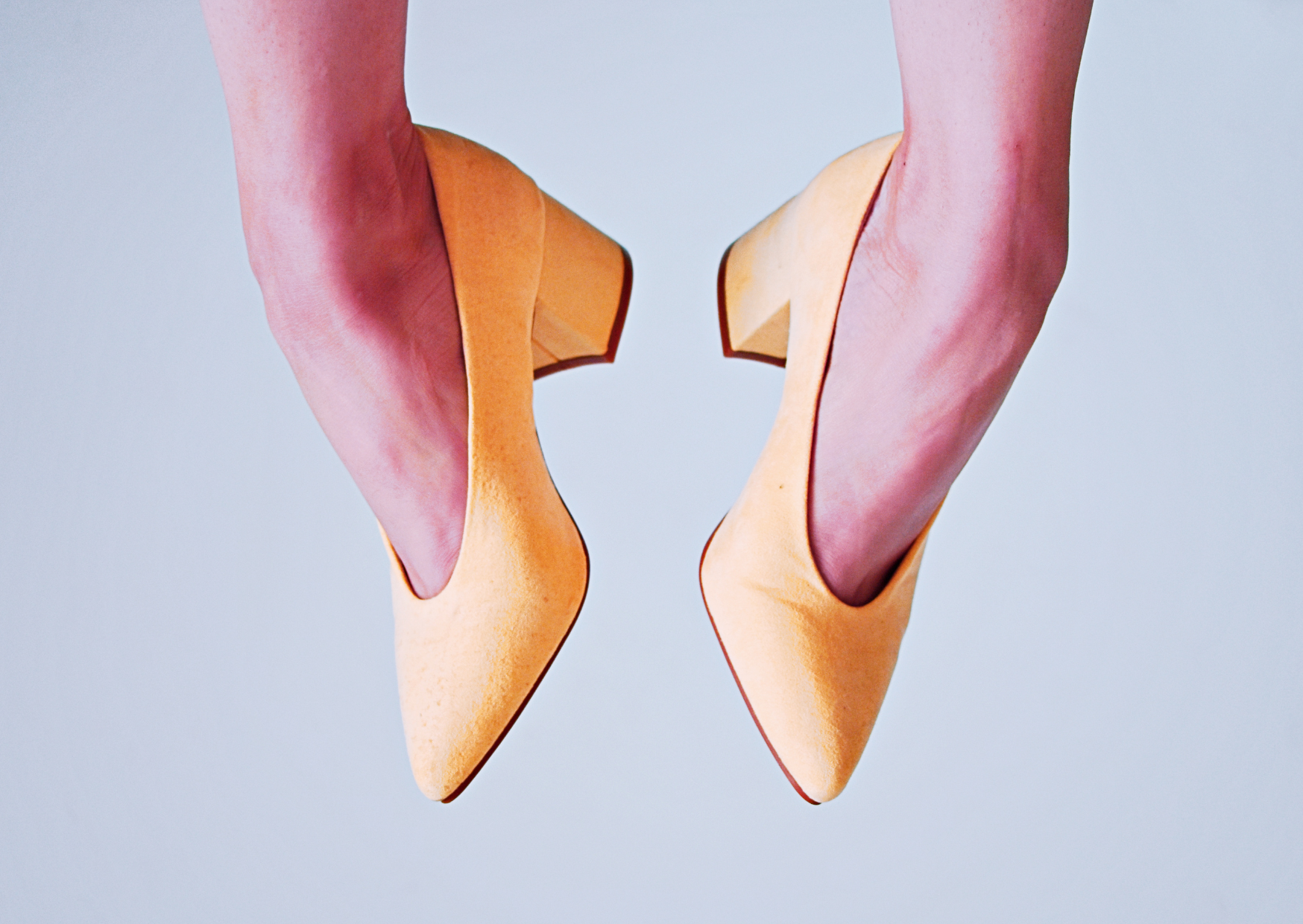
Northern cities ask for rain sense. Milan and Turin see wet commutes. Rubber outsoles for rain stop the slide on polished platforms and granite station stairs. A low block heel or a sleek loafer with tread covers office and street without a costume change.
Central Italy brings stone. Rome and Florence mean pavers, seams, and ancient steps. Choose wider bases that bridge gaps. Slingbacks with a firm strap hold the heel on uneven ground. In high summer, a leather sandal with a real strap, not a flip, keeps control when the street heats up and feet swell.
Coastal and hill towns change the geometry. Venice has bridges, Amalfi has stairs. For Venice, a light sneaker or a leather lined walking flat with a thin, grippy outsole keeps you nimble on ramps. For Amalfi, think secure straps and a heel that plants. Suede is seasonal, save it for dry spells.
Winter calls for insulation and traction. A slim shaft ankle boot with a structured counter, leather lining, and a rubber sole balances warmth and city pace. Spring and fall invite loafers, brogues, and mid height boots that take you from rain to sun in one day. Rotate pairs to dry fully between wears, leather rewards the rest.
6) How To Shop Like An Italian
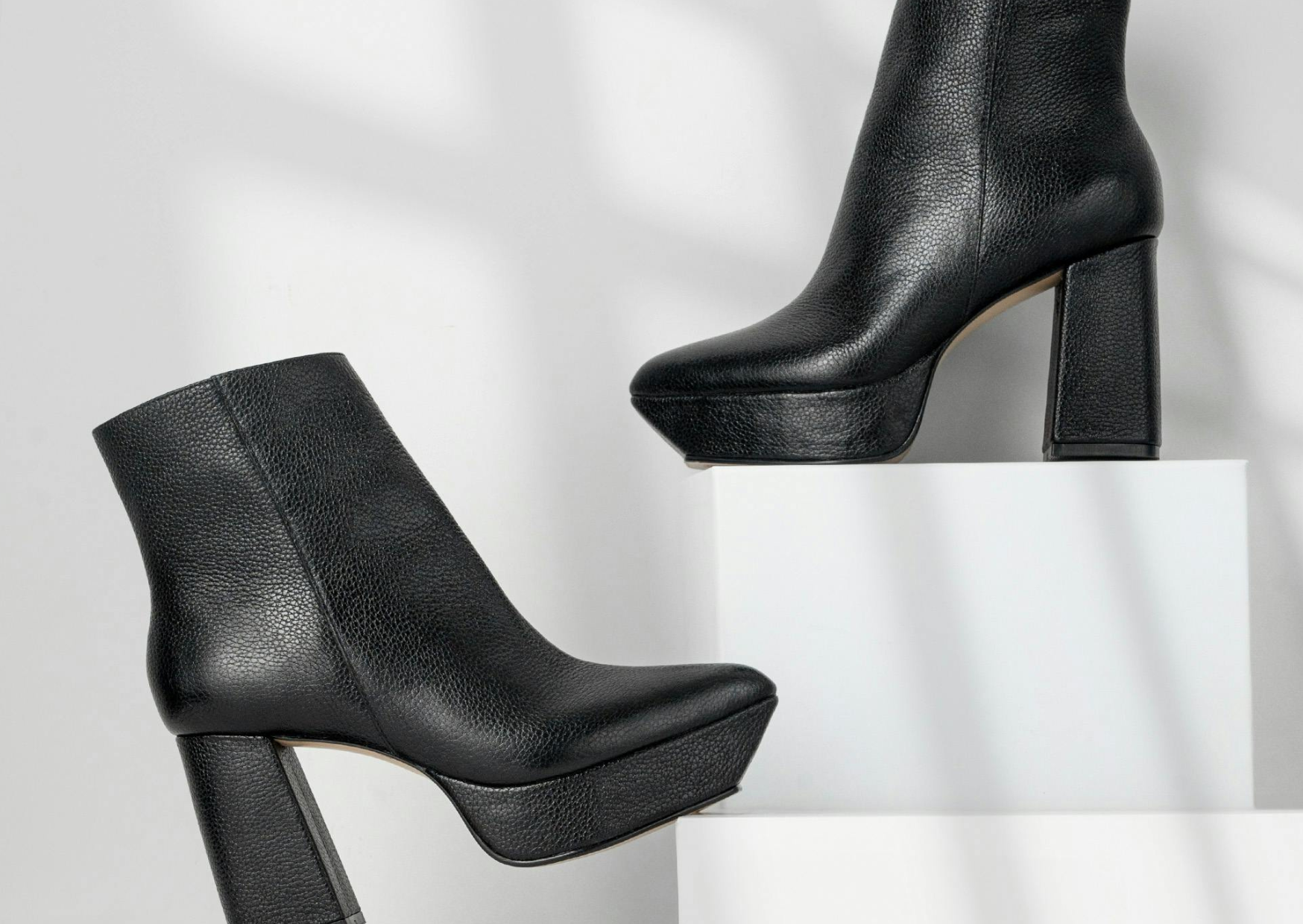
Build a small rotation, not a giant pile. Aim for one perfect pair in each role, a city sneaker that dresses up, a loafer or brogue for smart days, a low heel for nights, and a weather pair that does not blink at rain. Let color do quiet work, black, espresso, tobacco, navy, ivory. Neutrals link more outfits with fewer pairs.
Learn your lasts the way you know your jeans. The toe shape that loves your foot will become obvious. Almond and gently tapered toes flatter without squeezing. If your second toe leads, give it air. If your heel slips, choose pairs with counters that hold and straps that lock.
Inspect construction like a pro. Look for even stitching, straight toplines, balanced heels, and outsoles set square. Check the insole board for comfort, the lining for smoothness, and the midsole for a touch of flex. A shoe that feels alive underfoot will age with grace.
Treat repairs as part of ownership. Repair over replace is standard here. Add taps before you grind the heel down to the stack, resole when the tread smooths, refresh insoles when flattening starts. These small acts extend life and lower total cost. A pair that serves you for five years costs less than a parade of one season mistakes.
7) The Money You Save By Following The Rule
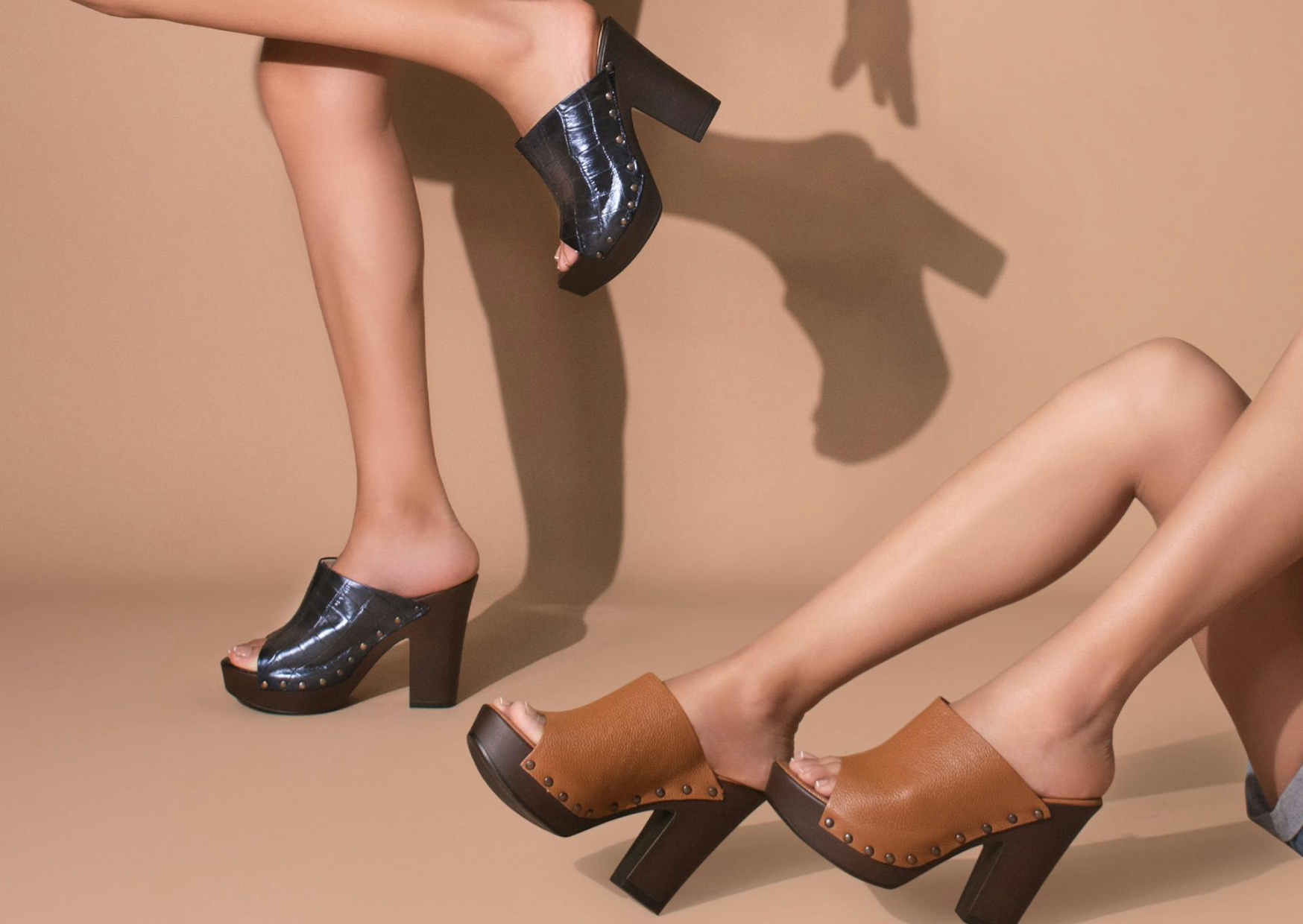
The title promises savings for a reason. The most expensive shoe is the one you cannot wear, returns, impulse pairs, blister fixes, spur of the moment replacements, and event day taxis add up. When you buy for your stride and your city life first, that churn drops.
Think in years, not months. A well made loafer that works with trousers and dresses will earn a hundred wears in a year without complaint. A leather sneaker that stays crisp with polish bridges weekend and weekday. A low heel that holds on stone covers dinners out and meetings. Fewer, better pairs mean fewer emergency buys.
There is also a cost you cannot see on a receipt. Pain steals time. When your shoes let you walk farther, you say yes to more things, coffee after work, a detour through a market street, one more museum room, an extra errand that makes tomorrow easier. Good shoes enlarge a day.
The Italian rule is not about luxury labels. It is about choosing well, maintaining what you own, and respecting the way a city is built. The look follows the function, and the budget thanks you quietly in the background.
8) Common Mistakes And Clean Fixes
Mistake, buying a half size small because the toe breaks pretty in a mirror. Fix, size for the longest toe and let the leather shape with wear. Use a shoehorn to protect the counter, and add a slim tongue pad only if needed.
Mistake, wearing soft foam trainers with a dress and then wondering why the outfit falls flat. Fix, pick a leather lined court style or a crisp runner with clean lines. The shape reads polished while your feet enjoy the cushion.
Mistake, packing only sandals for a June trip. Fix, bring a light loafer or a low block heel for nights and a leather sneaker for museum days. Weather turns, floors change, plans expand.
Mistake, letting shoes die quietly in a closet. Fix, schedule maintenance. Replace lifts at the first sign of an uneven wear pattern. Add a half sole before slippery season. Condition leather at the start of each quarter. Small habits give shoes a long, useful life.
What This Means For You
If you want the Italian result, start where Italians start, with a pair you can move in, all day, in your real city. The rule sounds modest, yet it touches everything, the last you choose, the materials you prefer, the places you are willing to tune a fit, the number of pairs you actually need. The payoff is a closet that serves your life instead of draining your budget.
Pick a rotation you love, then wear it into the ground, and repair it back to life. Choose heel heights that respect your balance. Use your cobbler like you use your tailor. Keep leather alive with five minute routines. Let your shoes carry you, not the other way around.
Do that, and the money you used to spend on mistakes starts to fund the things you moved through the city to find, a better espresso, a last minute train, a dinner where you can sit without rubbing your feet under the table. That is the quiet luxury of the Italian rule, freedom in motion, and a wardrobe that works as hard as you do.

About the Author: Ruben, co-founder of Gamintraveler.com since 2014, is a seasoned traveler from Spain who has explored over 100 countries since 2009. Known for his extensive travel adventures across South America, Europe, the US, Australia, New Zealand, Asia, and Africa, Ruben combines his passion for adventurous yet sustainable living with his love for cycling, highlighted by his remarkable 5-month bicycle journey from Spain to Norway. He currently resides in Spain, where he continues sharing his travel experiences with his partner, Rachel, and their son, Han.