
Your phone shows two blue ticks at 19:12. You do not reply until morning. In Germany, that tiny gap is not a shrug. It is a signal.
Walk around Berlin or Munich and you will hear the same story from different mouths. A message was read, the blue ticks appeared, and nothing came back. Hours passed. A plan went sideways. A joke landed cold. Someone felt ignored. By the time the thread recovered, the friendship had a scratch on it.
No one wakes up to ruin a relationship over a check mark. Yet read receipts, last seen, and online status press on German norms in a way many Americans underestimate. Germany rewards reliability and promptness. WhatsApp is the default channel for friends, family, and work. The app itself makes it easy to see when a message was seen and by whom. Put those together and the blue ticks become more than pixels.
This is not a scold. It is a field guide. Below is how the feature works, why it collides with local expectations, the exact moments where friendships crack, and a practical playbook to keep your threads clean, your plans on time, and your people un-bruised.
Why Blue Ticks Feel Heavier In Germany
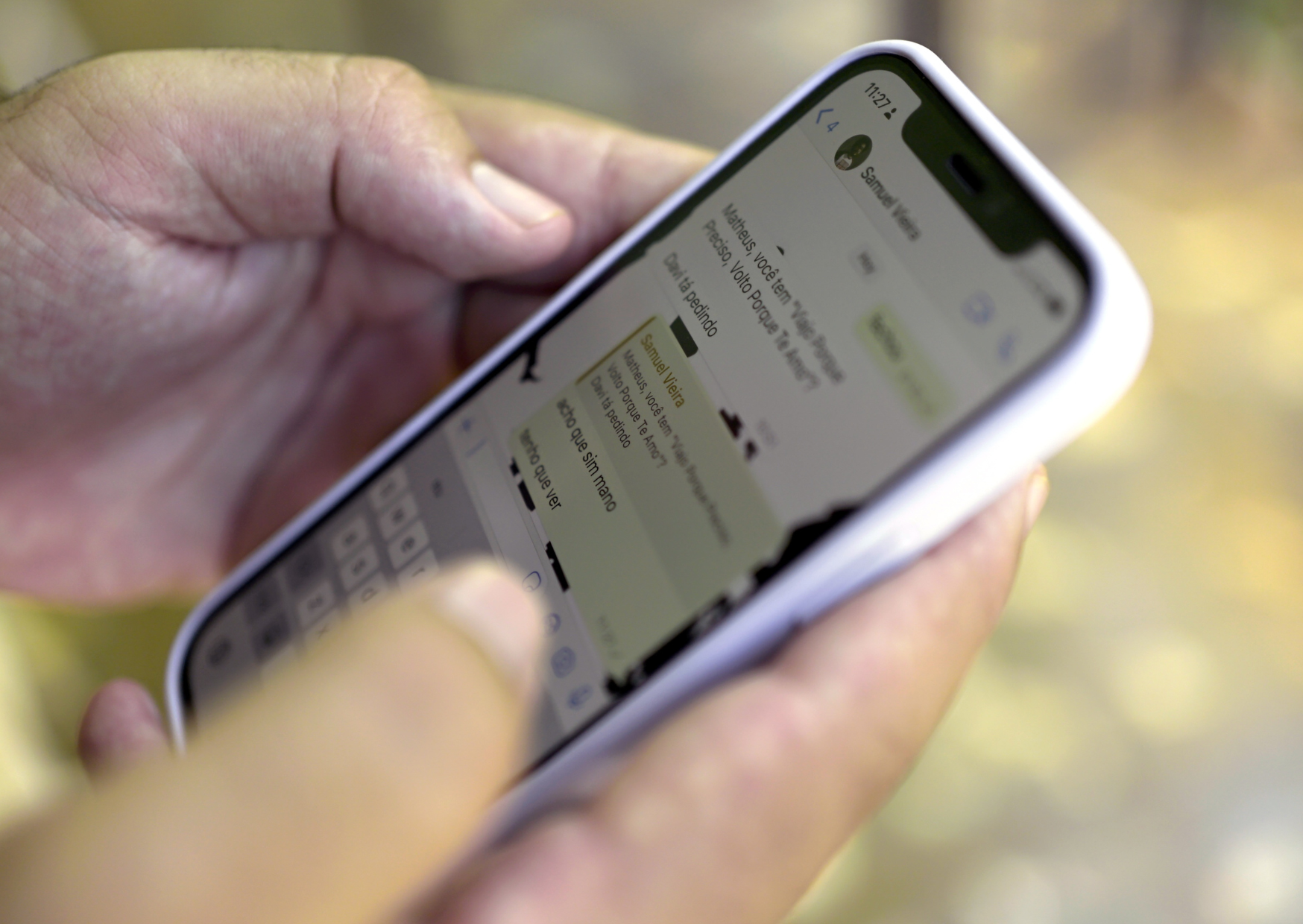
Germany trains you to treat the small signals seriously. Punctuality and dependability are not just office rules, they are friendship hygiene. When you see “gelesen” and silence, it can read like a missed train.
The day runs on logistics. People plan weekends a week ahead, agree exact meeting points, and send updates as if coordination were a shared sport. In that rhythm, quick acknowledgement, clear commitments, and predictable timing are social grease. When a message shows as read and the reply lags with no note, the silence can register as indifference rather than busyness.
There is also a language habit. German everyday communication prizes directness, specific phrasing, and closing the loop. Long hedges and loose endings are rare between friends. The blue ticks amplify that expectation by pointing to an exact minute when you saw something. The moment you fail to answer, the gap feels recorded.
Finally, WhatsApp is not an optional app here. It is the default channel across age groups and contexts. Group chats are family noticeboards, class coordinators, and Friday night logistics, all at once. If your signal says you were there and you did not react, people notice. The same unread bubble that floats past in other countries hits the ground here.
The Mechanics That Make It Worse
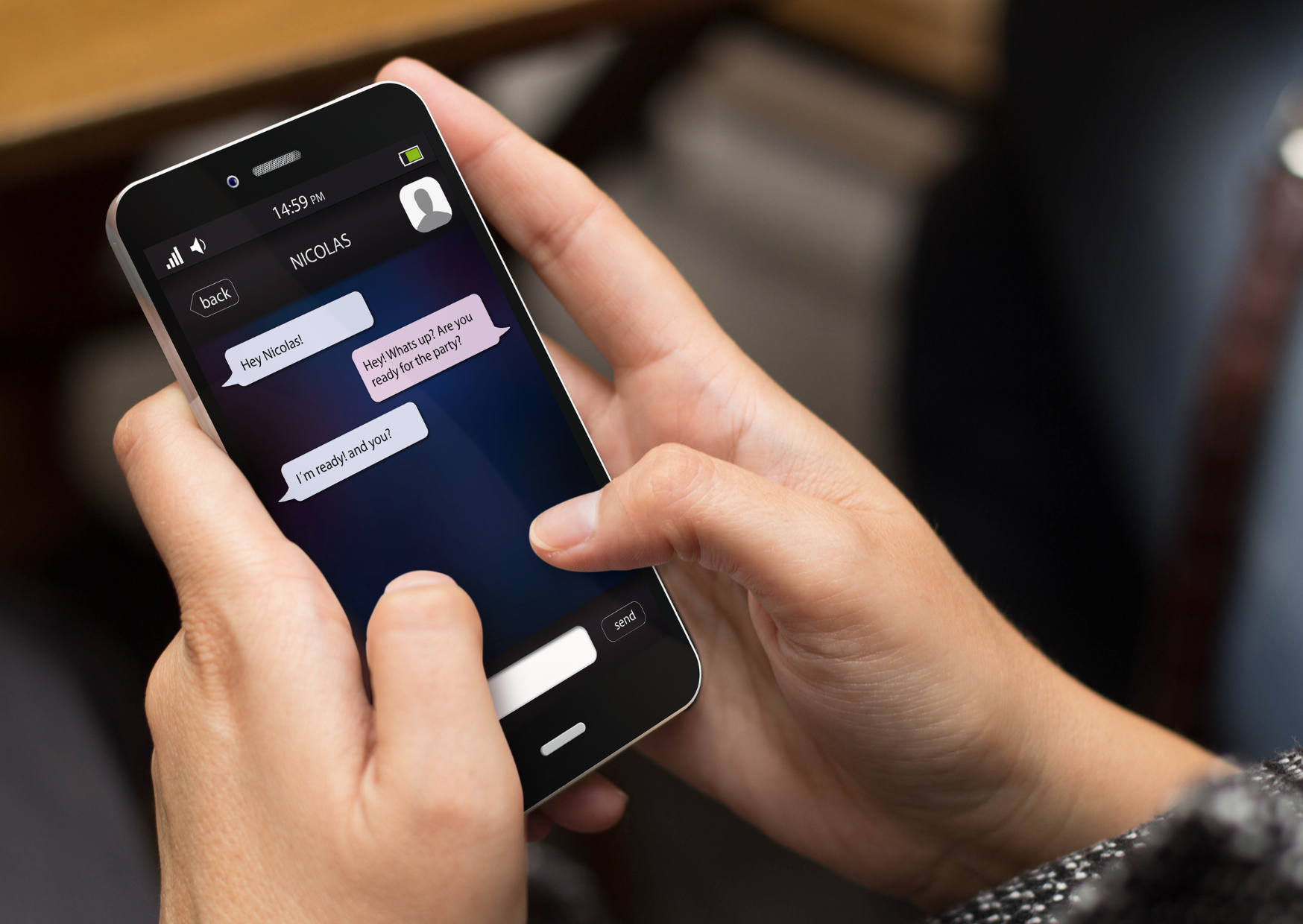
Most friendship friction comes from three features that many people never configure, or misunderstand entirely.
Read receipts, the blue ticks. In one-to-one chats, two blue ticks mean you opened the message. You can turn this off in Settings, Privacy, Read receipts. When disabled, no one sees your blue ticks, and you do not see theirs. In group chats, read receipts are always on. The app shows who read a message and when, and the double blue ticks appear only when everyone has opened it. This is why group plans go tense, because people can see that you saw and did not respond. Groups always reveal opens, one-to-one can be private, symmetry applies if you turn them off.
Last seen and online. People can choose who sees their last seen and online status, from everyone to nobody, or hide it from selected contacts. Many users never touch this setting, which means friends can watch you open the app and not answer. In a culture that prizes responsiveness, this tiny green dot becomes a loud siren. Control last seen, hide online to reduce pressure, set per contact if needed.
Voice and media receipts. Even with read receipts disabled, group reads still show, and many media interactions surface views in specific ways. Edited messages will refresh the receipt trail, and in group threads you can pull message info to see who saw what, and when. The point is not paranoia. It is knowing what your contacts can infer so you can steer, not drift. Edits reset info, message info exposes timing, know what you reveal.
These mechanics do not judge you. They just broadcast metadata. In Germany, metadata lands like manners.
Where Friendships Actually Crack

When people say blue ticks “destroy friendships,” they usually mean one of four ordinary moments that spiral.
The “read and run.” You are on the U-Bahn, you open the thread, you cannot type a proper reply, you pocket the phone. Your friend sees two blue ticks at 19:12 and silence at 21:00. In a place where people plan around punctual replies, the gap can read as low priority, flakiness, or soft no. You did not mean to send a message. You did, with your silence.
The group sinkhole. Seven friends try to settle a dinner time. The organizer sees who read the proposed slot. Two people reply. Two hearts. One joke. Two readers stay quiet for hours. The rest do not know whether to book. The visibility of who read and did not answer adds social pressure that can turn a simple plan into a small resentment.
The crossed channels. You reply to one person in a side chat but do not answer another in a shared group. The side chat shows you active and responsive while the group shows you as “read.” The optics look like favoritism or avoidance, even if it is just focus.
The time stamp trap. You relax your last seen to “Everyone” and forget about it. A friend notices you were online at 23:42 after reading their message at 21:08, then you replied the next morning. They invent reasons. None of them help you.
Each of these is preventable. None requires personality change. They ask for three small skills: settings you control, tiny meta-messages, and scripts you can send without thinking.
The Settings That De-Pressurize Your Threads

You do not need to disappear. You need to turn down the visible noise so your behavior stops sending accidental messages.
Right-size read receipts. If you mostly chat one-to-one, turn read receipts off and make peace with the trade, you will not see blue ticks from others either. In groups, receipts stay visible, so combine this with a habit of quick reactions when someone proposes a time or a task. For group organizing, that mix is perfect, privacy in private, accountability in groups, less guesswork for everyone.
Lock down last seen and online. Set Last seen and online to My contacts except… and exclude anyone who reads every dot like a novel. If that feels harsh, set it to Nobody for a week, see how much calmer threads feel, then decide. People read “online” as an open door. If you cannot answer, close the sign.
Use Mark as Unread correctly. Mark as unread is only a reminder for you. It does not roll back the blue ticks. Treat it like a sticky note, not an invisibility cloak. Many friendship scrapes begin with this misunderstanding. It is a flag, not a mask, use it to create a to-do, do not rely on it to hide.
Learn the 15-minute edit window. If your first reply was blunt, or you typed a time wrong, you can edit a message within 15 minutes. Use that window to fix errors, not to rewrite history. In Germany, revising a mistake quickly reads as professional, not sneaky. Edit fast for clarity, own the corrections, avoid second threads.
Small settings, big effect. Each one reduces the number of accidental signals you send.
The Two-Line Scripts That Keep Friends Close
Etiquette that works is short, specific, and easy to repeat. These lines travel, and they match German habits of clarity and timing.
When you see a plan you cannot answer yet.
“Gelesen, antworte gegen 21 Uhr.” Read, I will reply around 21.
“Passt grob, Details später.” Rough yes, details later.
Two seconds to write, thirty minutes of social pressure removed.
When you need more time.
“Ich lese gerade nur quer, melde mich morgen vormittag.” I am skimming now, I will come back tomorrow morning.
“Bin unterwegs, schreibe nach dem Termin.” I am on the move, I will write after the appointment.
You give a when, not an apology. The when is what matters here.
When the group needs a nudge.
“Bitte kurzes ‘ja’ oder ‘nein’ bis 18 Uhr, dann reserviere ich.” Please a quick yes or no by 18, then I will book.
“Wer nicht reagiert, gilt als dabei.” If you do not answer, I will count you in.
This is not bossy. It is a clear rule that Germans respond well to, because it respects time.
When someone reads and vanishes.
“Hast du’s gesehen, passt nicht eilig.” Saw you read, not urgent.
“Kurzes Zeichen reicht.” A quick sign is enough.
You remove drama and invite a minimal response.
When you are late to reply.
“Danke fürs Warten, hier die Antwort: …” Thanks for waiting, here is the answer, then deliver it.
Not a paragraph of guilt, just the reply. In Germany, content beats confession.
Make these your muscle memory. Your friendships will feel lighter.
Group Chats Without The Drama

Groups are where blue ticks do the most damage, because visibility meets ambiguity. Fix that with two moves: structure and roles.
Set a simple cadence. Agree on a format for decisions in the group. People can react with ✅ for yes, ❌ for no, ❔ for “need more info.” The organizer tallies at a set time. One person writes a two-line “Ergebnis” summary and pins it. Reactions handle votes, one summary locks the plan, pin for search.
Split story from logistics. Keep banter in a second chat or move it after a decision. Germans separate Sachlichkeit from Smalltalk by instinct in meetings. Copy that habit in groups. Logistics first, jokes after. If the jokes run long, the plan still stands.
Use the visibility on purpose. Blue ticks show who read. The organizer can tag quiet readers with a friendly deadline, “@Lena @Timo bitte kurzes ja/nein bis 18 Uhr.” Silence now has a time box, not a moral charge.
Rotate the organizer. The person who creates the plan carries the pressure. Rotate that role so everyone shares the cognitive load and the social heat. It reads as fairness, not control.
Group chats stop feeling like courtrooms when you give them a skeleton.
How To Read Silence Without Exploding
Even with good habits, you will meet the long pause. Read it with a German lens before you invent a drama.
Silence often means “I cannot commit yet.” People check work calendars, train times, and family plans before they answer. A blue tick is not a promise, it is a receipt. If you need a yes, ask for it. If you can wait, say when.
A single line beats ten follows. “Alles gut, sag heute Abend Bescheid.” All good, tell me tonight. That message removes the need to chase or explain.
Match channel to urgency. If a plan is time sensitive, call. Germans still treat a call as a valid escalation for logistics. Use it sparingly, and it will keep its power.
Assume competence, not contempt. People here do not ghost friends for sport. If a pattern bothers you, ask directly and kindly. Most friction is solved by agreeing on when to answer and what to put in text so no one has to re-listen to five minutes of audio to find a street number.
You do not fix blue ticks by policing. You fix them by designing your thread.
When To Keep Read Receipts On
Turning everything off is tempting. It is not always smart. There are moments when receipts help trust.
Time-critical logistics. When you coordinate travel or meetups, everyone seeing read status reduces “did you see this” loops. You can switch them back off the next day.
New groups or weak ties. Early on, visible reads reassure people that the group is active and the plan is live. Once you have rhythm, hide what you want.
Work sprints. Small teams that move fast often choose full visibility for a week. It trades a bit of privacy for speed. The key is an explicit agreement and an explicit end date.
Use receipts like headlights. On for fog and night. Off when the sun is up.
The Privacy Instinct Many Germans Share
Privacy is not a niche hobby here. People care about who sees what, and they act on it. If you are American and new to Germany, that can feel intense at first. It is not about hiding. It is about controlling signals so your behavior says what you mean.
Learn the settings, keep the facts searchable in text, and say when you will answer. Those three habits align with local expectations and lower everyone’s pulse. They also make you easier to plan with, which is the quiet currency of friendship in a place that values trains that leave on time.
What This Means For You
Blue ticks do not break friendships. Unmanaged signals do. In Germany, where reliability is a love language and WhatsApp is the town square, a read time without a reply reads louder than you think.
Treat the app like a tool, not a test. Calibrate privacy, send tiny timing notes, pin the facts in text, vote with reactions, summarize decisions, rotate the organizer. You will keep the warmth of long chats and the clarity of good plans, and your group will get more Friday dinners booked with less quiet resentment.
Say the headline first. Give the time you will answer. Then go live your life without the blue ticks writing a story you never meant to tell.

About the Author: Ruben, co-founder of Gamintraveler.com since 2014, is a seasoned traveler from Spain who has explored over 100 countries since 2009. Known for his extensive travel adventures across South America, Europe, the US, Australia, New Zealand, Asia, and Africa, Ruben combines his passion for adventurous yet sustainable living with his love for cycling, highlighted by his remarkable 5-month bicycle journey from Spain to Norway. He currently resides in Spain, where he continues sharing his travel experiences with his partner, Rachel, and their son, Han.