
And What It Reveals About Patience, the Body, and a Very Different Approach to Discomfort
In the United States, pain is a signal to act.
It’s something to fix. To silence. To treat as quickly as possible.
A tension headache? Pop a pill.
Sore feet after a long day? Take something.
Back discomfort after sleeping oddly? Reach for the bottle — painkillers, muscle relaxants, something to make it stop.
But in Italy, daily discomfort isn’t treated as an emergency.
In fact, it’s often accepted as normal — even expected.
Italians live with a quiet tolerance that many Americans would find unnecessary, even negligent. But behind that tolerance is a cultural difference that speaks volumes about the body, time, and trust in healing.
Here’s why Italians are far more likely to sit with pain — and why Americans reach for medication before the discomfort has even had a chance to settle in.
Looking for More Travel & Culture Reads?
– They Don’t Work 24/7: 5 Vacation Customs in Europe That Drive Americans Crazy
– 7 Dress Code Shocks Americans Face in Italy
– 9 European Beach Habits That Shock First-Time Tourists
Quick Easy Tips
Try adopting the Italian approach by giving your body a chance to heal naturally before reaching for medication. Rest, water, and balanced meals can often resolve minor discomforts.
Incorporate natural remedies into your routine. Herbal teas, warm compresses, or light stretching are common Italian strategies for easing pain without pills.
Practice mindful observation of your body. Instead of treating every ache immediately, learn to distinguish between discomforts that pass on their own and those that require medical attention.
One of the biggest controversies between Italian and American health culture is the use of medication for minor discomforts. Italians often see headaches, stomach aches, or muscle soreness as normal parts of life to be endured with rest, hydration, or natural remedies. Americans, on the other hand, are more likely to reach for over-the-counter pills at the first sign of discomfort, which Italians sometimes view as unnecessary or excessive.
Another debate revolves around the pharmaceutical industry. In the United States, the abundance of advertising for painkillers has normalized frequent use. In Italy, however, stricter regulations mean that medications are often treated with more caution. Critics in America argue this cautious approach can leave people suffering unnecessarily, while Italians counter that it prevents dependence and overmedication.
There’s also a cultural divide about resilience. Italians believe that accepting small, everyday pains builds tolerance and prevents unnecessary reliance on medicine. Americans, in contrast, often prioritize efficiency and productivity, seeing medication as a tool to minimize disruption to daily life. These differing philosophies fuel ongoing debate about what “healthy” really means.
1. Not All Pain Is Seen as a Problem
In the U.S., even low-grade pain is framed as an issue: something to fix immediately, preferably with the right product. Discomfort is treated as a defect in the day.
But Italians have a different threshold.
Minor aches, soreness, or fatigue aren’t considered medical events.
They’re signals from the body — and often, they’re left alone.
A sore back after gardening, a mild headache from the sun, or leg fatigue after walking all day isn’t treated with urgency.
It’s expected. And more importantly, it’s temporary.
2. Rest, Not Pills, Comes First
In American culture, the response to discomfort is often pharmaceutical: ibuprofen, acetaminophen, topical patches, caffeine-based pain relievers — available everywhere and marketed with urgency.
In Italy, the response is different.
If someone has a headache, the first question is:
“Hai mangiato?” (Did you eat?)
“Hai dormito abbastanza?” (Did you sleep enough?)
“Hai preso un po’ d’aria?” (Have you had some fresh air?)
Only after those things are considered — food, rest, hydration — might medicine enter the conversation. And even then, it’s likely to be a single, low-dose tablet… if anything at all.
3. The Medicine Cabinet Isn’t a First Line of Defense
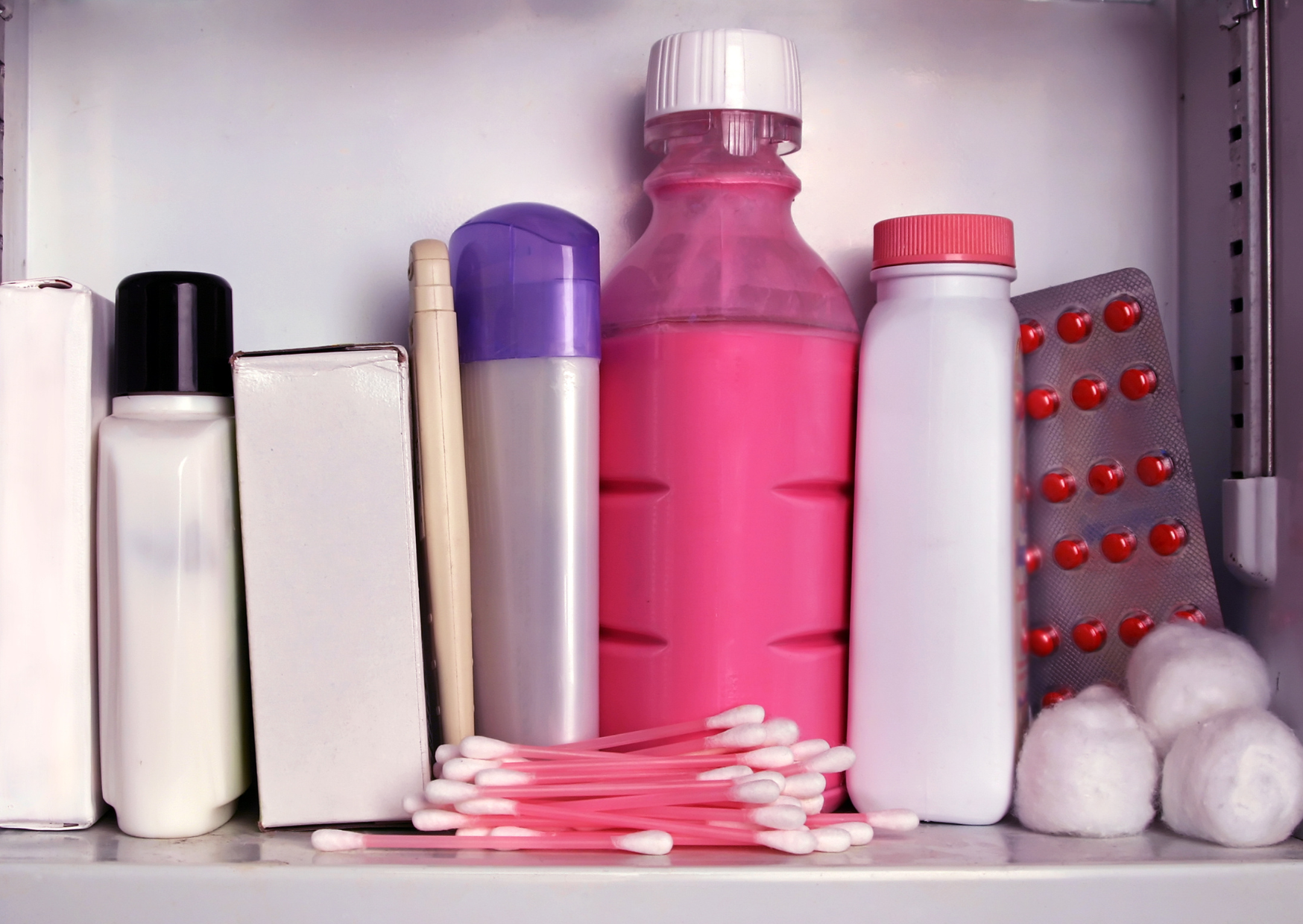
Many American homes have a full shelf of over-the-counter medication: pills for joint pain, sinus pressure, headaches, cramps, digestion, energy, and sleep.
In Italy, most homes have:
- Paracetamol (usually Tachipirina)
- A basic anti-inflammatory (often Voltaren gel or ibuprofen)
- Maybe a digestive aid or herbal remedy
- That’s it
There isn’t a culture of pill accumulation.
You buy what you need when you need it — and usually, in small amounts.
Pharmacists are involved. They’ll ask questions, suggest gentler options, and rarely push for immediate solutions unless warranted.
The idea of self-medicating daily minor aches with a drawer full of branded drugs feels, to many Italians, excessive — and possibly risky.
4. Pain Isn’t Feared the Same Way
In American culture, there’s a deep desire to avoid discomfort — not just for productivity, but because discomfort is often treated as dangerous.
Italians don’t see it that way.
They’ve grown up with a different message: that a sore throat might pass on its own, that backaches can be helped with movement or rest, that stomach cramps might just need a gentler meal.
They don’t fear small pain. They observe it.
They don’t rush to solve it. They give it time.
5. Movement Is Often the Cure — Not Medication
In the U.S., many people sit for long hours, then feel sore or stiff — and treat that discomfort with painkillers, massage guns, or posture devices.
In Italy, the answer is usually movement.
An older Italian might tell you their knees hurt less when they walk every day. A young person with a headache might go for a short bike ride. Someone with back pain might stretch or do gentle chores instead of lying down.
Pain is often treated with routine — not products.
They trust the body to recalibrate, not to be silenced.
6. Herbal and Home Remedies Come First
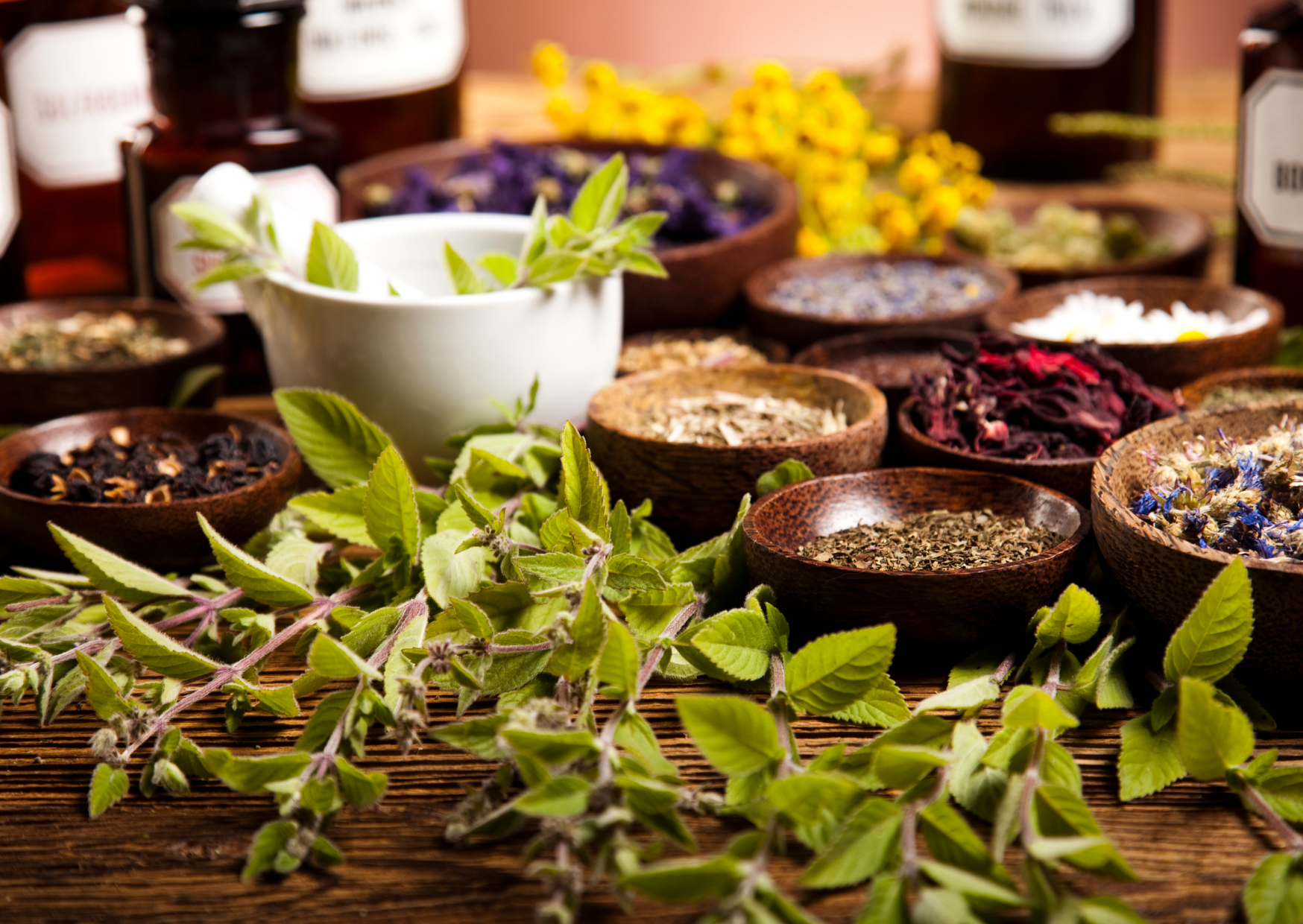
Before medication, Italians often turn to what they grew up with:
- Chamomile for tension and stomachaches
- Herbal teas for bloating
- Warm compresses for cramps
- Arnica cream for soreness
- Restorative soups when run-down
It’s not a rejection of medicine — Italy has an excellent healthcare system.
But there’s a cultural preference for slower, gentler remedies that support the body rather than override it.
American culture often views these as quaint or secondary.
In Italy, they’re often the first response.
7. Kids Are Raised to Tolerate Some Discomfort
In the U.S., a child complaining of a headache or muscle pain often triggers immediate concern — and a quick dose of Tylenol or Advil.
In Italy, the response is usually more measured.
A parent might say:
“Va bene, siediti un po’.” (Okay, sit down for a bit.)
“Ti passa.” (It’ll go away.)
There’s affection, yes — but also an expectation that children learn to sit with discomfort, not panic or expect instant fixes.
Over time, this fosters resilience — and a belief that not all pain is alarming.
8. Doctors Don’t Default to Painkillers
American doctors, facing patient satisfaction metrics and packed schedules, often prescribe something just to “help for now.” Painkillers, muscle relaxants, and anti-inflammatories are standard — sometimes even for pain without a clear cause.
Italian doctors, especially GPs, tend to resist that reflex.
You’re more likely to be told to:
- Rest
- Eat well
- Monitor symptoms
- Come back in a few days if it doesn’t improve
Even post-surgery or dental work, the approach to pain relief is more conservative. High-strength medications like opioids are rarely used. Most people rely on milder options and lifestyle support.
There’s more faith that pain will pass — and that it shouldn’t be numbed unless truly necessary.
9. Discomfort Is Seen as Part of Life — Not a Detour From It
Ultimately, the biggest difference is philosophical.
In the U.S., feeling “off” — tired, sore, stiff, or achy — is seen as a problem that needs solving. The solution is often chemical, immediate, and complete.
In Italy, feeling “off” is part of the rhythm of life.
You rest. You eat. You let your body catch up. You wait for the weather to change, or your cycle to end, or your feet to recover.
You don’t expect to feel perfect all the time.
And you don’t consider mild pain an enemy.
Two Cultures, Two Thresholds
To Americans, tolerating pain can feel reckless — why suffer if you don’t have to?
To Italians, medicating every discomfort can feel excessive — why numb your senses for something that will pass?
One culture believes in managing pain swiftly, even preemptively.
The other believes in sitting with it, learning from it, and letting the body do what it’s meant to do.
And in that quiet tolerance is something surprisingly powerful:
a respect for the body’s ability to heal — slowly, naturally, and without panic.
In a world obsessed with optimization, the Italian approach offers a rare kind of wisdom:
That sometimes, the best medicine is no medicine at all.
Just time, warmth, movement — and the belief that feeling everything isn’t always a problem.
Sometimes, it’s a reminder that we’re still alive — and still adapting.
The contrast between Italian and American approaches to pain highlights deeper cultural values. Italians prioritize patience, natural remedies, and resilience, while Americans often favor speed, convenience, and efficiency. Neither approach is entirely right or wrong—it depends on the context and individual needs.
What these differences reveal is the importance of perspective. By understanding how other cultures view health, we can challenge our own assumptions and broaden the tools we use to care for ourselves.
Ultimately, embracing a balanced approach may be the best path forward. Borrowing Italy’s patience and natural strategies while maintaining America’s practicality ensures we don’t overlook either the wisdom of tradition or the benefits of modern medicine.

About the Author: Ruben, co-founder of Gamintraveler.com since 2014, is a seasoned traveler from Spain who has explored over 100 countries since 2009. Known for his extensive travel adventures across South America, Europe, the US, Australia, New Zealand, Asia, and Africa, Ruben combines his passion for adventurous yet sustainable living with his love for cycling, highlighted by his remarkable 5-month bicycle journey from Spain to Norway. He currently resides in Spain, where he continues sharing his travel experiences with his partner, Rachel, and their son, Han.