
You land in London, order a flat white, and notice it: smiles that look normal. Not blinding, not ruler straight, not cloned. Teeth that work, last, and do their job without a payment plan.
American culture sells a narrow template. White to the same shade as porcelain tiles. Edges in a laser line. No gaps, no character. To get there, people finance aligners, heavy whitening, and in the most extreme cases full sets of veneers or crowns that can run $20,000 to $50,000. In Britain, dentists and patients often choose something quieter. The priority is function first, conservative fixes, and long term health over instant symmetry.
This is not a story about “bad British teeth.” It is a story about different rules. The UK’s public criteria for treatment measure health and function before cosmetics. British law keeps whitening inside the dental profession and limits the strength of bleach. And there is hard evidence that a mouth can be healthy and comfortable even if it does not look like a toothpaste ad.
Below is the clear map: what Americans are actually buying when they spend $50,000 on a smile, what British dentists define as “good,” the real risks and replacement costs behind aggressive makeovers, how to get an upgrade without sacrificing tooth structure, and a simple decision script so you can tell when your teeth need treatment versus when they only need liberation from an Instagram filter.
What Americans Buy For $50,000, In Plain English
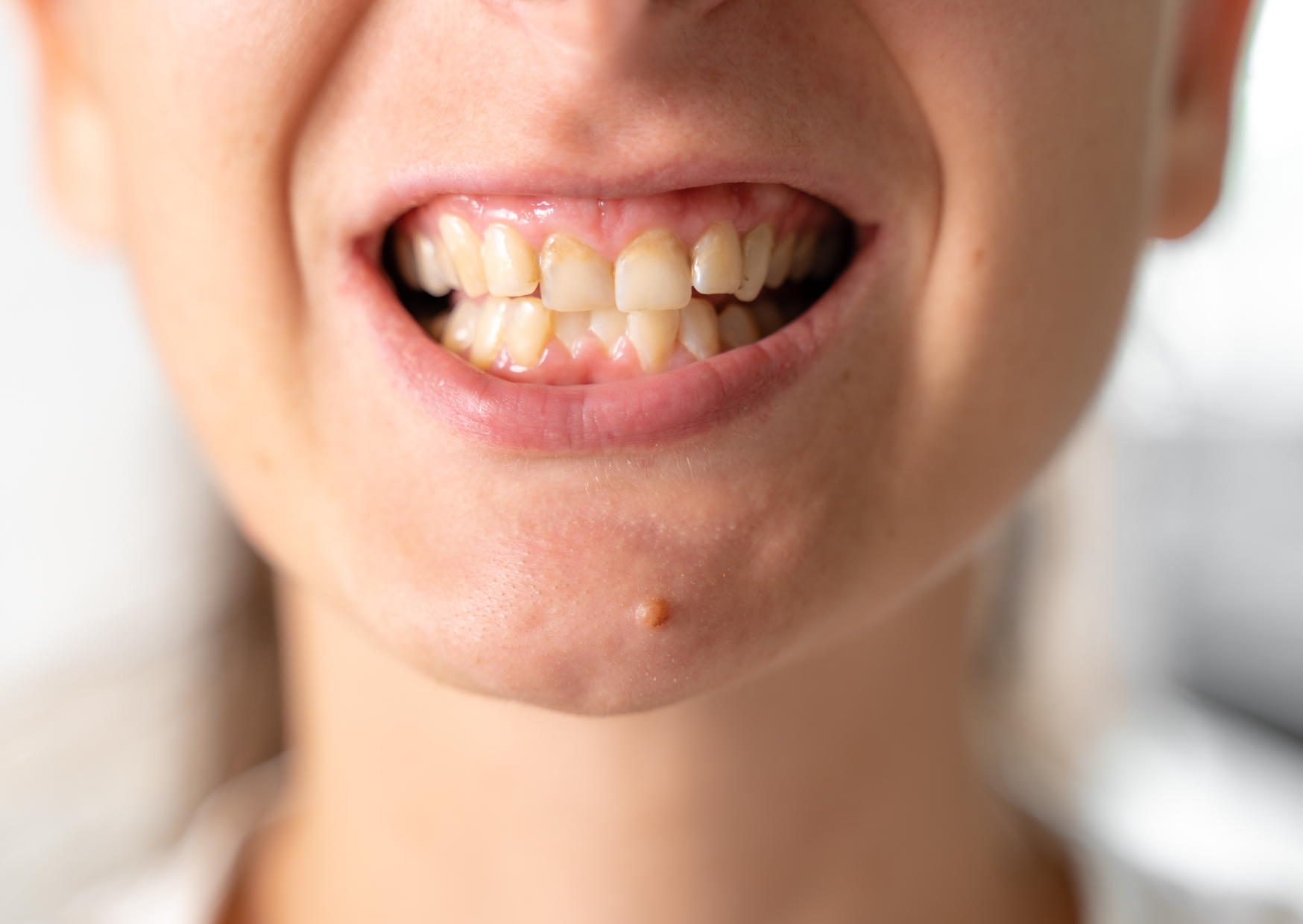
In the American market, a “smile makeover” typically means a stack of elective procedures shaped by aesthetics more than function. The big ticket is porcelain veneers, thin ceramic shells bonded to the fronts of teeth after irreversible shaving of enamel. Per tooth, that is often $900 to $2,500, so a 20-tooth “full” case pencils to $18,000 to $50,000, sometimes more depending on city and clinic. Price per tooth adds up, preparation is irreversible, replacements are inevitable.
Add optional clear aligners to nudge the bite before ceramics, in-office whitening to chase a brighter shade under the veneers, composite bonding for small defects, and sometimes full coverage crowns on heavily restored teeth. The marketing headline is confidence and uniformity. The fine print is maintenance. Veneers chip or debond, margins need policing, gumlines change, and every replacement repeats the fee cycle.
This does not mean veneers are evil. Done well for the right reasons, they are a legitimate prosthetic. It does mean the dollar figure you see on the billboard is not a one-time spend, and the price includes removing enamel you cannot grow back. If a mouth already works and stays clean, you are trading tissue and money for aesthetics. That is the core decision.
The British Definition Of “Good Teeth”
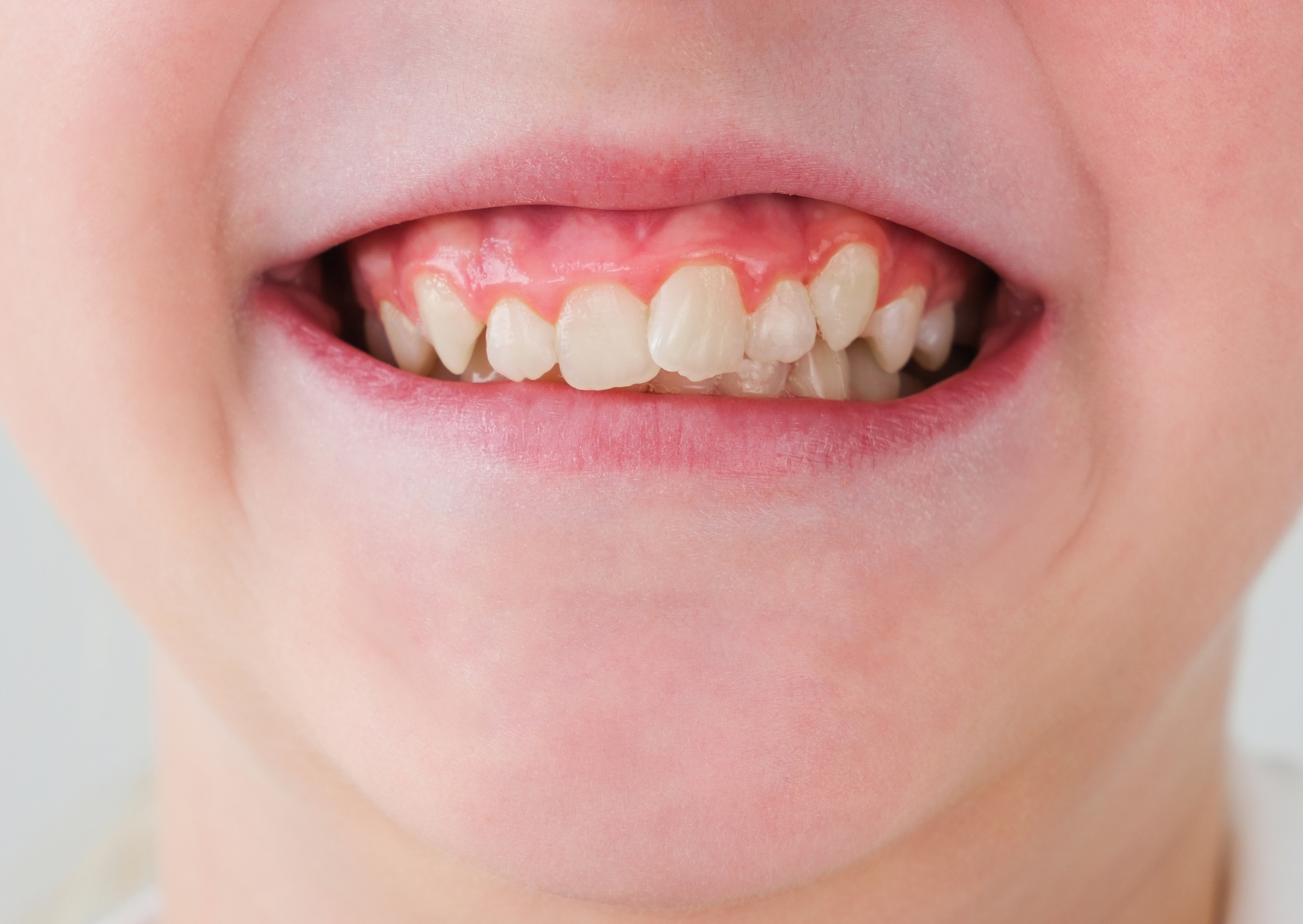
Across much of British dentistry, “good” starts with painless function, cleanable surfaces, and stable bite, not laser-level symmetry. That value set shows up in three places you can point to.
First, the NHS system uses the Index of Orthodontic Treatment Need to ration free braces for under-18s. The index splits need into a dental health component and an aesthetic component. People qualify on health grounds for clear risks like big overjets, impacted teeth, crossbites that damage enamel, or open bites that impair function. Borderline cases rely on an aesthetic scale, but the threshold is high. Function trumps cosmetics, need is scored, not felt, free care follows harm risk.
Second, UK practice embraces a conservative doctrine you rarely hear in makeover ads: the shortened dental arch. Decades of data show that you can chew and live well with intact front teeth and premolars, even if some molars are missing. In other words, a mouth can be functionally complete without replacing every back tooth or building a porcelain wall across the smile. Enough teeth can be enough, function beats full count, over treatment is a risk.
Third, British regulation draws a bright line around tooth whitening. Stronger bleaches are dentistry, only delivered by a dentist or their team under a dentist’s prescription, and there are legal caps on peroxide levels. That does two things. It keeps high-concentration chemicals off the high street, and it nudges shade expectations toward believable white, not bathroom tile. Whitening is clinical, strength is limited, safety beats shock value.
Layer culture on top. Britain is comfortable with minor irregularity if the mouth is healthy. The goal is a smile you can live with and clean easily, not a museum piece that needs constant maintenance. When you stack the evidence, “good teeth” often look like your teeth, tidied, not new teeth, everywhere.
What Actually Predicts A Comfortable, Low-Drama Mouth

If your aim is a mouth that works and lasts, three quiet factors beat a thousand ad campaigns.
Cleanable shapes beat perfect lines. Teeth that touch correctly and are easy to brush and floss will outlive sharper, thinner, harder-to-clean veneers. Crowded front teeth that trap plaque may justify orthodontics. Small rotations that do not trap debris often do not. The biology wants rounded enamel and accessible margins, not ceramic edges that crease plaque.
Bite comfort is a zone, not a bullseye. The evidence on occlusion and jaw pain is mixed. A perfect textbook bite does not guarantee a pain-free jaw, and modest deviations do not doom you to dysfunction. Chasing millimetric ideals for looks alone can create more sensitivity and repair work than the malocclusion ever did. Perfect bite is not a cure-all, mild irregularity is often harmless, symptoms matter more than photos.
Professional whitening, used sanely, is a safer lever than porcelain. If you want brighter, British rules reflect a sensible middle. Custom trays and low-to-moderate peroxide under a dentist’s guidance lighten shade with far less risk than unregulated online kits or repeated chairside blasts. You keep your enamel, you keep options for the future, and you avoid the burn of illegal gels sold to the unwary. Bleach within the law, protect the gums, save enamel for later.
Put those together and you get a plan that feels less spectacular and ages far better: move teeth when hygiene or function demands, brighten conservatively, bond small chips, reserve porcelain for true defects.
The Hidden Costs Of “Fixing” What Already Works
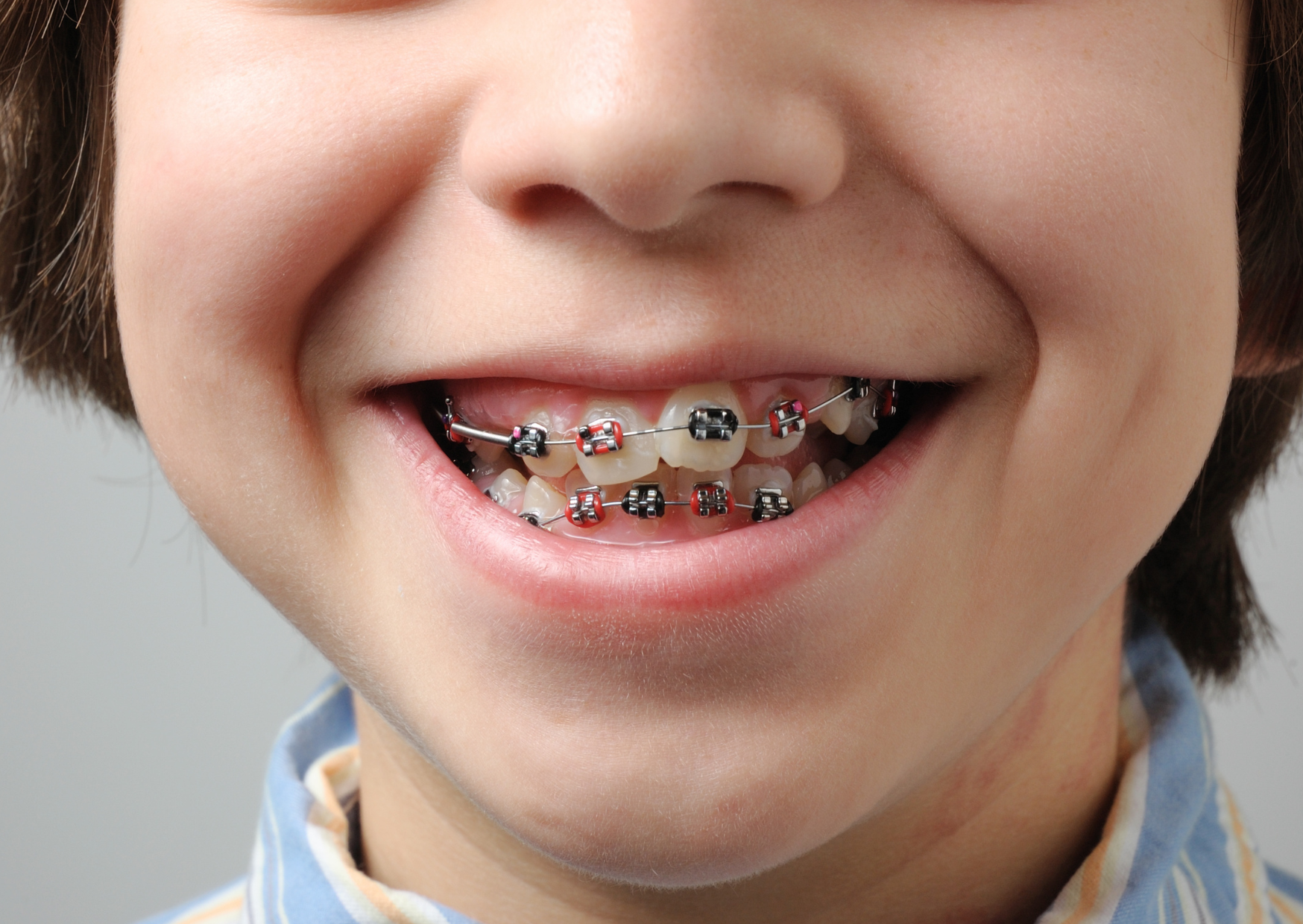
Aggressive cosmetic dentistry carries risks that makeover videos rarely show, and the bill does not stop at day one.
Tooth reduction is forever. Veneers require removing enamel. Even “minimal prep” often means thinning the outer shell. Enamel does not regenerate. Reduced teeth are more sensitive, more vulnerable at the margins, and more dependent on the life of the restoration. Irreversible prep, lifelong maintenance, higher stakes with each redo.
Veneers and crowns fracture and debond. Systematic reviews put fracture and debonding at the top of long term complications, with early years the most active for failures. Every replacement risks more drilling, more pulp irritation, and eventually the slide toward root canal and crown. When twenty teeth are veneered, small failure rates become constant service work. Failures are expected, repairs compound, costs recur.
Costs scale with tooth count. A per-tooth fee becomes a mortgage when you cover 16 to 20 teeth. Credible ranges from clinics and financiers cluster around $900 to $2,500 per porcelain veneer, which puts full cases comfortably in the $20,000 to $50,000 bracket in many U.S. markets. Then add replacements over a decade. Per tooth becomes per decade, sticker price is the opening bid, future you pays again.
Unlicensed providers exist and cause harm. TikTok veneer “techs,” bargain dental tourism, and rushed makeovers create a steady stream of corrective work. People return with pain, loose ceramics, and heavily cut teeth that now require complex restorative dentistry. That is not a British problem or an American problem. It is an over-treatment problem. Credentials matter, speed is a red flag, cheap can become expensive.
If your teeth function and stay clean, the safest and cheapest option is to keep them, polish them, and use your dentist for targeted fixes, not full rebuilds.
A Simple Decision Script Before You “Fix” Anything
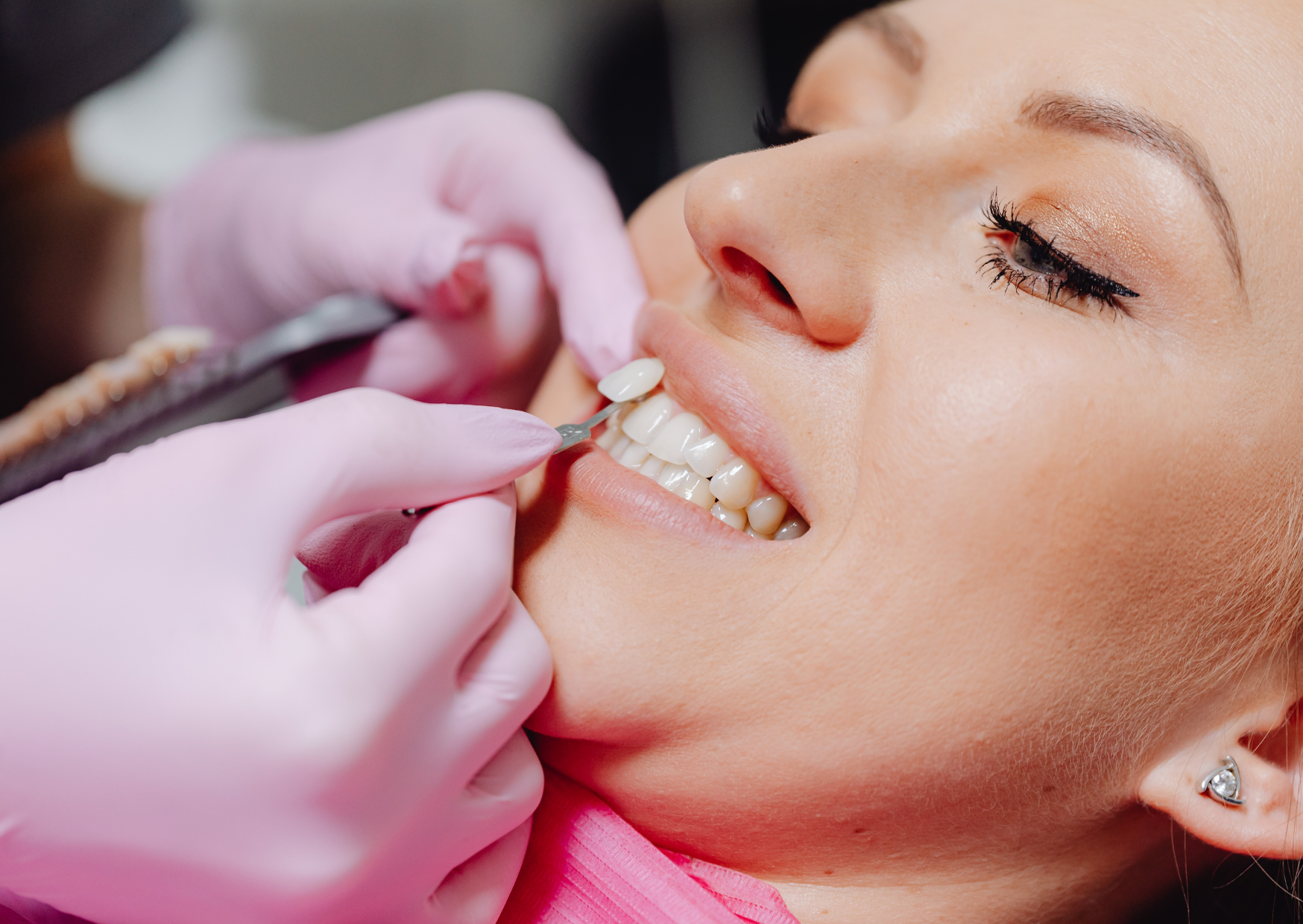
Use this checklist with any dentist, anywhere. It stops regret.
1) What is the problem I am trying to solve.
Is it pain, chewing, chipping, staining, or a photo? If it is pain or function, treatment often has a health rationale. If it is only shade or tiny rotations, you have time to choose the gentlest path.
2) Can we solve it conservatively first.
Ask about orthodontics for hygiene traps, professional whitening within legal limits, micro-abrasion, composite bonding, and enamel recontouring. Many complaints yield to these with no drilling into dentin.
3) If ceramics are needed, how many teeth and why.
Push for tooth-by-tooth indications. A front tooth with a deep crack is a case. A full upper arch because you dislike a corner is a style choice. Limit the count, treat the defect, leave sound enamel alone.
4) What is the maintenance plan and cost curve.
Write down lifespan expectations, replacement fees, and night guard use. A good dentist will talk about bite guards, hygiene intervals, and how to avoid chipping. If the only talk is the before-after photo, you are in the wrong chair.
5) Do I have a functional green light.
Make sure someone checked gum health, bone levels, and bite stability first. Porcelain on inflamed gums or on an unstable bite is a short road to churn.
Run that script and the number of teeth that “need fixing” usually falls.
How To Get A Nicer Smile Without Paying In Enamel
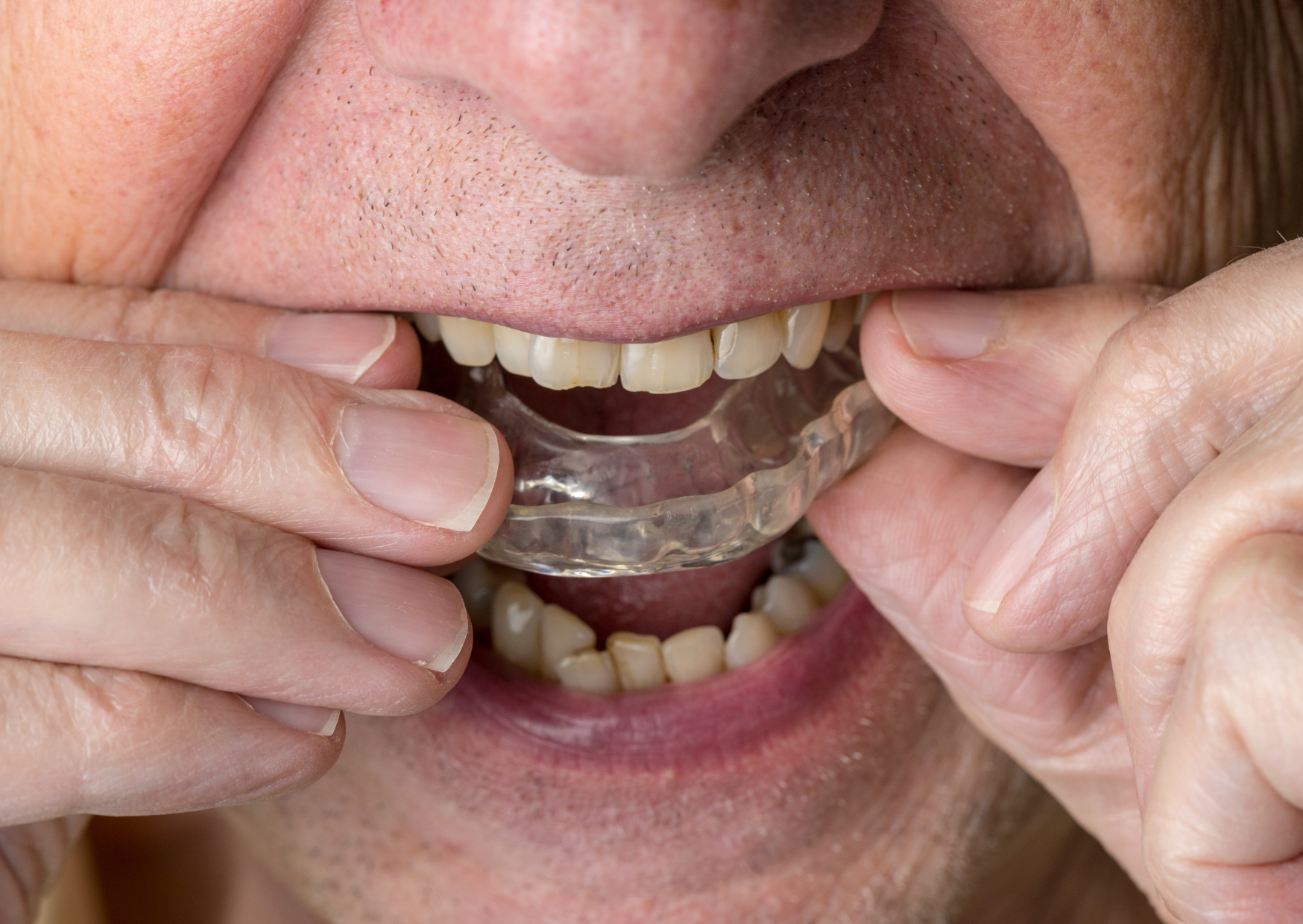
If you want an aesthetic lift, these are the low-harm levers British dentists lean on.
Orthodontics with a purpose. Move teeth when they trap plaque, chip repeatedly, or impair chewing. For small rotations that bother you in photos, aligners can work, but keep the plan short and specific. Ask for a retainer strategy so the result holds. Align what you must, retain what you move, avoid endless refinements.
Dentist-supervised whitening. Custom trays with legal-limit gels achieve believable shades with far less sensitivity than illegal kits. You can repeat a brief touch-up yearly. Keep it modest so your enamel stays strong and your fillings still match. Trays beat kiosks, shade should suit skin, moderation lasts.
Composite first, porcelain last. For small chips, narrow gaps, and edge lengthening, bonding often looks terrific with no drilling. It is repairable and reversible. Save porcelain for fractures, severe wear, or teeth already heavily filled. Bond before you build, repair beats replace, reversibility is value.
Polish, contour, protect. A good hygienist and micro-polish can transform how teeth catch the light. Tiny enamel reshaping can square an edge or soften a fang in five minutes. If you grind, a night guard protects everything else you paid for.
Gum tune-ups when needed. Sometimes the issue is gum levels, not teeth. A conservative gingival recontour on one or two teeth can level the smile line without touching enamel. The most elegant cosmetic dentistry often looks like nothing happened.
That short list gets most people to “I like my smile” without committing their future self to a ceramic subscription.
Why The Stereotype Misses The Point
Americans have joked about “British teeth” for years, but population data and public policy tell a more interesting story. Analyses comparing adults in England and the United States found no advantage for U.S. oral health overall, with some measures like number of missing teeth actually worse in the U.S., and with bigger inequalities by income and education. Media tropes confuse aesthetic uniformity with health. Health is not Hollywood, inequality distorts the picture, data beats jokes.
In real life, a British smile that reads “normal” to locals often reflects conservative dentistry, regular checkups, and legal guardrails on the most aggressive cosmetic shortcuts. That is not neglect. It is a different definition of success.
What This Means For You
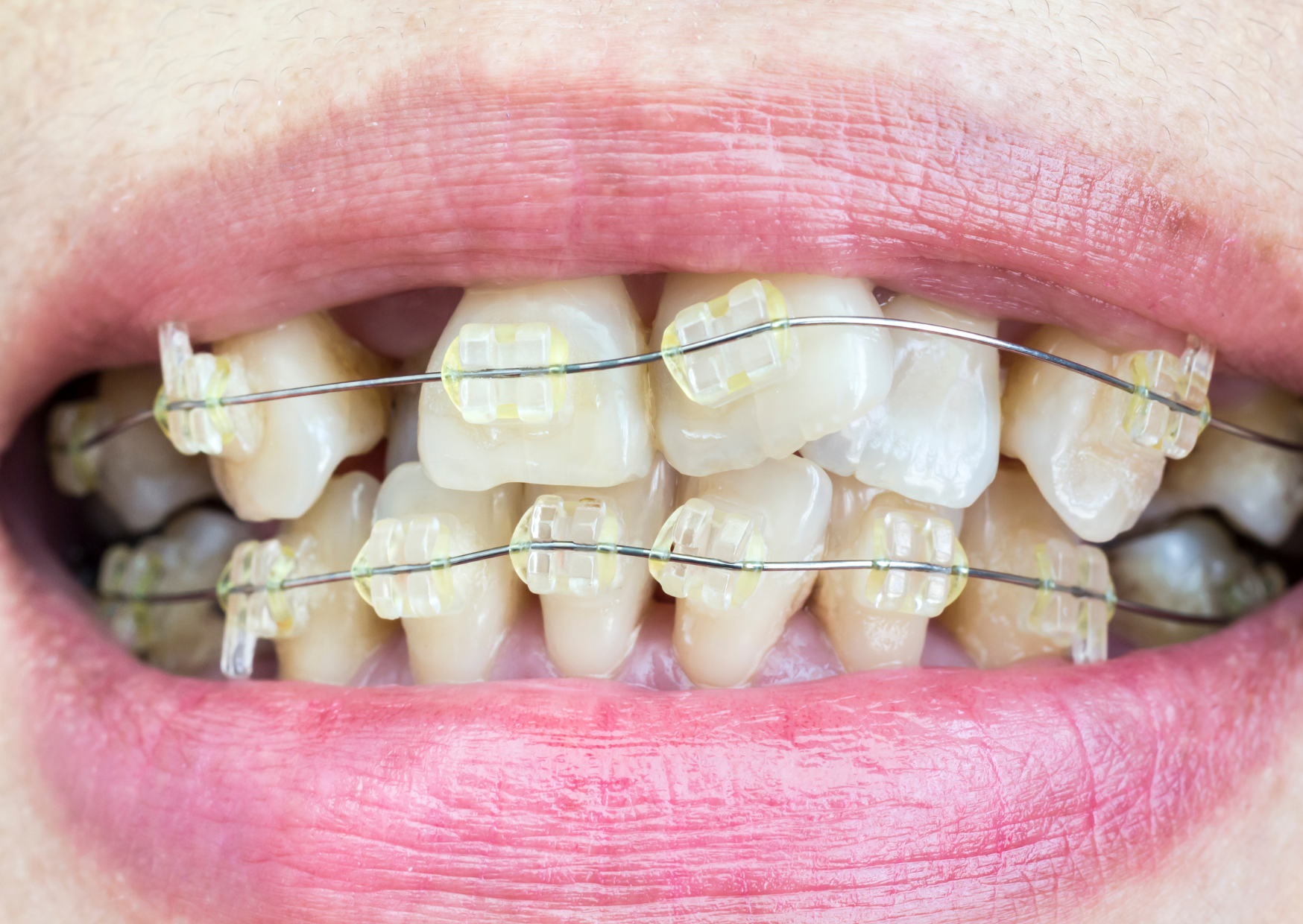
If your teeth do not hurt, chew comfortably, and clean well, you may already have the mouth British dentists would call good. Before you trade enamel for a uniform shade and sharper edges, ask if the problem you are solving is functional or photographic. Consider the total cost over decades, not the day one wow. Use conservative tools first, and keep porcelain as a targeted fix for true defects.
You do not owe anyone a Hollywood stencil. You owe your future self healthy teeth you can keep. Sometimes that looks like whitening within the law and fixing one chip. Sometimes it looks like braces to stop a lower incisor from battering your palate. It rarely looks like grinding 20 healthy teeth to pegs so a selfie lands harder.
Make the quiet choice. In a decade, your mouth, your wallet, and your dentist will still be on speaking terms.

About the Author: Ruben, co-founder of Gamintraveler.com since 2014, is a seasoned traveler from Spain who has explored over 100 countries since 2009. Known for his extensive travel adventures across South America, Europe, the US, Australia, New Zealand, Asia, and Africa, Ruben combines his passion for adventurous yet sustainable living with his love for cycling, highlighted by his remarkable 5-month bicycle journey from Spain to Norway. He currently resides in Spain, where he continues sharing his travel experiences with his partner, Rachel, and their son, Han.