
And what it reveals about adaptation, tradition, and the Mediterranean philosophy of comfort
In many parts of the United States, when temperatures climb past 90°F (35°C), the reaction is swift and expensive. Air conditioners hum at full blast. Iced drinks become lifelines. Outdoor plans are canceled. And still, complaints fill the air.
But in Spain, where entire summers regularly hover at this temperature — and often go higher — the response is almost the opposite. Life doesn’t pause. It shifts.
People don’t try to conquer the heat. They adapt to it. They slow down, redesign their schedules, trust old traditions, and — most surprisingly to American visitors — they seem to survive it without suffering.
Here are nine ways Spanish people are surviving 35°C heat that would send most Americans scrambling for a thermostat, a drive-thru, or a hotel room with blackout curtains and full A/C.
Want More Deep Dives into Everyday European Culture?
– Why Europeans Walk Everywhere (And Americans Should Too)
– How Europeans Actually Afford Living in Cities Without Six-Figure Salaries
– 9 ‘Luxury’ Items in America That Europeans Consider Basic Necessities
Quick Easy Tips
Stay hydrated the Mediterranean way: sip water throughout the day and incorporate hydrating foods like melons, cucumbers, and tomatoes into your meals.
Adopt the siesta mindset. Even if you can’t nap midday, try scheduling your most demanding tasks for cooler mornings or evenings.
Keep your home cool naturally. Close shutters or blinds during the day and open windows at night for airflow, just as Spanish households have done for generations.
One of the biggest controversies is lifestyle adaptation versus infrastructure. In Spain, people rely on centuries-old traditions like siestas, shaded streets, and late-night dining to cope with heat. In contrast, Americans tend to depend heavily on air conditioning. Critics argue that overreliance on cooling systems makes Americans less resilient to high temperatures.
Another debate revolves around climate change. Spaniards see heat waves as part of a growing pattern that demands cultural and policy adjustments, while in the U.S., the conversation often centers on technology-driven solutions. This sparks tension over whether adaptation or innovation is the better path forward.
There’s also a cultural controversy tied to perception. Some Americans view Spanish heat survival methods—like shutting down businesses midday or eating dinner at 10 p.m.—as impractical or even lazy. Spaniards, however, argue these customs are sustainable and healthier in the long run.
1. They Close the Shutters — Not Just the Curtains
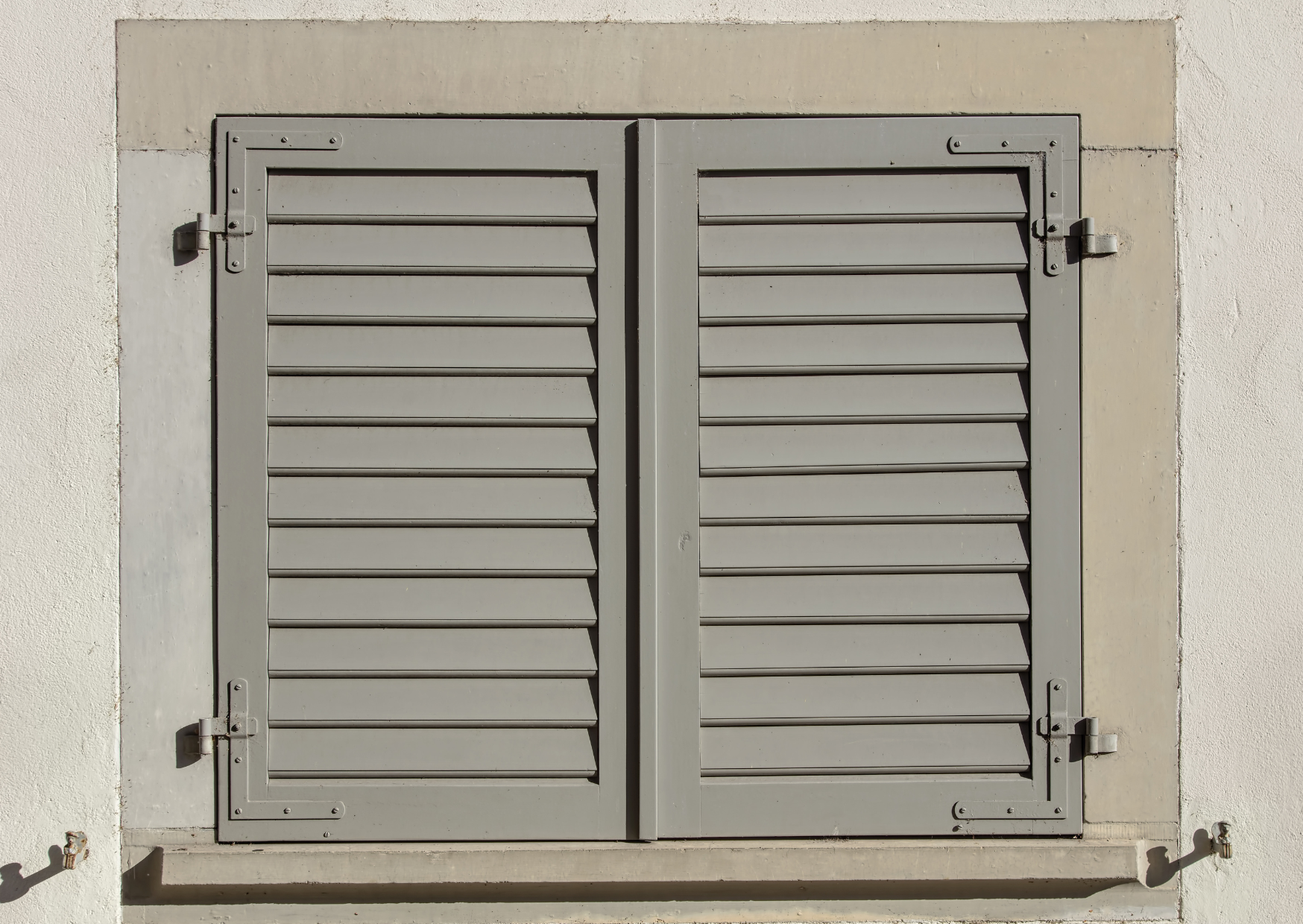
Americans often rely on heavy drapes or reflective blinds. But in Spain, the house isn’t considered truly closed unless the persianas — thick, rolling exterior shutters — are down.
In the early morning, before the sun rises high, Spaniards open windows to let in fresh air. As the heat builds, they close the shutters completely. This creates an indoor environment that feels several degrees cooler without ever touching the air conditioning.
It’s not just practical. It’s instinct. A darkened home during peak heat is a mark of common sense, not discomfort.
And no, it doesn’t mean they’re “hiding” from summer. They’re preparing for it — like you would for a storm.
2. They Time Their Meals to Avoid Overheating
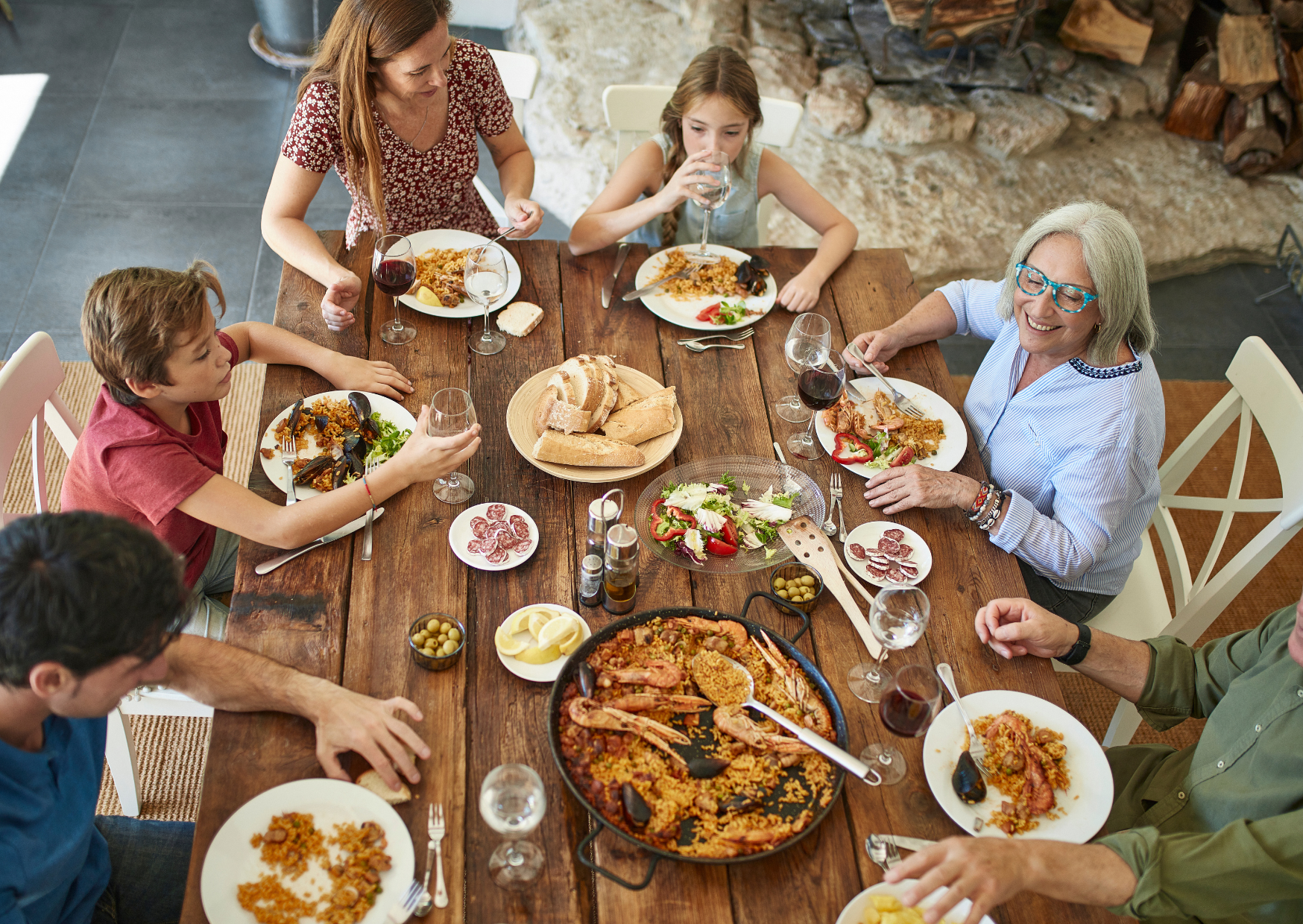
It’s no accident that Spanish lunches happen after 2 PM and dinners after 9. This rhythm developed alongside the climate — not in defiance of it.
Lunch is typically the largest meal of the day, but it often includes cooling foods: gazpacho, melon with ham, salads, grilled vegetables, or seafood that takes minutes to prepare. A long, hot cooking session in the middle of the day is practically a foreign concept.
And by dinnertime, the temperature has dropped enough to make a small tapa and a drink outdoors not just possible, but pleasant.
What this looks like in practice? Very few ovens turned on before 8 PM.
3. They Respect the Siesta — Even if They Don’t Sleep
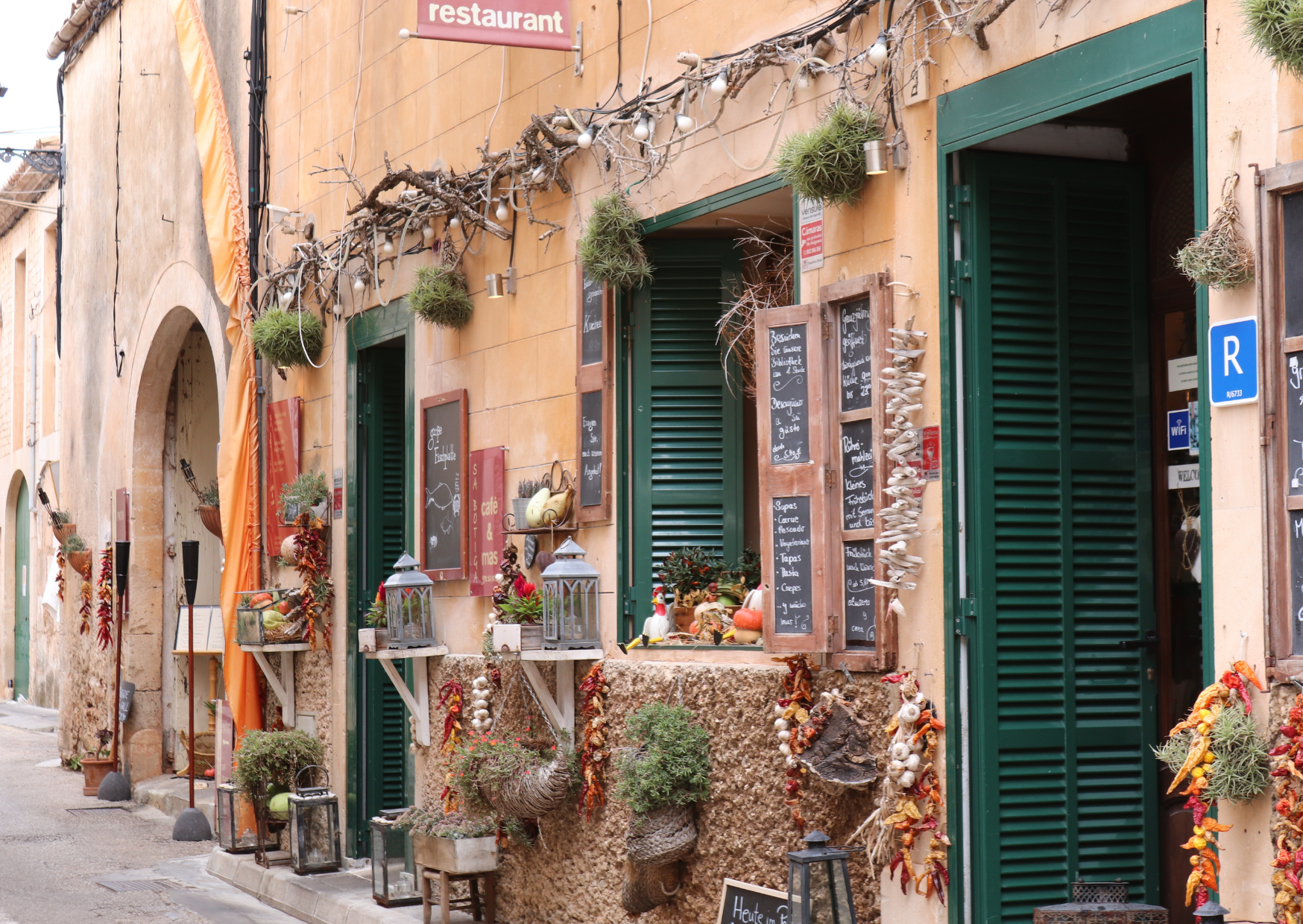
Contrary to cliché, not everyone in Spain naps during the day. But between 2 PM and 5 PM — the hottest stretch — many businesses still close, especially in smaller towns. Children stay indoors. Outdoor activities pause. And everything slows down.
It’s not laziness. It’s survival.
A midday slowdown allows the body to recover from the sun, avoid exertion when it’s most dangerous, and recalibrate for the cooler evening hours, when productivity and energy return naturally.
Americans visiting Spain often find themselves frustrated by this midday shutdown — until they realize that their own insistence on going full-speed from 9 to 5 is precisely what drains them in the heat.
4. They Don’t Fear Sweat — They Expect It
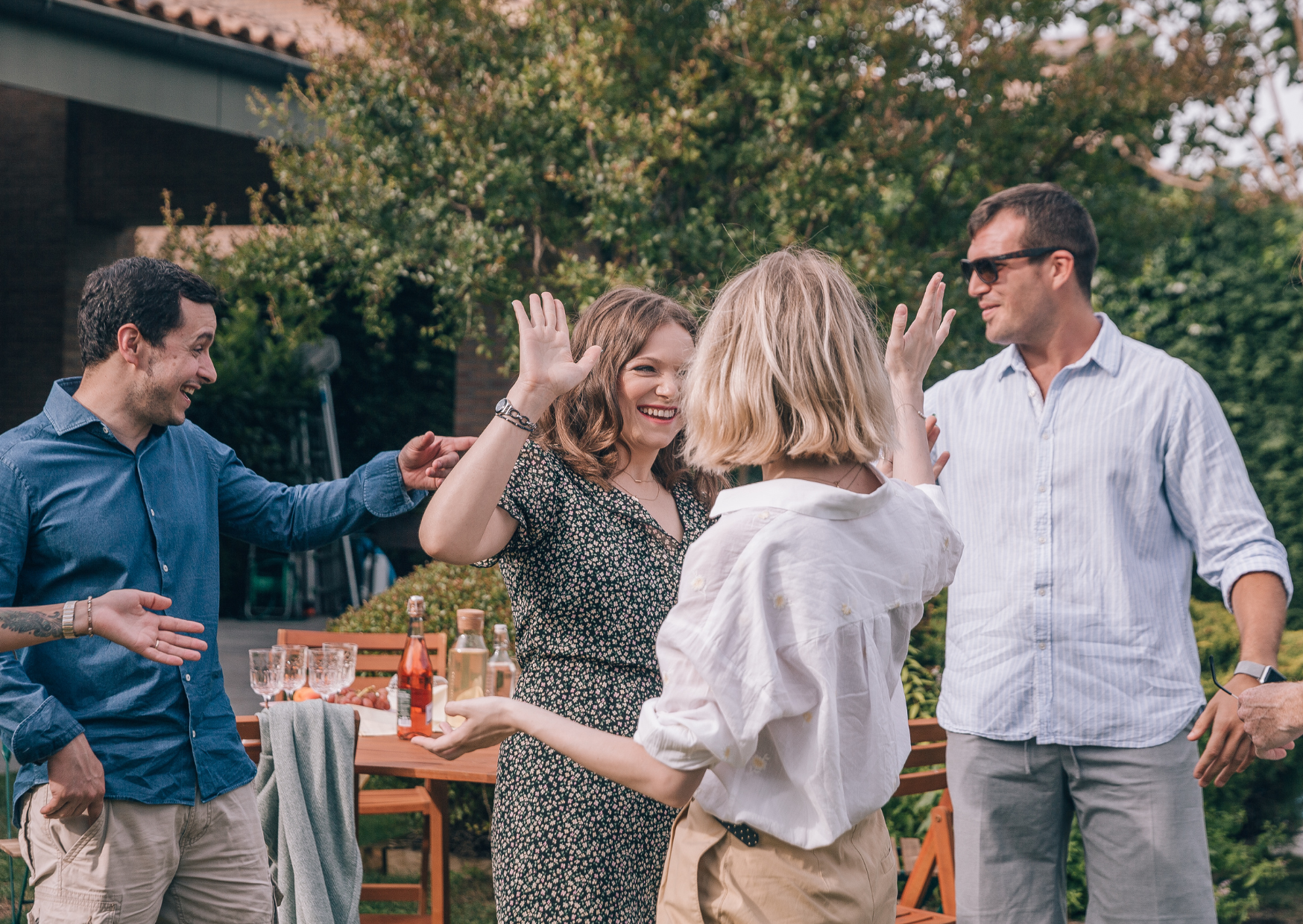
In many parts of the U.S., sweat is something to fight: with powerful deodorants, constant showers, and temperature-controlled environments designed to eliminate any sign of moisture.
In Spain? You will sweat. It’s not seen as a hygiene crisis. It’s just part of summer.
Most people don’t shower three times a day. They don’t carry around deodorant wipes. They wear light, breathable clothing, drink lots of water, and trust that a daily shower in the evening will do the trick.
You won’t see many panic reapplications of perfume in the plaza. Sweat is not a failure of cleanliness — it’s a body functioning as designed.
5. They Drink Room-Temperature Water (Yes, Really)

Nothing baffles American tourists in Spain more than ordering water on a hot day and receiving it not ice cold.
But here’s the thing: room temperature water hydrates faster. Cold water can shock the system, slow absorption, and make the body feel even hotter afterward.
Spaniards know this intuitively. That’s why at home, many keep a large glass bottle of water filled and refilled — sometimes with lemon or mint — and sip from it throughout the day.
Cold water is for cafés and indulgence. Room-temp is for daily survival. And hydration, in 35°C heat, is not a luxury — it’s a lifestyle.
6. They Dress Like It’s 35°C — Not Like It’s a Business Meeting

Visit any plaza in July and you’ll see the Spanish summer dress code in action.
Linen shirts with buttons open. Cotton sundresses. Loose-fitting pants. Leather sandals. Big hats. Simple materials. Neutral colors. No one is trying to “look professional” at the expense of comfort.
Even in offices, many employers tolerate casual attire or modified schedules. The logic is simple: forcing someone to wear synthetic slacks, a tie, or closed-toe shoes in this kind of heat is a recipe for fatigue, not productivity.
In short: Spaniards don’t suffer for fashion in summer. They survive it first.
7. They Use Fans Strategically — And Don’t Expect A/C to Do It All
Not every Spanish home has air conditioning. And in many cities, energy prices make running it around the clock unrealistic.
Instead, ceiling fans and floor fans are used in combination with passive cooling techniques. A typical approach might look like this:
- Shutters closed by 11 AM
- Fan circulating shaded air indoors
- A/C switched on only during peak hours or before bedtime
- Cooling sprays or damp cloths used during the hottest moments
The goal isn’t to keep the house at 21°C all day. It’s to manage heat exposure, not eliminate it.
8. They Shift Social Life to the Night
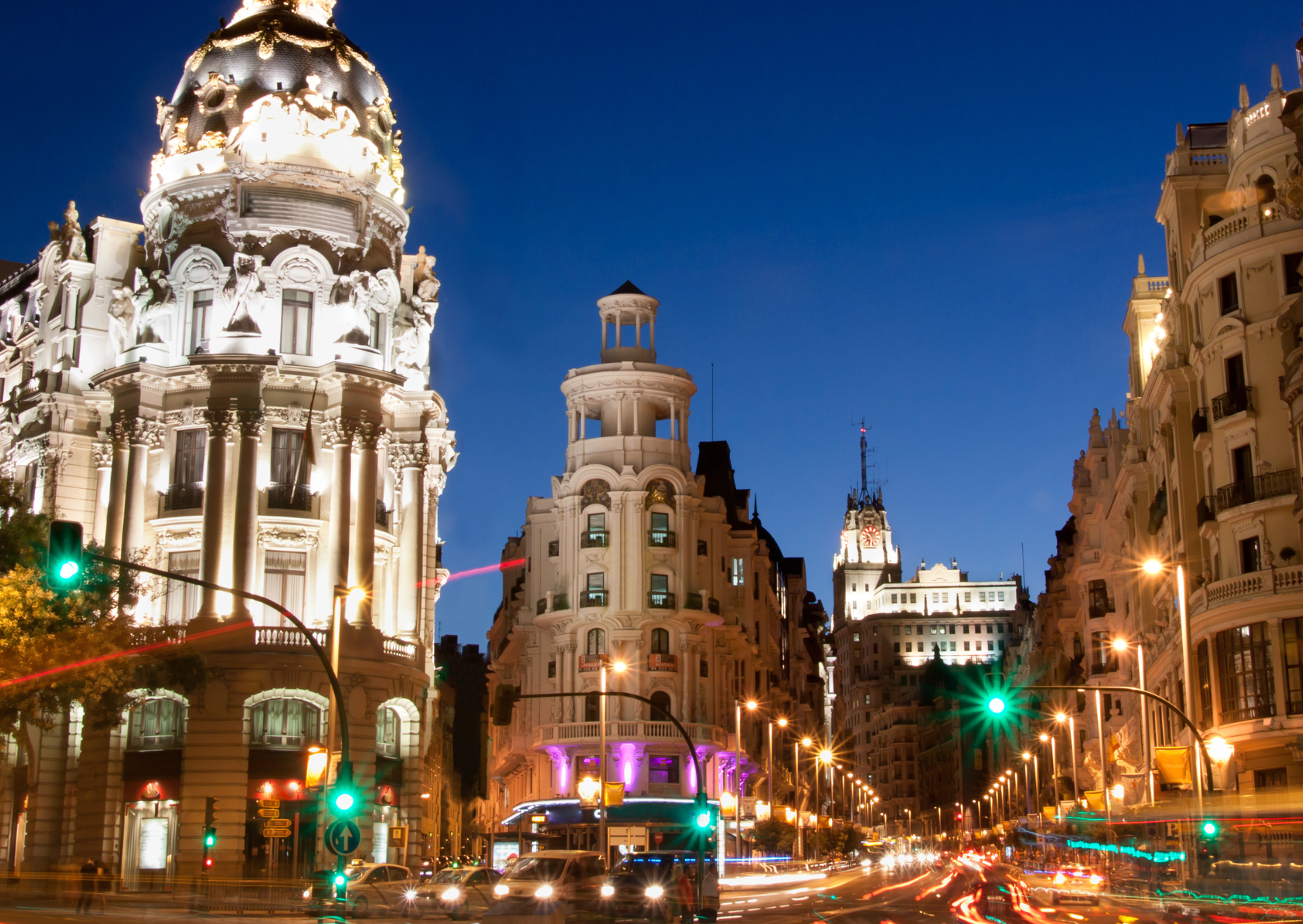
In the U.S., long summer days are associated with morning hikes, midday barbecues, and beach outings that start before noon.
In Spain, social life begins after the heat has passed.
Families go to the park at 9 PM. Dinner reservations don’t fill up until 10. Street festivals and outdoor concerts often start at 11 and run into the early morning. Even children are out late — not because of indulgence, but because it’s finally safe and pleasant to be outdoors.
For Americans, this reversal can be disorienting. But after one week of sunset walks and midnight ice cream, most visitors understand: summer life doesn’t end at sundown. It starts there.
9. They Don’t Try to Win Against the Heat — They Partner With It
This might be the most important rule of all.
Spaniards do not pretend the heat isn’t there. They don’t power through it with bravado. They don’t race to “beat” the sun with gadgets, ice packs, or apps.
They observe it. They work around it. They respect its rhythm.
Their buildings are designed with thick walls and shaded courtyards. Their routines follow the arc of the sun. Their cities come alive when the weather finally calms down — not when it’s most intense.
And this cultural posture — less resistance, more rhythm — is what keeps them going long after the average American traveler has surrendered to air-conditioned isolation.
What This Reveals About Summer Survival
To survive Mediterranean heat isn’t about new tools. It’s about older habits.
Slowing down is not the same as giving up. Being warm is not the same as being unwell. And comfort, in this part of the world, isn’t something you buy — it’s something you learn.
Spain’s approach to 35°C heat is not universal, but it is instructive. It shows that resilience isn’t about control — it’s about rhythm, materials, timing, and knowing when to move and when to wait.
In other words: while Americans engineer their way out of heat, Spaniards have figured out how to live with it.
And once you experience a summer where the fan hums at noon, the streets are quiet by 3, and laughter fills the plazas at midnight, you might wonder why you ever thought 70°F indoors was the only way to survive.
Final Thoughts
The Spanish approach to surviving 35°C heat shows that adaptation is not only possible but also practical. By aligning daily routines with the rhythm of the climate, they’ve turned what might feel unbearable into a manageable part of life.
For Americans, these traditions may seem unconventional, but they highlight important lessons about resilience and balance. Rather than battling the heat with nonstop air conditioning, embracing cultural practices can foster healthier habits and reduce energy dependence.
Ultimately, the way Spaniards handle extreme heat is more than survival—it’s about thriving in harmony with the environment. Adopting even a few of their strategies can help anyone face rising global temperatures with greater comfort and confidence.

About the Author: Ruben, co-founder of Gamintraveler.com since 2014, is a seasoned traveler from Spain who has explored over 100 countries since 2009. Known for his extensive travel adventures across South America, Europe, the US, Australia, New Zealand, Asia, and Africa, Ruben combines his passion for adventurous yet sustainable living with his love for cycling, highlighted by his remarkable 5-month bicycle journey from Spain to Norway. He currently resides in Spain, where he continues sharing his travel experiences with his partner, Rachel, and their son, Han.