
You round a corner, hear your footsteps, and realize there is no line at the museum door, no tour group in the square, only room to breathe and time to look.
If Europe in July is a carnival, late October into mid November is the hour the lights dim and the locals reclaim the stage. Hotels quietly cut rates, restaurants have tables without a week of emails, and the staff at big sights talk to you instead of herding you. The weather cooperates more often than not, cool and bright in the north, gentle in the south, with that crisp, flattering light that makes old stone glow.
This four-week pocket is not a fluke. It sits after school terms have fully restarted, before Christmas markets rev up, and exactly as airlines switch to their winter timetables. Once you learn the calendar landmines to avoid and how daylight shapes your day, you get the cities almost to yourself, minus a few festival weekends and one tidy holiday.
Below is the how and the why, the places where this window sings, the small snags that can catch you, and the simple plan that turns late autumn into the best travel month you never considered.
Want More Deep Dives into Other Cultures?
– 9 Italian Style Rules That Instantly Outshine American Fashion
– Why Europeans Walk Everywhere (And Americans Should Too)
– How Europeans Actually Afford Living in Cities Without Six-Figure Salaries
– 9 ‘Luxury’ Items in America That Europeans Consider Basic Necessities
Why This Window Works
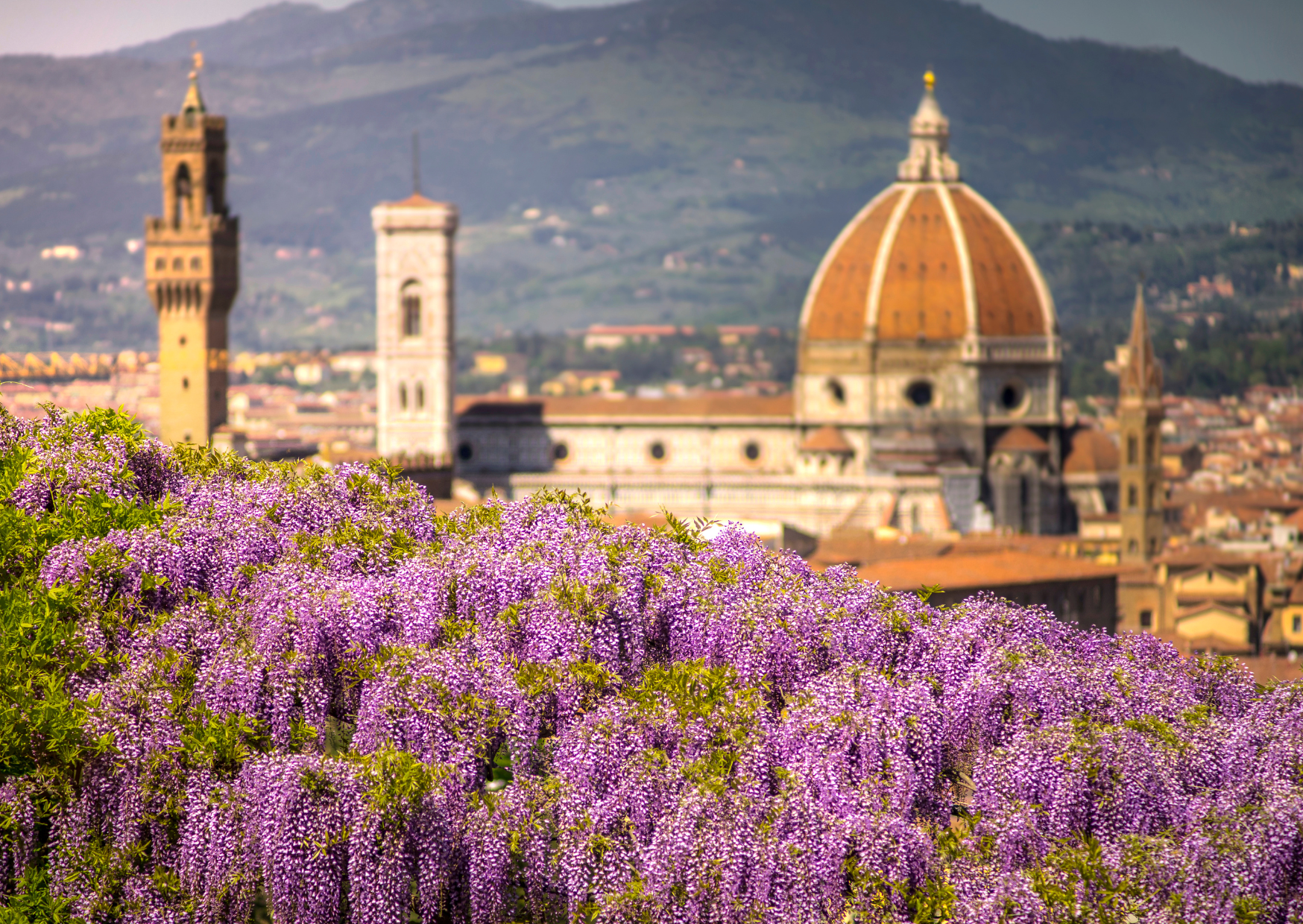
By mid October, the European summer machine is shut down and the schools are firmly back. Families are not traveling, business trips are steady but lighter than September, and the urban tourist crush thins. Travel analysts call it the shoulder season, and industry groups measure exactly that surge-then-sag pattern every year. The result is a gentle drop in demand between the late-September business peaks and the late-November holiday starts, which is why you feel the air around you when you turn that museum corner.
There is also a scheduling pivot that helps. Airlines across Europe switch from summer to winter timetables on the last Sunday of October, part of the IATA season system. Routes slim down, but fares often do too, especially midweek, because demand shifts and capacity gets redeployed. You are traveling as the system resets, which is why you see more sale fares and hotel promotions pop up for the end of October and early November.
Two more quiet forces work in your favor. Europe ends summer time on the last Sunday in October, which pulls sunsets earlier, discourages late-night sightseeing, and takes some of the casual crowd out of the streets. And many Mediterranean cruise ships begin their repositioning crossings toward the Caribbean in October and early November. Fewer big ships in port days mean fewer bus queues in places like Barcelona, Rome, Marseille, and Lisbon. Clocks shift, ships move, and cities exhale.
What The Weather And Light Actually Feel Like
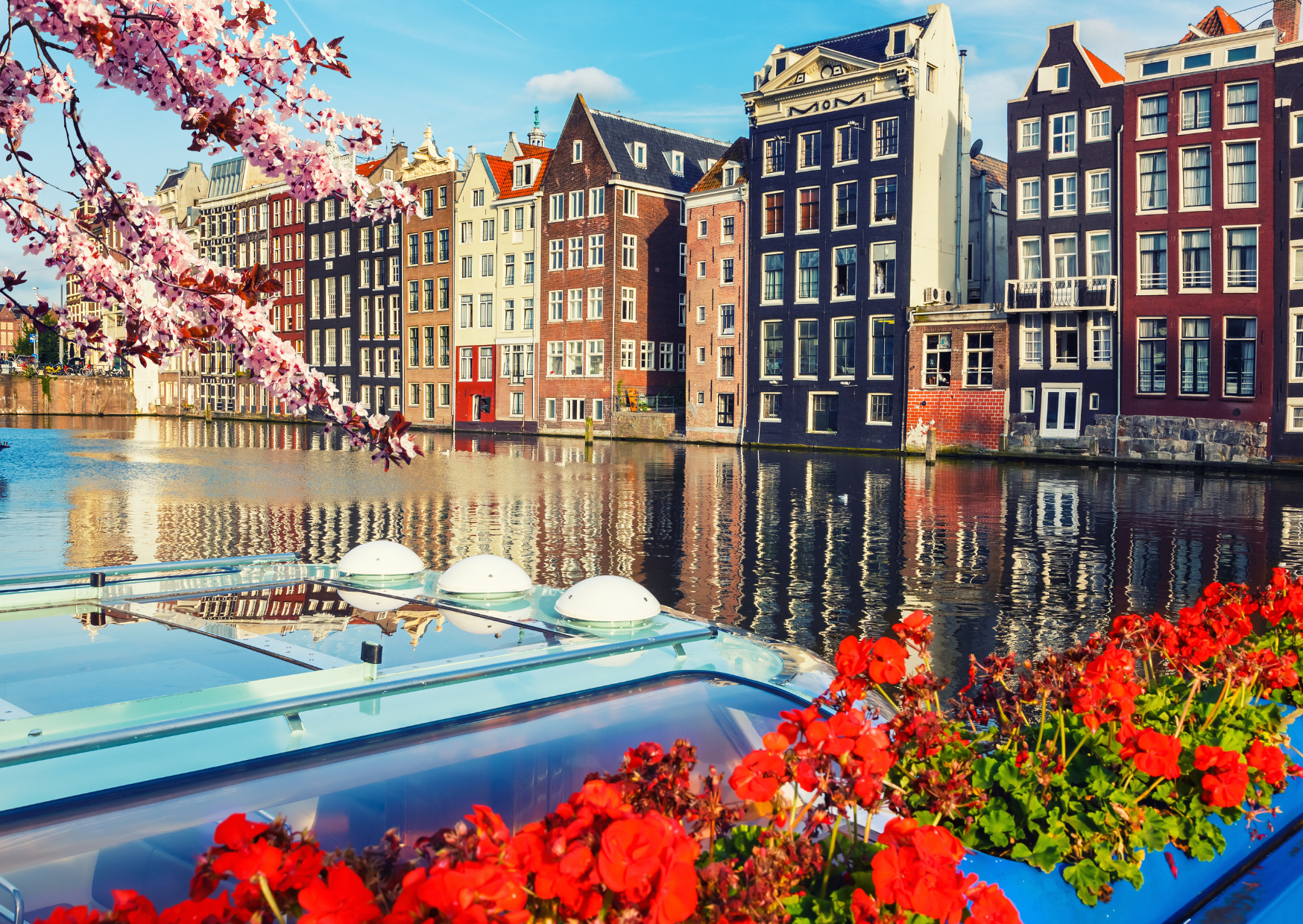
You are not walking into sleet. You are stepping into cooler days, softer light, and a forecast you can dress for. In Paris, typical October days move from the mid 60s Fahrenheit down into the mid 50s as the month closes, with nights in the 40s. You carry a compact umbrella and a light jacket, and you are fine. Rome’s early November afternoons sit around the upper 50s to low 60s, evenings around the 40s. Southern cities like Seville are warmer again, with many afternoons still shirt-sleeve friendly. Layer, not parka.
Light is the bigger change you will feel. Sunsets step earlier each week, and the clock change at the end of October nudges evening light forward an hour. That means mornings for museums and longer long lunches in the south, then twilight walks and early dinners. It also means photographs you will love. Autumn light is low and flattering. Stone looks warmer, skies look deeper, and your travel album looks like it had a stylist. Shorter days are not a loss if you lean into them with timing.
Pack for variance. Northern cities can flip from sun to showers within a day. Mediterranean cities can spit one serious storm and then go back to blue. A packable shell, an insulating layer, waterproof shoes, and a scarf will cover 95 percent of what appears. The payoff for carrying those items is simple. You will often be the one still out when everyone else ducked back to the hotel, which is why your photos are empty and your memories are calm.
The Price And Crowd Math In Plain English
Summer squeezes your budget because demand does the squeezing. This window does not. When shoulder season arrives, the average daily rate that hotels can command eases from summer highs, and occupancy dips as leisure demand fades and business travel spreads out. Operators fill the gap with value packages, third-night-free offers, and quiet upgrades. If you have only ever seen capital-city rates in July, the difference in late October will surprise you.
Flights behave the same way. Once the school calendar clamps down and airlines slide into winter schedules, fares on many transatlantic routes become more forgiving, especially outside Fridays and Sundays. Consumer flight trackers repeatedly label mid October into November as a cheaper period for long-haul travel compared with peak summer, and that pattern is exactly what you find when you test dates between October 20 and November 10. Book midweek, avoid the few national holidays below, and compare flying into major hubs first, then hopping a low-cost carrier or a train to your target. Big hubs carry competition, which almost always carries better prices.
Crowds follow the price curve down. Timed-entry slots that sell out in July come back into play. Restaurants reply yes to day-before emails. Even postcard-famous streets get walkable again, with the caveat that Saturday afternoons are never empty anywhere. If you plan your heavy sightseeing Tuesday to Thursday and leave Saturday for markets and parks, you will feel like you have cracked a code.
The Calendar Landmines You Need To Respect
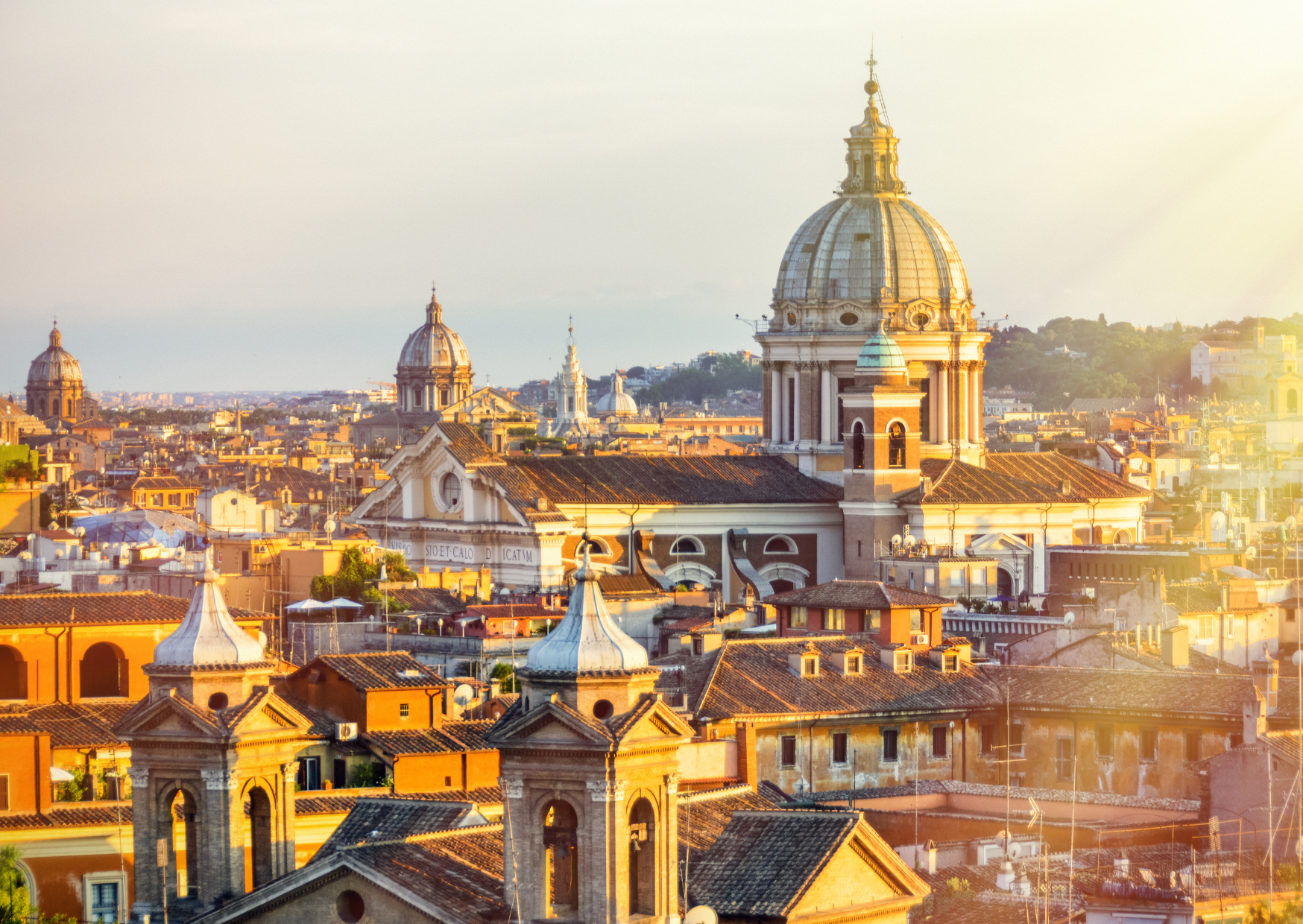
Empty is never universal. There are four specific ripples between October 15 and November 15 that you should plot around.
First is the UK half-term break, which most English and Welsh schools take in the last week of October. It is not a national holiday, but it does put more families on the road, especially to London, Edinburgh, and popular city breaks in France and Spain. If your dates hit that window, book central hotels early and expect parks and museums to be busier midafternoon. It is a blip, not a mob.
Second is France’s Toussaint school holiday, the All Saints break, which typically runs from the third week of October into the first days of November. Paris stays navigable, but Normandy, Brittany, and parts of the southwest see more domestic families in gîtes and hotels. You will still find space. You will not find total emptiness. Know the school clock and you can still slip between the waves.
Third is All Saints’ Day on November 1, a public holiday in much of Catholic Europe. You will find churches crowded with flowers, some shops shut, and museum schedules that run like a Sunday. It is a beautiful day to walk cemeteries and piazzas, less convenient for errands and niche sights. Treat it like an extra Sunday. Plan parks, plazas, viewpoints, and long lunches. Closed signs are not an insult. They are a rhythm.
Fourth is weather spikes. Autumn storms are part of the Mediterranean story, and in some years the first real rain fronts appear in late October. Venice may see acqua alta events in this period, although the new barriers blunt the worst effects when raised. Coastal cities from Marseille to Valencia can get a single dramatic downpour and then go back to sun. The solution is not to avoid the window. It is to pad schedules and keep a flexible day in your plan. One wet morning does not erase a week of space.
Where Secret Season Sings
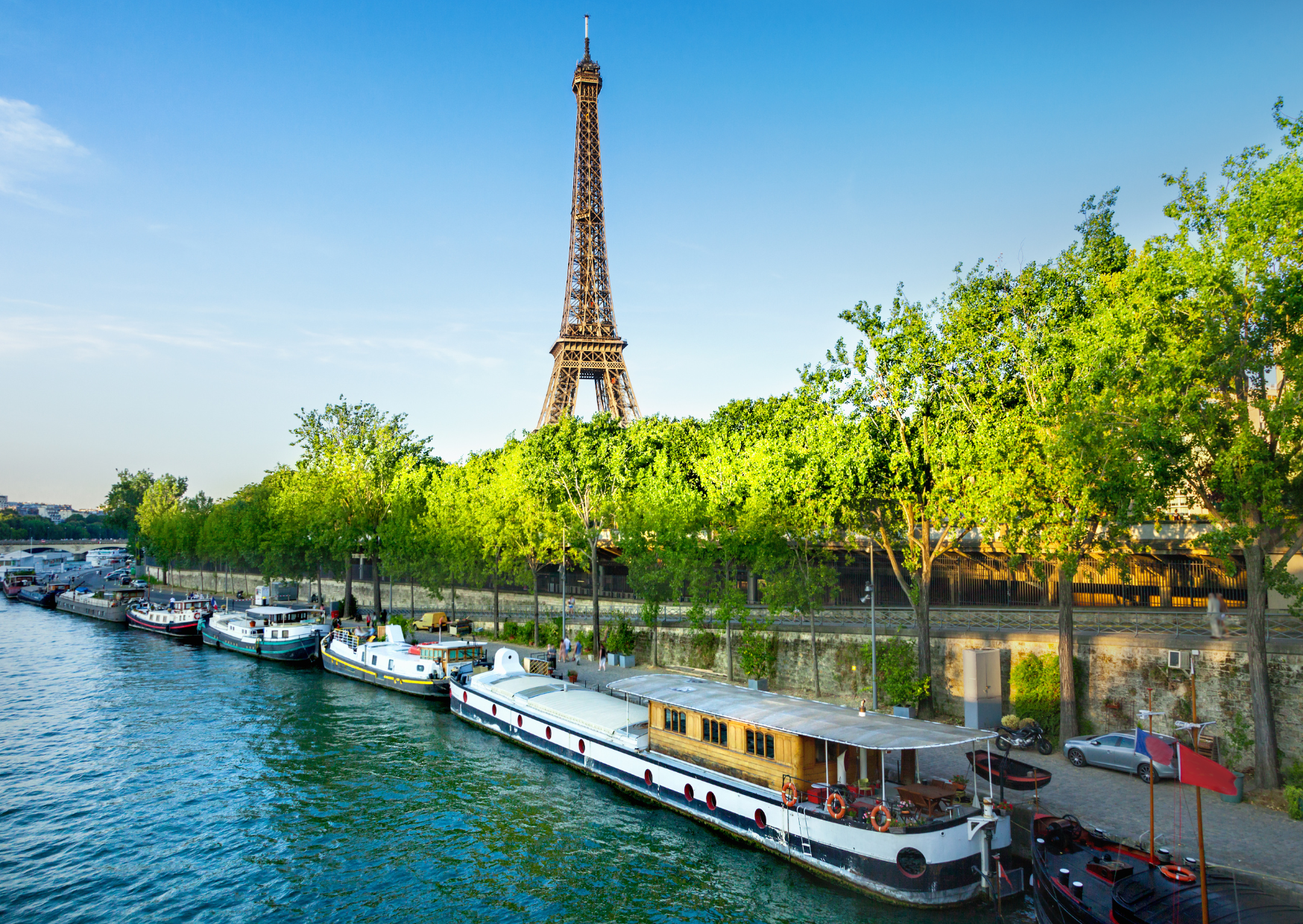
Paris breathes again. Temperatures are jacket-friendly, the Tuileries shift to gold, and the bridges lose their bottlenecks. You can actually stand and listen to the street music on the Île Saint-Louis without being jostled. Book your big museums for crisp mornings, then stroll the covered passages when a shower rolls through. Morning slots, café shelters, river walks make a perfect set.
Rome feels local. Outdoor tables linger on sunny days, crowds at the Forum thin to a sane trickle, and the city settles into its own pace. You will still book the Vatican Museums and Colosseum, but you will find space at lunch and room on the narrow sidewalks of Trastevere. Olive oil tastings and food tours pick up as the olive harvest arrives in Lazio and Tuscany, and seasonal dishes slide onto menus. Harvest flavors, shorter lines, warm stone are the reward.
Seville, Lisbon, and the southern belt are a sweet spot. Afternoons can still be warm enough to sit outside, nights are sweater cool, and the summer furnace is gone. That means tile-hunting without heat haze, hill climbs without sweat, and palaces without elbowing. In Andalusia, day trips into the countryside catch olive nets in the groves and that peppery, fresh oil that locals swear by. Sun you can walk in, city cores that breathe, day trips alive with harvest.
Northern Europe trades heat for mood. Amsterdam and Bruges glow under low sun, Vienna is in that quiet gap before the market stalls go up, and Edinburgh’s closes and wynds get that cinematic shadow in late afternoon. You plan for earlier sunsets and long pub evenings. You get empty lanes and a city that feels like itself again.
Certain micro-seasons make the window sparkle. In Piedmont, the Alba White Truffle Fair runs through late autumn, drawing food lovers without turning Turin and Alba into August. In Tuscany and Umbria, olive mills press the first oils, which show up on tables as bright green drizzles that taste like pepper and grass. In Beaujolais, the vineyards go copper, and small tastings warm up before late-November release parties. Secret season is not only about fewer people. It is about richer reasons to be there.
How To Plan Your Days So The City Opens For You
Use the light. With earlier sunsets, flip your summer habits. Book big sights for morning, take your longest walk late morning to early afternoon, then aim for a long lunch when clouds gather. Hold one museum for late afternoon if it stays open, or make that your neighborhood hour when you let yourself get lost. Evenings go to theater, wine bars, and restaurants where weeknight reservations are suddenly easy.
Respect Monday closures. Many European museums choose Monday, some choose Tuesday. In this window you can get tripped up because reduced winter hours start rolling in. Check the official page and pencil your week around closure days. If a storm is forecast for Wednesday, swap your indoor day forward and keep your outdoor list for the clear patch. Planning is less about must-dos and more about putting weather and hours in your corner.
Dress for three seasons in a day. A breathable base, a warm midlayer, and a rain shell will let you stand on a roof terrace at noon and in a chilly church at four. Shoes that can handle wet cobbles are worth whatever space they take in your bag. With that kit, you get to keep moving while fair-weather visitors retreat to lobbies, which is why you end up with those empty-street moments.
Book dinners a bit earlier. Locals eat late, but kitchens begin to pull winter hours and some seasonal terraces close. If you aim for 19:30 to 20:00, you are early enough to catch the first seating and late enough to avoid the pre-theatre rush. Walk-in tapas and wine bars stay easy, and without peak tourism, the staff has time to guide you toward the day’s quiet gems.
Think midweek for arrival and departure. Friday trains and Sunday flights are still busy with weekenders and returning families. Tuesday and Wednesday are easiest on the wallet and on your stress levels, and in this window they also tend to be the quietest museum days. If your plans cross the end of October, remember the hour shift when you set alarms and book airport rides.
Red Flags And Smart Detours, Explained Simply
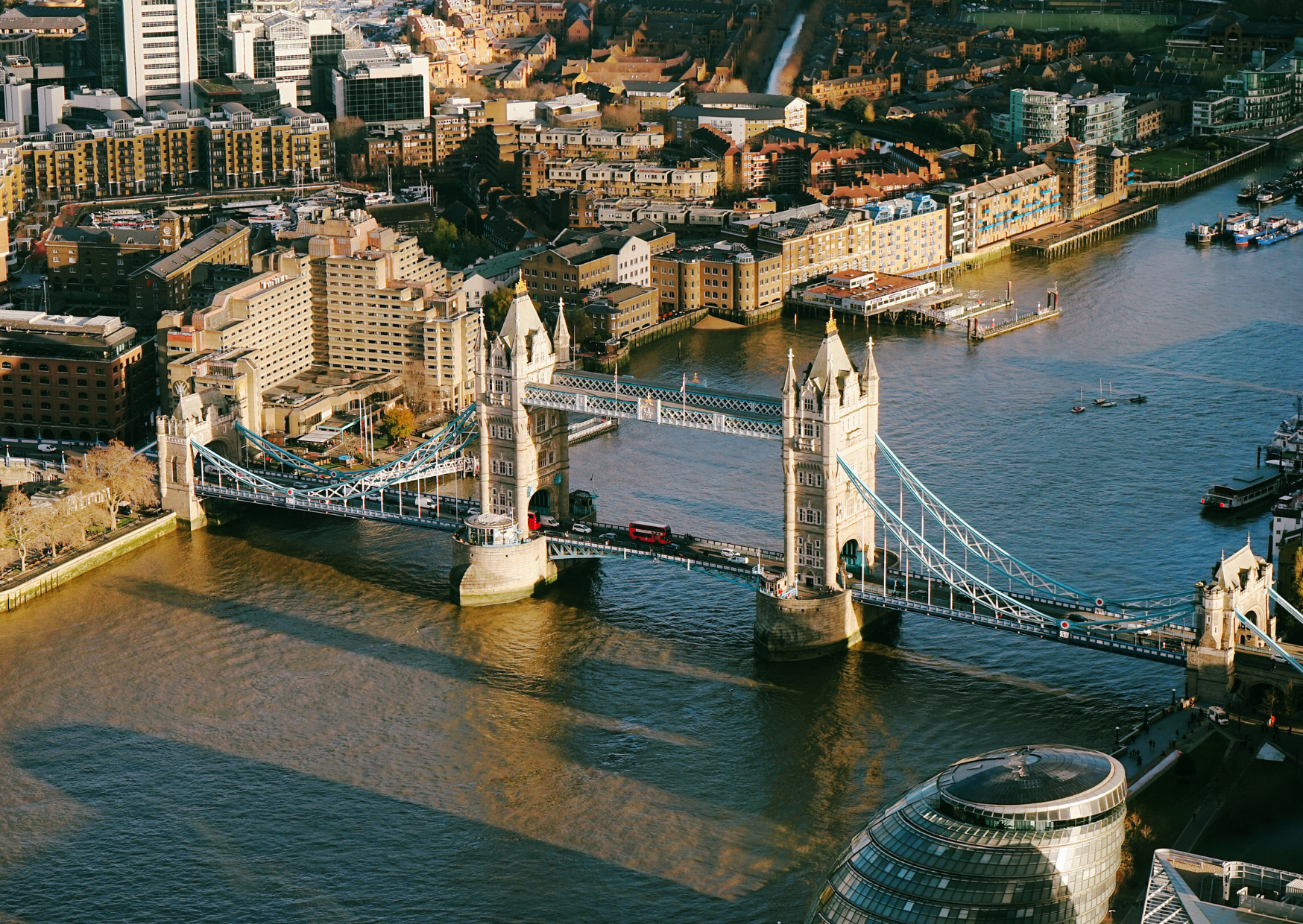
A laminated paella menu that promises twelve flavors in five minutes is a tourist trap in any month, but late October makes it obvious. Choose shorter menus, chalkboards that change, and kitchens that tell you a dish will take twenty minutes. In Rome and Florence, keep an eye on Monday museum closures and book those heavy hitters another day. In Venice, if a high-tide alert pops up, do not panic. Routes stay open and barriers are now part of the playbook. You just trade a morning on the lagoon for an indoor day and pick the canals up again tomorrow.
When a school break or holiday sits in your week, pivot the city. If you arrive during UK half term, bank your museums early and take a day trip that weekend while the big city has more families. If your dates include All Saints’ Day, treat it like a Sunday and go enjoy a park, a cemetery in bloom with candles and chrysanthemums, or a civic square with a coffee and a book. This is Europe. Holidays are lived in public. If you flow with them, you stop fighting ghosts.
Finally, accept that some ferries, rooftop bars, and seasonal routes will be paused by early November. The point of this window is not to check off every summer brochure item. It is to step into cities when they are working for themselves. If a rooftop shuts at six, watch the pink sky at five, then go eat the best roast pumpkin of your life at seven.
What This Means For You
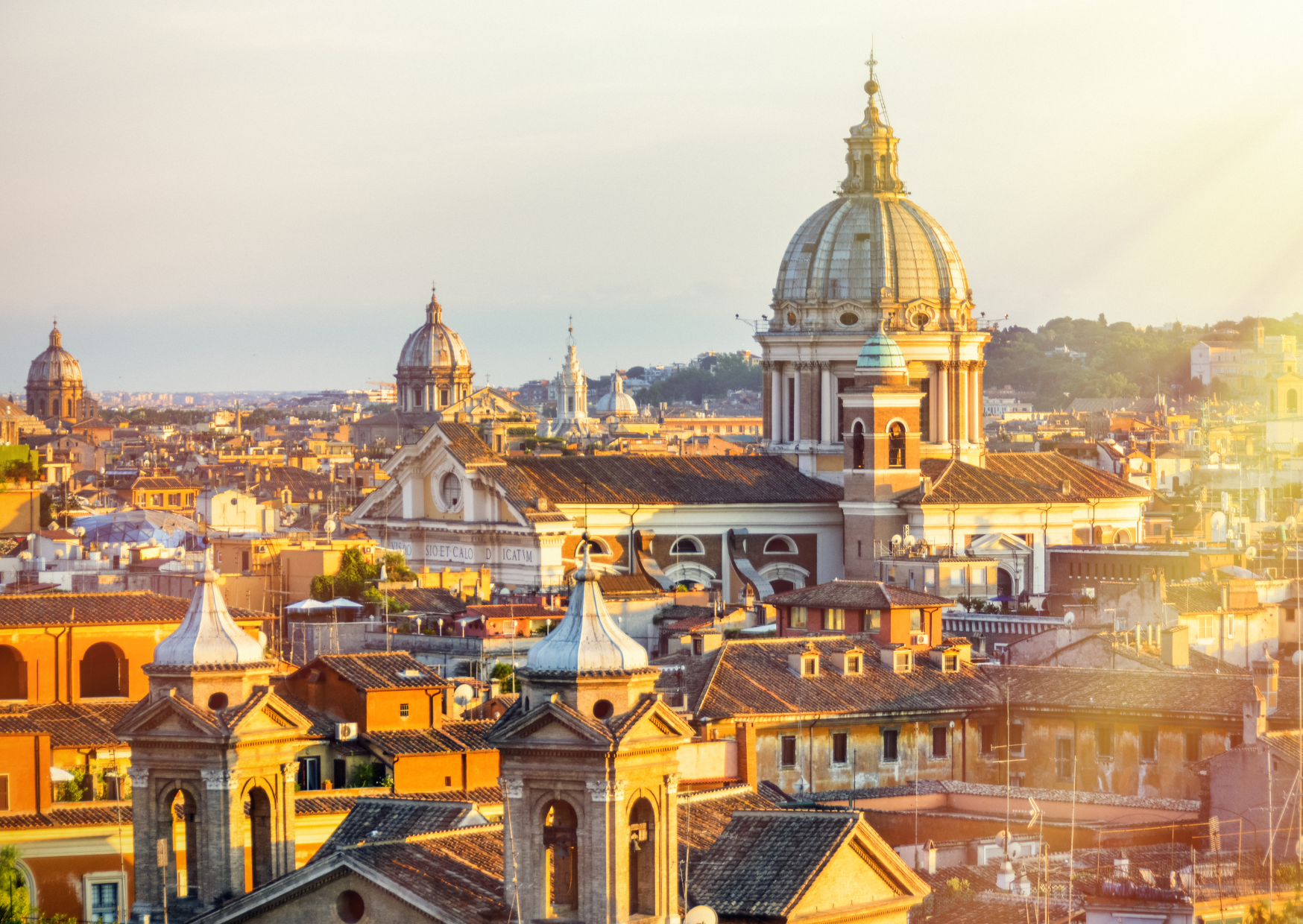
If you have only known Europe in summer, late October into mid November feels like cheating. The distances are the same. The monuments are the same. The bill is lower. The rooms are quieter. The faces behind the counter have time. Your day runs on light and appetite, not on lines and heat. Yes, you carry a small umbrella, and yes, you plan around one or two calendar ripples. In exchange, the cities open, the locals look up, and you remember why you wanted to be here in the first place.
Pick your week between October 15 and November 15. Land midweek. Build mornings for big sights and afternoons for wandering and lunch. Keep a flexible day in case a storm rolls through. Watch the calendar notes above, then go stand in the middle of a famous square and listen to your own footsteps. Secret season is not a trick. It is simply Europe at a human volume.

About the Author: Ruben, co-founder of Gamintraveler.com since 2014, is a seasoned traveler from Spain who has explored over 100 countries since 2009. Known for his extensive travel adventures across South America, Europe, the US, Australia, New Zealand, Asia, and Africa, Ruben combines his passion for adventurous yet sustainable living with his love for cycling, highlighted by his remarkable 5-month bicycle journey from Spain to Norway. He currently resides in Spain, where he continues sharing his travel experiences with his partner, Rachel, and their son, Han.