
Morning in Tokyo is a quiet choreography: grandmothers in sun hats stretching in the park, a line of silver-haired men cycling to the station, steam curling off public baths as shutters lift and the city exhales.
You see the clues before you hear the stats. Bento boxes heavy on fish and vegetables. Trains that make walking the default. Old friends who actually meet twice a week, not just promise to. A clinic at the corner where blood pressure checks take five minutes and cost less than a coffee.
The punchline many Americans reach for is sushi. It is part of the story, not the story. Longevity in Japan is less about superfoods and more about how the day is built. A thousand tiny habits, systems, and design choices, stacked for decades, add up to extra years that are mostly healthy ones.
Here is the real anatomy of why Japanese seniors live longer, and how to copy the parts that translate, even if your life runs on American time and terrain.
The Scoreboard, Without the Fairy Dust
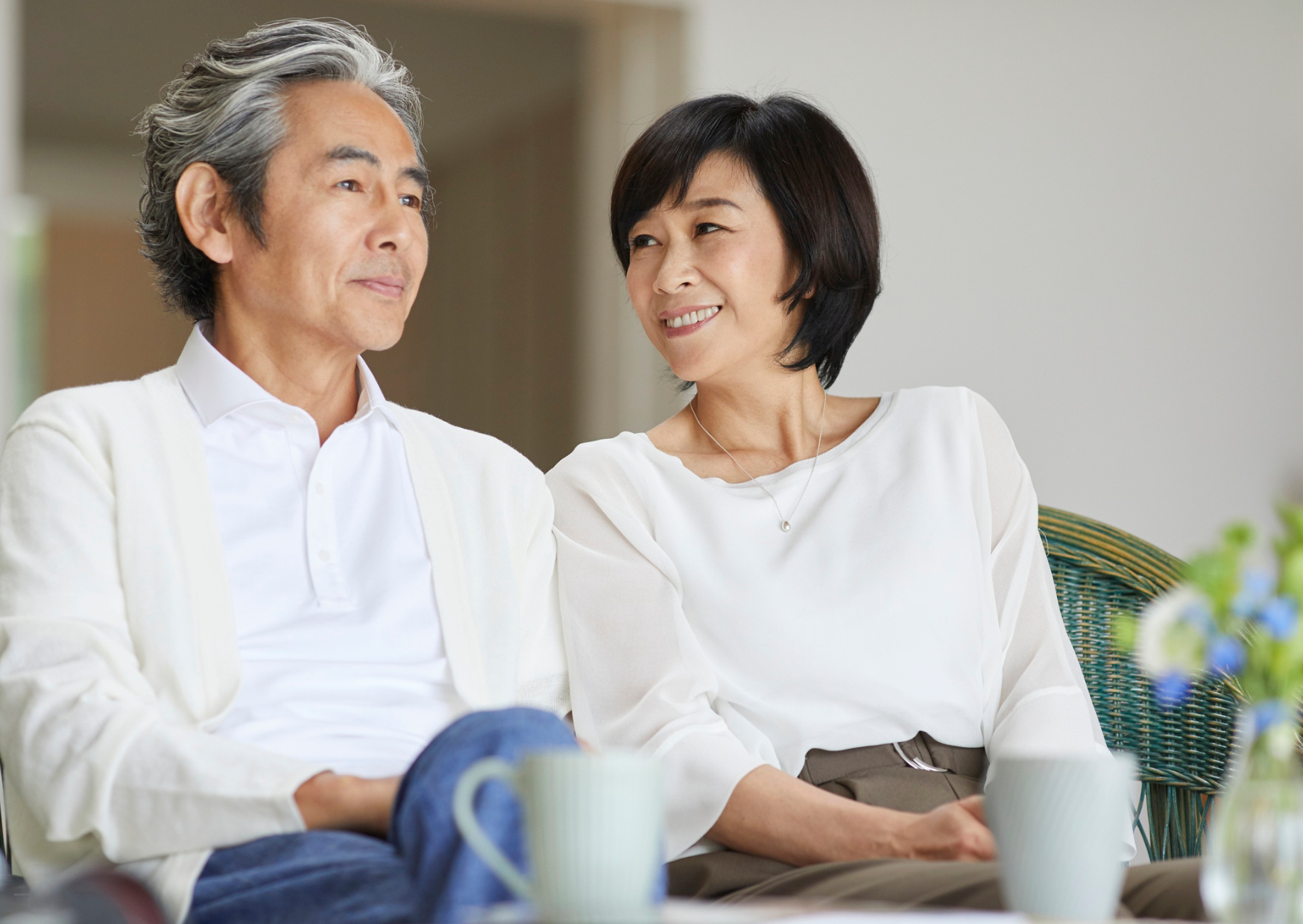
Japan sits at or near the top of global longevity tables, year after year. The exact rank wiggles because territories like Hong Kong sometimes edge ahead, but Japan’s life expectancy is consistently world-class, and women in Japan are among the longest lived on earth. Add another measure, healthy life expectancy, and extra years lived are mostly better years, not just time attached to machines. The mix that gets them there is unusual by rich-country standards, with very low preventable and treatable mortality compared with peers, and one of the lowest obesity rates in the OECD, which keeps the biggest killers on a shorter leash.
This advantage did not appear from nowhere. In the 1960s, stroke deaths in parts of Japan were some of the highest recorded. Salt intake was crushingly high. The country turned that ship slowly and publicly, cutting sodium across the food supply and kitchens and watching cerebrovascular deaths fall. The lesson is blunt. When you push a whole population a little in the right direction, the graph moves.
Movement That Sneaks Up On You
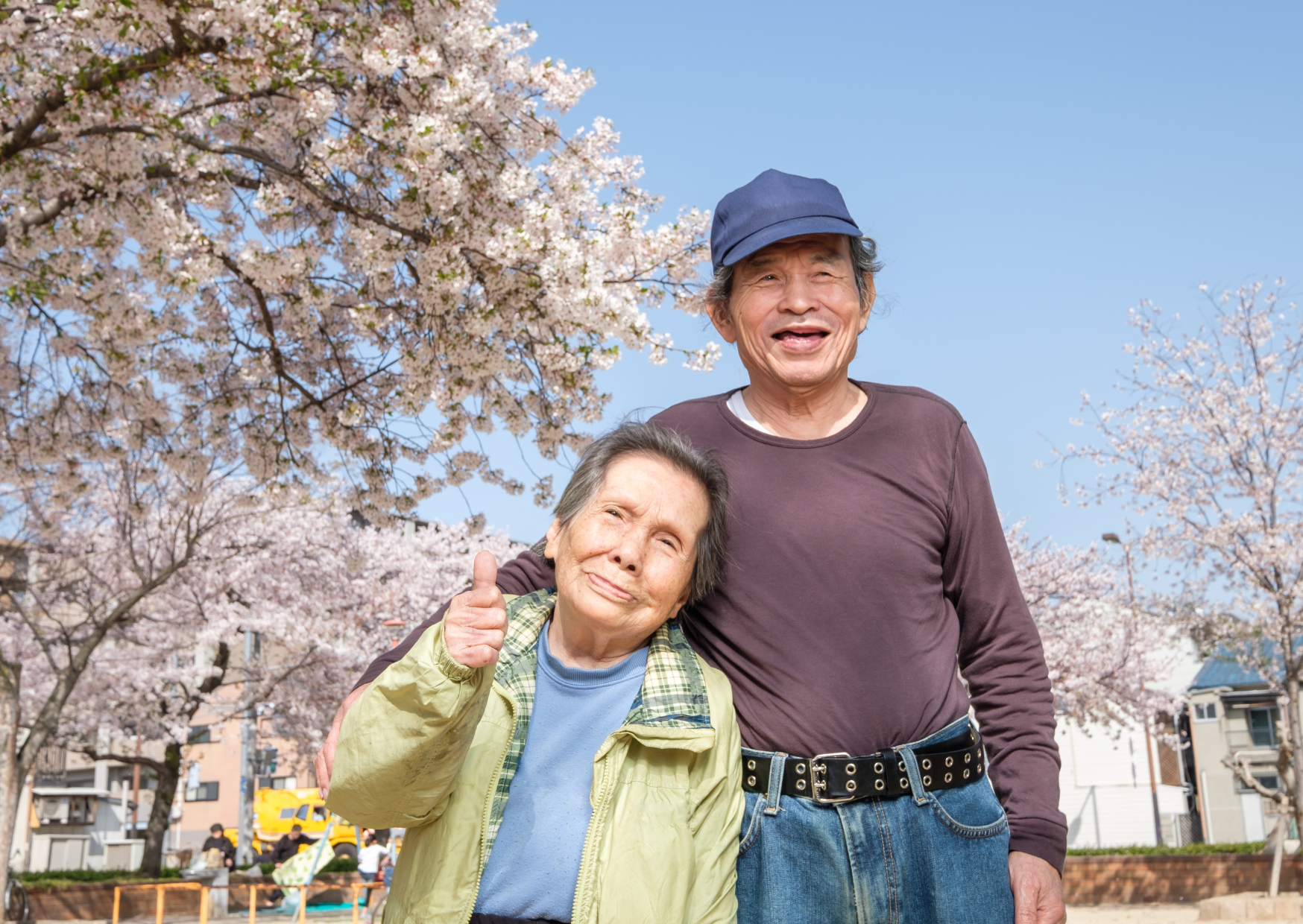
Japanese elders do not “work out” more than Americans. They move more by default. Stairs to the train. Short shop runs on foot. Gardening on a narrow strip of soil behind an apartment block. That accumulated motion, called NEAT, non-exercise activity thermogenesis, burns more than you think and pays off in weight, balance, and blood sugar. It is not a Peloton, but it is daily.
City form helps. Walkable neighborhoods and transit use keep legs strong deep into the eighth decade, and paved, well-lit streets reduce fractures from falls. Japan’s roads are some of the safest in the OECD, which matters more than people realize. Fewer violent crashes and fewer traumatic injuries mean more people live long enough to enjoy all that careful eating. Balance training shows up in places you would not expect, from gentle martial routines to community exercise circles in pocket parks. Balance beats biceps after 70.
When researchers put accelerometers on older Japanese adults, they saw a familiar pattern. People who live near shops, parks, and stations walk more, sit less, and carry less weight. The input is not willpower. It is destinations within ten minutes of home.
Food, But Not a Miracle Food
The stereotypical plate is not wrong. It is incomplete. The win is a pattern, not a product. The Japanese-style diet anchors on rice, fish, sea vegetables, tofu and other soy foods, seasonal produce, light dairy, and soups. Meat is present but modest. That mix is repeatedly linked with lower cardiovascular mortality and lower all-cause mortality, even when you control for age and lifestyle.
Two practical levers do most of the work.
First, protein shows up at every meal. Older bodies need more, not less, to maintain muscle. Eggs at breakfast, tofu at lunch, fish at dinner, a spoonful of natto when you feel like it. In Japanese guidance for aging muscles, one gram of protein per kilogram of body weight per day is a sensible floor, often spread across meals rather than dumped at night. That helps fight sarcopenia and keeps people steady on stairs.
Second, salt awareness is baked into culture and policy. Salt used to be very high. Then government campaigns, product reformulation, and home cooking habits pulled it down. Strokes fell. Blood pressure readings followed. Sodium still runs higher than ideal in some regions, but the long arc is down, and the payoff is visible in the mortality curves. Think miso with more broth and vegetables, fewer pickles at once, and a bias toward fresh over bottled sauces.
Green tea and coffee are not magic, but they are better defaults than sugar. Large Japanese cohorts associate both with lower cardiovascular and all-cause mortality, especially when they replace sweetened drinks. Treat them as habits, not hacks.
The Social Net That Actually Catches You
Healthy older Japanese are not just eating well and walking a lot. They are showing up. Hobby clubs, neighborhood cleanups, volunteer shifts, seniors who still work a few days a week. In massive, multi-city cohorts, social participation predicts lower disability and lower mortality, including among frail older adults. It is not about “being extroverted.” It is the boring rhythm of a standing date with other humans.
The concept you have heard, ikigai, gets over-marketed, but the core is plain. People who report a sense of purpose, even a small one, live longer. Gardening for grandchildren counts. Running the pedestrian crossing at the school counts. A weekly shogi game counts. Purpose is a behavior disguised as a feeling. You cultivate it by committing to things outside yourself.
Japan also experiments with community “salons,” kayoi-no-ba, simple gathering places that mix tea, movement, and conversation. They sound soft. They cut disability risk when people keep coming. Longevity is social architecture, not a speech about grit.
Medicine That Arrives Before Disease
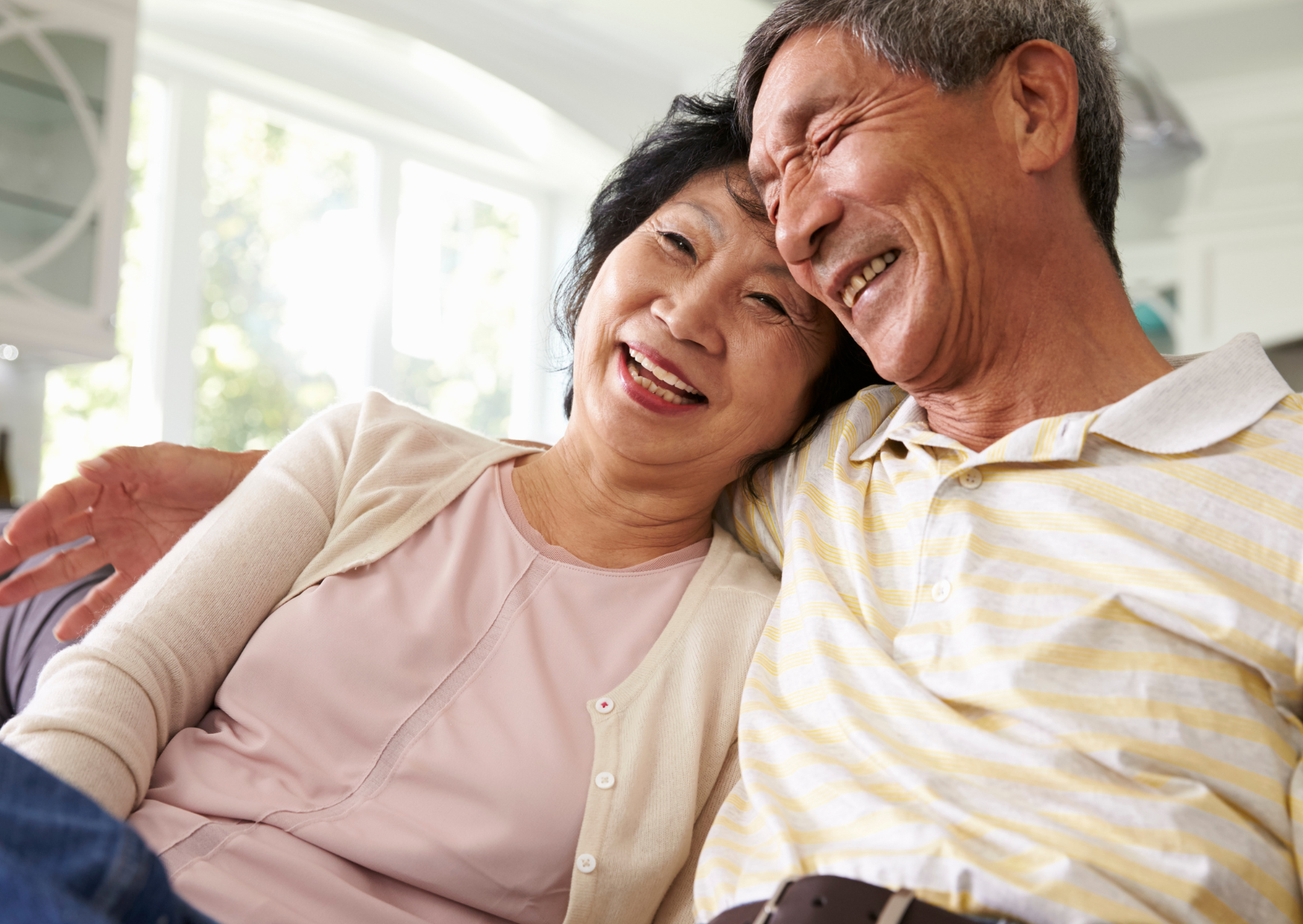
Universal coverage is not the headline. Proactive coverage is the point. Insurers in Japan are required to offer specific health checkups focused on metabolic syndrome. Waist, lipids, blood sugar, blood pressure, with brief counseling. That is not a cure-all. It is a brake pedal, pressed yearly, before the downhill gets steep. Checkups by default beat checkups by panic.
When independence slips, there is a system for that too. Since 2000, Long-Term Care Insurance has provided graded, in-home and community support. The design bias is to keep older adults in their neighborhood, with help for cooking, bathing, transport, and rehab, instead of pushing them straight into institutions. Independence is treated as a health outcome. That framing keeps people upright, connected, and alive.
One more unglamorous pillar deserves attention. Teeth. For three decades, the 8020 campaign has preached a simple target, keep twenty functioning teeth at eighty. It sounds quaint. Cohort data link more functional teeth and basic oral care with lower mortality and disability. Chewing means protein. Chewing means vegetables. Chewing means going outside to eat with friends. Oral health is longevity infrastructure.
Safety, Sleep, And Tiny Risks That Compound
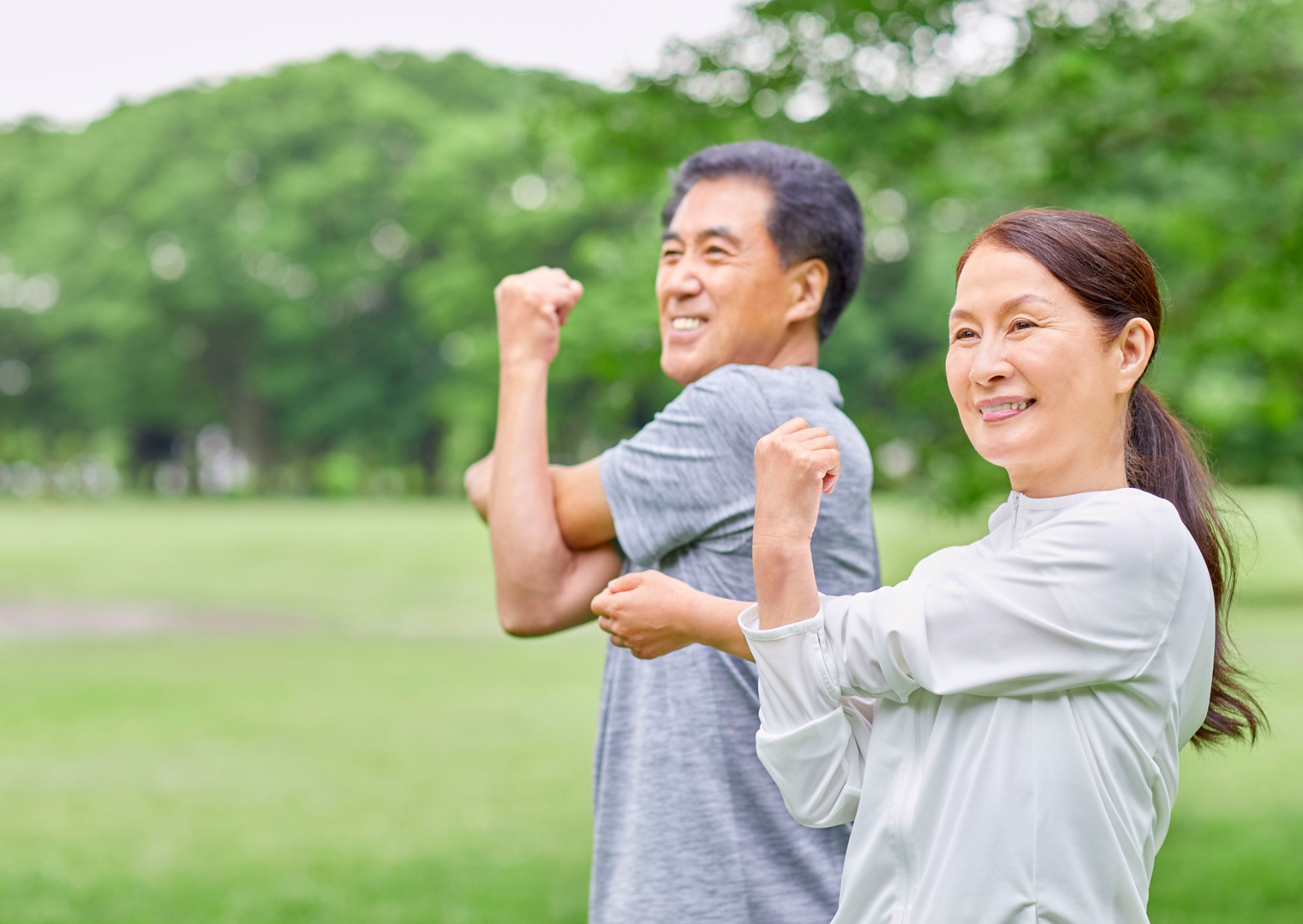
Long life is often the absence of one bad day. Japan’s homicide rates are among the lowest on earth, and road fatality rates sit near the safest in the OECD, helped by transit, lower speeds, and strict licensing. Fewer catastrophic injuries means more people survive to die of things you can live with for years.
The culture of bathing, especially at night, may assist with blood pressure and sleep for some older adults, though the evidence is still emerging and the practice needs care in hot seasons. The broader point is routine. Calm, predictable wind-down habits make better nights, and better nights make better days. Longevity likes boring evenings.
If You Want The Effect, Copy These Pieces
You do not need to eat seaweed to get the benefits. You need a few repeatable behaviors and a friend or two who will nudge you to keep them.
Start with move all day. Trade two short drives for two ten-minute walks, every day. Tie a task to each one. Walk to coffee in the morning. Walk the recycling at night. If your neighborhood is hostile to pedestrians, fake “destinations” inside a larger store. Use the length of the parking lot. If you can add one thing, make it balance practice. A soft knee bend while brushing teeth, standing on one leg at the kitchen counter, a twice-weekly tai chi video. Falls are the real enemy at 75.
Make protein routine. One egg and some yogurt at breakfast. Tofu or beans at lunch. Fish or lean meat at dinner. If you struggle to eat enough, go smaller and more frequent. Think soup plus a side, not a single heavy plate. Put cut vegetables on the table as automatically as forks.
Practice salt literacy. Read labels once for your staples. Then stop. Buy lower-sodium broth and soy sauce, and let everything else ride. Keep pickles as a condiment, not a side. Taste before you salt, and finish dishes with acid, like lemon or vinegar, so you can use less.
Build two social anchors a week. They should exist on your calendar first, then in your head. A Tuesday morning walk with the neighbor who notices if you skip. A Thursday pot of tea at a community center. If leaving home is hard, host a standing game night with three people and a deck of cards. Purpose grows where you tend it.
Schedule one preventive checkup and one dental appointment now, not when something hurts. If your insurer offers a free metabolic screening, take it. Ask for waist, lipids, blood pressure, and fasting glucose, and collect the numbers in one place. Treat brushing, flossing, and denture care as eating insurance.
If you are still working, keep one meaningful role after you retire, paid or not. Mentor at a library. Coach a safe-cycling class. Run the sign-in table at a local market. The studies that rave about “ikigai” are basically capturing people who are needed by someone outside their home.
Last piece. Reduce the chance of one bad day. Put non-slip mats in the bath and a grab bar by the shower. Add brighter bulbs by the stairs. If you drive, choose errands at lower-traffic hours. Risk management is not fear. It is more birthdays.
Where This Story Gets Oversimplified

Japan is not a magic island. Younger cohorts are more sedentary than their grandparents. Sodium remains higher than ideal in many kitchens. Male smoking has fallen for decades but is still not trivial. Regional gaps are real. Some rural seniors are isolated. Urban elders can be lonely too. There is no single food or phrase that buys twenty extra years. The edge you see on the charts is cumulative, most of it invisible to tourists.
The good news is that the parts that travel are the parts that matter. Gentle, constant movement. Modest portions with protein at every meal. Real friends with real dates. A health system that nudges before disease sets in. Safer streets. Teeth you can chew with. Copy five of those and the curve bends.
You do not have to live in Tokyo. You just have to live a day that looks a little more like theirs, repeated without drama.

About the Author: Ruben, co-founder of Gamintraveler.com since 2014, is a seasoned traveler from Spain who has explored over 100 countries since 2009. Known for his extensive travel adventures across South America, Europe, the US, Australia, New Zealand, Asia, and Africa, Ruben combines his passion for adventurous yet sustainable living with his love for cycling, highlighted by his remarkable 5-month bicycle journey from Spain to Norway. He currently resides in Spain, where he continues sharing his travel experiences with his partner, Rachel, and their son, Han.