
A uniformed officer scans your passport, glances up, and asks it lightly: “How many days will you stay?” Your answer decides whether this takes thirty seconds or thirty minutes.
The question sounds small. It is not. Border officers in the Schengen Area are trained to start here because your number unlocks every other control. If you say ninety, they hear three things at once. Whether you understand the 90 in any 180 days rule. Whether your return ticket supports that number. Whether your proof of accommodation and means of subsistence per day make sense against the itinerary they see. Answer well and you pass. Answer loosely and you invite more questions you did not plan for.
This is not an adversarial game. It is a fast, structured interview built from the same handbook across member states. The officer’s job is to verify purpose, duration, lodging, finances, and that you will leave when you say you will. The single question is the cleanest hinge for all five. Below is the map: why that number matters, what happens behind the desk when you say it, how your dates interact with the 90-in-180 rule and daily money thresholds, what changes when the EU’s Entry Exit System goes live, and how to answer in a way that ends the conversation quickly without sounding rehearsed.
The Trick Question, Decoded: “How Many Days Will You Stay?”

Say a number and you are making three declarations at once. You are declaring your intended duration, you are silently declaring that you understand the 90-in-180 clock, and you are promising that your documents match your math.
What the officer hears first is scope. Short stays are simple, long stays need proof. A four-day city break with a hotel booking rarely triggers more than a nod. A seventy-eight-day ramble across six countries triggers a checklist. The same handbook sits on every desk in the Schengen perimeter. It tells officers to verify the purpose of the stay, the conditions of lodging, and the means of subsistence against the duration you declare. The question is short so the logic can be fast.
What they hear next is your grip on the rule everyone fumbles. The Schengen stay limit for visa-exempt travelers is 90 days in any rolling 180 across the whole zone, not ninety per country and not three calendar months. This is why the answer they hope for is a clear number, not a vague “about three months.” Ninety is not the same as three months, rolling 180 is not a calendar semester, the whole Schengen is one clock.
Last, your number instantly ties to money and beds. Most states publish reference amounts per day that officers use to judge whether travelers can support themselves for the time they declare. Your per-day money expectation times your days must glue to reality, and your accommodation proof must cover the first nights or show a credible plan. Duration drives money, duration drives lodging, loose answers cost you time.
Why Training Starts Here: The Handbook Behind The Counter

Border officers are not improvising. They work from a common Practical Handbook for Border Guards, a Commission text that translates the Schengen Borders Code into daily practice. It lists the checks to perform for third-country nationals at the external border and the supporting documents travelers may be asked to show to justify the purpose and conditions of their stay. That is why most conversations begin identically and end quickly for ordinary trips. Common script, same checks, fast conclusions.
In that script, three pillars matter.
First, purpose. A crisp “tourism” or “visiting my sister in Lyon” is fine, but the officer can ask for proof that fits the story. Hotel booking, an invitation letter, or onward transport. Purpose must match paper, paper must match days, days must fit the rule.
Second, accommodation. You are not required to book every night in advance, yet the handbook allows officers to ask how and where you will sleep, especially for the first segment. A confirmed booking, a rental confirmation, or a formal invitation from a host is normal proof. First nights matter most, invitation or booking works, vague couch surfing does not.
Third, means of subsistence. Member states publish reference amounts per day that officers use at the line. These are not visa-policy myths. They are real figures, and the annex to the handbook collates them by country. Your stated days times that daily amount is the silent multiplication the officer performs when you answer. Daily amount x your days, cash or access counts, numbers must meet.
What Your Answer Triggers In The System

While you talk, the officer is doing three things. They are checking your passport validity and any visa, they are running database hits, and they are mapping your number to documents.
The databases include the Schengen Information System for alerts and national files. Today, passport stamps are still the way your stay is calculated. Officers can and do flip through and count. After October 12, 2025, the Entry Exit System will begin rolling out and will register your biometric entry and exit, replacing stamps with an automatic tally of your days used and days left. The trick question will still be asked. The difference is that the system will know your exact count when you answer. Stamps today, EES tomorrow, same question, faster math.
If your number fits your passport history, your return flight date, and the first bookings you show, you are done. If it does not, the officer follows the handbook’s next step and asks for supporting proof. That can be a printout, a phone screen, or a letter. The interview stays short when your dates, beds, and money line up.
How To Answer So The Interview Ends In Seconds

You do not need legalese. You need specifics that match paper.
Lead with a number and a bracket. “Seventeen days. I arrive today, fly home on the 29th.” That number plus anchor lets the officer confirm your return on the screen. If you are moving around, add one line of structure. “Ten nights in Lisbon, six in Porto. Here is the first hotel.” Exact number, first sleep, return date is the triangle that ends most conversations.
Carry fast proof in the form officers recognize. Print your first hotel or have the e-mail ready. Keep your return ticket visible. If you are staying with someone, have a formal invitation where required or at least a message with the host’s address that matches your answer. First nights are the litmus, return date is proof you understand the clock, paper beats story.
Keep money simple. Officers do not need your life savings on the counter. They need to see that you have access to enough for your declared days, using the local reference amounts as a rough yardstick. A recent bank statement screenshot, a credit card with available limit, and a backup card cover most cases. If a state publishes a clear per-day figure, know it before you fly. Access matters more than cash, per-day amounts exist, show, do not argue.
The Five Mistakes That Turn One Question Into Secondary
Travelers do not get flagged for speaking English or for having the wrong backpack. They get flagged for math and paper.
They say “three months” instead of a number. Three months is often 92 or 93 days, which busts the 90-day limit. Say a number and put it under 90 if you are visa-free. Your return ticket should already do this for you. Ninety is a hard ceiling, calendar months drift, tickets must reflect it.
They declare a long stay and show two nights of booking. Officers accept flexibility. They do not accept vagueness. If you are backpacking, book the first leg and hold credible transport to the next city. If you are staying with friends, know the address and phone number. First nights on paper, overland proof if wandering, host details if invited.
They cannot explain where the money lives. You do not have to wave cash, and in many places you should not. You do need to show access. Bank card plus a last-week statement with your name, or a banking app screen showing a balance. If your host covers costs, have the invitation and sponsorship wording locals use. Access beats cash, names must match, sponsor letters must say what they cover.
They try to talk around prior time in Schengen. With stamps, officers can count. With EES, the system will count for them. If you spent 61 days last spring, you have 29 left until the early stays fall out of the 180-day window. Do not guess. Keep your own count or use a calculator before you fly. Rolling window, not reset, your history is visible, count before you travel.
They volunteer the wrong project. Saying you will “work a little” on a tourist entry, or that you are “house-sitting for money” turns a soft check into a hard no. If you are remote-working for a non-EU employer on a tourist stay, the practice varies by state. Do not blur lines at the counter. Keep your purpose focused on tourism or family visit unless you hold a visa or permit that authorizes more. Purpose words matter, tourism is not side jobs, permits unlock different answers.
What They Are Allowed To Ask For, And What They Actually Use
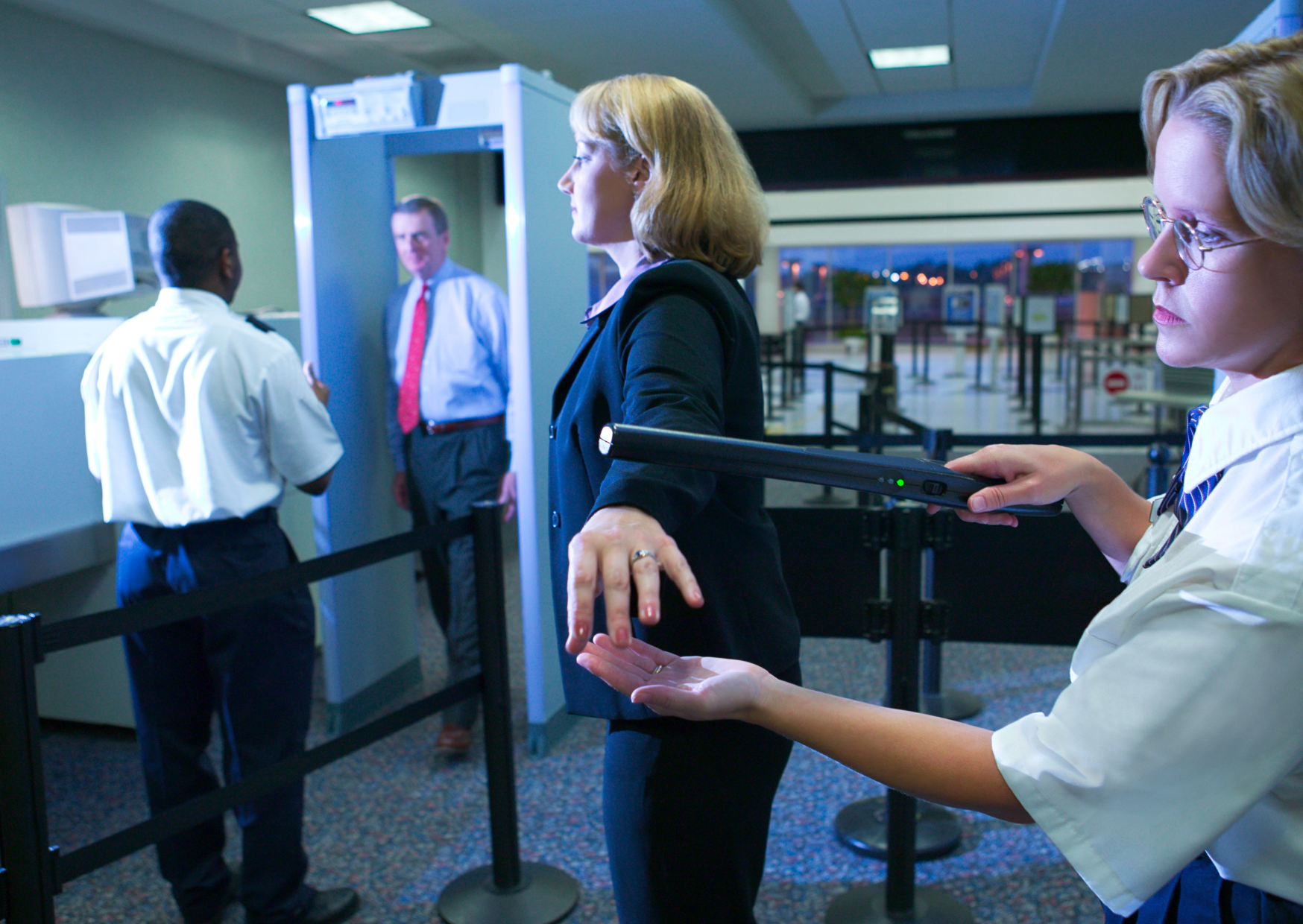
The handbook gives officers a non-exhaustive list of supporting documents to justify purpose and conditions. That phrase matters. It is not a shopping list that you must carry in full. It is a menu of acceptable proofs. Hotel reservations, return tickets, invitations, event registrations, and proof of funds are the greatest hits. The officer chooses what makes sense for your case and stops when the picture is coherent. Non-exhaustive means flexible, coherence ends the check, context decides the document.
Daily money expectations are real. The annex that collates reference amounts is used at the line. The figures vary by state and sometimes by circumstance. You are not being squeezed. The officer is applying a published standard to your declared days. If your host undertakes to cover costs using their national form, that can replace your own funds in the calculation. Reference amounts exist, they vary by state, host sponsorship can substitute.
Proof of accommodation is about reality, not perfection. A first booking for air arrivals shows you have a bed after a long flight. If you are on a long swing across multiple countries, it is normal to confirm later nights as you go. If you are staying with family, some states expect a formal invitation stamped or registered locally. The officer’s job is to ensure that your answer and your papers point in the same direction. First bed first, invitations follow local form, consistency wins.
After October 2025: How EES Changes The Conversation
The Entry Exit System begins operations on October 12, 2025. Instead of ink stamps, non-EU travelers will have their biometrics captured, and the system will record entry and exit dates automatically. For you, two things change at the counter. The officer will see your exact used days and how many you have left under the 90-in-180 rule. And secondary checks on overstay risk will move faster because there is no ambiguity in the count. The question does not go away. It becomes more precise. Biometrics replace stamps, the system tallies days, clarity speeds decisions.
If you answered “eighty-nine days” in the stamp era and your arithmetic was loose, you could slide into a math debate. In the EES era, the debate ends before it starts. The officer will already know whether your plan fits. That is good for organized travelers and bad for casual three-month answers.
How To Build An Answer Officers Like Hearing
You are not trying to impress anyone. You are trying to match a format.
Pick a clear number under 90 if you are visa-exempt. Add your arrival and departure dates in one breath. Have your first stay and return ticket at the ready. Put proof of access to funds at the top of your phone’s photo roll. If you have prior Schengen days in the last 180, know the count. If you are visiting someone, carry the invitation that country issues. Everything you say should be checkable in ten seconds. Number plus dates, first bed, money access, invitation if relevant.
For longer legal stays, do not wing it. If your plan crosses 90 days in any 180, your path is a national visa or residence permit, not tourist entry. The officer is not your planner. If you arrive with a casual 120-day idea and a single hotel, you are asking for refusal.
If you are living the flexible life, accept that borders are not flexible spaces. You can leave room for serendipity on day seven. You cannot be vague about tonight and your return. Book the first segment and the last flight, then improvise inside the bracket. That one choice turns every question into a short conversation.
Special Cases That Need A Cleaner Script

Some trips sit just outside the easy lane and deserve an extra line or two.
Multiple Schengen entries on one swing. State your total Schengen days cleanly. “Forty-two days total. Two weeks in Spain, then Morocco, then four weeks in Italy.” Have the non-Schengen tickets ready to show you are exiting in between. Total days matter, side trips reset nothing, tickets prove you leave.
Visiting friends or family. Say so. In some states a host invitation form exists for this exact purpose. Bring it if yours does. If not, the host’s address and a simple letter with dates ties your answer down. Say visit, show form if applicable, know the address.
One-way arrivals. Not forbidden, but they are friction. If you cannot show a return or onward ticket, your answer about days must be airtight and your money plus accommodation must easily cover it. Understand that many refusals start here. Onward proof ends doubt, open returns create work, be overprepared.
Remote work while touring. The handbook question is purpose. If your purpose is tourism and you also check email for an employer outside the EU, do not over-explain unless asked. Rules vary and border counters are not the place to explore them. Keep purpose tight. Obtain a national visa if your purpose is to work. Tourism words for tourism, permits for work, do not improvise policy at the desk.
What This Means For You
The border interview is not a mystery. Officers lead with one small question because it compresses the entire rule set into a number they can verify. Your job is not to charm anyone. Your job is to make your number true across your ticket, your bookings, your bank, and your Schengen day count.
Do that and you will hear the best border sound there is, a stamp today or a beep tomorrow, and a wave toward the exit. Miss it and you are the one still at the counter while the flight from Chicago empties behind you.
Build your answer before you fly. Know your days, tie them to dates, show your first bed, prove access to funds, and keep your purpose simple. The trick question will always be asked. Treat it like the only test that matters, and it will be the fastest part of your trip.

About the Author: Ruben, co-founder of Gamintraveler.com since 2014, is a seasoned traveler from Spain who has explored over 100 countries since 2009. Known for his extensive travel adventures across South America, Europe, the US, Australia, New Zealand, Asia, and Africa, Ruben combines his passion for adventurous yet sustainable living with his love for cycling, highlighted by his remarkable 5-month bicycle journey from Spain to Norway. He currently resides in Spain, where he continues sharing his travel experiences with his partner, Rachel, and their son, Han.