
You sit down off La Rambla, smile, and ask for an English menu. The server nods, a laminated booklet appears, and the bill that follows is heavier than the lunch locals just ate next door.
The myth says Barcelona punishes Americans for speaking English. The reality is more mechanical. When you ask for an English menu in the most touristed streets, you are often routed to a tourist-oriented price structure, not a secret tax for your passport. The laminated card you get can be a different offering than the menú del día written on a chalkboard, drinks arrive in larger formats by default, and terrace or service supplements flip on if posted. Add it up and your total can land 20 to 30 percent higher than the neighborhood baseline, sometimes more on La Rambla where headline prices are already inflated. That gap is not universal and it is not lawful to hide. It is a mix of menu design, location, and what the consumer code requires venues to show you.
This guide shows how the gap happens, how to avoid it without playing language games, what the law in Catalonia says about prices and languages, and the quick moves that put you on the same page locals use to eat well for less.
Want More Deep Dives into Other Cultures?
– 9 Italian Style Rules That Instantly Outshine American Fashion
– Why Europeans Walk Everywhere (And Americans Should Too)
– How Europeans Actually Afford Living in Cities Without Six-Figure Salaries
– 9 ‘Luxury’ Items in America That Europeans Consider Basic Necessities
What Asking for “The English Menu” Actually Triggers
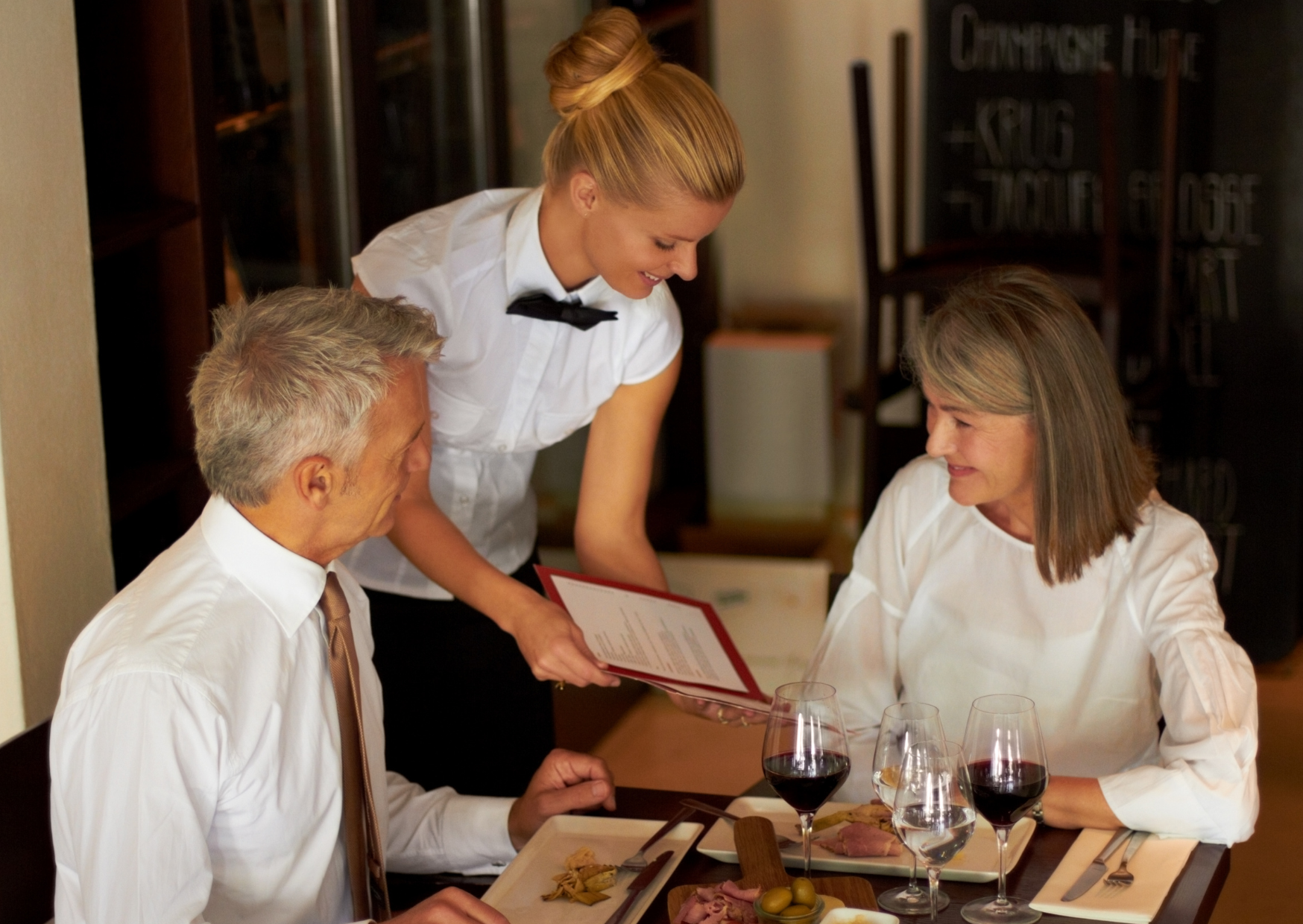
In Barcelona’s busiest corridors, the phrase “Do you have the menu in English” can act like a switch. You may be handed a separate tourist card, with a long list, photos, and bundles like “paella menu” that are priced differently than the compact Catalan or Spanish menu of the day. In some places the English card is simply a translation, in others it is a different commercial offer built for short stays and convenience. If you do not see the chalkboard or printed menú del día that locals use at lunch, you are likely paying more per dish and more per drink. The difference is design, not punishment.
There is another nudge hiding in plain sight. Along La Rambla and other high-traffic zones, prices are structurally higher regardless of language. Coke that costs about 2.50 € in ordinary cafés can run to 7 or 10 € on the promenade, and “paella for one” can price far above what a proper rice house charges per person. When you combine location premiums with a tourist-oriented card, you get the spike Americans complain about. Street matters, format matters, card choice matters.
The Price Mechanics: How a 30 Percent Gap Happens Without Anyone Lying
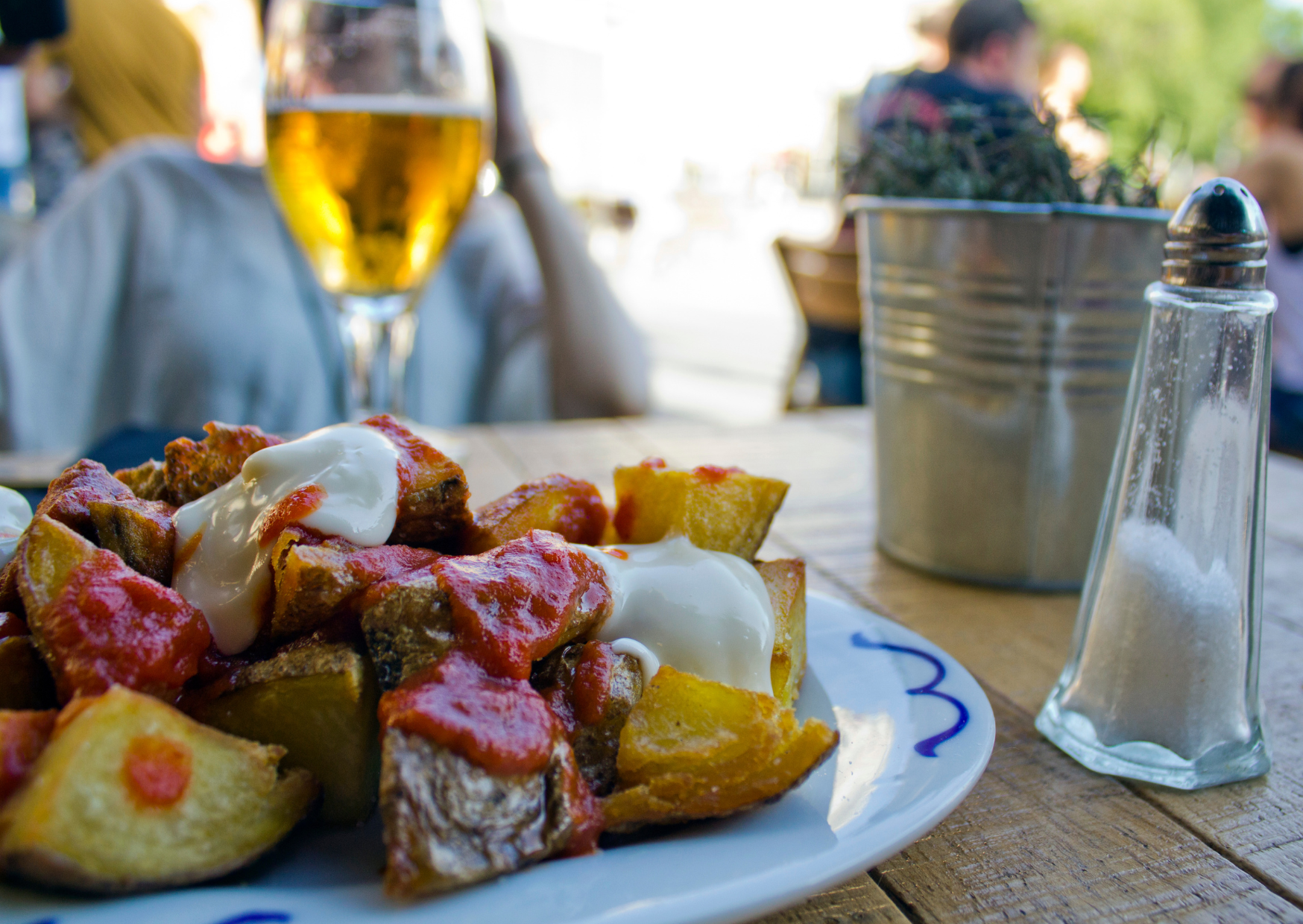
Start with the city’s lunch benchmark. Barcelona’s menú del día in the center sits around 15 euros for two courses with bread and a drink, sometimes a little more in prime districts. This is the baseline locals reach for on weekdays. If you arrive at 14:00, point at the chalkboard, and choose the daily menu, your price anchors there.
Now look at the laminated English card common around La Rambla. It often pushes you toward a fixed “tourist” bundle such as three tapas plus paella for a headline number that may not include tax, or large drinks by default. Critics who have tested these “menú para guiris” bundles describe weak quality and pricing tricks such as prices quoted without VAT even though Catalonia requires prices to be shown with taxes included. If the price is missing VAT or supplements, your table ends up paying more than the sign suggested.
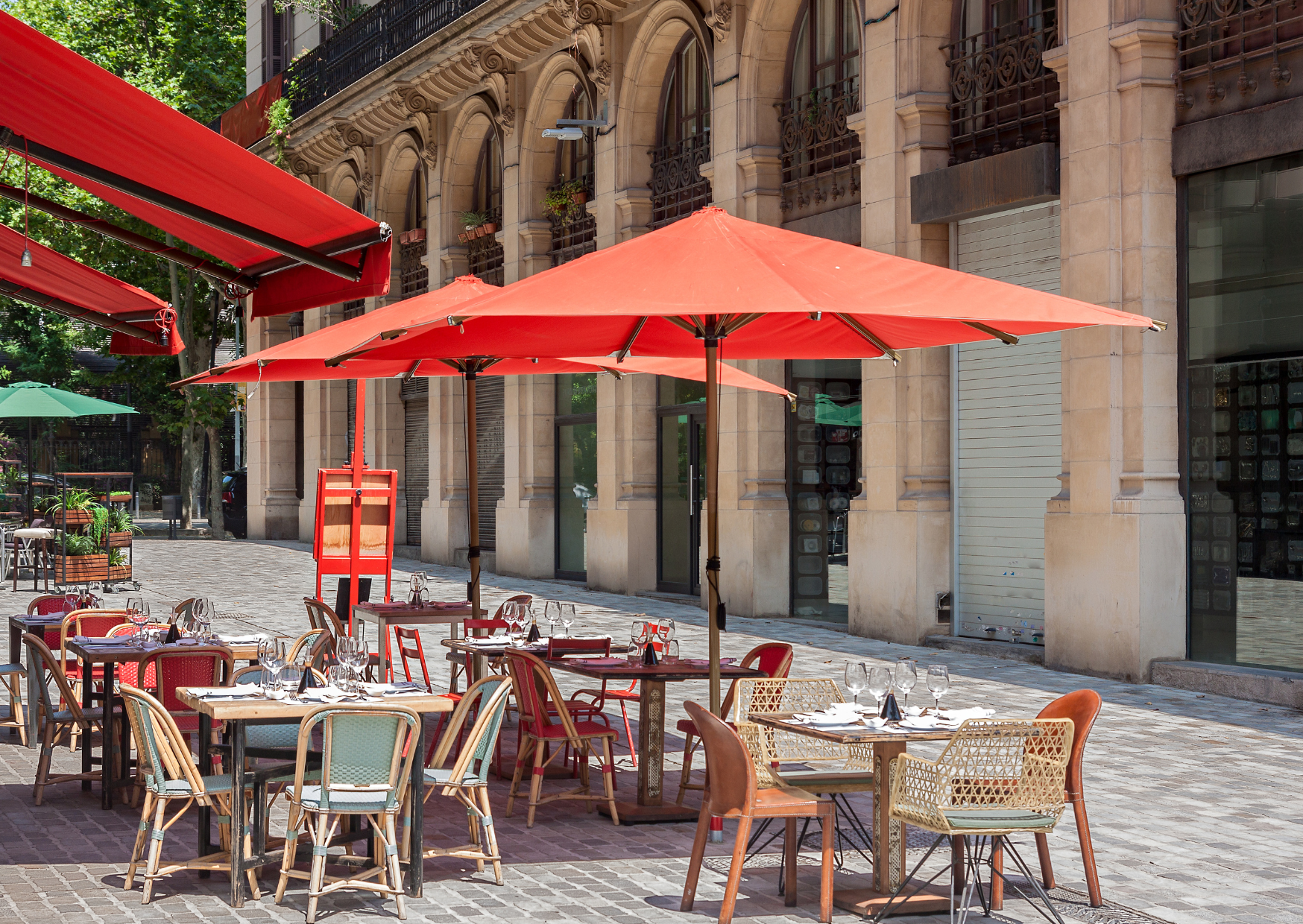
Add one more layer. If you sit on a terrace, venues can charge a terrace supplement when it is disclosed as a clear, fixed amount on the menu or posted list. Many do. A disclosed terrace charge is legal. A percentage added later is not. If you did not spot the supplement line on the card or placard before ordering, it will still be there on the bill if properly posted. Terrace seats cost extra, and the extra must be printed in advance.
Put the pieces together with simple math. Two people at a neighborhood menú del día near 15 € each pay roughly 30 € total with basic drinks included. Two people on La Rambla, using a laminated English card with a 19 to 22 € “combo,” plus a terrace fee and pricier drinks, can land near 40 to 45 € for broadly similar food. That is your 30 percent gap in one tidy example, and it widens as drink prices creep. Bundles inflate, terraces add, VAT mistakes bite.
Hold this trio: menú del día around 15 €, tourist bundles near 20 € plus add-ons, terrace and drink formats push totals up.
Your Rights In Catalonia: Prices, Languages, and What Must Be Shown
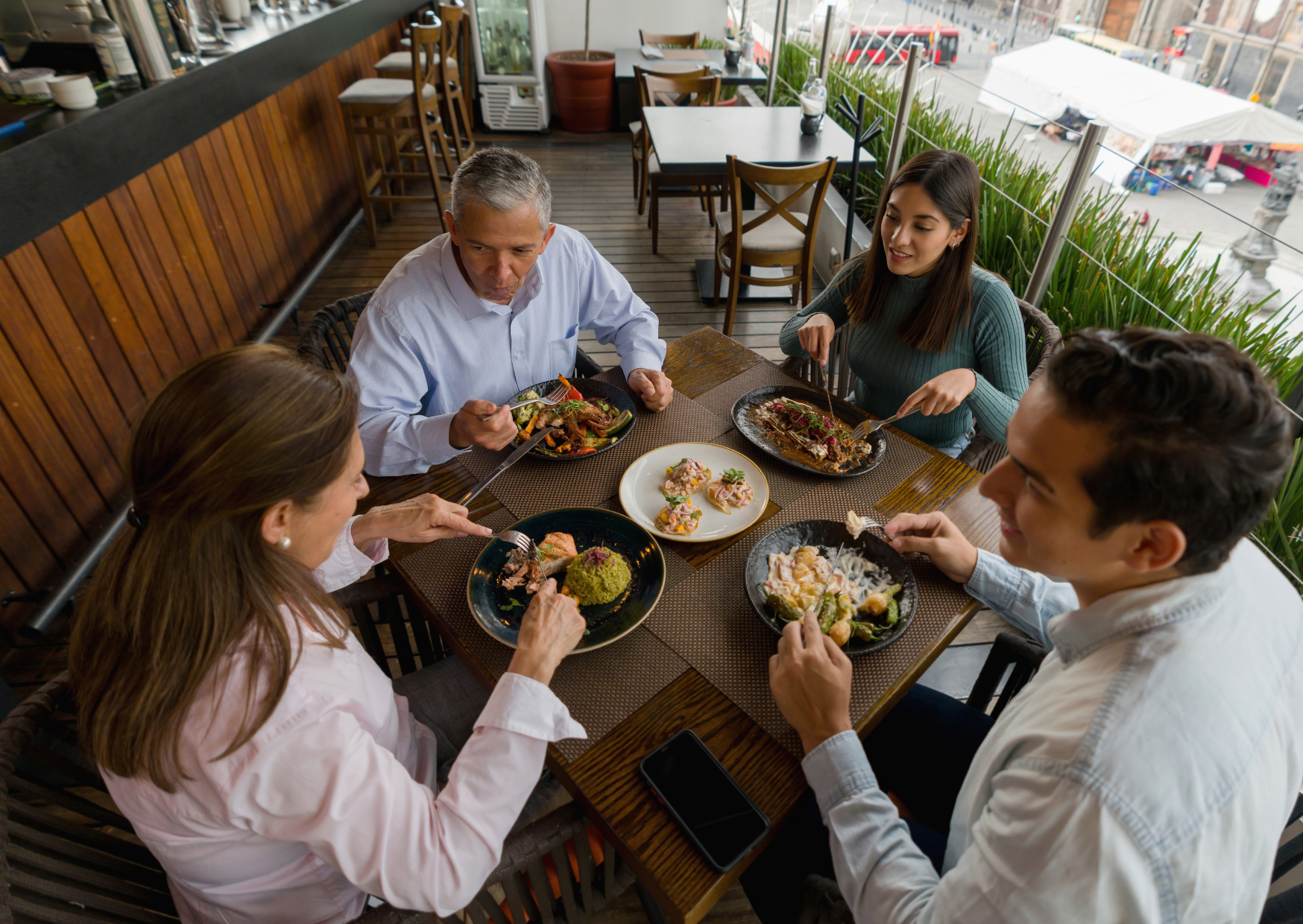
You do not have to play detective to avoid surprises. Catalonia’s consumer code gives you clear rights at the table. Menus must be available at least in Catalan, and you have the right to be attended in Catalan or Spanish. The law also requires that the full price including taxes be visible before you order. That means “IVA incluido” by default on price displays. If an establishment quotes a dish price without VAT on a menu, the consumer authority treats it as non-compliant. Ask for Catalan or Spanish if the English card looks odd, and look for the tax-included price in print.
Supplements are also regulated. A terrace surcharge is allowed when posted in advance as a fixed amount, not as a percentage. If the terrace supplement is missing from the menu or placard and appears only on the bill, you can challenge it. Likewise, the price you pay must match the price displayed. If a venue charges differently from what the card shows, they owe you the displayed price and you can request a Hoja de Reclamaciones, the official complaint form that Catalonia requires businesses to provide. Visible prices bind, fixed supplements only, complaint forms exist for a reason.
None of this is about policing English. It is about transparency. If a place offers a separate menu in English, it must obey the same rules as the Catalan or Spanish version. Prices must be legible, total, and shown in advance, and the receipt must reflect those same numbers.
How To Order Without Paying the Tourist Premium
You do not need to hide your language. You need to choose the right offer.
Ask for the menú del día at lunch and point to the board if needed. If a server hands you a laminated “international” card, you can say “menú del día, por favor” or “la carta en catalán o en castellano” with a smile. You are not refusing English, you are choosing the local pricing format. The board or lunch insert is where Barcelona still hides value.
Scan the bottom lines. Look for “IVA incluido” and any terrace supplement in a fixed euro amount. If you plan to sit outside, check that terrace line before you order so the charge is a choice, not a surprise. If the supplement is printed as 2 € per person, you have the information you need. If you only see a vague “supplement applies,” you can ask how much or choose indoor seating.
Choose short menus over encyclopedias with pictures. Big laminated books with dozens of pages are a classic tourist trap tell all over Spain, and many locals avoid them on sight. Simple cards, chalkboards, and clear lunch inserts are usually safer and better. If you must eat near La Rambla, step one or two streets away into the Gòtic, El Raval, or El Born and you will often see the daily lunch posting return and prices normalize. Shorter cards usually mean better value, side streets beat the strip.
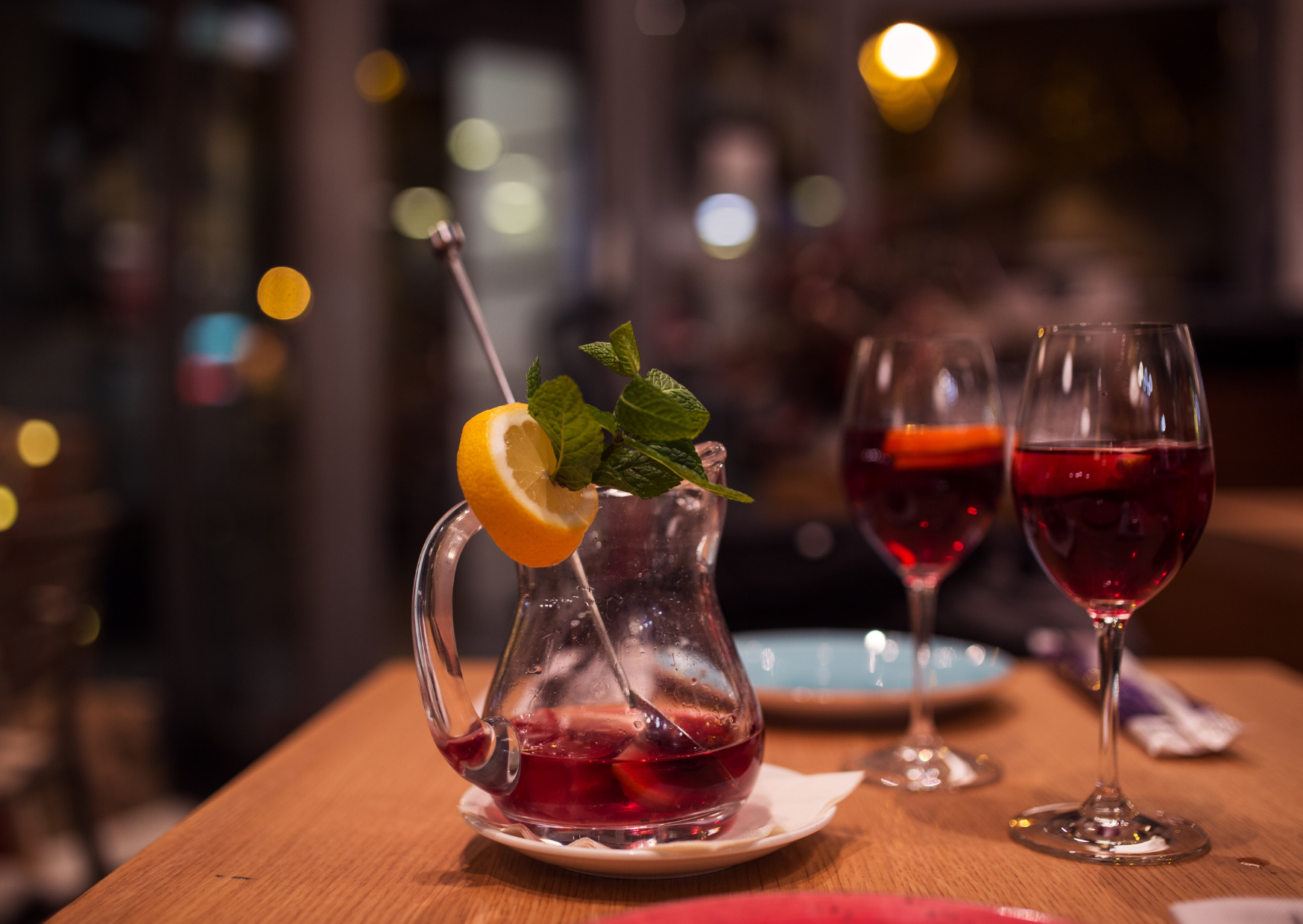
Decide your drink format. If you want a small beer or a glass of wine, say so before a large pitcher of sangria lands by default. In the busy strip, larger drinks are a margin engine. Ordering the size you want keeps the total under control.
Finally, if the English card looks like a different world from the Catalan or Spanish card, ask for the local version. There is no rule that you must order from the English printout once it is on the table. Staff in Barcelona switch languages easily, and the consumer code is on your side about language preferences.
The “30 Percent” Explained: Not a Surcharge for English, a Stack of Choices
Where does the “30 percent” story come from. It is a sum of three common moves that happen together in tourist corridors.
One, the baseline. Grease pencil numbers on Barcelona chalkboards cluster around the 15 € average for a weekday menú del día, drink included. That is your local anchor.
Two, the format switch. The laminated “tourist” card swaps the board for a bundle in the 19 to 22 € range, sometimes quoting prices without VAT even though it should be included in the display. If VAT is not in the print but appears at checkout, your total jumps.
Three, the add-ons. Terrace supplements where posted, plus drink sizes that are upsold or assumed, take you from the high teens to the mid-twenties per person quickly, especially on La Rambla where drinks run expensive by design. A two-person lunch that should sit near 30 € becomes 40 to 45 €. That is roughly a 30 percent lift created by location and offer selection, not by the language coming out of your mouth.
Could the gap be smaller. Yes, in residential neighborhoods or places that translate their real menu faithfully. Could it be larger. Also yes, if you stack a terrace supplement, an oversized drink, and a weak bundle. The point is not to fear English. It is to pick the menu that locals actually use and verify that the printed rules match the law.
Where and When the English Menu Costs You Nothing
Barcelona is full of restaurants that translate without changing the deal. You find them by time and by map.
By time, weekday lunch is your friend. Outside the most touristed squares, that is when serious kitchens post a board and feed office workers. You can ask for an English explanation and still pay the menú del día price that locals pay, because the offer is a fixed card that the staff repeats to everyone.
By map, step into Gràcia, Sant Antoni, Poble-sec, Poblenou, Sant Andreu and even into the calmer edges of Eixample. The daily menu format is visible, the cards are shorter, and the servers flip between languages without flipping the price logic. If you must be near La Rambla for convenience, cut across one block and look for shorter cards, hand-written boards, and places that fill with Catalan and Spanish voices at 14:00.
Anchor your expectations with a clue locals use. If you see a wall of photos, a book that looks like an airline menu, and twelve kinds of “paella for one” available instantly, you are not in the value lane. If you see a chalkboard, three starters, three mains, and a house drink included, you are. Neighborhoods and hours matter, short lists are a green flag.
If You Think You Were Overcharged, Here Is the Calm Way Out
Barcelona gives you tools. Use them without drama.
Ask for the printed receipt and compare it to the printed menu you ordered from. Prices must be tax included, and what you pay must match what you saw. If a terrace supplement appears as a percentage or was not posted in advance as a fixed amount, you can ask politely to remove it. The consumer organizations are clear on this point.
If the venue refuses, request the Hoja de Reclamaciones. Every business open to the public in Catalonia must provide it. Fill it out with the receipt and photos of the posted prices. You can later file the complaint with the Agència Catalana del Consum online or at an office. The agency enforces rules about price display, language rights, and transparency, and it publishes the process step by step. Paper wins, forms exist, authorities enforce.
You will rarely need to go that far if you do the checks up front, yet knowing your tools keeps the conversation short if something feels off.
Fix kit: receipt versus menu, no hidden percentages, ask for the complaint form if needed.
What This Means For You
Barcelona is not charging you more for speaking English. It is charging more where tourist format and location collide, and an English request often steers you into that format unless you steer back. You do not need perfect Spanish or Catalan to avoid it. You need to ask for the menú del día, scan for VAT included and fixed supplements, favor short cards on side streets, and choose your drink size. If a laminated book lands with prices that do not match Catalonia’s display rules, ask for the Catalan or Spanish card. The law is written so that you can make an informed choice before you order.
Do that, and your lunch returns to the price locals pay. Keep the English where you want it, keep the local menu where value lives, and keep your Barcelona bill from ballooning for reasons that have nothing to do with you.

About the Author: Ruben, co-founder of Gamintraveler.com since 2014, is a seasoned traveler from Spain who has explored over 100 countries since 2009. Known for his extensive travel adventures across South America, Europe, the US, Australia, New Zealand, Asia, and Africa, Ruben combines his passion for adventurous yet sustainable living with his love for cycling, highlighted by his remarkable 5-month bicycle journey from Spain to Norway. He currently resides in Spain, where he continues sharing his travel experiences with his partner, Rachel, and their son, Han.