
You sit down at 14:00, the room fills, and your stew arrives fast. It tastes deep, silky, complete. That is not a microwave trick. It is the plan.
If you grew up where lunch is a sandwich at noon, Spain’s 14:00 rhythm looks like procrastination. It is the opposite. Lunch is the main meal, the kitchen’s showcase, and the point of the menú del día playbook. Much of what shines at 14:00 was started earlier or yesterday on purpose, then held or cooled and brought back to life for service. That is how guisos get body and how dining rooms feed real crowds without chaos.
This is not an exposé about leftovers. It is a map of how Spanish kitchens time their day, which dishes are better after a rest, which ones you should insist are cooked to order, and how to read a lunch menu so you get what you actually want. If you understand the system, 14:00 becomes your favorite hour to eat.
Want More Deep Dives into Other Cultures?
– 9 Italian Style Rules That Instantly Outshine American Fashion
– Why Europeans Walk Everywhere (And Americans Should Too)
– How Europeans Actually Afford Living in Cities Without Six-Figure Salaries
– 9 ‘Luxury’ Items in America That Europeans Consider Basic Necessities
What 14:00 Actually Means in Spain
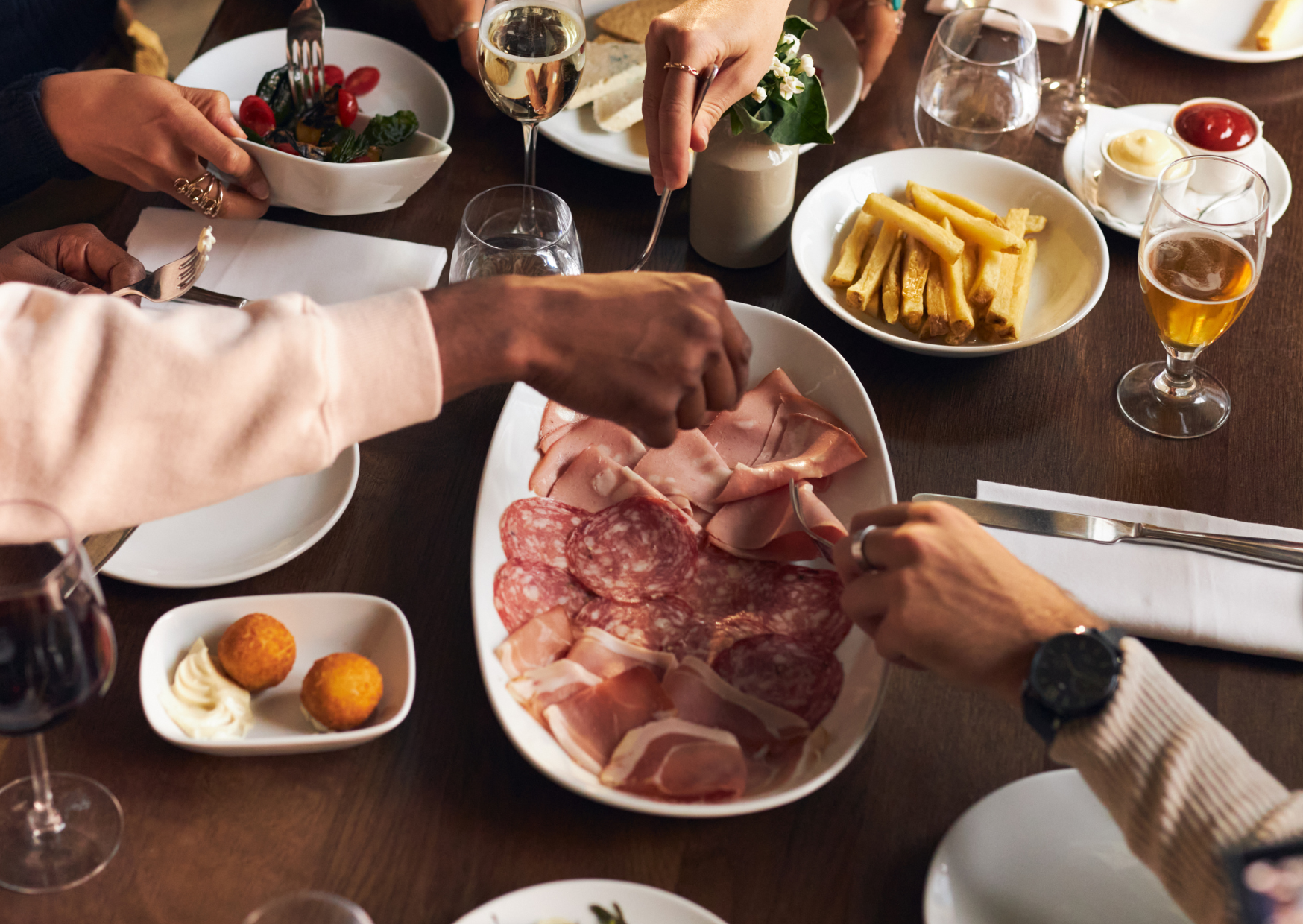
At 14:00 you are not late. You are right on time. Lunch service runs roughly 13:00 to 16:00, with the sweet spot for locals between 14:00 and 15:00. Dining is not a quick refuel. It is the day’s main sit-down, often two courses, bread, drink, and dessert on a fixed-price menú del día. That timing is so standard that official tourism guides and time-use data mirror it in black and white. Plan on 14:00 and you will be eating with the neighborhood.
Because lunch is central, kitchens build for it. They finish mise en place late morning, they open the “cocina” window around one, and they ride the peak until about four. Many then close the kitchen to reset and prep for dinner. You will see “cocina cerrada” signs in that gap, which is a schedule choice, not bad service. Follow the window, not the clock you brought from home.
The Menú del Día Machine: Why “Made Earlier” Is a Feature, Not a Flaw
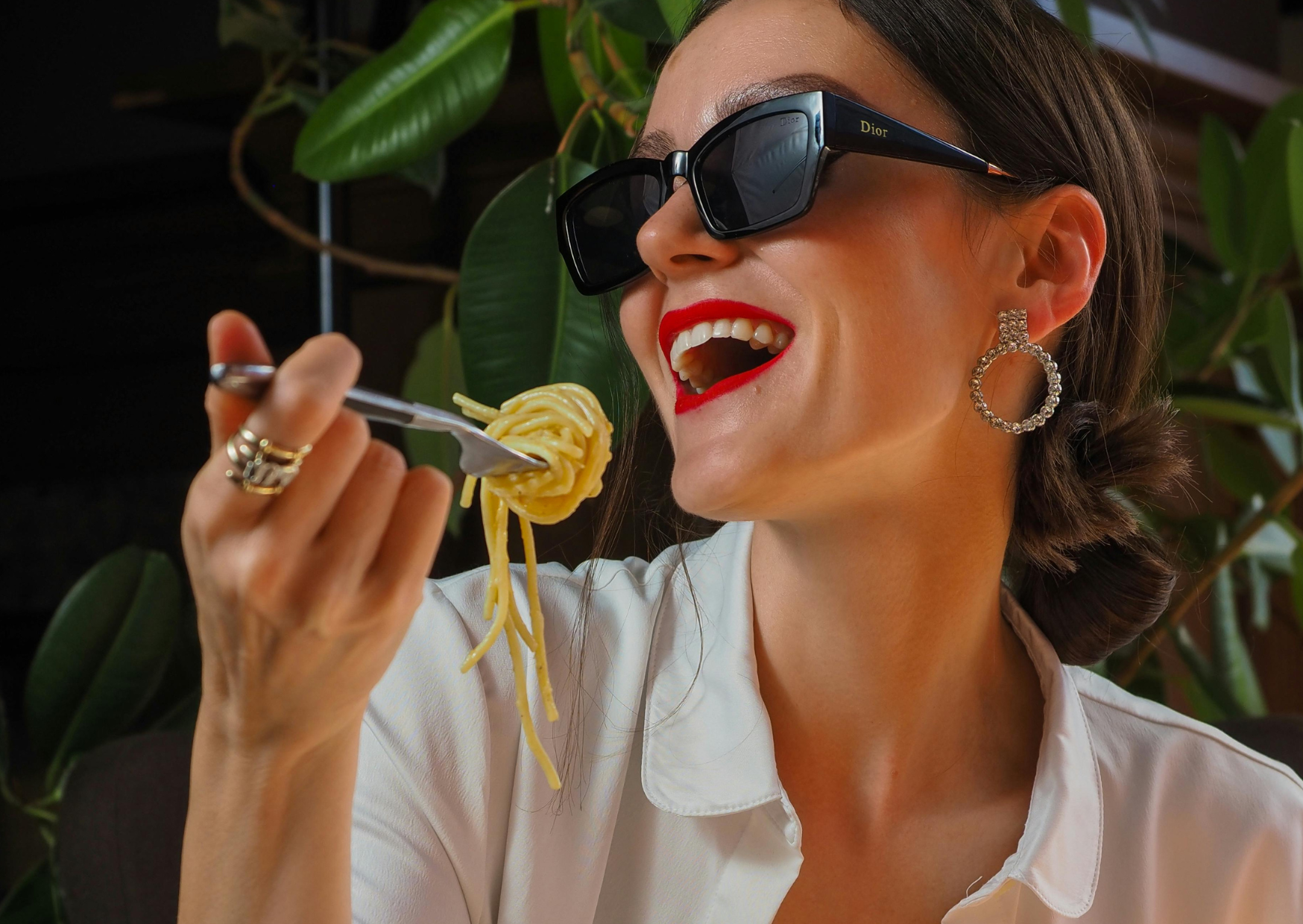
The menú del día did not appear by accident. It is a fixed-price formula born in the 1960s, designed so restaurants can feed lots of people well at a fair price by planning production. That means building big pots of stews and soups, preparing roasts that hold, and pairing them with a handful of items cooked a la minute. The system still anchors weekday lunch all over the country and tracks in price every year like any other basket. Batch cooking is the engine, not a corner cut.
Inside that engine, two truths run the room. First, dishes like lentejas, fabada, cocido, estofados and many platos de cuchara taste better after a rest. Second, crowd-pleasers like grilled fish, eggs, or quick-seared meats are cooked to order for balance. The result at 14:00 is not random reheating. It is a menu built around what benefits from time and what must be made hot and fresh in the moment.
Key idea for scanners: menú del día runs on planning, stews improve overnight, grill items hit the plancha to order.
What Gets Reheated on Purpose, and Why It Tastes Better
Spain has spent decades perfecting the food that loves a pause. Stews and braises gain from cooling and reheating because collagen breaks down, seasonings settle, and starches integrate. Spanish food writers and test kitchens repeat the same conclusion every year. A cocido or fabada on day two is often superior to day one, and a pot cooked in the morning and served at lunch already had the rest it needed. “Reheated” here means “finished properly,” not “resuscitated.”
That logic covers a lot of lunch mains: alubias con chorizo, callos, rabo de toro, carrilleras, menestra guisada, marmitako on cool coasts, even salsas that wrap fried or baked pieces cooked closer to service. The craft is not mystery. It is time and temperature managed so the dish holds safely and returns to the pass at its peak. When your spoon slides through a silky stew at 14:10, you are tasting intentional rest, not neglect.
Remember this trio: stews want a night in the fridge, sauces thicken and mellow, today’s lunch often began yesterday by design.
What Must Be Cooked to Order, and How to Ask for It
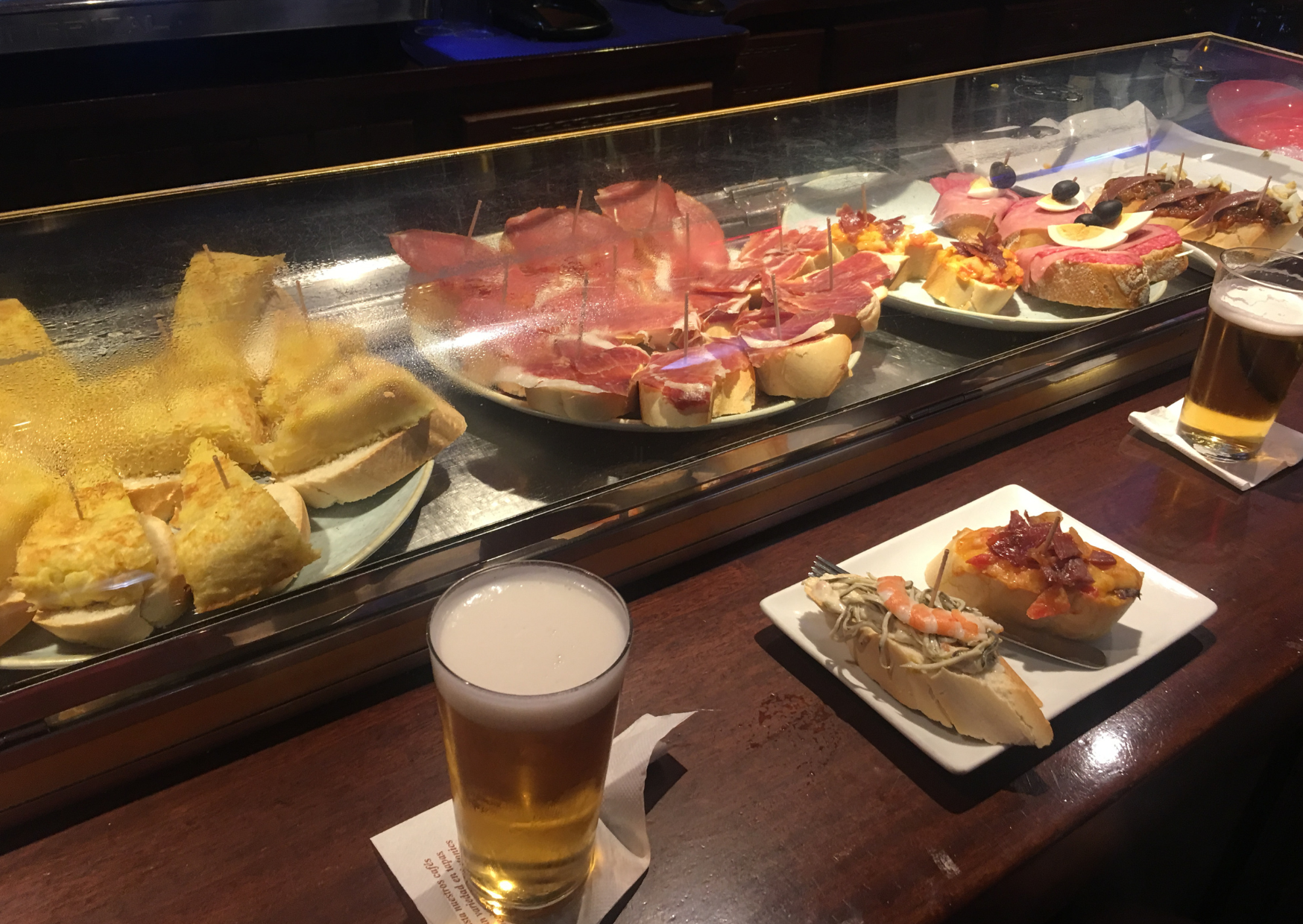
Not everything should ever see a holding cabinet. Plancha fish, huevos rotos, a la brasa meats, revuelto, and most verduras a la plancha are hechos al momento when the kitchen is run properly. So are arroces in good houses, which is why menus in Valencia and Alicante say minimum two people and ask for 20 to 30 minutes for paellas and melosos. If you see that timing note, you are in safe hands. Time is the tell that it is real.
If you want to steer the lunch away from anything that sat, order with verbs. Ask for “a la plancha”, “hecho al momento”, or “del día” on fish or eggs. If you love the slow stuff, point at the platos de cuchara on the chalkboard and smile. A well-run comedor will do both well at 14:00, which is why the menú exists. Use the menu to choose time, not to fight it.
Quick choices that work: plancha for fresh, paella that quotes a wait, guiso when you want depth.
The Rice Question: Why Good Paella Is Timed, and Sloppy Rice Is a Red Flag
Rice has rules. In serious rice regions, paella, arroz al horno, arroz meloso and cousins are cooked to order for the table, with minimums and a posted wait. When you see “mínimo dos personas” and the server warns “tarda media hora,” that is your quality guarantee. If a place serves twelve different paellas instantly at 14:05, you are likely in a tourist canteen.
There is also a food safety angle. Cooked rice mishandled at room temperature is a classic home and canteen hazard because of Bacillus cereus. Spain’s national and regional food safety guidance repeats the same rule set: keep hot foods hot, cool them quickly if you will store them, and reheat correctly. That is why good kitchens either cook rice to order or cool and reuse it properly in another format entirely, not spoon out yesterday’s paella as if nothing happened. If you see a pan of rice parked on a counter, walk on.
To be fair, some media love “day-after paella hacks” for leftovers at home. Professionals know better. You can reheat rice safely with strict cooling and hot-holding discipline, yet the point of a paella at lunch is texture on the dot and, often, a little socarrat. That only happens to order. Good paella makes you wait, bad paella makes you regret.
Hold these signals: “mínimo dos” on the card, a quoted 20–30 minute wait, no mountain of ready-made paella by the door.
How Spanish Kitchens Handle Time and Temperature Without Drama
If “built yesterday” makes you nervous, read the rulebook the pros follow. Food safety agencies lay out time–temperature combinations for cooking, holding, cooling, and reheating that restaurants use daily. The principles are simple. Get hot food hot enough to be safe, keep it hot or cool it fast, store it cold, and reheat thoroughly just before service. Industry guides in Spain echo the same numbers, including rapid cooling targets for cooked foods and hot-holding cutoffs that keep pathogens from blooming. A good kitchen is a thermostat, not a guess.
In practice, that means a guiso made the day before is cooled quickly, held cold, then reheated to service temperature in the pass. It also means the kitchen is careful about not leaving trays at ambient, especially in summer. If you peek at the pass at 14:00 and see steam, cloches, and an orderly line, trust the process. The system exists so lunch can be deep-flavored and safe at crowd scale.
Safety shorthand: cool fast, hold cold or hot, reheat right.
How to Order Like a Local at 14:00
If you want the best version of Spanish lunch, use these small moves.
Ask for the menú del día and read the primeros and segundos. If you want depth, pick a plato de cuchara. If you want freshness, pick plancha or brasa. If you want rice, accept the wait. The words on the board are time signals.
If you see a paella “para uno, lista ya” at a place that also lists eight other flavors, skip it. Look instead for houses that warn “mínimo dos, por encargo” or post a wait next to each rice. Time and minimums are quality markers in rice country.
If you love the idea of “second-day magic,” ask which guiso “ha reposado” or what “plato de cuchara” they recommend. Staff will tell you the pot they are proudest of. The win at 14:00 is often that bowl.
If the kitchen says “cocina cerrada” at 16:10, believe it. The staff needs to reset, and the dinner window will be better for it. Kitchens that rest run better at both services.
Local cheat sheet: board = timing, minimums mean real rice, ask for the pot that rested.
How to Spot the Tourist Trap and Keep Moving
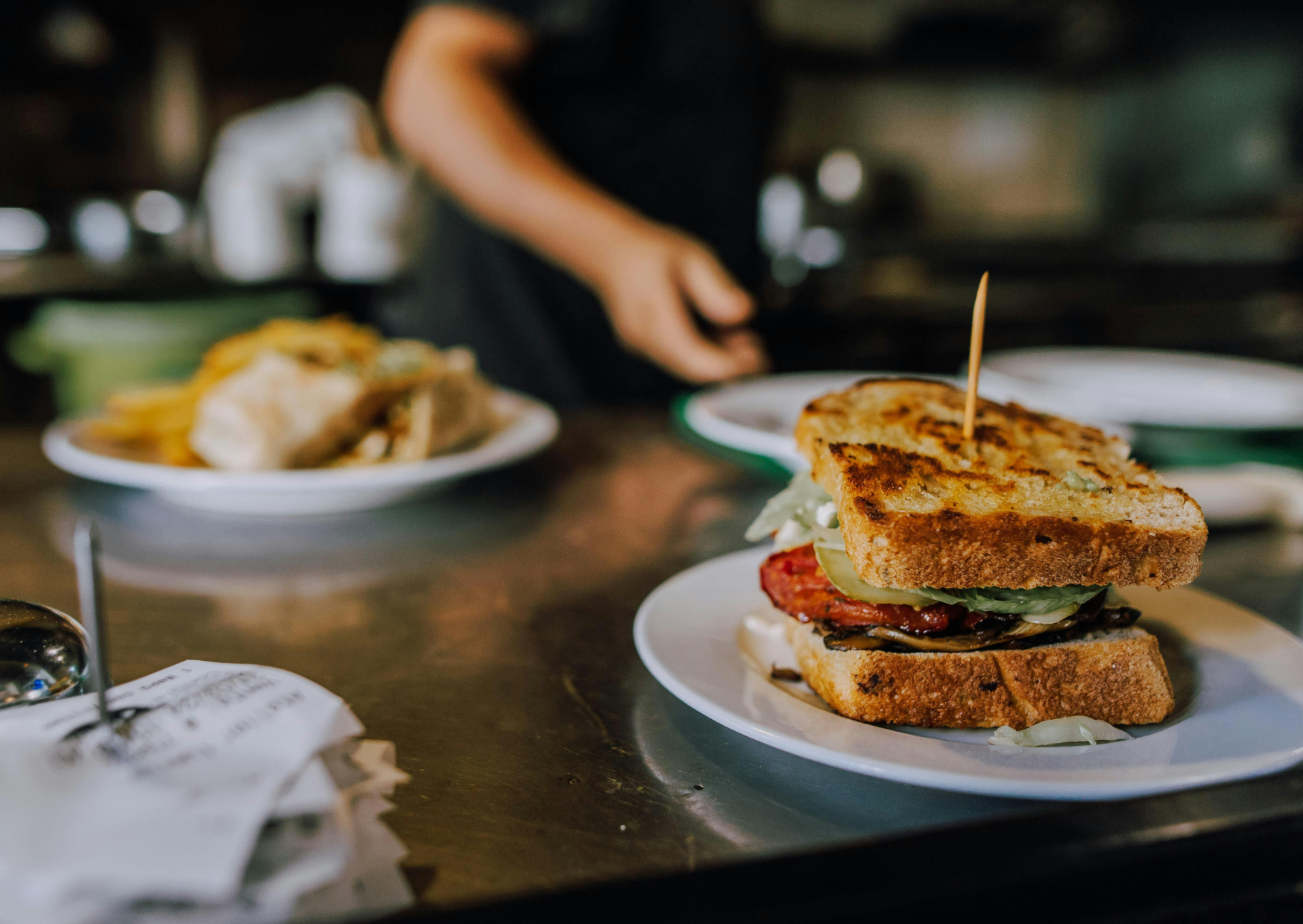
Tourist traps have tells. Instant paella in every color, a mountain of precooked rice on display, a microwave chorus, and a laminated card with thirty dishes “hechos en 5 minutos.” The math behind those places is simple, but the food rarely is. Choose houses that limit choices and explain timing. A chalkboard with three starters and three mains is a better sign than a binder.
Check the wait quoted for rice, the minimums, and whether the server offers you a guiso del día with pride. Flip your thinking. The place that makes you wait a little is often the place that cares. The place that says “everything now” at 14:00 is selling speed, not lunch.
If you are unsure, watch a platter go by. If the arroces look loose and alive, if the grilled items shine, if the stews land with that rich, rested gloss, sit down. If not, walk one more block. In Spanish towns, a better dining room is usually near the corner.
Trap detectors: instant paella for one, microwave symphony, laminated novels of a menu.
A Note on Price, Value, and Why 14:00 Is the Best Deal in the City
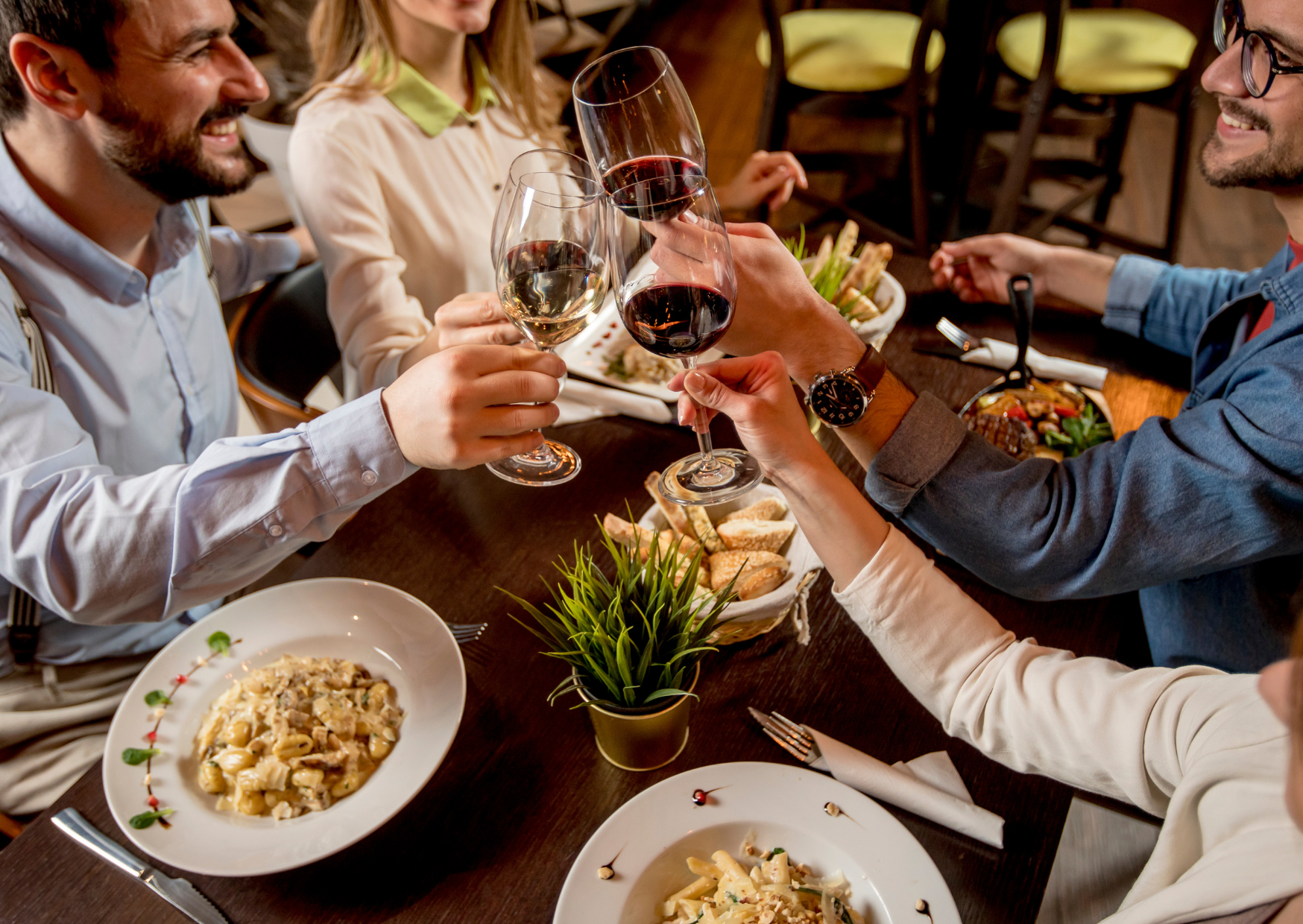
Menú del día prices move with costs, but the format remains the best value sit-down in Spain. Surveys and reporting track the national average around the teens, with regional highs and lows. For that number you get two courses, bread, a drink, and dessert or coffee. It works because kitchens can predict demand and cook accordingly, which is exactly why rested guisos and to-order quick mains coexist on one page. You get value because the timing is efficient, not because corners are cut.
If you want the same food at 12:30, you will fight the clock. If you want it at 15:45, the pot may be gone. If you want it at 14:00, you are eating Spain as designed.
Value summary: menú del día = scale and planning, teens of euros for a full meal, 14:00 is where the plan pays you.
What This Means for You
“Reheated” is a scare word if you imagine a cold slice in a microwave. In Spain at 14:00, it often means a stew that spent the night getting better, a sauce that tightened and mellowed, and a kitchen that can serve a full dining room their main meal without friction. You are not eating scraps. You are eating food built for the lunch peak.
Use the board to pick time-friendly dishes or a la minute ones, accept the wait when rice is real, and trust the houses that post minimums and minutes. If you want a quick grilled fish, ask. If you want a bowl that tastes like a grandmother’s kitchen, pick the pot that rested. The only thing to avoid is the trap that promises the impossible at 14:00, a dozen paellas in three minutes.
Do that, and Spain’s lunch hour stops feeling late and starts feeling like wisdom. The food is better because someone cooked it when it should be cooked, cooled it when it should be cooled, and heated it when it should be heated, so it lands at your table tasting complete.

About the Author: Ruben, co-founder of Gamintraveler.com since 2014, is a seasoned traveler from Spain who has explored over 100 countries since 2009. Known for his extensive travel adventures across South America, Europe, the US, Australia, New Zealand, Asia, and Africa, Ruben combines his passion for adventurous yet sustainable living with his love for cycling, highlighted by his remarkable 5-month bicycle journey from Spain to Norway. He currently resides in Spain, where he continues sharing his travel experiences with his partner, Rachel, and their son, Han.