
You sit for pasta in Florence, a perfect carafe of wine appears, and then the bill lands with a line you did not expect: coperto. It is not a trick. It is how the system works.
The first time you see coperto on an Italian receipt, your brain reaches for outrage. In the United States, a mysterious fee feels like a gotcha. In Italy, it is a posted, legal line that keeps the place running, the table set, and the accounting clean.
If you understand what coperto is, where it applies, and how it differs from servizio and bread, you stop arguing with a waiter who is just doing his job. You also learn when to push back, because there is one region where a classic coperto line is not allowed, and rules about price disclosure that protect you in every city.
This guide shows the map. What Italians mean by coperto, why it is lawful when displayed, how to read a menu and a bill, what you are paying for and what you are not, where Rome is the exception, and the simple playbook that keeps your meal calm and your costs predictable.
Want More Deep Dives into Other Cultures?
– 9 Italian Style Rules That Instantly Outshine American Fashion
– Why Europeans Walk Everywhere (And Americans Should Too)
– How Europeans Actually Afford Living in Cities Without Six-Figure Salaries
– 9 ‘Luxury’ Items in America That Europeans Consider Basic Necessities
What Italians Mean When They Say “Coperto”

Coperto literally means “cover,” and at the table it is a per person charge, not a percentage. Think of it as the venue’s way of pricing the table setup and basic service. It is not a tip. It is not hidden if the restaurant is following the rules. It should be printed on the menu that you read before you order, and it usually runs a few euros per head, often between one and three.
The habit is old. Italian food writers, consumer groups, and trade associations point to the Middle Ages for the origin story. Travelers brought their own food into inns and paid a small amount to sit under a roof and use plates, cutlery, and linens. The fee migrated into modern restaurants as a line for the seat and the setup. You see it on the scontrino because restaurants separate the cost of the meal from the cost of hosting a human at a table. That separation makes people twitch if they expect everything inside the dish price, but it is not a moral judgment. It is a pricing style that Italians recognize.
Two clarifications keep you from mixing apples and oranges. First, coperto is not the same as servizio, the percentage service charge some places add, often 10 percent, sometimes for larger groups or in tourist-heavy zones. Second, coperto is not the bread line you may see separately. Bread can be included in coperto, or it can be its own small charge if it is brought by default. The important point is that each of these items must be written on the menu if the restaurant plans to charge them.
Remember this trio: coperto is per person, servizio is a percentage, bread can be separate if disclosed.
The Law: Legal When Disclosed, With One Notable Roman Exception

At the national level there is no law that bans coperto. Italian consumer authorities and trade groups say the practice is lawful as long as the amount is clearly indicated on the menu or price list, available to you before you order. That disclosure rule is the heart of Italian price transparency, and it applies to dishes, fixed price menus, table service supplements, and any other cost a venue wants to add. If it is not disclosed, you can challenge it. If it is disclosed, it is part of the price you agreed to when you sat down.
There is one regional exception that causes most of the internet fights. In Lazio, the region that includes Rome, a 2006 regional law bans charging a line item labeled coperto. The same law requires that any service component be clearly indicated on the menu and that fixed price formulas include everything advertised. In practice, Roman restaurants often charge for bread or display a servizio percentage, both permitted when shown in writing. The coperto label itself is the thing that is not allowed in Lazio, not the existence of any table-related fee. Everywhere else in Italy, a coperto line is lawful when disclosed.
A third layer sits behind these rules. Italian consumer guidance emphasizes that prices must be visible at the entrance or easily accessible, that any additional components like coperto or servizio be spelled out, and that your printed receipt match what the menu promised. If a venue invents a charge after the fact, you have the right to ask for its legal basis. If it is on the menu you read, the law is on the restaurant’s side.
Bottom line: coperto is generally lawful when disclosed, Lazio bans the coperto label, menus must show all components.
How To Read The Menu And Bill So You Never Feel Ambushed
Your best defense is a thirty-second scan before you order. You are looking for three small lines that do most of the work.
First, find the coperto line. It is often printed at the bottom of the menu, sometimes in small type, with a fixed amount per person. If you see it, you are agreeing to it when you stay seated. If you do not see it, ask before you order, or assume it is not being charged as a separate item.
Second, look for servizio. If a percentage is listed, you can expect it to be applied to the food and beverage total. If nothing is printed, you should not see a servizio line on the bill later. Do not confuse a servizio percentage with a tip. The percentage is part of the price structure, not a discretionary extra unless the menu literally says “facoltativo.”
Third, check for a dual price for al banco versus al tavolo in cafés and bars. Italy allows different prices for standing at the counter and sitting with table service, but the difference must be indicated and quantified. If a bar charges more for the same cappuccino at a table, the posted list is supposed to show both figures. If it does, then you knew what you were buying. If it does not, you can challenge the surprise surcharge.
When the bill comes, reconcile the pieces. The per person coperto should match the menu, the servizio percentage should match the menu, and any bread charge should be there only if it was indicated. Ask for the fiscal receipt if you are handed a scribble. The receipt is what counts in any dispute.
Quick scan habits: find the coperto line, spot any servizio percentage, check al banco vs al tavolo.
What You Are Paying For, And What You Are Not
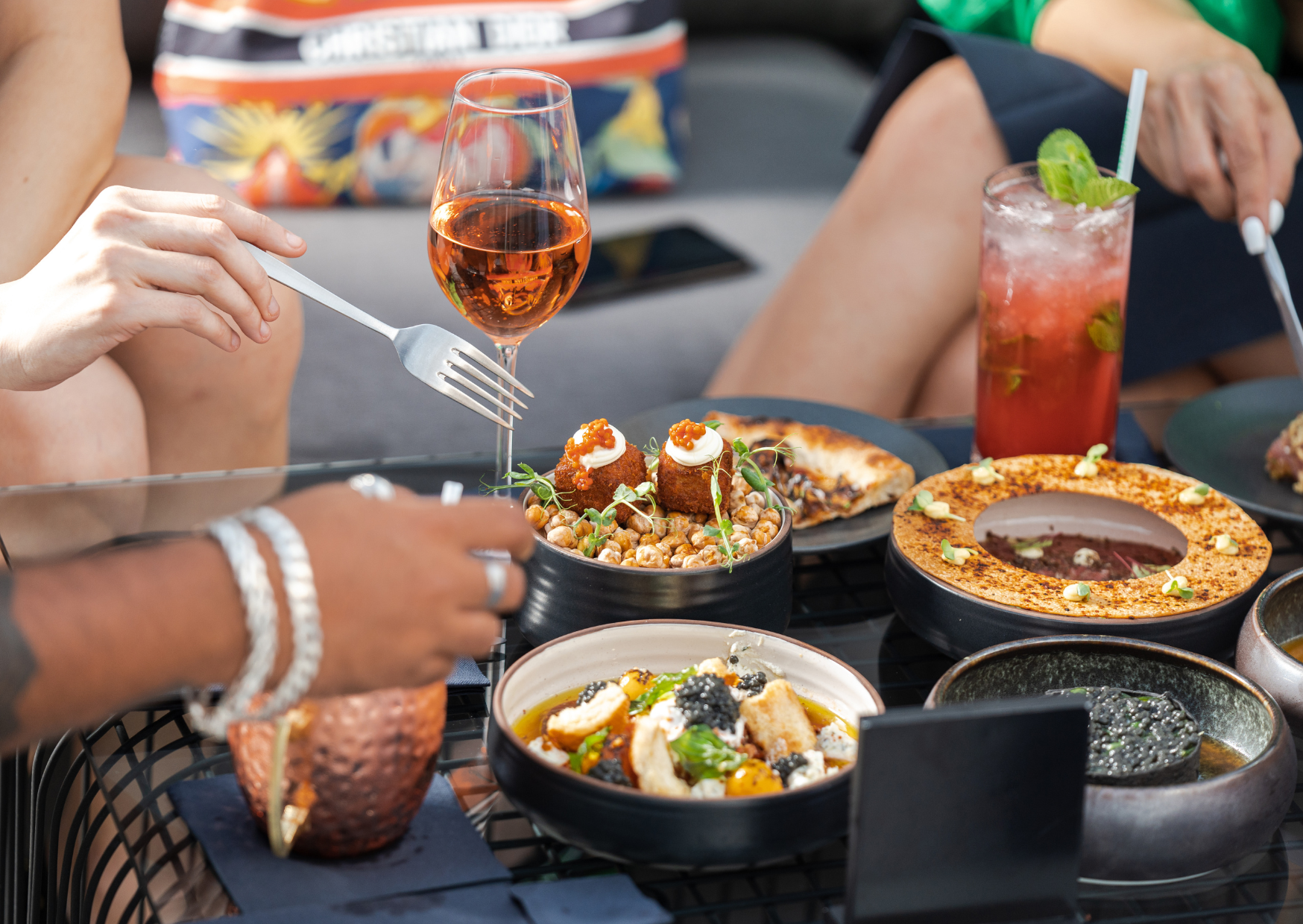
Coperto covers the place setting and the seat. Linens, cutlery, a clean, set table, and the silent labor around it. It is the line that pays for the fact that you can sit for two hours with water and wine while a staff quietly resets plates and keeps the room moving. You can dislike the separation, but it is a transparent way to fund a real cost.
Servizio, when it appears, is not a tip in the American sense, and it does not necessarily go straight into a server’s pocket. It is a service charge set by the house, usually a percentage, that funds the overall service costs. Italians tip modestly and selectively on top of that, often rounding up or leaving a few coins for excellent attention, but there is no national 20 percent expectation. If the menu shows servizio incluso, you have already paid the house’s service component inside the printed prices.
Bread is the ambiguous one. If the house brings a basket by default and the menu shows a small bread charge, you will see it, even if you barely touched it. If you decline bread when it appears and the menu shows bread as optional, many places will remove the line. In some cities, the bread cost is folded into the coperto instead. The only rule that matters is the printed one.
Keep distinctions straight: coperto funds the seat, servizio funds service, tips are optional and modest.
When To Push Back, And How To Keep It Polite
Most bills are boring. When they are not, there are only a few reasons.
If you are in Lazio and the bill shows a line literally labeled coperto, you can calmly point to the law and the menu. The usual fix is for the venue to relabel the cost as bread or to remove an improper line if nothing in writing supports it. Do not escalate if the charge is clearly printed as pane or servizio, since those are permitted when disclosed. The issue in Lazio is the word, not the idea of any table cost.
If you are anywhere in Italy and the bill shows charges not printed on the menu, you can ask the server to show you where those appear. Italian consumer guidance is explicit about advance disclosure. If the price list does not show a cost, it should not appear at settlement. Stay calm, ask for the printed list, and most misunderstandings resolve in thirty seconds.
If the venue tries to argue that a “table fee” appears only on a wall in another room or that “everyone knows,” you can ask for the manager and request the fiscal receipt that reflects what the menu promised. In the rarest cases, you can note that the Polizia Municipale or Guardia di Finanza handle price transparency complaints. You do not need to make threats. You only need to signal that you know the rule, which is write it down before I order.
Rules of engagement: not listed, you can contest, in Lazio, the coperto label is the problem, always request the fiscal receipt.
Regional And Situational Differences That Change The Bill
Italy does not run on a single script. Coastal towns heavy with tourism often fold costs into dish prices and skip coperto to keep menus simple for visitors. Traditional trattorie may print a small coperto and no servizio. Some restaurants in ultra-touristed centers add a servizio percentage and a per person coperto. All of these are lawful when printed, which is why your only real job is to read the bottom of the page.
Bars and cafés run on a parallel logic. Prices al banco for a quick espresso are set low to keep the morning rush moving. Prices al tavolo are higher because you are sitting while staff bring and clear. The distinction is lawful when both prices are posted. If a bar wants to add a separate servizio al tavolo supplement, that supplement must be spelled out, not sprung on you after the cappuccino. The principle never changes, the method must be printed.
Finally, supplements happen, and they are fine if disclosed. A fee for split plates, a cake cutting charge, or a holiday menu price must be written where you can see it before you say yes. Italian consumer groups make the same point in every guidance note. Transparency first. Surprise never. If you hear a number by voice for a daily special, ask for the price and you have done your part.
Useful distinctions: tourist centers may price differently, al banco vs al tavolo must be posted, supplements are okay only when written.
Why None Of This Is A Scam, And Why It Sometimes Feels Like One
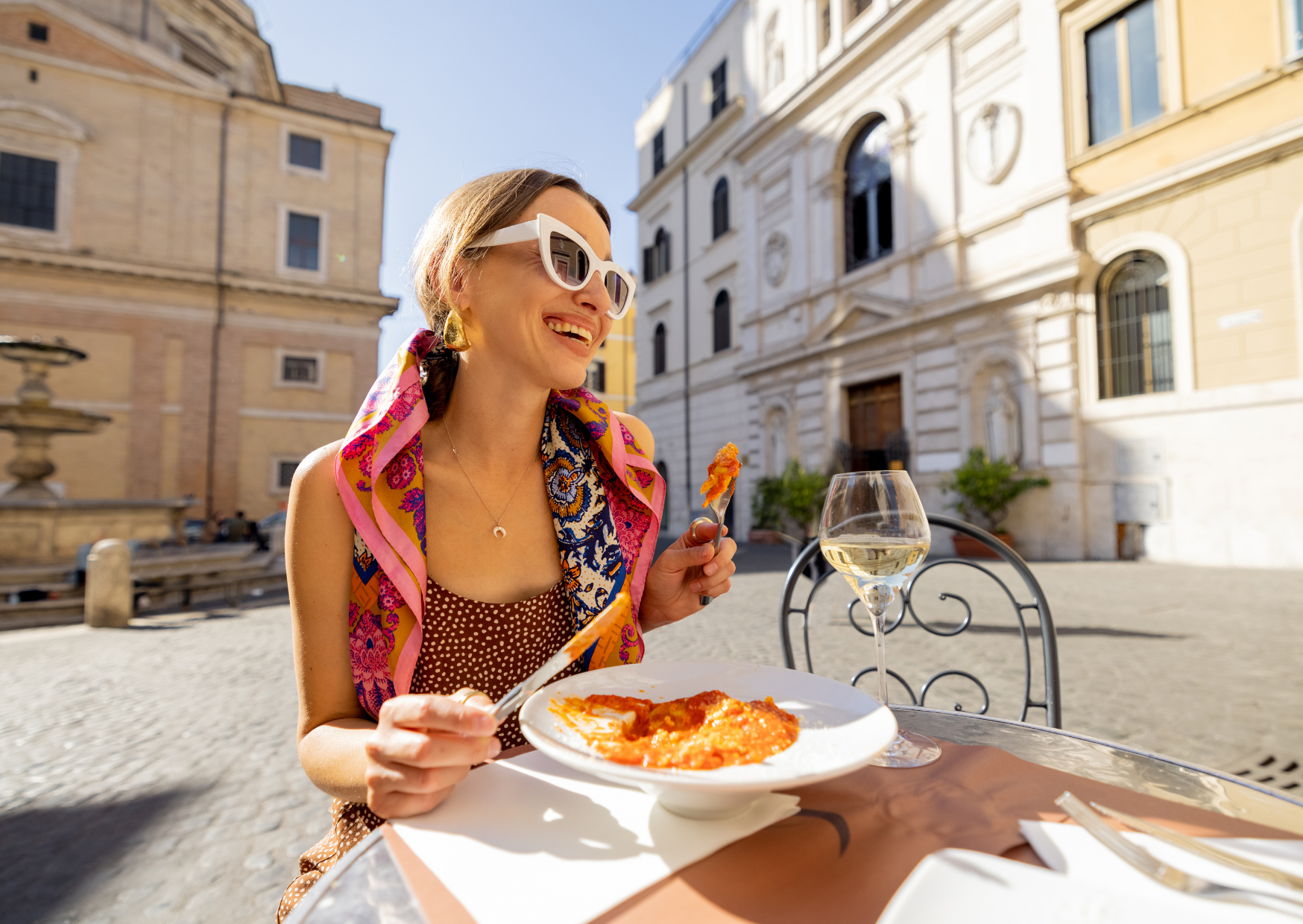
A scam is a hidden cost. Coperto is lawful when it is printed. The anger comes from two places. One, American muscle memory expects the table setup to be embedded in the dish price and the extra paid as a tip. When you see the Italian separation, it feels alien. Two, a small minority of venues fail to disclose or use the wrong label in places like Lazio, and travelers generalize that misstep to the entire country.
The way out is to stop treating the line as a moral test. It is governed by rules. In most regions, coperto is allowed. In Lazio, the word is banned. Everywhere, disclosure is required. If the restaurant has done the paperwork on the page, you are not being taken. You are paying the posted price for using a table that someone will clean and set again after you leave. Gambero Rosso’s trade reporting makes the same point from the other side of the ledger. Many places have quietly abolished coperto and raised dish prices because international diners find the line confusing. Others keep it and keep it printed, because locals understand it. Both approaches are legal. Both lead to the same bill in different shapes. Gambero Rosso
Reframe the feeling: printed equals permitted, confusion is cultural, not criminal, some venues absorb it into prices.
The Practical Playbook For Americans
You do not need to become a legal scholar. You need six moves.
Read the bottom of the menu. Find coperto, servizio, and any table service note. If you cannot see a price list at the entrance, ask to see it at the table before you order. That is your right.
If you dislike the numbers, choose another place before you sit. Italy gives you agency at the door. It is easier to switch chairs than to fight a printed price later.
If you want the lowest coffee price, drink al banco. If you prefer to sit, accept the posted al tavolo price as the cost of time and service in that room. Both are fine. Both must be posted.
Treat servizio like a built in service component, not a tip. If it is listed and applied, you have satisfied the house’s policy. If you received wonderful attention, round up modestly. There is no obligation to import a 20 percent home norm onto a bill that already included a service percentage.
In Lazio, if you see a line literally called coperto, point it out politely. If the menu shows pane or servizio instead, you are looking at permitted items under local rules, assuming they were printed. Do not let online myths turn a normal bill into an argument.
Always ask for the fiscal receipt. It keeps everybody honest and gives you a document that matches the menu in a form authorities recognize. If something is genuinely off, you have what you need to contest it.
Playbook in one breath: scan the menu, decide with your feet, banco vs tavolo is a choice, servizio is not a tip, Lazio polices the label, receipt in hand.
What This Means For You

Coperto is not a tourist trap. It is a lawful, printed way of charging for a seat and a set table in most of Italy, with a specific exception for the label in Lazio. If the number is on the menu, you owe it. If the number is not on the menu, you can challenge it. If you are in Rome, expect bread or servizio in print, not coperto by name, and pay what you agreed to when you read the page.
Once you stop bristling at the line and start reading the bottom of the menu, meals feel calm again. You choose places whose prices you like. You accept that a seat has a cost in a country that protects the right to sit for a long lunch. You leave a modest extra for great service when you feel like it, not because a calculator at home tells you to. The result is a bill that makes sense and a habit that fits the culture you came to enjoy.

About the Author: Ruben, co-founder of Gamintraveler.com since 2014, is a seasoned traveler from Spain who has explored over 100 countries since 2009. Known for his extensive travel adventures across South America, Europe, the US, Australia, New Zealand, Asia, and Africa, Ruben combines his passion for adventurous yet sustainable living with his love for cycling, highlighted by his remarkable 5-month bicycle journey from Spain to Norway. He currently resides in Spain, where he continues sharing his travel experiences with his partner, Rachel, and their son, Han.