
You order a cappuccino after lunch, the barista hesitates, smiles politely, and you suddenly realize you have walked into a ritual, not a menu.
Italy treats coffee like a language. Words are short, the grammar is strict, and timing carries meaning. A cappuccino is breakfast. Espresso is any time. Milk in the cup works before noon, not after a plate of pasta. Nobody will forbid you from breaking the pattern, yet you will feel the room register your choice because in Italy the cup says when your day started and what comes next.
The point is not to imitate Italians for sport. It is to understand how the drink fits the day and why people care. When you do, coffee stops feeling like a list of options and starts behaving like a map. You will know what to order, how to ask for it, where to stand, and when to sit. You will get fewer raised eyebrows, and your cup will taste better because it is built for that moment.
Below is the practical guide. First, what a cappuccino is in Italy, not abroad. Then, why the morning window exists and why the “11 AM rule” became a shorthand. After that, how your order reads to locals, what to ask for at every hour, how bars actually work, and the regional drinks that let you fit in without faking it. We end with fixes for the most common mistakes so your coffee stops arguing with the room.
Want More Cultural Myth-Busting?
– 7 Ways You’re Insulting Europeans Without Even Realizing It
– 10 Secrets to Understanding European Politeness (And Why You’re Doing It Wrong)
– How to Spend a Month in Europe With Just a Carry-On—Minimalist Packing Hacks
What Cappuccino Means In Italy
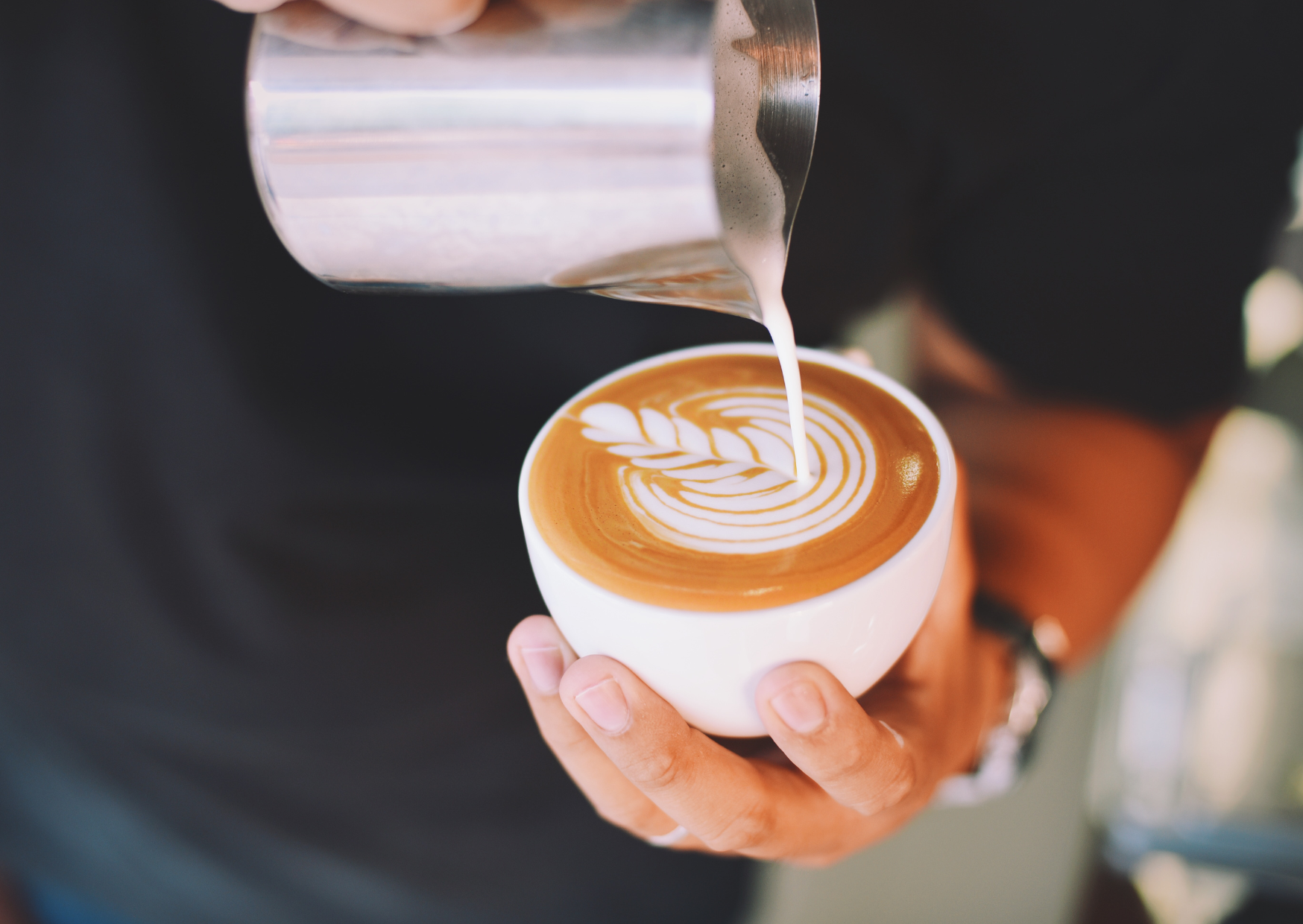
A cappuccino in Italy is small, hot, and balanced. The classic definition from Italian espresso institutes sets a single espresso in a preheated cup, then about a hundred milliliters of steamed milk turned into fine, elastic foam. The total drink sits around one hundred fifty to one hundred sixty milliliters, full to the brim, thick foam on top, smooth texture underneath. It is not a sixteen ounce latte with whipped cream. Flavors and syrups are not the point. The cup is the size of your palm and the pleasure is quick.
That ratio matters because it anchors what Italians hear when you say cappuccino. It reads as a morning drink that carries you to lunch. A cappuccino’s sweetness and volume fill the slot a bowl of cereal fills elsewhere. At the bar, it usually arrives with a cornetto, you add sugar if you want, you drink it standing, and you leave. The cup is made to move, not to linger.
Understanding the neighbors helps. A caffè latte is milkier. It is coffee plus more steamed milk and a thinner cap of foam, usually in a glass. A latte macchiato is milk first, then stained with a touch of espresso. A macchiato is the opposite, an espresso marked with a spoon of foam. Those two macchiati let Italians thread the needle, a little milk for aroma, not a full dairy drink. The names tell the barista the order of operations, which is why saying latte on its own can land you a glass of plain milk. In this system, the words are literal and the sizes are modest on purpose.
The Morning Window And Why It Exists
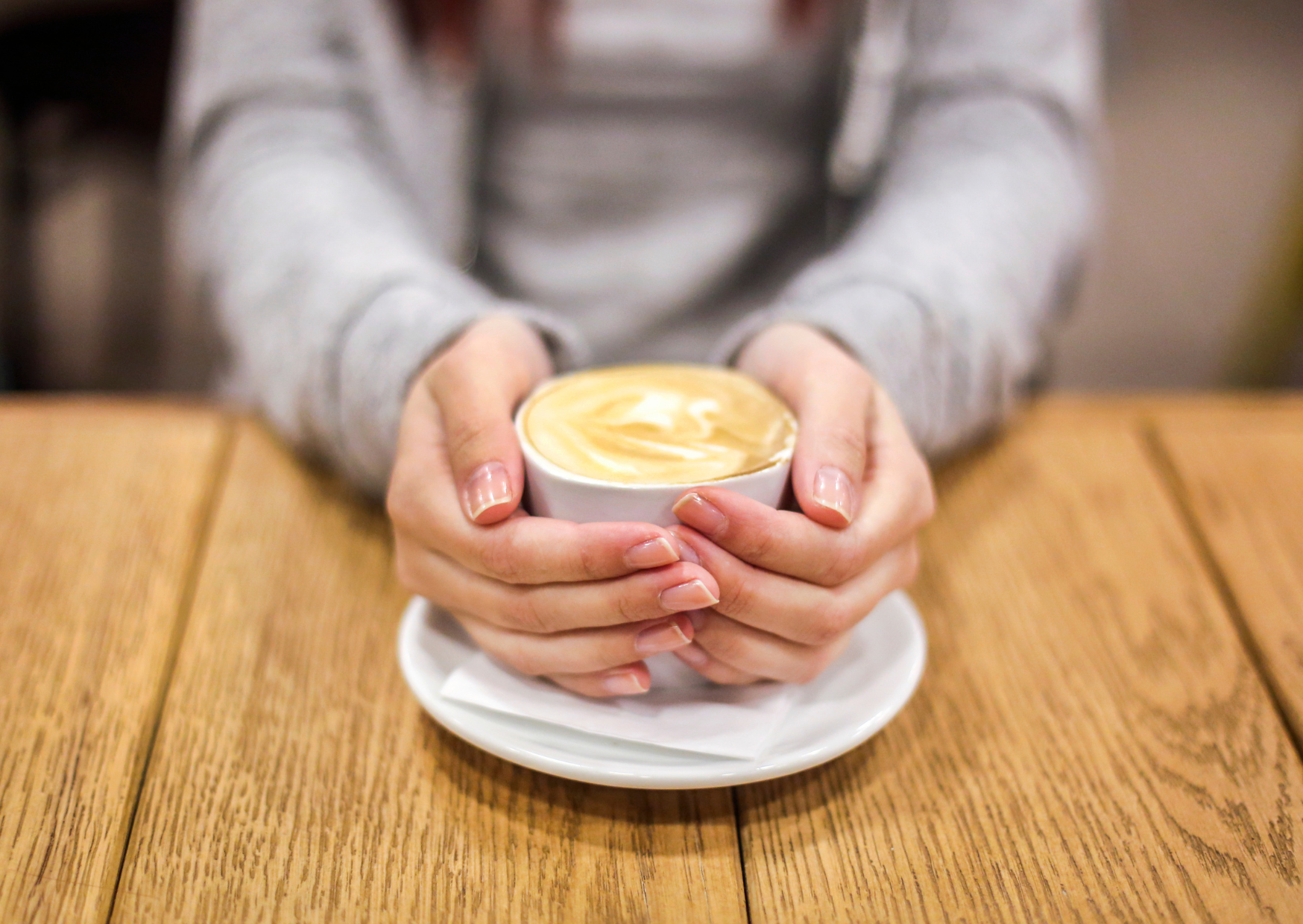
The “no cappuccino after 11” line is not a law. It is a lived routine. Milk reads as food, breakfast belongs at the start of the day, and lunch is a meal worth saving room for. A cup full of hot milk after a plate of pasta feels heavy to people who grew up with espresso as the digestivo of choice. That belief lives in homes and bars, so it shows up in service. You can order a cappuccino at three in the afternoon, you will likely still get it, and yet almost no Italian would choose it because it fights their own rhythm.
Etiquette follows the stomach. Breakfast is a pastry and a milk coffee, eaten quickly at the bar or slowly at a table if you want to pay a little more. Late morning tilts toward espresso or a macchiato as a top up. After lunch, espresso is the default, maybe corrected with a splash of liquor in some places, or a sweet iced shakerato in summer. After dinner, espresso again. The pattern is simple, and the cappuccino sits clearly in one slot. That clarity is why stepping outside the slot reads as odd.
There is also craft behind the custom. Italian cappuccino foam aims for fine microfoam that blends with the espresso and holds shape in a small cup. The milk is steamed to a narrow temperature range so it tastes sweet and silky. When you drink it in the morning, you taste that balance without the weight of a meal underneath. When you drink it after a heavy lunch, the same milk feels like a second course that your body did not ask for. Culture and physiology meet in the cup, which is why people care.
How Your Order Reads To Locals
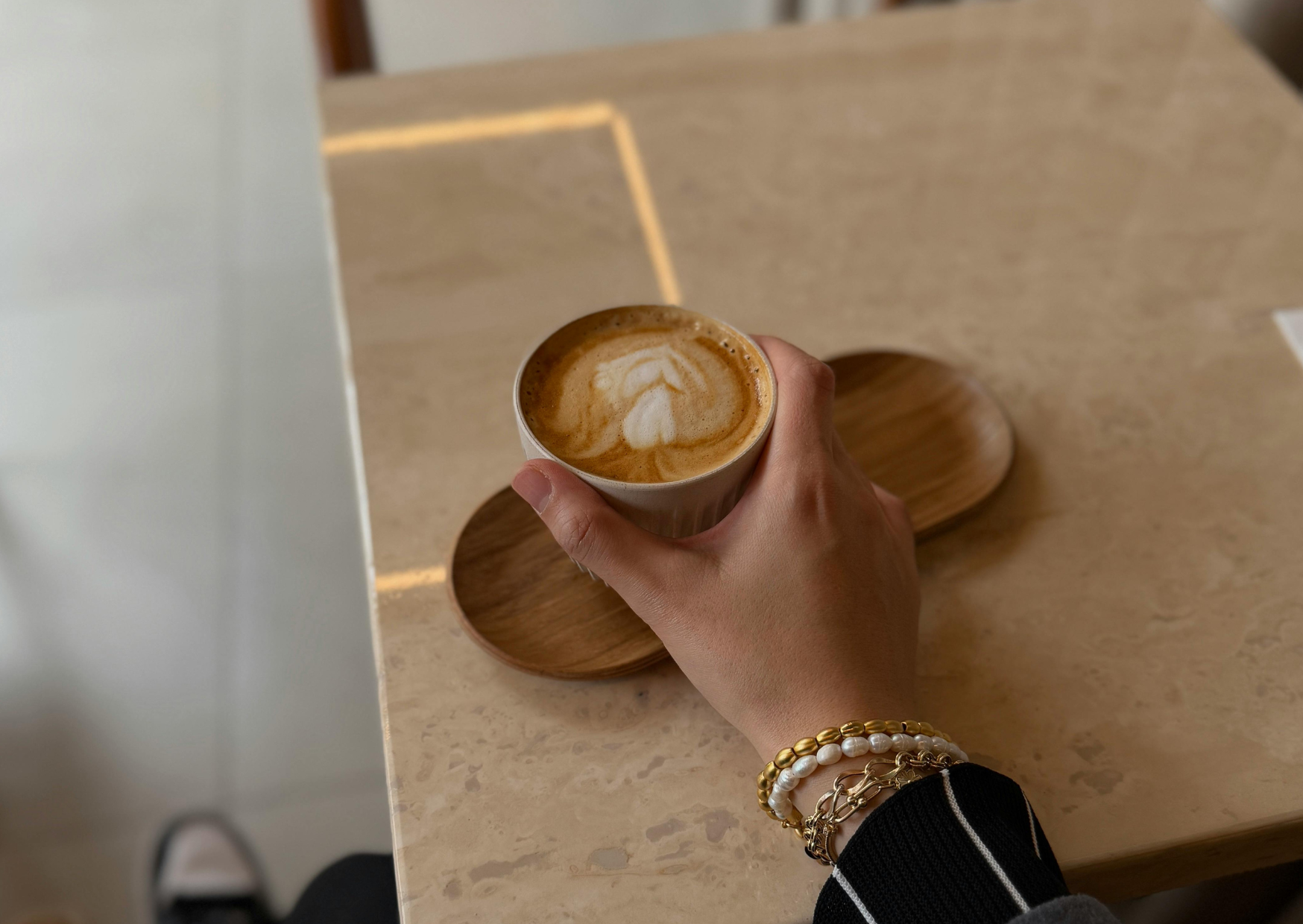
Bars are built for speed and clarity. The barista wants to hear a word and know what to do. The regulars want to hear your word and understand what part of the day you think you are in. Order a cappuccino at eight, you sound like a person on the way to work. Order it at two, you sound like a tourist or a person who skipped lunch. Neither is a moral judgment, it is simply a signal that you are out of sync with the room.
None of this means you should perform a role you do not want. It does mean that if you want to avoid the eyebrow raise, you can choose from the vocabulary that Italians use after noon. Espresso is always safe. A caffè macchiato gives you a little milk for roundness without the volume that bothers people. In Piedmont, a marocchino scratches the chocolate itch in a tiny glass, cocoa powder on the sides, an espresso and a spoon of foam layered inside. In summer, a shakerato, espresso shaken with ice and a touch of sugar, lands with a silky head and no milk at all. If you want something gentler or caffeine free, orzo, a roasted barley “coffee,” is a normal order, especially for kids and people who avoid caffeine. In many modern bars you will see ginseng coffee too, a sweet, creamy extract blend that has spread across cities in the last two decades.
What Italians judge is not your taste. It is your timing. If you lean into the local clock, everything else feels easy.
What To Order And When, A Simple Day Plan
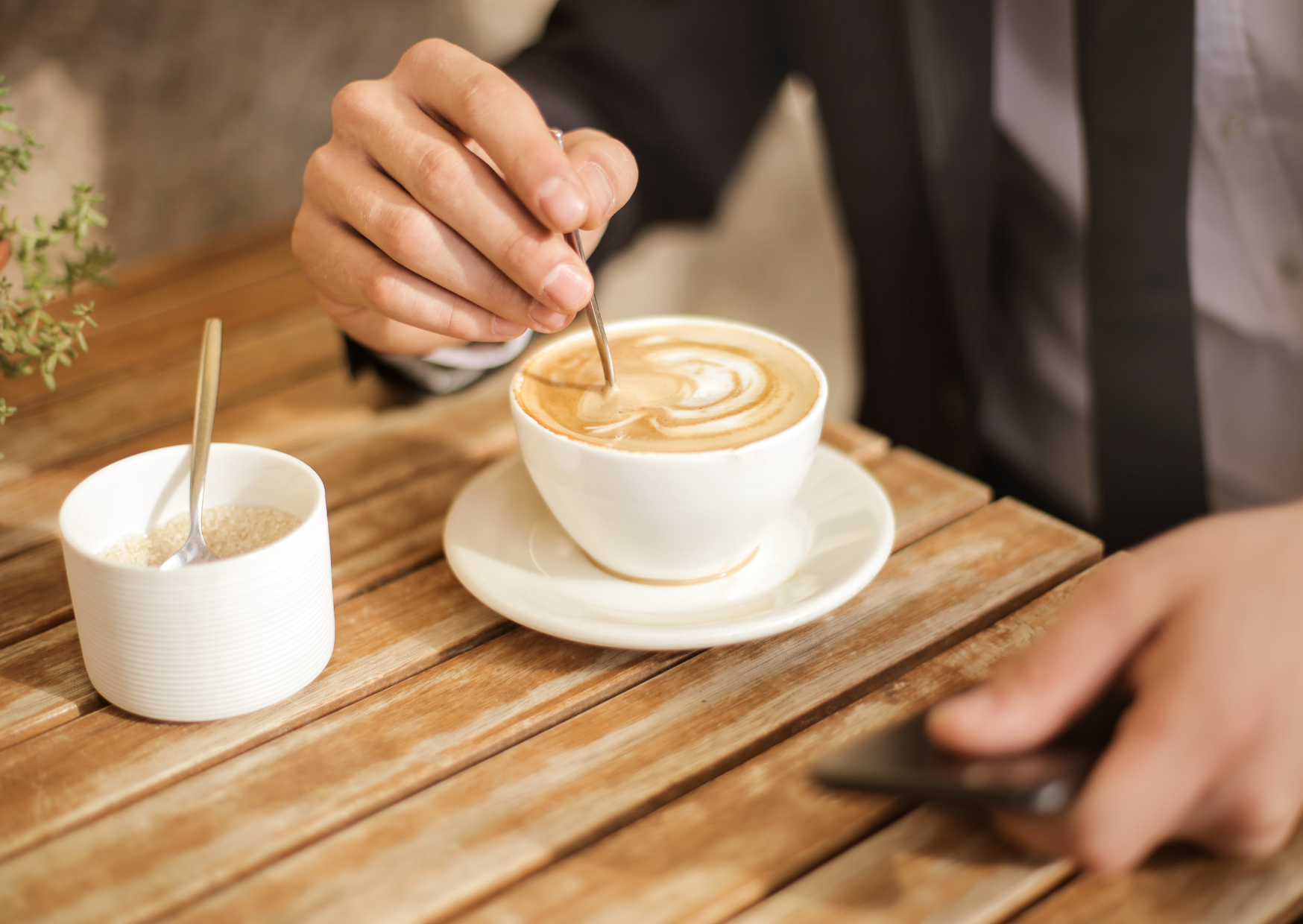
Morning at the bar starts light and sweet. A cornetto and a cappuccino is the standard pair, ordered at the counter, finished in a few minutes. In some cities you pay first at the till, take the receipt to the bar, call your drink, and wait your turn. In others you order first, pay after. Watch two people ahead of you and follow their lead. If there is a crowd, the barista will catch your eye with a small nod as you say what you want. Speak briefly, stand your ground at the rail, and step back when your cup lands so the next person can slide in.
Late morning is the time for espresso or a macchiato. If you want a little milk, say macchiato caldo for a drop of hot foam or macchiato freddo for a splash of cold milk. If you want cream and chocolate in a tiny dose, order a marocchino, especially in the north where it is common. If you want something cold that still tastes like coffee, ask for a shakerato in summer. It will arrive in a stemmed glass, cold and foamy.
After lunch, espresso is the rule. It ends the meal without adding another course. Some people ask for a caffè corretto, an espresso “corrected” with a splash of grappa or another spirit, though that is more a tradition than an everyday habit. If you want more volume in hot weather without milk, a caffè americano gives you a longer cup made by adding hot water to espresso. It is not filtered coffee, it is a different path to a similar idea.
Mid afternoon, espresso or macchiato again. In Puglia you might see caffè leccese, espresso over ice with almond milk that tastes like a grown up iced coffee. In Naples you will find strong, short shots and a culture that values heat and speed. In Turin the bicerin, a layered glass of hot chocolate, espresso, and cream, drinks like dessert. Every region keeps a small shelf of local choices in the same tight vocabulary.
After dinner, espresso is common. Decaf is everywhere. If you want to fit the pattern but skip caffeine, order a decaffeinato or orzo. Ginseng coffee shows up here too, sweeter and creamier, with less coffee flavor. The point after a meal is small and simple. The cappuccino sits back on the morning shelf.
How Bars Actually Work, So You Do Not Stumble
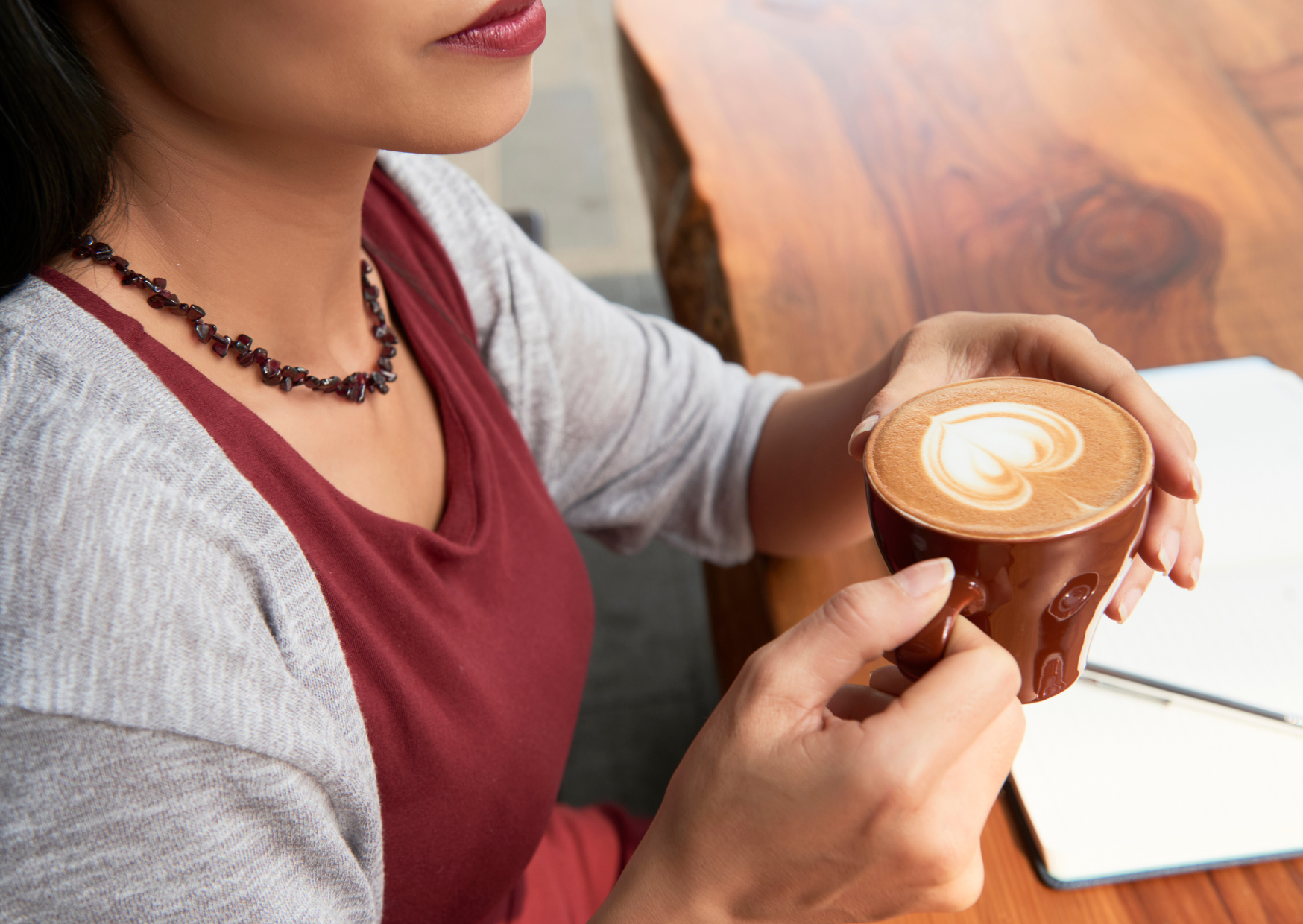
Italian bars separate price and place. At the counter, al banco, prices are low. At a table, al tavolo, prices are higher because you are renting the space and service. Most bars post both prices on a board. If you want to sit, sit, just know the number will change. If you want the bargain, stand. Neither choice is rude. It is just how the business works.
Some bars use a ticket system at busy hours. You pay the cashier first at the cassa, get a receipt called a scontrino, then carry it to the bar where the barista makes your drink and tears the slip. Other bars run on trust. You order, drink, then pay on the way out. If you are not sure which system you walked into, watch. If locals walk to the till first, do that. If people simply order and later toss coins on the counter, do that.
Small manners matter. Greet when you enter, say grazie and arrivederci when you leave. Nobody expects a tip for a coffee at the bar. You can round up if you feel like it, or leave a coin on the saucer when seated for a while. If you want a take away cup, ask, they exist, but the culture is built on drinking on site. If you want cocoa on your cappuccino, say so, some bars shake it by default, others do not. If you want soy or oat milk, larger cities will have it and smaller towns might not. If you say latte in Italian without another word, expect milk. If you say caffè latte, you will get the drink you meant.
Regional And Seasonal Drinks That Still Fit The Clock
Italy looks small on a map, then you travel and realize it speaks in accents. Coffee is no different. In Lecce and across Salento, caffè leccese is the summer default, espresso over ice with almond milk. In Turin, the bicerin sits in famous old cafés and feels right in the morning or mid morning because it is rich and sweet. In Piedmont and Lombardy, the marocchino shows up in tiny glasses, cocoa dusted, layered with foam. In many cities, a shakerato takes the edge off the heat with no milk in sight. In homes and bars, orzo is normal for people who avoid caffeine, and in the last twenty years ginseng coffee has gone from novelty to a familiar sweet shot in many bars.
None of these drinks breaks the timing. The milky ones are still morning at heart. The others work all day. If you want a milk drink in the afternoon, you can order it and no one will confiscate your cup. The reason people smile when you do is because the pattern is clear and you just chose to step outside it. If you treat that smile as a local cue, not a scolding, you will have more fun and better coffee.
What Can Go Wrong, And How To Fix It
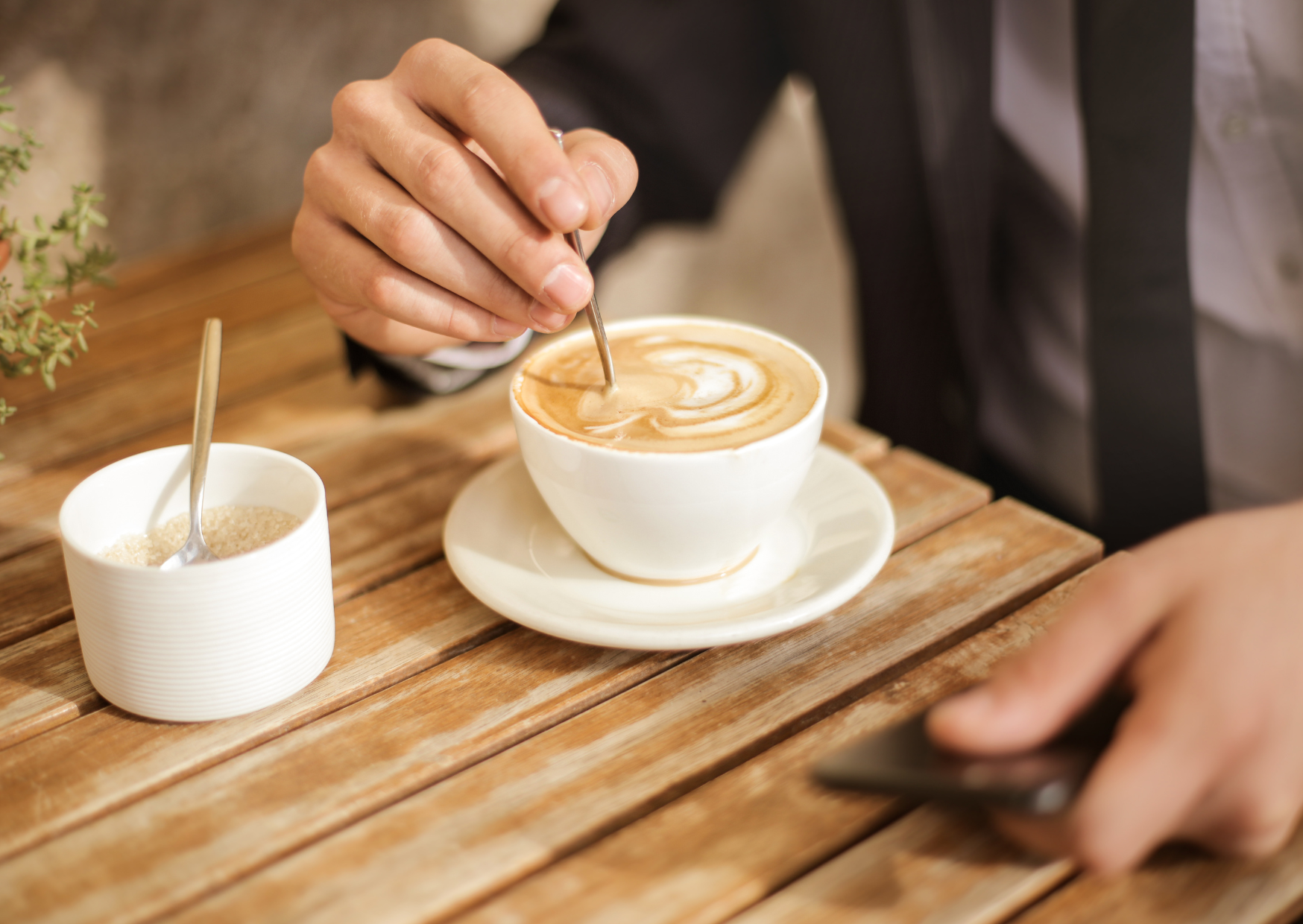
You asked for a latte and got a glass of milk.
In Italian, latte means milk. Next time say caffè latte if you want coffee with milk, or latte macchiato if you want hot milk stained with a little espresso. If you want a cappuccino, just say cappuccino.
You ordered cappuccino after lunch and felt everyone look at you.
Nobody is angry. The drink is simply coded as breakfast. If you want fewer looks, order an espresso or a macchiato after meals. If you truly want milk, own it and enjoy. You are a guest, not on trial.
You paid more than you expected.
You probably sat at a table. Prices are posted with al banco and al tavolo columns. Standing at the bar is cheaper. Sitting invites table pricing. Decide based on how long you want to stay.
You waited at the rail and nobody served you.
Some bars ask you to pay first, take the receipt to the bar, then call your drink. If locals are showing slips, go to the register and ask for un cappuccino or due caffè, then bring the paper to the barista.
You wanted something cold and ordered iced latte.
That is not a common phrase in Italy. If you want a cold coffee with no milk, ask for a shakerato. If you want coffee on ice with almond milk in Puglia, ask for caffè leccese. In other places, ask for caffè freddo and see what the bar offers.
You wanted decaf and did not know the word.
Say decaffeinato. You can order it as an espresso or as a macchiato. Most bars have it. If you want no caffeine and no coffee, orzo is the barley drink you see on menus.
You asked for extra hot and the milk tasted scorched.
Italian bars steam milk to a sweet, moderate temperature. If you push hotter, you lose the sweetness and the foam weakens. Trust the default unless you have a strong reason.
You wanted a big milky to-go for a walk.
Italy is changing, yet coffee is still meant to be drunk on site. Some bars will hand you a lid. Many will not. If you want to fit in, drink at the bar, chat for two minutes, and go.
What This Means For You
Italy uses drinks to tell time. If you follow the clock that locals keep in their heads, your day becomes simpler. Cappuccino with a pastry in the morning. Espresso or a macchiato as the day moves. A shakerato when it is hot. A regional glass when you want a story. Stand at the bar if you want the fast, cheap version. Sit if you want to linger and do not mind paying for the chair. Say what you want in a few words, then enjoy how quickly a good cup appears.
You can drink what you like. You can also treat coffee as a way to slip into the city’s rhythm. Do that for a week and the barista will start pouring your order as you walk in. At that point, nobody judges you. You have joined the ritual, and the ritual is why the cup tastes so right.

About the Author: Ruben, co-founder of Gamintraveler.com since 2014, is a seasoned traveler from Spain who has explored over 100 countries since 2009. Known for his extensive travel adventures across South America, Europe, the US, Australia, New Zealand, Asia, and Africa, Ruben combines his passion for adventurous yet sustainable living with his love for cycling, highlighted by his remarkable 5-month bicycle journey from Spain to Norway. He currently resides in Spain, where he continues sharing his travel experiences with his partner, Rachel, and their son, Han.