
You step onto sand with no scramble for space, the sea is warm enough to stay in, the sun sits gentler on your skin, and the total bill looks like someone turned the island to easy mode.
July sells a postcard version of Sardinia. The colors are electric, the beaches are famous, and the crowds prove the point. The reality feels sharper at ground level. Parking near top coves becomes a contest, restaurant tables flip fast, and prices for the basics surge because the whole Mediterranean wants the same week. The weather is also hotter and harsher than brochures imply, with long exposure windows and high UV that make families chase shade by midday.
October looks less dramatic on Instagram, yet it is the month that gives you the island at human speed. The sea is still swimmable, the air cools just enough for hiking and lunches outside, and the shoulder season suddenly opens rooms, ferries, and boat trips without the markups that define July. Cross out the peak month and fly a few weeks later, and your flight, room, and car can drop so steeply that your daily costs look like a different destination. Hotel averages fall hard, car rental rates collapse, and even boat tours keep running with fewer elbows on deck.
This is not a contrarian trick. It is how Sardinia actually works when summer fades. Below is the weather math, the price gap with concrete examples, the feel of the island in October, an itinerary that respects shorter days, and the small pitfalls that can still bite if you plan like it is July instead of autumn.
Want More Cultural Myth-Busting?
– 7 Ways You’re Insulting Europeans Without Even Realizing It
– 10 Secrets to Understanding European Politeness (And Why You’re Doing It Wrong)
– How to Spend a Month in Europe With Just a Carry-On—Minimalist Packing Hacks
The Weather You Actually Want
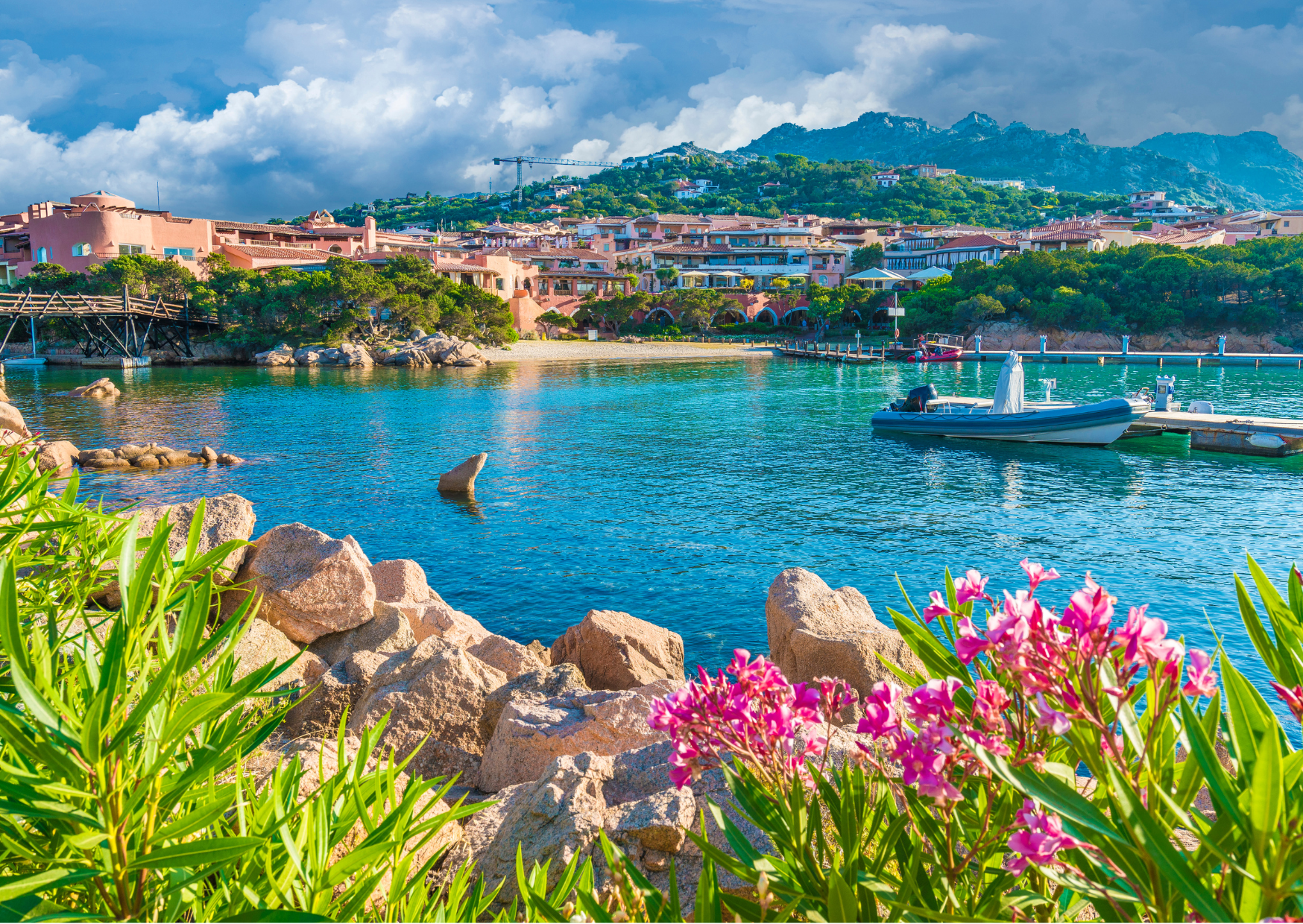
July is hot and bright. Average highs reach the upper 20s to around 30°C in coastal areas, rainfall is minimal, and sunshine hours stretch near eleven per day. The sea sits around 24°C, which is perfect, but the middle of the day can feel punishing without shade or wind. This is beach weather, but it is also hide from noon weather if you are not heat adapted. Tour operators and holiday-weather summaries present July as almost bone-dry, with rain measured in single digits of millimeters across a typical month.
October steps the heat down to comfortable. Typical coastal highs hover near 22°C, evenings cool, and you get about six hours of usable sun within roughly eleven hours of daylight. Rain reappears, but in manageable bursts, and humidity is moderate, not swampy. The sea, importantly, remains warm from summer, averaging about 21 to 22°C in many areas. You swim, you dry quickly, and you do not walk back to the car sun-stunned. The difference in feel is real on skin and energy, which is why hikers and families with small children end up preferring October days to July days.
Put simply, July maximizes brightness and beach hours, October maximizes comfort and flexibility. If you prize long swims and long lunches, October does not ask you to choose. If you chase high-summer nightlife and shoulder-to-shoulder beach clubs, go in July and accept the trade. Either way, the sea is on your side in early to mid October, because water lags air.
The 70 Percent Price Gap, Item by Item
“Seventy percent less” is not a slogan, it is what happens when you change the month on the big-ticket items that move your budget.
Hotels. Aggregated hotel data show the cheapest average month on the island is October, while August is the most expensive. A typical dataset shows October averages around two hundred dollars per night across property types, with August averaging roughly double that. That is a near 50 percent drop before you even negotiate or look beyond the headline properties. In plain terms, a week that costs around 2,800 dollars for two rooms in August can cost around 1,400 to 1,500 dollars in October for similar categories.
Car rental. This is where the math tilts hard. On the same island, the same companies list very different per day rates by month. Published price indices for Sardinia show August averages in the mid 40 euro range per day, July similar, and October in single digits to mid teens. That is a reduction of roughly 70 to 80 percent on the car alone. A ten day rental that swallows 450 euros in July can be near 100 to 150 euros in October if you book sensibly. Even broad Italy indexes show the same shoulder season slump, but Sardinia’s island dynamics make the peak to shoulder swing even more pronounced.
Flights. Flight calendars and meta search snapshots flag October as one of the cheaper months to fly to Sardinia compared with summer dates. From European hubs, seasonal direct routes often run into October before winding down, and fares drop when the school rush ends. From the United States, October often prices lower than July on multi segment itineraries. You will not always see a strict percentage, but the direction is consistent, and a shift from July to October can shave hundreds off a transatlantic itinerary that includes Sardinia.
Boat tours and ferries. Ferries from mainland Italy run year round on core routes, and prices are sensitive to demand. High season spikes in June to August soften outside summer, and timetables remain workable. Popular boat trips, including La Maddalena archipelago day cruises, still operate in October, sometimes with small minimum passenger requirements and lower local fees than in peak summer. The point is not that everything is cheaper, it is that in October the island’s transport stops charging a crowd premium.
Add these together and you get the large spread. If a July week for two costs, say, 4,600 euros for a midrange hotel, car, and flights from a European city, the October version can plausibly come in 1,500 to 2,000 euros lower on the same components, largely because the car and the hotel drop so far. When a rental car goes from 44 euros a day to 9, and your room rate falls by half, the combined cut can approach or exceed the headline 70 percent on those line items, which is why the overall trip feels like it snapped into budget.
How October Changes The Island
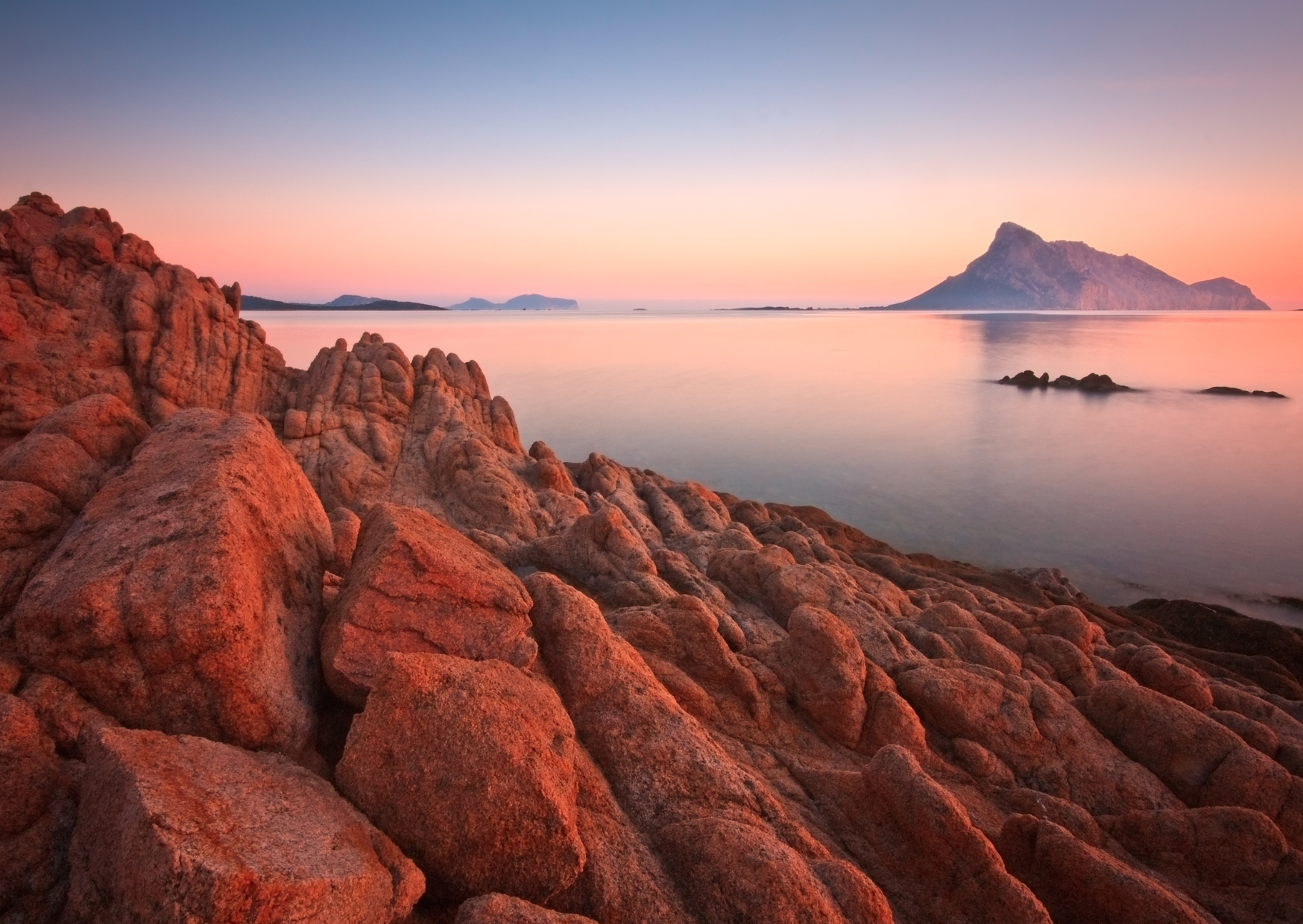
The island’s rhythm resets after the last packed weekends of August and early September. Roads quiet, parking at famous coves becomes realistic, and towns feel like themselves again. Restaurants that cater to locals rather than only to inflows of summer visitors return to normal pace, and menus lean into autumn produce. That does not mean the island shuts. Ferry routes keep moving, airports keep flying, and tour operators keep taking people to La Maddalena and along the Golfo di Orosei when the sea is calm. You trade buzz for ease and access.
October also opens inland Sardinia in a way July cannot. The Barbagia villages host Autunno in Barbagia, a rolling series of weekend openings and festivals from September through December, where courtyards and workshops go public, food traditions come out, and you get a cultural weekend that does not exist in high summer. The calendar lists multiple October dates across villages like Orgosolo, Tonara, Sorgono, and Gavoi. If you come for beaches and leave with chestnuts, cannonau, and textile stories, you did the island correctly.
For active travelers, October is the moment to hike Gorropu Gorge without heat stress, bike coastal roads without a caravan of rental Fiats, and walk archaeological sites with space to think. It is not just cheaper, it is calmer in the bones, and that change shifts what you do with your days.
The Practical Playbook
If you want the October version to deliver, build it around shorter days, occasional rain, and the freedom that open parking spots give you.
When to come. The first three weeks of October are ideal for water and picnics. Late October leans cooler, still pleasant, better for hiking and long lunches in town. Sea temperatures hold from summer for much of the month, which means swims remain comfortable even as the air cools a notch.
Where to base.
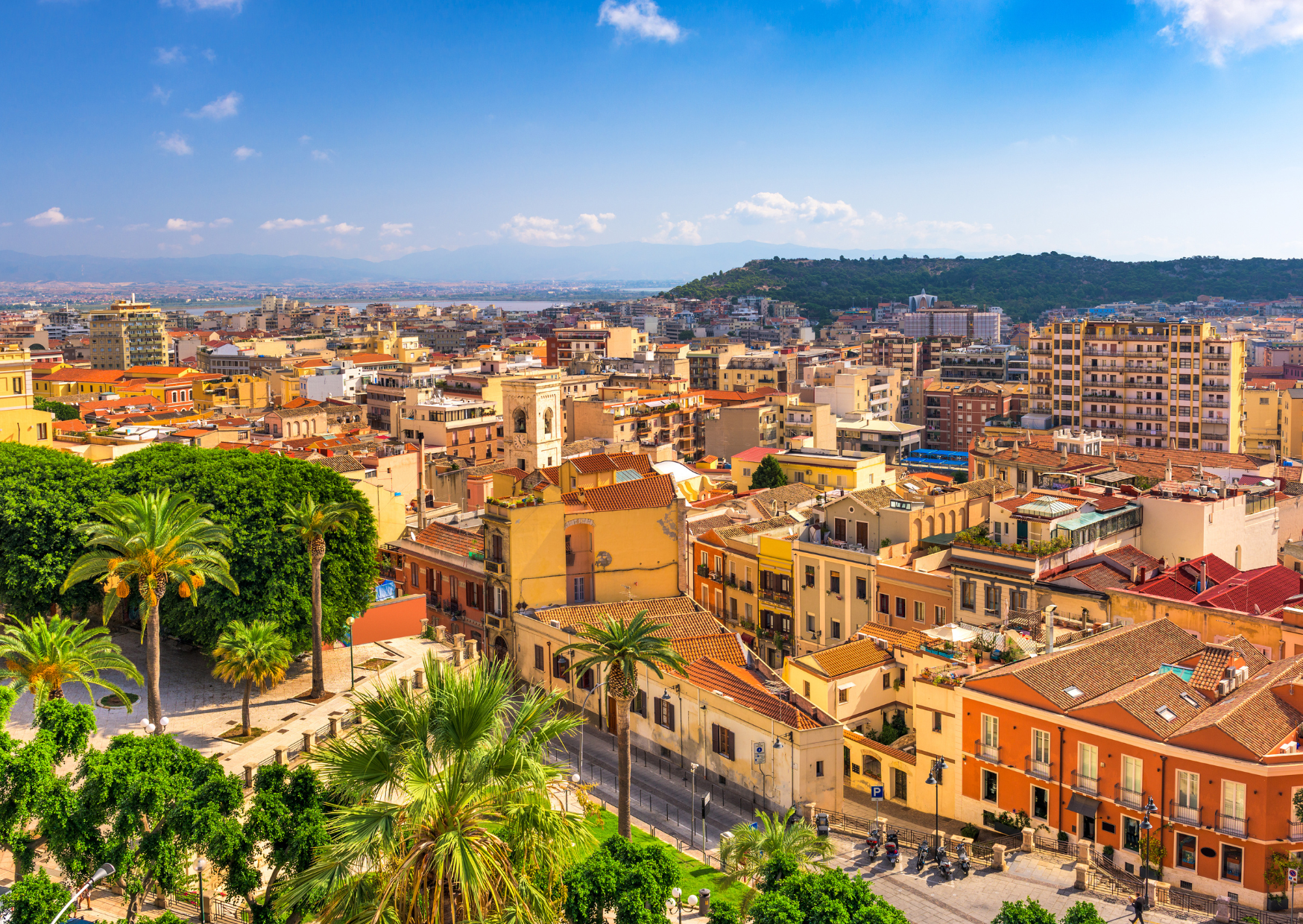
Cagliari makes a strong home base for a first October trip. You get city energy, cuisine, museums, flamingos in the salt ponds, and quick drives to Poetto, Chia, Pula, and Villasimius. Alghero is a great alternative in the northwest, with an old town that feels built for evening walks and access to Stintino and the Porto Conte reserve. If you want the northeast’s water, base near Palau or Cannigione, then day trip to La Maddalena by boat on any calm day.
What a clean seven day plan looks like.
Day 1, land in Cagliari, skip the car until morning, walk the Marina and Castello, early dinner. Day 2, pick up the car, head for Chia or Tuerredda, two swims, simple lunch, sunset back in the city. Day 3, road across to Villasimius for Simius or Punta Molentis, stop for seafood, home by dusk. Day 4, inland loop to Barumini’s nuraghe and a vineyard lunch, back for the Museo Archeologico if it rains. Day 5, drive north to the Oristano coast or Bosa and the Temo valley, sleep in Alghero. Day 6, Stintino or Porto Ferro depending on wind, grotta di Nettuno if the sea allows, a slow dinner in the old town. Day 7, if the forecast looks quiet, drive to Palau for a La Maddalena day cruise, or turn east for Cala Gonone and a shorter boat out to the Orosei coves. Fly out the next day.
How to lock the savings without losing time.
Book the car and room as soon as you book flights. October is cheaper, not empty. Choose free cancellation to price watch, but do not wait for last minute bargains. On boat trips, pick a flexible operator, confirm the minimum passenger rule for October, and hold an alternate day in your itinerary in case wind prompts a switch.
What to pack.
Light layers, a thin windbreaker, sun shirts, and a compact umbrella. Reef safe sunscreen still matters. For hiking, closed shoes, a basic headlamp for late returns, and a light fleece for high inland villages.
Beaches, Water, And The October Sea
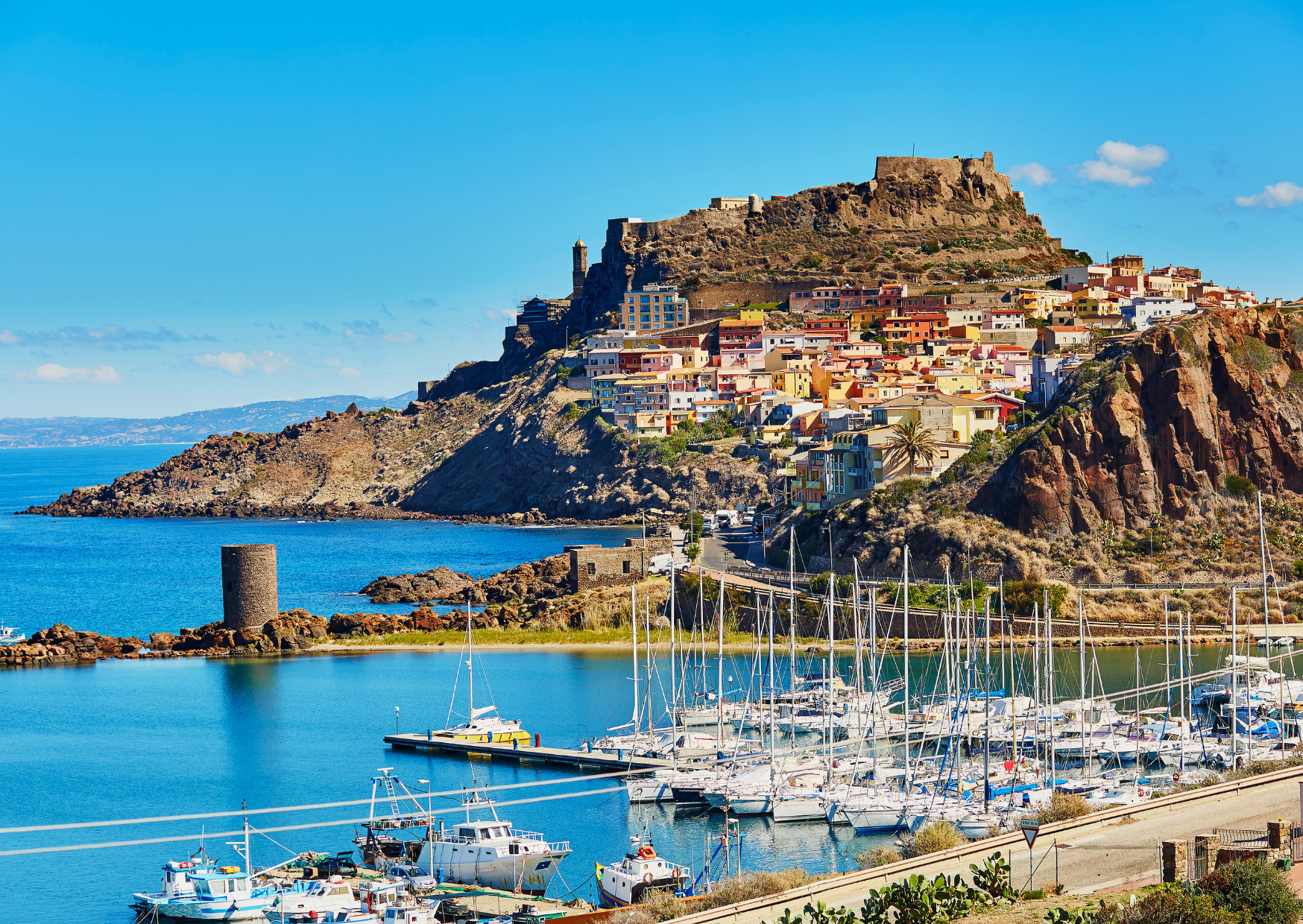
Your two best tools in October are the forecast and the clock. Plan beach days toward the beginning of your trip, when you have backup dates, and aim midday for your longest swims when the sun has lifted the chill. The water sits around 21 to 22°C, which is friendly for adults and older kids without long acclimation, and short dips work for smaller children. In flat coves like La Cinta, Cala Brandinchi, or Chia’s sheltered corners, you will get many hours that read like a muted July, just without the bodies.
Boat days remain excellent, particularly around La Maddalena and the Orosei coast, and many operators run through mid October. Expect smaller groups and more time in water when conditions are right. On the best days, you will collect entire coves with six people in the frame where July showed sixty. Just remember that operators in shoulder months sometimes require a minimum head count to sail, which is fine if you pick your day early in the week and have a spare slot later.
If wind kicks, switch to archaeology or the Barbagia villages. The island is big enough to pivot. One coast can be choppy while the other side is calm, and a one hour drive can salvage a day that looked doubtful at breakfast. Locals do this without drama. You can too.
Logistics That Matter In October
Flights. Seasonal routes into Sardinia’s three airports taper but do not vanish in October. Many direct connections from European cities run through part of the month, and the winter schedule at Cagliari keeps a reliable network of domestic and select international routes going. This matters for Americans who plan to connect in Europe and want a single hop into the island without a ferry.
Ferries. If you drive from the mainland or want to bring a car, core routes like Civitavecchia to Olbia operate all year with multiple weekly sailings. High summer sees more frequency and heavier bookings, while October eases both. You can still sail overnight, arrive early, and start your day before check in. Booking in advance remains smart, but the panic element is gone.
Car rental. Use the airport locations for selection and price, and book for the whole stretch unless you plan a pure city weekend first. Price indices for Sardinia show October at the bottom of the curve, which is why the island finally feels rational to explore by road for a week without feeling like a luxury purchase. If you hate cars, pick one base and rely on short transfers and day tours, but understand that many of the best beaches and interior sites reward a steering wheel.
Restaurants and hours. Most city and larger town restaurants stay open, while hyper seasonal beach clubs shorten hours or close weekdays. Plan one or two target lunches that are open all week, then build the rest of your meals around where you end up after swims or hikes. Autumn produce means mushrooms, roasted meats inland, and sturdier pastas alongside the coastal seafood you expect.
Money and fees. Parking machines do not always accept cards. Keep coins. Some protected areas and boat tours collect small conservation fees that vary by month, with reductions outside peak. Bring the change, say thank you, and enjoy having fewer neighbors in the water.
What Can Go Wrong (and How to Fix It)
A wind day cancels your boat. Autumn brings more changeable weather. If a La Maddalena or Orosei cruise cancels, switch coasts or switch plans. Keep a short list of inland days, including Gorropu Gorge, Barumini’s nuraghe, and the Barbagia villages. Many operators sail through mid October, but some require a minimum passenger count. Book the earlier weekday and hold a backup slot.
Shorter daylight squeezes your plan. It is not July. Daylight tightens from about eleven hours at the start of the month, and evenings cool. Solve this by starting earlier, eating a bigger lunch, and planning your long drives in daylight. Use the first post breakfast weather window for the beach, then move to town walks or museums late.
A front brings two wet days. Bring a thin rain layer and make those the culture days. Cagliari’s museums, Alghero’s old town and Neptune’s Grotto if the sea allows, Nuoro’s ethnographic collection, Oristano’s quiet streets, and tastings inland turn a washout into a good memory. October rain totals are modest, but bursts happen.
You arrive assuming July schedules. Off peak boat timetables, rural bus frequencies, and opening hours shorten once school resumes. Call or check a day ahead, keep your itinerary flexible, and avoid anchoring a whole day to a single time sensitive plan. Ferries and flights run, but the last boat of the day might be earlier than you thought.
You expect peak nightlife. Cities still hum, beach towns nap. If you want evenings with a bit of scene, sleep in Cagliari or Alghero, then day trip to the coves. If you sleep in small coastal villages, enjoy the quiet and cook or walk after dinner.
You underpack for the water. The sea is warm enough, but breezes make you chill faster after swims. Bring a thin towel, a light windbreaker, and dry clothes for late afternoons. If you are sensitive, a shorty wetsuit makes shoulder season swims effortless.
You plan the whole week around one coast. Watch wind and swell. If the north is messy, the south is often fine, and the reverse. One of the easiest wins in October is the power to pivot, because parking and roads give you that freedom.
What This Means For You
If you want the island that locals love, take Sardinia in October. The sun is still generous, the sea is still welcoming, and the day’s heat does not crush your plans. The big numbers break in your favor. Rooms drop by roughly half from peak, car rentals collapse to a fraction of summer rates, boat trips still go, and flights price more gently than school holidays. You are not settling for less. You are choosing a version of the island that lets you do more, stay longer, and spend well without the friction that July bakes into every hour.
Come with a plan that fits the season. Put your water days first, hold a backup for wind, and spend a weekend in the Barbagia villages if the sky turns dramatic. Eat long lunches, hike while the air is soft, and aim for coves that are impossible to breathe in during August. You will get the color and the water you came for, and you will leave with a quieter story and a healthier bank account.

About the Author: Ruben, co-founder of Gamintraveler.com since 2014, is a seasoned traveler from Spain who has explored over 100 countries since 2009. Known for his extensive travel adventures across South America, Europe, the US, Australia, New Zealand, Asia, and Africa, Ruben combines his passion for adventurous yet sustainable living with his love for cycling, highlighted by his remarkable 5-month bicycle journey from Spain to Norway. He currently resides in Spain, where he continues sharing his travel experiences with his partner, Rachel, and their son, Han.