
Every summer, as temperatures rise across the northern hemisphere, two drastically different approaches to heat emerge on either side of the Atlantic. In the United States, homes hum with the sound of central air conditioning systems. Meanwhile, in much of Europe, people close shutters, sip cool drinks in shaded courtyards, and—perhaps most shockingly to Americans—sweat a little.
To Americans, life without air conditioning feels borderline medieval. To many Europeans, life with A/C seems excessive, wasteful, and even unnatural. This cultural divide is more than a climate debate—it’s a window into two vastly different philosophies of comfort, architecture, energy use, and even what it means to be “civilized.”
Let’s unpack how (and why) Europeans survive heatwaves without air conditioning, and why Americans remain addicted to their thermostat—even when it comes at a high cost.
Read Here European Things that terrify Americans and American Habits that make Europeans Cringe
Read here how to pack for Europe and Best eSIM for Europe
BOOK YOUR TRAVEL INSURANCE
Two of our favorite travel insurance: Heymondo Vs Safetwing cheapest travel Insurance. You can get for $135 USD your Heymondo Travel Insurance with Heymondo discount code valid for 90 days. Read our full comparison of Genki vs Safetywing Travel Insurance Review and the comparison Heymondo vs Genki
Quick Easy Tips
Use shutters or blackout curtains during the day to block out heat.
Stay hydrated and embrace lighter meals to keep your body cooler.
Take advantage of cooler evening hours by opening windows for cross-ventilation.
One of the biggest controversies is comfort versus sustainability. Many Americans argue that air conditioning is a necessity, not a luxury, especially in regions where summer heat is extreme. Europeans counter that adapting homes and habits to the climate—through design, ventilation, and lifestyle choices—reduces both energy costs and environmental impact.
Another debated issue is cultural expectation. In the U.S., cool indoor temperatures are seen as a marker of convenience and modernity, while in Europe, tolerance of warmer conditions is often framed as resilience or practicality. Critics say Americans are “spoiled” by overreliance on A/C, while others argue Europeans downplay discomfort in the name of frugality.
Finally, there’s the question of infrastructure. Older European cities were not built with central air conditioning in mind, leading to architectural adaptations like shutters, thick walls, and shaded streets. Some see this as an example of smart, timeless design, while others point out that climate change is making these measures increasingly insufficient.
The Statistics: Who’s Using All the A/C?
U.S. households: Around 90% have air conditioning. In some states like Texas or Florida, it’s nearly universal.
European households: On average, less than 20% have air conditioning. Even in hot Mediterranean countries like Italy or Spain, many homes still rely on fans or passive cooling.
The difference is especially jarring when you realize many of Europe’s hottest cities—like Athens, Rome, and Marseille—often hit 100°F (38°C) in summer.
So how are Europeans doing it?
Architecture That Was Built to Breathe
Unlike the sprawling suburbs of the U.S., much of Europe was built long before air conditioning existed.
Key Features of European Homes:
Thick stone or brick walls that insulate against heat
Shutters on nearly every window (closed during the day, open at night)
High ceilings that let warm air rise
Cross ventilation through windows and courtyards
Tile or stone floors that stay cool
It’s old-school design—but it works.
Meanwhile, many American homes are built with cheaper materials like wood and drywall, which trap heat, especially in newer suburban homes with poor insulation and large, sun-exposed windows.
Cultural Mentality: Enduring vs. Erasing Discomfort
This is where it gets controversial.
Europeans don’t expect to be comfortable 24/7. Sweating a little? It’s normal. You adapt. Drink more water. Take a break. Open a window. Wear linen. Life goes on.
In contrast, many Americans see physical discomfort as something to be eliminated at all costs. Climate control isn’t just a convenience—it’s a right. If the room isn’t a perfect 72°F (22°C), something is “wrong.”
“Why suffer?” Americans ask.
“Why be so soft?” Europeans reply.
One isn’t inherently better than the other—but the European mindset often translates to greater resilience, lower energy consumption, and less dependence on technology.
Energy Use and the Cost of Comfort
America:
Houses are often poorly insulated, making cooling inefficient.
Many cities lack shade or trees, creating urban heat islands.
AC use spikes electricity bills—the average American spends $300–$500 more in summer just to keep cool.
Entire infrastructures are built assuming constant climate control, including oversized refrigerators, giant cars, and suburban sprawl.
Europe:
Smaller homes = easier to cool
Dense, walkable cities = fewer car commutes in the heat
People adjust their schedules—mornings and evenings are active, afternoons are for rest
Result: dramatically lower energy use, both at the household and national level
Even where Europeans are starting to use AC (like Paris or Barcelona), it’s often a portable unit or a small wall unit, used sparingly, just to cool one room—not an entire building.
Lifestyle Hacks That Help Europeans Stay Cool
Here’s how Europeans handle summer—no central air needed:
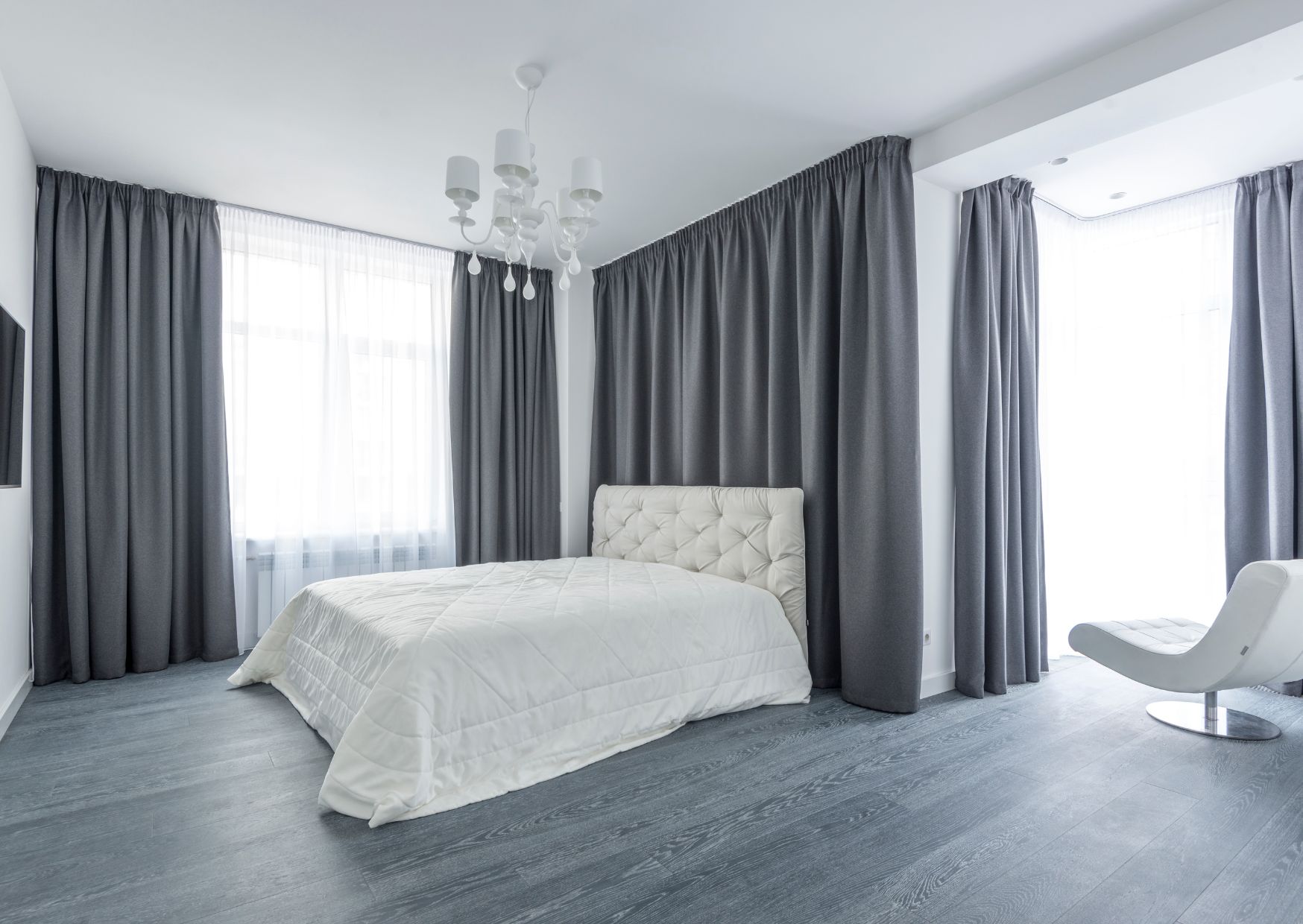
1. Shutters and Blackout Curtains
They keep out direct sunlight during the hottest parts of the day. Americans often skip this step entirely—or worse, open all the blinds “for natural light” while running the AC full blast.
2. Late Dinners and Afternoon Pauses
Southern Europe has it right: Do less during the heat. Nap, slow down, and don’t expect productivity at 3 PM.
3. Hydration and Diet

Light meals, cold dishes (like gazpacho), and lots of water, herbal teas, and fruit help regulate body temperature. Soda and iced coffee? Not so much.
4. Linen and Cotton Everything
Natural fibers breathe better. Many Americans default to synthetics or polyester, especially in business settings, which trap heat.
5. Cold Showers and Night Air

A rinse before bed and open windows at night help cool the body naturally. Cross-breezes are free and effective.
But Isn’t Europe Getting Hotter Too?
Yes—and it’s putting pressure on the A/C resistance. Heatwaves in Europe are lasting longer and getting more intense. Some countries are now installing A/C in public spaces, schools, and hospitals.
But even as temperatures rise, many Europeans remain skeptical of the American model of climate domination. They’re asking: Can we stay cool without wrecking the planet?
It’s not just about comfort—it’s about sustainability.
The American Overkill: Comfort as Entitlement
This is where the cultural contrast hits hardest.
For many Americans, the idea of sweating—even slightly—is unacceptable. Houses are air-conditioned. Cars are air-conditioned. Stores, offices, gyms—even public transportation in most cities.
It’s a bubble of artificial coolness, and it comes at a price:
Massive energy bills
Increased fossil fuel demand
Greater vulnerability to power outages or grid failure
Ironically, the more we rely on AC, the less we tolerate heat—creating a vicious cycle of dependence.
What Americans Could Learn from Europe
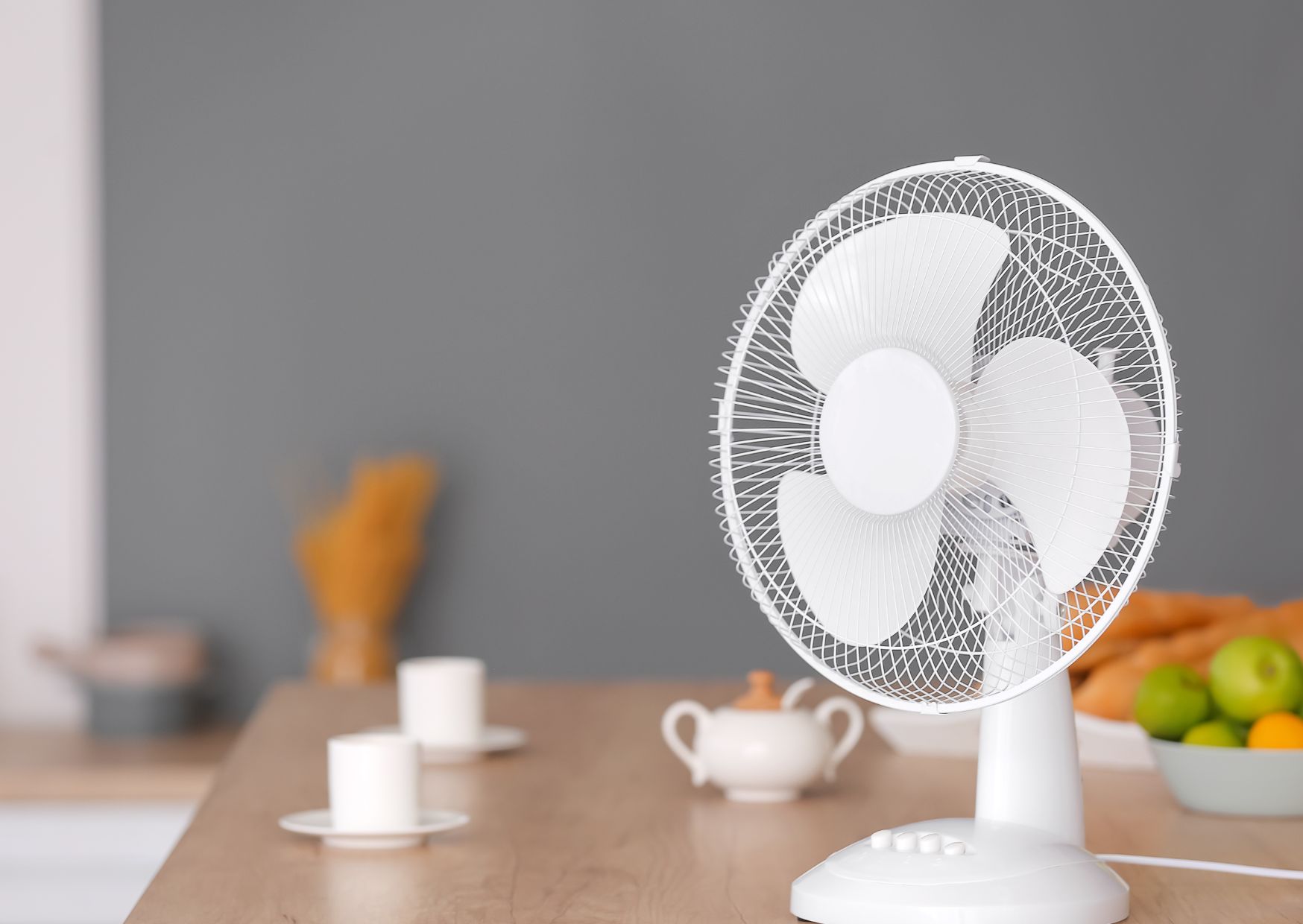
This isn’t to say Americans should suffer in the heat. But here’s what could change:
Insulate better
Many U.S. homes could stay cooler naturally with better windows, roofs, and insulation.
Use fans and ventilation
Ceiling fans and open windows are dramatically underused in U.S. households.
Cool one room—not the whole house
Instead of chilling every square foot, focus on cooling where you actually are.
Shift your schedule
Mow the lawn in the morning. Work out in the evening. Give your body a break.
Wear breathable fabrics
You shouldn’t need an Arctic blast to survive in jeans and a hoodie in July.
Final Thought: What If Discomfort Isn’t the Enemy?
Maybe the real question isn’t how cold can you make your house—but how comfortable can you be with heat?
Europeans aren’t superheroes. They feel the heat too. But they’ve developed systems of adaptation, rooted in tradition, community, and environmental awareness.
Americans could do the same—if they’re willing to rethink the definition of comfort. Maybe, just maybe, surviving summer doesn’t require 68°F air blowing on your face 24/7. Maybe it just takes shutters, patience, a linen shirt… and a cold drink in the shade.
The difference in how Europeans and Americans approach summer heat is about more than just air conditioning—it reflects cultural priorities. Where Americans see comfort as a right, Europeans often view adaptation as a responsibility.
Ultimately, the contrast reminds us that there’s no single “right” way to beat the heat. By blending American convenience with European adaptability, there’s room for a smarter, more sustainable approach to summer living.

About the Author: Ruben, co-founder of Gamintraveler.com since 2014, is a seasoned traveler from Spain who has explored over 100 countries since 2009. Known for his extensive travel adventures across South America, Europe, the US, Australia, New Zealand, Asia, and Africa, Ruben combines his passion for adventurous yet sustainable living with his love for cycling, highlighted by his remarkable 5-month bicycle journey from Spain to Norway. He currently resides in Spain, where he continues sharing his travel experiences with his partner, Rachel, and their son, Han.