
For many Americans, traveling to France—especially Paris—is a long-awaited dream filled with visions of croissants, cafés, and cobblestone streets. But as soon as they arrive, some visitors find themselves feeling out of place—not because of the language barrier, but because of the dress code. In France, clothing isn’t just about comfort or convenience—it’s a form of quiet communication, often used to express self-respect, social awareness, and even modesty. What might feel “normal” in the U.S. can come across as sloppy, loud, or disrespectful in a French setting.
The French approach to fashion may seem subtle, but it’s deeply cultural. Whether it’s skipping sweatpants in public, avoiding flashy logos, or always opting for more polished ensembles, there’s an unspoken expectation of effort—even for daily errands. American travelers who unknowingly break these norms might get strange looks, colder service, or simply feel out of step with their surroundings.
Fortunately, adjusting to French style doesn’t mean you need to buy a new wardrobe. With a few key insights and some strategic packing choices, you can blend in effortlessly and feel more confident navigating everything from a local café to a dinner date in Paris. Below are quick tips to help avoid common dress code shocks and make your trip smoother.
Here are the biggest dress code surprises that Americans tend to encounter in France.
Read here Common Mistakes to avoid in France, France Sim Card for Tourists and 28 Things to Know Before Visiting France
BOOK YOUR TRAVEL INSURANCE
Two of our favorite travel insurance: Heymondo Vs Safetwing cheapest travel Insurance. You can get for $135 USD your Heymondo Travel Insurance with Heymondo discount code valid for 90 days. Read our full comparison of Genki vs Safetywing Travel Insurance Review and the comparison Heymondo vs Genki
Quick & Easy Tips
Leave Gym Clothes for the Gym: Avoid wearing leggings, sweatpants, or hoodies unless you’re actually exercising.
Neutrals Over Neon: Stick to a neutral palette (black, navy, beige) with clean, classic lines instead of bright colors or bold patterns.
Add Structure: Even casual wear in France has polish—consider wearing structured jackets, well-fitted jeans, or a collared shirt.
Don’t Forget Footwear: Comfortable doesn’t mean sloppy—opt for stylish sneakers, loafers, or leather flats instead of flip-flops.
Bring One “Nice” Outfit: You never know when you’ll be invited to a nicer restaurant or event—better to be slightly overdressed than underdressed.
One controversy centers on sneakers. While younger French people have embraced stylish trainers, many still view athletic shoes as strictly for the gym. Americans, who often wear sneakers daily, sometimes find this judgment restrictive, while the French see it as maintaining standards of dress.
Another debate involves workplace attire. In the U.S., business casual has become increasingly relaxed, but in France, even casual work settings often demand a polished appearance. Critics argue this can perpetuate rigid social norms, while supporters believe it shows respect for colleagues and clients.
Finally, cultural disagreements arise around modesty and formality. French beachwear, for example, embraces more revealing swimsuits, while Americans may find it too bold. Conversely, Americans may wear looser or more casual clothes in public that the French might interpret as sloppy. These contrasts highlight the nuanced ways culture shapes perceptions of what is “appropriate.”
Dress Code Shocks Americans Face in France
1. Athleisure Is Not Everyday Wear
In France, you won’t see people wearing yoga pants, leggings, sweatshirts, or sneakers unless they’re actually going to the gym. The French take pride in dressing well in public, even for casual outings like running errands or grocery shopping.
Why it shocks Americans:
Athleisure is a staple of American casualwear. In France, it’s often seen as sloppy or lazy unless you’re exercising.
2. Looking “Effortlessly Chic” Takes Effort

French style favors a minimalist, polished look: tailored jeans, neutral tones, well-cut blazers, leather shoes, and subtle accessories. Even casual outfits are thoughtfully composed and neat.
Why it shocks Americans:
Many Americans are used to dressing for comfort. In France, looking put-together is a form of social respect, and casual doesn’t mean careless.
3. Flip-Flops Are for the Beach Only

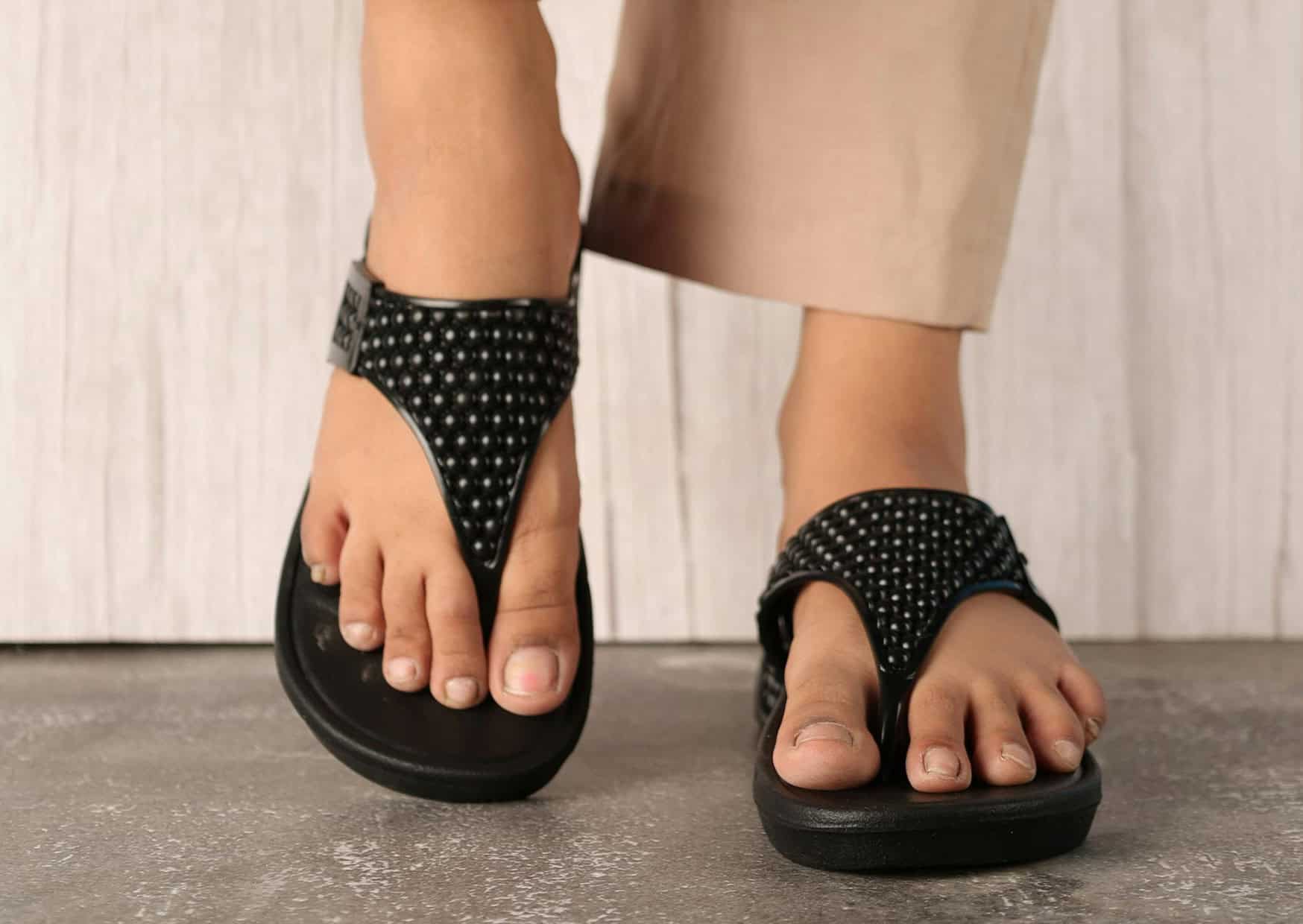
Wearing flip-flops in the city, even in summer, is a major faux pas. The French view them as too casual or beach-specific footwear.
Why it shocks Americans:
Flip-flops are common warm-weather wear in the U.S.—for shopping, dining, or sightseeing. In France, you’ll stand out immediately wearing them in urban settings.
4. Baseball Caps and Logos Are Rare
The French rarely wear logo-heavy clothing, sports team gear, or baseball caps unless they’re at a sporting event. Accessories are usually understated and elegant.
Why it shocks Americans:
American fashion often includes branded hoodies, college apparel, and caps. In France, that’s seen as more juvenile or touristy than stylish.
5. Dressing for the Occasion Is Non-Negotiable

Whether it’s going to dinner, a museum, or even a picnic, the French tend to dress appropriately for the occasion—and expect others to do the same.
Why it shocks Americans:
Americans might go from sightseeing straight to a café or dinner in the same outfit. In France, even a casual dinner calls for a thoughtful look.
6. No Pajamas or Slippers Outside the Home
Running out for coffee in pajama bottoms, messy hair, or fuzzy slippers? That’s unthinkable in France.
Why it shocks Americans:
In some parts of the U.S., this is considered quirky or even trendy. In France, it reads as neglectful or disrespectful to others.
7. Outerwear Matters—A Lot
A sharp coat, tailored jacket, or trench is considered essential. In fall and winter, the outer layer is a key part of your outfit, not an afterthought.
Why it shocks Americans:
Americans often focus on what’s underneath and throw on a hoodie or puffer for warmth. The French approach a coat like a statement piece.
8. Sneakers Are Stylish—But Specific
While sneakers are more accepted today in France, they’re usually sleek, neutral-toned fashion sneakers, not bulky running shoes or gym trainers.
Why it shocks Americans:
Many Americans wear athletic sneakers all day when traveling. In France, chunky trainers signal “tourist” immediately.
9. Less Skin, More Sophistication
French style tends to be more modest and understated than American fashion. Think one focal point (like an open back or shorter hem), not everything all at once.
Why it shocks Americans:
In the U.S., it’s common to show more skin—shorts, tank tops, cleavage—especially in warm weather. In France, refined elegance is preferred over overt sexiness.
10. Men Dress Well—Always

French men tend to wear slim-fit trousers, collared shirts, leather shoes, and tailored outerwear, even casually. Baggy shorts and graphic tees are rare.
Why it shocks Americans:
In the U.S., casual menswear is often oversized, sport-themed, or laid-back. In France, men take fashion seriously, regardless of age or occasion.
Final Thoughts
Adapting to French dress codes isn’t about abandoning your identity—it’s about being mindful of cultural expectations. Small adjustments in clothing choices can help you blend in and avoid the discomfort of feeling out of place.
These experiences also offer a chance to rethink the relationship between fashion and daily life. What Americans may see as unnecessary effort, the French interpret as care for themselves and others. That mindset can be refreshing and inspiring to bring back home.
Ultimately, the dress code shocks Americans face in France remind us that culture lives in the details. Something as simple as shoes or a jacket can reveal deeper values about respect, tradition, and social life. Embracing these lessons is part of the joy of traveling—and the memories last longer than any outfit.

About the Author: Ruben, co-founder of Gamintraveler.com since 2014, is a seasoned traveler from Spain who has explored over 100 countries since 2009. Known for his extensive travel adventures across South America, Europe, the US, Australia, New Zealand, Asia, and Africa, Ruben combines his passion for adventurous yet sustainable living with his love for cycling, highlighted by his remarkable 5-month bicycle journey from Spain to Norway. He currently resides in Spain, where he continues sharing his travel experiences with his partner, Rachel, and their son, Han.