
Imagine staring at a 742-koruna bill, trying to multiply by eighteen percent in your head, while the waiter waits for one simple number.
You are ready with a credit card. You expect a line on a slip, a place to write a tip and sign. The handheld terminal appears. No tip line, just a total. The server says the amount out loud and looks at you. You freeze.
In Prague, you do not “add a tip.” You say the total you want to pay, tip included, and the server enters that number. If you are paying cash, you hand over bills and say what you want back. If you want to be generous, you round up. If the service delighted you, you add five to ten percent. That is the rhythm. No calculator needed.
The confusion is not about generosity. It is about a different math script. Prices already include tax. Service charges are rare and regulated. Terminals often expect you to name a whole amount. Once you learn the local flow, you stop doing gym class arithmetic and start looking like a person who knows what they are doing.
Below is the quick, practical map to tipping in Prague. You will learn the math locals actually use, how to handle card terminals without drama, when rounding beats percentages, why “service included” lines matter, and the Czech phrases that make the whole thing feel easy.
Want More Cultural Myth-Busting?
– 7 Ways You’re Insulting Europeans Without Even Realizing It
– 10 Secrets to Understanding European Politeness (And Why You’re Doing It Wrong)
– How to Spend a Month in Europe With Just a Carry-On—Minimalist Packing Hacks
1) The American Mistake: Percentages And Post-Tax Mental Math
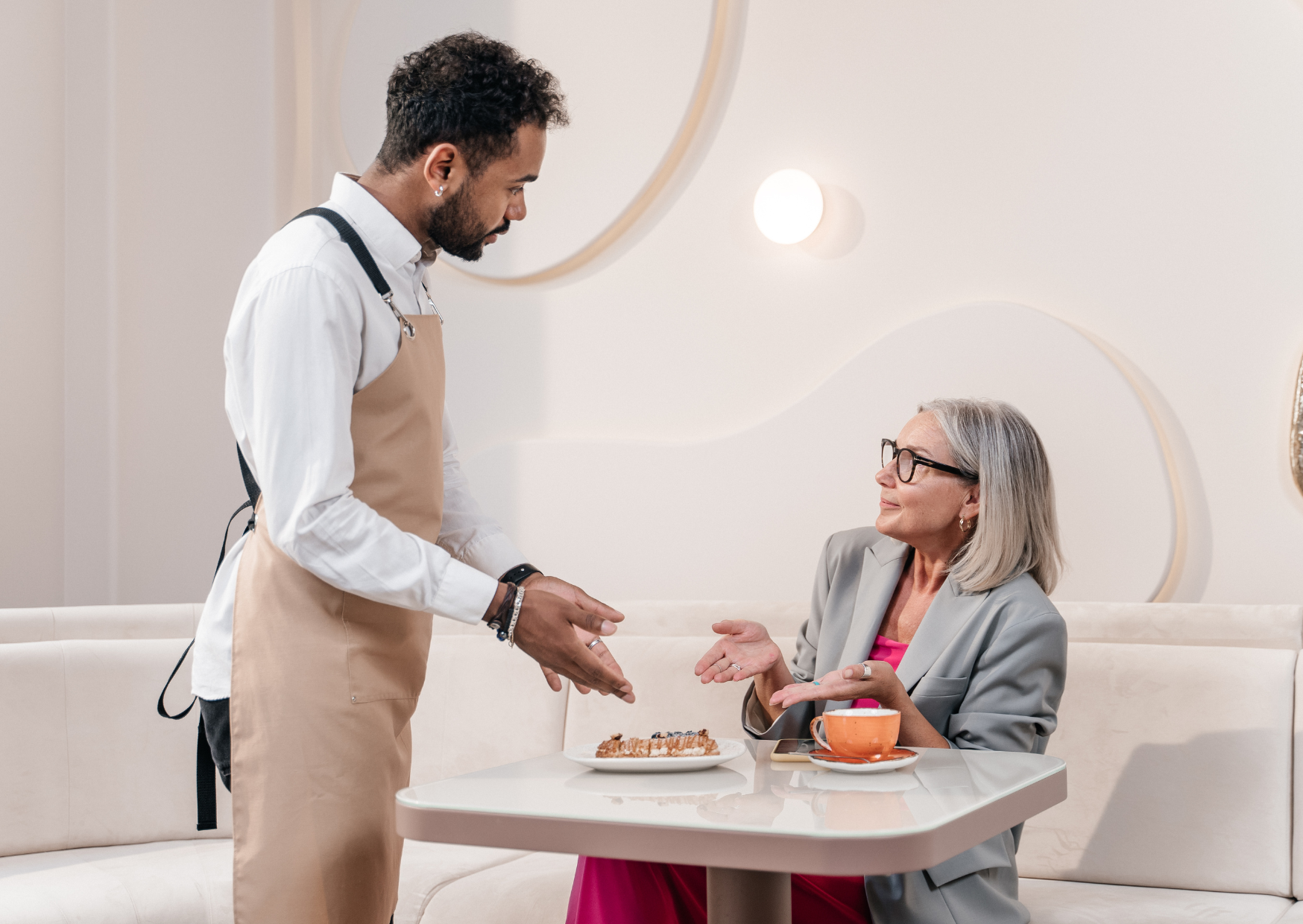
Americans reach for 18 to 20 percent as a reflex, often calculated after tax, then they look for a blank line to write it in. In Prague, that habit makes you slow and sometimes wrong.
Menu prices already include VAT, which is why you do not see tax added at the end like at home. The total on your receipt is the price you owe, tax included, no extra math required. Instead of calculating a percentage on a tax-inclusive total, Prague locals round the bill to a clean number or add a small, clear premium. Percentages exist, but they are a guide, not a ritual. Five percent is fine for normal service, ten percent is generous for good service, and anything beyond that is rare outside luxury dining. The smooth, local way is not to compute. It is to state the final amount you want to pay, like “make it 800.”
The gap between systems produces classic mistakes. Visitors try to tip 20 percent on top of a tax-inclusive bill, then stack a “service charge” they did not read, and end up double tipping. Others hold up a line over ten crowns of mental math when the social move is to round and smile. The fix is simple, name a whole number, be done in five seconds, and enjoy your evening.
2) How Tipping Actually Works Here: Say The Total, Round Up, Relax
Prague makes tipping low friction if you let it. Here is the flow that locals use, with three simple anchors, say the total, round, do not calculate, cash or card both fine.
On cash, the server brings the bill and says the amount. You hand over bills and say “Zaokrouhlíme to na 800, prosím,” which means “let us round it to 800, please.” If the total was 742, the server returns 58. If you want to keep it even simpler, you hand a 1,000-koruna note and say “Devět set, prosím,” “nine hundred, please,” and the server hands you 300 back. The phrase “Zbytek je pro vás,” “the rest is for you,” also works, but the cleanest thing is to name the total.
On cards, there are two common flows. In the first, the server asks you for a total. You say “Osm set, prosím,” the server enters 800 on the handheld, you tap, and you are done. In the second, the terminal shows tip choices like 5 percent, 10 percent, 15 percent, sometimes 20 percent. You tap the button you want or skip and then confirm the final total. Both are normal. If you prefer a round number, you can always say it instead of choosing a percentage. No signature is required for chip or contactless, the authorization is the whole process.
If you are happy and unsure what to do, a round up is always safe. Add ten or twenty koruna on small checks, a clean fifty or a hundred on bigger ones. Reserve double-digit percentages for meals that really earned it. This is not stingy. It is the norm.
3) VAT, “Service,” And Why You Should Read The Fine Line Once

Two lines on the bill matter for your math, VAT and service. Neither is mysterious once you know what you are seeing, and both are where Americans overpay by accident.
Czech consumer rules require that displayed prices include VAT. The number you see on a menu should be the number you pay before you decide on a tip. The receipt will break out VAT internally by rate for the tax man, you do not add VAT at the table. If a restaurant tries to tack 21 percent onto a menu price at the end, that is not standard Czech practice and it conflicts with consumer-price rules that say the final price must be shown upfront. You can ask for clarification politely, and you are on solid ground. VAT is already included in the price you saw.
“Service” is a different animal. Some places print “service not included” to remind you that tips are voluntary. A few will add a service charge for large groups or special setups. Czech watchdogs have been clear on one point for years, a mandatory service charge is only tolerable when it is transparent, fixed in crowns, and clearly disclosed on the menu before you order, for example “service 50 CZK per person.” A percentage-based service fee slipped onto the bill at the end is not acceptable practice. If a fixed service fee appears and you knew about it from the menu, treat it like a cover charge, and avoid tipping twice on top unless service was exceptional. If a surprise percentage shows up, ask the server to explain where it is disclosed. The rules exist to keep that surprise off your bill. Check the line once, then tip the way you meant to.
4) Card Terminals Without Awkwardness: Exactly What To Say
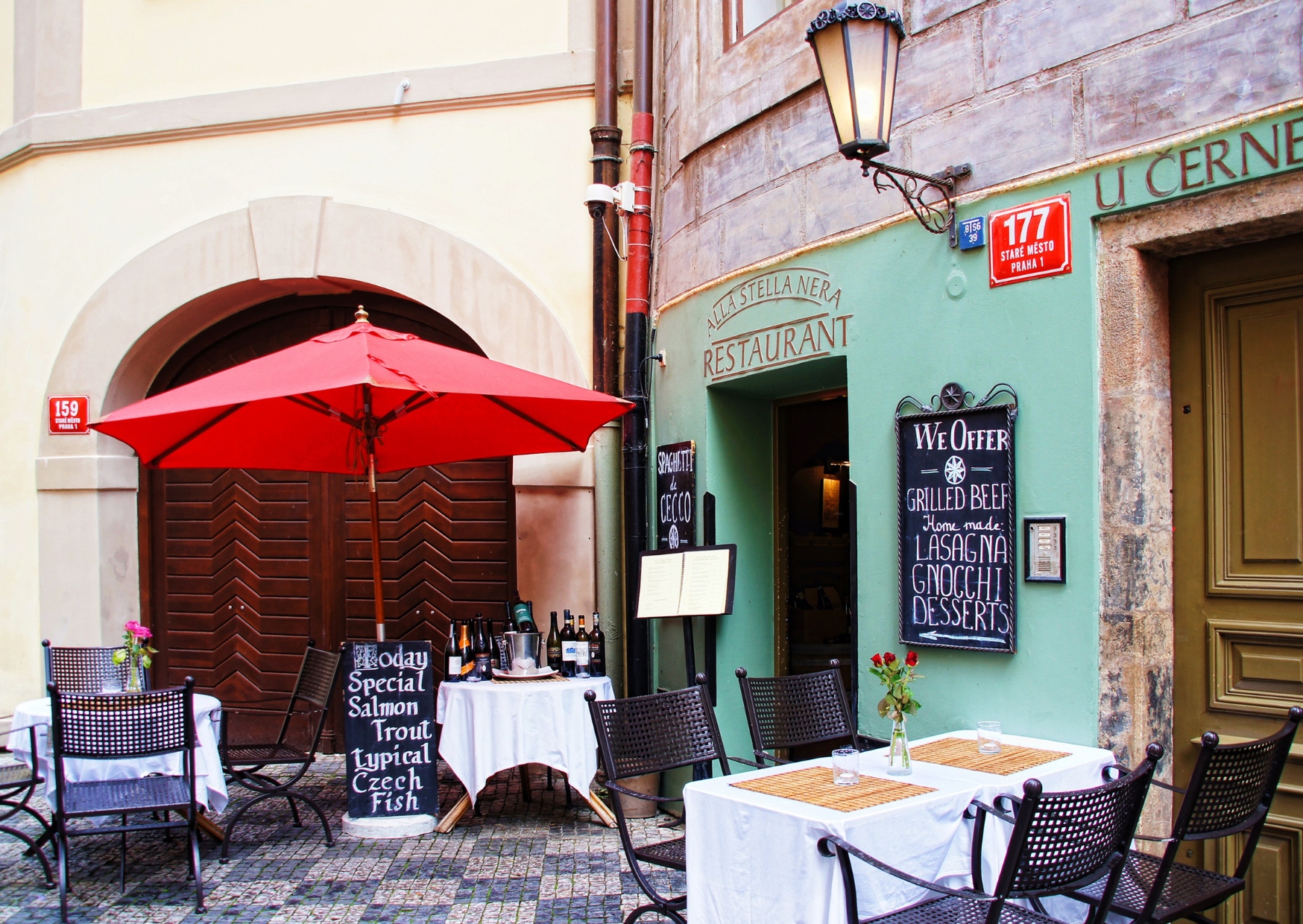
The terminal is where nerves show. You can avoid the awkward shuffle with a handful of clear phrases and one habit, say the number first.
When the server approaches with the handheld and says, “The total is 742,” you answer “Osm set, prosím,” eight hundred please. The server enters 800, shows you the screen, you tap. If the device pops up a list of tip choices, pick 5% for a modest thank you or 10% for strong service, or tap skip and read the total to make sure it matches what you said. If you want to pay in cash for the tip but card for the bill, say “Účet kartou, spropitné v hotovosti,” bill by card, tip in cash, and the server will nod.
Two small details keep things clean. First, if a terminal asks whether you want to pay in CZK or USD, choose CZK. Paying in dollars invites a conversion fee you do not need. Second, if you prefer no tip on card, say it upfront and put a few coins or a small note on the tray. Nobody will flinch.
If you are splitting among friends, decide zvlášť or dohromady before the terminal arrives. “Zvlášť, prosím,” separate checks please, works in many places but not all. If the house prefers one bill, hand a single card and sort the math with your friends on the back end. Do not force eight tiny card transactions at a busy café. Prague runs on speed and kindness.
5) The Simple Playbook: From Bill To Thanks In Four Moves
You do not need charts. You need a repeatable four-move routine. Each step has a scan-hook that makes service smoother, and each one takes under five seconds.
Move one: read and decide. Glance at the total. Decide your final number in your head. For 742, ask yourself if you are feeling 760, 780, or 800. If service was strong, pick 800. If it was fine, pick 780. You just did the math the local way, round and smile.
Move two: say it first. Before the server taps the device, say “Osm set, prosím,” or “Zaokrouhlíme to na osmdesát,” meaning round to eighty, where the tens place is implied by context. On cash, add “Zbytek je pro vás,” the rest is for you, if you have already handed over a higher bill. Saying the number first avoids mis-keys and keeps the whole interaction pleasant.
Move three: confirm the display. On a card terminal, glance at the screen. Does it say 800. If it shows a tip menu and you prefer a percentage, pick 5% or 10%. If it shows your round number, tap. No signatures, no pen, no line. If you are cash, count change briefly out of courtesy.
Move four: close the loop. A simple “Děkuji, nashledanou,” thank you, see you, is the local close. If you were delighted, a short sentence makes a friend, “Bylo to výborné, děkuju moc,” it was excellent, thank you very much.
That is it. Read, say, confirm, thank. The room likes you more when you are quick and clear.
6) Edge Cases, Red Flags, And When To Push Back Nicely
Most of Prague is straightforward. A few patterns still trip up visitors. Here is what to watch for, and how to handle each one without turning dinner into a debate.
Surprise percentage “service.” If your bill shows “service 10%” and you never saw a note in the menu, ask politely, “Kde je to uvedeno v jídelním lístku, prosím,” where is this written in the menu. Czech consumer authorities have penalized places for opaque add-ons, and the tolerated version is a fixed-crown fee listed clearly before you order, not a mystery percent at the end. If the staff can show you the fixed fee on the menu, accept it and avoid double tipping. If not, you can refuse the add-on and pay the menu price. Transparency, not argument, is the rule that protects you.
Large group add-ons. For big tables, some restaurants publish a per-person service fee or a minimum spend. Again, legality hinges on clarity in the menu or written terms, not on surprise. If it is printed and you agree to it by staying, fine. If it is sprung on you, you can push back gently by pointing to the menu.
Cover charges. A few places list a small “couvert” or table charge. It is not the norm, and it should be clear on the price list if used. Treat it like a nominal fee for bread or setup, and tip only on what feels fair after that. If there is confusion, ask and decide whether you want to stay next time.
Terminal tip prompts in English only. Some devices default to languages and high percentages on tourist streets. You can still say “Zaplatím osmdesát,” I will pay eighty, and the staff will key the number manually. You choose the math, not the machine.
Coins and tiny tips. Leaving a spill of small coins after a long sit-down meal reads sloppy. For coffee, it is fine to drop ten or twenty koruna. For a real meal, make it a clean fifty or a round total. Round, do not sprinkle is the happy middle.
When service failed. If a meal truly disappointed, you can tip less or not at all. Tipping is a voluntary thank you, not a tax. If you want to be kind and clear, say “Prosím jen celkem,” just the total, please, and pay the exact amount. If you have a specific complaint, a calm sentence to the manager goes further than the tip itself.
7) Where Your Habit Should Change And Where It Should Not
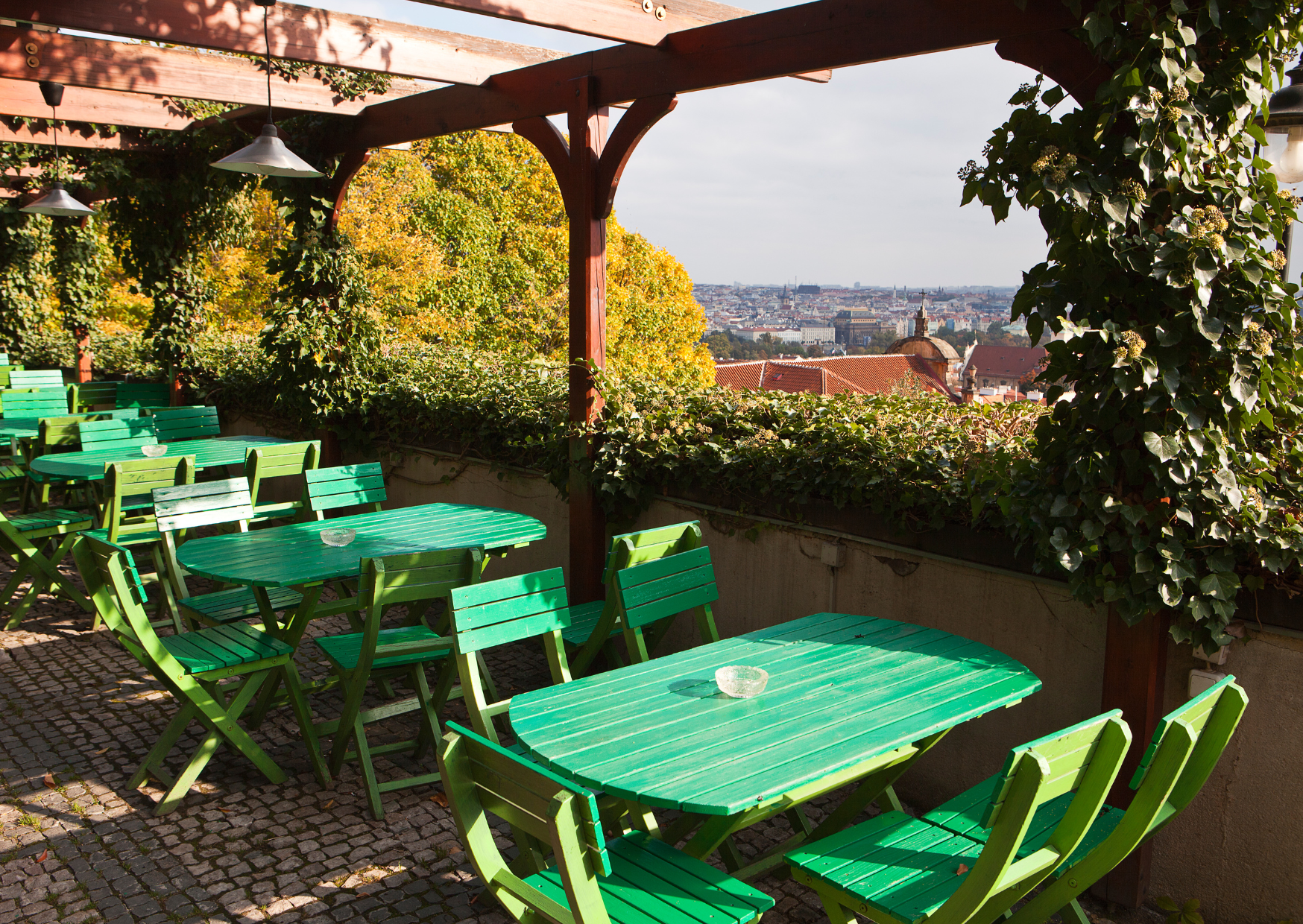
Prague is not one big dining room. Adjust your tip to the format, and your behavior will match what locals do without overthinking.
Coffee bars and bakeries. At the counter, round up or drop a 10–20 CZK coin in the jar. If a server brings drinks to the table and clears, you can leave ten percent on a larger check, but it is not a rule. The smoother move is to round the total on the terminal or in cash.
Pubs and beer halls. For a couple of rounds, round each bill or add a simple ten percent once at the end if a single server looked after you. In noisy halls, tell the number loudly and early. Nobody wants your mental arithmetic in a crowd.
Casual restaurants. Five to ten percent or a round number. You do not need to climb higher unless service made your night. If you are paying by card, say the final amount. If the terminal shows a percentage menu, ten percent is already generous.
Fine dining. If you sought out a Michelin name and the service sang, locals will sometimes go beyond ten percent. State a clean amount, round your tasting menu total, and keep the elegance in the same math you used elsewhere, no drama, just a number.
Taxis and ride-hail. For street cabs, round up the fare to a clean number. In ride-hail apps, tap a small preset or skip without guilt. You can say “Zaokrouhlíme to,” let us round it, to a driver and be done.
The thread that ties it all together is the same, round or add a small thank you, then say the total out loud. That is how locals keep lines moving and kindness visible.
8) The Czech You Actually Need At The Bill
A few tiny phrases make the bill dance painless. You do not need grammar. You need clear signals.
- Účet, prosím. The bill, please.
- Kartou / Hotově. By card, cash.
- Zaokrouhlíme to na [číslo], prosím. Let us round it to [number], please.
- [Číslo], prosím. [Number], please.
- Zbytek je pro vás. The rest is for you.
- Jen celkem, prosím. Just the total, please.
- Zvlášť, prosím. Separate checks, please.
- Dohromady. Together.
- Bylo to výborné, děkuju. It was excellent, thank you.
Say one or two of these, smile, and the server will do the rest. The goal is not polished Czech. The goal is to drive the process with kindness and clean numbers.
9) A Few Numbers That Keep You Grounded
If you like rough anchors, these will keep your instincts from drifting.
- Rounding beats precision for everyday meals. On a 300–500 CZK lunch, round to a clean 320, 350, or 550. On a 700–1,200 CZK dinner for two, 50–100 CZK is an ordinary thank you, 10 percent is generous.
- Taxes are not extra. Menus and price boards display final prices including VAT. You should not see a tax added separately at the last step.
- Service is not a stealth tax. If a place uses a service fee, the acceptable version is a fixed-crown amount printed in the menu or on a sign before you order. You then do not need to tip on top unless service was special.
- Card tipping is normal. Many terminals now present tip buttons. If you prefer a round number, say it and ignore the buttons.
- Cash still wins for speed. A round cash total with one sentence is the fastest way to leave a table. Use coins for coffee, notes for meals.
Hold these in your mind and you will never touch your calculator again.
10) What This Means For You
Prague is not testing your generosity. It is testing whether you can change scripts. If you insist on American math, you will keep calculating, double tipping on a tax-inclusive bill, and wondering why the terminal has no line to sign. If you switch to Prague math, you will say the total, round up, and leave gracefully.
The payoff is bigger than saving a few crowns. You stop being the slow table. You stop arguing about surprise percentages. You start looking like a person who can travel without making the room do your math for you. Which is, in a city that values calm and clarity, the best tip you can give.

About the Author: Ruben, co-founder of Gamintraveler.com since 2014, is a seasoned traveler from Spain who has explored over 100 countries since 2009. Known for his extensive travel adventures across South America, Europe, the US, Australia, New Zealand, Asia, and Africa, Ruben combines his passion for adventurous yet sustainable living with his love for cycling, highlighted by his remarkable 5-month bicycle journey from Spain to Norway. He currently resides in Spain, where he continues sharing his travel experiences with his partner, Rachel, and their son, Han.