
Last updated on February 15th, 2026 at 02:21 pm
Imagine a classroom that begins later, plays more, tests less, and still sends confident readers and problem solvers into the world.
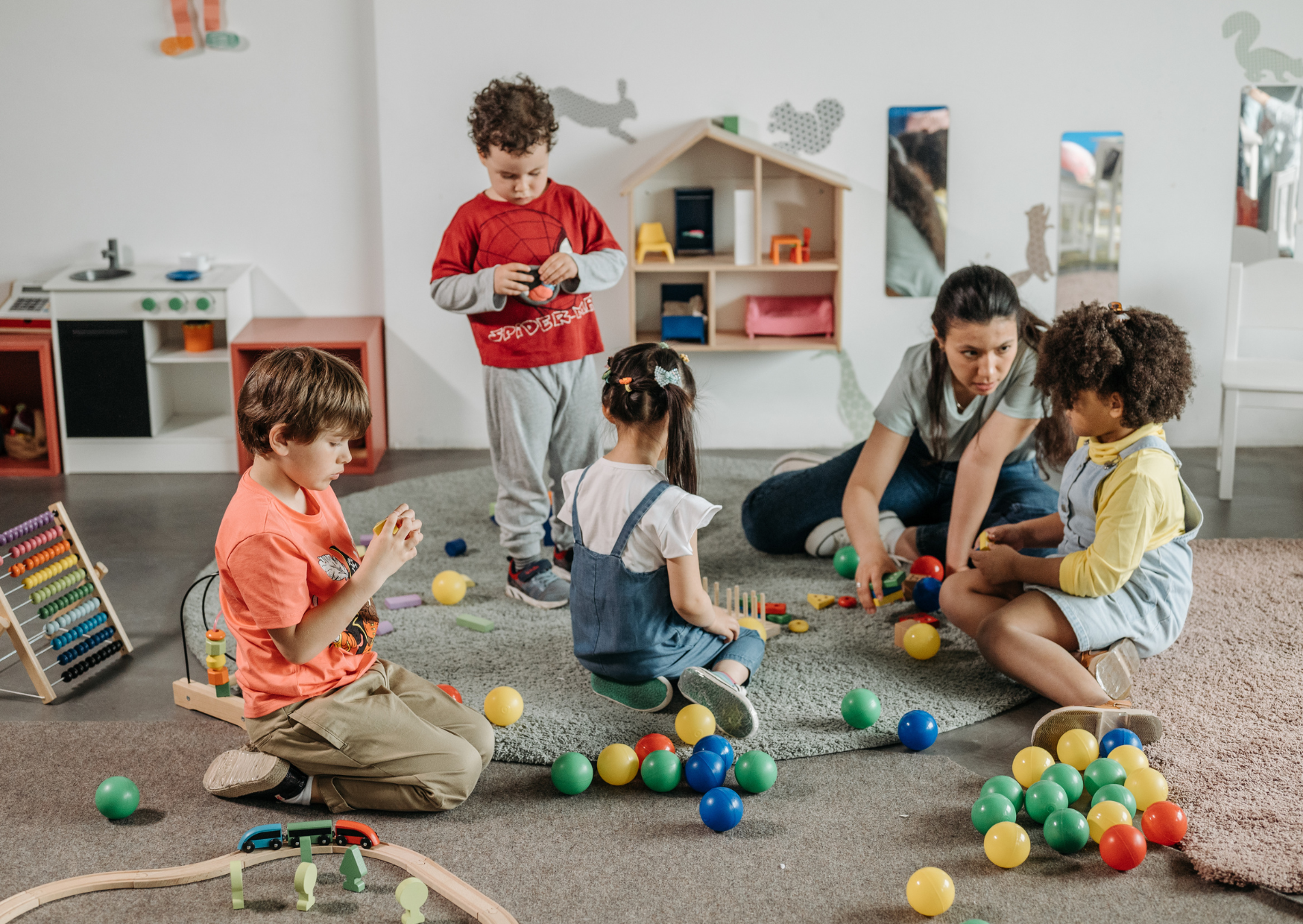
You picture first grade at seven, not because anyone dragged their feet, but because six year olds spend a year in pre primary that looks like childhood and feels like school readiness. Blocks, songs, stories, and outdoor time carry language, number sense, and patience without grinding through worksheets.
By the time formal lessons start, children arrive rested, curious, and used to moving their bodies between bursts of focus. Teachers do not rush literacy; they layer it. Breaks are frequent. Lunch is hot and free. Homework is light enough that kids still chase each other at the park.
If you grew up with the idea that more hours, more tests, and earlier academics must mean better results, Finland is the counter example. The kids start later, the days breathe more, and the outcomes still land near the top of the charts where it counts.
Below is how the system works, what the data actually shows, and which parts any U.S. district could copy without waiting for a miracle policy.
Want More Deep Dives into Everyday European Culture?
– Why Europeans Walk Everywhere (And Americans Should Too)
– How Europeans Actually Afford Living in Cities Without Six-Figure Salaries
– 9 ‘Luxury’ Items in America That Europeans Consider Basic Necessities
Quick Easy Tips
Encourage independent problem solving before giving answers. Let children attempt solutions first.
Limit unnecessary academic pressure in early years. Curiosity grows better in low stress environments.
Promote daily reading as enjoyment rather than assignment. Interest builds consistency naturally.
Protect unstructured playtime. Creativity and attention improve when imagination is exercised regularly.
Many people assume that earlier schooling automatically produces smarter students. The logic seems simple: more classroom hours should equal more learning. Yet the comparison challenges this belief, suggesting that readiness may matter more than exposure. Beginning formal academics later does not necessarily mean learning less; it may mean learning at the right developmental stage.
Another debated issue is homework and testing. Systems that rely heavily on constant assessment argue it builds discipline and accountability. Critics respond that excessive evaluation can shift attention from understanding to performance, encouraging memorization rather than curiosity. The disagreement centers on whether pressure motivates or narrows learning.
There is also conflict around play. Some view play as a break from education, while others see it as foundational cognitive training. When children explore freely, they practice problem solving, negotiation, and creativity without structured instruction. The controversy comes from defining what counts as real learning.
Finally, cultural expectations complicate comparisons. Academic achievement is often treated as a direct result of school policy, yet family habits, teacher autonomy, and social trust influence outcomes as well. Focusing only on starting age risks overlooking the broader environment supporting development.
1) What “Starting at 7” Actually Means

Compulsory basic education in Finland begins the year a child turns seven, which sounds late only if you ignore what happens at six. Pre primary is a universal, play based bridge that nudges children into school habits while protecting early childhood. The national core curricula for early childhood and pre primary are explicit, they build language, social skills, and self regulation through guided play, songs, stories, and simple projects. In other words, late is not lost, it is preparation done right.
There is nothing accidental here. The Ministry of Education sets a common structure, municipalities deliver locally, and teachers align to national aims while choosing methods that fit their group. Families are not racing to cram phonics at four. They are watching children arrive at seven ready to sit, listen, and try, because play first produced the stamina school requires.
The effect shows up in the day to day. First graders are not forced to behave like small adults. Lessons are short, movement is frequent, and teachers carry the load of planning and pacing, not the stopwatch.
2) Results, With Numbers Instead of Hype
When people say Finnish students “do better,” you should ask, better in what. The most recent PISA results show a math and science edge for Finland over the United States, with reading close either way. In mathematics, Finland’s 15 year olds scored higher than their American peers. In science, the same pattern holds, Finland on top. In reading, U.S. students posted a modest advantage. The point is not bragging rights, it is that a later start does not hurt, and in two of the three core subjects, it lines up with stronger results.
Zoom out and you also see equity focus. Finland performs above the OECD average in core subjects while keeping gaps tighter than many systems. The United States posts a stronger reading score, a weaker math score, and a solid science score, with much larger spreads tied to poverty and place. Both countries saw declines after the pandemic, but the contrast remains, later start, calmer days, competitive outcomes.
If you are an American educator or parent, the takeaway is not that Finland is magic. It is that fewer hours and earlier stress are not prerequisites for learning. The design of the day and week matters more than how early you collect a letter grade.
3) The School Day Is Built For Brains, Not Burnout
The Finnish schedule protects attention. A typical basic education lesson runs 45 minutes, then students take 15 minute breaks, often outside, before the next block. Those pauses are not perks, they are policy baked into how schools allocate time. Movement resets focus, outdoor air cools tempers, and teachers plan knowing they will get children back with energy to spend.
Food policy pulls the same direction. Every student, from pre primary through upper secondary, receives a free, hot school meal that is designed to cover roughly a third of daily nutrition. It sounds small until you realize what it enables, no hungry kids wobbling into math at one in the afternoon, no family paperwork to clear a cafeteria line, no stigma.
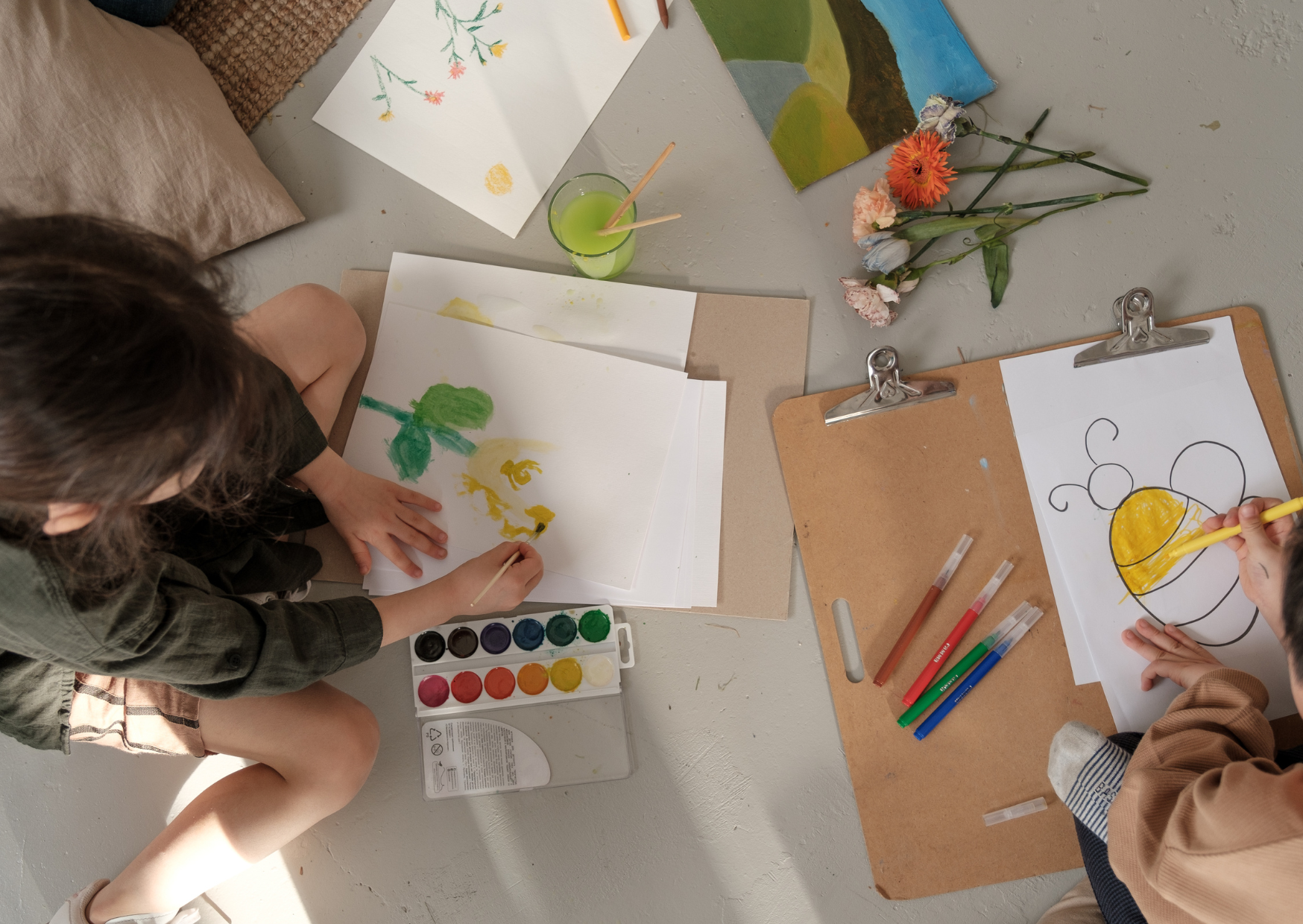
Assessment follows the same logic. There are no routine national exams in primary or lower secondary. Teachers assess against the national core, municipalities sample to monitor quality, and the only high stakes test comes at the end of upper secondary. Less test prep opens time for experiments, projects, and slow reading, the kind of work that builds durable skill.
4) Teachers And Trust, The Quiet Engine
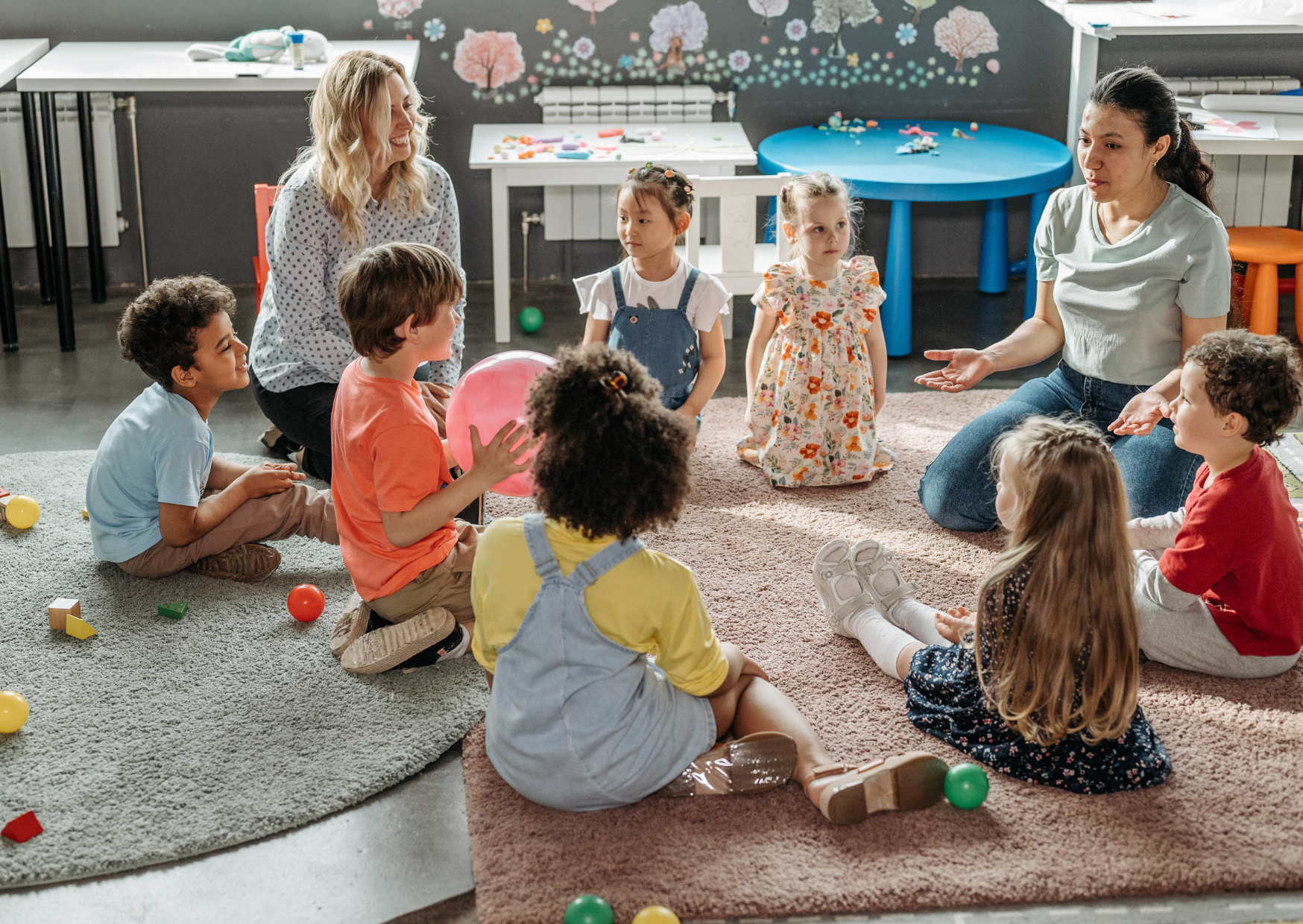
Finland did not get here by accident. Master’s trained teachers are the norm in primary, lower secondary, and upper secondary, and teacher education is competitive. Universities select for academic strength and professional fit, then train deeply in pedagogy, child development, and subject matter.
Once in schools, teachers are trusted. They work from a shared national core curriculum, yet enjoy real autonomy in methods, pacing, and materials. Principals lead instructional cultures rather than compliance regimes. There is external evaluation, but it samples, it does not dictate. When you hire well and train well, you can loosen the reins without losing the plot.
Structure also matters outside the classroom. Finland has few private schools at the basic level, and most of those are publicly funded and supervised. Families choose schools based on proximity and fit, not brand wars. It lowers noise, reduces gaming, and lets teachers teach.
5) Early Support Before Kids Fall Behind
The system assumes some children will wobble, then plans for it. Support comes in three tiers, general, intensified, and special. Classroom teachers start where the need appears, add targeted help, and escalate to formal special support when necessary. The goal is inclusion as default, pull students in, not out, and catch problems early before they harden into failure stories.
Because the tiers are a known part of basic education, parents do not feel that asking for help brands a child forever. Schools can move up or down as needs change. It is a practical way to protect equity without burying teachers under paperwork.
6) Play, Movement, And Homework That Knows Its Place
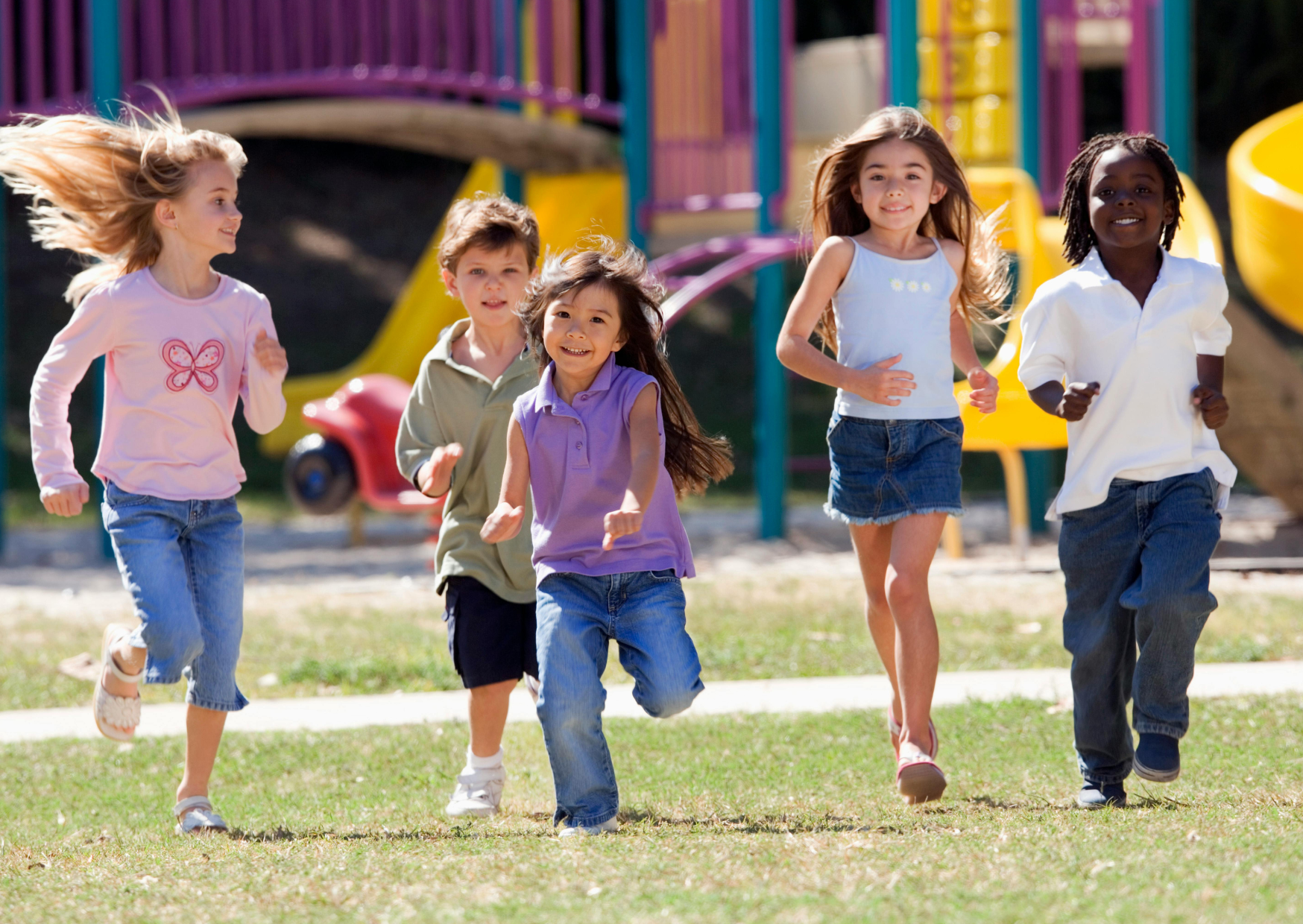
Recess is sacred. Those frequent breaks are outside whenever weather allows, which in Finland is most days with a jacket. Children practice balance and risk safely, then return to class with calmer bodies. Teachers get time to prep and reset, which raises the quality of the next lesson.
Homework exists, but it is light in international context. OECD analyses of earlier PISA rounds put Finnish 15 year olds near the bottom of weekly homework time, while American students reported roughly double. The key is not zero homework, it is right sized assignments that reinforce learning without crowding out sleep or play. Kids do not need to drag backpacks of worksheets to prove they tried.
After school life carries the rest. Music schools, sports clubs, and neighborhood play fill afternoons. The system is not asking an eight year old to prove grit, it is asking them to grow, which ironically produces the stamina everyone wants by middle school.
7) So What Should The United States Copy, Right Now
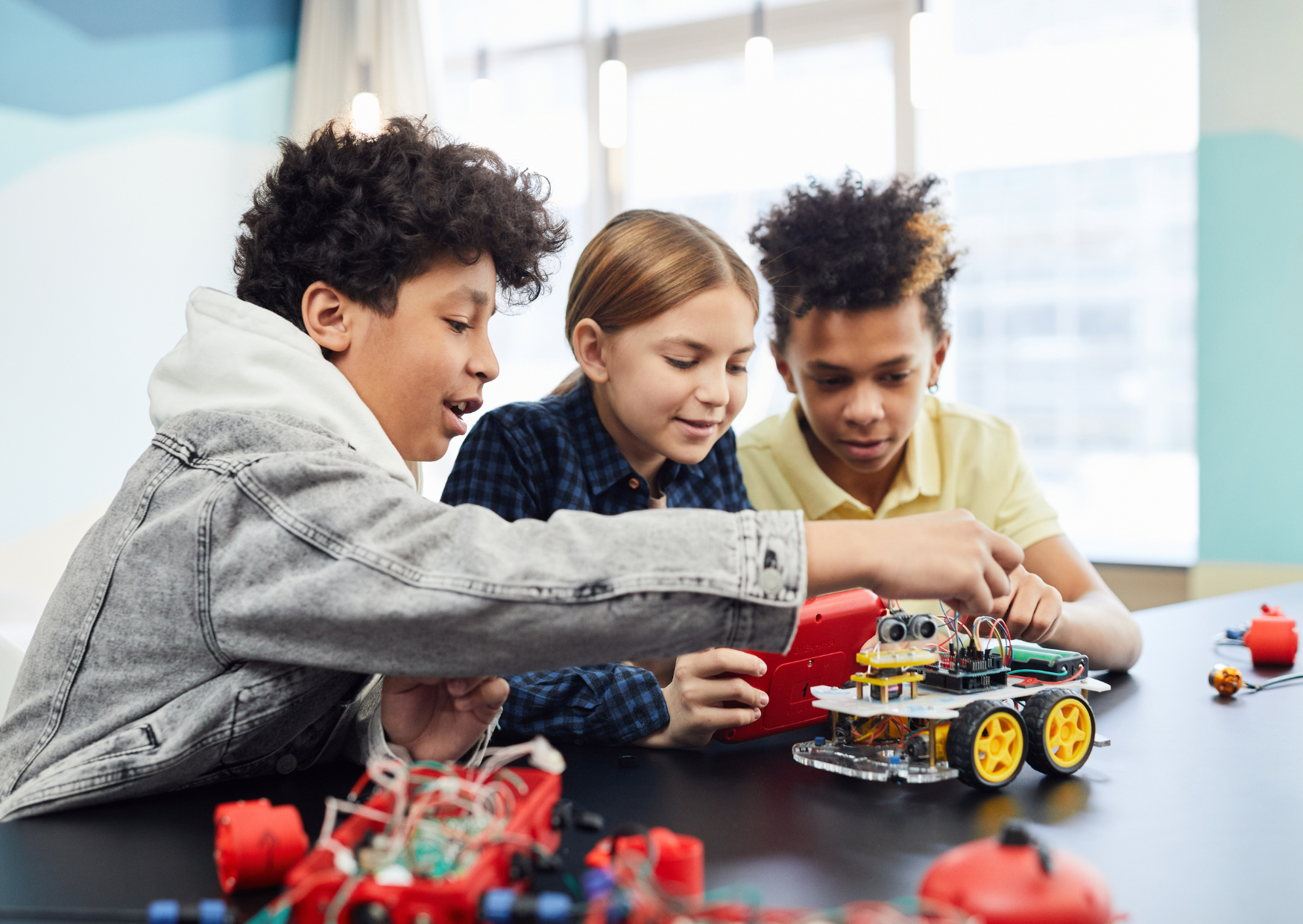
You do not need to move to Helsinki to borrow the parts that work. Start with the shape of the day. Block lessons at 45 to 50 minutes, protect 10 to 15 minute breaks, get kids outside. If a district insists on longer blocks for logistical reasons, add movement resets every half hour. Brains need rhythm.
Invest in pre primary that plays. Universal pre K is not a babysitting program, it is where language, number sense, and self regulation come from. Make the year before first grade a gentle bridge with trained teachers, small group work, and outdoor time. That is how seven feels like the perfect start rather than a delay.
Raise the bar for teacher preparation while raising respect. Where possible, move toward clinical, graduate level preparation for elementary teachers, mentor new teachers well, and give them scope to teach once they arrive. You will not get Finland’s outcomes with a churn and burn pipeline.
Trim test clutter in the early grades. Keep periodic checks to catch gaps, remove redundant benchmark batteries, and let teachers spend saved hours on actual instruction. Pair this with specialized tiered support so struggling students get help quickly.
Feed children well, no forms at the line. A free hot meal during the school day is not a frill. It is an attention policy and a dignity policy wrapped together.
Finally, build walkable school campuses and safe routes so recess and arrival already include movement. Add benches and shade. The environment should serve learning, not demand heroics.
8) What This Means For You
The headline is not that Finnish children are naturally gifted, it is that their days are designed for learning. They start formal school later because the year before is doing serious, playful work. They move between lessons, they eat well, they are taught by experts with room to teach.
American children are not behind by destiny. They are often boxed into schedules and systems that ignore how brains develop. Shift the day, trust teachers, protect play, feed kids, and bring help early, and you get more of what everyone wants, attentive first graders who become capable teens.
If you want better outcomes without burning out families and staff, follow the pattern that keeps seven year olds smiling on the walk to class. Shorter bursts, more breaks, strong teachers, fewer gimmicks. The age on the calendar matters less than the design of the day.
Final Thoughts
Education works best when it aligns with how children naturally grow. Pushing structured academics too early may create short-term gains but reduce long-term engagement. A slower introduction can build confidence before complexity.
Strong systems often prioritize depth rather than speed. Instead of racing through material, they allow mastery to develop gradually. Students who feel capable tend to participate more actively and retain knowledge longer.
Balance also matters. Emotional security, independence, and curiosity shape learning as much as curriculum. When these develop first, formal instruction becomes easier rather than stressful.
Ultimately, success is less about when education begins and more about how it unfolds. A thoughtful pace can transform school from obligation into exploration.

About the Author: Ruben, co-founder of Gamintraveler.com since 2014, is a seasoned traveler from Spain who has explored over 100 countries since 2009. Known for his extensive travel adventures across South America, Europe, the US, Australia, New Zealand, Asia, and Africa, Ruben combines his passion for adventurous yet sustainable living with his love for cycling, highlighted by his remarkable 5-month bicycle journey from Spain to Norway. He currently resides in Spain, where he continues sharing his travel experiences with his partner, Rachel, and their son, Han.