
Imagine finishing lunch, walking back to your desk, and breaking exactly two neat squares of dark chocolate onto a saucer instead of hunting the office for a brownie the size of your hand.
You sit down, not standing at the fridge. You pair the chocolate with coffee or tea. You breathe for a moment, let the first bite melt, then the second. Wrapper closed, day continues.
That is the rule in plain language. Two squares, seated, with a drink, once a day. Not every day if you do not want to, but when you do, that is the shape. It is a small ritual that reveals a larger pattern in French dining: treats are deliberate, portioned, and folded into mealtimes rather than grazed between them.
Below is how to make this work at home without turning it into a diet, why the tiny ritual shuts down the urge to inhale a full bar, how to buy the right chocolate, and a dessert you can make when you want more than a square yet still avoid a runaway pan. There is even a two-minute stovetop method that fits weeknights. You will end with a workable, delicious plan, not a lecture.
1) The Rule, In One Line, And Why It Survives
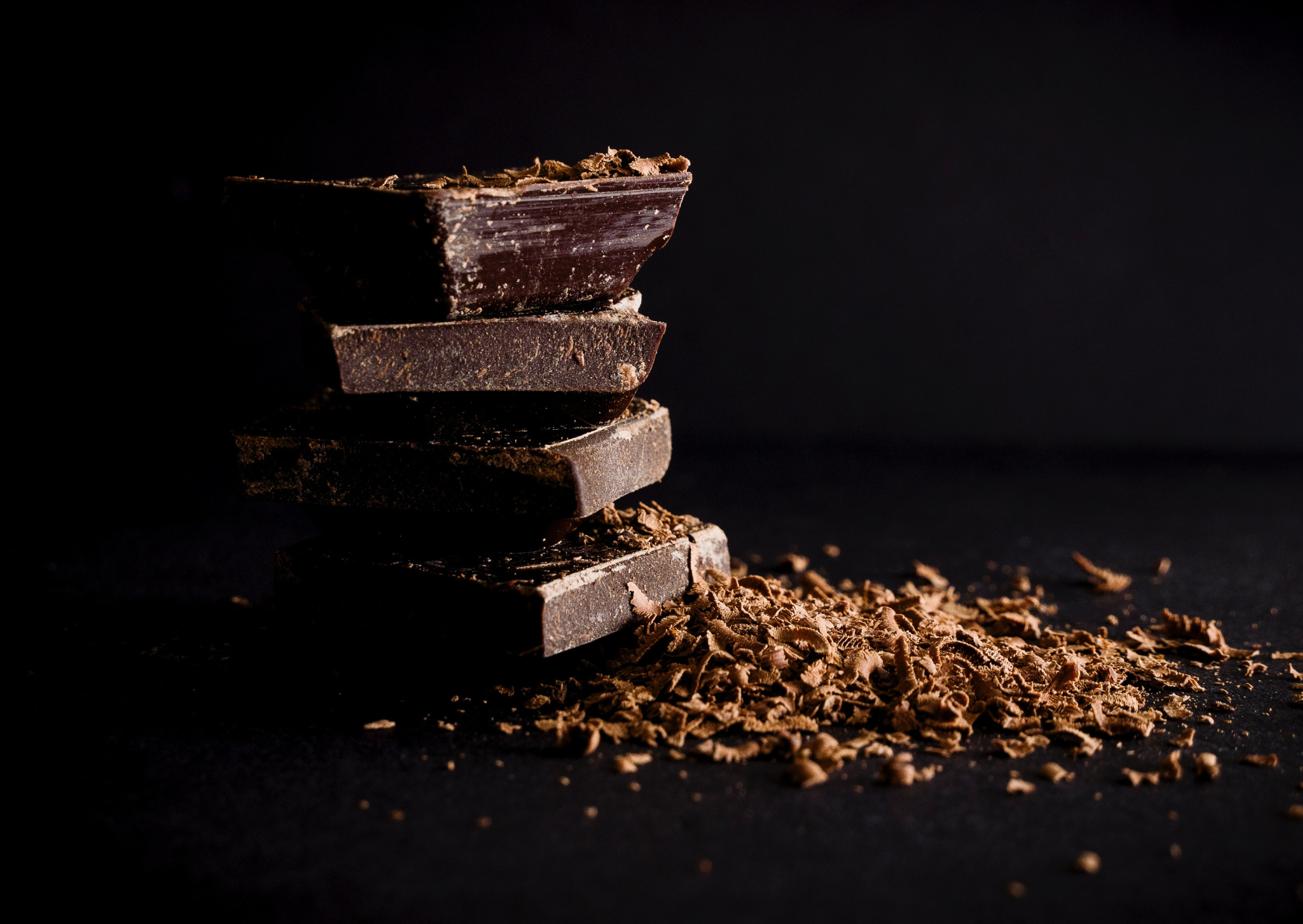
The French women’s chocolate rule is more habit than law: two squares, seated, with something hot, usually after lunch or dinner. That phrasing carries three anchors.
First, portion by sight, not by feel. Squares are pre-portioned by the maker. You do not negotiate with yourself about “one more spoonful.” Second, pair with a beverage. Heat slows you down and extends the flavor. Third, attach chocolate to a meal, not to boredom. When a treat is folded into an existing pause, it stops being an emergency snack. The result is no grazing, no bottomless bag, no guilt spiral.
Behind the scenes is a simple bit of human physiology called sensory specific satiety, the mechanism by which a flavor satisfies itself after a few exposures and your desire moves on. The more focused you are on the chocolate, the faster you reach “enough.” When you scatter bites across an hour while doing email, you never hit that finish line. A two-square ritual asks you to pay attention, which is why small amounts feel complete. PubMed+1
Layer a second human quirk on top: rituals make flavors stronger. Tiny scripted acts, like placing squares on a saucer, sitting, and inhaling once before biting, measurably increase enjoyment and perceived value. More pleasure per gram means you do not chase more grams. The two-square rule works because it is a ritual, not a restriction. PubMed
2) Why It Works Better Than “Be Good”
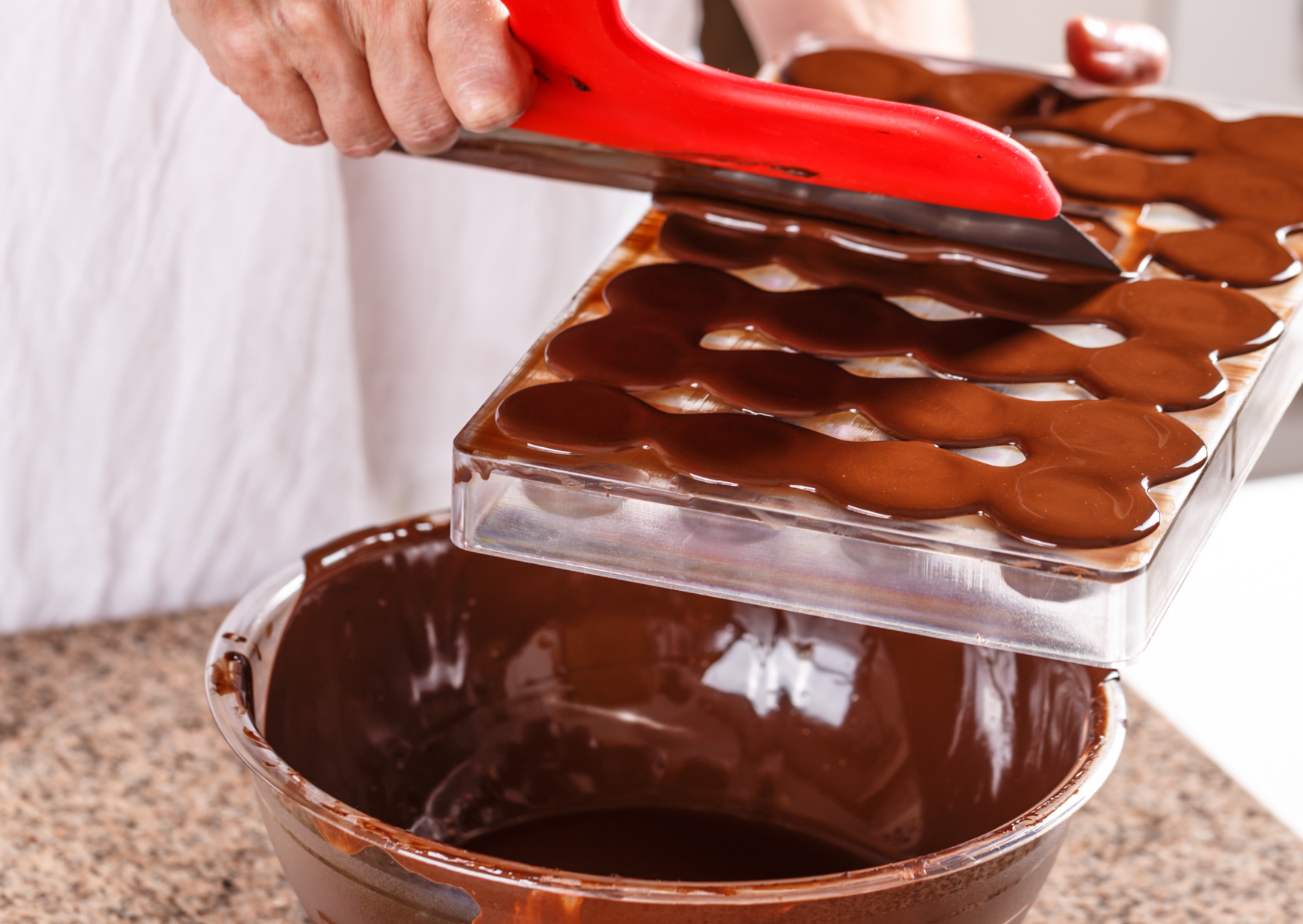
You have probably tried two strategies that do not stick: abstain forever or count everything. The first breaks on a random Thursday. The second dies in a spreadsheet. The two-square habit survives because it is automatic and sensory, not moral.
- Higher cacao, stronger signal. Chocolate in the 70 to 85 percent range has a firm snap, a bitter edge, and a long finish, which satisfies faster than a milky bar designed to disappear. The bitterness is not a punishment. It is the flavor that tells your brain “done.” The Nutrition Source
- Timing steals oxygen from cravings. Adding chocolate to a meal folds it into satiety from protein, fat, and fiber. A treat at 3 p.m. after a salad is whiplash. A treat after lunch is a period at the end of a sentence.
- Ritual replaces willpower. You do not white-knuckle a rule that is easy and repeatable. You plate two squares, you sit, you sip, you stop. Fewer decisions equals fewer failures. PubMed
French eating patterns also help. Meals are scheduled. Snacking exists, but the day still orbits decently sized lunches and dinners. Anchoring chocolate to that rhythm means you do not open and close a wrapper twelve times. You open it once, then you are done. Insee
3) Buy Like A Local: What Chocolate To Choose
You do not need a boutique bar to do this well, only clear targets on the label.
- Cacao percentage: aim for 70 percent or higher. The higher the cocoa solids, the more pronounced the flavor and the less sugar per square. Start at 70, climb toward 80 if you love intensity. The Nutrition Source
- Cocoa butter, not vegetable oils: read the ingredients. Classic dark chocolate is cocoa mass, sugar, cocoa butter, emulsifier, vanilla. Avoid bars bulked with palm or other added fats. European labeling rules define chocolate styles precisely so you can compare apples to apples. EUR-Lex
- Texture tells truth: a clean snap when you break a square and a satiny melt on the tongue signal good temper and decent cocoa butter content. Waxy means filler or poor temper.
- Origin vs blend: single origin bars spotlight terroir. Blends tend to be smoother and cheaper. Either is fine if you like the flavor.
Shop once for the week. Wrap the open bar tightly, then tuck it in a hard container so it does not pick up fridge smells. If your climate is hot, chill the container and bring it out a few minutes before you eat so the chocolate can come back to room temp.
4) The Two-Square Ritual: Small Actions That Kill The Binge
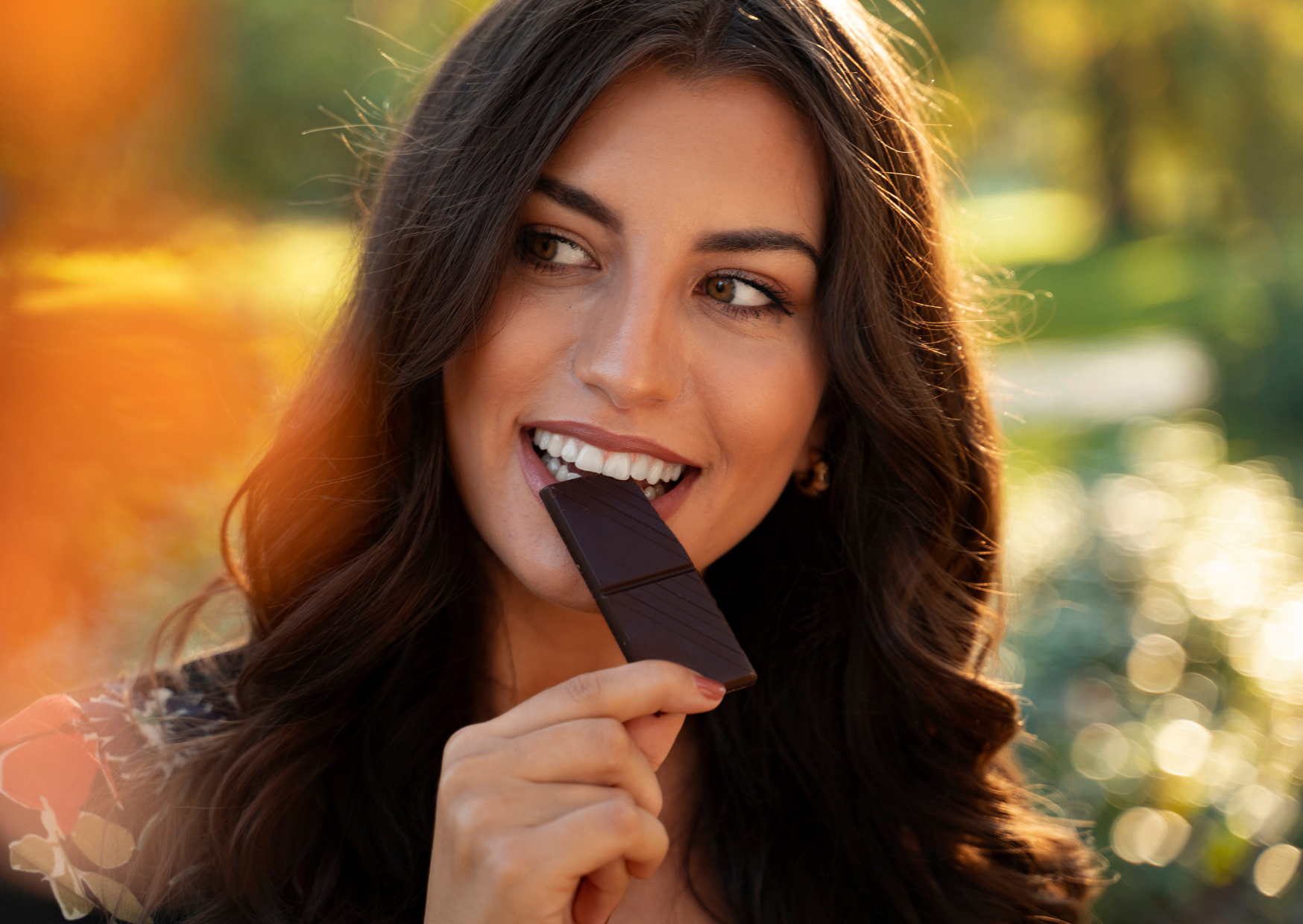
Here is the habit, step by step. It looks trivial. That is the point.
- Choose the moment. After lunch or after dinner. Tie it to dishes cleared, not to stress.
- Plate it. Put two squares on a saucer or tiny plate. Put the bar away. Clear wrappers. The eye believes what it sees.
- Make a cup. Espresso, black coffee, mint tea, or hot water with lemon. Heat slows eating and opens aromas.
- Sit. You need ninety seconds of attention, not ten steps of pacing.
- Smell, then bite. Let the first piece melt. Bite the second. Sip.
- Finish the cup, not the bar. When the drink is gone, so is the moment.
If you want to get fancy once a week, add a pinch of flaky salt or a drop of good olive oil to a square. The pairing pushes flavor forward without pushing portion size.
5) The Weeknight Recipe: Petits Carrés Pan-Slab
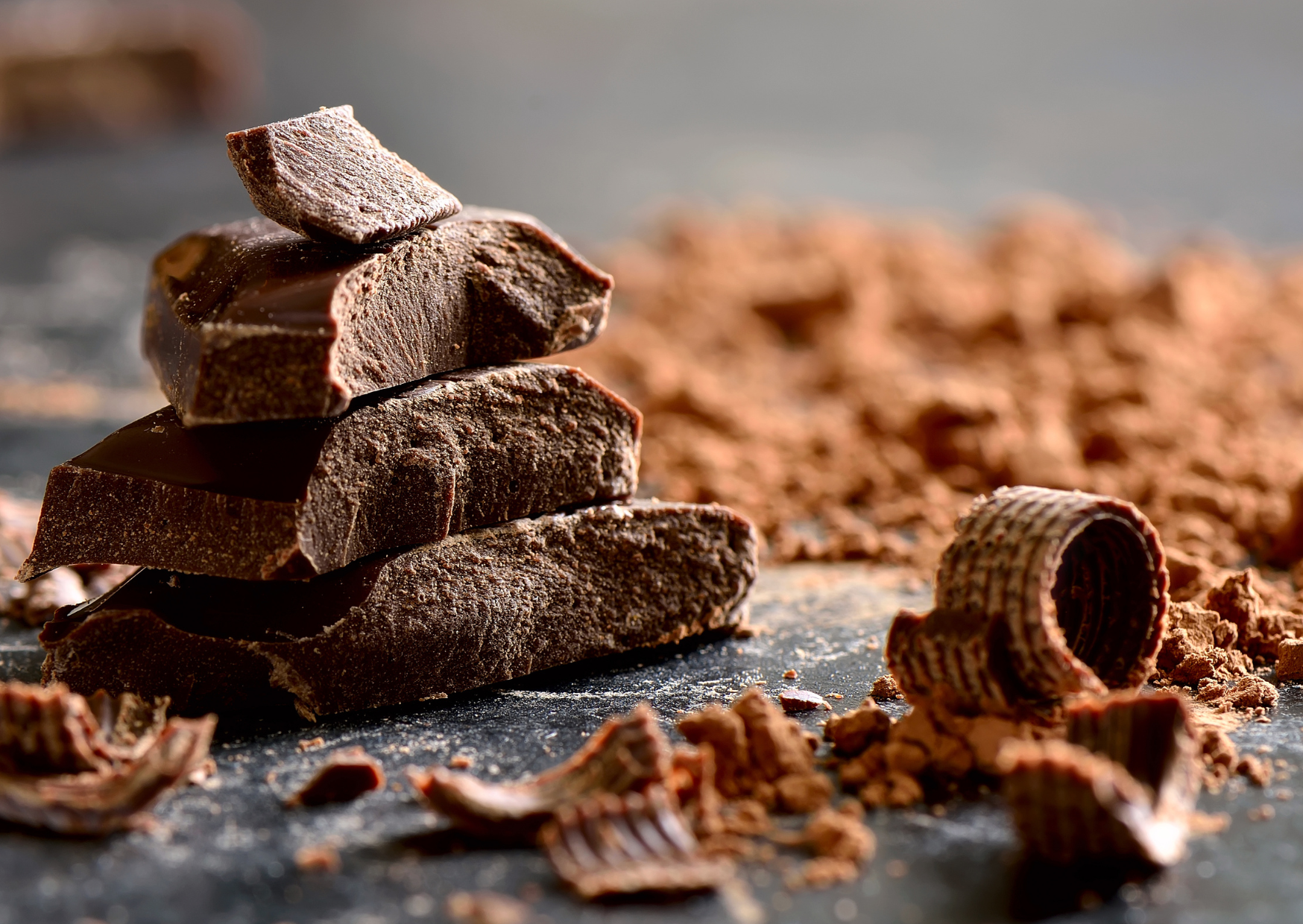
A rule is only useful if it survives real life. When you want something homemade but still controlled, make one thin pan of chocolate you can break into tiny squares and keep for the week. This gives you texture variation and the pleasure of making without a 9-inch brownie calling your name at midnight.
Origin and context
In French kitchens, chocolate often appears as thin shards with coffee, not as a whole cake. This riff gives you that vibe at home. It is essentially a fail-safe seeding temper that sets glossy, then breaks clean.
Ingredients
For about 24 small squares:
- 200 g dark chocolate at 70 to 80 percent, chopped fine
- 1 tsp neutral oil or cocoa butter, optional for shine
- Big pinch flaky sea salt
- Optional add-ins, choose one: 30 g toasted nuts chopped, or 20 g cacao nibs, or 1 tsp orange zest
- Optional finishing: 1 tsp good extra virgin olive oil to drizzle on plated pieces
U.S. conversions: 200 g is about 7 ounces. A big pinch of salt is about one-third teaspoon, but use fingers. If you do not own a scale, use two standard 3.5 oz bars and leave a few squares aside for seeding.
Method
- Line and warm: Line a quarter-sheet pan or 20 by 20 cm tray with parchment. Put the tray in the freezer for 3 minutes, then remove. You want it cool, not icy.
- Melt most of the chocolate: In a clean dry bowl set over steaming water, melt two thirds of the chopped chocolate with the oil if using, stirring gently until just fluid. Remove from heat while it is still a little thicker than hot cocoa.
- Seed and stir: Off heat, add the remaining third of chopped chocolate. Stir in slow circles for 2 to 3 minutes until the mass is glossy and slightly thickened. You just seed tempered the chocolate without a thermometer.
- Spread thin: Pour onto the lined tray and coax into a 2 to 3 mm sheet with an offset spatula. Sprinkle salt and your chosen add-in.
- Set and score: Let sit at cool room temp for 15 to 20 minutes. When the surface loses its wet shine, use a butter knife to lightly score a 4 by 6 grid. Do not cut through.
- Finish set: Slide into the fridge for 10 minutes to firm completely. Lift by the parchment and snap along the score lines. Store in an airtight container at room temp if cool or in the fridge if warm.
Why it works
- Thin means intense. A sliver hits your palate fast, then leaves, which is perfect with coffee.
- Seeding temper gives you snap and gloss with no gear, which makes your brain register “treat” at a higher level per gram.
- Scoring channels the break so you get neat squares that match the ritual.
Substitutions and swaps
- Nuts: hazelnuts are classic, almonds are cheaper. Toast either at 170 C or 340 F for 8 to 10 minutes until fragrant.
- Dairy free: this recipe is naturally dairy free if your chocolate is.
- No seeds, no zest: keep it plain. Salt alone makes the chocolate taste bigger.
- If it blooms: if the slab goes dull or streaky in the fridge, it is still delicious. Pop it in the mouth, close your eyes, carry on.
How to use
Plate two small squares like you would factory squares. Add coffee or mint tea. Put the tin away. That is the entire assignment.
6) The Weekend Dessert: Pot de Crème In Espresso Cups
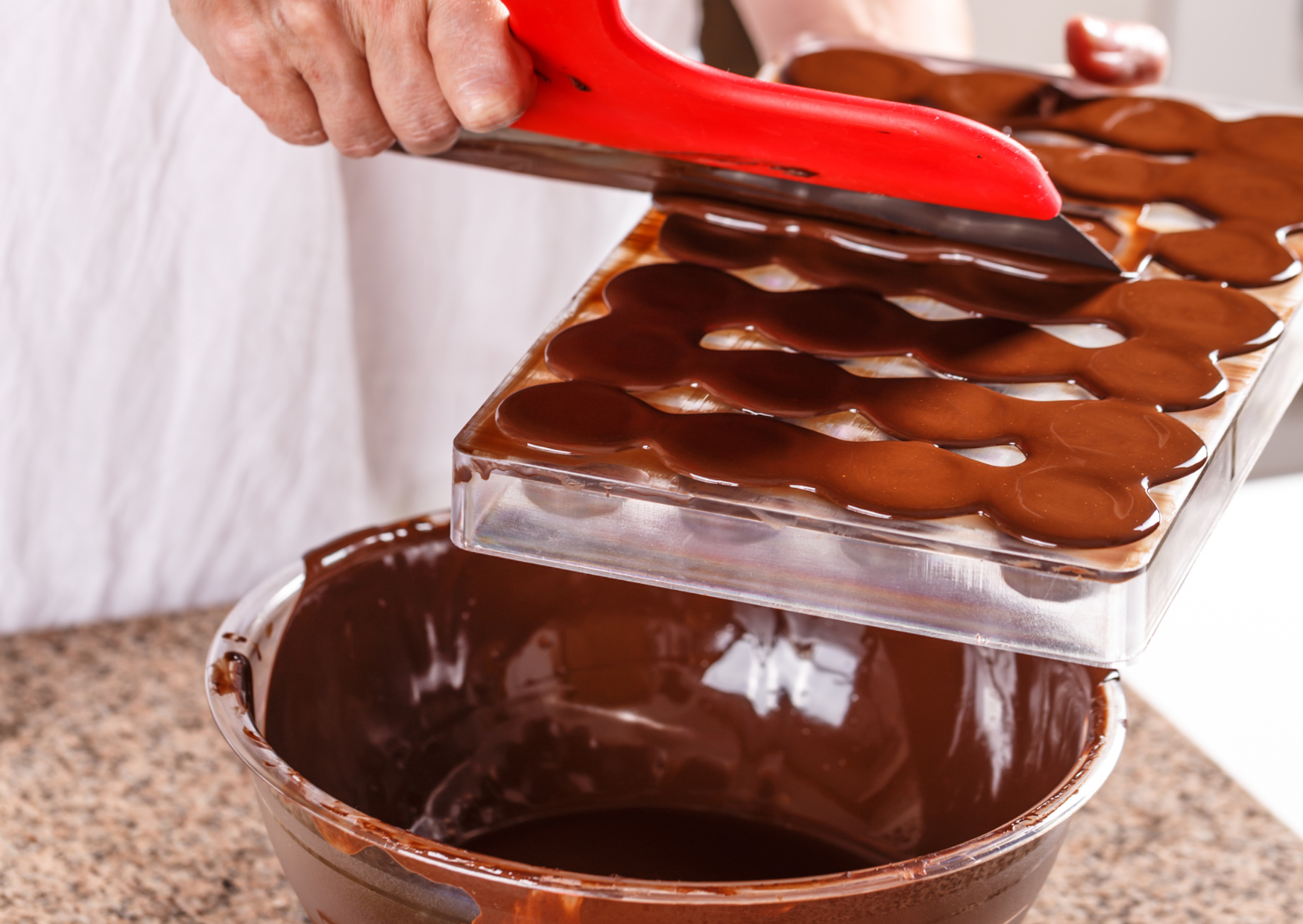
Sometimes two squares feel too small for a birthday or guests. Make a tiny, deeply satisfying dessert that still respects the rule’s spirit. Pot de crème is the French grandmother of chocolate pudding, dense and spoonable, best served in espresso cups so nobody ends up with a cereal bowl.
Origin and context
Classic pot de crème bakes in a water bath. This version uses low oven heat, small vessels, and a high percentage chocolate so two or three spoonfuls feel like enough.
Ingredients
Serves 6 espresso cups or 4 small ramekins.
- 170 g dark chocolate at 70 to 75 percent, chopped
- 300 ml heavy cream or double cream
- 120 ml whole milk
- 3 large egg yolks
- 40 g sugar
- 1 tsp vanilla extract or half a vanilla pod scraped
- Pinch fine salt
- Optional: 1 tbsp liqueur like Grand Marnier or dark rum
U.S. conversions: 170 g is 6 ounces. 300 ml is 1¼ cups. 120 ml is ½ cup. 40 g sugar is about 3 tbsp.
Method
- Heat oven and set cups: Heat oven to 140 C or 285 F. Set espresso cups or ramekins in a small roasting pan.
- Warm dairy: In a saucepan, heat cream, milk, sugar, vanilla, and salt over medium until just steaming with tiny bubbles at the edges. Do not boil.
- Melt chocolate: Place chopped chocolate in a heatproof bowl. Pour the hot cream mixture over it. Let sit one minute, then whisk gently until smooth.
- Temper yolks: In a separate bowl, whisk yolks. Add a ladle of warm chocolate mixture while whisking. Return yolk mixture to the main bowl. Whisk until combined. Stir in liqueur if using.
- Strain: Pour through a fine sieve into a jug. This removes bubbles and any bits.
- Pour and bake: Divide among cups. Pour hot water into the roasting pan to reach halfway up the sides. Bake 25 to 30 minutes until edges are set and centers quiver slightly.
- Cool and chill: Remove cups from the water. Cool to room temp, then chill at least 2 hours.
To serve
Top each cup with a spoon of crème fraîche or a thin thread of olive oil and a few flakes of salt. Serve with espresso. The texture is intense. Three spoonfuls feel like a full dessert.
Why it works
- High cacao and salt make a small portion feel abundant.
- Espresso cups cap the serving without making it feel mean.
- Water bath and low heat create a silk texture that stops you from chasing more.
Substitutions for U.S. and EU pantries
- Cream names: U.S. heavy cream is about 36 percent fat. EU double cream is 48 percent. Either works. If you use double, keep the milk ratio the same.
- Milk: whole milk is standard. Oat milk works in a pinch, but the result is softer.
- Sweetness: 40 g sugar lands just below semi-sweet. If your chocolate is 70 percent and you like bittersweet, use 30 g.
- Gluten free: naturally gluten free.
- Make ahead: keep covered in the fridge up to 48 hours.
7) American Pitfalls, French Fixes
You can adopt the rule and still get ambushed by your environment. Here are the land mines and the swaps.
- Grazing culture: offices and kitchens with open sweets make two squares hard. Solution: carry your own two squares in foil. When someone appears with a platter of cupcakes at 3 p.m., you already have a plan.
- Dessert inflation: portions in many cafés are huge. Solution: split or ask for a spoonful rule. One person orders, everyone tastes once.
- Sugar creep: flavored chocolate with caramel pools or cookie bits reads like candy. Solution: plain dark six days, flavored one day.
- Stress eating: the rule is a treat ritual, not a coping mechanism. If you are using chocolate to mute anxiety, pair the ritual with a walk or phone call so the cue becomes movement, not repeat bites.
- After dinner TV: mindless eating loves screens. Solution: finish the cup before you sit. No saucers on the couch.
- All or nothing: if you miss a day or eat four squares, the rule did not shatter. Start again at the next meal. Rituals are flexible, not vows.
8) What To Say Out Loud So The Rule Sticks
Words matter when you eat with other people. These short lines keep the ritual intact without making it awkward.
- At a restaurant: “Just coffee and two squares if you have them.” Many places keep petite chocolate or mignardises. If they do not, coffee alone closes the meal.
- At a friend’s house when the platter keeps circling: “Everything was lovely. I am stopping at two.” Smile, change the subject.
- At work: “I bring my own after lunch chocolate.” Saying it once changes how people offer treats to you.
- When you want more: “I can have more tomorrow.” The promise quiets the part of your brain that thinks never is coming.
9) The Science You Need, Without Turning This Into Homework
A ritual works better when you know why it works, not so you can quote studies at dinner, but so you can trust it.
- Sensory specific satiety explains why a flavor stops pulling after a few focused bites. Give yourself a short, intense window with the chocolate and the wanting drops. Keep nibbling for an hour and you keep resetting the desire. PubMed+1
- Ritual boosts enjoyment. Simple scripted acts, even invented ones, increase perceived flavor and value, which is why plating two squares and sitting down beats eating from the wrapper over the sink. PubMed
- Higher cacao means more flavor per gram. Darker chocolate delivers stronger taste and less sugar, which helps a small portion feel like enough. Choose 70 percent or higher and let bitterness be your friend rather than a dare. The Nutrition Source
- Meal anchors reduce snacking. French schedules still center eating around meals, which leaves less oxygen for random grazing. You can copy that rhythm anywhere by pairing treats with meals and leaving long blank spaces between. Insee
None of this says chocolate is a health food or that you must eat it daily. It says a tiny, pleasurable ritual beats a vague promise to behave.
10) What This Means For You
You do not need to demonize dessert to stop binging on it. You need structure you enjoy. Buy a bar you actually like. Break two squares onto a saucer. Sit with a small cup. Taste, then stop. On weekends, make a thin pan of petits carrés or a tray of espresso-cup pots de crème so you have something special that still fits within a small serving. The rule holds even when life gets busy because it is short, sensory, and satisfying.
You can be the person who keeps chocolate in the house without making it your dinner. Plate, sip, melt, finish. The wrapper will still be closed tomorrow.

About the Author: Ruben, co-founder of Gamintraveler.com since 2014, is a seasoned traveler from Spain who has explored over 100 countries since 2009. Known for his extensive travel adventures across South America, Europe, the US, Australia, New Zealand, Asia, and Africa, Ruben combines his passion for adventurous yet sustainable living with his love for cycling, highlighted by his remarkable 5-month bicycle journey from Spain to Norway. He currently resides in Spain, where he continues sharing his travel experiences with his partner, Rachel, and their son, Han.