
Imagine strolling through the narrow, cobbled streets of Venice, where the charm of ancient architecture is matched only by the vibrancy of local life. Now, picture these quiet streets, the windows of traditional homes shuttered, with “For Rent on Airbnb” signs outnumbering local shops. This scene is becoming increasingly common in some of the world’s most cherished cities. What started as a novel way to experience new places through the eyes of locals—staying in a real home while traveling—has morphed into a contentious phenomenon.
Airbnb, once hailed as a gateway to authentic travel experiences, is now at the center of heated debates over its role in transforming urban communities. Critics argue that it’s contributing to a surge in property prices, exacerbating housing shortages, and altering the very soul of neighborhoods. As we peel back the layers of the Airbnb impact, from Barcelona to New York, we explore whether this disruptive platform enriches travel or leaves indelible marks on the world’s beloved cities.
More Reads:
13 Mistakes Tourists Make in Barcelona and How to Avoid Them
How To Spend 3 Days in the Greek Islands Without Breaking the Bank
Travel Insurance Recommended for Long and Short Stays
Quick Easy Tips
When booking, check if the city has regulations on short-term rentals—staying in legal listings helps support fair housing.
Consider alternatives like small hotels or guesthouses, which often have deep local roots.
If you use Airbnb, be a respectful guest: follow building rules, keep noise down, and support local businesses beyond the rental.
Balance convenience with conscience; sometimes the best choice is the one that supports the community you’re visiting.
Research neighborhoods before booking to avoid contributing to over-tourism in fragile areas.
One controversial debate is whether Airbnb helps or harms local economies. Supporters argue that it brings money to neighborhoods hotels overlook, while critics point to inflated rents and reduced housing availability for permanent residents. The clash between profit and accessibility is at the heart of the issue.
Another divisive point is regulation. Some cities have attempted to restrict short-term rentals, sparking fierce resistance from hosts and platforms who see it as limiting freedom. Locals often welcome regulation to protect housing markets, but travelers and landlords argue that it kills innovation and affordability.
Finally, there’s the cultural dimension. In many historic or tight-knit neighborhoods, the influx of transient visitors changes the character of daily life. For residents, the sense of community can feel replaced by a revolving door of strangers. Yet others see this exchange as part of a natural evolution toward a more globalized world.
1. Barcelona, Spain: Balancing Tourism with Tradition
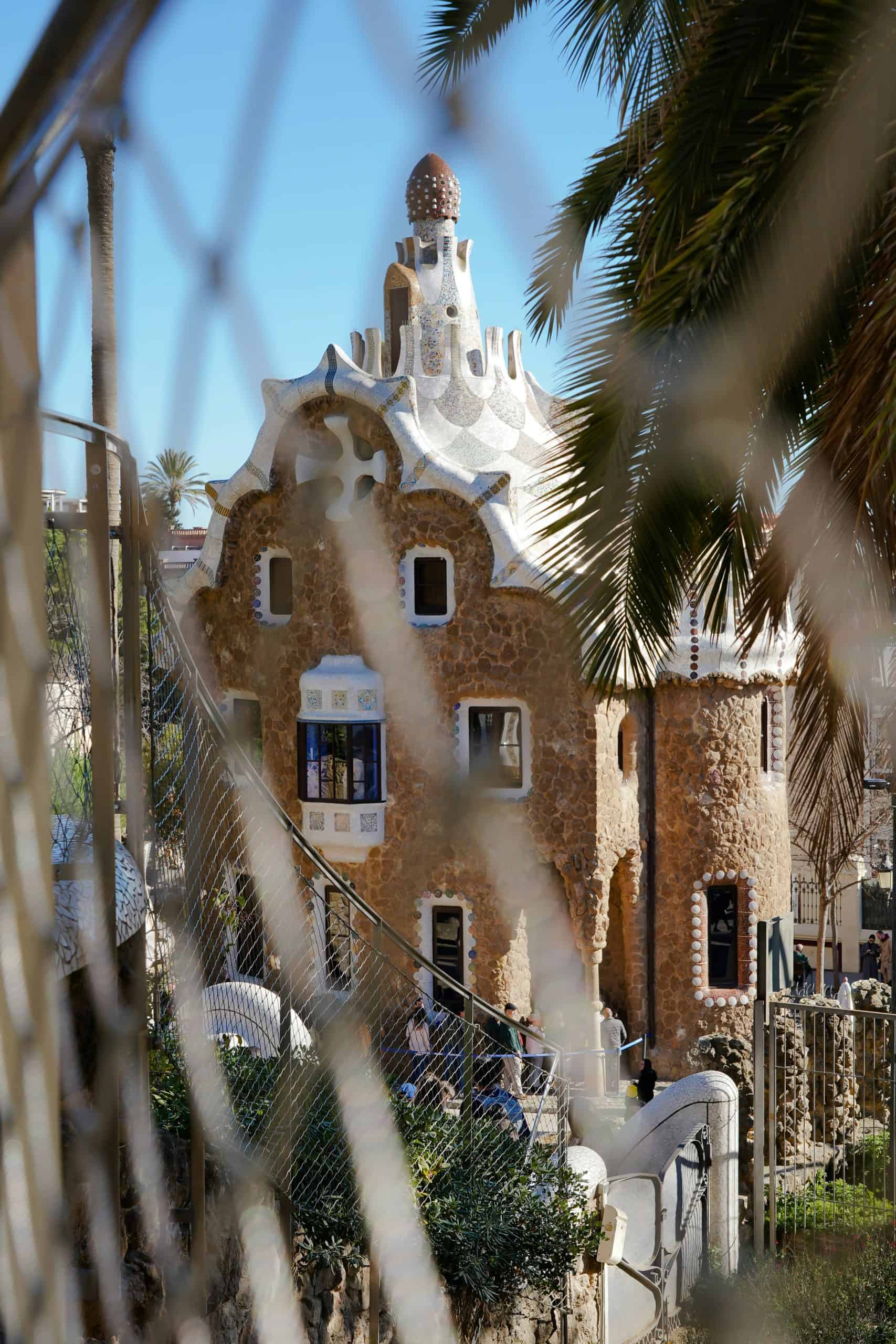
Barcelona, a city renowned for its vibrant architecture and rich cultural tapestry, has found itself at the epicenter of the Airbnb debate. The allure of Gaudí’s masterpieces and the bustling Ramblas draws millions each year, leading to an explosion of short-term rentals across the city.
The Challenge: As tourists flock to Barcelona, the demand for short-term rental accommodations has surged, often at the expense of local housing availability. This influx has driven up rent prices, making it difficult for locals to find affordable housing within their own city. Neighborhoods like Barri Gòtic and El Raval, once hubs of local Catalan culture, are gradually losing their traditional charm, transformed into tourist-heavy zones.
Local Response: In response, the city council has enacted strict regulations on short-term rentals. These include heavy fines for unauthorized listings and limits on the number of licenses issued to new Airbnb properties. The goal is to curb the unregulated growth of holiday rentals that are considered a contributing factor to housing shortages and community disruption.
Visualizing the Impact: Stroll through the narrow alleys of Ciutat Vella, and you’ll notice a striking number of rental signs, often outnumbering local shops. Interviews with residents reveal a mix of frustration over being priced out and the fear of losing the soul of their city to transient visitors.
Tourist Perspective: While visitors benefit from the convenience and variety of accommodation options Airbnb offers, the growing awareness of its impact on local communities is leading to a more conscientious approach. Many tourists are now seeking accommodations that promote sustainable tourism, ensuring their visits do not contribute to the local issues.
Conclusion: Barcelona’s struggle with Airbnb exemplifies the delicate balance cities must achieve between leveraging their tourist appeal and preserving the quality of life for their residents. As the city fine-tunes its regulations, the hope is to foster an environment where tourism can thrive without undermining the city’s cultural and economic foundations.
2. Hawaii, USA: The Paradise Pricing Dilemma
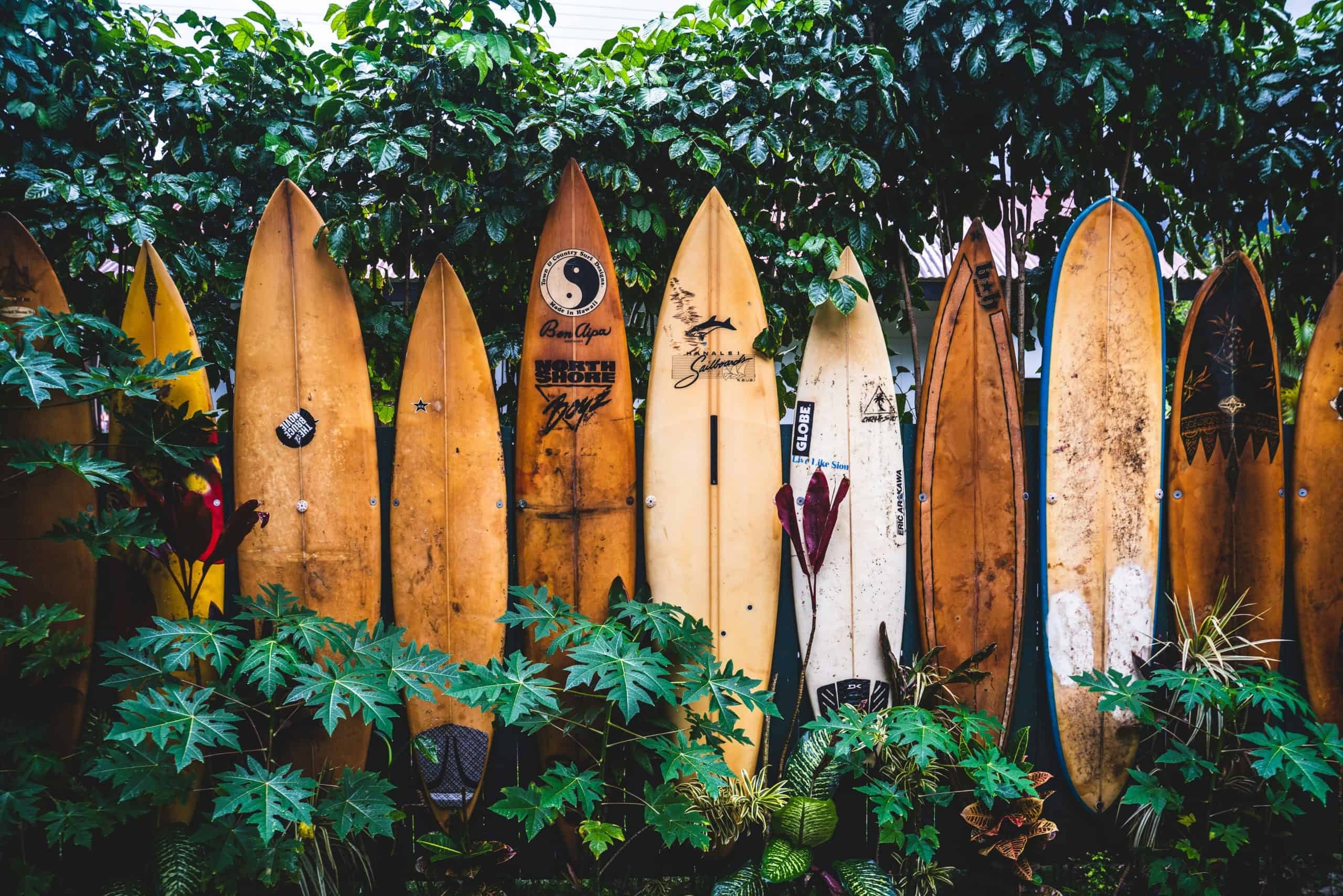
Hawaii, a picturesque archipelago celebrated for its stunning landscapes and aloha spirit, faces unique challenges as Airbnb and other short-term rental platforms have flourished. The islands, which rely heavily on tourism, grapple with the consequences of their popularity.
The Challenge: The rise of Airbnb has significantly increased the number of tourists staying in residential neighborhoods, escalating rental prices and making it harder for locals to find affordable housing. The high influx of visitors has placed a strain on local resources and infrastructure, and some communities feel overwhelmed by the constant flow of tourists living amongst them.
Local Response: Hawaii has implemented measures to regulate short-term rentals more strictly. Regulations now require Airbnb hosts to register and obtain proper permits, and restrictions are placed on where rentals can operate, particularly aiming to preserve residential areas for locals. Efforts are also made to ensure that these regulations are enforced, which includes hefty fines for non-compliance.
Visualizing the Impact: Drive through neighborhoods on Oahu or Maui, and you’ll see a juxtaposition of tourists carrying surfboards next to locals going about their daily routines. The shift in the community dynamic is palpable, with traditional gatherings and events sometimes overshadowed by the tourist presence.
Tourist Perspective: Many tourists are drawn to the idea of an “authentic” Hawaiian experience through Airbnb, staying in residential areas rather than traditional hotels. However, with increased awareness of the social impacts, there’s a growing trend towards more responsible travel choices that respect the local community’s way of life.
Conclusion: The situation in Hawaii highlights the complex relationship between tourism and community welfare. While Airbnb has made Hawaii’s beauty more accessible to the world, it challenges the islands to find a sustainable balance that honors both their economic reliance on tourism and the well-being of their local populations. Ensuring that the islands remain a paradise not only for visitors but also for those who call it home is an ongoing endeavor.
3. Venice, Italy: Sinking Under Tourist Pressure
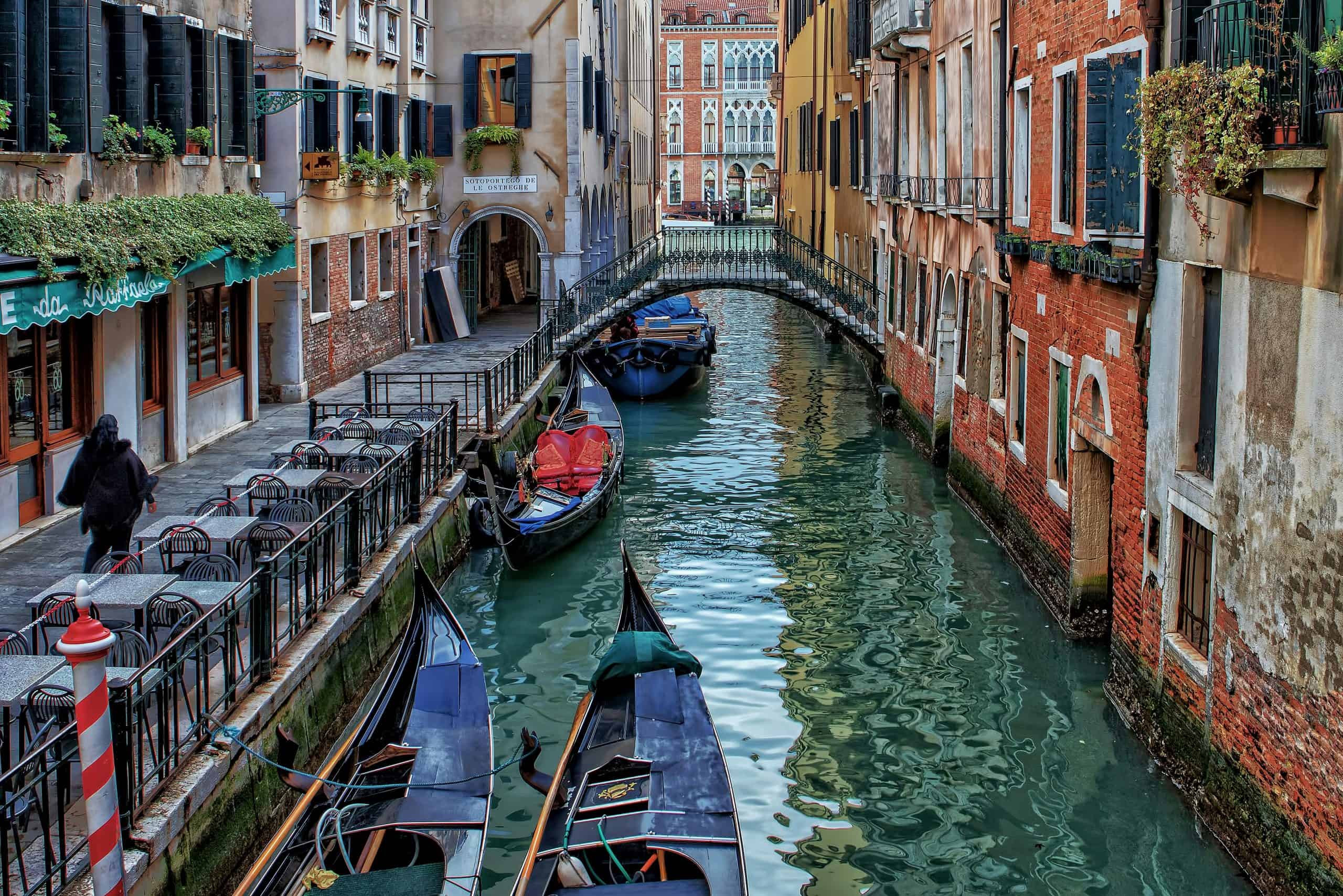
Venice, with its iconic canals and historical grandeur, is a prime example of a city grappling with the overwhelming impact of tourism amplified by platforms like Airbnb. Known for its romantic gondola rides and majestic architecture, Venice faces unique challenges as it navigates the flood of visitors seeking a piece of its charm.
The Challenge: The influx of tourists staying in Airbnb properties has exacerbated Venice’s struggle with over-tourism, which threatens the structural integrity and environmental sustainability of the city. The high volume of short-term rentals has not only driven up housing costs but also displaced long-term residents, altering the fabric of local life and turning some neighborhoods into tourist-only zones.
Local Response: Venice has implemented stringent regulations to control the growth of short-term rentals. Measures include limiting the number of Airbnb licenses and imposing significant fines for illegal operations. The city also actively promotes tourism sustainability initiatives, aiming to reduce visitor impact on the most vulnerable parts of the city.
Visualizing the Impact: A walk through the winding streets around St. Mark’s Square reveals a city at a crossroads, with shop fronts catering almost exclusively to tourists and few Venetians to be seen. The contrast between the bustling tourist spots and the quiet, empty residential areas highlights the city’s dual reality.
Tourist Perspective: Tourists are often unaware of the strain their presence can place on Venice’s resources and infrastructure. While many come in search of an authentic Venetian experience, the reality is a city striving to maintain its heritage and livability against the odds of mass tourism.
Conclusion: Venice’s ongoing battle with the effects of Airbnb and similar platforms underscores a critical question: How can cities preserve their beauty and heritage for future generations while still welcoming the world? Venice’s approach to balancing these interests will be a key test of whether historic cities can withstand the pressures of modern tourism without losing their soul.
4. Kyoto, Japan: Preserving Tradition in the Face of Modern Tourism
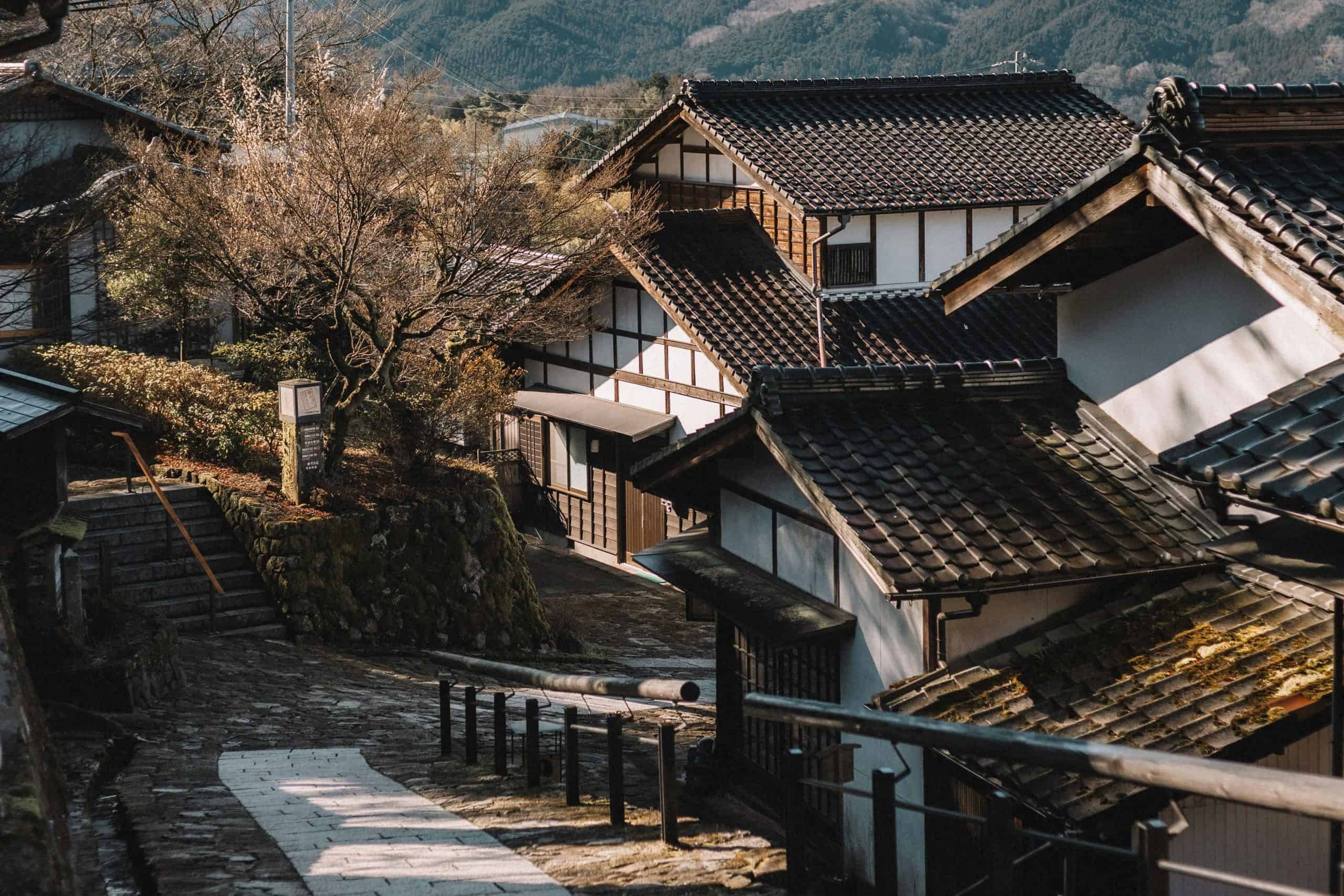
Kyoto, celebrated for its tranquil temples, traditional tea houses, and vibrant cherry blossom seasons, confronts significant challenges as modern tourism reshapes its historic landscape. The city’s struggle with Airbnb and similar platforms illustrates a broader conflict between preserving cultural heritage and accommodating the booming tourist industry.
The Challenge: In Kyoto, the proliferation of short-term rentals has transformed quiet neighborhoods into bustling tourist hubs, impacting the daily lives of local residents and the preservation of historical sites. This shift has led to increased property prices and rent, making it difficult for locals to afford living in their own city, and has placed additional stress on public services and infrastructure.
Local Response: To address these challenges, Kyoto has introduced regulations aimed at controlling the number of short-term rentals. These include strict licensing requirements and designated zones where such rentals are permitted. The city government is also engaging in campaigns to educate tourists on respectful behavior to minimize disruption in historically significant areas.
Visualizing the Impact: Strolling through the Gion district, one can see the visible signs of tourism’s impact: from ‘No Photography’ signs outside private homes to the frequent tour groups that crowd the narrow lanes, disrupting the serene atmosphere that once defined the area.
Tourist Perspective: Many visitors are drawn to Kyoto for its reputation as the heart of Japanese tradition and culture. However, the reality of overcrowded sites and commercialized experiences can detract from the authenticity they seek. More tourists are now looking for ways to visit responsibly, seeking out less intrusive ways to experience the city’s unique cultural offerings.
Conclusion: Kyoto’s experience highlights the delicate balance required to protect cultural heritage while benefiting from tourism. The city’s efforts to regulate short-term rentals and promote respectful tourism practices are crucial steps towards ensuring that Kyoto retains its historical significance and continues to enchant visitors without sacrificing its cultural integrity.
5. New York City, USA: Cities in the World Overwhelmed by AirBnbs
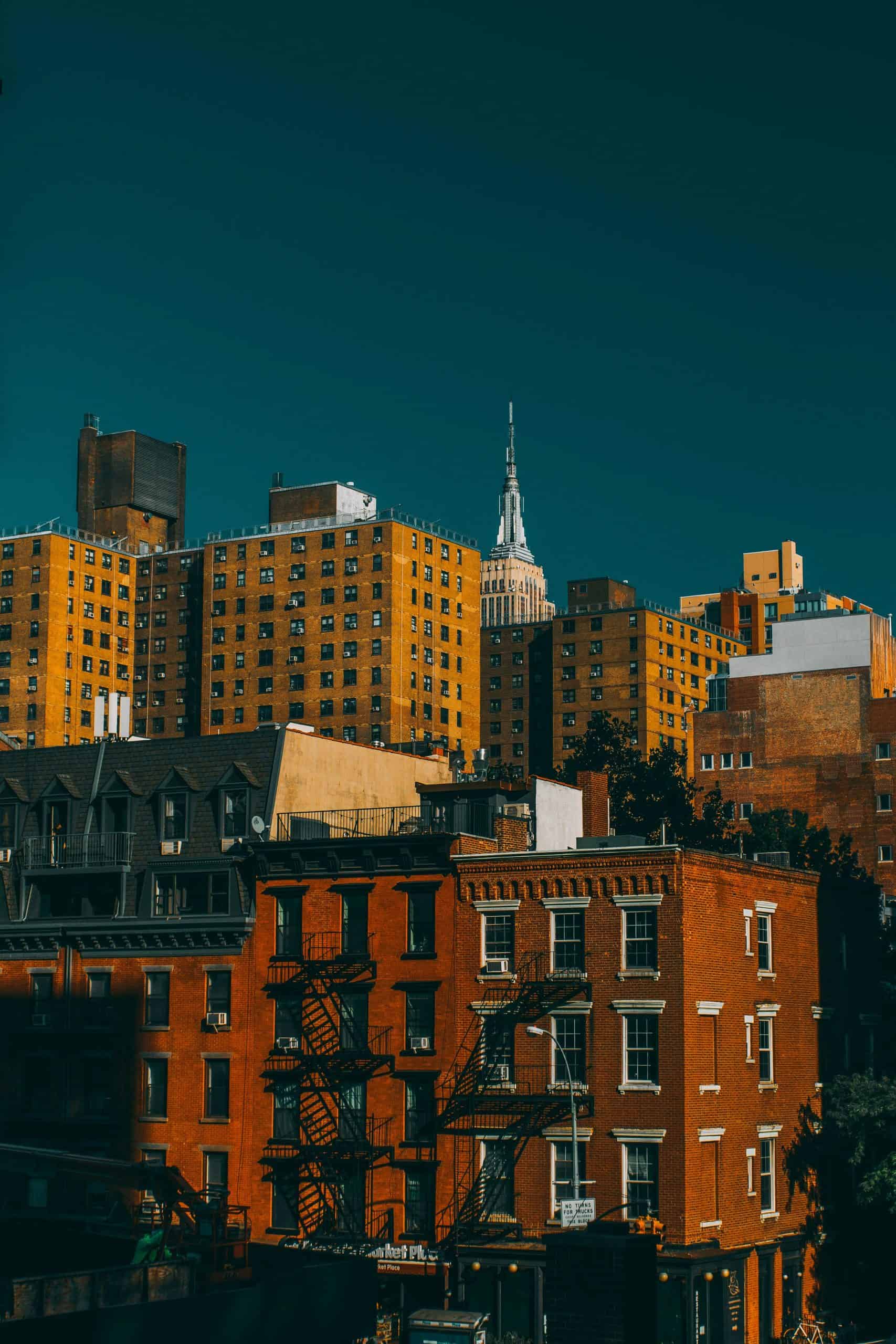
New York City, a global hub of culture, finance, and media, faces its unique set of challenges with the rise of Airbnb. Known for its skyscrapers, Broadway shows, and bustling streets, the city has seen how short-term rental platforms can complicate urban living and exacerbate housing issues.
The Challenge: In NYC, Airbnb has contributed to rising rental prices and the depletion of available housing stock for long-term residents. With apartments being turned into unofficial hotels, neighborhoods have experienced shifts in their community dynamics, with fewer long-term neighbors and more transient visitors.
Local Response: New York has implemented one of the strictest regulatory frameworks for short-term rentals in the U.S. Regulations include a ban on short-term rentals for less than 30 days in multi-family buildings unless the host is present. This is enforced with substantial fines and rigorous monitoring to clamp down on illegal listings.
Visualizing the Impact: Walking through neighborhoods like Lower Manhattan or Brooklyn, one might notice a stark contrast between community-focused areas and blocks dominated by short-term rentals. Local cafes and parks that once buzzed with neighborhood life now cater increasingly to tourists, altering the fabric of community life.
Tourist Perspective: Tourists are attracted to the convenience and variety offered by Airbnb, which allows them to experience New York City like a local. However, many are unaware of the strain this puts on local housing markets and community resources.
Conclusion: The situation in New York City underscores the broader implications of Airbnb’s presence in major cities. While it offers visitors a unique way to experience the city, it poses significant challenges for residents and policymakers striving to maintain affordability and community integrity. The ongoing debate in NYC serves as a critical examination of how cities can balance tourism growth with the needs of their permanent populations.
6. Lisbon, Portugal: The Charm and Challenge of a Tourist Haven
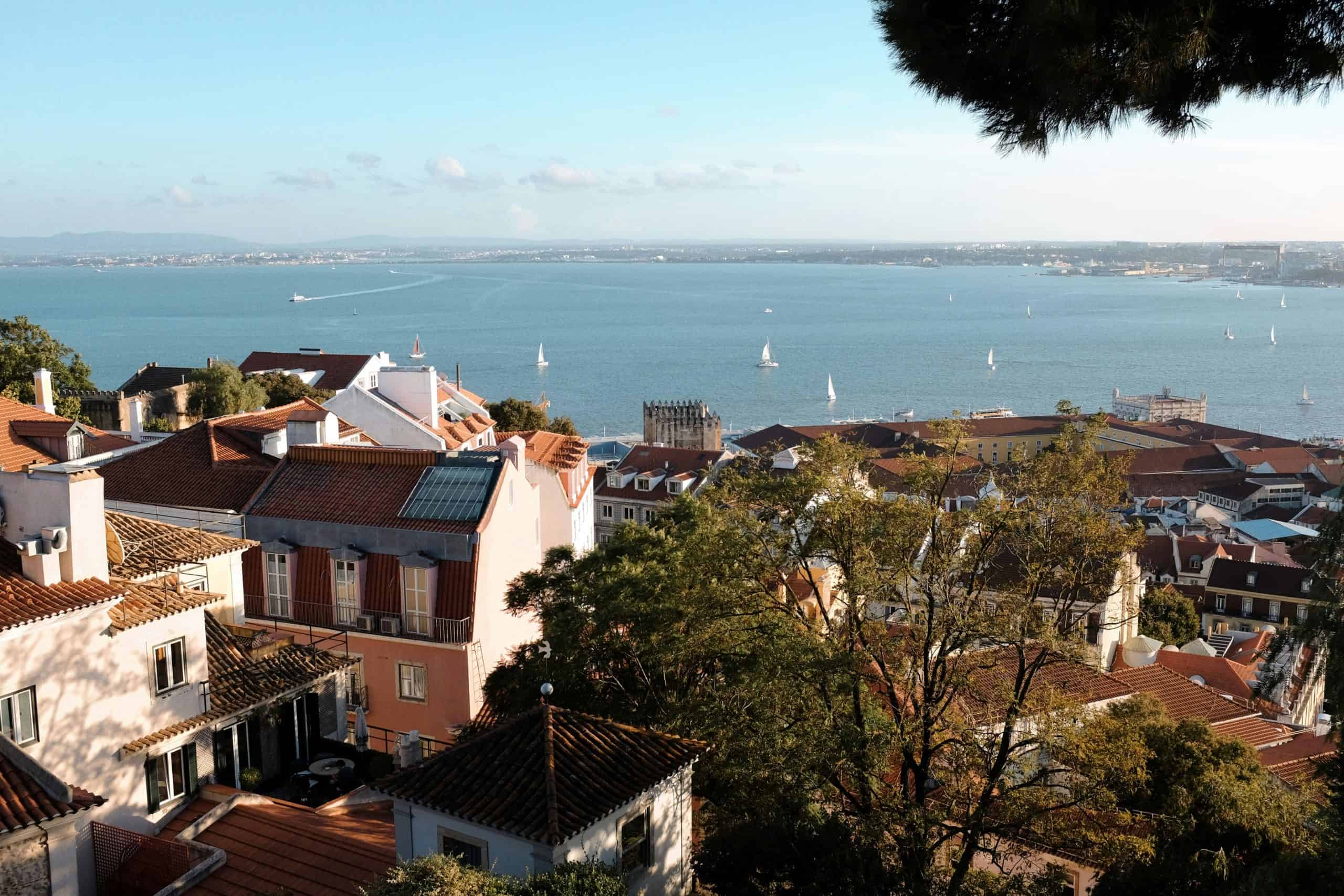
Lisbon, Portugal’s sun-drenched capital, is renowned for its historic streets, vibrant tiles, and picturesque viewpoints. Yet, as the city grows in popularity with tourists, the rise of Airbnb has sparked debates about its impact on local life and the cityscape.
The Challenge: The influx of tourists staying in Airbnb properties has put pressure on Lisbon’s housing market, driving up rents and making it increasingly difficult for locals to afford living in central areas. The charm that attracts visitors is the same that’s at risk of being diluted, as residential neighborhoods turn into vacation spots with a transient population.
Local Response: Lisbon has taken steps to regulate the growth of short-term rentals. New licensing regulations are in place to control where and how properties can be rented out to tourists. Efforts are also being made to ensure that these regulations preserve the city’s character and support the needs of its residents.
Visualizing the Impact: A stroll through the historic district of Alfama or along the waterfront in Belém might now reveal a mix of fleeting tourists and long-term locals, each group navigating the shared space. The local shops and cafes are increasingly aimed at tourists, with traditional establishments struggling to maintain their local clientele.
Tourist Perspective: For many visitors, staying in an Airbnb in Lisbon offers an authentic experience of living like a local. However, the broader effects of such rental practices prompt a reconsideration of how travel behaviors influence local economies and communities.
Conclusion: As Lisbon continues to balance its allure as a tourist destination with the well-being of its residents, the city serves as a case study in managing the double-edged sword of tourism driven by platforms like Airbnb. The city’s approach aims not only to accommodate the influx of visitors but also to sustain the local culture and community that define its essence.
7. New Orleans, USA: The Cultural Crossroads at a Crossroads
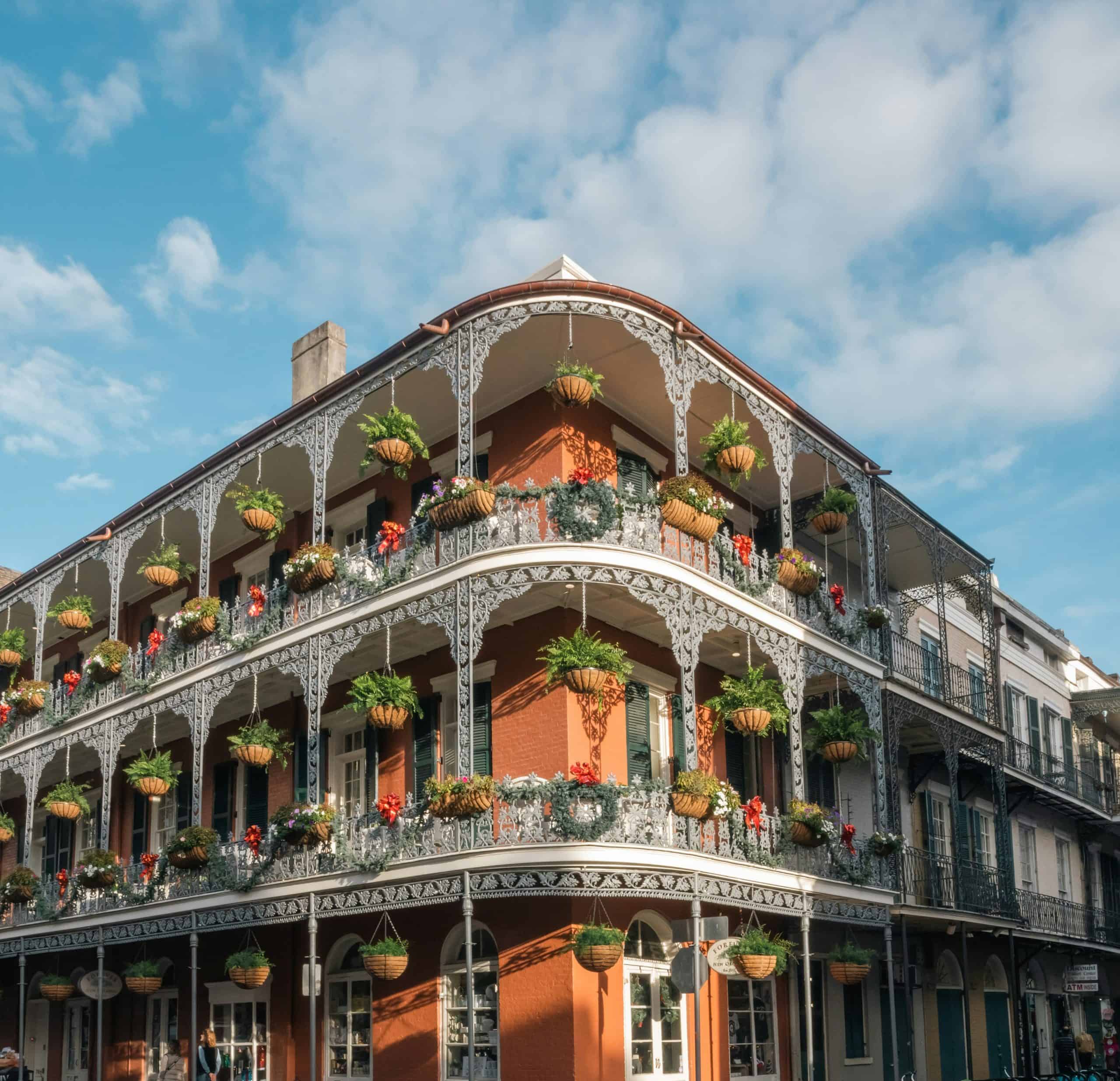
New Orleans, famous for its jazz music, Creole cuisine, and vibrant Mardi Gras celebrations, is experiencing the double-edged sword of Airbnb’s popularity. The city’s rich cultural fabric is being tested by the influx of tourists seeking authentic local experiences through short-term rentals.
The Challenge: Airbnb’s proliferation in New Orleans has led to a housing market crunch, pushing up rental prices and displacing long-term residents. This shift threatens the cultural continuity of neighborhoods known for their community-oriented lifestyle and local traditions, as more properties are converted to cater to short-term visitors.
Local Response: To address these concerns, New Orleans has implemented stringent regulations on short-term rentals. These include caps on the number of days a property can be rented out and restrictions on whole-home rentals in certain areas, aimed at preserving community cohesion and residential housing availability.
Visualizing the Impact: Walking through the French Quarter or along the lively streets of Marigny, one can see the juxtaposition of vibrant local life mixed with tourist-centric accommodations. While the city buzzes with festival-goers and tourists, there is growing concern about the sustainability of its cultural ecosystems.
Tourist Perspective: Visitors drawn by the city’s music, food, and festivals often choose Airbnb for a more ‘local’ experience. However, many are unaware of the tension between tourism growth and community well-being, which can lead to conflicts over noise, space, and local resources.
Conclusion: New Orleans exemplifies the challenges and opportunities of managing tourism growth in a way that supports both the local economy and cultural heritage. The city’s regulatory approach reflects a broader movement towards reconciling the benefits of tourism with the imperative to protect and nurture the unique cultures that make destinations like New Orleans irresistible to visitors.
Conclusion: The Global Impact of Airbnb on Tourist Cities
Across the world, from the narrow alleys of Venice to the vibrant streets of New Orleans, the story is strikingly similar: Airbnb has transformed the landscape of tourism and urban living. While the platform has democratized travel, allowing more people to explore the world in a seemingly authentic way, it has also precipitated challenges that cities are struggling to manage.
Summary of Challenges
Airbnb’s impact includes skyrocketing rental prices, displacement of long-term residents, and transformations of residential neighborhoods into transient tourist hubs. These changes threaten the social fabric and sustainability of local communities, often diluting the cultural authenticity that attracts visitors in the first place.
Local Responses
Cities around the globe are taking action. From strict rental regulations in New York City and Lisbon to comprehensive community preservation efforts in Kyoto and Barcelona, local governments are striving to find a balance. These measures aim to ensure that tourism remains a boon and not a bane, supporting the economy without undermining the quality of life for residents.
Tourist Awareness and Responsibility
There’s a growing movement among tourists to travel responsibly. As awareness of Airbnb’s impact increases, many are choosing accommodations that support sustainable tourism. This shift is crucial, as the choices made by travelers can significantly influence the health of tourist destinations.
The future of urban tourism and Airbnb’s role in it will likely involve a more regulated approach, where cities assert greater control over short-term rentals to protect their communities and heritage. For Airbnb and similar platforms, adapting to these regulations and actively supporting sustainable tourism practices will be essential.
As we continue to explore and enjoy the unique offerings of cities around the world, it’s important to do so with mindfulness and respect for their residents and cultures. By choosing how and where we stay with care, we contribute to preserving the very charms that drew us to these destinations.

About the Author: Ruben, co-founder of Gamintraveler.com since 2014, is a seasoned traveler from Spain who has explored over 100 countries since 2009. Known for his extensive travel adventures across South America, Europe, the US, Australia, New Zealand, Asia, and Africa, Ruben combines his passion for adventurous yet sustainable living with his love for cycling, highlighted by his remarkable 5-month bicycle journey from Spain to Norway. He currently resides in Spain, where he continues sharing his travel experiences with his partner, Rachel, and their son, Han.