
Imagine rolling your suitcase into a spotless German supermarket on a sunny Sunday, only to find the doors locked, the lights off, and a handwritten note that might as well read: nice try.
You peer through the glass. Ripe tomatoes, untouched. An army of yogurt cups, chilling in perfect rows. Somewhere, a baker is selling hot rolls. Everywhere else, shutters are down. A local glides by on a bicycle, serene, not surprised.
If you grew up in a seven-days-open world, this feels personal. It is not. You just ran into Germany’s Sunday: a legally protected day of rest that still shapes how the entire country shops, staffs, and spends time. Supermarkets are closed, big box stores are closed, most boutiques are closed, and your last-minute errands move to Monday.
This guide explains why your grocery run failed, what actually opens, how to plan without drama, and the phrases that keep you on the right side of the counter. Learn the rhythm and you stop offending anyone’s sensibilities. You also stop eating dry crackers for dinner.
Want More Cultural Myth-Busting?
– 7 Ways You’re Insulting Europeans Without Even Realizing It
– 10 Secrets to Understanding European Politeness (And Why You’re Doing It Wrong)
– How to Spend a Month in Europe With Just a Carry-On—Minimalist Packing Hacks
1) Why Germany Treats Sunday Like A Wall, Not A Suggestion
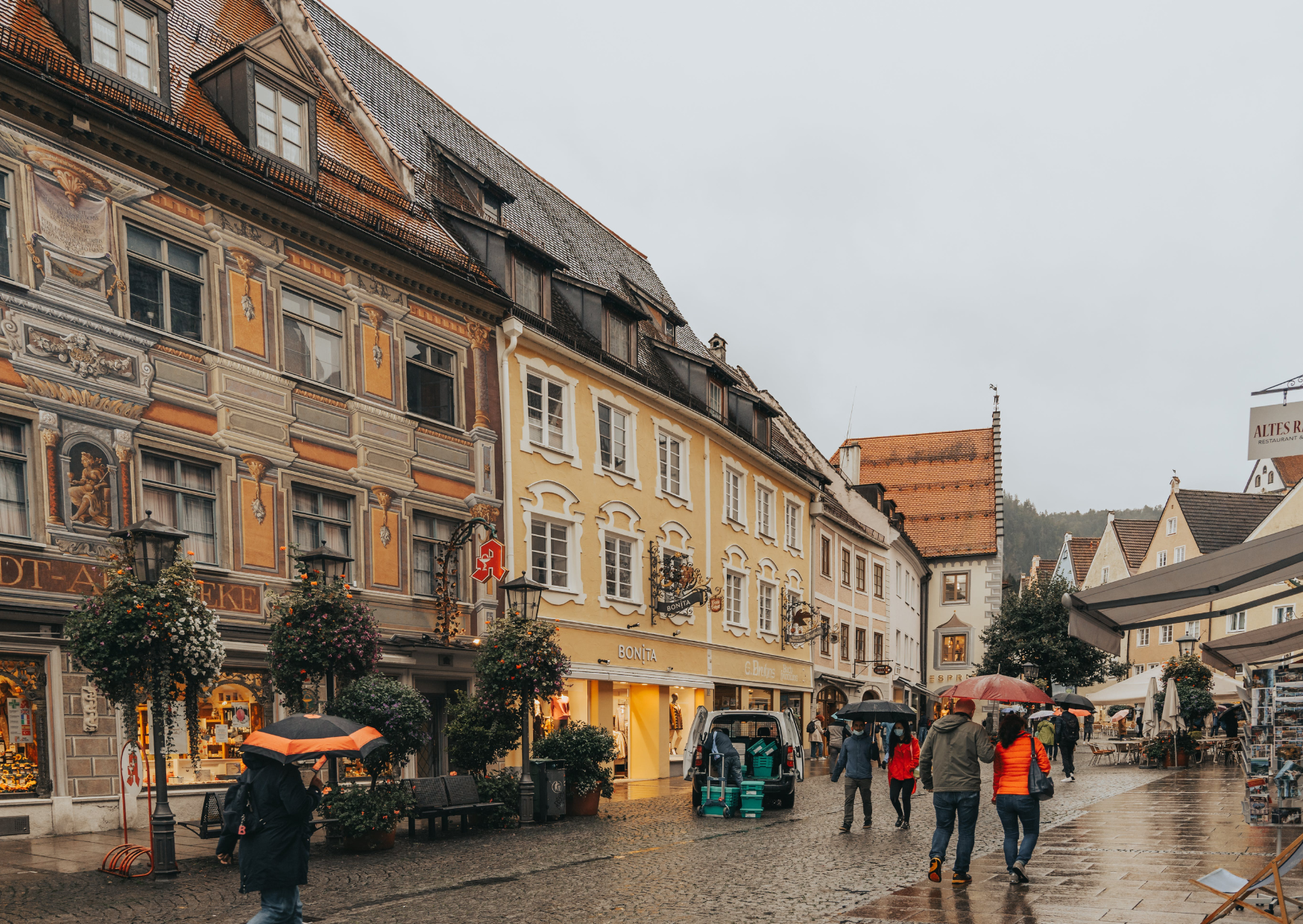
The short answer is law, not mood. German Sundays sit under constitutional protection that treats them as days of rest and spiritual uplift. That protection flows from Article 140 of the Basic Law, which incorporates Article 139 of the Weimar Constitution, and it has repeatedly shaped shop-opening rules in modern cases. Courts use this as a north star, so a store day that looks “normal” in the United States still looks out of bounds in Germany.
The landmark example most travelers hear about is Berlin’s attempt to open broadly on Advent Sundays. Germany’s constitutional court said no, reinforcing that Sunday is not just “day seven,” it is a protected rest day in its own right, and wholesale retail openings need a genuine special occasion, not just commercial desire. That decision still frames how cities schedule rare open Sundays today.
There is also a practical layer. In 2006 shop-hours authority moved largely to the states, which now write their own opening-hours laws around the constitutional boundary. The result looks consistent to a visitor: Monday to Saturday, long hours. Sunday, shutters. The pattern celebrates rest, reduces staff churn, and anchors the social calendar. If you try to live like it is suburban Texas, you will keep finding locked doors.
Two big ideas to carry forward. First, Sunday is not a shopping day unless a specific exception applies. Second, when exceptions exist, they are narrow and time-boxed. That is why your neighbor buys groceries on Saturday and bread on Sunday. They are not rigid. They are fluent.
2) What Is Actually Open, And Why Those Things

Closed does not mean quiet. It means different commerce. Germany’s opening-hours laws carve out specific exceptions that serve travelers, health, and habit. If you know them, Sunday becomes easy.
Start with stations and airports. Shops inside major train stations and on airport concourses can open to serve travelers. Expect newsstands, convenience stores, and small groceries in these zones, and expect them to be busy. Laws and city rules explicitly list these locations as exceptions to the Sunday closure rule.
Add fuel stations. Petrol stations can open and sell travel essentials, drinks, snacks, windshield fluid, that sort of thing. They are your friend for bottled water and toothpaste, not a weekly shop. The federal shop-closing law and state regulations preserve this access, partly because roads do not rest on Sundays.
Then the holy trinity of bread, flowers, and papers. Many states allow bakeries, florists, and newsstands to open for a few hours on Sundays and public holidays, often in the morning. The exact window varies by state, and some rules are looser than their reputation, but the spirit is the same everywhere, quick essentials, not a spree. Chambers of commerce and state pages spell this out: three hours for bakery and confectionery sales, short windows for flowers, and special days when those windows extend. Brötchen, bouquets, and newspapers are the Sunday classics for a reason.
Healthcare does not shut. Pharmacies run a nationwide emergency rota called Notdienst. The pharmacy on duty will be open, but you pay a small after-hours fee and you are there for need, not browsing. Check the board in any pharmacy window to see who is open that day and night.
Everything else. Restaurants, cafés, museums, zoos, pools. These live under different rules entirely and are open at the operator’s choice. Sunday is for parks and cake. Join in.
The headline: travel nodes, fuel and essentials, a morning bakery window, and emergency health care. That is the reliable Sunday set.
3) The Traps Americans Hit, And How To Avoid Them
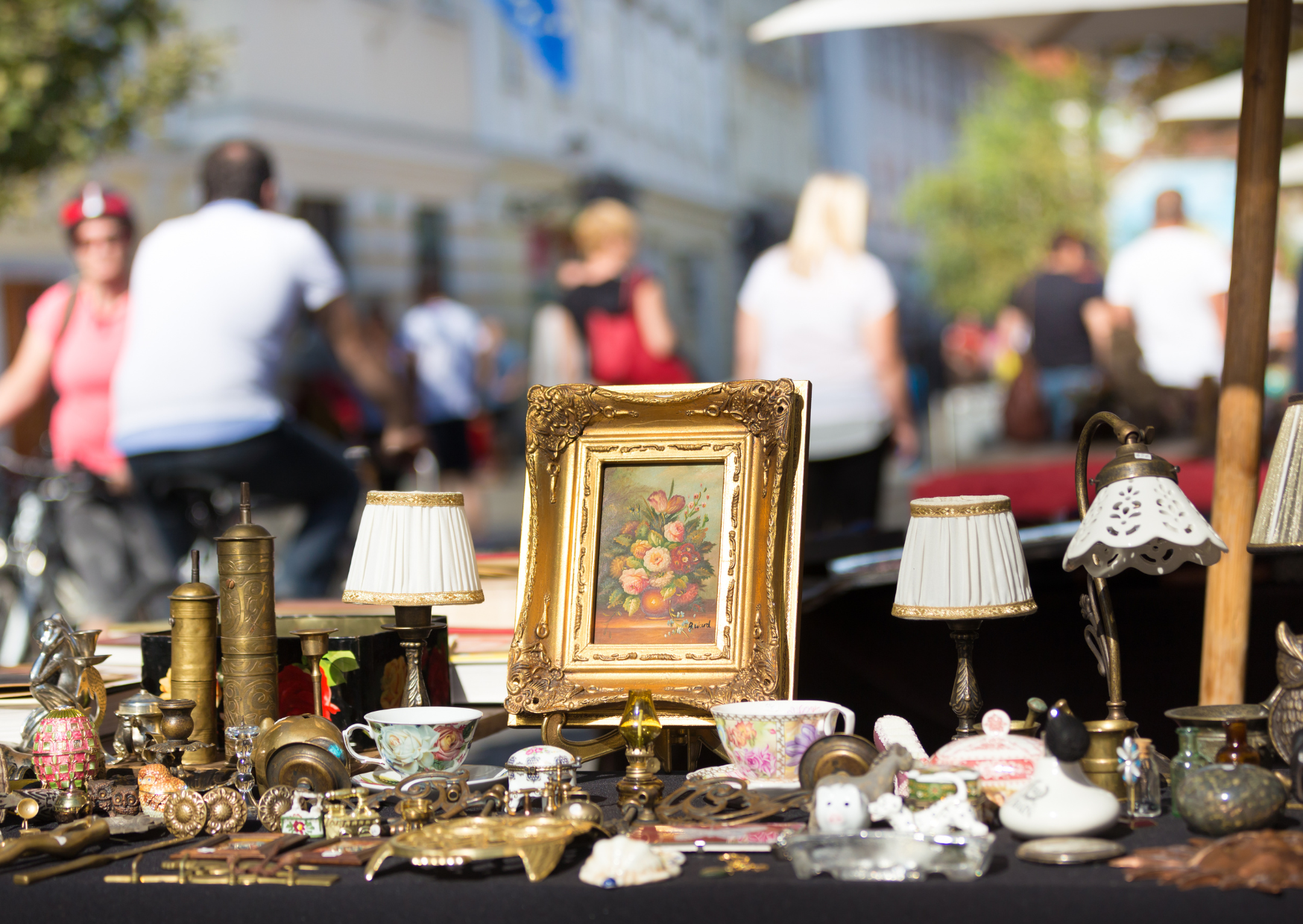
If you keep forgetting what Sunday does, you run into the same avoidable headaches. Here is how to sidestep them with two small changes in habit.
Grocery panic. Supermarkets do not open on Sundays, and the ones inside stations are smaller and pricier. Fix it by making Saturday your market plus supermarket day. Buy enough for dinner Sunday and breakfast Monday. If you forget, station shops can rescue you, but you will pay tourist prices for milk at 20:45 on a Sunday.
Big box blues. IKEA, DIY stores, furniture barns, closed. If your Airbnb needs a batch of hangers, buy them during the week. Sunday is for assembling, not shopping.
The Späti mirage. In Berlin, neighborhood kiosks called Spätis feel like they break the rule. Legally, most of them may not open on Sundays unless they qualify as licensed eateries or otherwise meet specific criteria, and courts have confirmed that the default is closure. You will still see some open in practice, but do not plan your groceries around them. If you find one open, think drinks and snacks, not a full shop.
Automated store confusion. Fully automated “mini markets” have tested 24/7. Regulators have been clear in several states that shop-closing rules still apply, so even staff-light stores cannot simply run unbounded Sundays. Treat them as weekday conveniences, not a Sunday loophole.
Pharmacy assumptions. There is always a pharmacy open, but it may be across town and it will charge a small emergency fee. Use the board or a local app to find the on-duty location before you leave the house. Notdienst is for needs, not novelty.
Two habits solve ninety percent of this. Plan Saturday like a grown-up and treat Sunday like a picnic. Germany will meet you more than halfway if you meet it one day a week.
4) How “Open Sundays” Really Work, Without Getting Fined

You will hear about verkaufsoffener Sonntag, the special open Sundays sprinkled through the calendar. They exist, but they are rare, regulated, and themed. Cities can authorize a small number each year, tied to events that attract people to the area, and the hours are typically 13:00 to 20:00. Even in permissive states, the number is capped and the legal basis is published. The days feel festive, not routine.
Berlin is the outlier most visitors notice. The city can allow up to eight such Sundays, publicly announced, often linked to large fairs or citywide events. That “up to” hides a fight between commerce and courts. The top court slapped down Advent free-for-alls, so modern Berlin Sundays are justified by concrete events like film festivals or tourism fairs, not by December shopping mood. Other states typically sit nearer four per year, sometimes fewer. If you see a crowd and open doors on a Sunday afternoon, you probably landed on one of these. If you are counting on it, check city announcements, not hearsay.
Important nuance. These open Sundays do not erase Sunday’s character. Grocery chains may skip them, small boutiques may participate, and some districts pick in while others opt out. You still cannot bank on a full shopping day. Treat open Sundays as bonuses, not a reliable Plan B.
5) The Playbook: Eat, Errand, Survive, Enjoy
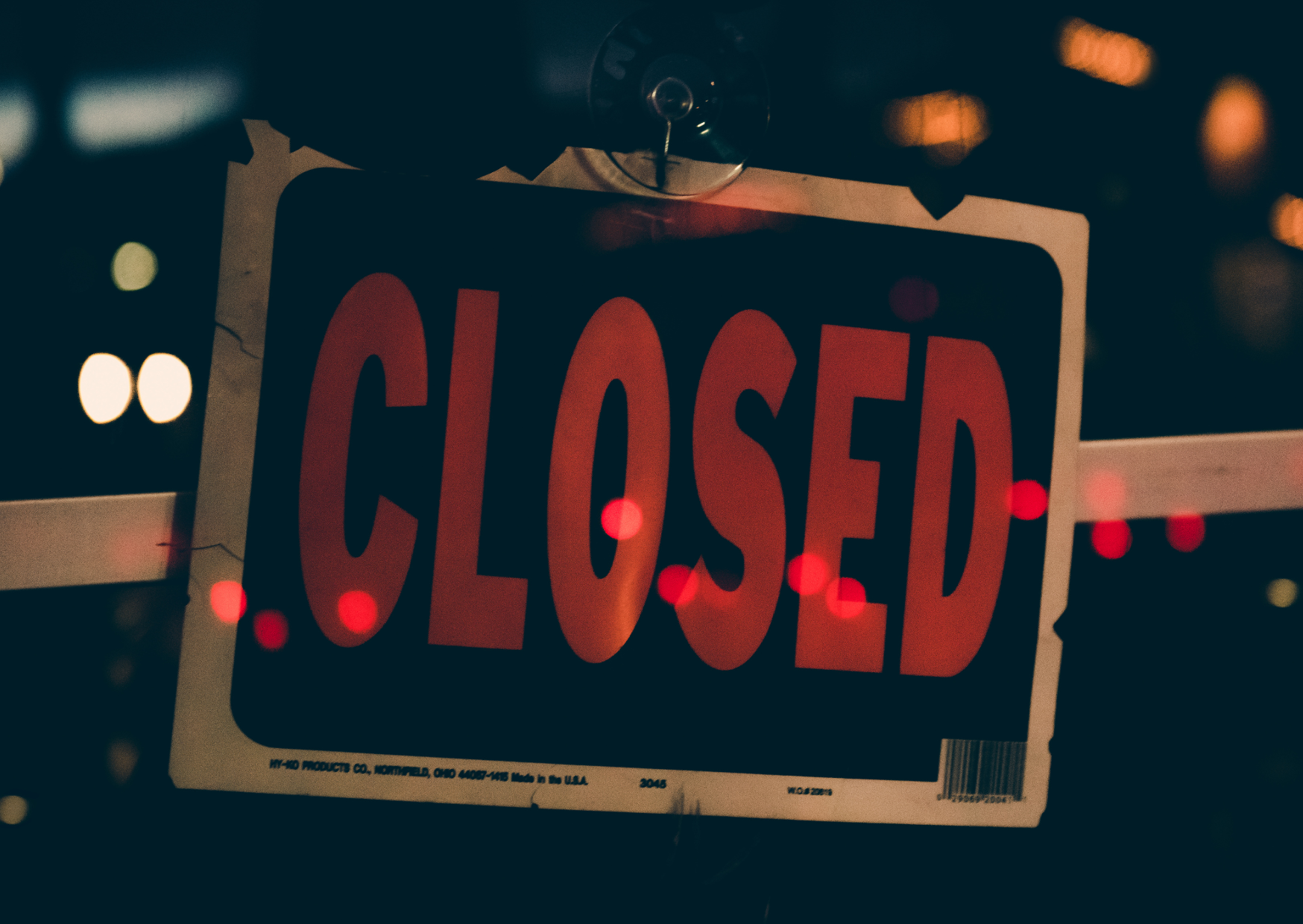
Once you stop fighting Sunday, you realize it is easy to live with. You just need a short, boring routine that repeats every week.
Do the Saturday sweep. Make a list and do one supermarket run after lunch Saturday. Grab breakfast staples, something easy for Sunday dinner, and a few snacks. Most urban stores run late Monday to Saturday. Sunday does not. If you love farmers’ markets, pair them with the supermarket so you do not discover at 18:00 that the only thing in your fridge is dill.
Leverage the bakery window. On Sunday morning, go to a Bäckerei for rolls and cake. In many states, bakeries are allowed three hours of Sunday trade for baked goods. Lines move fast, selection is generous, and it turns a closed-shop day into a ritual you actually look forward to. If you find a café-bakery with seating, you may see a longer window thanks to food-service rules. Either way, this is breakfast solved.
Use stations for rescue, not routine. If you must buy on a Sunday afternoon, head to the Hauptbahnhof or neighborhood station shops. You will pay more, but you will not go hungry. Airports do the same trick for travelers. The exception exists for a reason. Use it sparingly.
Know your fuel station aisle. Petrol stations carry basics like milk, eggs, bread, and snacks, plus the usual road goods. They are open. They are never cheap. Think bridge supplies, not weekly stock-up.
Plan health the adult way. If you need medicine, check the Notdienst rota and bring your prescription or box. Expect a small emergency surcharge. Respect that the open pharmacy is doing public service, not a social favor.
Set your expectations at the door. Restaurants and cafés are open and lively. Museums, parks, lakes, pools, all working. Sunday is ideal for a long lunch and a long walk. If you keep trying to buy power strips and bath mats, you will miss the good stuff.
That is it. One Saturday routine and three known exceptions. The day turns from “closed” to “calm.”
6) Regional Differences You Will Actually Notice
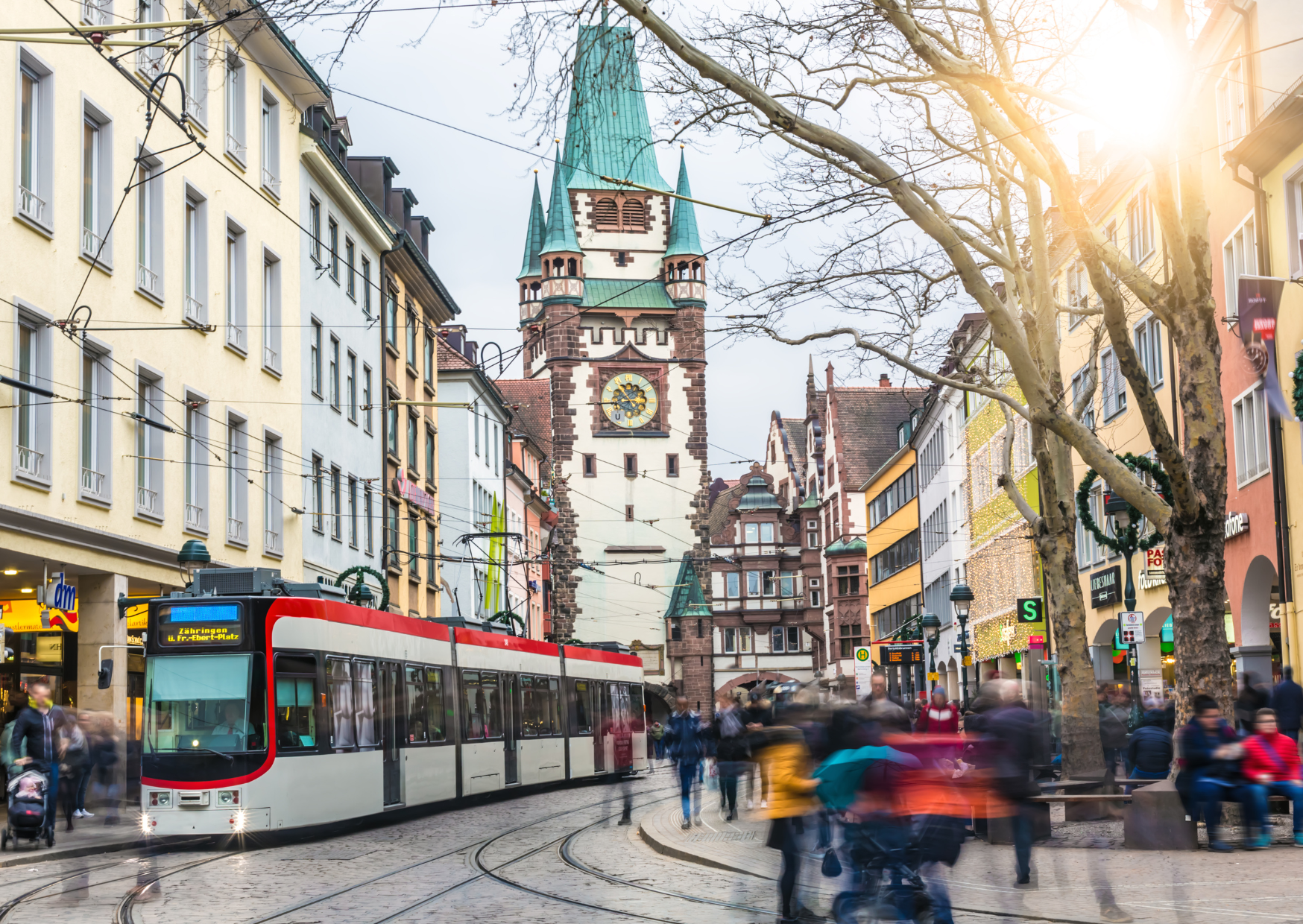
Germany is federal, which means the vibe changes by state, even if the headline stays the same.
Berlin and Brandenburg run liberal weekday hours and a larger menu of event-tied open Sundays. Shops Monday to Saturday can run essentially around the clock if they wish. On Sundays and holidays, they must close unless they fall into the listed exceptions or the city has announced an event day. Station shops and airports remain your friend.
Bavaria reads more traditional. The state keeps a clear list of exceptions and ties extra Sunday latitude to tourist needs in designated places, where shops may sell a narrow range of items tied to visitors, like snacks, newspapers, and local souvenirs. Bakeries start early on weekdays and get their short Sunday window. You will feel the rhythm in smaller towns most of all.
Baden-Württemberg spells out the classic trio cleanly: baked goods, flowers, and newspapers get short Sunday windows, often three hours. State and regional pages repeat it because it is the exception people love. The rest of retail keeps the shutters down.
North Rhine-Westphalia opens the taps for petrol-station essentials and allows station and airport trade, like elsewhere. Cities authorize a handful of open Sundays with event ties. If you see one, enjoy it. If you assume one, you will be disappointed.
Across states, one truth repeats. Stations and airports open, bakeries and flowers open briefly, emergency health operates, everything else rests. If you treat that as the baseline and read local signs when you arrive, you will be fine.
7) Phrases And Micro-Etiquette That Keep You In Good Graces
A little German goes a long way on a Sunday morning. These lines cover the real world.
At the bakery counter, greet first. “Guten Morgen” is basic civility. Order by piece, type, and cut. “Sechs Brötchen, bitte, drei Kaiser, drei Mehrkorn” gets you an approving nod. If you want slicing, add “geschnitten, bitte”. If you see a cake that should obviously be yours, point and say “Zweimal die Himbeerschnitte, bitte.”
Ask about the window. “Haben Sie heute bis elf geöffnet” helps you judge the queue risk. If the shop looks like a café, you can also ask “Gilt hier die Café-Karte am Sonntag” to see whether you can linger.
At a station grocery, do not moralize the price. You are in an exception zone. Grab what you need and go. If you do not recognize a deposit symbol on a bottle, ask “Mit Pfand, oder pfandfrei” and accept the answer without a debate.
Pharmacy duty is duty. “Ich habe ein Rezept” settles half the conversation. For over-the-counter relief: “Haben Sie etwas gegen Erkältung, ohne Müdigkeit” or “…für Kinder, ab sechs Jahren”. Keep it short. They are triaging. Expect the small emergency fee and a receipt.
Finally, a courtesy that Germans will notice: when a shop is closed and someone is obviously re-stocking behind the glass, do not knock. It is not a negotiation. Sunday is Sunday.
8) Edge Cases, Myths, And The Few Times You Can Bend It
Not everything on a Sunday is a strict no.
Tourist zones exist. In designated seaside towns, spa resorts, and tourist districts, you will find shops selling tourist needs on Sundays, defined in law as food for immediate consumption, flowers, newspapers, small souvenirs, and local goods. This is not carte blanche retail; it is a carefully fenced list. You can buy a postcard and a pretzel. You cannot redecorate the Airbnb.
Event Sundays can feel like the city forgot the rule. They did not. The day is published, justified, and time-boxed. If your trip coincides with a film festival or tourism fair in Berlin, you might catch one. Enjoy it like a street party and expect crowds.
Bakeries with seating test the edges. Courts have wrestled with how long bakers can sell on Sundays when they also serve food on premises. Outcomes vary by state and setup. To you, the customer, the answer is simple. If the door is open and the line is local, it is allowed. If not, move on politely. News coverage spikes when a judge expands or narrows the window, but you do not need to chase caselaw to buy rolls.
Automated stores are not a secret tunnel. You may see a slick box store advertise 24/7. States are pushing back that Sunday is still Sunday. The quick test is the door. If it opens on a Sunday, buy milk and smile. If it does not, do not argue with a camera. You are not the first traveler to try.
One myth to retire. You will not offend anyone’s religion by forgetting on a Sunday. You will just look unprepared. The phrase “godless” survives in jokes because Sunday still feels cultural as well as legal. Treat it like neighbors treating their staff decently and their day together carefully, and you will see why it persists.
9) What This Means For You
If you keep trying to shop on German Sundays, you will keep losing to a system designed for rest over retail. That system is not an obstacle course. It is a clear map with a few, sensible detours.
The map looks like this. Shop Monday to Saturday, late if you like. Eat Sunday morning at the bakery, fill the house with good smells and crumbs. Use stations and airports when you must, and fuel stations for bridge-supplies only. Find the on-duty pharmacy if you are sick, pay the small fee with grace, and go home to tea. If you stumble onto an event Sunday, treat it as a surprise concert with price tags.
The payoff is bigger than avoiding a locked door. You get a weekly pause that forces you into parks and cafés, long walks by canals, slow museum afternoons, and calls to relatives you would otherwise put off. You also stop being the person rattling a supermarket handle at 10:02 on a Sunday, which Germans find hilarious and a tiny bit tragic.
So plan like a local. Do Saturday properly. On Sunday, bake, stroll, nap, or swim. Monday will still be there, and so will the yogurt army, right where you left it, ready for you at 7:00.

About the Author: Ruben, co-founder of Gamintraveler.com since 2014, is a seasoned traveler from Spain who has explored over 100 countries since 2009. Known for his extensive travel adventures across South America, Europe, the US, Australia, New Zealand, Asia, and Africa, Ruben combines his passion for adventurous yet sustainable living with his love for cycling, highlighted by his remarkable 5-month bicycle journey from Spain to Norway. He currently resides in Spain, where he continues sharing his travel experiences with his partner, Rachel, and their son, Han.