
Imagine reaching for a sun warm peach, giving it a testing squeeze, and feeling the stallholder’s eyes land on your knuckles before your fingers even settle.
The market smells like herbs and melon. Pyramids of tomatoes stack to a shine. You step forward, hand first, like you would at home. A quiet “no tocar” cuts the air, firm but not unkind. You pull back, cheeks hot, and wonder how you managed to offend someone by wanting the ripest peach on the table.
You did not stumble into a personal feud. You met a different shopping script. In much of Spain, the person behind the heap, the frutero or frutera, selects the fruit. Your role is to say what you need, how you will use it, and when you plan to eat it. Their role is to choose pieces that match your plan and to keep the rest pristine for the next buyer.
Once you understand that switch, the chill turns into service. You stop poking produce, start speaking in sentences, and get a bag that tastes like it was picked with you in mind.
Want More Cultural Myth-Busting?
– 7 Ways You’re Insulting Europeans Without Even Realizing It
– 10 Secrets to Understanding European Politeness (And Why You’re Doing It Wrong)
– How to Spend a Month in Europe With Just a Carry-On—Minimalist Packing Hacks
What “Don’t Touch” Really Means
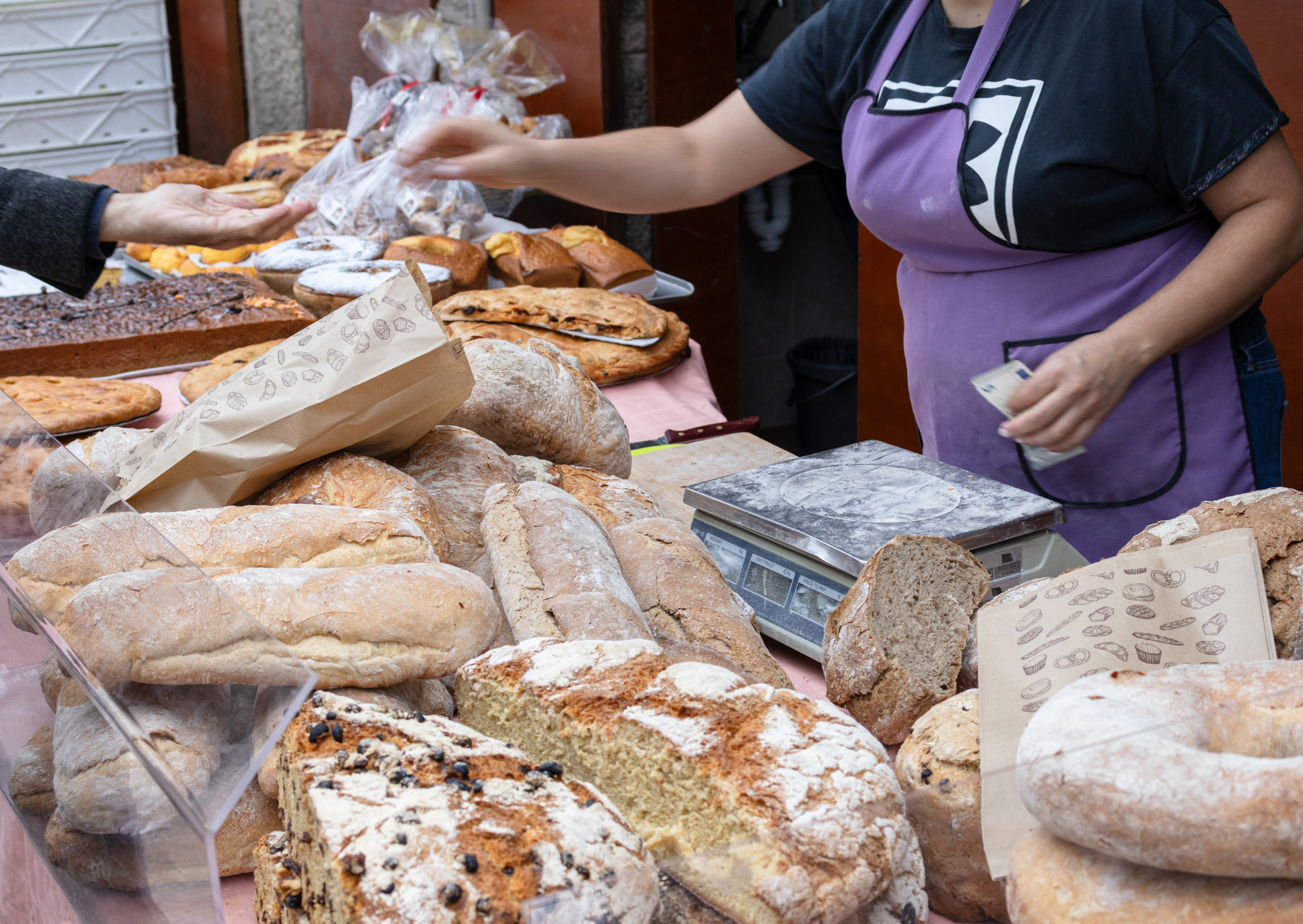
Inside traditional fruterías and municipal markets, browsing is assisted. You are not expected to forage through the pile. You are expected to talk. Stallholders greet you, you greet back, you say what you want, and they handle the merchandise. The small handwritten signs that say “No tocar la fruta” are not theater. They protect the product and signal the rhythm, the seller curates, the customer communicates.
There are three reasons this system endures. First, damage control. Tender fruit bruises, avocados scar with one bad pinch, figs burst if squeezed wrong. A vendor who chooses for you limits waste and keeps the display sellable. Second, ripeness triage. Spaniards buy for today and for mañana. When you say “para hoy” or “para mañana,” you let the seller mix peaches that are soft now with firmer ones that will peak tomorrow. Third, hygiene. Open produce is food, not a prop. Limiting hands on the pile keeps it cleaner, and in many supermarkets and fruterías, customers are asked to use disposable gloves or utensils when they serve themselves.
None of this means you have to buy blind. It means you switch tactics. Tell them what you are cooking, ask what is sweetest, and let them present options. If a piece looks off, point and say so. The vendor will swap it, and you will avoid a dozen polite scoldings over a summer.
The Hygiene And Law Behind The Scowl

The etiquette is backed by rules. Europe’s food hygiene law sets the baseline. Retailers must keep food safe and minimize contamination, which is why staff training, clean displays, and controls on handling are non negotiable. Spain adds retail hygiene requirements for shops and stalls, from how products are presented to how personnel handle them. These frameworks do not say “customers shall never touch a tomato,” but they make vendors responsible for what happens on their counters, which is why many insist on assisted handling at markets and gloves or tongs where customers self serve.
Consumer groups echo the practical bit. In many Spanish supermarkets and fruterías, if the establishment posts a sign or provides dispensers, you are expected to use the gloves for fruit and veg you pick yourself. It is store policy meeting hygiene common sense. Gloves are not magic, and they are not a substitute for washing produce at home, but if the shop requires them, comply. In traditional markets, the glove is on the other hand, the seller handles. You speak. They choose.
A related rule helps you shop smarter without touching. Spain requires clear pricing and unit pricing, which is why you see prices per kilo on boards and labels. For loose produce the law says the price per unit of measure must be visible, so you can compare without lifting a single nectarine. If something is sold by the piece, that must be clear too. You can ask weight, price, and origin with zero fingers on the fruit.
Supermarkets, Markets, And Who Handles What
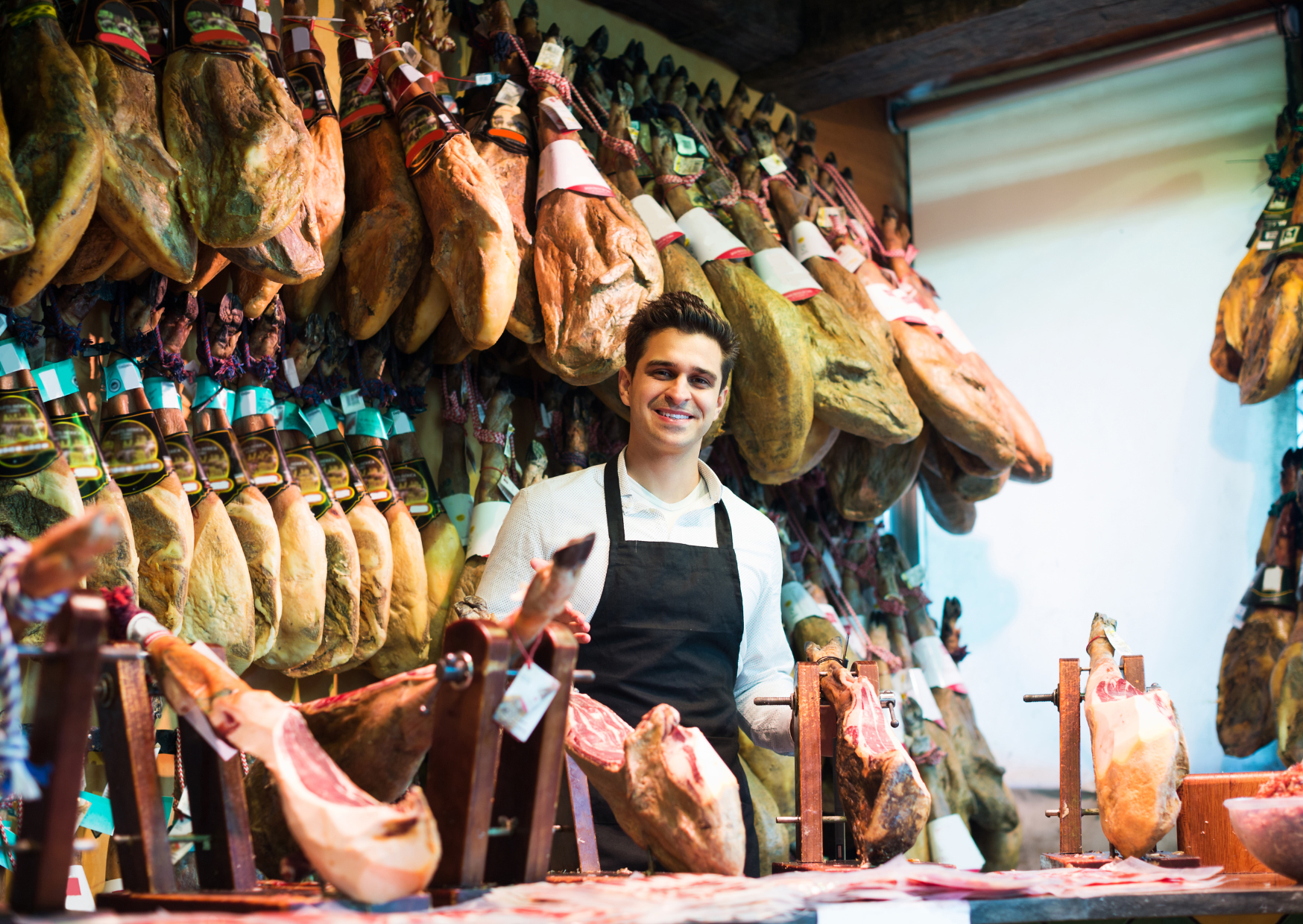
Spain runs on three produce channels, and each has its own touch rules.
In supermarkets, self service is common, but the hygiene ritual still applies. Many stores ask customers to use a glove or a bag as a barrier when choosing loose fruit and vegetables. Some chains moved produce weighing from the aisle to the checkout years ago, so you do not print stickers on the floor anymore, you bag, then the cashier weighs at the register. The pattern is simple, if the store posts glove dispensers or signs, use them, and handle only what you buy.
In fruterías and municipal markets, the default is assisted selection. You order by weight, say what you are cooking, and the stallholder picks. Here the “no tocar” is strongest, because the very business model is curation. These are the places where a hand can earn you a frown and a quiet tap on the wrist, not because the seller is temperamental, but because they are responsible for both quality and cleanliness under retail hygiene rules.
In open air street markets, expect a hybrid. Some vendors run full service counters, others set a self serve table with gloves or tongs. When in doubt, watch the person in front of you or ask. If you see a printed sign for gloves, put them on. If you see the vendor bagging for everyone, keep your hands to yourself and order with your voice. City health guidelines for street vending underscore the general principle, keep food off the ground, protected, and handled hygienically. The operator is on the hook for that.
The upshot is simple. In self service zones, barrier on hand. In assisted zones, hands off. If you are unsure, ask first.
How To Shop Without Touching And Still Get The Best Fruit
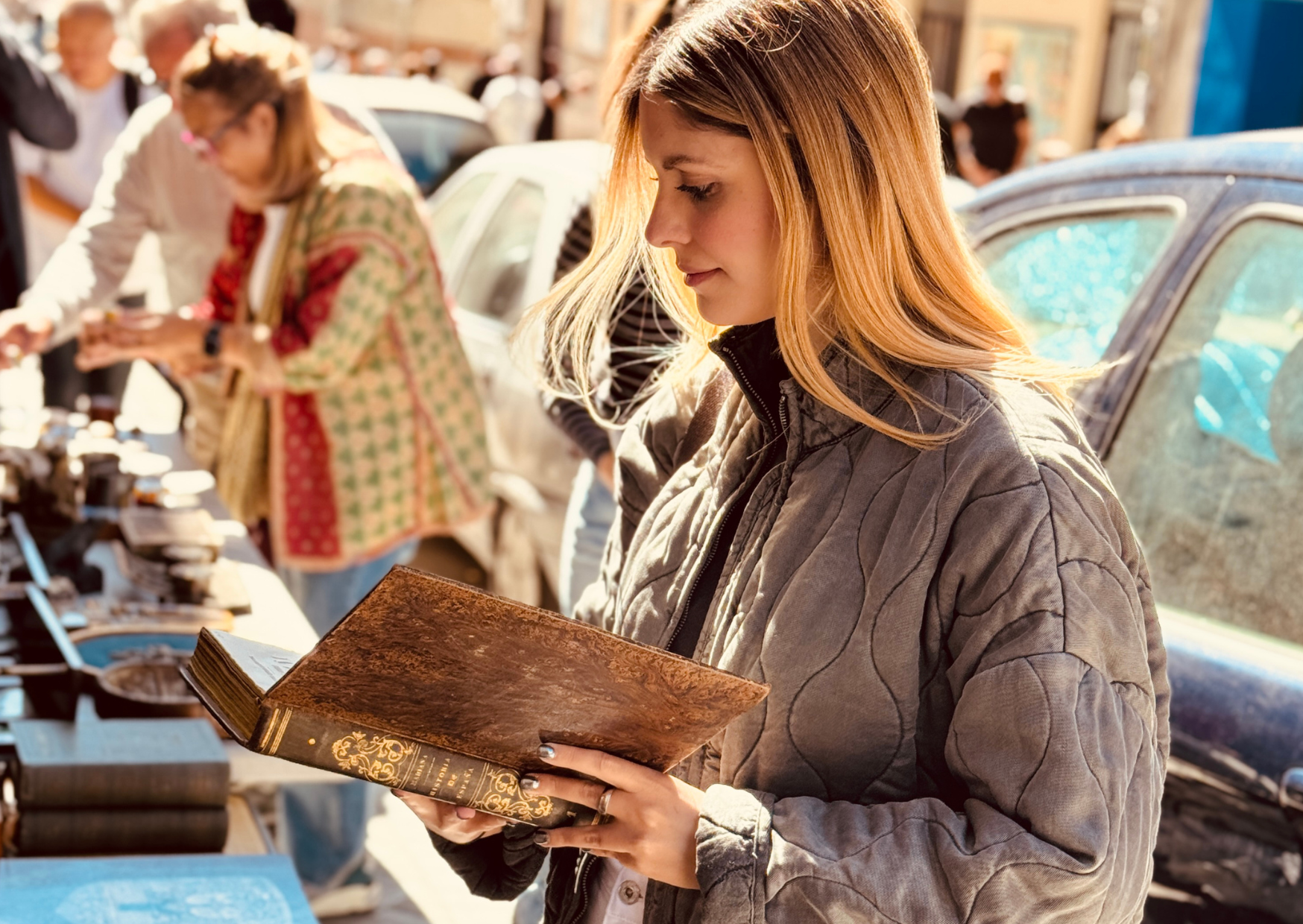
You do not need to squeeze to get great produce. You need better words. Spanish market language is practical, and a few phrases turn you from rogue squeezer into regular.
Open with a greeting. “Buenos días” or “Buenas” sets the tone. Then give a one line brief. “Me pone un kilo de tomates para ensalada, por favor” tells the seller both the weight and the use. For ripeness, add “para hoy” or “para mañana”. If you want a mix, say “¿Me mezcla unos para hoy y otros para mañana”. That single sentence is your scan hook, the magic phrase that gets you exactly what you need without touching.
If sweetness matters, ask plainly. “¿Cuál sale más dulce ahora, el melón o la sandía” will get you an honest answer and usually a quick tap on the melon that truly rings. For avocados, say “para guacamole hoy” or “para tostadas el sábado” and watch how the vendor sorts firm from yielding. For stone fruit, say “que estén maduros pero no blandos” and the bag will reflect the line you just drew.
Ordering by number or weight is easy. “Tres piezas de limón” if you want a count. “Medio kilo de uva” if you want weight. If you see a varietal you do not know, point and ask “¿Cómo está este, es más ácido o más dulce”. Vendors love this question, because it lets them steer you to the best value on the table that day.
When you would like to choose a specific piece, ask permission. “¿Puedo elegir este, por favor” goes a long way. Many sellers will nod if they see you are gentle. If they prefer to handle, they will pick the twin of the one you indicated and hand it over.
Finally, if a piece looks cut or bruised, do not go silent. “Este está un poco tocado, ¿me lo cambia” is normal. The vendor will swap it with a smile. You are not bargaining, you are keeping the transaction clean.
The Mistakes That Get You Scolded, And The Fix
Most frictions are predictable. Here are the top offenders and the simple swaps that solve them.
Squeezing for sport. A dozen micro pinches turn a good avocado into tomorrow’s bin. Instead, ask for ripeness by day and let the seller stage your week. You will get a few for now, a few for later, and no lecture.
Handling, then rejecting, then rehandling. If you must touch, touch once and commit. Better, point and ask. The seller will pick, show, and bag. Fewer fingers, fewer frowns.
Mixing produce across boxes. Each crate is graded by size or ripeness. Moving one peach to another stack breaks the merchant’s quality sorting. If you want larger pieces, say “mejor grandes” at the start.
Treating the stall like a selfie wall. Ask before filming or photographing. Vendors are working, and you are often blocking paying customers. A quick “¿Puedo sacar una foto” gets you a yes or a polite no. Respect either.
Ignoring posted routines. If a supermarket posts glove dispensers or a frutería posts “No tocar”, that is not a suggestion. It is part of their hygiene plan. Follow the sign and you avoid both the glare and any refusal of service. Consumer bodies have been repeating this since before the pandemic.
Arguing the label. Prices are per kilo unless the sign says per piece. Spain’s unit pricing rules require clarity. If you are confused, ask “¿Es por kilo o por pieza” and the clerk will show you. Do not guess and do not debate without reading the tag.
Hygiene, Gloves, And What Actually Works
Gloves stir debate, so here is the plain version. Spain’s baseline is European food hygiene law and Spain’s retail hygiene rules. Shops design their own hygiene plans inside that framework. Many supermarkets and fruit counters make glove use part of the customer routine when handling loose produce. If the store posts it, do it. If the stallholder serves you, you do not glove at all, you keep your hands out of the pile.
Do gloves make everything clean. No. You still need to wash fruit and veg at home. Consumer and health authorities have also noted that gloves can give a false sense of security if people never change them. That is why you will also see hand gel and why you are asked to handle only what you buy. The point is not a sterile opera. The point is fewer hands on food that other people will eat.
Where gloves are not posted, think like a neighbor. If you would not want a stranger’s bare hands on your lunch, do not put yours on theirs. Use the bag as a barrier to lift one piece into your own bag, then stop. Or better, ask the vendor to pick. The social temperature rises with each unnecessary touch.
What To Expect From A Good Vendor When You Play By The Rules
Politeness is not one way. When you follow the local script, you unlock the really good parts of Spanish produce shopping.
Expect honest advice. Ask which tomatoes are better raw versus for gazpacho and you will get a quick lesson in varieties. Ask which melon is sweetest this week and you will get a tap and a cut sample if the stall is quiet.
Expect ripeness to order. Say “para hoy y para el miércoles” and watch a careful mix go into the bag. This is how Spaniards avoid daily shops without eating green fruit.
Expect quality control. If the vendor sees a blemish you missed, they will swap it before you leave. Their name is on the bag, and they want you back.
Expect traceability. Labels and boards list origin and variety, and staff know which farms delivered that morning. If the origin matters to you, ask. The seller will steer you to Murcia strawberries or Lleida peaches and tell you why they chose them. Unit pricing and origin are not just bureaucracy. They are tools you can use without touching a thing.
Expect fair weighing. At markets and shops, loose produce is weighed in front of you. You will see the scale and the price per kilo. If you want to hit a target spend, say “dime cuando lleguemos a cinco euros” and the vendor will stop where you asked.
Finally, expect memory. Return twice, greet properly, and say what you liked, and the stallholder will start pulling your preferences before you finish the sentence. That is the opposite of a scolding. That is rapport.
Regional And Seasonal Quirks That Matter

Spain is not one market. It is many. A few patterns help you look like you belong.
Sale seasons exist, but not for fresh produce. The famous saldi style sales apply to fashion, not food. Fruit and veg prices move with season, quality, and supply. Do not wait for a markdown that never arrives. Ask which variety is best value today and buy that.
Street markets have their own hygiene rules. Local ordinances require food off the ground, protected, and handled cleanly. If a street stall sets gloves or tongs out for customers, use them. If not, expect the seller to serve you. If the stall looks sloppy or food sits on the sidewalk without protection, walk on. City health services publish guides for how vendors must display and protect food in the street. Those rules exist for your stomach, not your Instagram.
Bag charges are normal. Spain charges for lightweight plastic carrier bags and leaves the ultra light bags for produce free. If you need a carry bag at checkout, expect to pay a few cents. Bring a tote and use the thin produce bags only as food barriers, not as carriers.
Weighing systems vary. In many supermarkets the cashier weighs your bag at checkout, not you at an aisle scale. In markets and fruterías the stall weighs for you. Follow the local flow and you will not hold up the queue.
Timing helps. Arrive 30 to 60 minutes after opening and stalls are set and ready. Come near closing and you may get ripe bargains, but accept that the selection has been picked over. Either way, you can get what you need without touching anything but your wallet. Travel writers who live in these markets repeat this timing advice for a reason.
What This Means For You
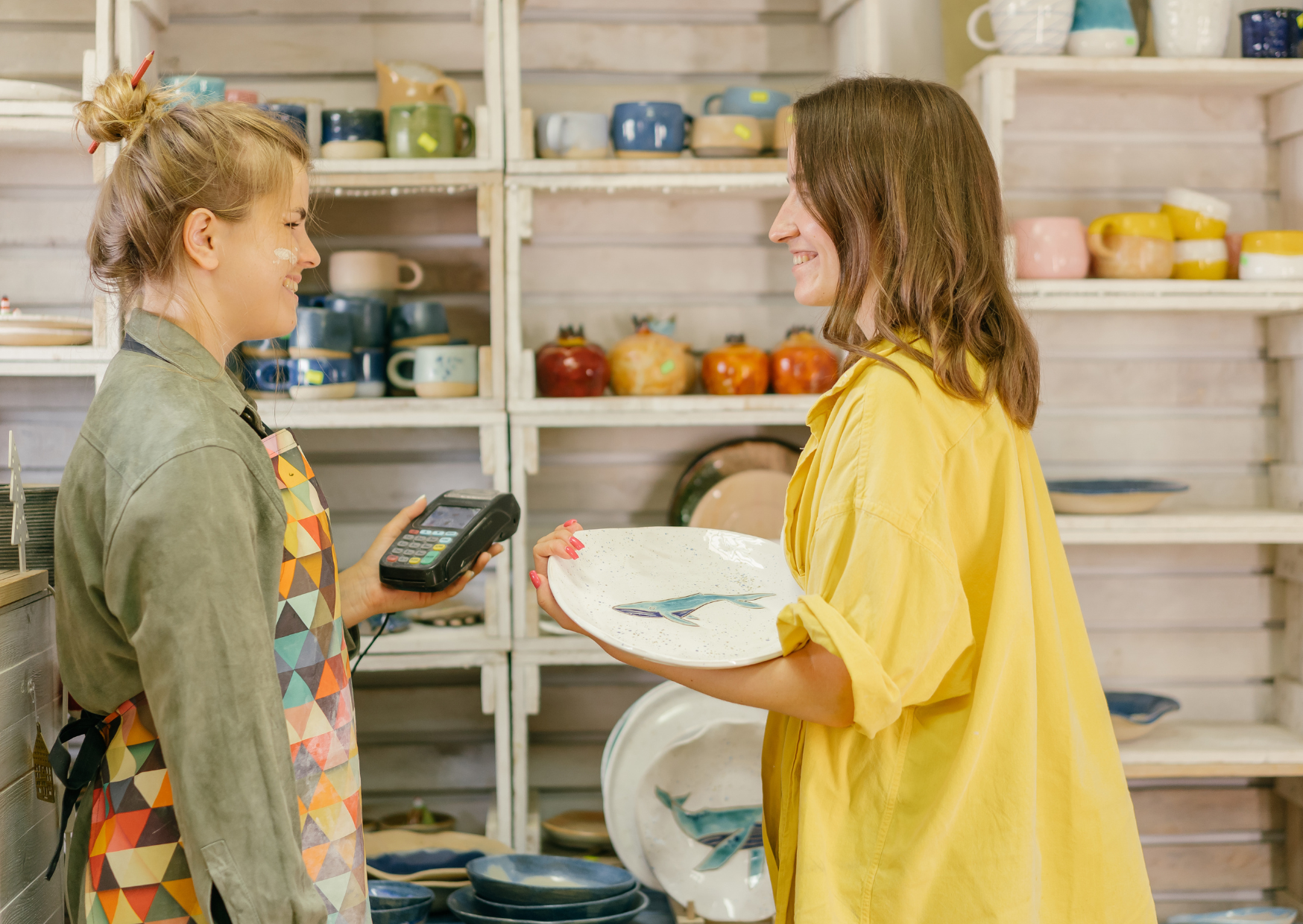
The “hand slap” is not about arrogance. It is about craft, hygiene, and waste. Spanish stallholders are accountable for what leaves their counter. They keep fruit tidy because bruises kill sales. They limit hands because fewer touches mean cleaner food. They choose for you because your words are more precise than your squeeze.
If you want the sweet spot, switch from fingers to phrases. Greet, say what, when, how you will eat it, and let the professional choose. Where the store posts gloves, use them. Where the stall serves, hands off. Read the price per kilo, watch the scale, and ask questions instead of poking. You will walk away with better produce, fewer glares, and a new ritual that feels less like being scolded and more like being looked after.
The peaches are still warm. The melons still ring. The only thing you have to change is what you do with your hands.

About the Author: Ruben, co-founder of Gamintraveler.com since 2014, is a seasoned traveler from Spain who has explored over 100 countries since 2009. Known for his extensive travel adventures across South America, Europe, the US, Australia, New Zealand, Asia, and Africa, Ruben combines his passion for adventurous yet sustainable living with his love for cycling, highlighted by his remarkable 5-month bicycle journey from Spain to Norway. He currently resides in Spain, where he continues sharing his travel experiences with his partner, Rachel, and their son, Han.