
If you have ever crawled across Rome on a bus for what feels like an eternity, there is a faster way hiding in plain sight.
You arrive, you buy a ticket for the classic lines, and you follow the crowd to the famous stops. Then you spend half your day on surface traffic, watching the meter tick while scooters slide past. The secret almost no first timer uses is the pale green route that locals take to cut straight under the worst bottlenecks. It is quiet, clean, and automated. It connects to the orange line you already planned to ride. And on many cross-city trips, it can shave half an hour to three quarters of an hour compared with buses and taxis stuck at lights.
That line is Line C.
Line C is the east-west spine most visitors ignore because it lives a few blocks away from the postcard core. For travelers who want to reach San Giovanni, Pigneto, the Appian Way corridor, and big parts of the eastern half of the city, it is the time machine you were hoping for. In late 2025 it is also getting new central connections that make it even more useful.
Below is exactly how to use it, where it beats the crowd, and how to plan stays around it so your daily travel time collapses without spending more.
Want More Deep Dives into Everyday European Culture?
– Why Europeans Walk Everywhere (And Americans Should Too)
– How Europeans Actually Afford Living in Cities Without Six-Figure Salaries
– 9 ‘Luxury’ Items in America That Europeans Consider Basic Necessities
Meet Line C, the underused shortcut
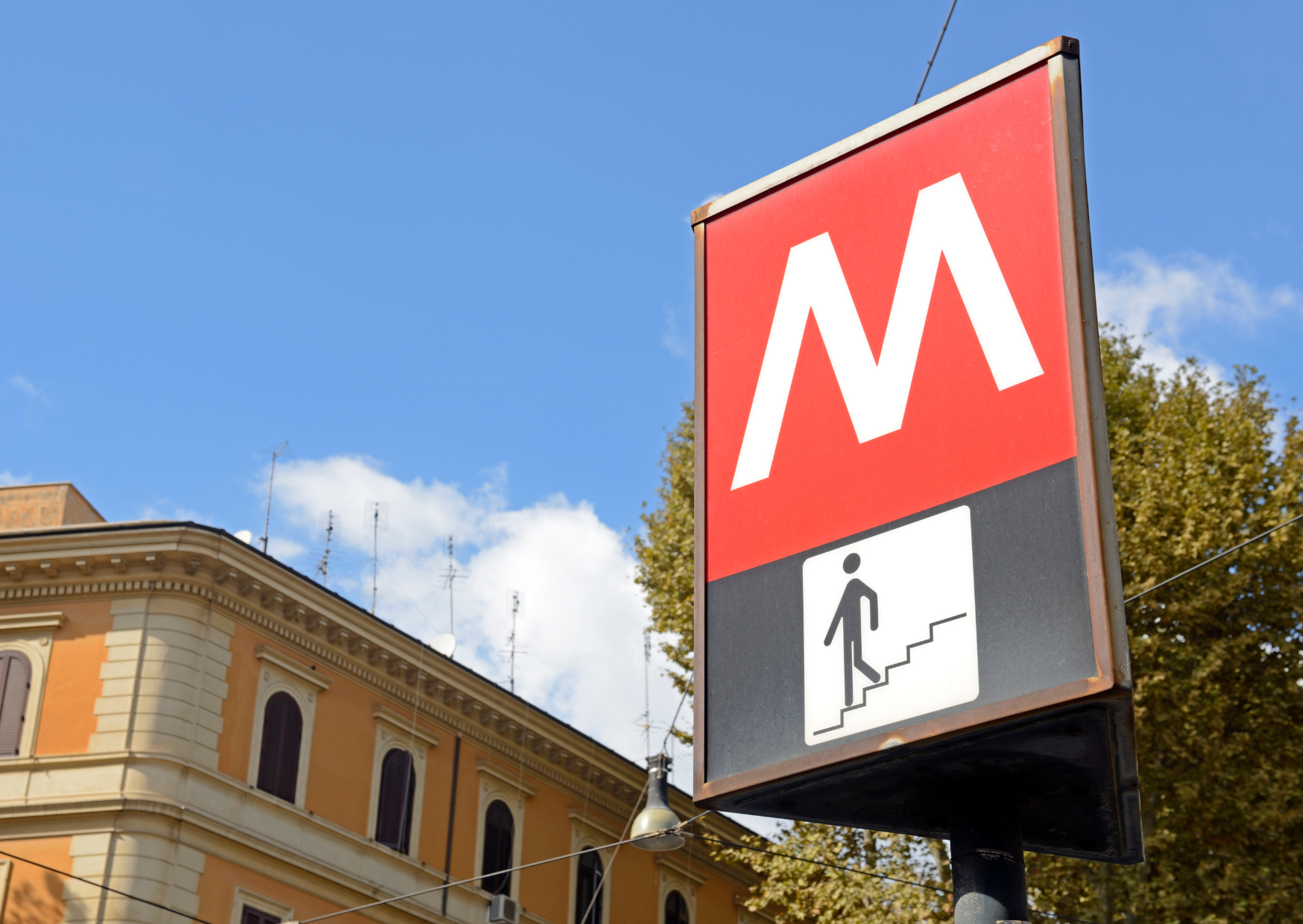
Where it runs
Line C runs from Monte Compatri-Pantano in the east to San Giovanni, where it already links with Line A. It is fully automated, runs at tight headways for a Roman metro, and was built to pull riders off slow east-side buses and funnel them into the central network quickly.
Why tourists skip it
Most visitors center on Lines A and B because those hit the biggest names: Colosseo, Spagna, Ottaviano for the Vatican. Line C’s stations serve working neighborhoods like Pigneto, Malatesta, Mirti, Gardenie, and Torre Maura. That feels off the path on day one. Once you realize how fast it moves you to Line A at San Giovanni, it stops feeling distant and starts feeling like a shortcut.
What changes in 2025
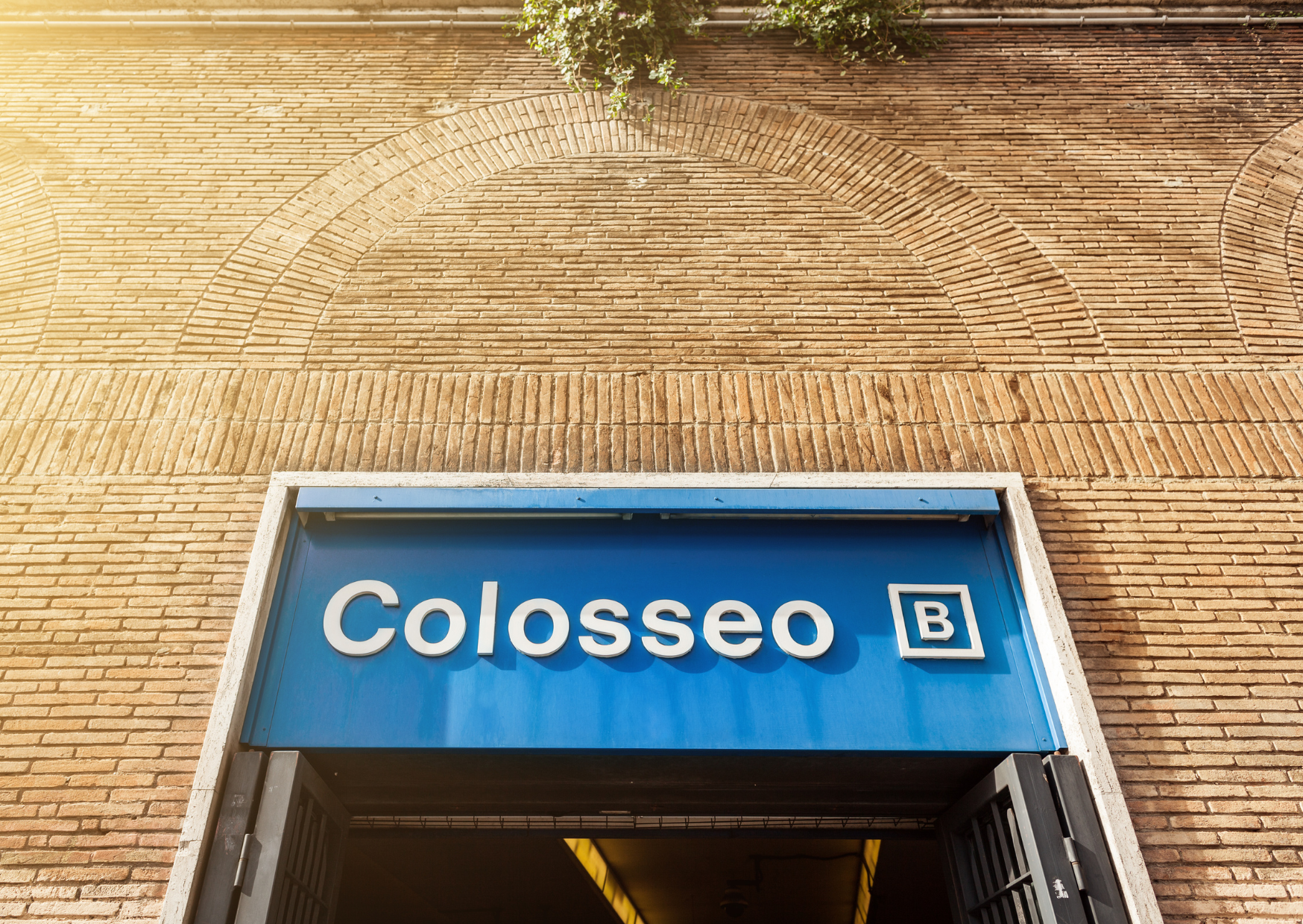
Rome is finishing a new Colosseo–Fori Imperiali station for Line C that will connect directly with Line B at Colosseo, with further works toward Venezia and design moving ahead for the leg toward San Pietro and Ottaviano. The city and its contractors confirmed the funding and construction schedule this year, and local press has the Colosseo connection targeted for opening later in 2025. That single interchange will make Line C an obvious choice even for classic sightseeing days.
Where Line C crushes travel time
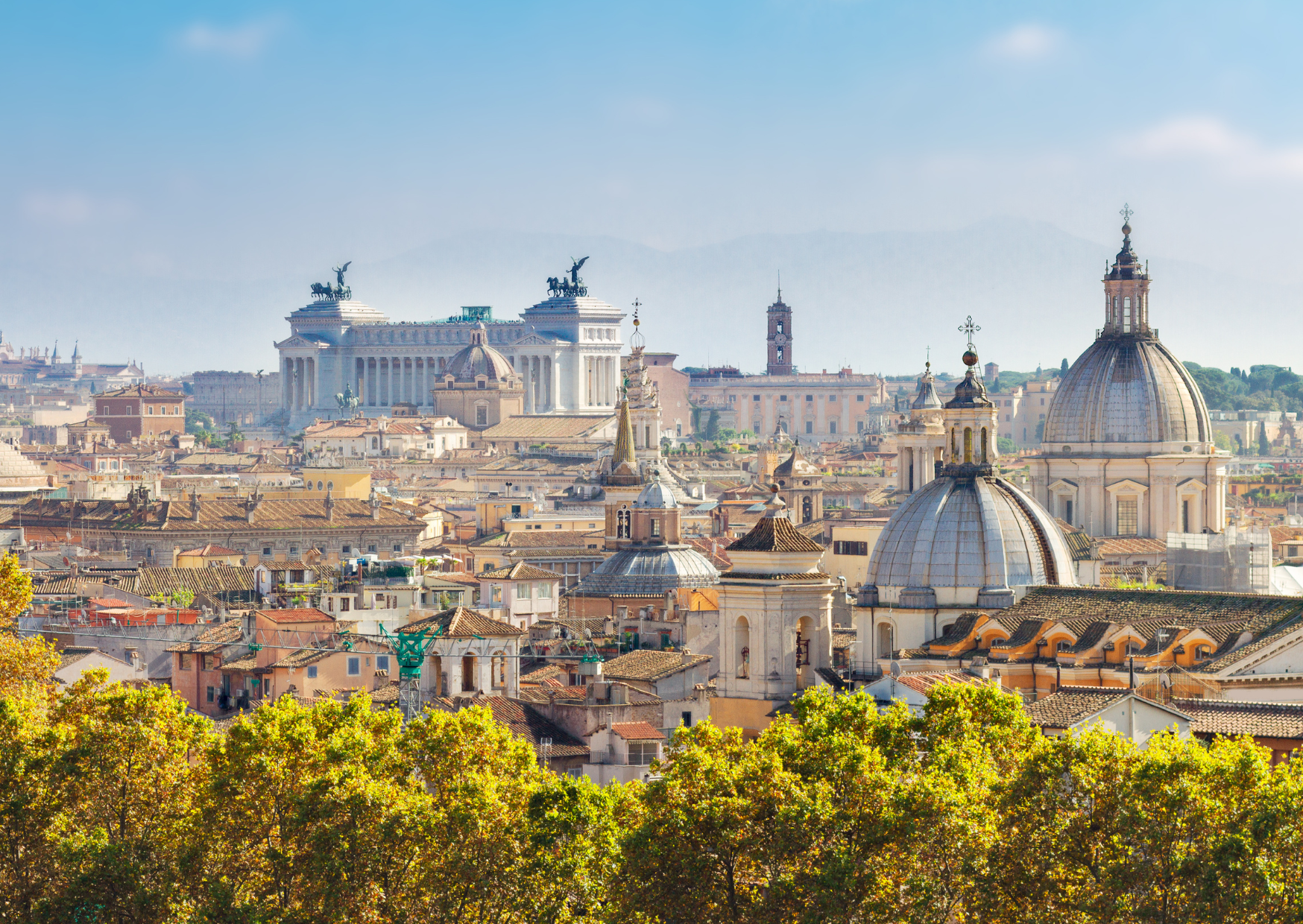
East to center without traffic
If you stay in Pigneto, Lodi, or Malatesta, Line C puts you at San Giovanni in minutes. From there, Line A takes you directly to Termini, Barberini for Trevi, Spagna for the Spanish Steps, Flaminio for Piazza del Popolo, and Ottaviano for the Vatican. The surface alternative is a multi-transfer bus day that often stalls in traffic; Rome ranks among Europe’s slower big cities on daytime roads, which is why the rail hop saves you so much time.
Cross-town jumps that actually feel short
A typical east-to-west trip like Centocelle to Ottaviano becomes a simple ride to San Giovanni then Line A west. The same movement by bus can crawl, especially at rush hour and on market days. Rome’s traffic index shows typical 10-kilometer road trips taking close to half an hour in daytime, before you count dwell time at bus stops. That is why a metro chain that runs under the grid often wins by 30 to 45 minutes in real conditions.
Future one-transfer days to the Forum and Colosseum
Once Colosseo–Fori Imperiali (Line C) opens and links to Colosseo (Line B), riders from the east will reach the Forum zone with a single change underground, instead of weaving through buses near Termini. That de-stresses classic routes like Pigneto to Colosseo and will pull thousands off the surface.
How to ride it like a local
Find the green signs
Line C signage and maps use a pale green identity. The Line A interchange at San Giovanni is well marked; follow the green to orange arrows on the mezzanine and expect a short corridor walk. Staffed gates are present for questions.
Tickets and gates
Rome’s integrated tickets work across metro, bus, and tram. That means the same single ticket you would use on a bus validates at Line C gates and then again on Line A if your time window is still open. If you use contactless entry at the gates, tap in and tap out the same card each time so the system recognizes your trip.
Three good habits
Carry a charged phone for station announcements, wait near the middle of the platform for faster transfers at San Giovanni, and step to the side when doors open because locals board decisively. Those habits keep your changes crisp.
Where to stay to unlock the savings
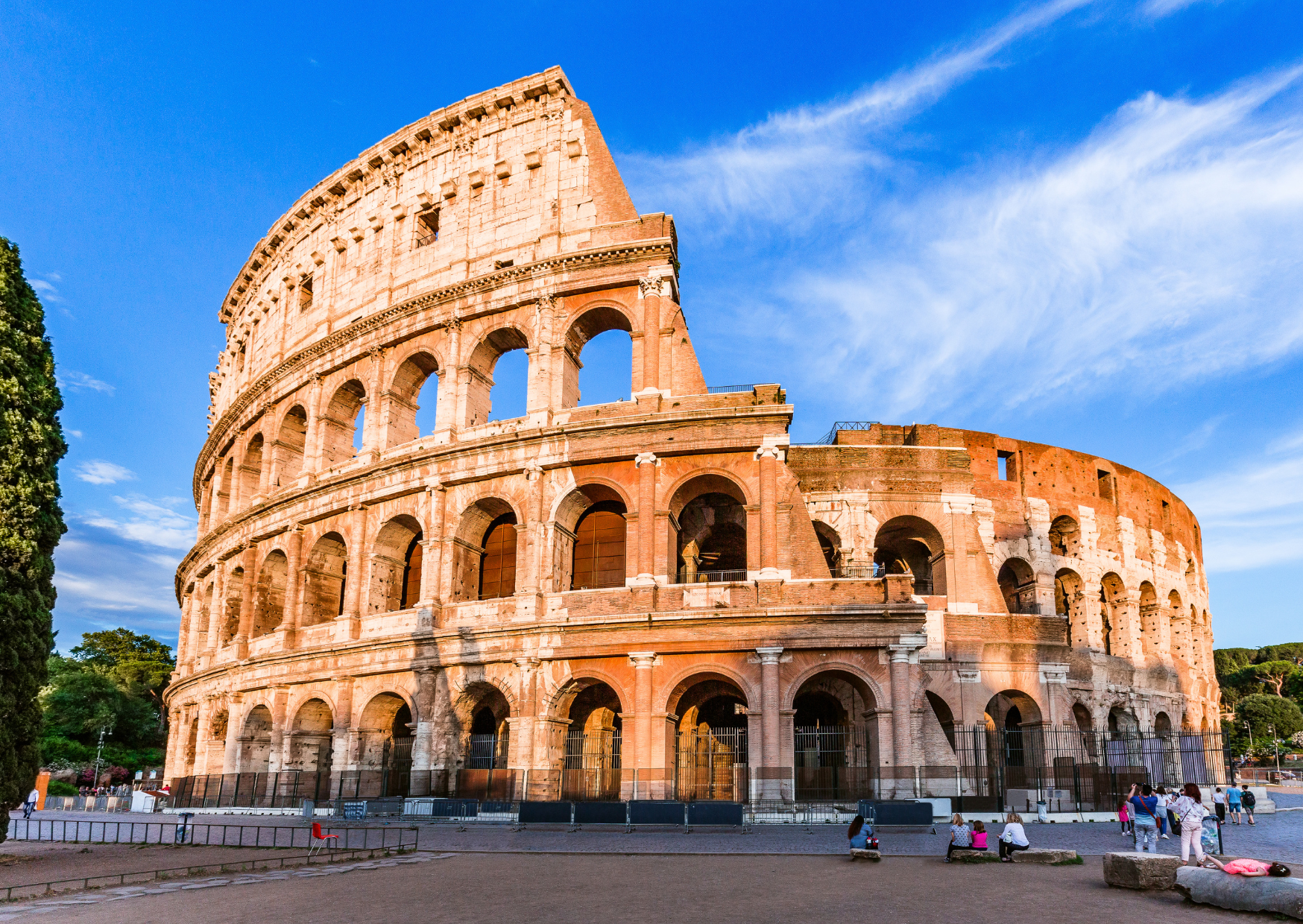
Pigneto for cafés and fast access
Stay within a few minutes of Pigneto and you are ten to twelve minutes from San Giovanni without touching the street. The neighborhood is full of cafés, small trattorie, and late-night places that stay lively. Look two to three streets off the main drag for quiet nights. Close, lively, quick is the Pigneto triangle.
Lodi for calm and short walks
Lodi sits just east of San Giovanni, so trips into Line A are especially quick. The streets here are residential, with bakeries and fruit shops tucked under apartments. If you want a quieter base with the same Line C access, this is it. Residential, near, reliable describes Lodi.
Malatesta or Mirti for value
A few stops further east, Malatesta and Mirti offer larger flats at calmer prices and park access. You give up a few minutes of ride time and get space in return. For longer stays, the value adds up. Space, markets, savings make these two worth a look.
Sample trip pairs that show the gain
Centocelle to the Spanish Steps
Centocelle → Line C to San Giovanni → Line A to Spagna. No surface traffic, one clean interchange, and you walk out under the stairs, not from a bus stop several blocks away. Simple, underground, direct wins here.
Pigneto to the Vatican Museums
Pigneto → Line C to San Giovanni → Line A to Ottaviano. You arrive a few blocks from the museum entrance without touching the Termini knot. Predictable, walkable, calm is the payoff.
Mirti to Villa Borghese
Mirti → Line C to San Giovanni → Line A to Flaminio then a short walk or park entrance tram. You trade a 70-minute bus tangle for a neat 35 to 45 minutes underground and on foot. Quicker, cooler, clearer describes the route.
Pair it with the other “hidden” line to the sea
What locals ride
Locals aiming for beach days or Ostia Antica ride the urban railway long known as Roma–Lido, now branded Metromare. It departs from Porta San Paolo, which is beside Piramide on Line B. Trains take roughly half an hour to Ostia Antica or a few more minutes to the seaside stops. Fast, cheap, frequent is why Romans love it.
How Line C helps
Staying on the east side and need the beach or the ruins without a taxi? Use Line C to San Giovanni, Line A one stop to Manzoni then Line B south to Piramide, or ride Line A to Termini then Line B if that is easier from your base. From there it is a simple walk to Porta San Paolo and onto Metromare. The whole chain stays in rail mode, which is why it beats surface routes. Rail, rail, rail is the pattern that saves hours across a week.
Why it really saves that much time
Rome’s surface is slow by design
The center is a living museum with narrow streets, lights, crosswalks, deliveries, and events. Rome regularly ranks among Europe’s slower big cities for daytime road travel. Typical 10-kilometer road trips take close to half an hour, and that is before you add bus dwell times and irregular headways. When you replace two or three bus segments with Line C to Line A, you often recover 30 to 45 minutes on any cross-town itinerary. Congestion, dwell, delay are the enemies; tunnels, transfers, timing are the fix.
The network effects compound
Line C is not just a fast train. It plugs you into the orange line at San Giovanni today, will plug into Line B at Colosseo later this year, and is designed to reach Ottaviano and San Pietro in a later phase. Each new node multiplies the value of every station east of San Giovanni. More nodes, fewer minutes is what network builders aim for.
Caveats to respect so you do not lose the advantage
Construction zones near the Forum
As the Colosseo–Fori Imperiali works progress, expect changed pedestrian flows and occasional diversions at the edges of the archaeological area. Signage is good, but give yourself a few extra minutes. Watch signs, follow staff, allow buffer and you will be fine.
Interchange to the rail ring is not ready yet
You will see maps showing a future Pigneto connection between Line C and the FL1/FL3 regional lines. That interchange is under construction, with phased openings scheduled in coming years. For now, plan your trips through San Giovanni or via Lines A and B. Planned, phased, pending is the status today.
Peak moments still feel busy
Big events, football nights, and museum free days will crowd Line A trains. That is not a Line C problem, it is a Rome success problem. If you can, shift a half hour earlier or later, and your ride smooths out. Shift time, skip crowds, stay calm is the rule.
A 48-hour plan that proves the point
Day one, east-side base
Check into a small flat near Pigneto. Drop bags, walk five minutes to the green logo, and ride to San Giovanni. Change to Line A for Barberini and see Trevi and the Triton Fountain with a late morning coffee. After lunch, ride to Flaminio and walk the park edge at Villa Borghese before sunset. You did all of that with two clean changes and zero bus stress. Simple map, simple day, simple joy.
Day two, ruins and sea
Line C to San Giovanni, Line A to Termini, Line B to Piramide, short walk to Porta San Paolo, and Metromare to Ostia Antica. Wander the ancient streets, then choose whether to continue to the beach for a late lunch or head back for early dinner near Lodi. No meter shock, no parking hunt, no wasted afternoon in traffic. History, beach, dinner on one integrated ticket plan.
Quick answers before you go
Is Line C safe and straightforward for visitors
Yes. Stations are modern, signage is clear, and the San Giovanni interchange is easy to follow. As always, keep belongings close and ride middle cars at night.
Can I rely on it for airport transfers
Use the airport rail lines for that job. The FL1 serves Trastevere, Ostiense, Tuscolana, and Tiburtina straight from Fiumicino without going to Termini, which is perfect if you are staying on the southern or eastern arcs. Pair that with Line C after you reach the city. Direct, frequent, stress-saving beats the long taxi line.
Will the Colosseo connection really open in 2025
The city and contractors have set 2025 milestones and confirmed funding. Local outlets cite opening later this year for Colosseo–Fori Imperiali. Always check the current notice boards when you arrive, since big archaeology projects move carefully. Funded, advanced, close is the honest summary.
The takeaway
Most visitors ride the same two lines and then wonder where the week went. Line C is the quiet fix. It carries you under the delays that make Rome feel slow, it links cleanly with Line A today, and it is about to plug directly into Line B at the Forum. If you base yourself near one of its eastern stations or simply weave it into your daily routes, you will spend more of your time in piazzas and galleries and far less staring at brake lights.
Choose a place near the green dots, learn one interchange at San Giovanni, and let the network do what it was built to do. Your days will feel longer, your step count will be happier, and your patience will last until dessert.

About the Author: Ruben, co-founder of Gamintraveler.com since 2014, is a seasoned traveler from Spain who has explored over 100 countries since 2009. Known for his extensive travel adventures across South America, Europe, the US, Australia, New Zealand, Asia, and Africa, Ruben combines his passion for adventurous yet sustainable living with his love for cycling, highlighted by his remarkable 5-month bicycle journey from Spain to Norway. He currently resides in Spain, where he continues sharing his travel experiences with his partner, Rachel, and their son, Han.