
And why bidets are standard across Europe, but still taboo in the United States
Walk into a bathroom in France, Italy, Portugal, or Spain, and you’ll likely notice an object that makes American guests uncomfortable. It’s not broken. It’s not dirty. It’s not even that complicated.
It’s just a bidet.
Low to the ground, shaped like a toilet bowl but with a faucet or spray nozzle, the bidet is as normal in European bathrooms as a toothbrush. It’s used daily. It’s part of the routine. And it’s not treated as a luxury, a niche, or a talking point.
But in the United States, the reaction to bidets still ranges from mild confusion to full-on disgust. Some Americans giggle. Others avoid them. Many dismiss them outright — as unnecessary, unsanitary, or simply “not our thing.”
Here’s why Europeans swear by bidets as an essential hygiene habit — and why so many Americans still find them unsettling, even in 2025.
Want More Deep Dives into Everyday European Culture?
– Why Europeans Walk Everywhere (And Americans Should Too)
– How Europeans Actually Afford Living in Cities Without Six-Figure Salaries
– 9 ‘Luxury’ Items in America That Europeans Consider Basic Necessities
Quick Easy Tips
Understand the bidet before judging it — it’s about hygiene, not discomfort.
Start with a travel bidet if you’re unsure; it’s an easy way to ease into the habit.
Know the cultural context — cleanliness is interpreted differently across the globe.
Across much of Europe, using a bidet — a water-based cleansing fixture typically found next to the toilet — is considered the gold standard of personal hygiene. To many Europeans, wiping alone is seen as insufficient and even unsanitary. The logic is simple: if you wouldn’t clean any other part of your body with just dry paper, why should your most sensitive areas be treated differently? The bidet is a deeply embedded cultural practice, often introduced in childhood and rarely questioned.
On the flip side, many Americans find the idea of a bidet uncomfortable, unnecessary, or downright gross. The association of water with toilet use, especially when sprayed in intimate areas, crosses into taboo territory for some. In American bathrooms, bidets are rarely seen, and the mere suggestion of using one often sparks laughter, disbelief, or resistance. Despite growing global interest in better hygiene and sustainability, bidets in the U.S. still carry an awkward stigma.
This cultural clash reflects more than just bathroom preferences — it reveals how comfort zones and traditions shape our sense of what is “normal.” While Europeans may view toilet paper-only routines as outdated, Americans often defend them with fierce loyalty. Ironically, in a country that leads in technological innovation, the hesitation to adopt a cleaner, more environmentally friendly system is seen by many Europeans as a cultural blind spot rather than a matter of preference.
1. The Bidet Is a Standard Fixture — Not a High-End Upgrade
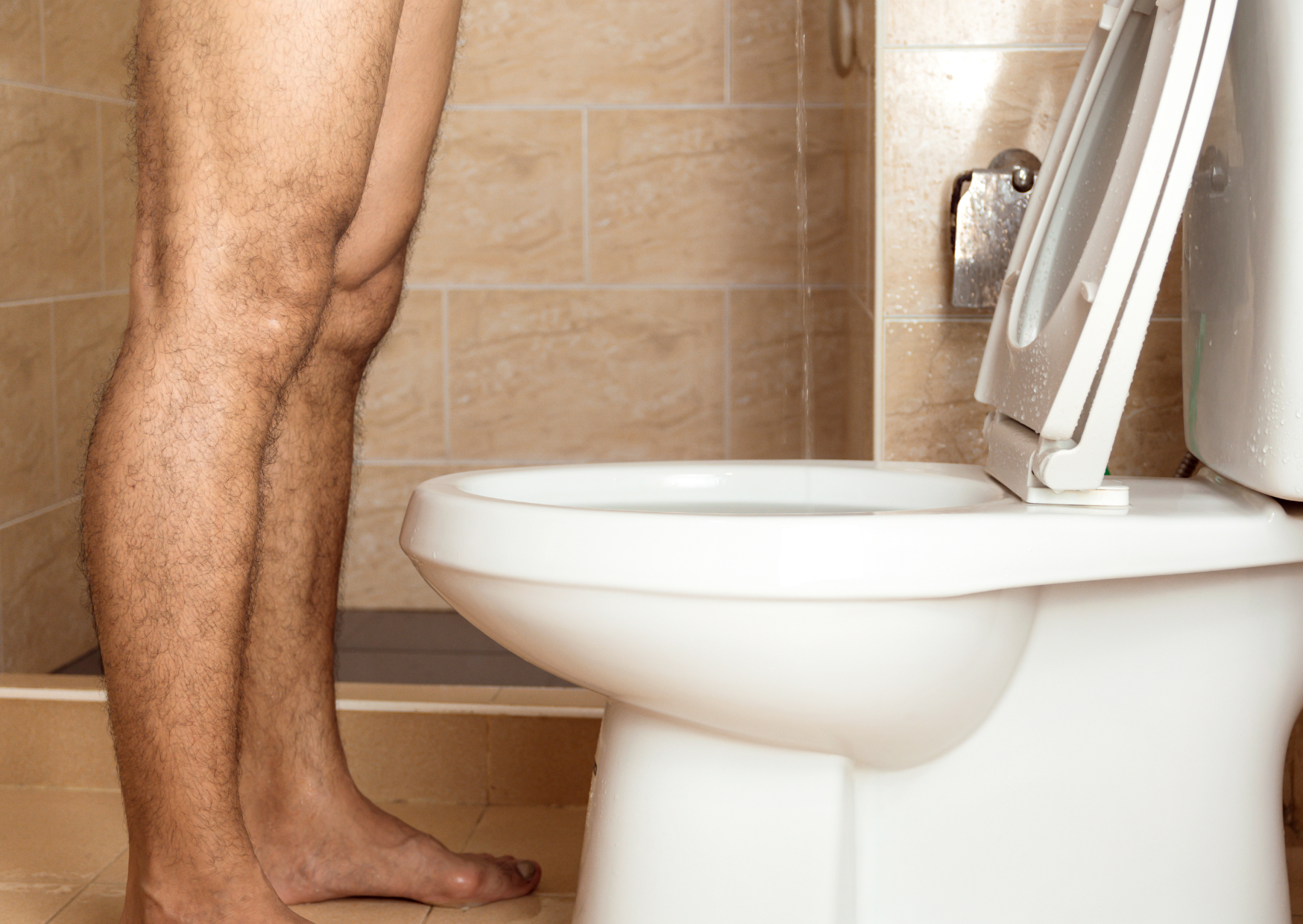
In many American homes, if a bidet exists at all, it’s a recent add-on — a techy toilet seat, an attachment from a viral ad, or a “spa upgrade” in a luxury bathroom.
In Europe, it’s just standard plumbing.
Older homes have floor-mounted ceramic bidets, often beside the toilet. Newer homes might install combined bidet-toilet systems or integrated sprayers. But no one makes a big deal about it.
To most Europeans, not having a bidet feels strange. A bathroom without one feels incomplete — like a kitchen with no sink.
2. Water Is Considered Cleaner Than Paper — Full Stop
The American model of hygiene relies almost entirely on dry wiping. Toilet paper is the default. Wet wipes are optional. Water is reserved for the shower.
Europeans find this baffling.
In European logic, you wouldn’t wipe your hands with a dry napkin after gardening — you’d rinse them with water. Why would you treat your body differently?
The bidet provides a way to clean thoroughly, gently, and hygienically. Most Europeans feel cleaner after using it. And once accustomed to it, many consider toilet paper alone to be insufficient.
3. Americans Confuse the Bidet with the Toilet — and Then Dismiss It
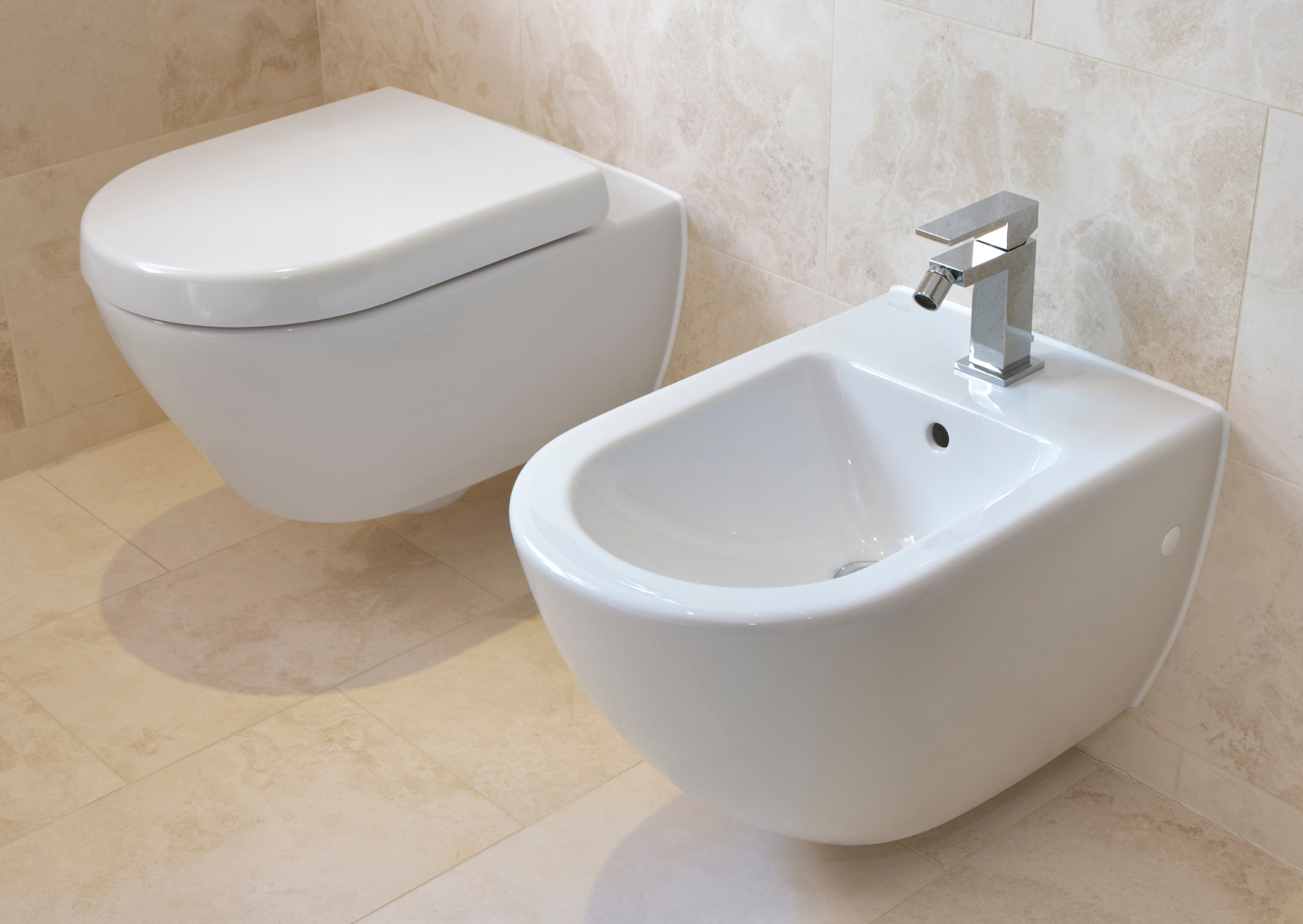
One of the key cultural barriers is misunderstanding.
Americans often assume the bidet is:
- a second toilet
- a sink
- a device for intimate behavior
- a strange European quirk that requires explanation
This confusion — plus the absence of bidets in public restrooms — creates a sense of foreignness that Americans resist.
But Europeans don’t treat bidets as exotic. They’re as boring as a soap dispenser. It’s not a discussion point. It’s just part of using the bathroom properly.
4. The American Obsession with “Clean” Doesn’t Extend Below the Waist
Ironically, American hygiene culture is incredibly product-heavy. There are mouthwashes, exfoliants, shower gels, toners, wipes, and deodorants for every body part.
Except, somehow, for the one part most involved in daily bathroom activity.
In European homes, the logic is flipped. Less product. More water. And cleanliness based on feeling, not scent.
The bidet fits this worldview perfectly: it’s low-tech, effective, and efficient. For many Europeans, not using one feels less clean — no matter how much scented paper you use.
5. Toilet Paper Is a Backup — Not the Main Event
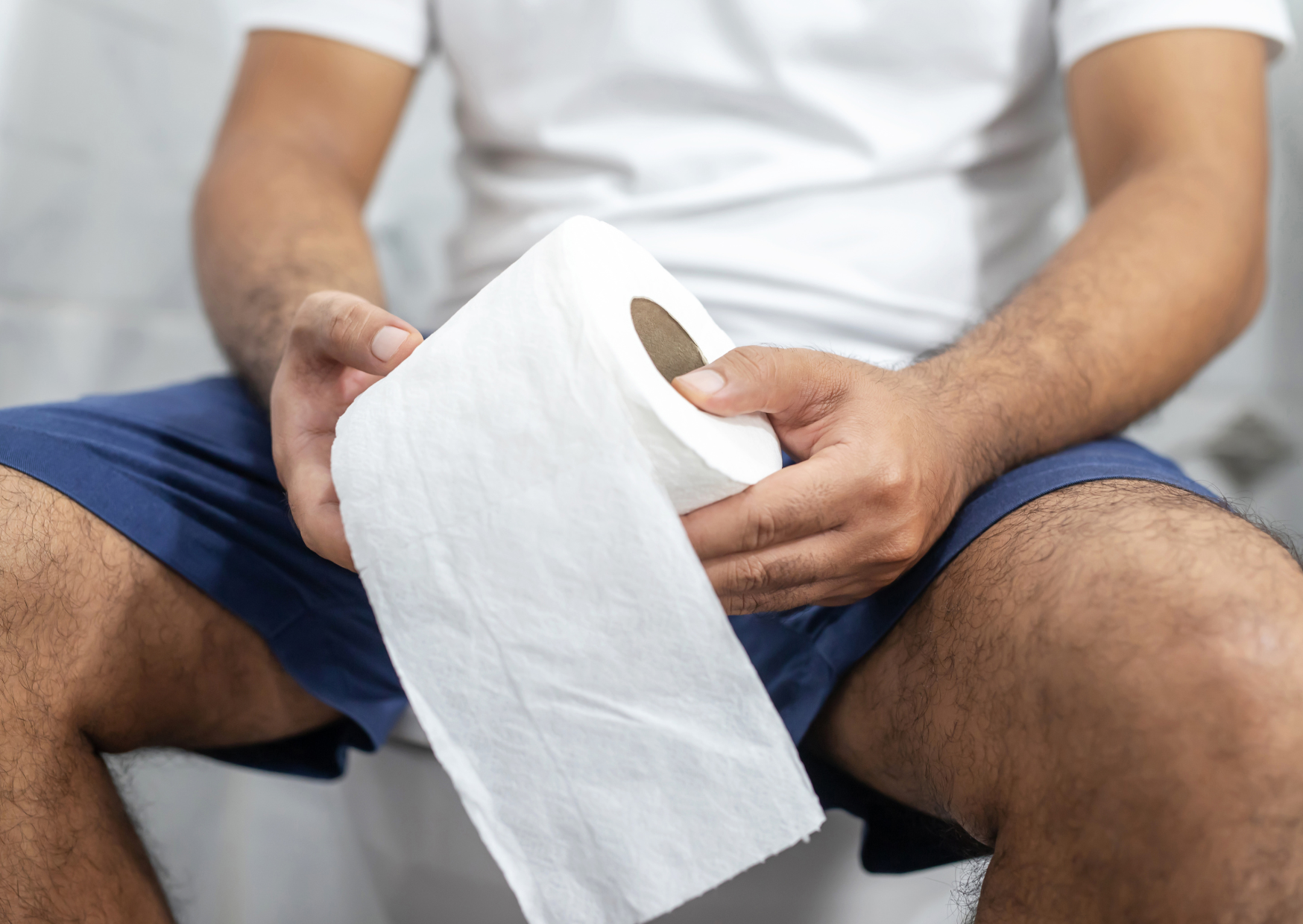
In American bathrooms, toilet paper is the only tool. In European bathrooms, it’s often just step two.
You rinse first. Then pat dry if needed. Some people skip paper entirely when at home, using towels or air-drying. It’s not considered extreme. It’s just efficient.
Because of this, toilet paper is used more sparingly — and not in layers and layers like many Americans are taught to do.
This isn’t just about comfort. It’s about plumbing too. Many European pipes can’t handle thick wads of paper, which is one reason the bidet caught on in the first place.
6. The Taboo in the U.S. Has Nothing to Do with Function — and Everything to Do with Control
Americans aren’t grossed out by hand soap. Or shampoo. Or face wash. But somehow, the idea of rinsing the body with water in the bathroom gets treated like a step too far.
Why?
Because American bathroom culture is deeply private and over-sanitized. Anything involving the lower body is treated with embarrassment or over-correction — either concealed entirely or covered in euphemism.
Bidets aren’t embarrassing in Europe because the body isn’t considered inherently dirty. It’s considered normal — and in need of care, not control.
7. Americans Buy Wipes, Sprays, and Creams — Instead of Turning on a Tap
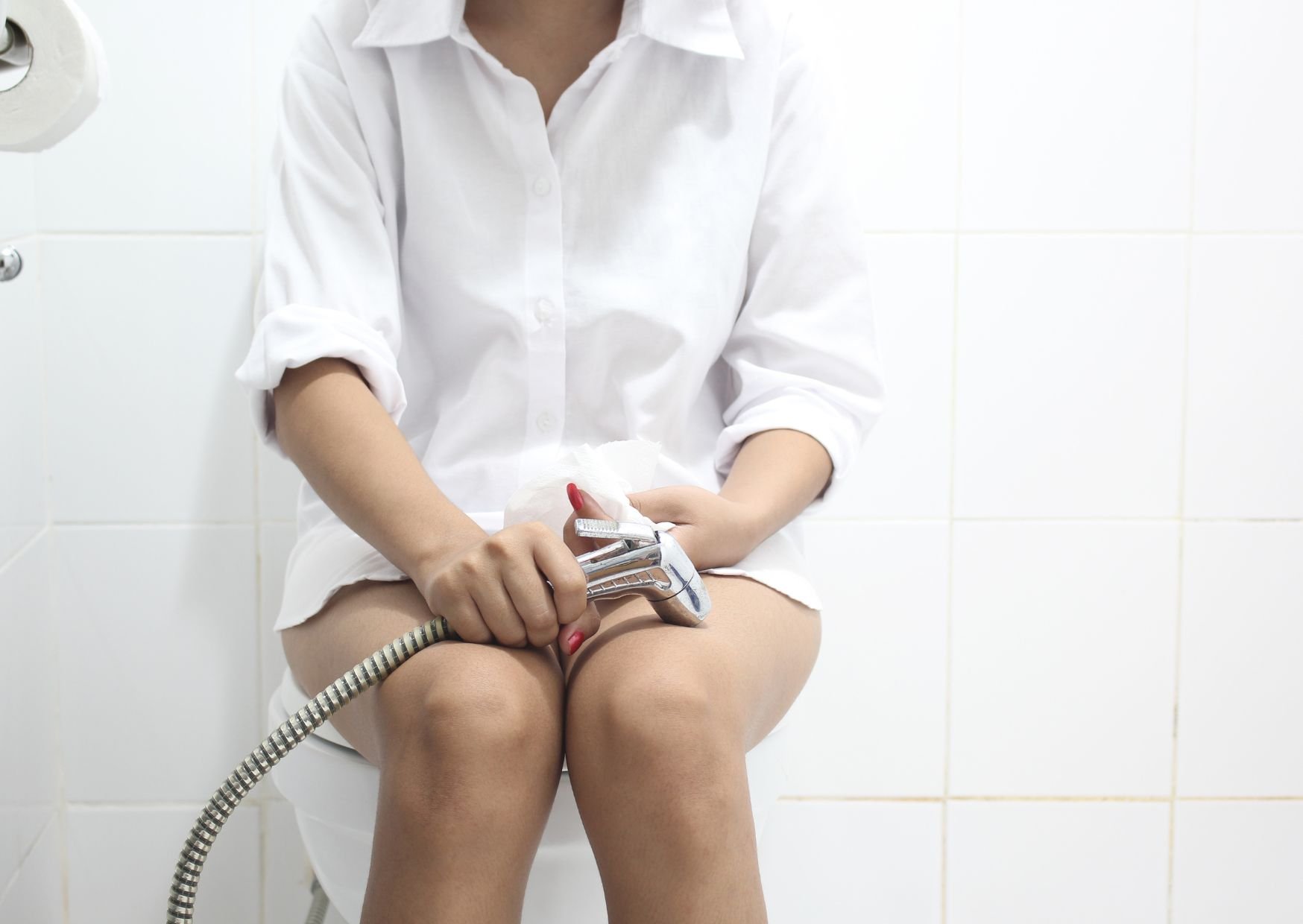
Bidet usage in the U.S. is often dismissed as “European weirdness,” yet the market for wet wipes, scented sprays, and skin-soothing balms is booming.
This contradiction highlights the problem: Americans want the feeling of clean, but without confronting what it actually takes to get there.
Europeans, by contrast, spend less money — and use a basic water rinse to achieve better results.
To them, it’s not about luxury or indulgence. It’s just about doing the job properly.
8. Public Restrooms Don’t Offer Bidets — But Homes Always Do
Part of the American aversion is practical: you don’t see bidets in public restrooms. So you don’t learn to use them. So you don’t consider them necessary.
In Europe, bidets aren’t expected in public — but they’re assumed at home.
It’s understood that thorough hygiene happens privately. And when guests stay over, hosts assume they’ll want that option.
Even in hotels, hostels, and short-term rentals, you’ll often find a bidet, even if it’s old or tucked into a corner.
It’s not for show. It’s because someone expects to use it.
9. Once Europeans Try It — They Never Go Back
The strongest cultural proof of the bidet’s value isn’t in theory — it’s in practice.
Ask any European who has moved to the U.S., and they’ll often say the same thing: they miss their bidet.
Some install attachments. Some adapt with handheld sprayers. Others adjust reluctantly — but feel less clean.
There’s a reason bidets are gaining traction among Americans who try them abroad: they work. And when people experience it firsthand, the taboo starts to fade.
One Bathroom, Two Beliefs
To Americans, the bidet is extra.
To Europeans, the absence of one is lacking.
To Americans, the bathroom is a place to conceal and correct.
To Europeans, the bathroom is a place to care for the body with water — without shame.
And in that difference lies the full story.
The bidet isn’t just plumbing. It’s a cultural symbol of how much comfort and cleanliness you’re allowed to have without embarrassment.
So the next time you step into a European bathroom and see that low basin beside the toilet, don’t laugh. Don’t panic. Don’t post about it.
Just try it.
You might discover that what Americans call disgusting — is actually just being clean.
Ultimately, the divide over bidet use isn’t just about plumbing — it’s about perspective. What one culture finds perfectly natural, another may consider uncomfortable or even offensive. But this is exactly why global travel and open-mindedness are so important. Exposing ourselves to different habits challenges the assumptions we take for granted and can lead to surprisingly positive changes in daily life.
For Americans traveling through Europe, the bidet might seem like an intimidating fixture at first. But embracing it — or at least trying it — can offer a deeper insight into the values Europeans place on cleanliness, routine, and bodily care. Just like adjusting to meal times or dress codes abroad, adopting new hygiene habits can be a small but powerful gesture of cultural respect.
Change doesn’t have to be immediate. But understanding why something exists — and why so many people swear by it — is a first step toward dismantling reflexive resistance. Who knows? What once seemed strange might become a daily essential, especially when you realize it’s not about being European — it’s about being clean.

About the Author: Ruben, co-founder of Gamintraveler.com since 2014, is a seasoned traveler from Spain who has explored over 100 countries since 2009. Known for his extensive travel adventures across South America, Europe, the US, Australia, New Zealand, Asia, and Africa, Ruben combines his passion for adventurous yet sustainable living with his love for cycling, highlighted by his remarkable 5-month bicycle journey from Spain to Norway. He currently resides in Spain, where he continues sharing his travel experiences with his partner, Rachel, and their son, Han.