
From quaint stereotypes about constant café culture to blanket assumptions about language skills, Europe often lives in the American imagination as a monolith of historical castles and fancy accents.
But reality is a bit more nuanced—and many locals chuckle at (or sometimes bristle against) the clichés that persist. Below, we tackle 10 widespread American myths about Europe, armed with clarifications straight from real locals.
Want More Cultural Myth-Busting?
– 7 Ways You’re Insulting Europeans Without Even Realizing It
– 10 Secrets to Understanding European Politeness (And Why You’re Doing It Wrong)
– How to Spend a Month in Europe With Just a Carry-On—Minimalist Packing Hacks
Quick Easy Tips
Talk to locals rather than relying only on guidebooks or stereotypes; firsthand conversations reveal the real culture.
Travel beyond capital cities to see everyday life and understand regional differences.
Question assumptions—what may seem “typical” in Europe is often a generalization that doesn’t apply everywhere.
Stay open-minded; use myths as starting points for learning instead of sticking to them.
Read local news or blogs before visiting to gain a current perspective.
One controversial issue is how media often shapes American perceptions of Europe. Movies, television, and even travel shows tend to highlight clichés—like every French person carrying a baguette or every Italian constantly eating pasta. Locals often find these portrayals amusing at best and misleading at worst, creating frustration about how their cultures are seen abroad.
Another point of contention is the assumption of cultural uniformity. Many Americans believe that Europe is a single, unified culture when in reality it’s a continent with enormous diversity. From language to traditions to political systems, each country is distinct. Oversimplifying Europe into one identity can feel dismissive to people who value their unique heritage.
Finally, there’s the ongoing debate about quality of life. Some myths suggest Europeans live a slower, more carefree existence, while others assume everything is outdated compared to the U.S. In truth, the balance between tradition and modernity varies widely across the continent. Locals often push back against these sweeping generalizations, arguing that they distort reality and overlook both challenges and strengths.
1. “Everyone in Europe Speaks Perfect English”

The Myth
- Americans assume they can travel from Portugal to Poland using only English, expecting locals to sound like British Netflix dramas.
Local Reality
- While Northern Europeans (Dutch, Swedes) often have strong English fluency, not everyone in rural Italy or central Spain speaks it confidently. Older generations, especially in smaller towns, might know just basics.
Debunked
- English is widespread in tourist hotspots, but rely on translator apps or basic phrases in less-touristed areas. Locals appreciate any effort to say “Hello” or “Thank you” in their language.
2. “Europe Is Just One Big Country (with the Same Culture Everywhere)”

The Myth
- Americans imagine a seamless, uniform continent. They say “I’m going to Europe,” as if it’s one place, rather than dozens of nations with unique identities.
Local Reality
- Europeans hail from 40+ countries (even more if you count microstates), each with distinct languages, customs, and historical contexts. An Irish local is wildly different from a Greek, culturally speaking.
Debunked
- Crossing from Germany into Czech Republic can mean a language switch, new currency, and different social norms. Europe’s variety is part of its charm—lumping it all together misses that richness.
3. “French People Are Rude and Hate Americans”

The Myth
- A lingering trope suggests Parisians especially will sneer at your accent, ignore your questions, or mock your high-school French.
Local Reality
- Most French folks, especially outside tourism pressure zones, are polite but expect basic courtesies—like greeting store staff with “Bonjour.” They’re not rude; they’re formal and proud of their language.
Debunked
- If you skip “Bonjour” or speak loudly in English without trying any French, you might meet coldness. Offer a warm greeting, attempt a few French words, and you’ll usually receive friendly help in return.
4. “Everyone Is Super Fashionable All the Time”

The Myth
- Some Americans think all Europeans dress like runway models—Italians in designer suits, Parisians in haute couture, Brits in impeccably tailored coats.
Local Reality
- Sure, there are stylish folks. But daily life can mean jeans, sneakers, hoodies—especially among younger crowds. Not every French mother is wearing Chanel at the supermarket.
Debunked
- Europeans appreciate comfortable clothes too, although many do favor well-fitted, classic items. If you want to blend in, just avoid extremely baggy or loud outfits. But rest assured, not everyone is catwalk-ready 24/7.
5. “Every European Kid Speaks Multiple Languages by Age 5”

The Myth
- Americans assume European children are trilingual by kindergarten—English, French, and maybe Spanish—effortlessly switching between them.
Local Reality
- Many schools emphasize learning a second language early, but fluency levels vary. Urban kids often do better than rural peers. Not everyone is a mini polyglot.
Debunked
- Educational systems differ; a German child might learn English in primary school, a Spanish child might pick up French, but true multilingual mastery demands continuous practice. Don’t be shocked if a rural teen only knows basic English phrases.
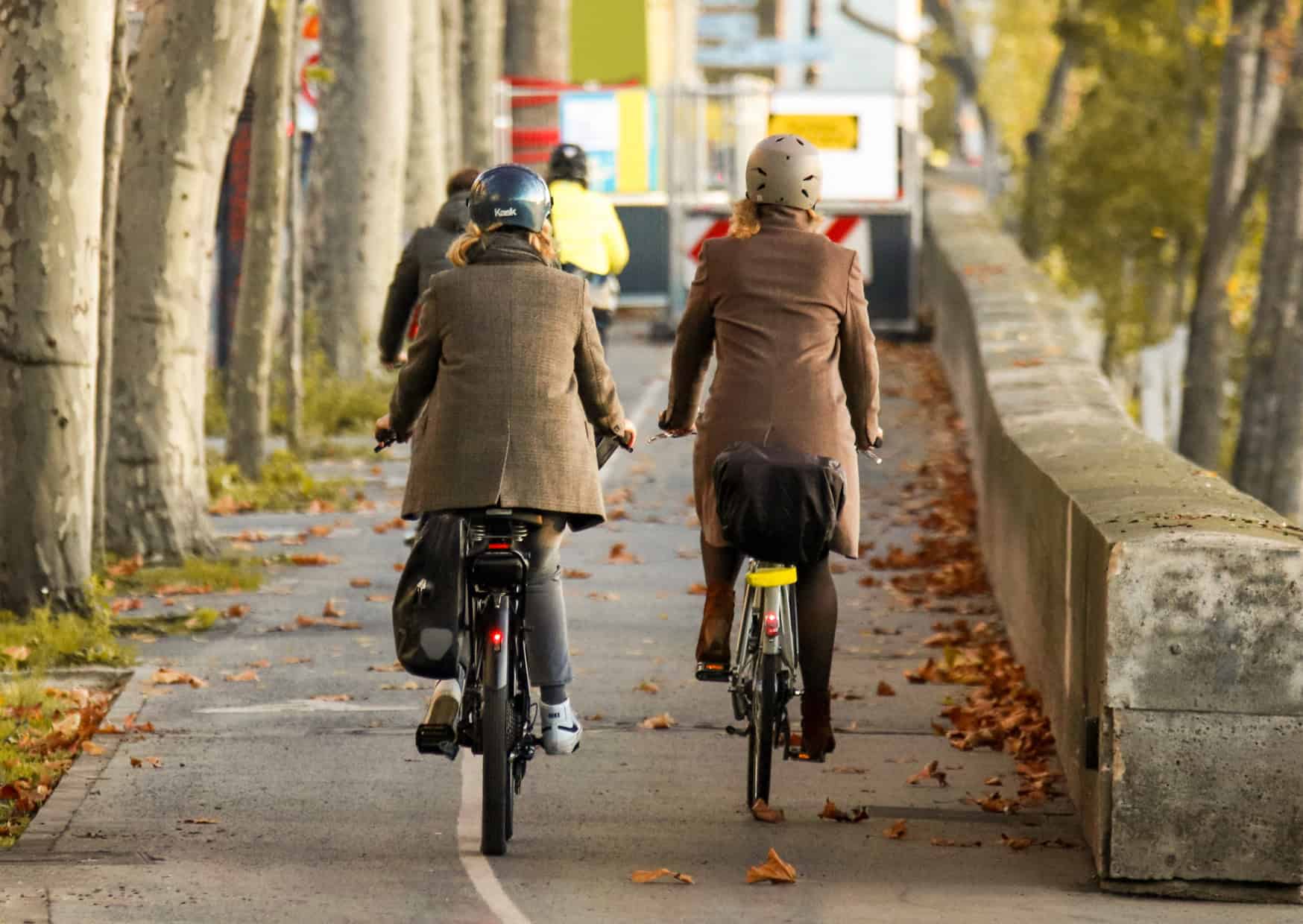
6. “Public Transport Is Perfect and Everyone Bikes Everywhere”
The Myth
- Americans envy the idea that Europe is seamlessly linked by trains, trams, buses, and wide bike lanes, rendering cars unnecessary.
Local Reality
- Some regions excel in public transit (Germany, Switzerland), or biking culture (Netherlands, Denmark). Elsewhere, especially smaller towns in southern or eastern Europe, you might find patchy train routes or minimal bus schedules.
Debunked
- Yes, the EU invests in rail networks and many city centers champion cycling. But not all areas are commuter utopias—rural communities can be car-dependent, too.
7. “All Europeans Are Socialists with Free Everything”

The Myth
- People think universal healthcare in many EU nations equates to fully socialist economies, with free college, unlimited welfare checks, and no capitalism.
Local Reality
- While social safety nets (like national health services, subsidized education) are more robust than typical US systems, each country’s approach differs—some are more capitalist-leaning, others more welfare-based.
Debunked
- Europe spans a political spectrum: Scandinavia invests heavily in social welfare, whereas parts of eastern Europe prioritize private enterprise. “Free everything” is an overgeneralization that overlooks taxes, contributions, and diverse political debates.
8. “Every Meal Is a Leisurely, Long Affair”

The Myth
- Americans romanticize leisurely European lunches, imagining daily wine, multi-course meals, and no one rushing back to the office.
Local Reality
- While extended lunches can happen in certain cultures (e.g., Spain, Italy), many modern Europeans juggle 9-to-5 jobs, quick lunches, or cafeteria meals—just like anywhere else.
Debunked
- Sure, Europeans might eat dinner later or enjoy weekend feasts, but daily life often demands speed. A Parisian banker likely has just a one-hour break, not a two-hour gastronomic escapade.
9. “It’s Always Safe Because of Strict Gun Laws”

The Myth
- Americans assume Europe is universally crime-free. With minimal gun violence, some think you can wander deserted alleys without worry.
Local Reality
- While many European nations have tighter gun policies, petty theft, pickpocketing, and occasional violent crimes exist—especially in big tourist zones or certain neighborhoods.
Debunked
- Europe is relatively safe, but not immune to crime. Locals lock doors, watch valuables, and remain cautious in busy areas. Tourists should do the same, especially around large city hubs.
10. “Once You’ve Seen One Cathedral/Castle/Pub, You’ve Seen Them All”

The Myth
- Americans traveling quickly across Europe might say, “All churches look alike, all pubs are the same,” missing regional distinctions.
Local Reality
- Each region’s architecture, history, or interior design differs—Gothic cathedrals in Germany vs. Romanesque churches in Italy. British pubs vary from centuries-old taverns to modern craft beer spots.
Debunked
- If you’re bored by repeated sightseeing, you might be skimming superficial details. Locals know each castle or cathedral can hold unique legends, artistic styles, or community traditions.
The Bottom Line
Europe is neither the unified utopia nor the romantic uniform people often imagine. It’s a continent of contrasting traditions, languages, and lifestyles—meaning not every Frenchman wears a beret, not every Italian sips espresso all day, and not every government runs on the same socialist blueprint. Embrace the diversity: the next time someone says “Europe is this” or “Europe is that,” remember these 10 myths and how locals chuckle at them.
Pro Tip
If you’re traveling or moving to Europe, treat each country (or region) as its own mini-world. Learn a few local words, sample regional dishes, and chat with everyday people—chances are, the reality will be more interesting (and surprising) than any myth you might’ve heard. Enjoy the discovery!
Myths about Europe endure because they are easy to repeat, but they often miss the nuance that makes each country so compelling. By challenging these assumptions, travelers gain a deeper appreciation for the real stories, traditions, and experiences that shape European life.
What stands out most when talking to locals is how different reality is from the stereotypes. Instead of cookie-cutter cultures, visitors discover layers of history, modern innovation, and everyday routines that show how diverse Europe truly is. These contrasts are what make travel so rewarding.
In the end, debunking myths isn’t just about correcting misinformation—it’s about encouraging richer, more meaningful connections. When travelers let go of assumptions, they not only see Europe more clearly but also become better global citizens who appreciate the complexity of cultures worldwide.

About the Author: Ruben, co-founder of Gamintraveler.com since 2014, is a seasoned traveler from Spain who has explored over 100 countries since 2009. Known for his extensive travel adventures across South America, Europe, the US, Australia, New Zealand, Asia, and Africa, Ruben combines his passion for adventurous yet sustainable living with his love for cycling, highlighted by his remarkable 5-month bicycle journey from Spain to Norway. He currently resides in Spain, where he continues sharing his travel experiences with his partner, Rachel, and their son, Han.