
Last updated on January 8th, 2026 at 06:28 pm
And what it reveals about tradition, resourcefulness, and the taste that lives between the bones
Wander into a butcher shop in Tuscany, Puglia, or Emilia-Romagna, and you’ll hear terms that don’t appear in American meat counters. Names like “guancia,” “coda,” or “coratella” — cuts and organs that American consumers have either forgotten or never learned to recognize.
While U.S. supermarkets sell lean steaks, boneless chicken breasts, and neatly trimmed pork chops, Italian butchers are still slicing beef cheeks, oxtail, spleen, lung, throat, and cartilage, proudly displaying parts that rarely make it to American dinner tables.
And for Italians, this isn’t just nostalgia or thrift. It’s taste. It’s history. It’s flavor that doesn’t come from the muscle, but from the places Americans tend to discard.
Here’s why one of Italy’s most prized meat cuts would be tossed aside by American butchers — and what it says about two cultures who define “quality” in completely different ways.
Want More Deep Dives into Everyday European Culture?
– Why Europeans Walk Everywhere (And Americans Should Too)
– How Europeans Actually Afford Living in Cities Without Six-Figure Salaries
– 9 ‘Luxury’ Items in America That Europeans Consider Basic Necessities
Quick Easy Tips
Ask your local butcher for lesser-known cuts like beef cheek, pork jowl, or oxtail—many don’t advertise them, but they’re often available.
Slow cooking is key—these underrated cuts shine when braised, stewed, or cooked low and slow.
Use Italian recipes as your guide—dishes like Guanciale Amatriciana or Brasato al Barolo elevate these cuts to gourmet status.
Freeze for flavor—buy in bulk, freeze the cuts, and let them marinate to deepen flavor over time.
Don’t be afraid of fat or connective tissue—they’re what give these dishes their silky texture and deep flavor.
What American supermarkets label as “scrap,” Italians proudly serve at the center of their most iconic meals. Cuts like guanciale (pork cheek) and coda alla vaccinara (oxtail) aren’t just eaten they’re revered. In the U.S., these parts are often discarded or ground into sausage, but in Italy, they form the foundation of timeless regional dishes passed down for generations. The idea that these cuts are unworthy is uniquely American and it’s rooted more in convenience than cuisine.
Much of the aversion comes from a cultural misunderstanding of fat and texture. American consumers often look for lean, boneless, “easy” meat, ignoring the fact that fat equals flavor and bone equals richness. Meanwhile, Italians understand that these so-called “lesser” cuts, when cooked properly, transform into something deeply tender, rich, and unforgettable. Rejecting them is not just culinary ignorance it’s a missed opportunity for flavor.
There’s also a class divide in how we view food waste. In Italy, nose-to-tail eating is a sign of respect for the animal and the cook’s skill. In the U.S., the emphasis on convenience and mass production has made anything outside the “prime cuts” seem inferior. But Italian cuisine proves otherwise some of the most luxurious dishes in the country are made from parts Americans wouldn’t touch. The truth is: the best meals aren’t found in the filet mignon section they’re found in the cuts that take time, love, and patience.
1. Guancia — The Beef Cheek That Holds the Soul of the Stew
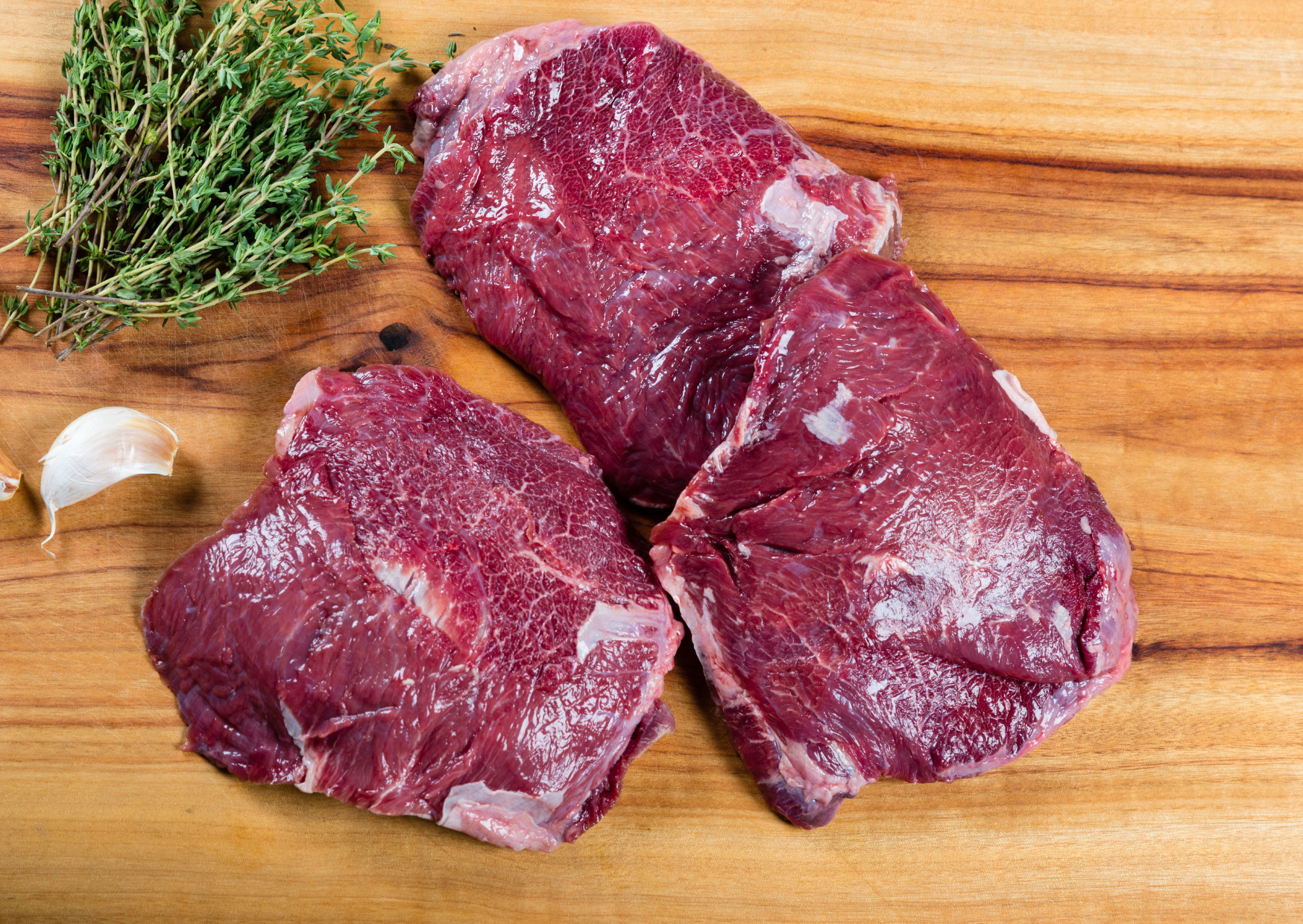
Ask an Italian nonna how to make proper brasato, stracotto, or even a rich ragù, and they’ll tell you to start with guancia di manzo — beef cheek.
To an American butcher, this cut is difficult to sell. It’s fatty, sinewy, and requires hours to become tender. Most end up trimming it away, if it’s even separated at all.
But in Italy, it’s revered.
When slow-cooked, the cheek transforms. The connective tissue breaks down into velvet. The fat melts into silk. The meat shreds like pulled pork, but with more depth.
It’s not flashy. It’s not tenderloin. It’s better.
2. Oxtail — A Roman Classic Hidden from American Shelves
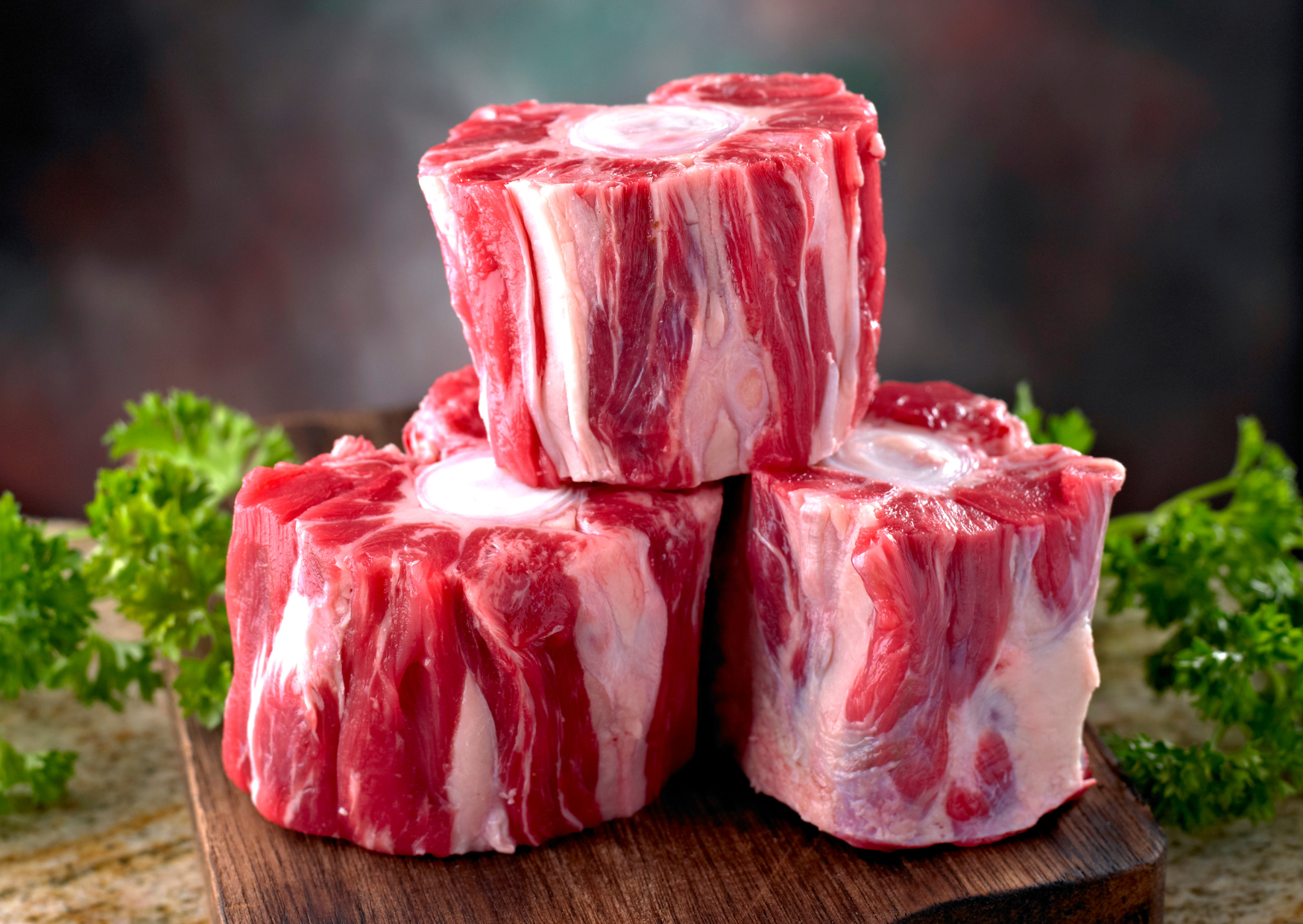
Coda alla vaccinara, a rich oxtail stew from Rome, is one of the city’s most cherished traditional dishes. The meat is braised for hours with wine, celery, tomato, and cloves until it slips off the bone.
In the U.S., oxtail is often dismissed as too much work for too little reward. Or worse, discarded entirely during processing.
But Italians know that flavor lives near the bone. It’s not about bulk. It’s about depth.
Coda is rich in collagen, deeply savory, and perfect for sauces. It’s the difference between something that tastes “meaty” and something that tastes like memory.
3. Offal Isn’t “Awful” — It’s Dinner
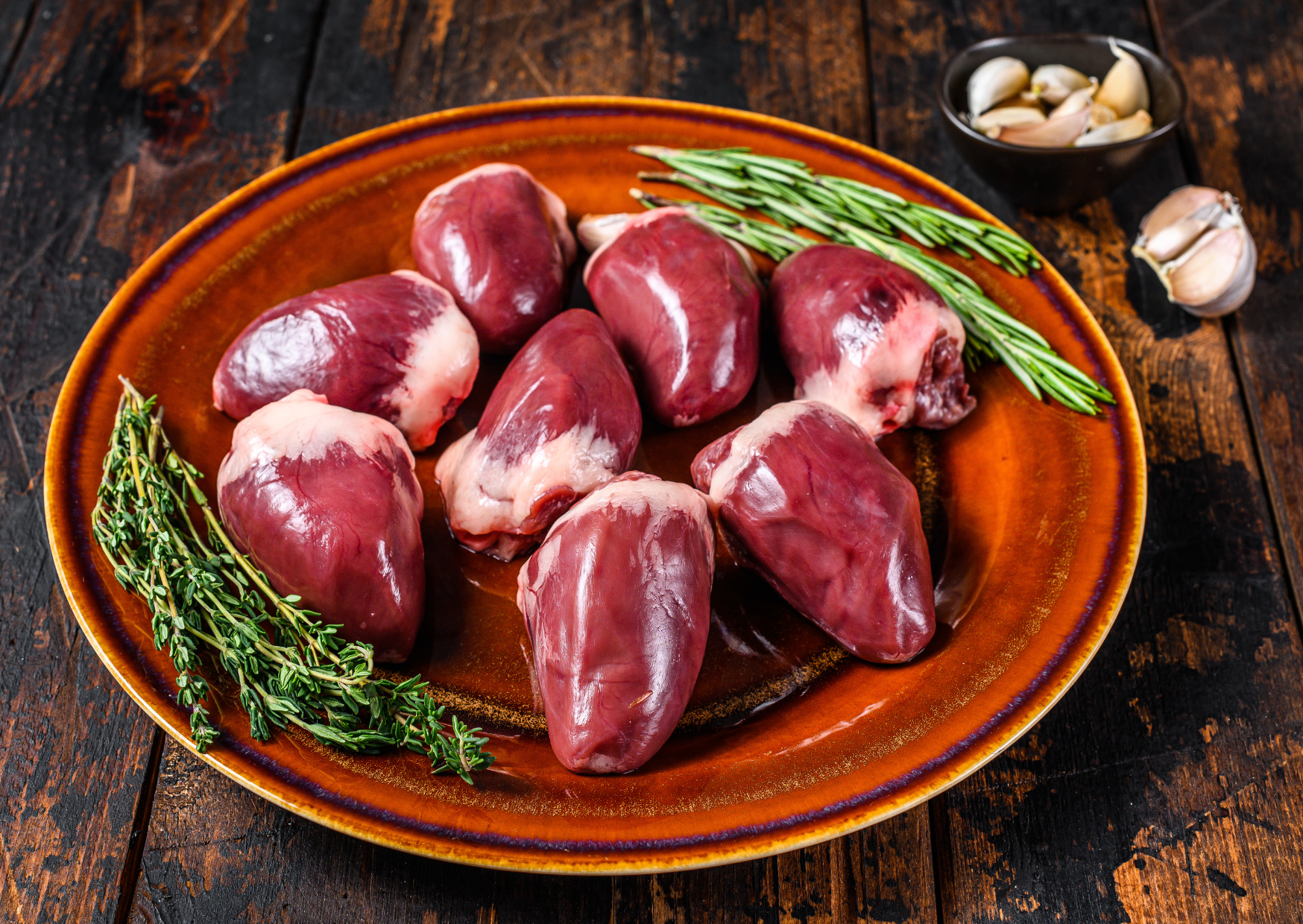
American consumers recoil at words like lung, spleen, tripe, or kidney. In many grocery stores, they’re not even offered. If they are, they’re packaged with warning labels or limited to ethnic sections.
In Italy, these parts are not just accepted — they’re celebrated.
- Trippa alla romana: honeycomb tripe in tomato sauce with mint and Pecorino.
- Coratella: heart, liver, and lung sautéed with onions, often eaten at Easter.
- Milza (spleen): used in pane ca’ meusa, the famous Palermo spleen sandwich.
To an American palate raised on boneless cuts, this is confusing — even disgusting.
To Italians, it’s cuisine with roots.
4. The Butcher Is a Guide — Not Just a Vendor
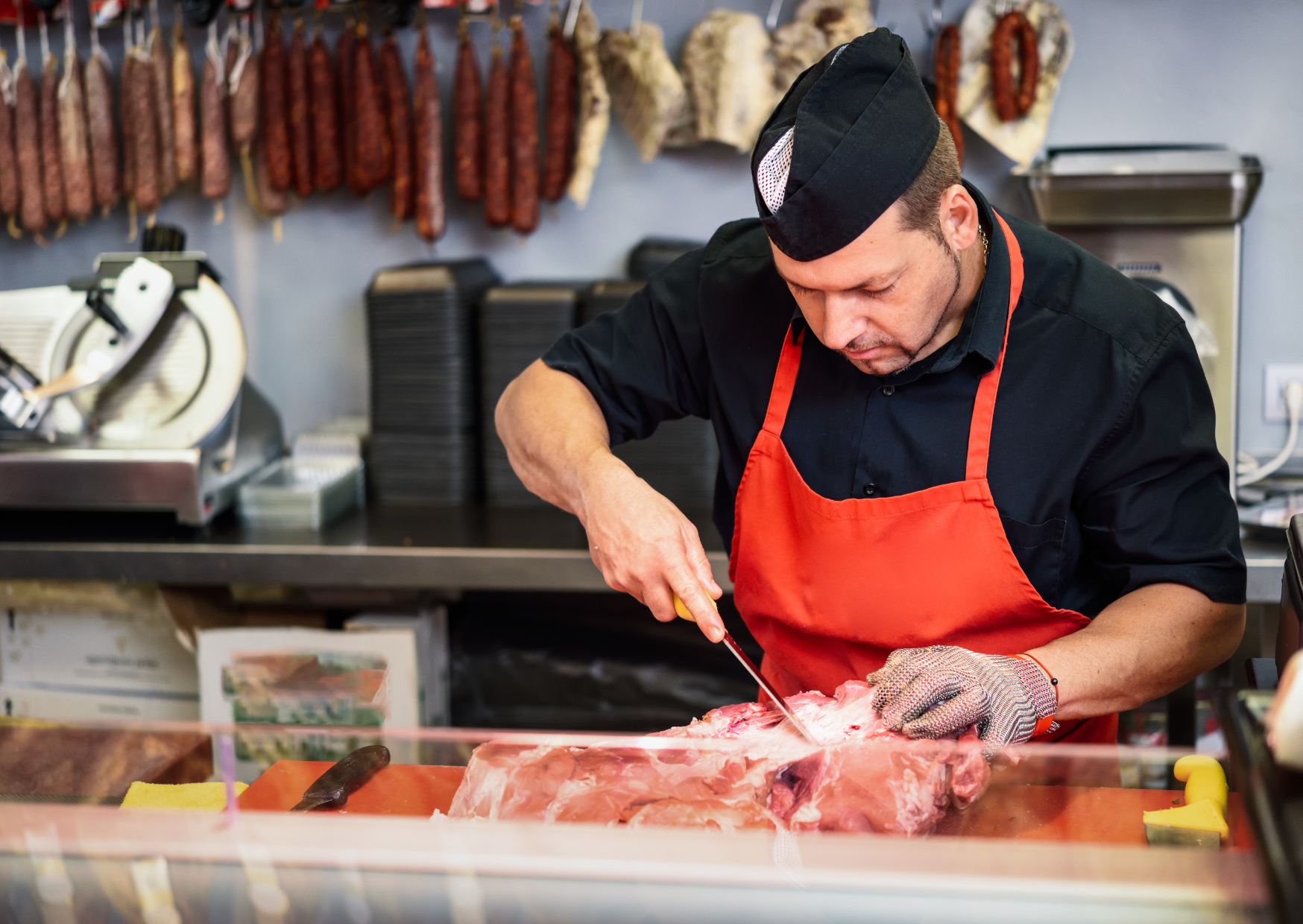
In the U.S., meat is pre-cut, pre-wrapped, and labeled for efficiency. You choose a number. The person behind the counter weighs it. That’s it.
In Italy, especially in smaller towns, the butcher is part chef, part historian.
They’ll recommend guancia for your Sunday stew. They’ll ask how long you plan to cook it. They’ll offer a cut you’ve never heard of — because they know which parts you’re missing.
Nothing is wasted. Nothing is ignored.
And if they do trim something off? It’s saved for brodo — stock that holds the season.
5. Texture Isn’t Feared — It’s Sought After
American meat is often judged by tenderness. “Melts in your mouth” is high praise. Anything chewy, gelatinous, or slippery is seen as inferior.
Italian cuisine embraces texture — especially in meat.
The gelatin of oxtail. The slight chew of tripe. The crisp snap of grilled cartilage. These aren’t flaws. They’re features.
Dishes are built around contrast. Rich and lean. Crisp and soft. Flavor and resistance.
To an American tongue, some of it might feel foreign. But to an Italian mouth, it’s balance.
6. Cuts Are Smaller — But Packed with More Story
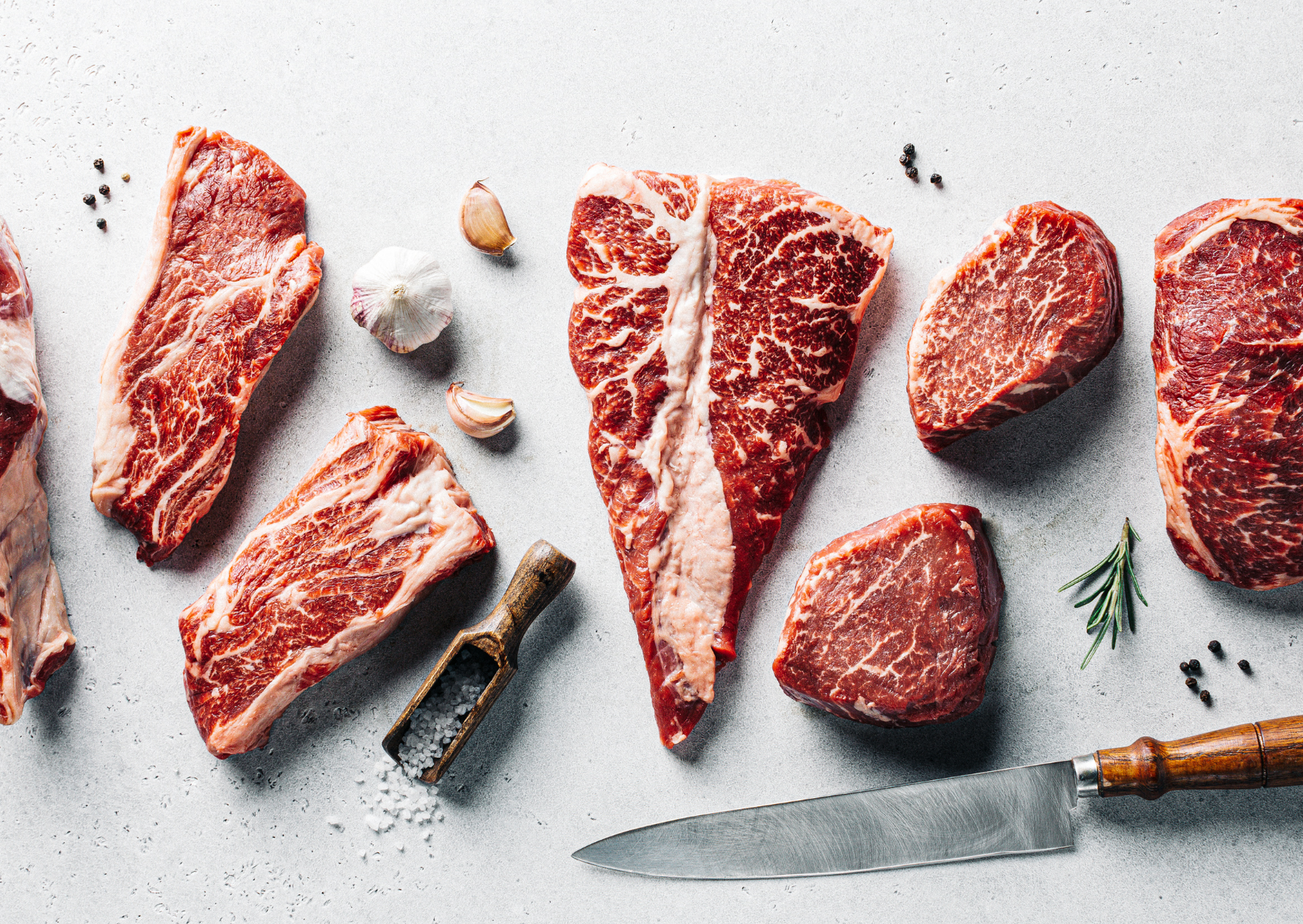
American butchers are trained to present meat in large, uniform, appealing cuts. Italians often prefer smaller, stranger, more complex pieces.
- A pork jowl for guanciale.
- A bone-in veal breast for slow braising.
- Lamb neck, split and rolled.
These cuts are harder to process. But they come with history, family recipes, and a thousand years of culinary refinement.
You can’t just slice and serve. You have to cook — and in the process, connect.
7. The Nose-to-Tail Mentality Never Went Out of Style
In the U.S., nose-to-tail cooking is having a revival — in trendy restaurants, food documentaries, and among sustainability advocates.
In Italy, it never disappeared.
Farmers and families have always used every part. Whether for reasons of poverty, tradition, or flavor, no cut is too humble.
The cheeks, the tail, the skin, the blood — all have a place.
And because of that, dishes born from survival have become expressions of pride.
8. Waste Is a Moral Issue — Not Just a Financial One
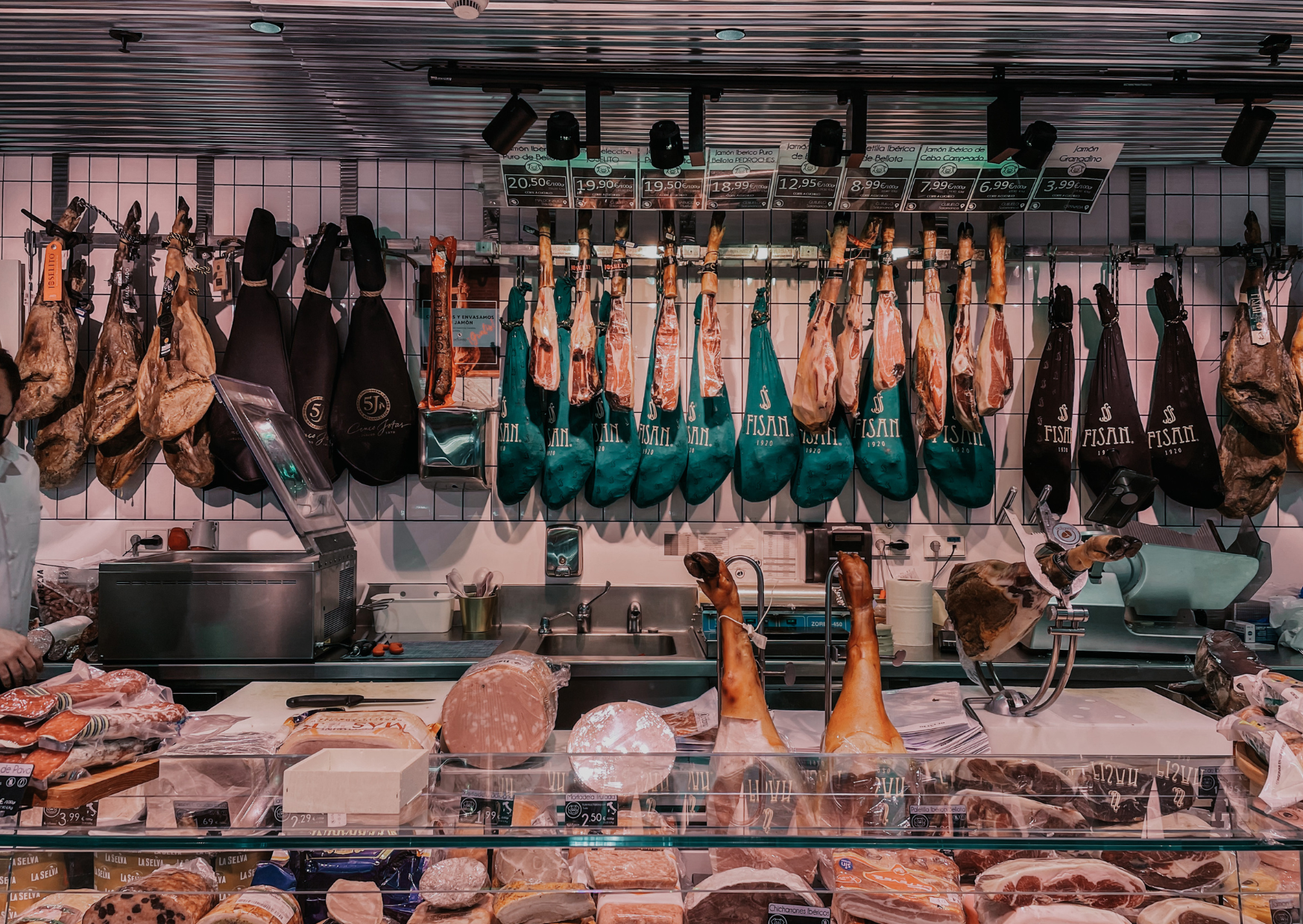
In America, unused cuts are often thrown away or processed anonymously. In Italy, waste is deeply frowned upon.
Even butcher scraps have homes — in sausage, ragù, stock, or pet food.
This respect for the animal isn’t a trend. It’s part of the cultural code.
When Americans toss cheeks and tails, Italians see lost flavor, lost history, and lost opportunity.
9. What Americans Trash, Italians Turn Into Celebration
From bollito misto in the north to lampredotto in Florence to fritto misto in the south, Italy’s regional cuisines are filled with the parts that American kitchens ignore.
And not only are these dishes beloved — they’re centerpieces. They appear at festivals. On Sunday tables. In sandwiches eaten proudly on the street.
To Americans, these cuts are unfamiliar.
To Italians, they’re delicious, emotional, and non-negotiable.
One Animal, Two Mentalities
To an American butcher, the cheek is waste.
To an Italian, it’s the heart of the dish.
To an American consumer, unfamiliar textures are avoided.
To Italians, they’re proof you’re eating something real.
In the U.S., meat is convenience. In Italy, it’s a relationship — with the butcher, the recipe, the past, and the land.
So next time you see a tray of guancia in an Italian butcher shop, don’t look away. Ask what to do with it.
Because once you taste it, you’ll understand:
What one culture discards, another has been perfecting for centuries.
Rediscovering these traditional cuts isn’t just about following a food trend it’s about reconnecting with a slower, more intentional way of cooking. It’s about honoring every part of the animal and appreciating the layers of flavor that only come from time-tested techniques. Italy reminds us that great food doesn’t need to be expensive or fancy it just needs to be respected.
If you’re serious about cooking and flavor, it’s time to look beyond boneless chicken breasts and sirloin steaks. Talk to your butcher, learn the names of these forgotten cuts, and explore the recipes that bring them to life. There’s something deeply rewarding about taking a piece of meat once deemed “trash” and transforming it into a soul-warming meal worthy of a celebration.
So the next time you’re at the meat counter, think like an Italian. Don’t just buy what’s convenient—buy what’s flavorful. The difference between a forgettable dinner and a dish that becomes a family favorite might just be hiding in the butcher’s discard bin.

About the Author: Ruben, co-founder of Gamintraveler.com since 2014, is a seasoned traveler from Spain who has explored over 100 countries since 2009. Known for his extensive travel adventures across South America, Europe, the US, Australia, New Zealand, Asia, and Africa, Ruben combines his passion for adventurous yet sustainable living with his love for cycling, highlighted by his remarkable 5-month bicycle journey from Spain to Norway. He currently resides in Spain, where he continues sharing his travel experiences with his partner, Rachel, and their son, Han.