
(And Why They Actually Make Work Life More Human)
Picture this: it’s 9:45 a.m. in a small office in Spain. A few employees have just arrived. Someone’s making coffee. A couple coworkers are chatting—loudly—about weekend plans. No one’s panicking about being late, and no one is pretending to be busy. Eventually, people settle into their workday. No time clocks. No performative urgency.
To an American, this might look like a disciplinary meeting waiting to happen.
But in Europe? It’s just a normal Tuesday.
If you’ve ever worked, interned, or just observed a European office culture, you’ll know it feels drastically different from American norms. There’s more trust, less anxiety. More autonomy, less micromanagement. And some behaviors that would raise red flags (or pink slips) in the U.S. are just… how things are done.
Here are 9 workplace customs in Europe that might get Americans fired back home—and why they actually lead to more sustainable, respectful work environments.
Want More Deep Dives into Everyday European Culture?
– Why Europeans Walk Everywhere (And Americans Should Too)
– How Europeans Actually Afford Living in Cities Without Six-Figure Salaries
– 9 ‘Luxury’ Items in America That Europeans Consider Basic Necessities
Quick Easy Tips
Tone it down: European workplace culture often frowns on loud self-promotion. Let your work speak for itself.
Take your lunch seriously: A rushed desk lunch can signal poor time management. Embrace the full lunch break.
Respect boundaries: Avoid checking work emails late at night—after-hours culture is very different in Europe.
American work culture rewards hustle, long hours, and “always-on” productivity. In contrast, many European countries consider that behavior borderline toxic. In France, for example, there are actual labor laws protecting workers from after-hours emails. Meanwhile, in Germany, staying late can be seen as inefficient or poor time planning, not dedication. An American showing up early, skipping breaks, and staying late might think they’re impressing the boss—but they could be signaling a lack of balance, or even disrespect for team norms.
Meetings also reflect cultural contrasts. Americans often view meetings as opportunities to speak up, lead the room, and share opinions—sometimes unsolicited. In Scandinavian and Dutch offices, interrupting or dominating the conversation can be viewed as arrogant. There’s a high value placed on consensus, clarity, and humility. Over-confidence or excessive self-promotion may not get you ahead—they might get you sidelined.
Even casual office behavior diverges. In many European offices, it’s completely normal—and even expected—to talk openly about politics, take month-long summer vacations, or share wine at a work lunch. To Americans, that can feel unprofessional or like a HR complaint waiting to happen. But in Europe, it’s a sign of trust and human connection. What feels casual and communal across the Atlantic can look dangerously informal—or even fireable—in a U.S. setting.
1. Taking Long Lunches (Without Guilt or Apology)

In much of the U.S., lunch is a rushed 30-minute break at your desk. You’re praised for skipping it. You might inhale a protein bar while replying to Slack messages.
In Europe? Lunch is sacred.
- In France, Spain, and Italy, lunches can easily last 1–2 hours, and often include real food at real restaurants.
- Coworkers socialize, decompress, and actually leave the office.
- In some companies, lunch is subsidized or served on-site in a proper canteen.
If you tried that in an American office without permission? You’d be called lazy or unserious. In Europe, it’s called being a functioning human being.
2. Not Answering Emails After Hours

If you think sending emails at 11 p.m. makes you look dedicated, you’ll be disappointed in Europe.
In countries like France and Germany, there’s even legislation protecting employees’ “right to disconnect.” That means:
- No emails or messages expected after work hours
- No “just checking in” on Sunday evening
- No subtle pressure to always be reachable
Employees in Europe often turn off work phones after hours. If you email on a weekend, you won’t hear back until Monday—and no one apologizes for that.
Try ignoring a late-night client email in the U.S.? You’d risk being labeled unresponsive or, worse, not a team player.
3. Being (Slightly) Late Without Panic
While Northern Europe tends to be more punctual, in Mediterranean countries like Spain, Italy, or Greece, arriving a few minutes late to a meeting or starting the workday at 9:15 instead of 9:00 isn’t scandalous.
As long as the work gets done, the emphasis is on results, not rigid time tracking.
In many American workplaces, this would trigger passive-aggressive comments or performance warnings. But in Europe, a flexible start time reflects a culture that values productivity over presenteeism.
4. Actually Using Your Full Vacation Time

Americans are notorious for not using all their paid time off—and when they do, they often feel guilty.
In Europe, that behavior is… suspicious.
- Four to six weeks of vacation is standard in most European countries.
- Employees take the whole month of August off without shame or apology.
- Coworkers encourage each other to take time off—and actually disconnect.
In the U.S., disappearing for a month without checking email might get you labeled unreliable. In Europe, not taking your vacation might get you a concerned look from HR.
5. Saying “No” to Extra Work (and Meaning It)

In many American offices, saying “no” to a task—even one outside your job description—can make you look difficult or uncooperative.
But in Europe, boundaries are respected. You’ll hear:
- “That’s not my responsibility.”
- “I’ll do it next week, I’m at capacity.”
- “I’m on holiday, I’ll respond when I return.”
Far from being seen as lazy, setting boundaries is considered a sign of professional maturity. You’re expected to protect your time and mental bandwidth.
Try that tone in a high-pressure U.S. startup? You might find yourself off the project—or off the payroll.
6. Openly Talking About Salary and Contracts

In the U.S., salary is taboo. Most employees have no idea what their coworkers earn, and talking about it can feel like breaking a sacred rule.
In Europe? People talk. Transparently.
- In Scandinavia, some salary info is public record.
- In Germany and France, it’s common to discuss contract terms and pay scales with colleagues.
- Union presence is stronger, and workers often negotiate collectively, not individually.
Talking about money isn’t shameful—it’s empowering. And it’s one reason pay inequality gets called out more quickly in many European companies.
7. Taking Real Sick Days (Without “Proving” You’re Sick)
In the U.S., employees often drag themselves into work sick—or work from bed to avoid seeming lazy. Some are even expected to submit doctor’s notes for missing a day.
In Europe, especially in countries with universal healthcare, sick leave is treated like a basic right, not a bargaining chip.
- Many countries offer fully paid sick leave
- There’s no culture of “powering through”
- Colleagues genuinely say: “Don’t worry, take care of yourself”
Taking a sick day doesn’t make you look weak. It makes you look responsible—for yourself and your coworkers.
8. Not Smiling or Making Small Talk All Day

In the U.S., friendliness is a workplace currency. Smiling, small talk, and a perky tone are often considered part of your job performance.
In Europe? People are polite, but often more reserved and to the point.
- In Germany, you might go hours without chit-chat. That’s not rudeness—it’s efficiency.
- In France, people don’t smile unless they mean it. It’s not fake—it’s authentic.
- In the Netherlands, direct feedback is valued more than sugarcoated encouragement.
If you tried to match American-style pep in many European offices, you might seem… insincere.
9. Refusing to Work Overtime (Even for a Promotion)
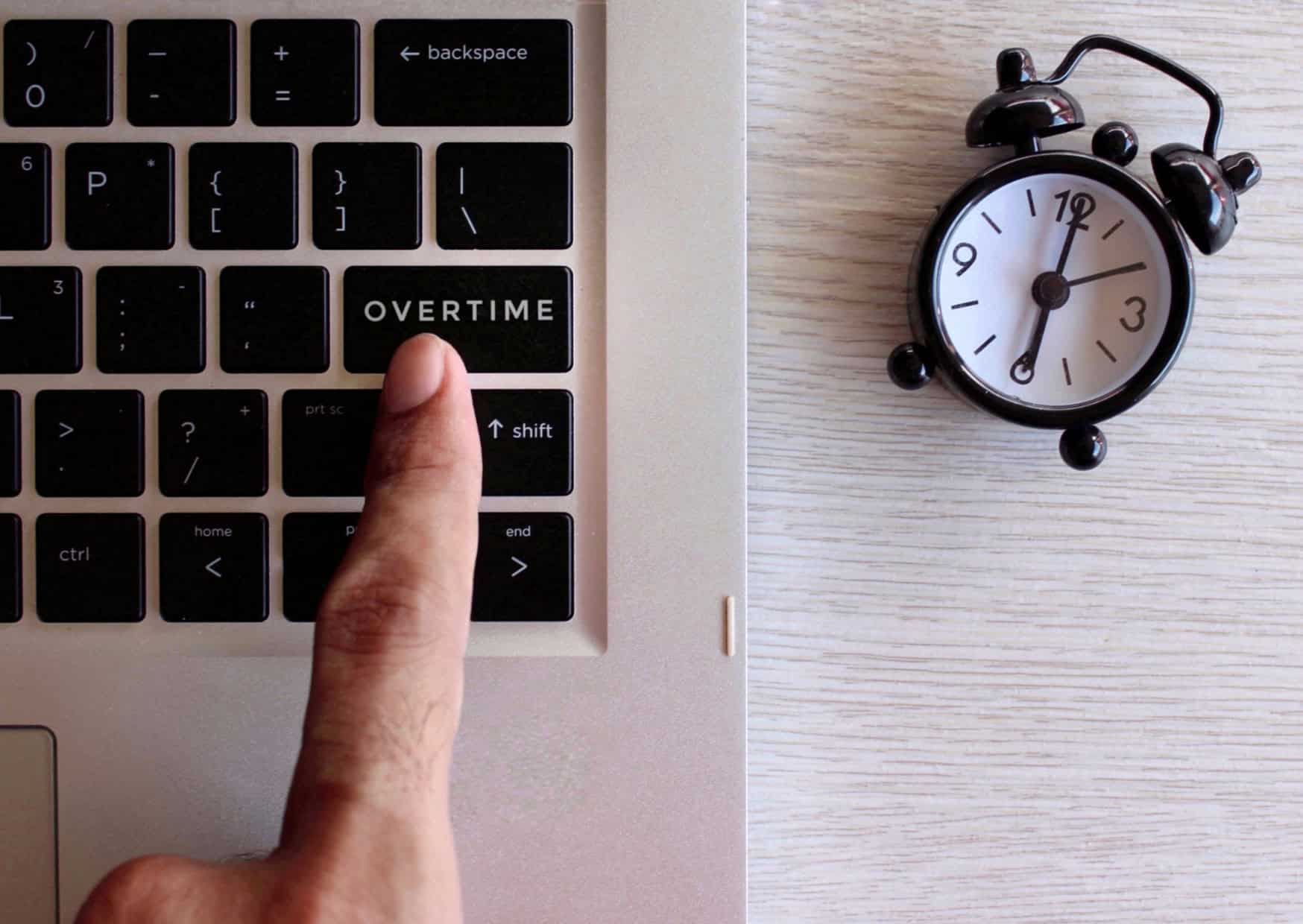
In the U.S., staying late is often seen as a badge of honor. Burning out for a promotion? That’s hustle culture.
In Europe, if you routinely stay late, your manager might ask: “Are you managing your time properly?”
Working overtime without compensation is frowned upon or even illegal in many countries. Promotions aren’t based on who sacrifices the most personal time—they’re based on actual contributions, within working hours.
Saying “I don’t work after 6 p.m.” isn’t lazy. It’s a clear boundary—and a culturally supported one.
Final Thoughts: When “Getting Fired” Is Just… Doing It Differently
In the American workplace, the expectation is often to prove yourself. Be first in, last out. Say yes. Go the extra mile. Stay reachable. Smile while doing it. And hope for a promotion.
In Europe, the expectation is to respect the job—and yourself. Set limits. Be efficient. Value rest. Prioritize your personal life. And know that your worth isn’t measured by how many hours you’re online.
The customs that might get you side-eyed—or even fired—in the U.S. are often seen in Europe as signs of maturity, health, and self-respect.
So next time you’re tempted to respond to a work email at midnight or skip your vacation days to look “committed,” ask yourself:
Are you working… or performing?
Europe has its answer. And it involves turning off your phone, closing your laptop, and heading to a long, slow lunch with coworkers—on company time.
Pro Tip: If you’re considering working abroad or just bringing a little balance back into your work life, start by adopting one of these European habits. You might be surprised how much better work feels when you stop treating it like your entire personality.

About the Author: Ruben, co-founder of Gamintraveler.com since 2014, is a seasoned traveler from Spain who has explored over 100 countries since 2009. Known for his extensive travel adventures across South America, Europe, the US, Australia, New Zealand, Asia, and Africa, Ruben combines his passion for adventurous yet sustainable living with his love for cycling, highlighted by his remarkable 5-month bicycle journey from Spain to Norway. He currently resides in Spain, where he continues sharing his travel experiences with his partner, Rachel, and their son, Han.